Etna by jeep is a real-world geology lesson with views. This trip has Bove Valley panoramas and real time on volcano terrain—plus the kind of photo stops that make your camera work overtime. One thing to weigh: you’ll do walking along rough paths, so good footwear and weather-ready layers matter.
I also like the small-group feel (up to 5 travelers) and the fact that hotel pickup from Taormina is built in. Guides are often the difference between a nice drive and a memorable education, and many people put names to that—Sal, Luca, Saro, and Silvia show up in the feedback. If you want zero hassle, do expect that sometimes pickup or vehicle issues can disrupt plans, so confirm details and keep your morning flexible.
In This Review
- Key reasons this Etna jeep trip hits the sweet spot
- From Taormina pickup to the first big Etna views
- Valle del Bove: where the earth looks like it fell inward
- Lava cave + a mountain shelter break
- Monti Sartorius craters: the 1865 walk you actually feel
- Half-day choice: Piano Provenzana’s recent lava flow
- The guides who can turn a drive into a story
- Jeep tour reality: small group, but check what you’re getting
- What to pack: shoes, waterproofs, and a hat you’ll actually wear
- Price and value: what you’re paying for (and what you’re not)
- Weather planning: Etna days depend on the sky
- Should you book this Etna Jeep Tour from Taormina?
- FAQ
- How long is the Etna Jeep Tour from Taormina?
- What time does the tour start?
- Is pickup included?
- What’s included in the price?
- Is lunch included?
- What language is the tour offered in?
- How many travelers are on the tour?
- What should I wear?
- Are there admission tickets at the stops?
- What’s the cancellation policy?
Key reasons this Etna jeep trip hits the sweet spot
- Bove Valley viewpoint time to take in a huge volcanic depression and nearby lava formations
- Monti Sartorius craters walk tied to the eruption of 1865
- Lava cave stop that adds a totally different side of Etna than just scenery
- Small group (max 5), so you’re not stuck watching everything from the back row
- English-speaking guide who brings the volcanic story down to earth
- Half-day option includes Piano Provenzana recent lava flow (if you choose it)
From Taormina pickup to the first big Etna views
Your day starts with pickup from your hotel in Taormina area, with a morning start time of 9:00 am. From there, you cross toward Giarre and then move through villages at the foot of Mount Etna.
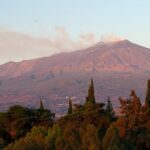
That early transfer is more than just getting there. You pass an ancient lava flow, which sets the tone: Etna isn’t just a mountain you see once—it’s the ground you drive across, step onto, and stare at. As you head toward the volcanic depression, the views often start opening up in stages, not all at once.
Practical tip: This is one of those tours where you’ll feel the difference between arriving on time and arriving stressed. If you can, keep your breakfast simple, dress fast, and leave yourself a little buffer.
You can also read our reviews of more tours and experiences in Taormina.

Valle del Bove: where the earth looks like it fell inward
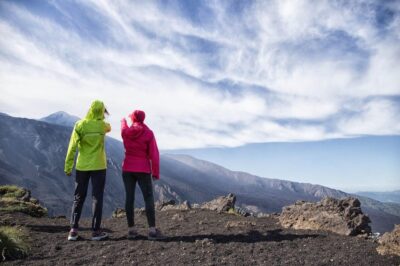
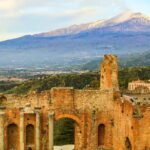
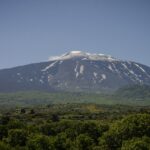
The first stop is Valle del Bove, the immense Bove Valley—an enormous volcanic depression formed about 25 million years ago. This is where you get your first real sense of scale, with recent lava flows and rock formations that relate to older volcanic buildings collapsing.
The stop is short—about 15 minutes—but it’s the kind of 15 minutes you’ll use well. You’ll want at least a minute to just look, then a minute to photograph, then repeat. Don’t rush it, because once you move on, you don’t come back.
What you’ll like here: the mix of wide views and readable geology. The valley makes it easy to understand why Etna’s story is told in layers of destruction and rebuilding.
Consideration: short stops mean you’re responsible for your own pace. If you’re someone who needs extra time to take photos or read every info sign, you might feel a little time-pressed.
Lava cave + a mountain shelter break
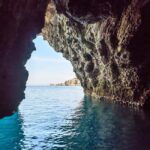
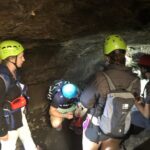
After the valley viewpoint, the route includes a lava cave stop and then a short break at a mountain shelter. This is where the tour switches from “look at the volcano” to “stand near the evidence.”
A cave stop usually changes the feel right away. Even if you don’t know anything about lava tubes, you can tell you’re in a place shaped by flowing rock and time. And the shelter stop matters because Etna days can shift from bright to chilly fast depending on weather and altitude.
The tour is recommended with trainers or walking boots, and waterproof gear plus a hat. I’d treat that as a strong hint: even if the main drive looks pleasant, you can still get hit with damp air and uneven ground once you’re out.
My take: this portion is a nice balance. You get awe from the views and curiosity from the cave—then you get a breather before the walking portion.
Monti Sartorius craters: the 1865 walk you actually feel
Next comes Monti Sartorius, with a walk along a path to see craters formed during the eruption of 1865. This is the walking highlight for the day, listed for about 40 minutes, and it’s the part that makes the trip feel like more than sightseeing.
You’ll be on a defined path, but it’s still a volcano setting: dirt, rocks, and the kind of footing where you don’t want flimsy sneakers. One of the most consistent bits of advice from the feedback is simple: wear shoes you don’t mind getting dirty.
Why this stop is valuable: the eruption date gives the terrain a timeline. You’re not just looking at random craters—you’re seeing landforms tied to a specific event. That turns Etna from a background feature into an actual story you can walk through.
Possible drawback: some people find they need more preparation than they expected for walking time. So pack like you’ll walk a bit more than a casual stroll.
Half-day choice: Piano Provenzana’s recent lava flow
If you choose the half-day option, the route includes a visit to a recent lava flow formed in Piano Provenzana. “Recent” here matters because it shows you how quickly the volcano reshapes land—and how new surfaces can look rough and stark compared with older formations.
Then you start the return drive, passing the road said Mareneve and going through the villages of Linguaglossa and Fiumefreddo.
This return section is underrated. You go from active volcanic features to everyday life in Etna-area towns. It’s a nice way to end the day: you’re still thinking about lava, but you’re also seeing how locals live at the foot of it.

The guides who can turn a drive into a story
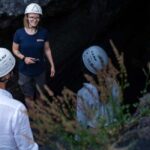
Etna tours rise or fall on the guide, and this one has a strong track record with specific names showing up in the feedback: Sal, Luca, Saro, and Silvia.
Here’s what stands out about the best-guided days:
- They explain what you’re seeing in plain language, tied to the volcano’s events.
- They keep the day moving without making it feel rushed.
- They’re funny—people remember that.
One tip that keeps coming up is the idea of really tuning in to the volcano. You’ll be with a guide who knows how to bring attention to details beyond visuals, and it can make the whole experience feel more alive.
Who benefits most from a good guide? Anyone who loves photos but also wants meaning behind them. If you only want a quick snapshot, you might still enjoy the views—but the guide is what helps you connect the dots.
Jeep tour reality: small group, but check what you’re getting
The pitch is jeep-style exploring, and the tour is described as having room for up to 5 people. That small size is a plus because it usually means better conversation, less waiting, and more attention on where you stand for photos.
Still, a few travelers reported a mismatch between expectations and the actual vehicle. The takeaway for you is simple: don’t rely on a single promo image. Confirm the vehicle type when you receive your booking details, especially if jeep seating matters to you.
Also, remember this is active travel. Even with short listed times at stops, you’re moving around, walking paths, and spending time outdoors. Plan for that like it’s part of the attraction, not an inconvenience.
What to pack: shoes, waterproofs, and a hat you’ll actually wear
The tour recommendation is practical: trainers or walking boots, waterproof gear, and a hat. Those aren’t generic suggestions. Etna-area conditions can mean mud, wet ground, and cooler air than you expected—even if the day starts bright.
I’d pack:
- Proper footwear with grip (volcanic ground can be slick)
- A waterproof layer you’ll keep accessible
- A hat for sun or rain protection
- A small bag for your camera and essentials
And one more thing: bring water. The walking portion is part of the route, and the day can feel longer once you’re out on craters and near rock formations. Even if the guide can help with small needs, you don’t want to rely on luck.
If you’re prone to cold: bring an extra layer. One of the practical warnings in the feedback is that rain and cold can happen depending on the day.
Price and value: what you’re paying for (and what you’re not)
The cost is $190.63 per person for about 4 hours. That’s not cheap compared with bus tours, but the value comes from what’s included.
You get:
- Professional guide
- All taxes, fees, and handling charges
- Pickup from Taormina
- Half-day jeep tour experience on Mt Etna
You don’t get:
- Lunch
So the decision is basically this: are you the type who wants close-up access and a guided route rather than a sit-and-watch drive? If yes, the price starts to make sense fast. If you’re trying to minimize spend and you don’t care about the walking parts or the geology talk, there may be cheaper ways to see Etna.
Also note: admission tickets for the listed viewpoints are free (Valle del Bove and Monti Sartorius), which is a nice bonus. Most of what you’re paying for is the guide time and the actual transport and access.
Weather planning: Etna days depend on the sky
This experience requires good weather. If conditions aren’t right, you’ll be offered a different date or a full refund. That’s important on Etna because visibility and ground conditions can change quickly.
You’re also on a tight schedule with a morning start, so don’t plan anything too tight immediately after the tour. Keep the rest of your day flexible in case the tour shifts.
My advice: dress for rain even if the forecast looks fine. Waterproof gear and a hat are part of the recommended kit for a reason.
Should you book this Etna Jeep Tour from Taormina?
Book it if you want Etna in a hands-on way: Bove Valley views, lava cave, and the crater walk are exactly the mix that turns a volcano into something you understand. The small group size (up to 5) and the focus on a guided explanation also make it worth it if you like learning while you travel.
Skip it or be cautious if:
- You hate walking on uneven terrain, even for short stretches
- You need a fully private experience (this operates as a small group)
- You’re booking on a day with uncertain weather or tight timing
If you do book, do two simple things: confirm pickup details the day before, and pack like you’ll get muddy and walk more than you think. Then you’ll be ready for the main payoff—seeing Etna up close, not just from a distance.
FAQ
How long is the Etna Jeep Tour from Taormina?
The tour lasts about 4 hours.
What time does the tour start?
The start time is 9:00 am.
Is pickup included?
Yes. Pickup is included from Taormina (you’ll specify your accommodation address when booking).
What’s included in the price?
A professional guide, half-day jeep tour on Mt Etna, all taxes/fees, and pickup from Taormina.
Is lunch included?
No. Lunch is not included.
What language is the tour offered in?
The tour is offered in English.
How many travelers are on the tour?
The maximum group size is 5 travelers.
What should I wear?
The recommended clothing is trainers or walking boots, waterproof gear, and a hat.
Are there admission tickets at the stops?
The listed stops have free admission tickets (Valle del Bove and Monti Sartorius).
What’s the cancellation policy?
You can cancel for a full refund up to 24 hours before the experience’s start time. The experience also depends on good weather, with a reschedule or full refund if canceled for poor weather.