REVIEW · MARSALA
Marsala: Guided Salt Pans Walk Tour with Windmill Visit
Book on GetYourGuide →Operated by SEI - Saline Ettore e Infersa · Bookable on GetYourGuide
Salt pans look magical in Marsala. This guided walk turns sea salt into a real-life process you can see, and I love the 16th-century windmill start plus the mosaic-like colors in the pans; the only thing to watch is that it’s not suitable for wheelchair users and you’ll be walking on uneven ground.
You’ll begin inside the saltworks at SEI – Saline Ettore e Infersa, where a short English movie explains how salt forms and how it’s harvested. Then you step outside and follow your guide through the working salt flats, learning how a salt pan’s life cycle and management affect what you see.
One practical consideration: the meeting point is at a specific windmill site, and getting it wrong can cost time (and taxi money). If you come prepared with comfortable shoes, sun protection, and water, the whole hour feels focused, informative, and oddly memorable.
In This Review
- Key highlights you’ll actually care about
- Entering the windmill: how the tour teaches salt in plain English
- Walking the salt flats: mosaic colors and how pans are managed
- Windmills, water, and timing: seeing the harvest rhythm
- Stagnone Reserve views and best light: when to time your visit
- What to bring and how to handle the salt-pan walk
- Getting the best value from an $18 one-hour tour
- Logistics check: finding the right windmill without stress
- Who this Marsala salt tour suits best
- Should you book the Marsala salt pans walk with windmill visit?
- FAQ
- How long is the guided salt pans walk with windmill visit?
- Is the tour guided in English?
- Where does the tour start?
- What should I bring?
- Are pets allowed?
- Is smoking allowed?
- Is it wheelchair accessible?
- What can I do at the end of the tour?
Key highlights you’ll actually care about
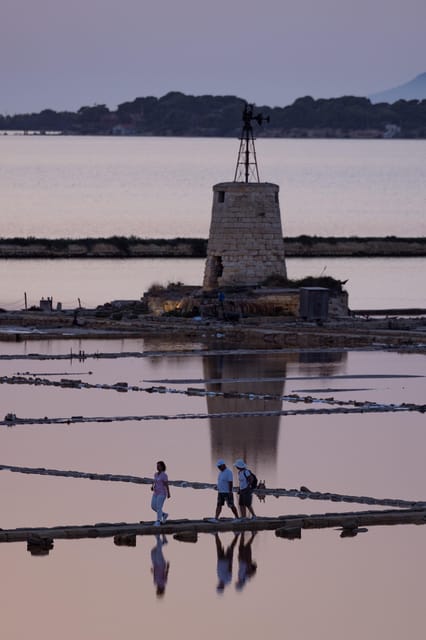
- 16th-century windmill visit first: start indoors, learn the basics fast, then go see it for real outside.
- Salt pans with real production context: you’re not just taking photos; you’re learning how pans are managed over time.
- Stagnone Nature Reserve views: you’ll notice the iridescent, color-shifting basins as you walk.
- English guide + English movie: you get two formats to help the process click.
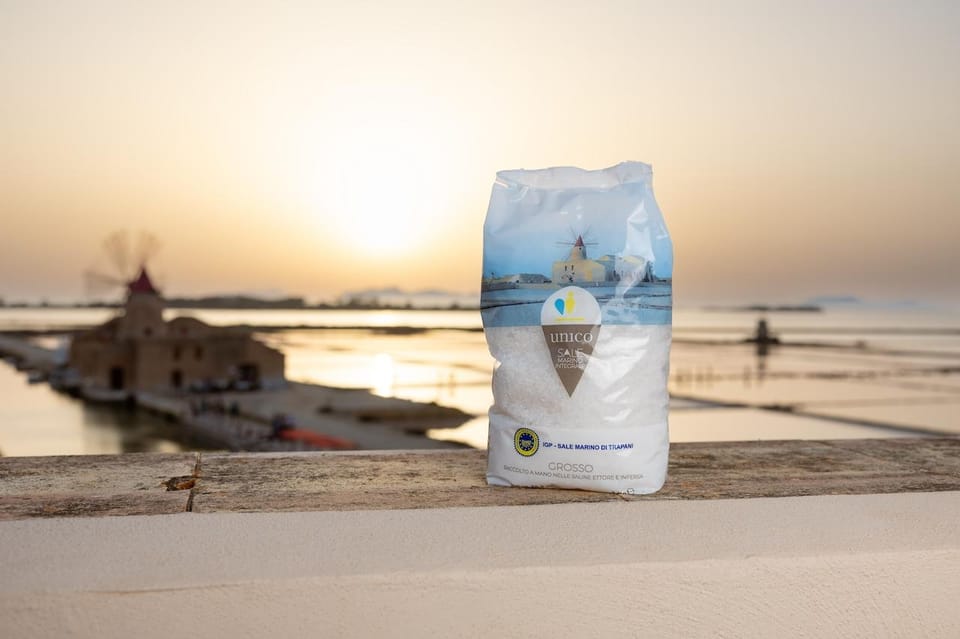
- Shopping moment at the end: you can visit the on-site salt shop and look for Whole Trapani Sea Salt PGI.
Entering the windmill: how the tour teaches salt in plain English
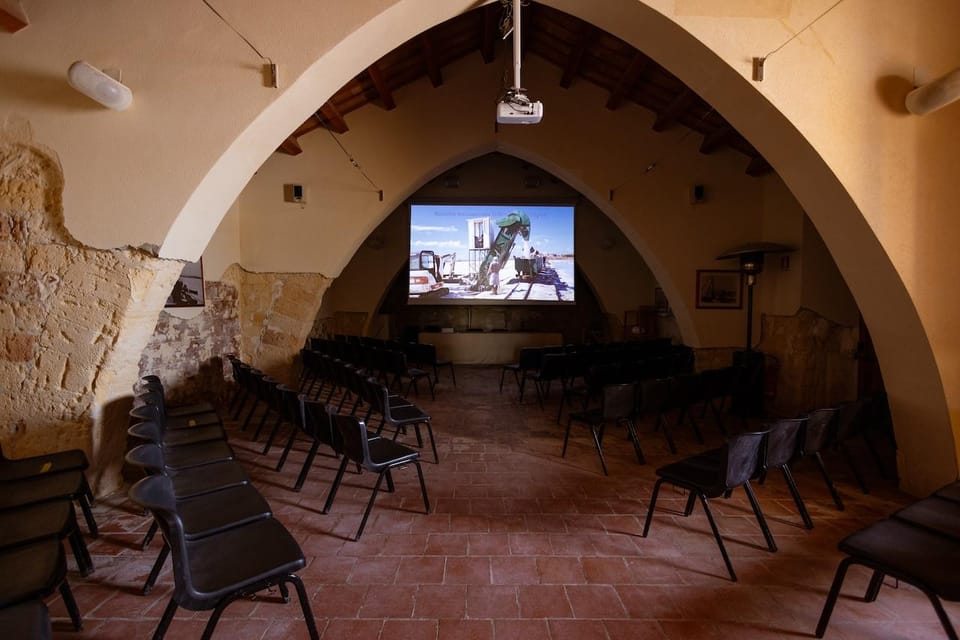
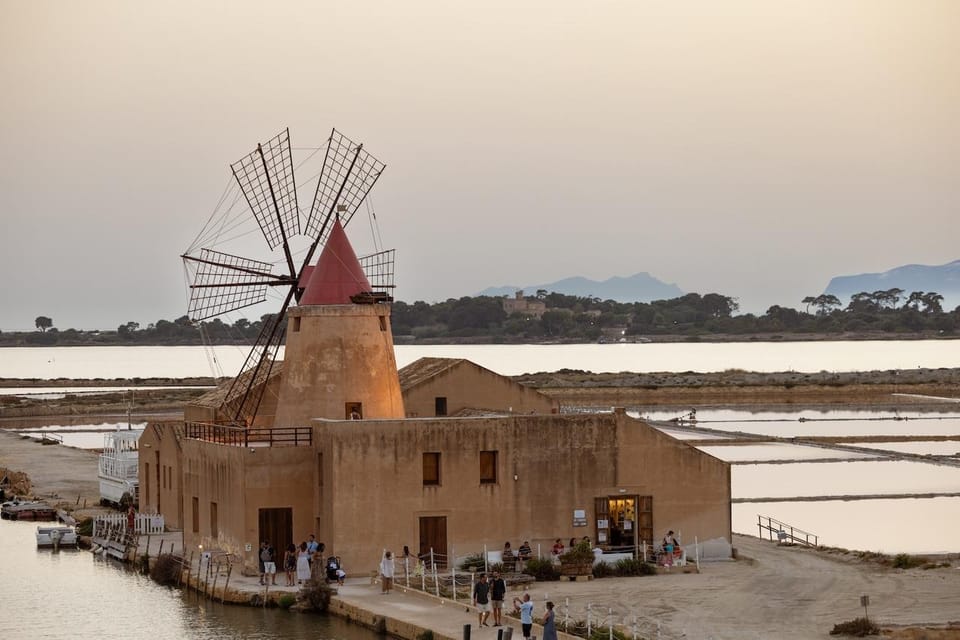
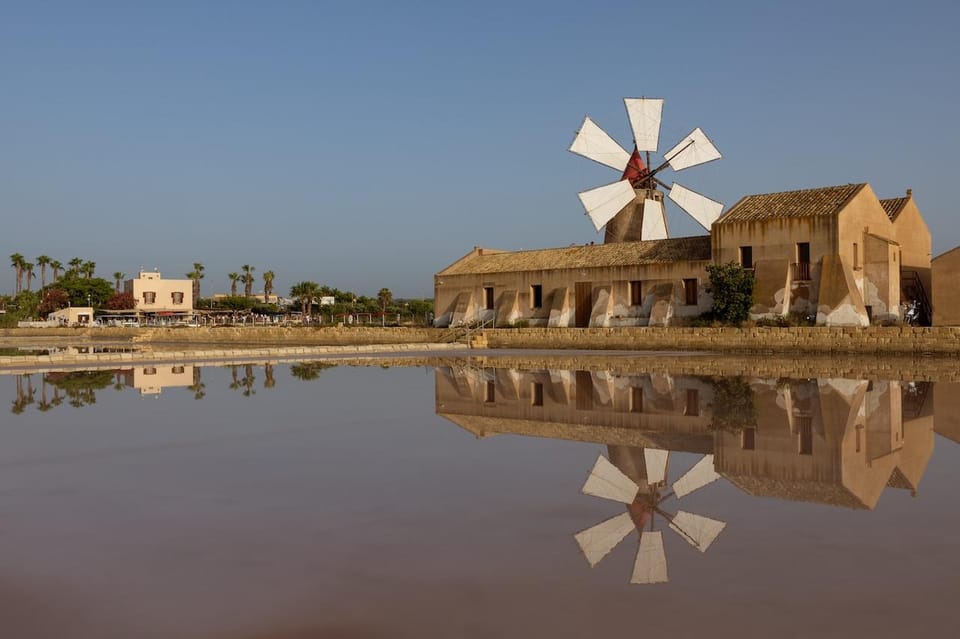
The experience starts inside the large SEI windmill area at the Saline Ettore e Infersa saltworks. Before you walk any paths, you’ll go into the windmill and watch a movie in English that lays out the sea salt production and harvesting process. It’s a quick way to get your bearings, especially if you’ve never thought about how salt is actually made.
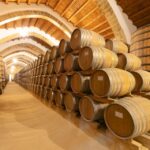
What I like about this setup is that it doesn’t pretend you’ll magically understand the pans by looking at them. The movie gives you the what and why, and the guide gives you the local details while you’re standing in the right place. One review also mentioned being allowed to walk freely inside the windmill at the end, where you can spend extra time looking at lots of photos and historical info.
This windmill-first structure also helps you enjoy the outdoor part more. Instead of seeing flat white surfaces only as scenery, you start seeing the saltworks as an active system—basins, timing, water levels, and human management all working together.
You can also read our reviews of more tours and experiences in Marsala.

Walking the salt flats: mosaic colors and how pans are managed
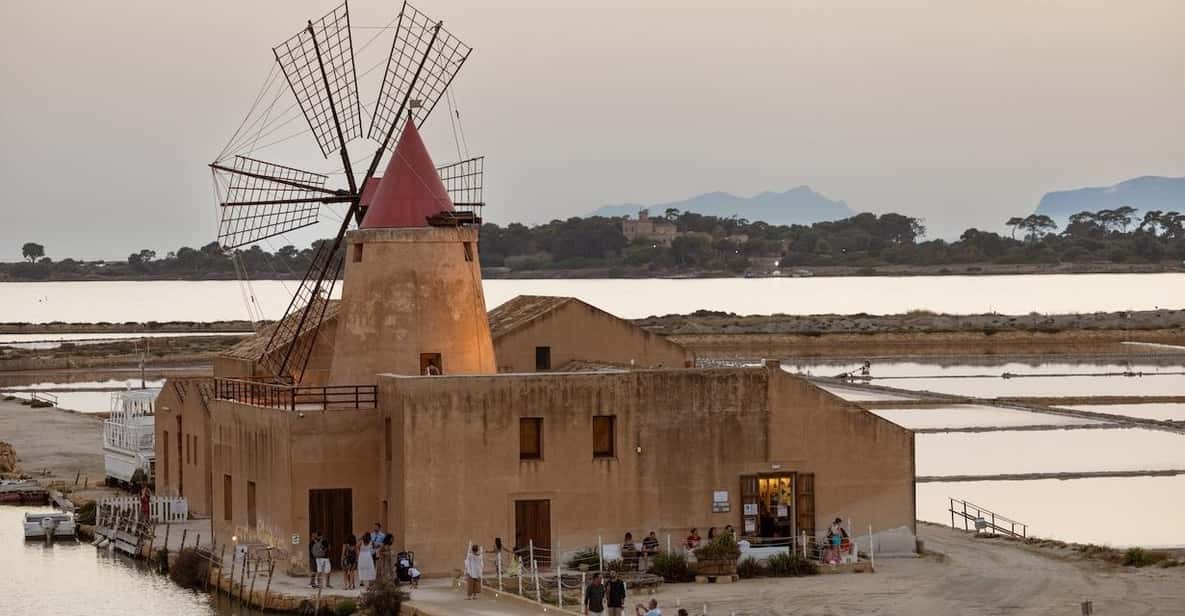
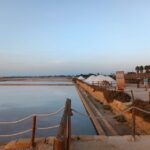
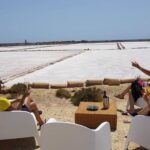
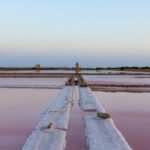
After the movie, you’ll join your English guide for the walk through the salt pans. This is where the tour becomes visual. The basins can look like mosaics—colored in a way that makes you slow down for photos and really watch how the water and salt interact.
You’ll also learn about the life cycle and management of a salt pan. That matters because salt production isn’t just a one-step harvest. You’re looking at a process that changes over time: water is managed, conditions are adjusted, and collection happens when the timing is right. Your guide helps connect what you see in front of you to that seasonal rhythm.
A standout part here is the view toward the Stagnone Nature Reserve. The salt pans can show iridescent colors that feel almost unreal at times. It’s the kind of place where you’ll keep glancing back, because the colors shift with light and conditions. If you’ve been craving something quieter and stranger than the usual Sicily sightseeing, this is it.
Windmills, water, and timing: seeing the harvest rhythm
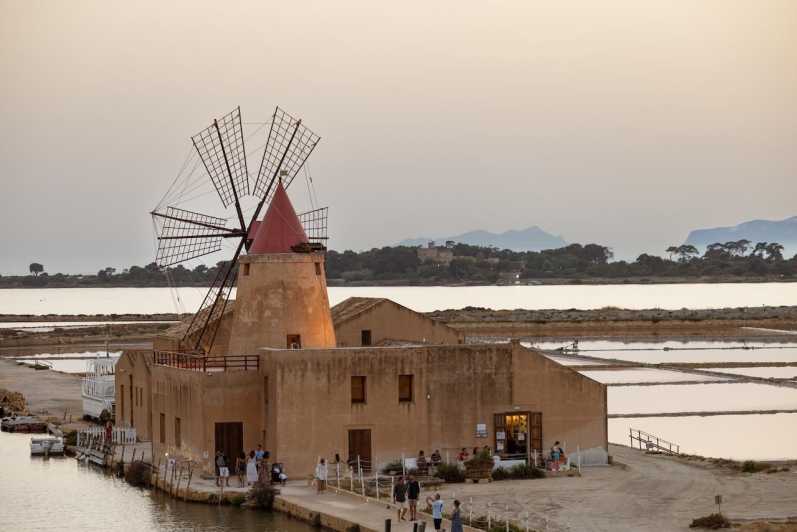
The tour includes a windmill visit for more than just atmosphere. The windmill is part of the story of how saltworks operate, and you’ll get context for why wind-driven structures mattered historically and how harvesting still depends on timing and pace.
One useful thing your guide does is explain the time and pace of salt collection. That might sound abstract, but standing among the basins makes it click. Salt isn’t picked like fruit all at once; it’s managed and collected according to conditions. That’s why your guide’s explanation makes the walk feel like a guided lesson, not a quick stroll.
I also appreciate that the tour doesn’t rush. With a duration of about one hour, it stays tight enough to fit into a busy day, but you still get time to ask questions and get clarity on the process.
Stagnone Reserve views and best light: when to time your visit
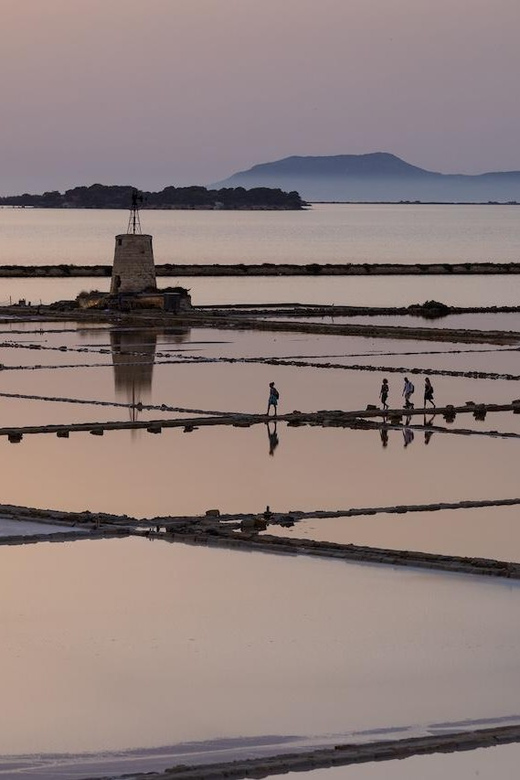
In Marsala, you can make this tour feel extra special by choosing the right time of day. One reviewer noted that sunset is the best time to go, with a suggestion that you might spend time on top of the mill to catch the light. If you care about atmospheric photos, sunset slots are worth prioritizing.
You should also consider seasonal wildlife and saltworks activity. Depending on the time of year, you might be able to plan around flamingoes and/or harvesting season. The key point for you: this is one of those tours where “when” can change what you notice.
Another practical timing tip: double-check the schedule you book. One comment mentioned that a water-related option worked at a different time than the English tour, and that timing affected what you did at the windmill. So if the booking you choose matters to your preferences, read the time details carefully before you go.
What to bring and how to handle the salt-pan walk
This tour is short, but it’s still a real walk. Bring comfortable shoes because you’ll be moving on saltwork paths that aren’t designed for flip-flops. Plan for sun exposure: sun hat, sunscreen, and water are strongly worth it, especially in warmer months.
A camera is also a good idea. The whole experience is built around visuals—colored basins, windmill views, and the Stagnone Reserve look from different angles. Even if you’re not a photographer, you’ll probably want proof you were there, because it doesn’t look like typical “nature views.”
Two other practical notes:
- Pets aren’t allowed inside the salt pans.
- Smoking isn’t allowed.
Mobility-wise, this one isn’t for everyone. It’s not suitable for people with mobility impairments or wheelchair users. If you’re able to walk comfortably for about an hour, you’re in the right category.
You can also read our reviews of more guided tours in Marsala
Getting the best value from an $18 one-hour tour
At $18 per person, this is a classic example of paying for an experience that gives you context, not just movement. You’re getting:
- An English guided walk through the salt pans
- A movie explaining sea salt production and harvesting
- Insight into the life cycle and management of a salt pan
That combination is the value. Many short tours in Sicily give you a highlight and send you on your way. Here, the learning component is built in, so you leave understanding what makes a working salt pan tick.
One thing that supports value: the guides tend to be engaging. Multiple comments praised strong English and explanations that feel personal and funny, not stiff. If you do end up with a guide whose English is harder to follow, the movie helps catch you up afterward, so you’re not totally lost.
The final touch for value is the on-site salt shop. If you want to buy Whole Trapani Sea Salt PGI, this is one of the moments where you can shop conveniently at the place you learned about. One detail you’ll see mentioned is that you can purchase the Whole Trapani Sea Salt PGI there, described as the only one in Italy—so if you’re a label-and-origin shopper, that’s your moment.
Logistics check: finding the right windmill without stress
Here’s the one place you should take extra care: the meeting point. The tour starts at SEI’s saltworks, and it begins inside the big windmill. One important warning from real experience: the meeting address shown can be off, and the windmill site is about 9 km north of Marsala, which means taxis can get expensive fast.
What I’d do in your shoes:
- Confirm the location right before you leave your hotel.
- Plan on arriving a bit early so you can get oriented on site.
- When you arrive, go directly with your ticket inside the big windmill where the salt-pan visit starts.
The good news is that the site has practical conveniences. One review mentioned free parking, toilets, and a restaurant serving sandwiches and main meals with a view of the pans. There’s even a chance to grab a beer after the tour, which is the kind of simple perk I always appreciate after a scenic walk.
Who this Marsala salt tour suits best
This is ideal if you like:
- Short, focused tours that don’t steal half your day
- Unusual topics (salt science + history + working landscape)
- Photo-friendly views that also come with explanations
It also works well for families with small kids, as long as they can handle the walking portion. One comment described a 7-month-old carried through the pans and still keeping the experience positive.
Where it’s not a match:
- Anyone using a wheelchair or needing mobility assistance
- People who want a long, stop-and-stroll style tour instead of a structured one-hour walk
- Anyone who can’t handle outdoor walking under sun exposure
Should you book the Marsala salt pans walk with windmill visit?
I think this is an easy yes for most visitors to Marsala—especially if you want something different from churches and viewpoints. For $18, you get a clear explanation via an English movie, a guided walk through working salt pans, and a strong visual reward with Stagnone Reserve colors. The windmill start helps you understand what you’re looking at, and the shop at the end gives you a practical reason to remember the place.
If you dislike walking on uneven outdoor paths, or you need wheelchair access, choose something else. And if you’re sensitive to timing or you’ll rely on taxi transport, double-check your meeting location before you head out.
If you get the logistics right, you’ll come away with a new way to look at saltworks: not as a weird industrial backdrop, but as a living, managed system shaped by sea, weather, and human timing.
FAQ
How long is the guided salt pans walk with windmill visit?
The experience lasts about 1 hour.
Is the tour guided in English?
Yes, the live guide is in English, and the movie used to explain sea salt production and harvesting is also described as English.
Where does the tour start?
It starts inside the SEI – Saline Ettore e Infersa saltworks, at the big windmill. You should go in with your ticket and tell staff you have a reservation.
What should I bring?
Bring comfortable walking shoes, a sun hat, sunscreen, water, and a camera if you want photos of the salt pans and windmills.
Are pets allowed?
No. Pets are forbidden inside the salt pans.
Is smoking allowed?
No. Smoking isn’t allowed.
Is it wheelchair accessible?
No. The experience is not suitable for wheelchair users or people with mobility impairments.
What can I do at the end of the tour?
At the end, you can visit the salt shop and buy Whole Trapani Sea Salt PGI if you want.