REVIEW · MESSINA
Messina: Guided City Highlights Walking Tour
Book on GetYourGuide →Operated by Empeeria · Bookable on GetYourGuide
Messina’s clock runs the show. I love how you get close to the astronomical clock at the Bell Tower and how the tour ends with local sweets that taste like the city. The only real drawback is that it’s still a proper walking tour, so rain or cool wind from the harbor can slow you down.
For cruise-day timing, this one is refreshingly straightforward: meet your English-speaking guide at Gate 5 inside the harbor in front of your ship. Then you move on foot through major sights, with narration connecting what you see—cathedral art, hilltop views, Norman-Sicilian churches—to the big events that shaped Messina.
If you’re short on time, this 2-hour format gives you a practical overview without feeling like a rushed checklist. Just note that bad weather can change timing or plans, so pack a light layer and plan to walk.
In This Review
- Key Highlights You’ll Actually Feel On This Tour
- A 2-Hour Orientation Walk Through Messina’s Most Memorable Stops
- Starting at the Cruise Harbor: Finding Your Guide at Gate 5
- Palazzo Zanca and the City Council Facade That Sets the Tone
- Climbing Toward Madonna di Montalto: Legend With a View
- Understanding the 1908 Earthquake Through What You See
- Messina Cathedral: Marble, Mosaics, and Painted Ceilings
- The Bell Tower’s Astronomical Clock: The Moment That Feels Like Theater
- S.S. Annunziata dei Catalani: Sicilian and Norman in One Church
- Gargano Family Museum of Sicilian Puppets: Small Art, Big Personality
- The Sweet Stop at the Pastry Shop: A Proper Messina Ending
- Price and Value: What You’re Paying For at $59
- How the Guides Make the Difference (Chiara, Claudio, and Others)
- Weather and Timing: When the Walking Feels Different
- Who This Tour Is Best For (and Who Might Skip It)
- Should You Book This Messina Highlights Walking Tour?
- FAQ
- How long is the Messina guided city highlights walking tour?
- How much does it cost per person?
- Where do I meet the guide if I’m arriving by cruise?
- What’s included in the tour price?
- Is hotel pickup available?
- If weather is bad, will the tour still run?
Key Highlights You’ll Actually Feel On This Tour
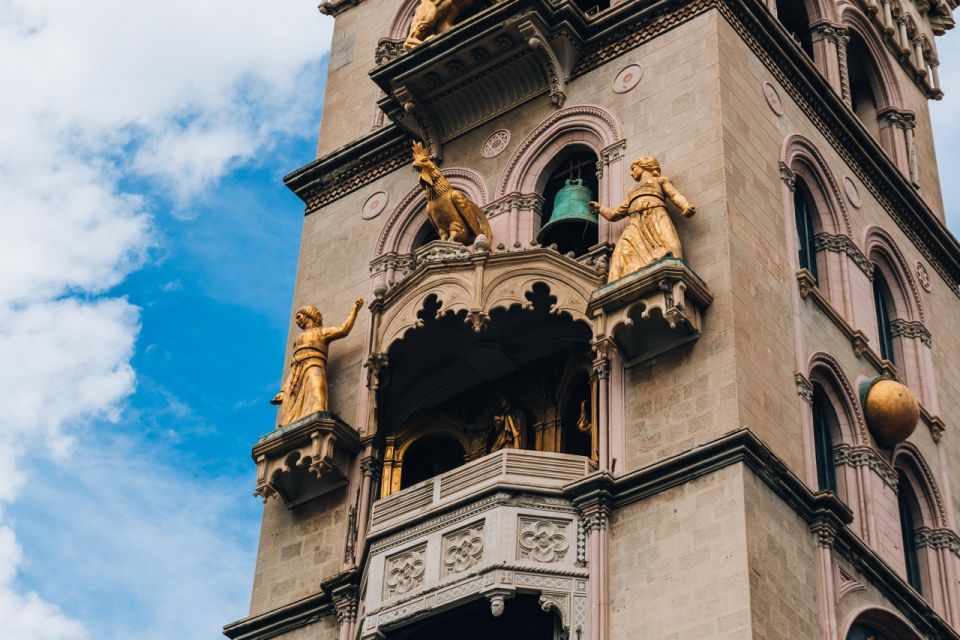
- Bell Tower’s astronomical clock stop, with narrated detail and a chance to catch a performance when timing lines up
- Messina Cathedral interiors with marble façade, mosaics, and painted ceilings
- Madonna di Montalto legend plus rewarding hilltop views over the city
- The 1908 earthquake rebuilding story that explains how Messina looks today
- Gargano Family Museum of Sicilian Puppets entrance ticket included with the guided walk
- Final pastry shop tasting that often includes local favorites like pistachio granita or gelato
A 2-Hour Orientation Walk Through Messina’s Most Memorable Stops
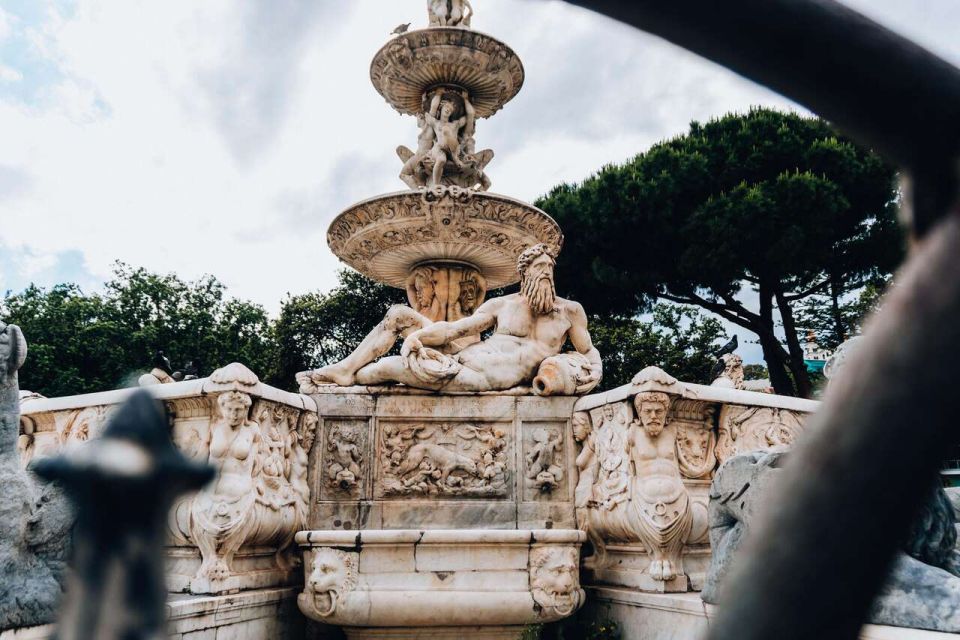
This tour is built for orientation. In two hours, you hit Messina’s headline landmarks and you get the “why” behind them, not just the “what.” You’ll hear the stories tied to the city’s rebuilds and religious legends, and you’ll see architectural styles that mix eras rather than pretending the city is one single chapter.
I especially like the balance: you get big visual moments (cathedral art, the Bell Tower) and quieter cultural details (the puppet museum and the legend tied to Madonna di Montalto). It’s the kind of tour where you finish with a clearer mental map of where everything sits and what to revisit later.
You can also read our reviews of more walking tours in Messina
Starting at the Cruise Harbor: Finding Your Guide at Gate 5
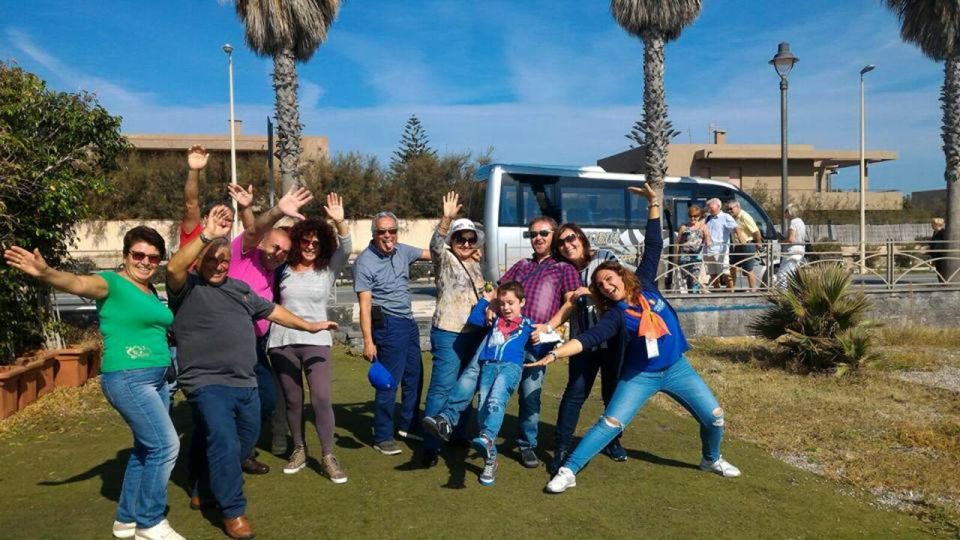
Meet your guide inside the harbor at Gate 5, right in front of the cruise. That matters because Messina port days can be hectic, and the biggest problem is usually simply locating your group on time.
Your guide is English-speaking, and the tour is designed to work smoothly for cruise passengers. If you’ve ever done a port tour where meeting points are vague, you’ll appreciate how specific this one is.
Practical tip: wear shoes you trust. The tour is a walking route between sights, and harbor-adjacent areas can be slippery on wet days.
Palazzo Zanca and the City Council Facade That Sets the Tone
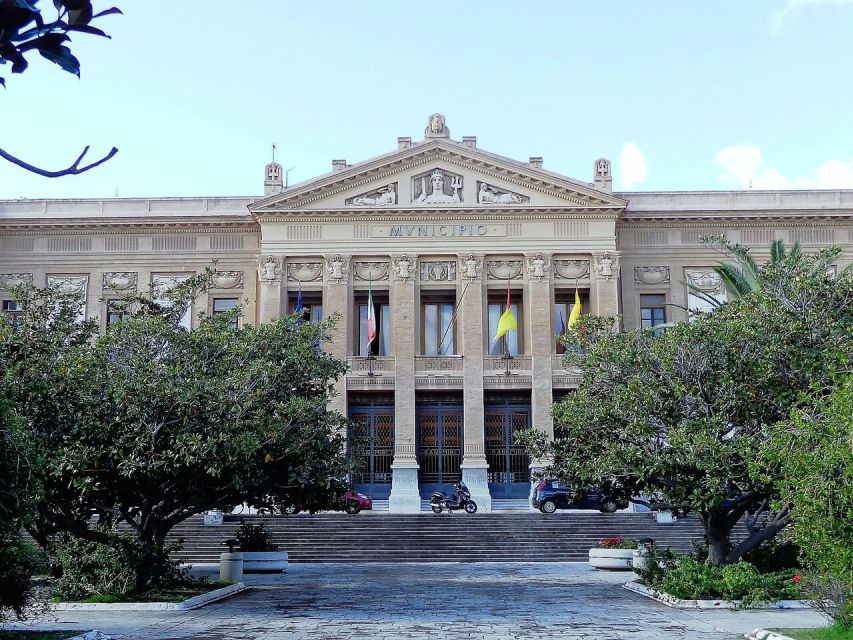
Early on, you’ll pass the neoclassical city council building, Palazzo Zanca. It’s not a “wow” stop like a cathedral, but it does something useful: it places you in the modern pulse of Messina before you head into the older layers.
This opening helps you read the city as a living place, not a museum. You start seeing how the street-level feel connects to the monumental buildings you’ll reach next.
Climbing Toward Madonna di Montalto: Legend With a View
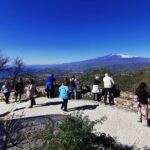
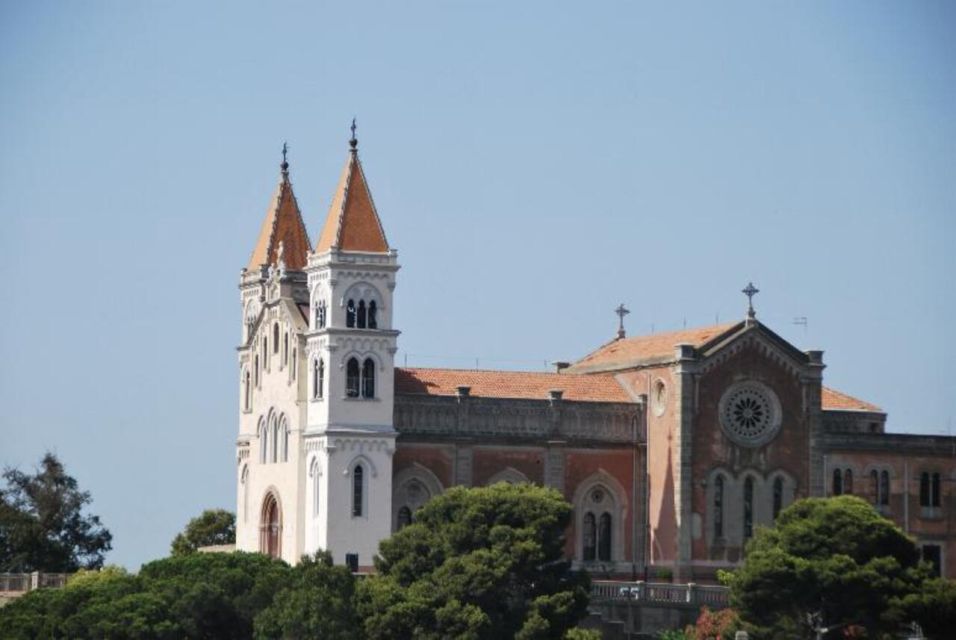
One of the most atmospheric parts is the Sanctuary of Madonna di Montalto. You’ll hear the legend tied to the Virgin Mary and her role in protecting Messina, and then you’ll get the payback: views of the city from an elevated vantage point.
That hilltop moment changes how you perceive Messina. From below, you can miss the big geography. Up there, the city starts making sense—why certain areas feel higher, and how the coastline and streets relate to each other.
On a clear day, the panorama feels like a reward for the walking. On a rainy day, the view might be less dramatic, but the storytelling still lands because the legend is part of what the sanctuary represents.
Understanding the 1908 Earthquake Through What You See
Messina was devastated by a major earthquake in 1908, and this tour doesn’t treat that like a random historical trivia point. You’ll learn how the citizens rebuilt afterward, and the explanation gives you a lens for everything that follows.
Here’s the practical value: when you later look at facades, street patterns, or architectural mixes, you’ll be able to ask better questions. Was this rebuilt quickly or slowly? Does the style feel consistent or layered? That earthquake context helps you read the city like a timeline instead of a collection of buildings.
If your cruise stop is short and you want one fact to hold onto, it’s this: Messina’s look is shaped by survival and rebuilding, not only by design choices.
You can also read our reviews of more guided tours in Messina
Messina Cathedral: Marble, Mosaics, and Painted Ceilings
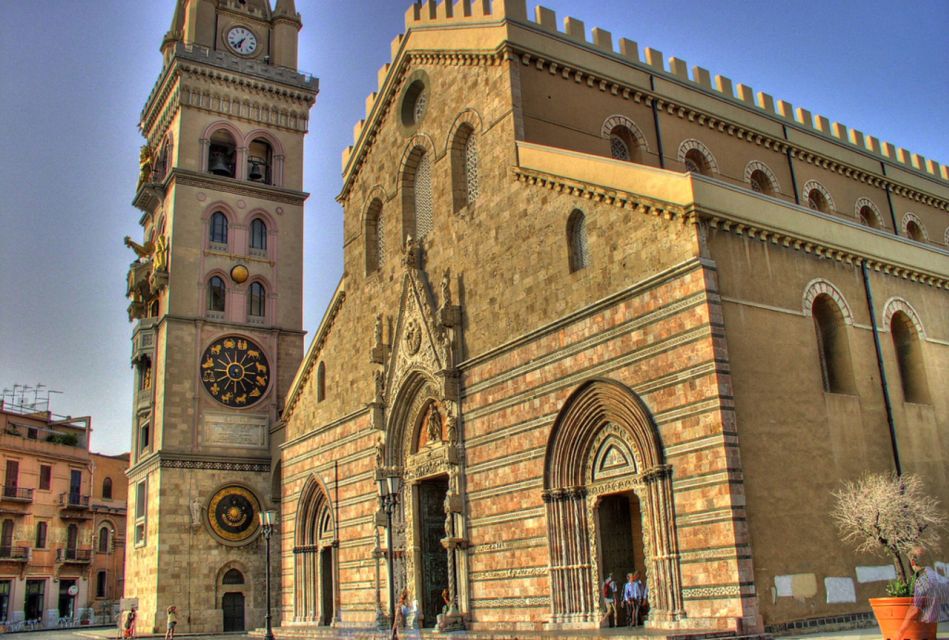
Next comes the Cathedral of Messina—described as the second largest cathedral in Sicily. You’ll see the marble façade and then step into the interior, where the art speaks in multiple languages.
You’ll focus on mosaics and painted ceilings. Mosaics can feel decorative from a distance, but up close they tell you how the city absorbed influences over time. Painted ceilings, on the other hand, tend to give you that “ceiling-to-floor” sense of scale—like the building is trying to lift your eyes and control the mood.
This stop is also where the tour’s narration really helps. If you only had time for photos, you’d miss the meaning. With a guide, you get to understand what you’re looking at as part of Messina’s cultural identity.
The Bell Tower’s Astronomical Clock: The Moment That Feels Like Theater
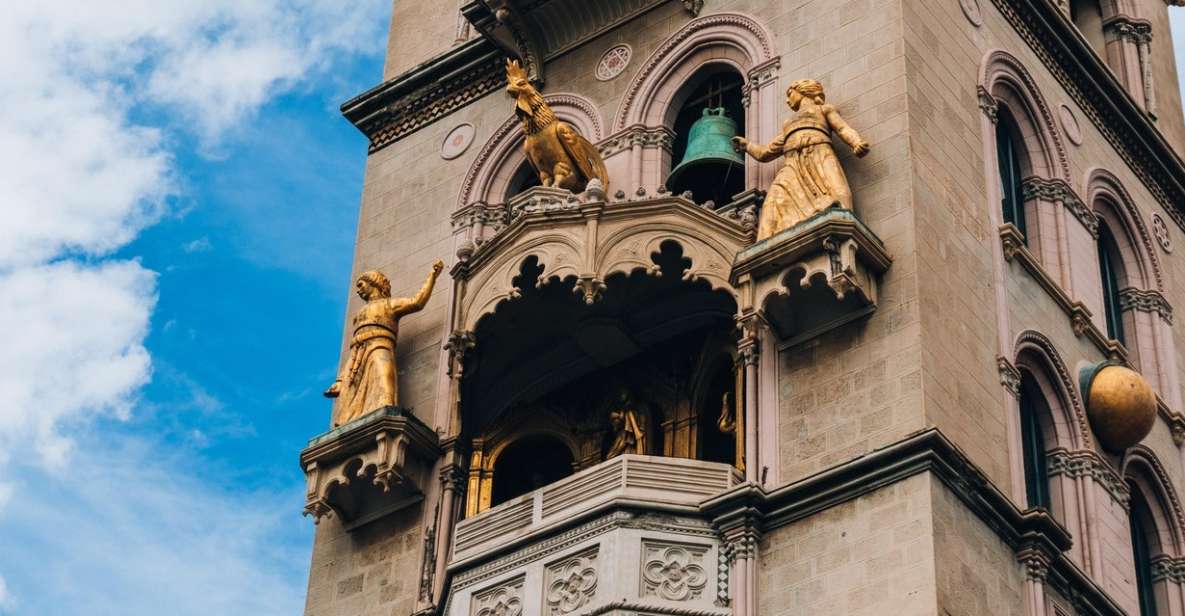
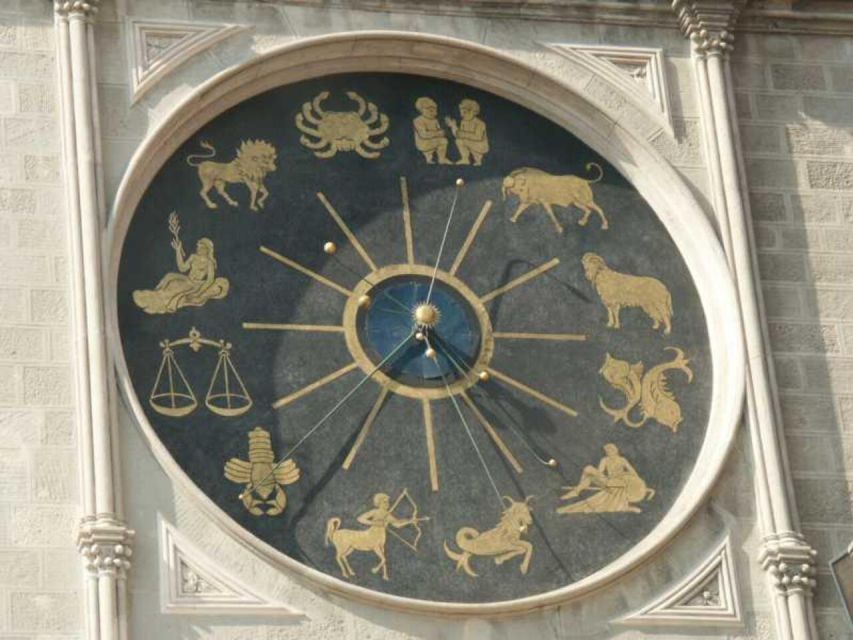
The Bell Tower stop is the signature payoff. Inside, you’re told about the astronomical clock of Messina, famous for being the largest and most complex mechanical and astronomical clock in the world.
What makes this more than a “look and go” stop is the narration that builds anticipation. Depending on timing, the tour can align with the clock’s noon show, which turns the visit into an event rather than a photo op.
Even if you don’t catch a performance window, you still get a guided explanation of how the clock works and why it mattered. It’s one of those cultural tech stories—Messina didn’t just build art and churches; it engineered meaning into a machine that runs on time.
If you’re a timepiece fan: this is your stop. Bring patience, stand where your guide tells you, and listen. The point isn’t just the gadget—it’s the story behind why the city cared so much.
S.S. Annunziata dei Catalani: Sicilian and Norman in One Church
You’ll also see the 12th-century Church of S.S. Annunziata dei Catalani, known for a mix of Sicilian and Norman architecture. This kind of style blend is exactly what helps a city feel real. It’s not a single identity; it’s a set of layers that grew together.
Architectural contrasts can be subtle, so a guide makes a difference by pointing out what to look for. Even if you’re not an architecture nerd, you’ll walk away noticing how certain elements signal different influences.
Gargano Family Museum of Sicilian Puppets: Small Art, Big Personality
The tour includes an entrance ticket to the Gargano Family Museum of Sicilian Puppets. This isn’t just a break from walking—it’s a different kind of Messina storytelling.
You’ll learn about the history of puppeteering in Messina, and that cultural thread connects to the city’s religious and social traditions. Puppet culture often reflects local humor, local beliefs, and local craftsmanship, and that’s why it feels at home in a port city where stories travel.
I like this stop because it gives your eyes a chance to rest. Instead of chasing another façade, you’re absorbing culture through objects and performance history.
The Sweet Stop at the Pastry Shop: A Proper Messina Ending
The tour finishes with a sweet taste from a famous pastry shop. Even though the tour is framed as a highlights walk, the food moment is intentional: it helps you end on something immediate and local.
In practice, the sweet stop has often meant treats like pistachio granita, gelato, or canoli. That’s a nice touch because those flavors are practical souvenirs: you remember the texture and the taste, not only the architecture.
What to do: if you’re cold or rainy, go for something comforting and cold—granita and gelato still work when the weather isn’t perfect. If it’s hot, you’ll be thankful you planned this finale.
Price and Value: What You’re Paying For at $59
At $59 per person for a 2-hour walking tour, the value comes from concentration. You’re not paying for a long bus ride or a slow museum circuit. You’re paying for a guide-led route that hits multiple major sights and includes an entrance ticket to the Gargano Family Museum of Sicilian Puppets.
Here’s how that translates on the ground:
- You get guided context at the cathedral, the Bell Tower clock, and the sanctuary legend—stops where self-guided visits can turn into vague wandering.
- You get a cultural interior stop (puppets) with a real ticket included, not just a glance.
- You get a built-in payoff at the end with sweets, which keeps the whole experience from feeling purely educational.
If you’re paying more for other city walks, it’s often because they include extra time or extra stops. Here, the math is simpler: short, focused route plus key entry.
How the Guides Make the Difference (Chiara, Claudio, and Others)
A big reason this tour earns strong ratings is the energy and clarity of the guides. You might be led by guides such as Chiara, Claudio, Gabriella, or Maria Rita, and the style is similar: fast orientation, lots of storytelling, and a pace that stays doable for a mixed group.
Some groups use audio support (headphones) so the narration stays clear while you walk. That helps you avoid the classic problem of trying to hear a guide over street noise.
The best thing you can do as a participant is simple: listen while you walk, not only at stops. The guide’s flow is part of the experience—especially around the clock and the earthquake story.
Weather and Timing: When the Walking Feels Different
Bad weather can change plans, and that’s real on the coast. If it’s raining, expect the route to still be walkable but a bit more slippery or damp-slow.
Also, if you’re hoping to catch the Bell Tower clock’s performance (like the noon show), timing matters. The guide usually tries to line things up, but weather and timing can shift when you’re traveling through a port schedule.
Packing tip: bring a light rain layer and shoes with grip. You’ll enjoy the storytelling more when you’re not thinking about your footing.
Who This Tour Is Best For (and Who Might Skip It)
This tour is a great fit if:
- You have limited time in Messina and want a guided overview
- You enjoy architecture with stories attached, not just facts on plaques
- You want a balanced mix of major landmarks and a cultural stop like the puppet museum
- You’re on a cruise and need a dependable, easy meeting point at the harbor
You might consider skipping if:
- You hate walking in variable weather
- You’re looking for a slow, sit-down museum day rather than a moving highlights route
- You want food to be a major, full meal component (the tour includes a sweet finale, but food and drink aren’t presented as a full meal service)
Should You Book This Messina Highlights Walking Tour?
If you like your port day efficient and your sightseeing guided, I’d book it. The combination of the astronomical clock, the cathedral’s inside artwork, the Madonna di Montalto legend with views, and a ticketed puppet museum stop is a lot of variety for two hours.
It’s also a smart value move at $59 because it’s not just a walk around the outside of buildings. You get meaning, and you end with a local taste that makes the whole thing feel finished.
If the forecast looks rough, don’t panic—just dress for walking in damp conditions and keep expectations realistic for views. For most people, this is one of the cleanest ways to get your bearings fast in Messina.
FAQ
How long is the Messina guided city highlights walking tour?
The tour lasts about 2 hours.
How much does it cost per person?
The price is $59 per person.
Where do I meet the guide if I’m arriving by cruise?
Meet your guide inside the harbor at Gate 5, in front of your cruise ship.
What’s included in the tour price?
You get a guided walking tour, plus an entrance ticket to the Gargano Family Museum of Sicilian Puppets.
Is hotel pickup available?
A pickup service is available upon request.
If weather is bad, will the tour still run?
In case of bad weather conditions, the reservation may be subject to changes.