REVIEW · MESSINA
2,5-Hour Messina Walking Tour
Book on Viator →Operated by DISCOVER MESSINA SICILY · Bookable on Viator
Messina ticks, then sings. This 2.5-hour walking tour uses a local guide to steer you through Old Town highlights, including the Duomo clock show at noon. I like that the route is tight and timed, so you don’t just hear about Messina’s famous moments, you see them unfold.
My favorite part is the mix: you get the big monuments (cathedral and square) and then the more personal side of the city at the Museo dell’Opera dei Pupi. You’ll also stop for an included tasting of typical Sicilian products, which is a nice payoff after all that walking.
One thing to think about: you stay mostly in the historic core, so this is not a wide-open, scenic-by-the-sea kind of tour.
In This Review
- Key highlights to know before you go
- Why this Messina walking tour works (even if you only have a short shore day)
- Getting started at the Port of Messina (or your hotel)
- Cathedral Square and the big Duomo clock moment at noon
- Annunziata dei Catalani: Norman-Arab architecture that survived chaos
- Cathedral of Messina and the Campanile: what to notice (and what not to stress)
- Earthquake-rebuild Messina: Galleria Vittorio Emanuele III and Municipio di Messina
- The “other stops” that make the walk feel like Messina
- Inside the Museo dell’Opera dei Pupi Rosario Gargano: why Sicilian puppets steal the show
- Included tasting: the smart end-of-tour payoff
- Group size, audio headsets, and how to avoid frustration
- Value check: what you’re paying for with $50.69
- Who should book this Messina tour (and who should skip it)
- Should you book the 2.5-hour Messina walking tour?
- FAQ
- Where does the tour start and end?
- Is pickup available from my hotel?
- How long is the walking tour?
- What’s included in the price?
- What should I wear or bring?
- Can I cancel if my plans change?
Key highlights to know before you go
- Noon timing for the bell tower performance so your visit clicks into place
- Annunziata dei Catalani with standout Norman-Arab architecture that survived the worst
- Cathedral Square, Duomo, and the Campanile with the astronomical-clock story explained clearly
- Sicilian puppet culture at Museo dell’Opera dei Pupi Rosario Gargano with included entry
- Small-group feel (up to 30) plus audio headsets that help in street noise
- A guided sweep of Old Town that ends in the heart of things
Why this Messina walking tour works (even if you only have a short shore day)
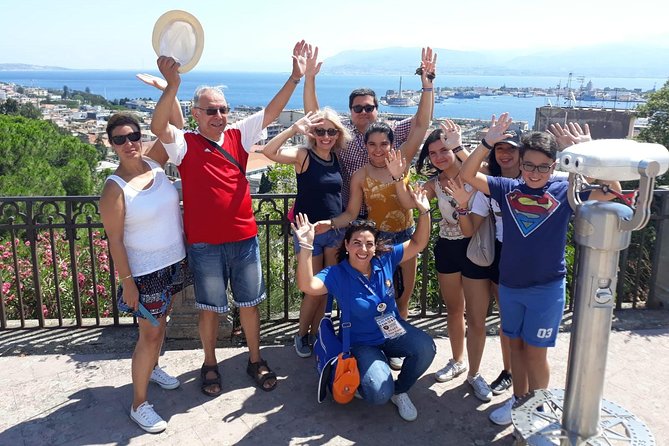
Messina can feel like a quick stop on a longer cruise itinerary. This tour is built for that reality. In about 2 hours 30 minutes, you cover the city’s headline sites without turning your afternoon into a scavenger hunt.
You’re also not left to guess what you’re looking at. A guide connects dots between architecture, local disasters, and traditions. I especially like how the tour is organized around set moments—like that noon clock-bell performance—so you’re not wandering and hoping it happens while you’re there.
You can also read our reviews of more walking tours in Messina
Getting started at the Port of Messina (or your hotel)
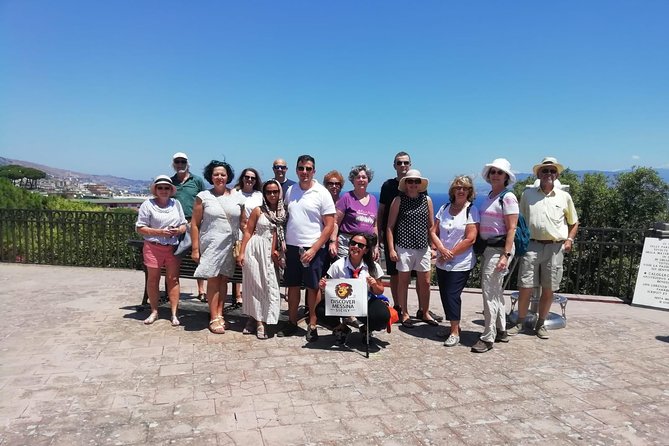
You have two main ways to begin. If you’re arriving via cruise, the start is at the Port of Messina on Via Vittorio Emanuele II, 27. If you’re not a cruise passenger, the meeting point is the Discover Messina office on Via I Settembre, 110.
If you booked with pickup, you’ll also have the option to meet the guide at your accommodation, which is a real time-saver if you’re not close to the port. You’ll get a mobile ticket, and you receive confirmation at booking.
Practical tip: if you’re on a tight cruise schedule, aim to be at the meeting point a little early. Some groups do overlap around the same end area, and being ready avoids the usual last-minute funnel.
Cathedral Square and the big Duomo clock moment at noon
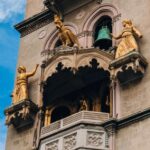
The tour kicks off with Cathedral Square energy—because that’s where Messina tells its most dramatic story fast. You’ll learn about the astronomical clock linked to the bell tower, including the detail that the mechanism was built by brothers from Strasbourg. That’s the kind of fact that makes the clock go from old machinery to a real cultural centerpiece.
Then comes the part you can plan your whole day around: the noon show. Expect animated figures and a timed performance tied to the hour. Multiple guide styles show up in the experience, but the common thread is scheduling. People really value arriving right on time, because this is one of those sights where waiting around feels like wasted time.
A small mindset shift helps here: don’t treat this like a quick look-and-move stop. Give it your full attention, stand where you can see clearly, and let the guide handle the timing.
Annunziata dei Catalani: Norman-Arab architecture that survived chaos
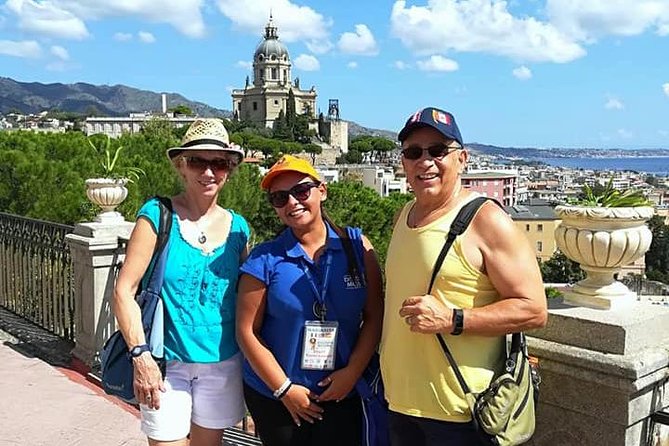
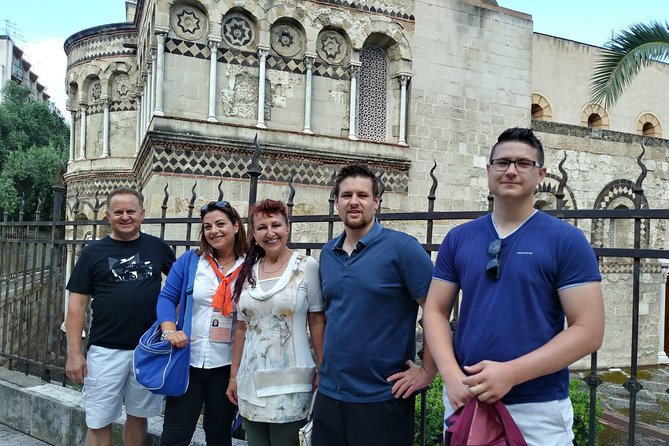
From Cathedral Square, the route pushes into a quieter but very memorable stop: Annunziata dei Catalani. This church is described as having exquisite Norman-Arab architecture, and it’s also known for resilience—one of those sites that resisted earthquakes and the worst of wartime bombing.
I love this stop because it’s not just about beauty. It’s about survival. When a building can outlast disaster, you feel the continuity of the city in a way that you can’t get from a photo.
You’ll also hear enough context to understand why the details matter, not just what they look like. So when you notice patterns, shapes, and stylistic blends, they’re not random decoration—they’re clues to Messina’s layered past.
Cathedral of Messina and the Campanile: what to notice (and what not to stress)
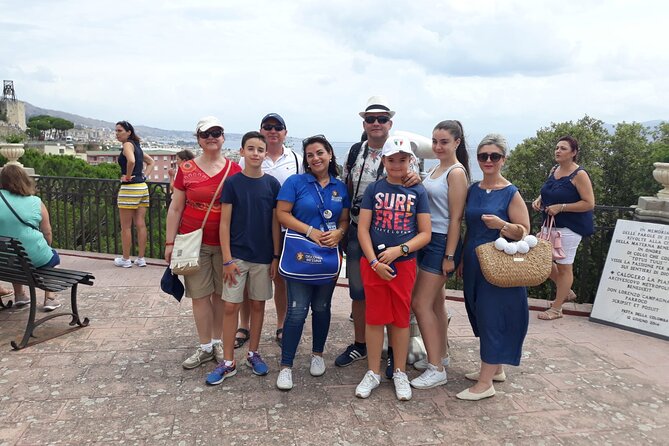
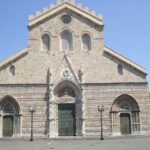
The cathedral itself is treated as the most important monument of Messina, and you’ll spend time there. The design includes an opportunity to duck inside and see Byzantine mosaics, which are a major reason people come. It’s one of those interiors where you can either rush or actually look.
You’ll also get time at the Campanile del Duomo di Messina, which is flagged as the main attraction. Even if you’ve seen bell towers before, this one earns attention because of what it powers at noon—the performance that turns the tower into a living schedule.
One caution: some visitors feel the tour can lean a lot into historical detail at times. If you’re more here for visual impact than dates and names, use the noontime show as your reset point and don’t be afraid to pace your listening. The best guides flex with the group.

Earthquake-rebuild Messina: Galleria Vittorio Emanuele III and Municipio di Messina
Messina’s story isn’t only about grandeur. It’s also about rebuilding. You’ll pass by Municipio di Messina, described as the biggest palace ever rebuilt after the earthquake of 1908. That detail matters because it explains why parts of the city look the way they do—new work shaped by older scars.
Next is Galleria Vittorio Emanuele III, built between 1924 and 1929 by architect Camilo Puglisi Allegra. This kind of stop is quick, but it pays off if you treat it like a “read the city” moment. You’re basically seeing how Messina reinvents itself while still keeping its identity.
If it’s raining, these middle-of-the-walk architectural pauses can be a relief. Guides often adjust pacing in poor weather, and the audio system helps you keep listening even when street noise and weather gang up on your ears.
The “other stops” that make the walk feel like Messina
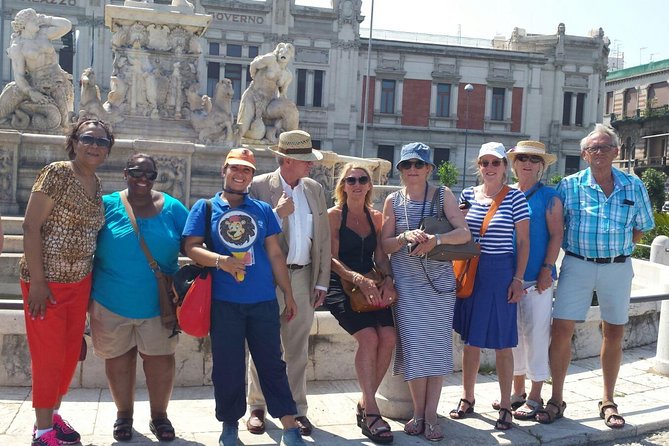
The tour doesn’t only hit the obvious landmarks. You’ll also be guided past sites like the Mountain of Mercy and the Church of Saint Francis of Assisi, noted as dating back to 1254. Even when these stops are brief, they help you understand Messina as a city of layers, not just a single famous square.
There are also additional sights along the way such as the Votive Temple of Christ the King, the Sanctuary of Madonna of Montalto, and the Four Fountains. You might not spend the same time at every one of these, but the point is variety. It keeps the tour from feeling like a checklist.
The upside is that you leave with a sense of place. The tradeoff is that you won’t have long free time to wander off-script. If you want to linger and sketch, plan to do that after the tour ends.
Inside the Museo dell’Opera dei Pupi Rosario Gargano: why Sicilian puppets steal the show
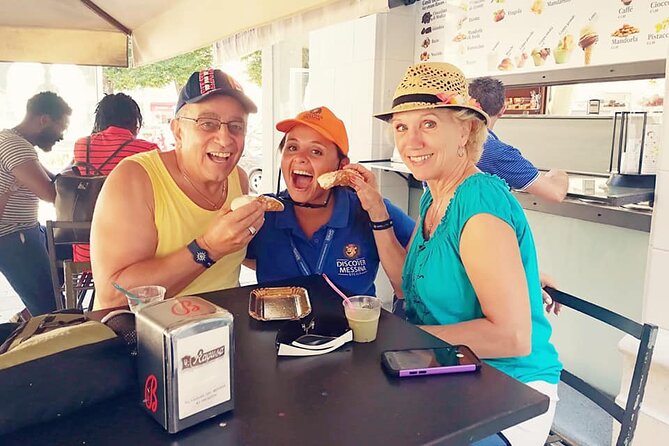
This is one of the most praised parts of the experience. The Museo dell’Opera dei Pupi Rosario Gargano is included, with entry fee covered, and you get time to admire a treasured collection preserved by the Gargano family since the earliest years of the 19th century.
If you only know puppets as kids’ entertainment, this museum changes the vibe. These are crafted objects tied to local storytelling and tradition. Even people who aren’t usually museum fans often come away feeling like they’ve seen something genuinely Sicilian.
A practical note: keep your expectations flexible here. One review found the puppet theater feel a bit odd, while others called it a definite highlight. My advice is to approach it like living culture, not like a modern stage show. That mindset usually makes the visit click.
Included tasting: the smart end-of-tour payoff
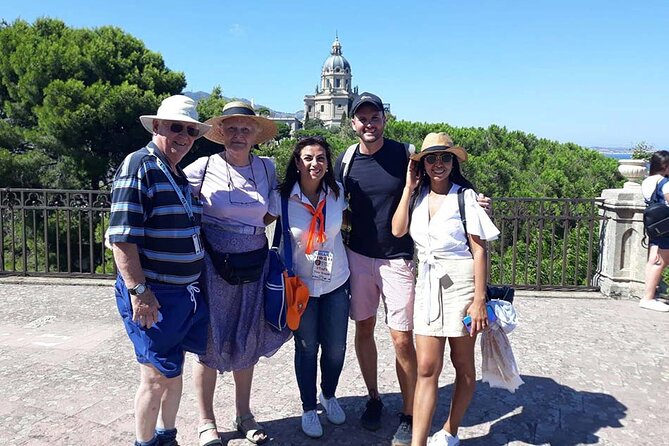
The tour includes a tasting of typical Sicilian products, and it’s paired with a sweet finishing stop. In practice, many groups end up with a strong cannoli moment, and some accounts mention bakeries and even gelato-style stops near the end.
This matters because it keeps the experience balanced. You’re not only looking at buildings and listening to facts. You’re also getting a flavor of Messina’s day-to-day culture. Food stops also give your feet a breather at the right time.
One caution to keep in mind: the walk ends in the historic center area near Via Garibaldi. That’s convenient, but if you’re thinking of continuing with shops right after, afternoon hours can be a factor. If you want to shop, don’t assume everything will be open late in the day.
Group size, audio headsets, and how to avoid frustration
The tour caps at 30 travelers, which is usually a comfortable size for Old Town streets. Reviews repeatedly mention headsets and audio devices. That’s a big deal here because you’re walking through noisy areas and looking up at buildings, not staring at a guide all the time.
Still, watch for a common issue: sound drops when a speaker turns away. If you notice that happening, simply angle your body toward the guide and keep the headset in place. It’s a small tweak that can save the whole tour from sounding like muffled street chatter.
Also, the tour can operate in all weather conditions, and you should dress appropriately. If rain hits, bring a packable jacket or umbrella you can actually manage in crowds. A guide can’t control the weather, but good pacing makes it easier to stay comfortable.
Value check: what you’re paying for with $50.69
At $50.69 per person for roughly 2.5 hours, the price isn’t about owning a souvenir. It’s about saving time and getting context.
Here’s what you’re effectively buying:
- A professional guide to connect sites into a real story
- A timed experience around the noon bell tower performance
- Included entry to the puppet museum
- An included tasting so the tour ends with something memorable
If you tried to DIY this on your own, you could visit many of the same places. The catch is timing. Messina’s most famous moment is tied to the hour, and you’d need local knowledge to hit it cleanly. The guide also helps you understand what you’re seeing fast—especially at the cathedral complex and the clock mechanism story.
So is it “cheap”? Not really. Is it good value for a short visit? Yes, because the tour reduces guesswork and helps you see more than you’d likely see independently in the same time window.
Who should book this Messina tour (and who should skip it)
This tour is a strong pick if you want:
- A first-time introduction to Messina’s top landmarks
- A timed plan for the astronomical clock / bell tower performance
- Included culture that goes beyond churches, especially the puppet museum
- An organized walk you can do without building your own route
You might consider skipping if:
- You hate walking and prefer long, quiet stops with lots of free time
- You want a mostly off-the-beaten-path neighborhood tour instead of the core historic sights
- You’re very sensitive to lots of spoken history and prefer a lighter narrative pace
Should you book the 2.5-hour Messina walking tour?
Yes, if you like structure and you’re excited by the noon clock show. The tour’s value comes from timing, guide-led context, and the included puppet museum and tasting. It’s a practical way to get a meaningful Messina overview without wasting your limited hours.
If you’re on a first visit and you want your day to feel organized—especially around that clock performance—this is the kind of booking that pays off fast.
FAQ
Where does the tour start and end?
The tour starts at the Port of Messina (Via Vittorio Emanuele II, 27). The tour ends at Via G. Garibaldi, 111, which is about 2 minutes away from the original departure point.
Is pickup available from my hotel?
Yes. Pickup is offered, and you can also meet the guide at a centrally located meeting point depending on your situation.
How long is the walking tour?
The duration is approximately 2 hours 30 minutes.
What’s included in the price?
You get a professional guide, a tasting of typical Sicilian products, and entrance to the Museo dell’Opera dei Pupi Rosario Gargano.
What should I wear or bring?
Wear comfortable shoes and dress appropriately for the weather. The tour operates in all weather conditions.
Can I cancel if my plans change?
Yes. Free cancellation is available up to 24 hours in advance for a full refund. The experience may also be offered another date or refunded if poor weather causes cancellation.