REVIEW · TAORMINA
Taormina: Cannoli Making Class
Book on GetYourGuide →Operated by Noema Viaggi Srl - Sicilyexcursions · Bookable on GetYourGuide
Making cannoli feels like a small miracle—until you knead the dough.
This Taormina class is a hands-on shortcut to the real Sicily you can taste: crispy shells, creamy filling, and a friendly instructor who keeps the pace steady. You’ll start with dough, move to frying, then assemble your cannoli and enjoy a tasting moment that’s all yours.
I like two things most. First, the workshop format is practical, not lecture-only—your hands are part of the process from dough to frying. Second, you leave with both the experience and the follow-along materials: you get a complete recipe to recreate it later.
One thing to consider: some classes may feel a bit tight in space, so if you hate crowded kitchens, pick your timing carefully and wear comfortable clothes.
In This Review
- Key things to know before you go
- Cannoli in Taormina: Why this class feels more real than a food demo
- Where you meet in Taormina and how to plan your timing
- Inside the class: the 3-stage cannoli workflow
- Dough and shell prep: kneading with your own hands
- Frying the shells: learning the crisp crunch
- Filling the cannoli cream: turning shells into the finished dessert
- The tasting moment and the take-home recipe you’ll actually use
- Coffee break, water, and small-group coaching
- Price and value: is $68 for 1.5 hours a good deal?
- What to wear, what to bring, and what rules to expect
- Who this cannoli class is best for
- Should you book the Taormina cannoli making class?
- FAQ
- How long is the cannoli making class in Taormina?
- Where do I meet for the class?
- Is the class taught in English?
- What’s included in the price?
- Do I need to arrange transportation to the class?
- Are pets allowed in the class?
Key things to know before you go
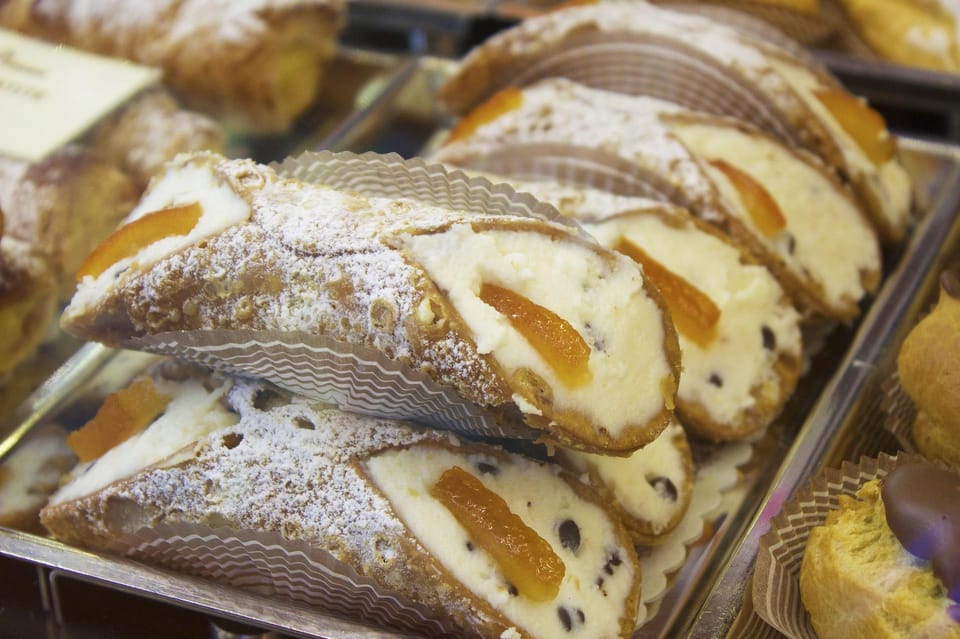
- Knead and fry yourself: you’re not just watching; you work through the shell steps.
- English instruction: taught by an English-speaking instructor/chef.
- Coffee break included: a short pause with coffee and water while you learn.
- You take home the recipe: a complete cannoli guide so you can repeat it later.
- Small-group energy is possible: one class was described as only six people with Mary.
Cannoli in Taormina: Why this class feels more real than a food demo
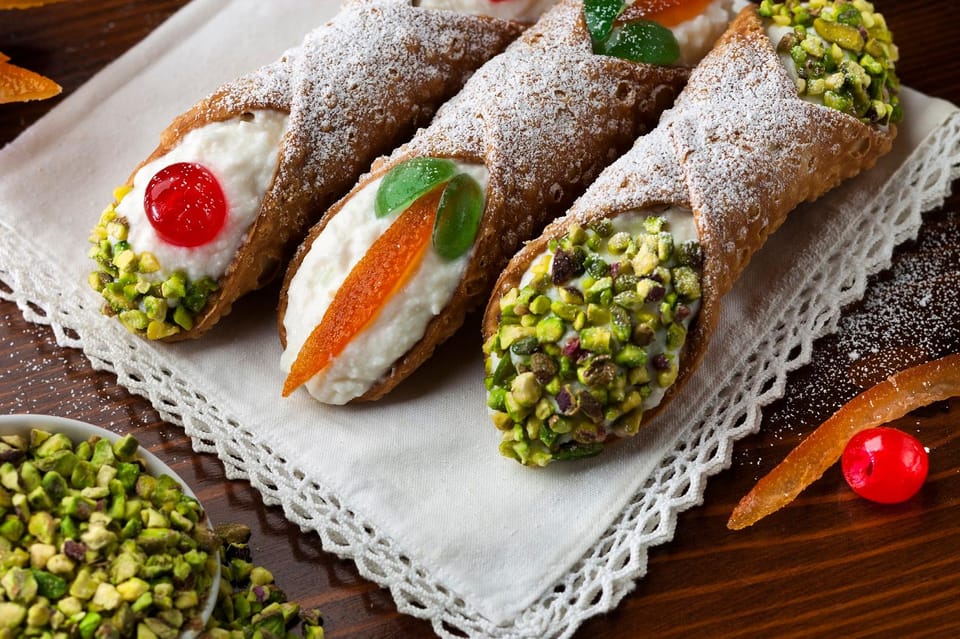
Taormina is famous for views and gelato stops, but this is different. This is food education you can actually use at home. In 1.5 hours, you’ll do the key physical steps that make cannoli what it is: working dough, frying crisp shells, and filling them with the creamy center that everyone argues about.
What makes this class worth your time is that cannoli isn’t one of those desserts where you can fake it with store-bought shortcuts. The shell needs the right feel, the frying step needs attention, and the filling needs the right texture. The class gives you the rhythm, so you understand why the dessert works.
And yes, the reward is immediate. You taste what you make, which is the best kind of feedback loop. No waiting for a restaurant order. No wondering if you got the technique right. You get to eat it, right there.
You can also read our reviews of more tours and experiences in Taormina
Where you meet in Taormina and how to plan your timing
The meeting point is in front of the Porta Messina restaurant in Taormina (Porta Messina is one of the town’s main entrances). Since no transfer is included, you’ll want to build in a little buffer for walking from where you’re staying.
The class runs for about 1.5 hours. That’s long enough to learn the steps, work as part of the group, and still finish with a tasting and a take-home recipe. If you’re the type who hates being rushed, you’ll likely do fine because the cooking process creates its own natural pacing—knead, fry, fill, taste—rather than a constant sprint of information.
A simple practical move: wear comfortable clothes. You’ll be standing and working with dough and fried dough, so you’ll feel it by the end. Bring a camera if you like, but do it with the right priorities—your shells matter more than your photo angle.
Inside the class: the 3-stage cannoli workflow
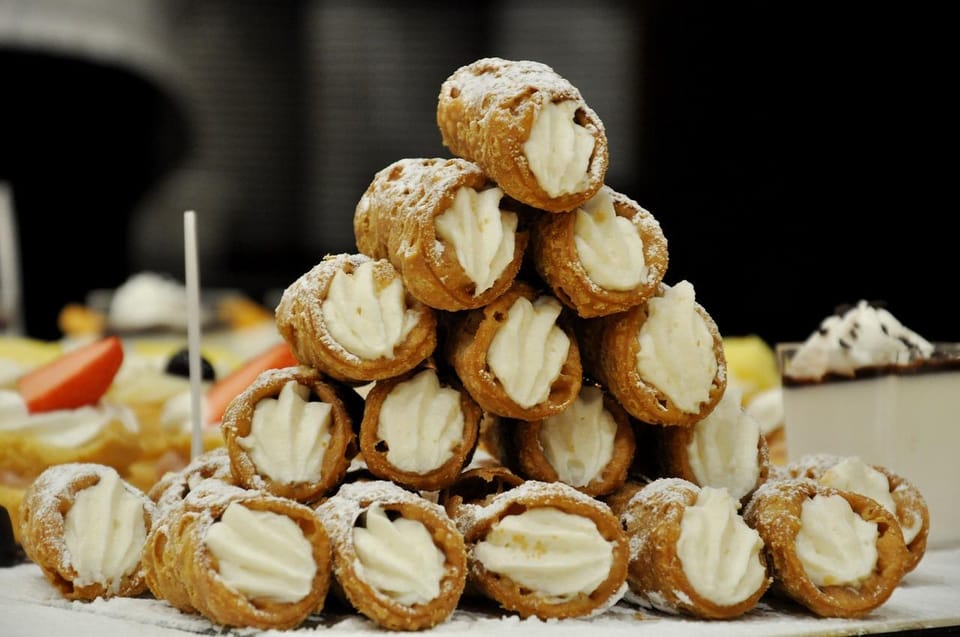
This class is built around three big actions. Each one teaches a different part of the cannoli personality.
Dough and shell prep: kneading with your own hands
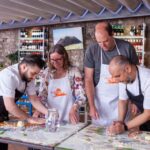
You start by learning how to prepare the crispy shell. You’ll knead the dough, which is where the class earns its keep. Kneading sounds basic, but in practice it teaches you how dough behaves and how it should feel as it comes together.
The instructor also covers what makes a cannoli shell crisp rather than just fried dough. You’ll learn the intent behind the steps, not just the steps themselves. That matters because later, when you try again at home, you’ll know what to aim for.
A nice detail: the class includes a coffee break and water during the session. That’s not just for comfort. It helps you reset your hands and focus, especially if you’re doing repeated fry cycles and filling steps.
Frying the shells: learning the crisp crunch
Then comes the frying. This is the step people love most because it’s tangible. You can actually see the transformation.
Frying is also where technique matters. Too much fuss and you slow down. Too little attention and you end up with shells that don’t crisp the way you want. In one small-group setup, people took turns frying shells, which is a great sign—everyone gets their turn rather than watching from the edge.
If you’re new to frying, don’t worry. The class is designed to teach. You’re not expected to already be a cannoli technician. You’ll get guidance while you work, and the tasting at the end becomes your quality check.





Filling the cannoli cream: turning shells into the finished dessert
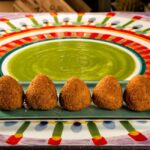
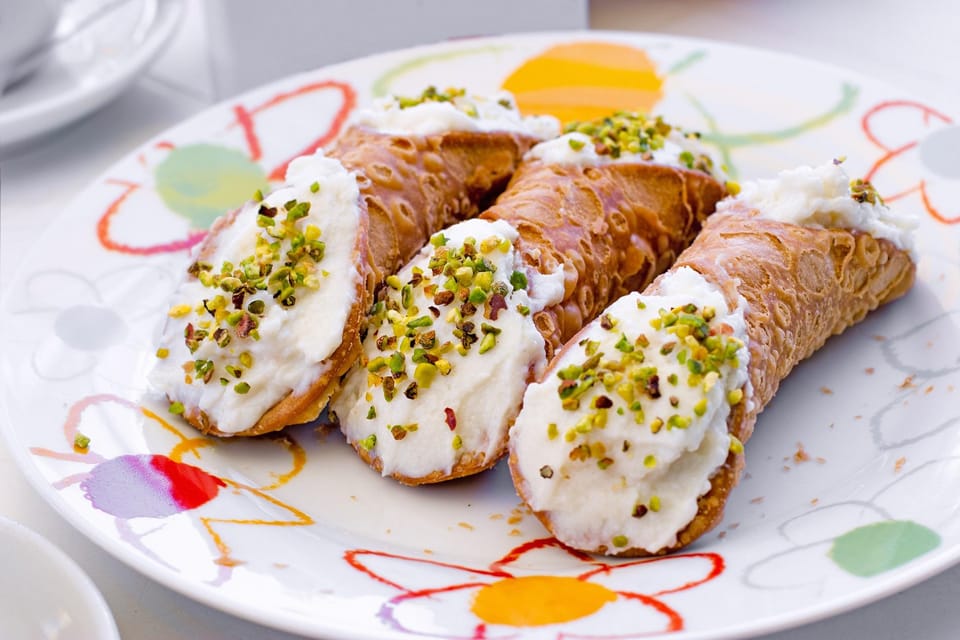
After shells, you prepare the cream filling. You’ll learn how to make it and how to assemble it into finished cannoli. This is the sweet payoff moment, because the dessert stops being a set of steps and becomes an actual plate of food.
The key here is balance. Cannoli is all about contrast: crisp shell, smooth cream, and flavor that stands up without getting heavy. The class doesn’t just hand you cream—it teaches the logic of filling so you don’t end up with a sad, soggy result.
When the class is run well, you get the sense that you could do this again. That’s the real value of a short workshop like this: you leave with enough understanding to repeat, not just enough to impress someone once.
The tasting moment and the take-home recipe you’ll actually use
At the end, you taste your cannoli creation. This is where you learn what worked and what you’d tweak next time. If the shell is crisp, you know the process landed. If something feels off, you’ll have the memory of what you did, so you can adjust rather than guessing.
You also get the complete recipe to bring home. That’s huge if you’re planning to bake in your own kitchen. A class that gives only tasting is fun, but a class that gives the recipe is practical. You’ll be able to recreate the dessert instead of relying on a distant memory and a blurry photo.
Some people also leave with a box of cannolis in their description of the experience. Don’t assume that will happen every time, but it’s consistent with the general vibe here: you’re making multiple shells and filling them as part of the process.
And you get a certification of attendance. It’s not going to change your life, but it’s a nice souvenir if you like collecting proof that you did something beyond wandering.
Coffee break, water, and small-group coaching
The coffee break and water are included, which keeps the class comfortable and helps you stay present. Cooking is physical and slightly repetitive; a short reset prevents the session from feeling like a nonstop workshop.
On the human side, the feedback on instructors is strongly positive. One instructor named Carmelo was praised for keeping the group focused and on task. Another instructor named Mary taught a class described as only six people, with hands-on turns through frying and each participant working with their own set of ingredients.
Even if your group size varies, the pattern matters. You should expect active participation and real guidance, not a passive show-and-tell.
Price and value: is $68 for 1.5 hours a good deal?
At $68 per person for about 1.5 hours, you’re paying for instruction, ingredients, and the equipment needed to fry shells properly. You’re also getting included extras like coffee break, water, and a take-home recipe, plus certification.
Here’s the value math I’d use if I were deciding:
- If you want cannoli as a one-time treat, you could pay less at a pastry shop.
- If you want to learn the steps—especially frying shells and assembling the filling—this price starts to make sense.
- If you’re the type who will actually recreate the dessert at home, the recipe becomes part of the cost-benefit equation in your favor.
Also note what’s not included: transportation to and from the class. That means the total cost is really $68 plus whatever it costs you to get to Porta Messina.
For many people, the cost feels fair because the class teaches a specific skill tied to a specific Sicilian dessert. You’re not paying for a generic food walk; you’re paying for technique.
What to wear, what to bring, and what rules to expect
Keep it simple:
- Bring a camera if you want photos.
- Wear comfortable clothes since you’ll be standing and working around dough and frying.
Not allowed: pets.
Not suitable for babies under 1 year. If you’re traveling with very small kids, this class may not fit your needs.
One more practical consideration: if you’re sensitive to crowded spaces, remember that at least one person felt the space could be larger. You can’t control the room, but you can control your expectations and your comfort level.
Who this cannoli class is best for

This is ideal if you:
- Want an activity that’s hands-on rather than sightseeing-only.
- Love Sicilian sweets and want to understand how they’re made.
- Like small, social experiences where you can work in a group and still get guidance.
- Want a repeatable dessert skill, not just a snack.
It might not be the best fit if you:
- Want a long, multi-stop tour with lots of walking and major sights.
- Hate kitchens and frying smells, even for a short session.
- Need private, no-conflict space to work.
Should you book the Taormina cannoli making class?
Yes, I think you should book it if you want a real food skill in a short time. The biggest reason is the format: you knead, you fry, you fill, then you taste what you made. That combination is harder to get in casual tastings.
If you’re booking with a group, it’s especially appealing because people can take turns through the steps and learn side-by-side. If you’re only in Taormina briefly, it also fits well because 1.5 hours is easy to slot into a day without eating up your entire schedule.
If you’re on the fence because of price, consider what you’ll do afterward. If you’ll use the recipe and make cannoli again, this starts to feel like a good investment. If you’re only looking for a quick dessert, you may prefer a pastry stop instead.
Either way, plan to arrive at the meeting point in front of Porta Messina restaurant, wear comfy clothes, and come ready to get a little flour on your day.
FAQ
How long is the cannoli making class in Taormina?
It lasts about 1.5 hours.
Where do I meet for the class?
Meet in front of the Porta Messina restaurant in Taormina.
Is the class taught in English?
Yes, the instructor teaches in English.
What’s included in the price?
Coffee break, cannoli preparation, cannoli tasting, water, and a certification of attendance.
Do I need to arrange transportation to the class?
No transfer is included, so you’ll need to get there on your own.
Are pets allowed in the class?
No, pets are not allowed.