REVIEW · TAORMINA
Taormina: Half-Day Pizza Making Class
Book on GetYourGuide →Operated by SAT Group · Bookable on GetYourGuide
Pizza dough gets real fast in Taormina. This hands-on class mixes serious technique with a relaxed, social meal—so you’re not just watching you’re actually cooking.
What I like most is the chance to work with fresh dough basics (flour, water, yeast, stretching) and learn how toppings affect the final result. I also love the payoff: you sit down and eat the pizzas you made, plus bruschetta, drinks, and local wine, often with added Italian extras like pasta and sweets.
One heads-up: if you’re strict about controlling your food (or you want zero alcohol), plan accordingly since the meal includes wine and extra alcoholic drinks aren’t part of the deal. Also, wear comfortable shoes—this is real kitchen time on your feet.
In This Review
- Key things to know before you go
- Where the class starts: Porta Messina and the kitchen handoff
- The core lesson: pizza dough, wheat flour, yeast, and the stretch
- Sauce and toppings: what makes it taste Italian, not just pretty
- Baking and the rhythm of a real pizzeria kitchen
- The meal that follows: bruschetta, drinks, and often pasta too
- Meet your chefs: the names you might work with
- The pizza certificate: a fun souvenir with real meaning
- Price and value: is $88 fair for Taormina?
- Who this class suits best
- A few practical tips so you enjoy every minute
- FAQ
- Meeting point: where do I go in Taormina?
- How long is the class?
- What’s included in the meal?
- Do I need to pay for extra alcohol?
- What languages will the instructor use?
- Should I tell them about allergies?
- Can I cancel if my plans change?
- Should you book this Taormina pizza-making class?
Key things to know before you go
- Hands-on dough work: learn how the dough behaves before you ever touch an oven peel
- Pick your own toppings: pizza is a skill, but it’s also your chance to be creative
- You eat everything you make: plus bruschetta, water, soft drinks, and local wine
- Chefs set the tone: instructors like Francesca, Riccardo, Maurizio, Paolo, Luca, and Daniel show up in past classes
- You might also make pasta: many sessions add a pasta step alongside the pizza
- You get a pizza certificate: a fun souvenir that matches the serious cooking vibe
Where the class starts: Porta Messina and the kitchen handoff
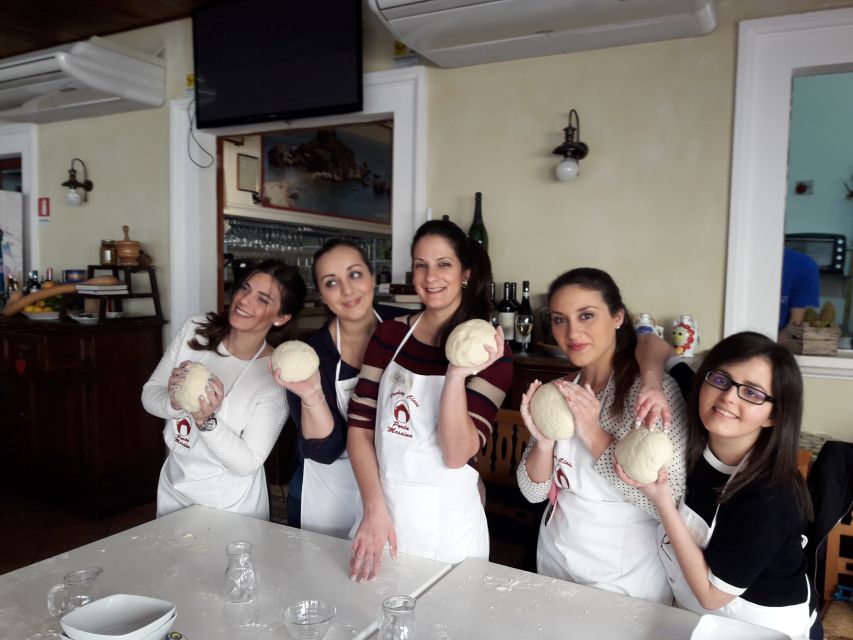
Your pizza lesson begins at Ristorante & Pizzeria Porta Messina in Taormina. It’s a practical meeting spot in the center of town, and it makes it easy to connect the class with the rest of your day. If you’re arriving by foot, it’s also one of those places where you can simply get your bearings and meet the staff without drama.
From there, don’t be surprised if you’re guided to another working space for preparation. Some past sessions have involved a second, sister restaurant kitchen for practice, then returning to the main pizzeria for the final pizza stage and meal. Either way, the flow matters: you’ll get instruction, then you’ll move into active cooking quickly—no long lecture marathon.
The class runs about 2.5 hours, so pacing is the whole point. You get enough time to learn dough fundamentals, assemble pizzas, and still end with a proper table meal.
You can also read our reviews of more tours and experiences in Taormina
The core lesson: pizza dough, wheat flour, yeast, and the stretch
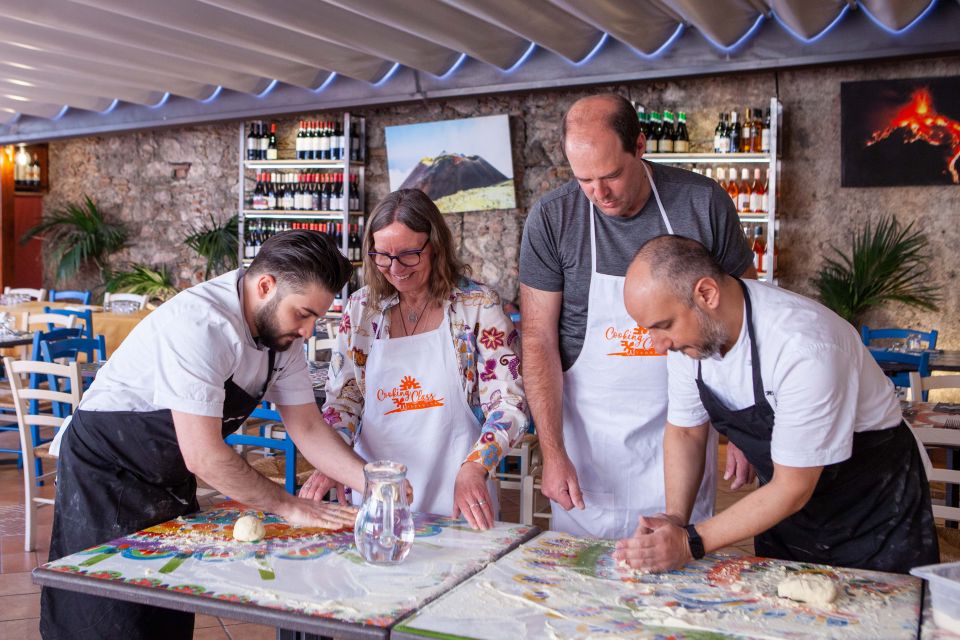
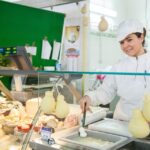
The heart of this experience is making pizza dough from scratch. You’re not just rolling something out and calling it pizza. You learn how the ingredients behave and why the dough matters more than the fancy toppings.
Expect instruction on:
- Wheat flour with gluten (that stretch you want comes from it)
- Water and fresh yeast (both affect texture and rise)
- How to handle the dough without tearing the structure
- Techniques for stretching, not just pressing
This is where the class earns its keep. Pizza dough is one of those skills you can’t really copy from a photo. Watching an expert show how the dough should look and feel helps you understand what to aim for at home: elasticity, a smooth surface, and a dough that behaves when you stretch.
You’ll also likely get helpful timing cues. The oven is quick; the dough work is slower. Good instruction helps you avoid the two most common mistakes tourists make: adding too much flour while stretching (making it dry) or rushing the dough handling (making it spring back).
And yes, it’s messy in the best way. Past participants consistently mention the hands-on energy—kneading, shaping, stretching, and learning as you go. That learning-by-doing vibe is exactly what you want in a cooking class.
Sauce and toppings: what makes it taste Italian, not just pretty
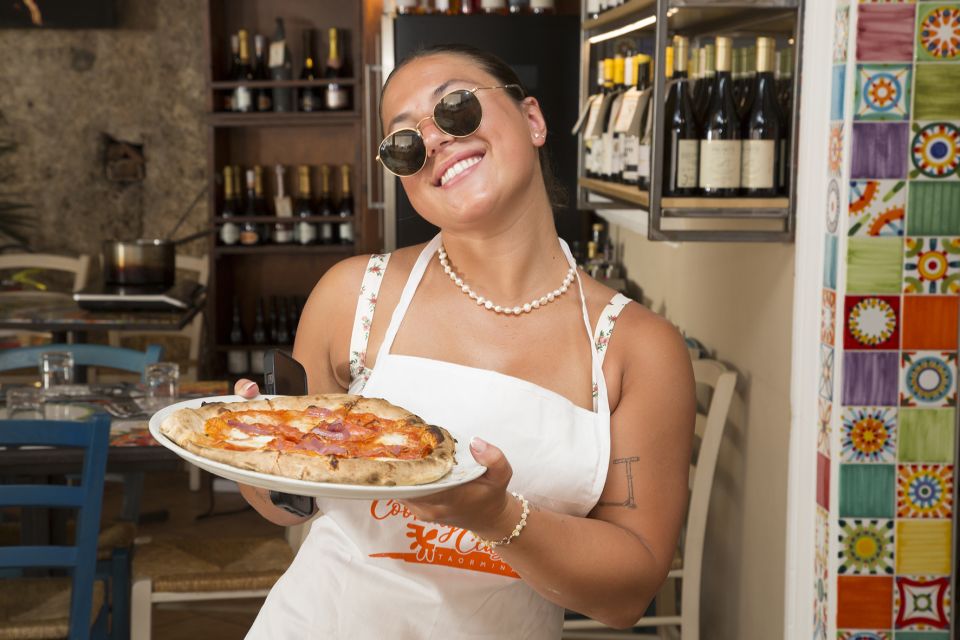
Once you have dough under control, the class shifts to toppings—another area where instruction beats guesswork.
You’ll learn about pizza sauce basics, including what goes into a good sauce and the thinking behind it. The idea is simple: sauce isn’t just color. It’s moisture balance and flavor distribution. When sauce is too watery or too heavy, the crust suffers. When it’s right, the whole pizza tastes “one piece,” not toppings on top of dough.
Then comes the fun part: choosing toppings. Even if you’re traveling with picky eaters, this is where everyone gets a say. You’re guided in what works (and what doesn’t) for the kind of baking this setup uses, not just what looks good on Instagram.
Past classes also show a consistent pattern: cooks help you finish toppings at a working stage before baking, so you’re not left alone with a raw pizza and hope. It’s a nice mix of independence and support.
Baking and the rhythm of a real pizzeria kitchen
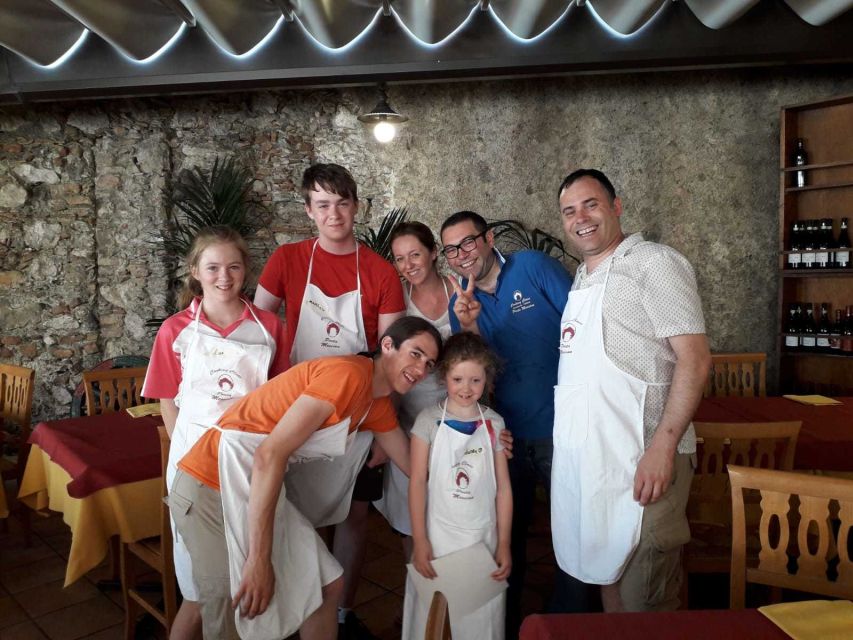
This isn’t a slow demo where you wait for someone else to do the oven work. You’ll follow the process step-by-step and end up with pizzas baked in the restaurant kitchen setting.
The “aha” moment is usually the speed. Pizza moves fast once it goes in—so the instructor’s guidance on assembly matters. The way you stretch and top your pizza changes how it cooks, and you can see the result immediately.
A big part of value here is pacing. With a tight 2.5-hour schedule, they need the group to work smoothly. The best classes are the ones where you feel like you’re part of the system. Many past participants describe the experience as well organized even with a bigger group, and that’s important in Taormina where everything can feel crowded.
If you’re the type who likes structure, you’ll probably appreciate the clear steps. If you’re more go-with-the-flow, you still get plenty of hands-on time to make it feel personal.
The meal that follows: bruschetta, drinks, and often pasta too
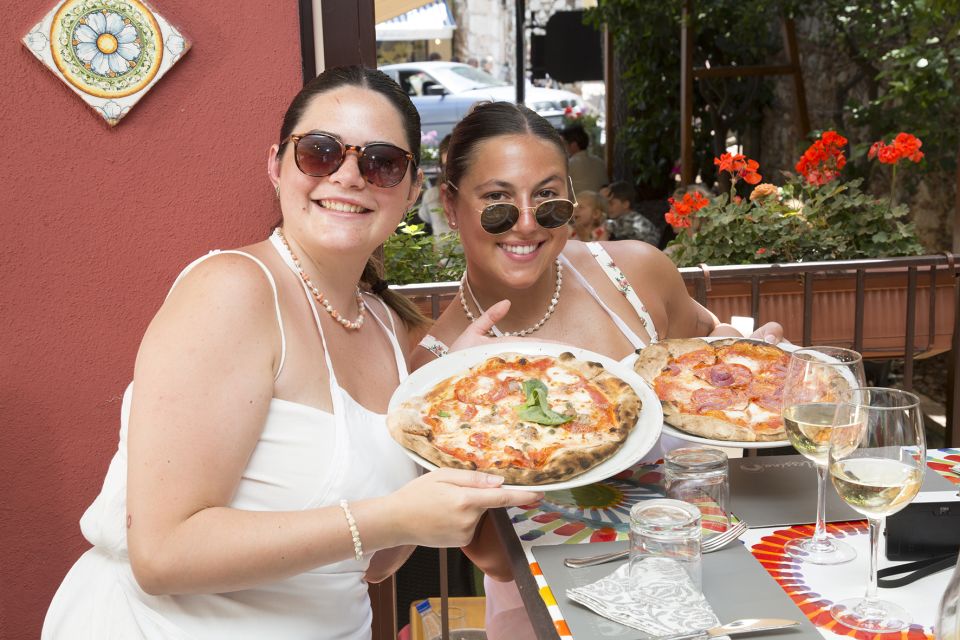
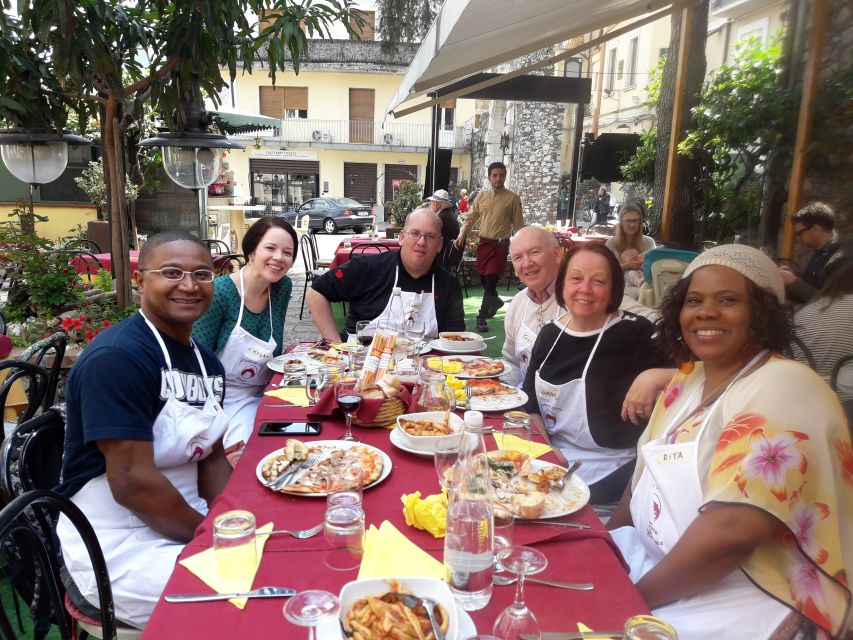
Here’s the payoff: you sit down and eat the pizza you made. That matters because it turns the class from a cooking lesson into an actual meal experience, not just a demo you attend.
Included with your booking:
- Mixed bruschetta
- Mineral water and soft drinks
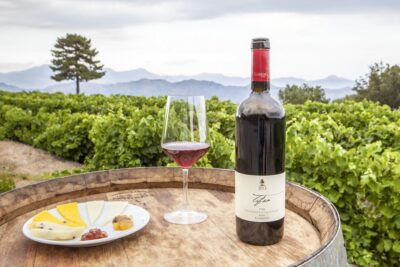
- Local wine
- And of course the pizzas you cooked
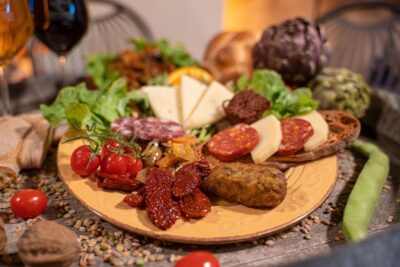
A lot of sessions go beyond that. Many participants mention a pasta step earlier in the class—sometimes making macaroni or fresh pasta—along with snacks like cheese and cured meats during a break. Past tables also mention sweets such as cannoli, and in some cases, a small treat like limoncello.
Even if your specific class leans more strictly pizza-only, the structure is similar: cook, pause, then feast together. The table meal is where you get to compare your pizza choices with everyone else’s, and you’ll see quickly which toppings and thickness choices worked best.
One more practical point: the class includes drinks. Extra alcoholic drinks aren’t included, so if you’re trying to keep costs down, you’ll want to manage that at the table.
You can also read our reviews of more tours and experiences in Taormina

Meet your chefs: the names you might work with
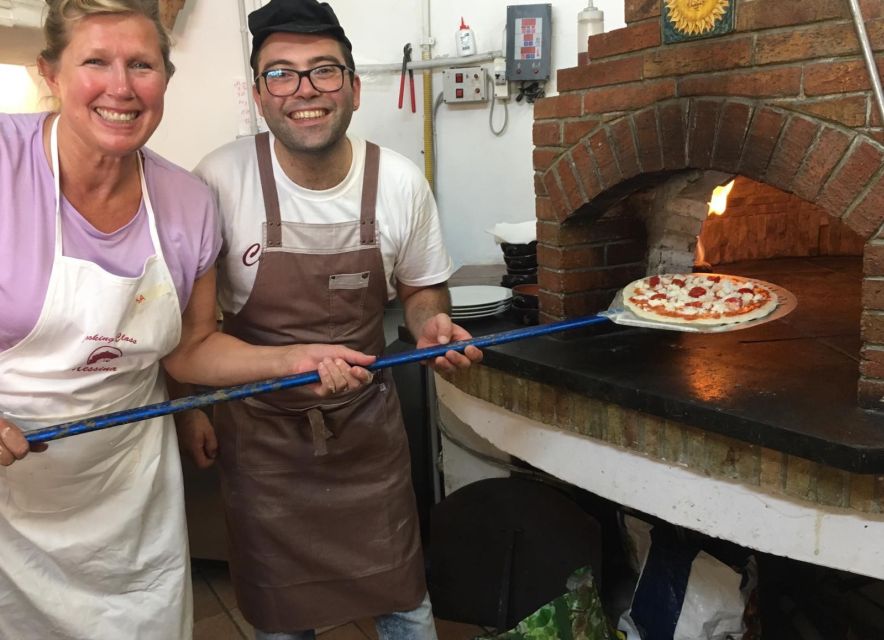
This kind of class lives or dies by the instructor’s attitude. And the good news is the teaching vibe seems consistently upbeat and encouraging.
Names that have come up in past classes include:
- Francesca and Riccardo
- Maurizio (often described as kind, patient, and fun)
- Paolo and Luca
- Daniel
No matter who’s guiding your group, the strongest element described across experiences is patience—help when you’re shaping dough, ideas for toppings, and a general sense that you’re there to learn, not to be judged.
If you’re traveling as a group, this is also where the social factor kicks in. Many people mention laughing, cooking together, and sharing the meal. Cooking classes are often awkward. A good chef fixes that fast.
The pizza certificate: a fun souvenir with real meaning
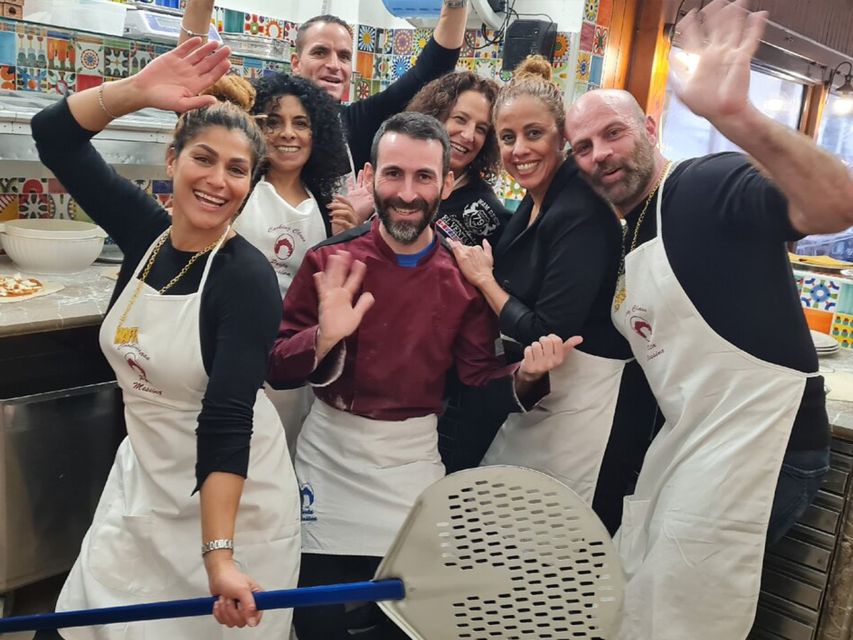
At the end, your chef presents you with a pizza certificate confirming you’re a qualified pizza cook. It’s not a life-changing credential, but it’s a real morale booster—especially if you’re traveling with family or friends.
The useful part isn’t the paper. It’s that you leave with a mental checklist of pizza fundamentals:
- What the dough should feel like
- How stretching changes texture
- How sauce and topping weight affect the bake
- The basic workflow of a pizzeria kitchen
You’ll be surprised how quickly those skills show up later when you try pizza at home and realize what’s missing.
Price and value: is $88 fair for Taormina?
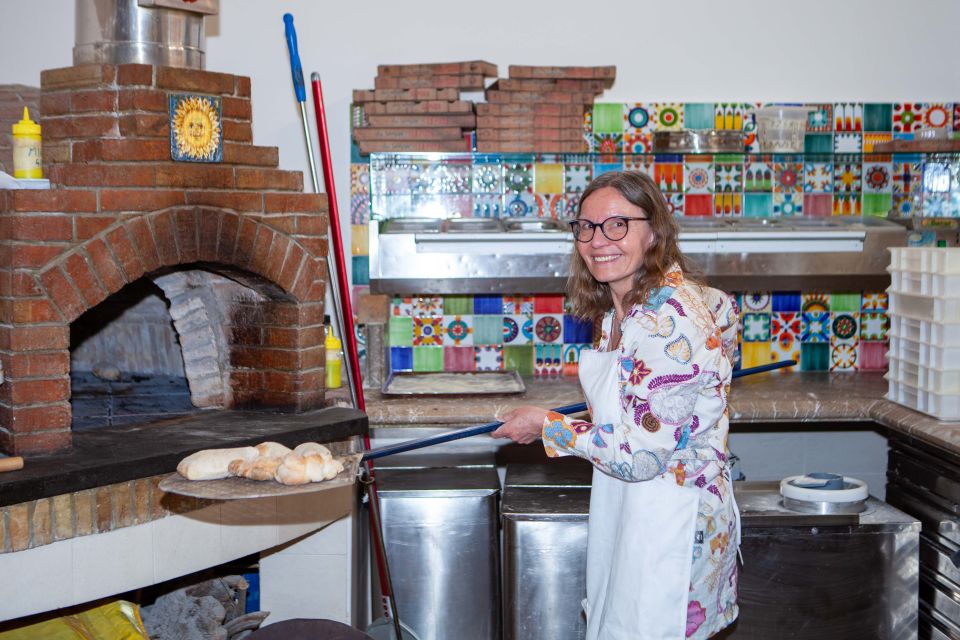
At $88 per person for about 2.5 hours, this class sits in the “worth it if you’ll actually use the skills” category.
Here’s why it can feel like good value:
- The ingredients and cooking lesson are included
- You get a full meal: bruschetta plus drinks and local wine
- You leave with hands-on dough technique, not just a tasting
- You receive a pizza certificate
Also, Taormina is not the cheapest place in Sicily. So the cost makes more sense when you compare it to paying for dinner plus paying for a cooking workshop that includes instruction and meal. If you like food experiences that turn into skills, this is exactly that type.
The one time you might hesitate: if you don’t want any alcohol at all, or you prefer to keep activities strictly low-budget. Since local wine is included, it pushes the class toward a “meal plus lesson” style.
Who this class suits best
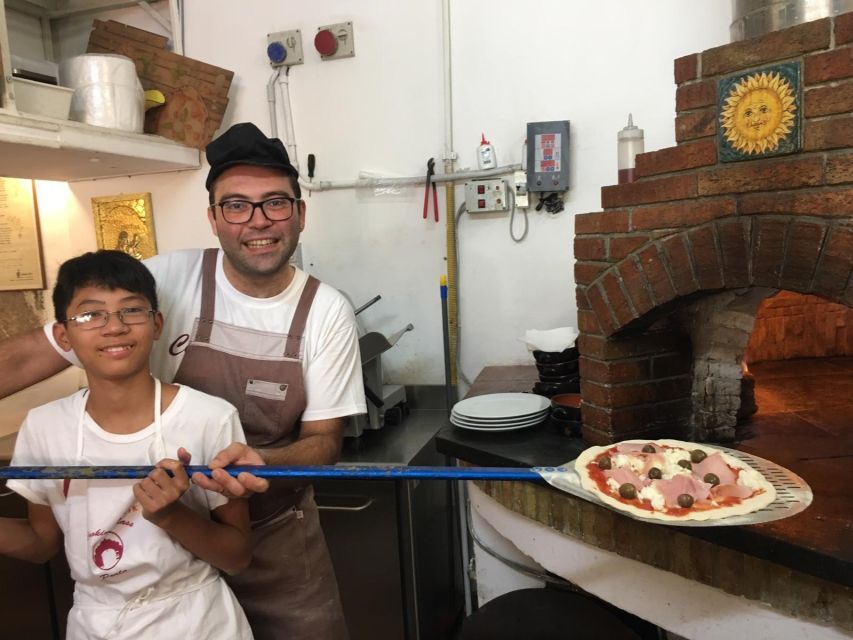
I think this fits best if you:
- Want a hands-on cooking experience rather than a scripted walking tour
- Like the idea of learning dough skills you can actually practice later
- Travel with friends or family and want a shared activity with a social meal
- Appreciate instructors who teach step-by-step, especially if you’re a beginner
It can also work well for families. Past experiences mention kids enjoying the process, but since the class involves dough handling and kitchen time, you’ll want to judge based on your child’s comfort with cooking messes.
If you’re a serious pizza purist who wants total control over dough formulas and oven temperatures, you might find the class too short. But if your goal is to leave with solid fundamentals and a great meal, this is a strong choice.
A few practical tips so you enjoy every minute
- Wear comfortable shoes. You’ll be standing and moving during prep and baking.
- Plan your day so you don’t rush before class. It’s easier to learn when you’re not sprinting.
- If you have food allergies or intolerance, tell the staff ahead of time. The class specifically asks you to inform them.
- Bring a curious mindset. The fun is in watching how dough texture changes as you work.
FAQ
Meeting point: where do I go in Taormina?
You meet your guide at Ristorante & Pizzeria Porta Messina in Taormina.
How long is the class?
It lasts about 2.5 hours. Starting times depend on availability.
What’s included in the meal?
The class includes mixed bruschetta, mineral water, soft drinks, and local wine, along with the pizzas you cook. A pizza certificate is also included.
Do I need to pay for extra alcohol?
Extra alcoholic drinks are not included.
What languages will the instructor use?
The instructor can teach in English and Italian.
Should I tell them about allergies?
Yes. You should inform the staff in case of food allergy or intolerance.
Can I cancel if my plans change?
The experience offers free cancellation up to 24 hours in advance for a full refund.
Should you book this Taormina pizza-making class?
If you want one cooking activity in Taormina that mixes real technique with a proper shared meal, I’d book it. The combination of dough instruction, topping creativity, and the fact that you eat what you make hits the sweet spot.
I’d skip it only if you strongly dislike classes with included wine, or if you’re looking for a very technical, lab-style course. For most people—beginner cooks, food lovers, and groups—this is a high-joy way to spend half a day in Sicily, leaving with both fuller bellies and better pizza instincts.