REVIEW · TAORMINA
Taormina: Pizza Making Class with Lunch and Wine Tasting
Book on GetYourGuide →Operated by Noema Viaggi Srl - Sicilyexcursions · Bookable on GetYourGuide
Pizza night in Taormina is hands-on, not just watching. This class pairs real dough skills with a proper sit-down meal, plus a Sicilian cheese and wine tasting in the middle of it, run by professional chefs inside a downtown restaurant-pizzeria.
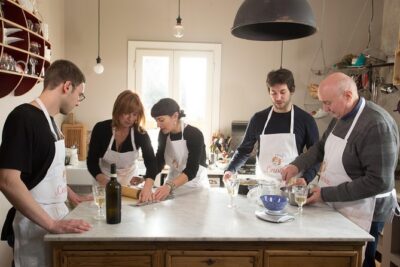
I especially like how much you do yourself. You learn techniques for dough and shaping, then you add toppings and eat what you made. I also like the way the evening is structured like a fun dinner party, not a school drill, with hosts such as Chef Luca, Chef Francesca, Chef Maurizio/Maur, and others steering the room while you cook.
One thing to consider: wine and pacing. This is a lively, food-heavy 2.5 hours where you spend time on your feet kneading and assembling, and the activity is marked tricky for people with gluten or lactose intolerance (even though options are mentioned), so you’ll want to confirm your needs directly before booking.
In This Review
- Key Highlights You’ll Actually Feel During the Class
- Pizza and Pasta in Taormina: What This Experience Is Really About
- Where You Meet: Porta Messina Is the Easy Target
- The First Hour: Pasta Work, Coffee Break, and Starters
- Pizza Dough and Shaping: The Part You’ll Want to Repeat at Home
- Homemade Pasta + Pizza Dinner: Why the Meal Makes This Worth It
- Wine and Cheese Tasting: Fun, Social, and Practical
- The Hosts Matter: Why Chefs Like Luca, Francesca, and Giovanni Make It Click
- What You Take Home: Recipes, Certificate, and the Skills to Use Later
- Price and Logistics: Does $88 Feel Like Value?
- Dietary Restrictions: What to Confirm Before You Go
- Who This Class Fits Best (and Who Might Want Something Else)
- Should You Book It?
- FAQ
- Where is the meeting point?
- How long is the experience?
- What’s included in the price?
- Do I make pizza in the class or just watch?
- What languages are the instructors?
- Is it suitable for gluten-free, lactose-intolerant, or vegan diets?
Key Highlights You’ll Actually Feel During the Class
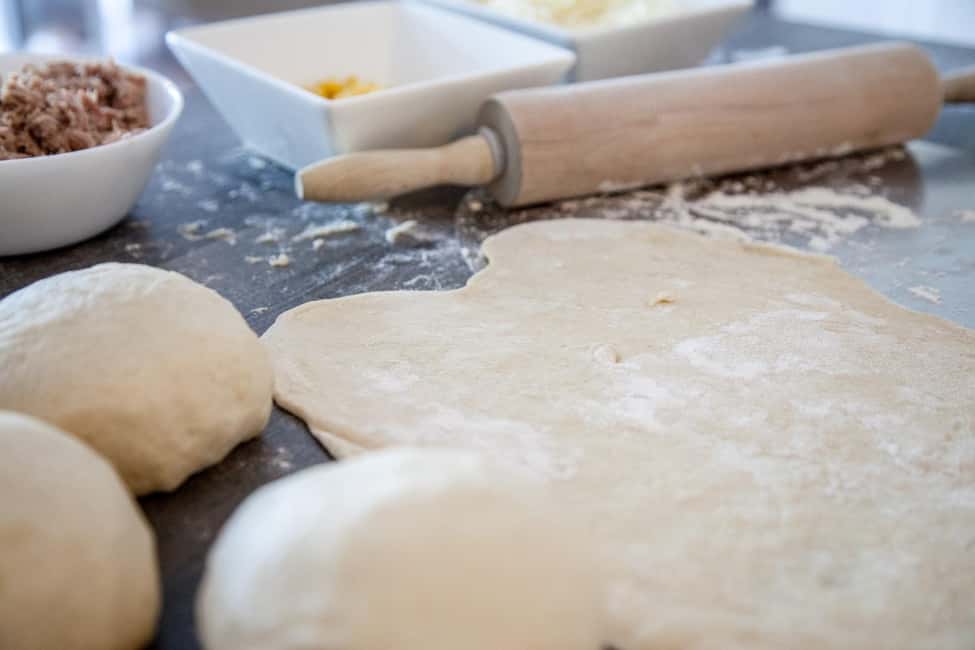
- You cook more than one thing: you’ll typically make pasta and then move into pizza dough and assembly.
- Real chef instruction in the middle of a real restaurant setup: watch professionals, then take your turn.
- A break that isn’t awkward: coffee/nibbles and starters come before the oven stage.
- Wine and cheese are part of the flow: Sicilian cheese tasting plus drinks at the table.
- You leave with something usable: a certificate and recipes to try at home.
- Meet-and-chat energy: the class is interactive, and the hosts keep the mood light.
Pizza and Pasta in Taormina: What This Experience Is Really About
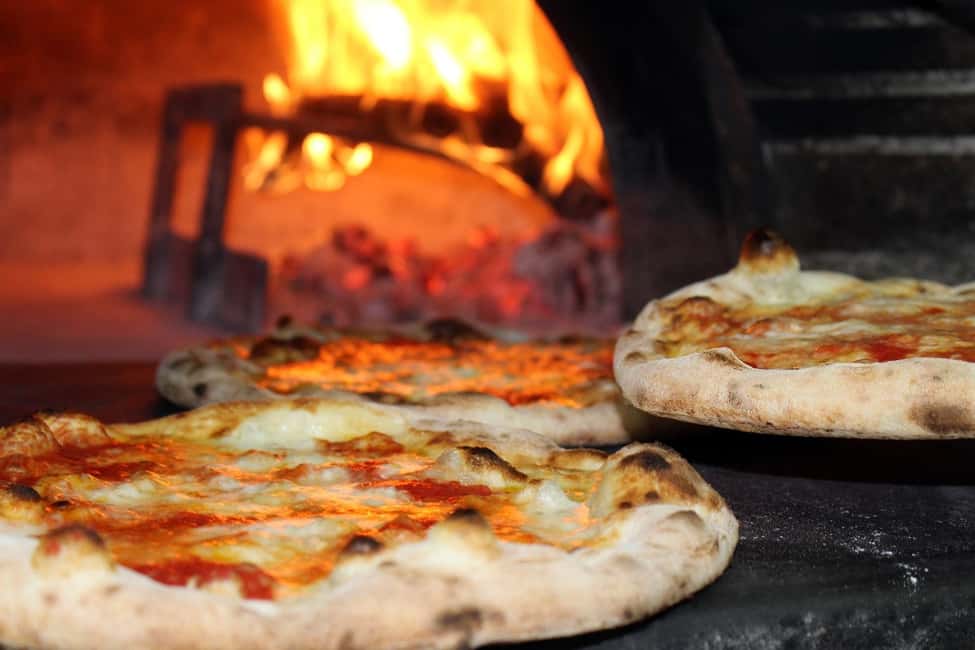
Taormina has plenty of good food, but this is different because you’re not just ordering it. You’re making Sicilian-style pizza (and in many sessions, pasta too) with a professional chef guiding you step by step. The setting matters: it’s a restaurant-pizzeria in the center, so the class feels like part of local life instead of a detached demo.
For me, the sweet spot here is the combination of technique and payoff. You’ll learn how to handle dough—what to watch for, how to shape without crushing the air you worked for, and how toppings should behave once the pizza hits the oven. Then you eat a full meal that includes both pizza and homemade pasta, with starters and drinks built into the rhythm.
The hosts add another layer. Multiple sessions are described as funny, warm, and very interactive, with chefs such as Luca, Giovanni, Daniel, Paolo, Mauro/Maurizio, and Francesca helping groups get over the usual beginner fear of messing up. If you like cooking classes where you feel included, this is built for that.
You can also read our reviews of more food & drink experiences in Taormina


Where You Meet: Porta Messina Is the Easy Target
You meet at Porta Messina, with the chef waiting in front of the restaurant. That detail is more helpful than it sounds. Taormina’s center can feel dense—stairs, small lanes, and people moving in every direction—so having a clear landmark cuts confusion fast.
Practical tip: plan to arrive a few minutes early and look for the chef/host team at the front. Don’t loiter around the sidewalk guessing. Get your bearing, walk in, and tell them you’re there for the class.
No transportation to/from the activity is included, so you’ll want to factor in how you’re getting to the downtown meeting spot.
The First Hour: Pasta Work, Coffee Break, and Starters
A common pattern in the class is starting with pasta, then shifting gears. Several people mention making Sicilian-style dry pasta (including shapes like macaroni/fusilli), with the cooking team teaching technique before you get too hungry.
Then comes a break that actually matters: coffee time plus nibbles/starters, along with drinks. This is where the evening turns from workshop to meal.
What I like about this pacing is that it breaks up the “learn, do, stress, eat” loop. You get instruction first, then you reset your energy, and only after that you move into dough and pizza shaping. It also gives you time to settle into the group with other people in your session, which many participants describe as a big part of the fun.
Pizza Dough and Shaping: The Part You’ll Want to Repeat at Home
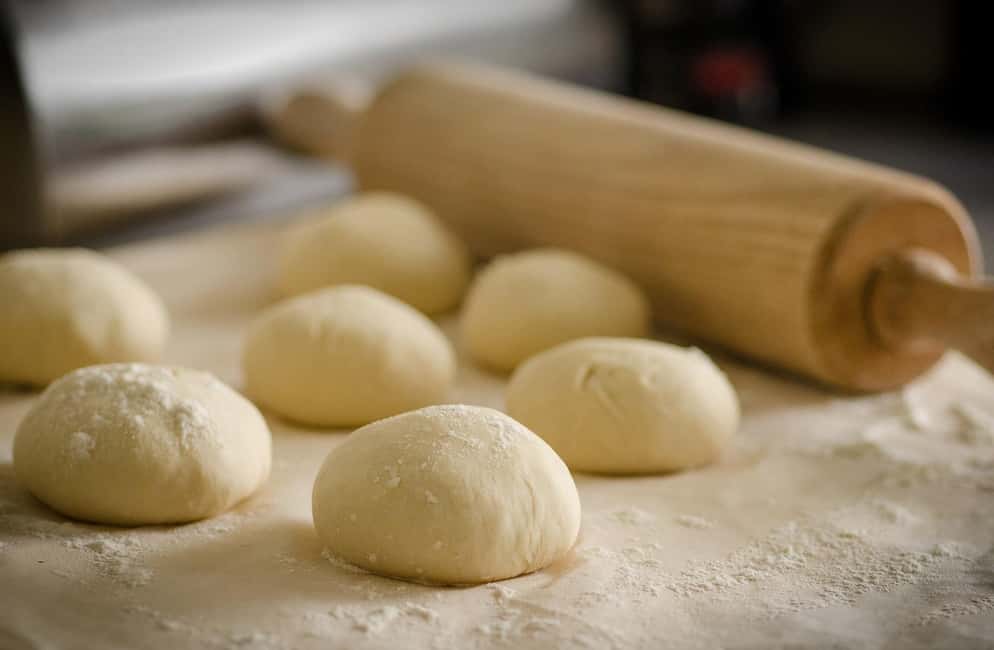
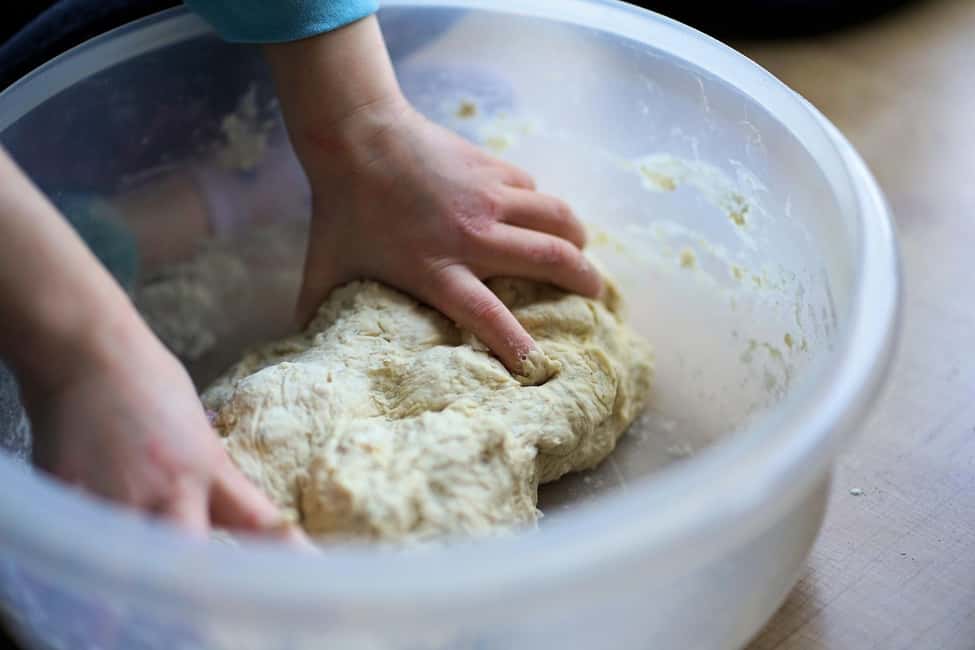
The core of the class is the pizza stage—learning the dough and the mechanics behind a good pie. You watch the pros work, then you make your own pizza dough and practice forming it.
A few things are worth calling out from the way the chefs teach:
- You’re not just handed a ball of dough and told to wing it. The instruction focuses on ingredients and technique—what dough should feel like, how to work it, and how to avoid common mistakes.
- You learn the form. Multiple participants mention being taught how to form the pizza with proper shaping, which is the part beginners struggle with when they try at home later.
- The chefs stay close. People repeatedly describe attentive, hands-on guidance from hosts like Luca and Maurizio/Maur, plus other team members.
Also, you usually get access to the pizzeria side. Several reviews mention entering the kitchen area, adding toppings, and watching the oven stage. Even if you’re not the one firing the oven, seeing that moment helps you understand how the pizza is meant to finish.
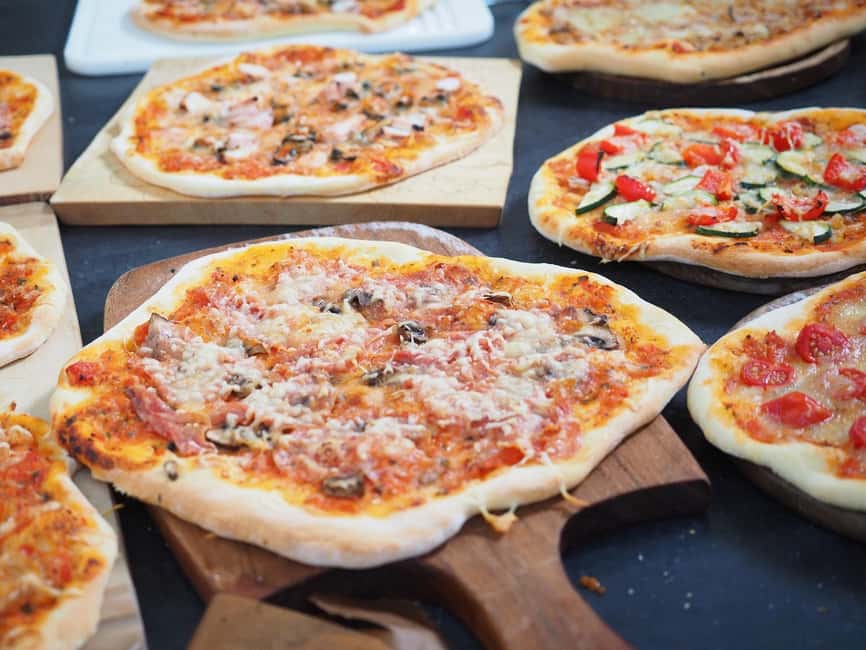
When the pizza comes out, it’s not a tiny tasting slice. The reviews point to a full, satisfying pizza—part of why the class feels like it includes dinner, not just instruction.
Homemade Pasta + Pizza Dinner: Why the Meal Makes This Worth It
This class isn’t “snacks while you wait.” It’s a meal. Your included lunch/dinner features homemade pasta and pizza, served with typical starters.
And then there’s the wine and cheese tasting component. The tasting is described as part of the event, and in practice it often feels more relaxed than formal—more about the social vibe and pairing than a classroom lecture. Still, it’s valuable because it ties to what you’re learning: Sicilian food isn’t just about technique, it’s about flavors that match the region’s habits—cheese styles, wine styles, and what people actually eat alongside pizza and pasta.
Some people also mention a finish with dessert such as cannoli and a limoncello shot. That’s not listed as a guaranteed item in the basic description, but it comes up often enough in the feedback that you can reasonably expect the night to end with something sweet and celebratory.
Bottom line: you’re paying for cooking instruction, yes—but the meal and tasting are part of the package that makes the whole 2.5 hours feel complete.
You can also read our reviews of more wine tours in Taormina





Wine and Cheese Tasting: Fun, Social, and Practical
Sicily has a reputation for wine, but what you’re really buying here is atmosphere plus context. You sip while you cook, then you eat while you keep talking. People describe the wine as flowing and the hosts as entertaining and friendly, which makes the tasting less intimidating.
One practical note: drinks are included (water, wine, and soft drinks), and that changes how you experience the class. It’s a lively evening format. If you don’t want wine involved, you should still go for the food and class, but you’ll want to be clear about what you can drink comfortably.
Also, don’t assume a strict, slow-paced “tasting menu” style. The vibe is more relaxed, and the goal is to keep moving through the evening without making it feel like work.
The Hosts Matter: Why Chefs Like Luca, Francesca, and Giovanni Make It Click
This class consistently gets praised for leadership. The chefs aren’t only teaching dough; they’re running the room—keeping it organized, welcoming, and humorous.
Names that come up repeatedly include:
- Chef Luca
- Chef Francesca
- Chef Giovanni
- Chef Daniel
- Chefs such as Maurizio/Maur, Paolo/Paulo, and Mauro
That matters for your actual outcome. A beginner can follow a recipe badly, even with good ingredients. But in a class like this, the teaching style plus the chef’s attention can turn a chaotic mess into a pizza you’re proud to eat.
If you want a “learn fast, laugh, and end up with real food” experience, the chef team is clearly a big reason the rating stays high.
What You Take Home: Recipes, Certificate, and the Skills to Use Later
The best part of a cooking class isn’t the food that disappears in an hour. It’s the follow-up at home when you’re standing in your kitchen thinking: Can I do this again?
Here, you get a certificate of participation and you receive recipes to try. Several participants also mention being given aprons to keep, which is a small detail but a nice one—you’ll remember the class every time you cook.
Why recipes matter: pizza dough isn’t just “make dough.” Timing, dough behavior, and texture goals affect everything. Having the written guidance makes it easier to reproduce what the chef taught you, instead of relying on memory.
If you’ve ever bought ingredients for pizza night and ended up with a disappointing crust, this is the kind of class that can fix that by giving you a real process.
Price and Logistics: Does $88 Feel Like Value?
At $88 per person for a 2.5-hour experience, the headline cost can look steep at first—until you break down what’s included.
You’re getting:
- Coffee break and starters
- A meal built around homemade pizza and homemade pasta
- Water, wine, and soft drinks
- Sicilian cheese and wine tasting
- A certificate and recipes
So yes, you’re also paying for professional instruction and the restaurant kitchen environment, not just the food. But the food and drinks are meaningful here. Reviews repeatedly describe generous portions and that the class feels like paying for dinner with the bonus of learning how to make it.
Logistics are simple but worth noting. Transportation to/from isn’t included, and you’ll want comfortable clothes because you’re kneading/assembling during the hands-on parts. Otherwise, the main “planning” is just getting to Porta Messina on time.
Dietary Restrictions: What to Confirm Before You Go
This is the one area where the data gets a little conflicting. The description says:
- Gluten free and lactose intolerant options are available
- Vegetarian and vegan options may be possible with prior notice
But it also states:
- Not suitable for vegans
- Not suitable for people with gluten intolerance
- Not suitable for people with lactose intolerance
So here’s the practical advice I’d follow: if you’re vegan, gluten-free, or lactose-intolerant, contact the provider before booking and ask what they can do for your exact needs on your date. Don’t rely on the general phrasing.
If you’re vegetarian and can share what you eat/avoid, you may have better odds, especially if you notify in advance.
Who This Class Fits Best (and Who Might Want Something Else)
This is a strong match if you:
- Want a hands-on evening, not a passive tour
- Like meeting other people while cooking and eating together
- Enjoy wine and want it included with dinner
- Plan to cook at home later and want recipes, not just a souvenir photo
It may be less ideal if you:
- Need strict gluten or lactose accommodations (confirm first due to mixed info)
- Are vegan (the activity is explicitly marked not suitable for vegans)
- Prefer a quiet, low-energy activity (this is a social, lively format)
If you’re traveling solo, you may still enjoy it because the hosts and group interaction are part of the experience. If you’re with friends, it’s easy to make it feel like a shared dinner party.
Should You Book It?
If you want a memorable Taormina night that mixes cooking skill, good food, and a lively chef-led atmosphere, I’d book this. The biggest reason is simple: you learn pizza dough basics and then you eat a full meal you actually helped make. For $88, that combination of teaching plus dinner plus wine and cheese tasting is the kind of value that feels fair, especially in a tourist town.
Just do one thing before you commit: if you have gluten/lactose needs or you’re vegan, confirm your situation directly. If you’re not dealing with strict restrictions, this class looks like a high-confidence choice for a fun 2.5-hour evening.
FAQ
Where is the meeting point?
You meet at Porta Messina, and the chef waits in front of the restaurant.
How long is the experience?
The class runs for about 2.5 hours.
What’s included in the price?
Coffee break, a meal with homemade pizza and pasta, water, wine, and soft drinks, a certificate, and Sicilian cheese and wine tasting.
Do I make pizza in the class or just watch?
You make your own pizza (including dough work) and then eat it at the end of the lesson.
What languages are the instructors?
The instructor speaks English and Italian.
Is it suitable for gluten-free, lactose-intolerant, or vegan diets?
The description mentions gluten-free and lactose-intolerant options and says other restrictions can be accommodated with prior notice, but it also lists the activity as not suitable for vegans, and for people with gluten or lactose intolerance. You should confirm your exact needs before booking.