REVIEW · AGRIGENTO
Pasta Class Cook Traditional -Sciacca-Wine included-Shuttle extra
Book on Viator →Bookable on Viator
Pasta lessons in a Sicilian home beat cooking shows.
In Sciacca, Accursia and Vincenzo welcome you with wine and walk you through the small, hands-on steps of making fresh pasta dough from scratch, all tied to Saccense food traditions. What I love is the focus on doing it with your hands and the fact you eat real Sicilian dishes you helped make, including Tagliatelle alla Norma. One thing to consider: it’s a countryside-style stop, and the shuttle is extra, so factor in transport time and comfort with rural roads.
In This Review
- Two hours, four people, and a real meal
- Key highlights worth planning for
- Sciacca at 4 pm: why this timing works
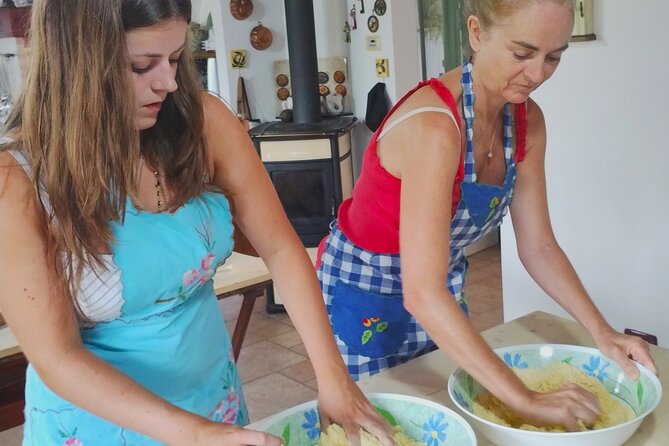
- Inside the kitchen: dough, tools, and lots of hands-on practice
- What you’ll make: Tagliatelle alla Norma plus tomato-sauce tagliatelle
- The wine welcome and the aperitivo mood
- Garden-to-plate touches that make it feel real
- Why the class size changes everything (max 4 travelers)
- Price and logistics: what $54.44 buys you, and what costs extra
- Who should book this fresh pasta class in Sciacca
- Small comfort details that matter day-of
- Should you book Pasta Class Cook Traditional in Sciacca?
- FAQ
- What time does the pasta class start, and how long is it?
- How much does the experience cost?
- What’s included in the class?
- Is the class taught in English?
- Do I need to speak Italian?
- Is the shuttle included?
- How many people are in the group?
Two hours, four people, and a real meal
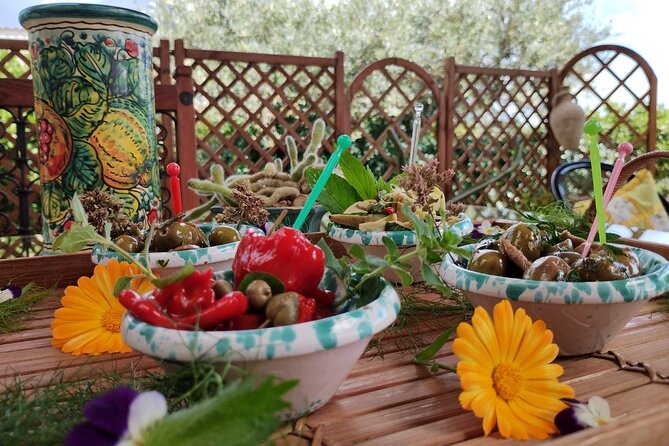
This is a small group (max 4), taught in English, and you don’t need Italian to follow along. You’ll start at 4:00 pm, spend about 2 hours in an air-conditioned kitchen setting, and finish back at the meeting point with what you made to take home.
Key highlights worth planning for
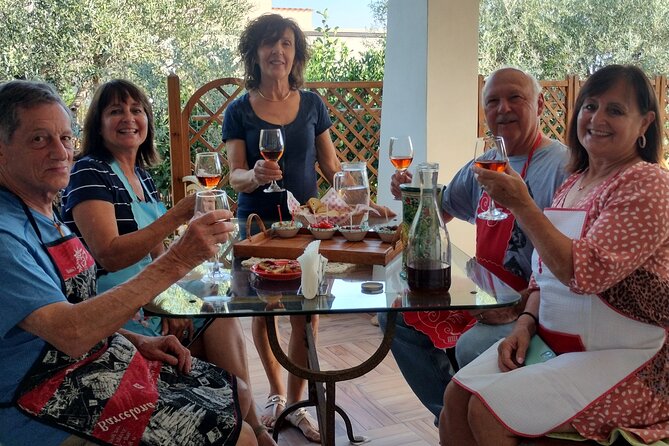
- Hands-on fresh pasta dough with simple tools and lots of touch-based technique
- Warm host energy from Accursia and Vincenzo, plus a home-kitchen setting that feels authentic
- Tagliatelle alla Norma (tomato sauce and aubergines) alongside tomato-sauce tagliatelle
- Wine welcome to set the mood before you start rolling and shaping
- Small group size so you’re not stuck watching from the sidelines
- Garden-to-plate feel, with ingredient sourcing tied to the home setting
You can also read our reviews of more wine tours in Agrigento
Sciacca at 4 pm: why this timing works
A 4:00 pm start is smart if you want something more meaningful than a quick lunch stop. Mid-afternoon in Sicily often hits that sweet spot: you’re not racing the day, and you still get a proper, sit-down feeling by the time your pasta is cooked.
The setting matters too. The meeting point is in Sciacca, at strada Regia Raganella, 99, 92019—so you’re not dealing with a downtown tourist kitchen. Expect a calmer, countryside rhythm where you arrive, settle in, and focus on food. That’s also why the shuttle is extra: they’re set up for people who can reach a home base without turning it into a logistical nightmare.
If you’re trying to build a day around beaches or Valley of the Temples sightseeing, this class can slot in nicely as your “evening reset.” And because you’re done in about 2 hours, you still have time afterward.
Inside the kitchen: dough, tools, and lots of hands-on practice
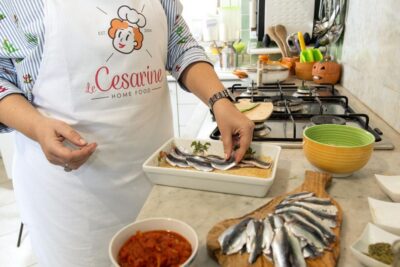
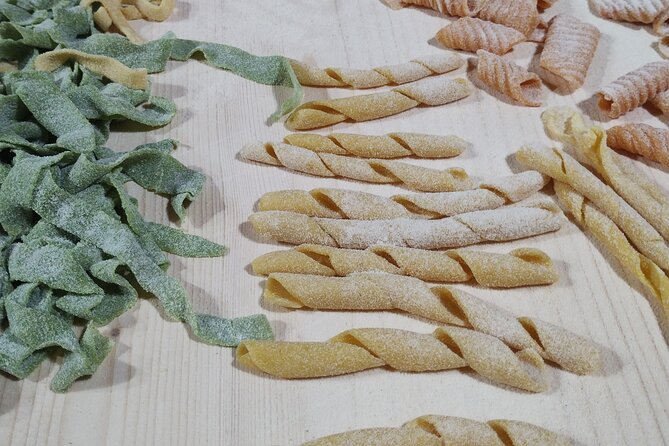
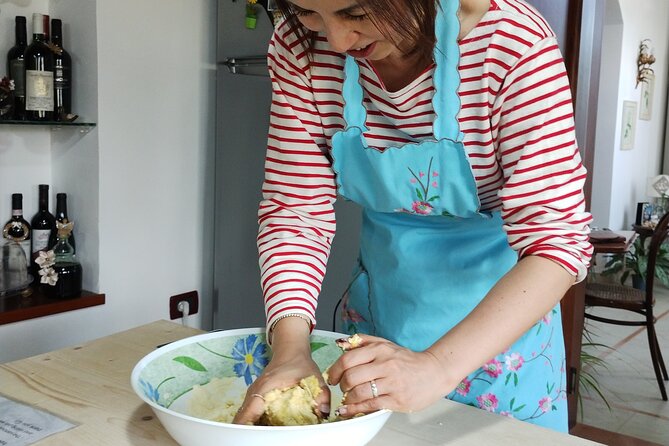
The heart of the experience is fresh pasta—and not the vague kind. This is a lesson in making dough properly, then shaping it using the tools you’re shown. The emphasis is practical: your hands do most of the work, and the ingredients are kept fresh.
Here’s what that usually translates into during a class like this:
- You’ll learn what the dough should feel like as you work it.
- You’ll figure out how to handle dough so it becomes workable rather than sticky or stiff.
- You’ll practice shaping, not just assembling.
The “why” is important. Fresh pasta dough isn’t only about taste—it’s about texture. When the dough is mixed and worked the right way, you get pasta that cooks evenly and feels satisfying to eat. If you’ve ever tried making fresh pasta at home and felt it turned into something sad and chewy, this class style is exactly what helps you correct that.
Language isn’t the obstacle. The class is offered in English, and the guidance is designed for people who don’t speak Italian well. You just need the willingness to participate—think of it as cooking with confidence, not cooking with words.
What you’ll make: Tagliatelle alla Norma plus tomato-sauce tagliatelle
Your menu is built around two mains, both centered on fresh pasta:
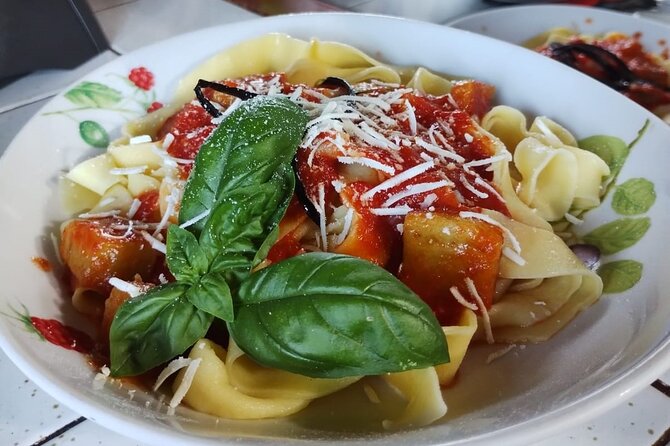
- Tagliatelle alla Norma: fresh pasta with tomato sauce and aubergines
- Tagliatelle with tomato sauce: another classic, more straightforward pasta dish
Even if you’re a beginner, this menu is a good match for a pasta lesson. Norma-style sauce gives you a strong flavor profile (aubergines + tomato), so you can taste the difference your pasta texture makes. The tomato-sauce tagliatelle is the “control” dish—simple flavors where the pasta itself takes center stage.
You’ll also taste what you make. Your fresh pasta will be cooked by the host so you can enjoy the result right there, rather than crossing your fingers and hoping it works later at home. And you can take away what you created during the lesson, which is a bonus if you want to extend the experience into your next meal.
If you’re picky about food, or you’re going to be translating ingredients in your head, do yourself a favor and confirm the basics ahead of time—especially if you have allergies or intolerances. You should report those in advance.
The wine welcome and the aperitivo mood
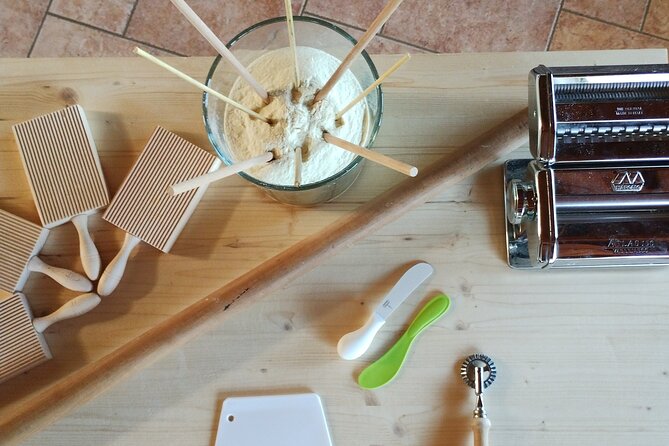
You start in the kitchen with a glass of wine. It’s not a token sip. It’s a social cue that tells you this isn’t a rushed class; it’s dinner-adjacent, with time to chat and settle in.
Many cooking lessons teach you technique, but the best ones also teach you atmosphere—the way people eat, talk, and enjoy the process. Here, the tone is friendly and relaxed. You’re learning while you’re being hosted, not dropped into a studio and left to figure it out.
A nice detail: there’s often time set aside while dough rests. During that break, you can expect small tastes and a chance to learn more about what you’re eating and where it comes from. If you like lessons that blend cooking with culture, this format usually lands well.




Garden-to-plate touches that make it feel real
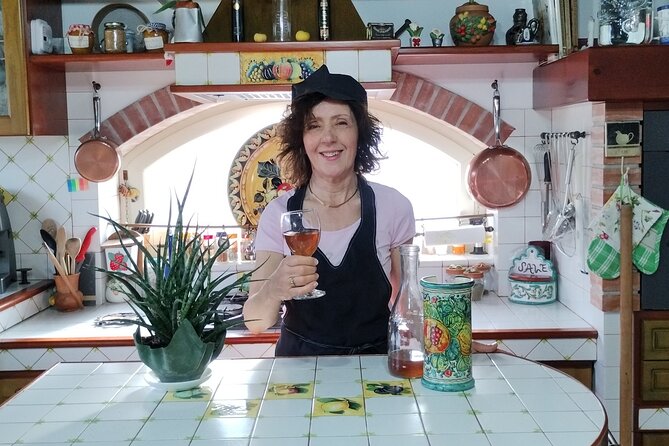
A big part of the appeal is how local and homegrown the experience feels. The ingredients used in what you eat have that garden connection—so you’re not just following recipes; you’re stepping into a place where food is grown and handled with care.
If you enjoy small, practical tours (rather than big museum-style explanations), you’ll likely appreciate the walk-through feel—seeing the garden and understanding how ingredients show up on the table. It also makes the meal more satisfying, because your brain links the taste to a living source, not a grocery shelf.
And yes, this is also the kind of place where you might pick up an item or two connected to the experience. Handmade aprons have been a popular add-on, so if that’s your thing, keep an eye out when you’re there.
Why the class size changes everything (max 4 travelers)
This is limited to no more than 4 travelers, and that’s a huge value driver. In a bigger class, you spend a lot of time waiting for your turn. In a small class, you get closer to the teacher and can adjust faster.
That matters for dough. Dough needs feedback in the moment—how it feels, how it stretches, how it behaves. When the group is small, the teacher can watch you more closely and correct issues before you’ve made a whole batch the wrong way.
You also get more conversation. If you want to ask about flour types, sauce habits, or how pasta should feel at different stages, small-group teaching makes those answers more likely.
Price and logistics: what $54.44 buys you, and what costs extra
Let’s talk value, because this is where many cooking classes trip you up.
At $54.44 per person for about 2 hours, you’re paying for:
- A structured pasta lesson with hands-on guidance
- Wine included at the start
- Cooking and tasting of the pasta you make
- The chance to take your pasta home
Then there’s what’s extra:
- Shuttle service (listed as extra)
So the value depends on whether you need transportation help. If the shuttle solves a real problem—parking, timing, getting out to a countryside address—then it can actually make the whole experience cheaper in time and stress, even if the fare is additional.
If you already have a car and you’re comfortable driving rural roads, you may prefer to handle transport yourself. But the class meeting point is not the kind of place you want to hunt for while you’re tired and hungry.
My practical take: if you’re driving, map it carefully before you go. If you’re not comfortable driving there, budget for the shuttle/pickup option and enjoy the class instead of negotiating roads.
Who should book this fresh pasta class in Sciacca
This works best for:
- People who want a real cooking lesson, not just a meal and a demo
- Beginners who learn well by doing, touching, and getting quick feedback
- Food lovers who like Sicilian favorites like Norma-style flavors (aubergine + tomato)
- Anyone traveling with limited time who still wants a full, satisfying experience
It’s less ideal if:
- You want a fast, hands-off activity where you observe rather than participate
- You’re unable or unwilling to work with dough textures and basic kitchen steps
- You strongly prefer urban settings close to big landmarks
On accessibility: the experience allows companions of guests with disabilities, but the companions aren’t allowed to use the participants’ benefits. Service animals are allowed. If you have specific needs, ask questions before booking so you can plan comfortably.
Small comfort details that matter day-of
These are the little things that make the difference between a smooth experience and an annoying one:
- You’ll get a mobile ticket, and confirmation is received at booking time.
- The space is air-conditioned, which is a big deal in Sicily when temperatures rise.
- The class is in English, and the hosts don’t expect you to speak Italian.
- You’ll be able to take away what you make, so you’re not limited to a single meal.
And please do the boring-but-important task: tell them about any food allergies or intolerances in advance. That’s how you keep the whole evening relaxed and safe.
Should you book Pasta Class Cook Traditional in Sciacca?
If you want an authentic Sicilian cooking experience with strong teaching, this is a solid pick. You’re paying a fair price for real instruction, not just a ticket to eat. The small group size and the focus on fresh pasta dough are the reasons to book, especially if you’ve been curious about making pasta at home but never learned the tactile basics.
Book it if you’re the type who enjoys learning a skill you’ll actually use again, and you don’t mind a countryside-style meeting point. Skip it only if you need a low-participation experience or you’re counting on everything being centrally located with zero transport planning.
If you do book, my advice is simple: go hungry, ask about any ingredients that concern you, and treat the dough like it’s part of the conversation. You’ll leave with pasta you can reproduce.
FAQ
What time does the pasta class start, and how long is it?
The class starts at 4:00 pm and lasts about 2 hours.
How much does the experience cost?
The price is $54.44 per person.
What’s included in the class?
You’ll receive a wine at the start, learn how to make fresh pasta dough during a lesson, taste the pasta you make, and you can take away what you created.
Is the class taught in English?
Yes, the experience is offered in English.
Do I need to speak Italian?
No. Italian skills aren’t required as long as you’re willing to participate and follow along.
Is the shuttle included?
No. The shuttle is an extra add-on.
How many people are in the group?
The group is limited to a maximum of 4 travelers.