Capo market chaos becomes your dinner plan. I love how Casa Di Cilla turns the Capo market into real ingredient shopping, then carries that into hands-on Sicilian cooking at Marco Cillari’s home. It’s a smart, cultural way to eat in Palermo: you don’t just watch food happen—you help make it.
I especially like two things. First, I love the menu choice process with Marco, where you walk the stalls, talk to sellers, and buy exactly what you need for your dishes. Second, I love the teaching style—Marco uses clear technique, then lets you work with your hands so you actually learn pasta and knife skills, not just recipes.
One thing to consider: plan on this taking most of your daytime. With a morning start at 10:00 and a cooking-and-lunch rhythm, you may not want to schedule a second activity right after.
In This Review
- Key things to know before you go
- Capo Market Grocery Run: the menu starts with choice
- Meeting Chef Marco Cillari at Porta Carini: how the morning flows
- From Market to Casa Di Cilla: cooking in a real Palermo apartment
- Sicilian recipes explained with stories and real technique
- Time, pacing, and the small-group difference
- Price Value Check: is $119.77 worth it?
- Who should book Casa Di Cilla in Palermo?
- Should you book Casa Di Cilla in Palermo?
- FAQ
- What time does the experience start?
- How long is the Casa Di Cilla cooking experience?
- Where do we meet?
- Is the class offered in English?
- What will we cook?
- What’s the group size?
- Is there public transportation nearby, and can service animals come?
- Is there free cancellation?
Key things to know before you go
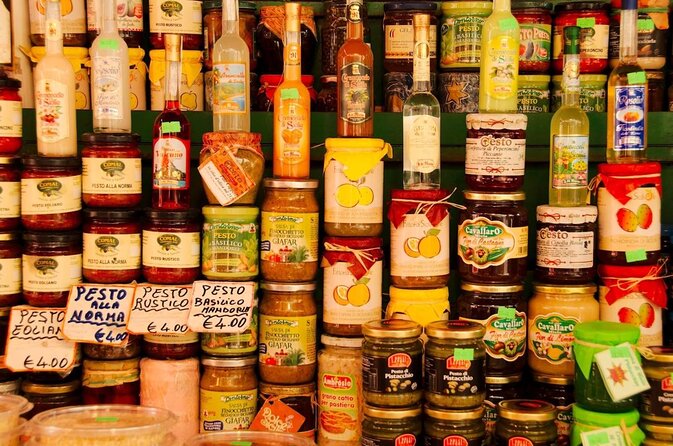
- Capo market ingredient shopping: You build your menu by buying what you’ll cook.
- Small group size (up to 10 people): More hands-on time and a more personal pace.
- Chef Marco Cillari’s home kitchen: Practical lessons in a real Palermo apartment setting.
- Multi-course Sicilian meal: Typically pasta, a starter, then fish or meat, ending with cannoli or another classic dessert.
- English-friendly experience: The class is offered in English, so you can follow the “why” behind each dish.
Capo Market Grocery Run: the menu starts with choice
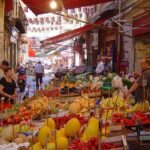
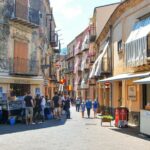
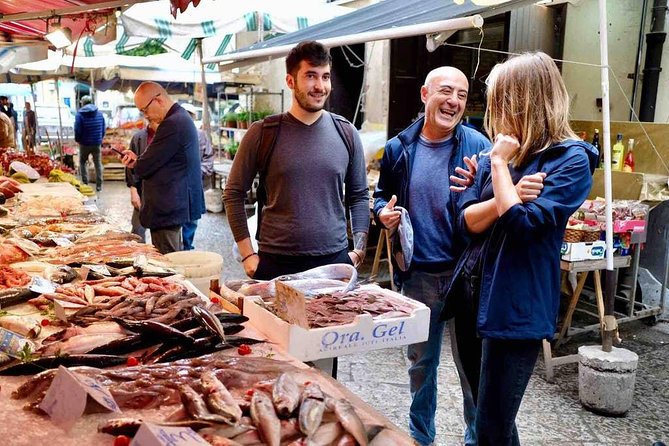
This is one of those Palermo experiences where the food begins before the stove. You start in the morning at Porta Carini, the gateway to the Capo area, and then you head into the alleys where sellers call out, colors pop, and everything looks like it’s been arranged for your eyes as much as for taste.
The big difference here is that you’re not just strolling. Marco helps you buy ingredients based on the menu you choose together. That means you’re paying attention: what looks freshest, what’s in season, what pairs well, and what you can realistically cook later in the day. It’s how locals shop, just with a guide explaining the logic.
Practical tip: wear shoes that handle uneven pavement. You’ll be walking through market spaces that aren’t made for delicate steps. And bring a bit of patience—Capo is lively, and that energy is part of the point.
You can also read our reviews of more tours and experiences in Sicily.



Meeting Chef Marco Cillari at Porta Carini: how the morning flows
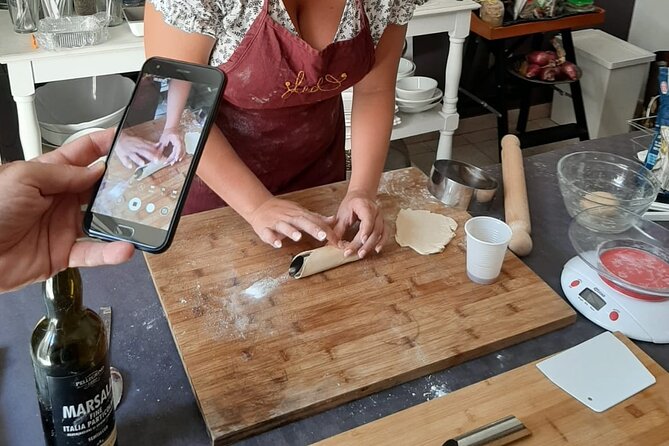
Once you meet at the start point (Via Volturno, 78, 90138 Palermo PA), Marco sets the tone fast. He’s the kind of host who keeps the group moving but doesn’t rush the learning. He talks through what you’ll make, asks what you like, and shapes the shopping list so the menu fits the people in the room.
One thing I like about this structure: it reduces the usual “tour” feeling. Instead of being a spectator, you’re a participant. You’ll see how he relates to vendors—this matters because it affects what gets recommended, what gets shown, and what gets chosen.
Also, if you have food needs, mention them ahead of time. In at least one case, Marco adjusted the menu for unusual food allergies. That’s a good sign if you want a class that can adapt instead of pushing one standard menu.
From Market to Casa Di Cilla: cooking in a real Palermo apartment
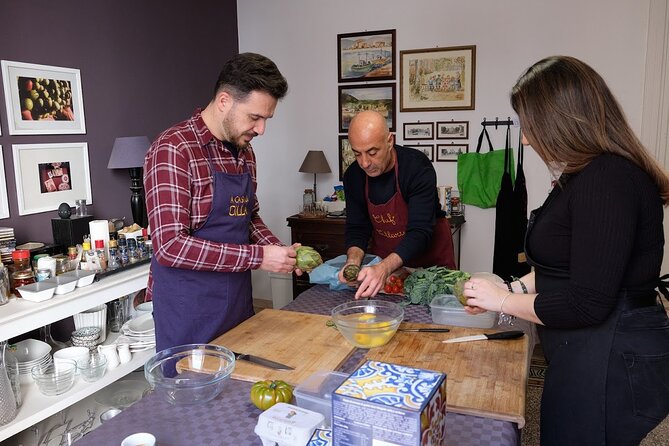
After the Capo shopping, you head to Marco’s home, located a few minutes from Piazza Politeama. The setting is part of the charm: you’re cooking not in a hotel classroom, but in a lived-in kitchen. Reviews repeatedly highlight that Marco’s space is organized and clean—exactly what you want when you’re learning knife work.
Here’s what to expect once you’re in the kitchen:
- Marco supervises and demonstrates key steps.
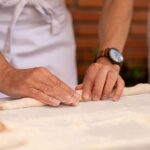
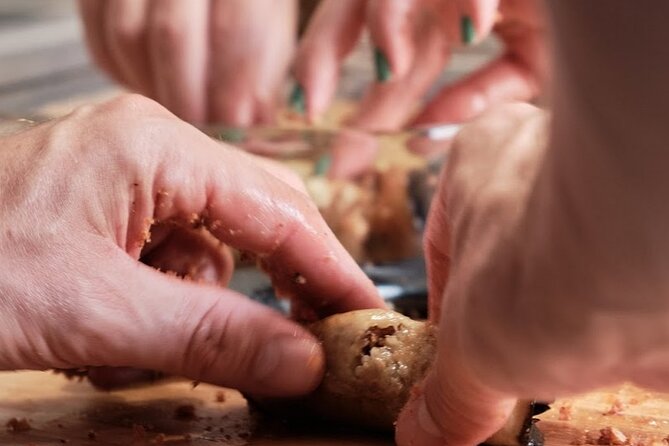
- You take over hands-on for many tasks, not just “watch and taste.”
- The group works together, so you’re never stuck waiting for your turn.
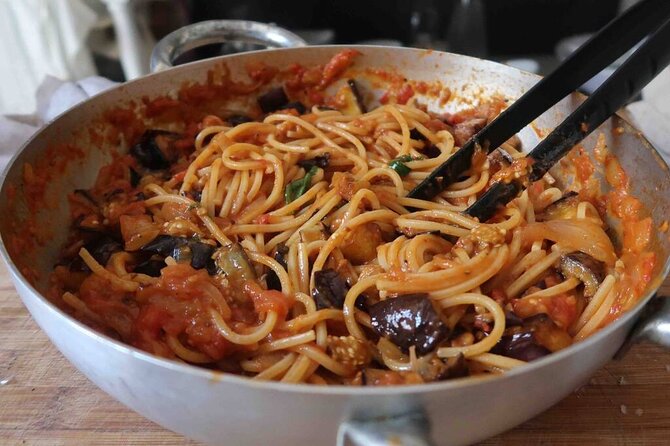
From the food side, the class typically covers a full Sicilian-style flow: you start with pasta, then move to a typical starter, then a fish or meat second course, and finish with cannolo or another classic Sicilian dessert. Because your exact menu is chosen with Marco, you might see variations—one group ended up making ravioli, another had caponata and cannoli, and others cooked stuffed fish dishes.
You may also find wine and a lot of laughter built into the process. That’s not a small detail. In a hands-on class, good energy keeps everyone cooking instead of getting nervous when something goes wrong.
Sicilian recipes explained with stories and real technique
A big part of Casa Di Cilla is the “why.” Marco doesn’t just hand you a recipe. He connects Sicilian dishes to the island’s cultural and religious events, and he explains origins along the way. That’s where the class becomes more than a meal-prep workshop—it turns into a conversation about food and identity.
On top of stories, Marco teaches technique you can use later:
- Pasta-making and shaping basics
- Knife skills and safe handling
- Timing and assembly for multi-course plates
- How to build flavor so sauces actually taste like they belong to the dish
One example from what people have made: swordfish dishes with a North African influence, with flavors like mint, raisins, and citrus. That kind of detail helps you understand Sicilian cuisine as more than one “style.” It’s historical mixing done on a plate.
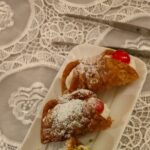
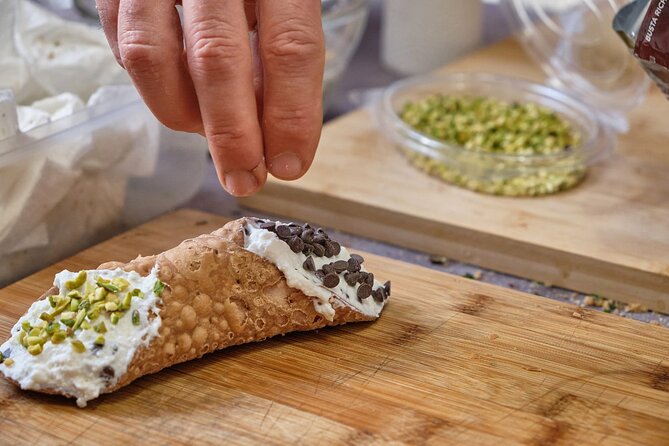
And yes, dessert is real work too. One of the most satisfying parts of this class is that cannoli isn’t treated like a store-bought shortcut. People leave talking about making them from scratch, which is exactly what you want from a cooking class at this price point.
Practical tip: when Marco gives technique tips, take them seriously. If someone tells you not to cut your pasta, listen. It’s one of those “small rule” moments that changes your result.
Time, pacing, and the small-group difference
The tour runs about 5 hours and starts at 10:00. For many people, that means you’ll effectively plan for a full morning and early afternoon, with lunch included. One practical heads-up from the experience rhythm: it can push your eating later than a typical half-day tour. So don’t book a tight dinner reservation immediately afterward unless you like living dangerously.
Group size is limited to a maximum of 10 people. That matters more than you might think. In larger classes, the pace gets slower because you’re waiting. Here, the small number helps Marco keep an eye on what everyone’s doing while still allowing individual participation.
You’ll also likely spend a good chunk of that time actively cooking—prepping, assembling, and shaping. That’s the kind of payoff that makes the class feel worth it, even if you’re not a “big cooking person.” You get skills, not just a meal.



Price Value Check: is $119.77 worth it?
At $119.77 per person, Casa Di Cilla sits in the midrange-to-premium cooking class category. The value comes from a few concrete things, not marketing:
- You shop for ingredients in a major Palermo market with Marco guiding your choices.
- You cook multiple courses in a real kitchen, not just one dish.
- The group stays small (up to 10), which increases your hands-on time.
- You get an English-friendly experience, so you’re not relying on gesture work to learn.
If you compare this to a standard cooking class that stays entirely indoors, the market portion makes the whole experience feel “earned.” You’re building the meal from scratch with context, then eating what you made while you still remember the steps.
It’s also a good pick if you like food as culture. Marco explains origins and lets you compare your own food traditions in the process—so you’re not just collecting flavors; you’re collecting meaning.
Who should book Casa Di Cilla in Palermo?
This class is a great fit if you:
- Want a food-focused day that feels local, not tourist-bus local
- Like markets and want help navigating what to buy
- Prefer small groups and hands-on learning
- Are traveling with friends or family and want shared teamwork in the kitchen
It’s also family-friendly in many cases. One review mentioned children joining and being actively involved, which tells me Marco doesn’t treat kids as “spectators.” If you’re bringing a child, you’ll still want to keep expectations realistic: you’ll be managing time, walking, and cooking heat in a normal home environment.
If you’re uncomfortable with walking through a dense market and standing for parts of the class, consider that the Capo segment is active, and the kitchen time can be hands-on for everyone.
Should you book Casa Di Cilla in Palermo?
I’d book it if you want your Palermo trip to include more than great meals. This one gives you the full chain: market senses, ingredient decisions, and cooking technique, all taught by Marco Cillari in English in a small group setting.
Skip it only if you want a purely relaxed, no-effort experience. Casa Di Cilla isn’t passive. You’ll cook, chop, assemble, and learn. If that sounds like fun to you, it’s one of the best ways to understand Sicilian food beyond the obvious.
If you book, do one simple thing: plan to eat the class lunch, then keep your evening flexible. You’ll likely be glad you did.
FAQ
What time does the experience start?
The start time is 10:00 am.
How long is the Casa Di Cilla cooking experience?
It lasts about 5 hours.
Where do we meet?
The meeting point is Via Volturno, 78, 90138 Palermo PA, Italy. The experience begins at Porta Carini, the gateway to the Capo market area.
Is the class offered in English?
Yes, it’s offered in English.
What will we cook?
Your menu is chosen together, and the sample menu includes pasta as the main first course, a typical Sicilian starter, a second course of fish or meat, and cannolo or another typical Sicilian dessert.
What’s the group size?
The experience has a maximum of 10 people.
Is there public transportation nearby, and can service animals come?
The tour is near public transportation, and service animals are allowed.
Is there free cancellation?
Yes. You can cancel up to 24 hours in advance for a full refund.