REVIEW · AGRIGENTO
Agrigento – Valley of the Temples – audio guide
Book on GetYourGuide →Operated by ITGUIDES · Bookable on GetYourGuide
Agrigento’s temples are easier to enjoy when you have a guide in your pocket. This ITGUIDES audio guide turns the Valley of the Temples into a self-paced learning route, using geo-located prompts so you don’t have to guess what you’re looking at. At $4.70 per person for content that stays available for a year, it’s built for travelers who want context without paying for a live guide.
Two things I especially like: first, the audio is available in multiple languages (Italian, English, French, Spanish, German) with native recordings. Second, the whole guide is georeferenced, with an introduction plus 11 point-of-interest chapters that match where you are on site.
One consideration: the descriptions are fairly short. If you’re craving deep, minute-by-minute storytelling for each temple, you may find some chapters move fast.
In This Review
- Key points worth knowing
- Why the Valley of the Temples feels different with geolocation
- How setup works with ITGUIDES (and how to avoid phone headaches)
- Before you visit: using the intro so the ruins click faster
- The 11 georeferenced points of interest: what your walk becomes
- Temple meanings, myths, and what to listen for
- Photos and illustrations: using visuals without getting lost
- Pricing reality check: $4.70 for interpretation, not admission
- When this audio guide is the best match for you
- Practical visit tips for a smoother day at the temples
- Should you book the ITGUIDES Valley of the Temples audio guide?
- FAQ
- What does the Agrigento – Valley of the Temples audio guide cost?
- Does the audio guide include the site entry ticket?
- Where do I meet the guide?
- How do I access the audio guide on my smartphone?
- What languages are available?
- Do I need an internet connection during the visit?
Key points worth knowing

- Geolocation on your phone helps you line up the right audio with the right ruins
- Native-language recordings in 5 languages make it easier to follow details
- No meeting point since it’s fully self guided
- You can start before you arrive, so the site makes more sense in the first minutes
- Offline planning matters, so download content when you have a strong connection
- Price vs. entry ticket: you’re paying for interpretation, not admission
Why the Valley of the Temples feels different with geolocation
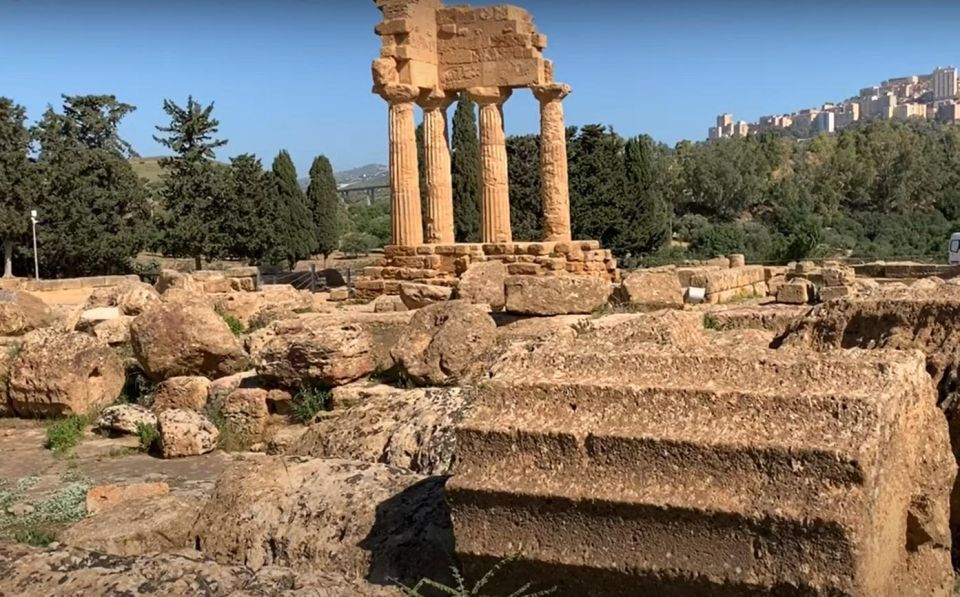
The Valley of the Temples covers a lot of ground, and without help, it’s easy to see impressive stone and miss what makes each area special. This guide is designed to solve that problem with geo-located audio. In practice, that means your phone nudges you toward the next point of interest as you walk.
That changes the vibe. You spend less time scrolling, more time looking. You don’t have to rely on signs alone. And you avoid the common frustration of standing in front of ruins thinking, I know this is important, but what exactly am I seeing?
It also helps you learn in layers. The guide starts with an introduction that sets the stage, then moves into 11 labeled stops that explain temples, deities, and the rites connected to them. If you like understanding meaning, not just architecture, that structure is a big plus.
You can also read our reviews of more guided tours in Agrigento


How setup works with ITGUIDES (and how to avoid phone headaches)
This is a smartphone audio guide you redeem inside the ITGUIDES app. After purchase, you enter the code shown at the time of booking. Then you can use the guide right away on your device.
That simplicity is part of the value. There’s no scrambling to meet a group, no waiting at a desk, and no worrying about whether you found the right person. You just start when you’re ready and follow the georeferenced chapters as you go.
Here’s the practical snag to watch: the experience depends on phone reliability. The guide works best if you have solid data coverage or Wi‑Fi, and you’re strongly advised to download the contents if you expect weak service on site. I’d treat that as non-negotiable. If your phone loses connection at the wrong time, you’ll hear less and enjoy less.
Also, it’s worth knowing the guide doesn’t expire. The listing says it’s valid for 365 days, but the content availability is meant to be long-lasting, so you can plan around weather or timing.
Before you visit: using the intro so the ruins click faster
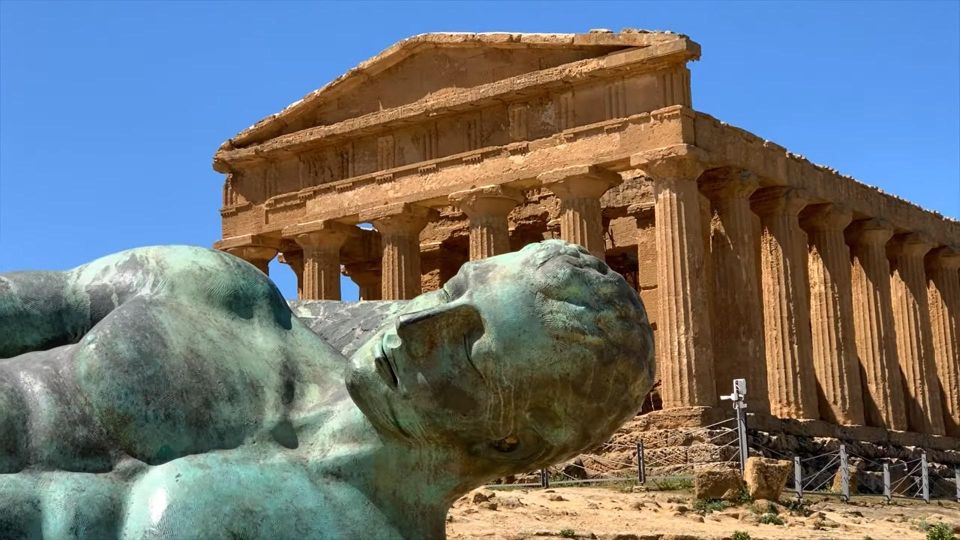
One of the smartest features is that you can start using the audio guide before you go. You’ll get an introduction to the history of this famous archaeological area, and that matters more than it seems.
When you arrive, the Valley of the Temples can feel like a collection of temples. With the intro, it starts to feel like a connected story. You’re not just looking at stone outlines—you’re getting context for what those spaces were for, and why Greek worship practices and local identity shaped how these sites were built.
If you’re the type who likes to understand the why behind the what, this pre-visit step will pay off quickly. You’ll also find it easier to follow the on-site chapters, since the guide already told you what to listen for.
The 11 georeferenced points of interest: what your walk becomes
After the introduction, you’ll move through 11 descriptions tied to specific points along your route. The big advantage is that the audio is georeferenced, so you’re not trying to match a chapter to a ruin using your best guess.
So what does that look like on the ground?
- You arrive and start the guide.
- As you stand near a temple or landmark, your phone supports the right chapter.
- Each stop focuses on that location’s meaning—explaining ancient Greek temples, the deities associated with them, and the rites and traditions linked to worship.
Because the stops are designed for a walking sequence, you’ll likely feel your route organizing itself. Instead of wondering which direction to go next or which temple is the “main one,” you follow the guide like a quiet companion.
A helpful nuance from the feedback: some people found the individual descriptions not overly long. That’s a feature if you don’t want to be trapped in a slow narrative at every ruin. It’s a drawback if you prefer long, detailed explanations for each stop. The guide sits right in the middle: enough to give you a strong sense of what you’re seeing, with short-and-sweet chapters that keep you moving.
Temple meanings, myths, and what to listen for

The audio guide isn’t just about dates and names. It aims to connect the ruins to belief and practice—temples as spaces for devotion, and deities and rites as the reason those stones mattered.
You can expect explanations that touch on:
- What the temple was used for in a religious context
- Which deities were involved
- What kinds of ritual ideas you should keep in mind while looking at the site
- Extra curiosities, legends, and cultural details that add texture
This is where the native-language recordings can really help. If you’re listening in Italian, for example, you’ll get smoother pacing and clearer phrasing than you often do with multilingual audio that feels translated. The same goes for English, French, Spanish, and German tracks.
Also, pay attention to the timing and your posture. When you hear the chapter for a point of interest, pause your walking for a minute. You’ll get more out of listening if you give your eyes time to scan the same features the audio is describing.
You can also read our reviews of more tours and experiences in Agrigento

Photos and illustrations: using visuals without getting lost
Alongside audio, you get photos and illustrations. That matters because ruins don’t always show their full story just by standing there. An illustration can help you mentally reconstruct what’s missing.
This visual support works well for travelers who don’t travel with reference books and don’t want to rely on guesswork. You can look at the ruins, then use the illustration to understand what you’re supposed to be noticing.
One practical tip: if your phone battery is running low, use visuals sparingly. Audio plus screen images can drain power. Audio-only chapters can keep you going longer, especially in hot weather.
Pricing reality check: $4.70 for interpretation, not admission
At $4.70 per person, this guide is priced like a low-cost smart assistant rather than a premium guided tour. That’s important. The guide does not include the entry ticket, so you’ll need to plan admission separately.
Where the value lands best is in the balance:
- You get interpretation for 11 points plus a history intro
- You get it on your own schedule
- You can reuse it because it doesn’t expire and lasts for 365 days
- You’re not paying for guide time or group logistics
If you were considering a live guide, the cost difference can be huge. This option makes sense if you can handle learning independently and you like controlling your own pace. It also fits well if you’re traveling as a small group or family and don’t want everyone to hear different explanations at different times.
If you want long-form storytelling with a human Q&A, you may still prefer a live guide. The audio is helpful, but it’s not a replacement for deep back-and-forth.
When this audio guide is the best match for you
This is a strong fit if you:
- Want self-guided freedom with no meeting point
- Like explanations that connect temples to belief and rites
- Appreciate native-language narration
- Prefer short chapters that keep your walk moving
- Need geolocation help to stay oriented among ruins
It may feel less satisfying if you:
- Want very long, detailed narration for every single temple stop
- Are the kind of traveler who expects a guide to explain every architectural detail in slow depth
- Plan to rely on the phone without downloading content and end up with weak service
One more reality check: the site involves walking. Even with audio help, you’ll still be doing the physical part of the visit. Wear comfortable shoes. One practical tip from the experience feedback was to bring light shoes and a hat if the sun is strong. That’s not fancy advice, it’s just smart.
Practical visit tips for a smoother day at the temples
Because the guide is georeferenced, your success depends on a few simple habits.
First, manage your tech before you reach the parking or ticket area. If you expect spotty service, download content while your connection is good. Second, start early enough that you’re not racing in extreme heat. Third, use your stops deliberately. Don’t treat each chapter like a podcast you listen to while walking quickly. Pause, look, then listen.
If you want to get the most out of it, consider timing for the lighting. One recommended approach in the feedback was visiting near sunset, when the site feels like a long promenade and you have time to linger without rushing.
And don’t overpack your expectations. The chapters are designed for clarity, not for endless monologues. If you let the audio guide shape your pace, you’ll likely end up with a satisfying overview rather than a frustrating “too short” experience.
Should you book the ITGUIDES Valley of the Temples audio guide?
If you’re looking for a low-cost way to understand what you’re seeing in Agrigento, I’d say yes. The geolocation, the native-language audio, and the combination of intro plus 11 point-of-interest chapters give you a practical learning path without adding complicated logistics.
Book it if you want flexibility, you’re comfortable exploring on your own, and you’ll download content when your connection is good. Skip it (or pair it with another layer of help) if you want long, detailed explanations for every stop or you hate relying on your phone outdoors.
For $4.70, the biggest win is that you can turn a temple walk into a guided story with minimal effort. You’ll still do the walking. But you’ll spend far less time wondering what to look at next.
FAQ
What does the Agrigento – Valley of the Temples audio guide cost?
It costs $4.70 per person.
Does the audio guide include the site entry ticket?
No. Entry ticket is not included.
Where do I meet the guide?
There is no meeting point. It’s a self guided tour.
How do I access the audio guide on my smartphone?
You install/use the ITGUIDES app, then enter the code indicated at the time of purchase to redeem the guide.
What languages are available?
The guide is available in Italian, English, French, Spanish, and German.
Do I need an internet connection during the visit?
It’s recommended to download all the contents with good data coverage or Wi‑Fi signal, since you’re advised to prepare for reliable access on site.