REVIEW · AGRIGENTO
Agrigento: Valley of the Temples Private Archeological Tour
Book on GetYourGuide →Operated by TUI Musement · Bookable on GetYourGuide
Stone temples, explained in two relaxed hours. A private guide makes Agrigento’s Valley of the Temples far more than a stone museum, and I love how the best parts come with story plus clear sightlines. You’ll get special attention on Temple of Concordia, one of the best-preserved Greek temples in the world, and on how the design and building choices shaped religious life. In guides’ hands (like Liz or Sara, both praised for their charm), you end up seeing details you’d normally miss.
One thing to consider: this is mostly walking on uneven archaeological ground. Comfortable shoes matter, and the tour is not suitable for wheelchair users. Also, at just 2 hours, you’ll see the key Doric stops—not every corner of the huge site.
In This Review
- Key points before you go
- Valley of the Temples in 2 hours: why private works so well
- Where you start at Tempio di Giunone ticket office (and why it matters)
- Temple of Hera Lacinia: the first stop that sets the tone
- Temple of Concordia: why this one lands hardest
- Temple of Herakles: myths that actually connect to place
- Olympian Zeus fragments: imagining what you can’t fully see
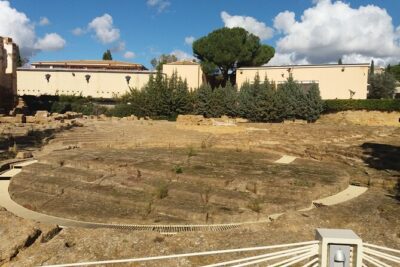
- Sanctuary of the Chthonic Deities: the underworld stop
- Price and value: what $164.26 buys you
- The guide matters more than you think
- What to bring: simple stuff that protects the fun
- Who this private tour suits best (and who should skip it)
- Should you book the Agrigento Valley of the Temples private tour?
- FAQ
- How long is the private tour?
- What’s included in the tour price?
- Where do I meet the guide?
- Which languages are offered for the live guide?
- Is this tour wheelchair accessible?
- What should I bring?
- What happens if the weather is too bad to tour safely?
Key points before you go
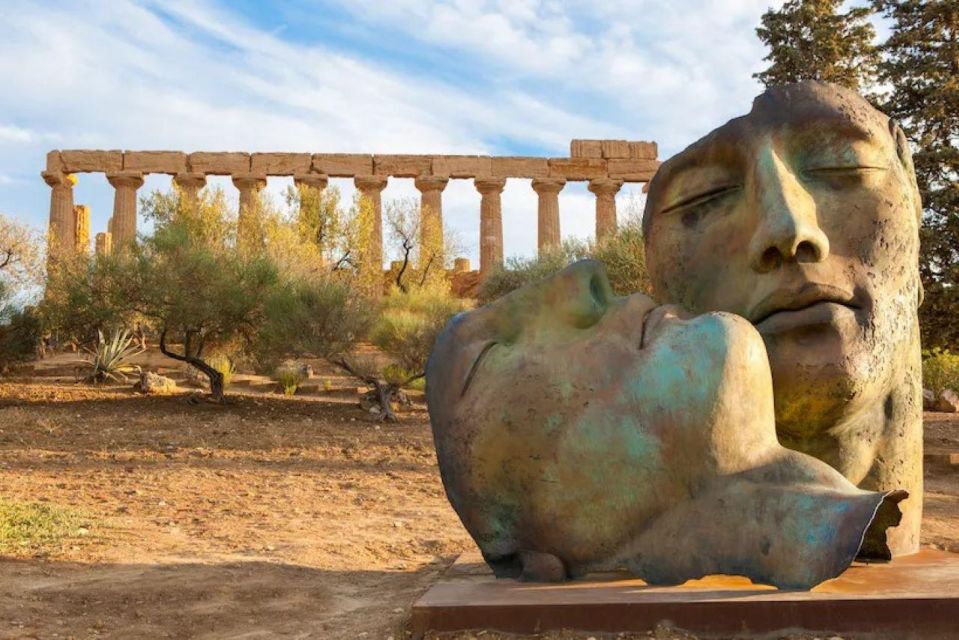
- Private guide storytelling that turns columns and ruins into real Greek daily life
- Temple of Concordia focus, with practical “what to look for” help
- Myth plus architecture at Herakles, so the myths make sense with the stones
- Zeus fragments explained so you can picture the scale that’s missing
- Tickets included, so you spend less time fussing and more time looking
- English, Italian, French, Spanish, German live guide options for the whole group
Valley of the Temples in 2 hours: why private works so well
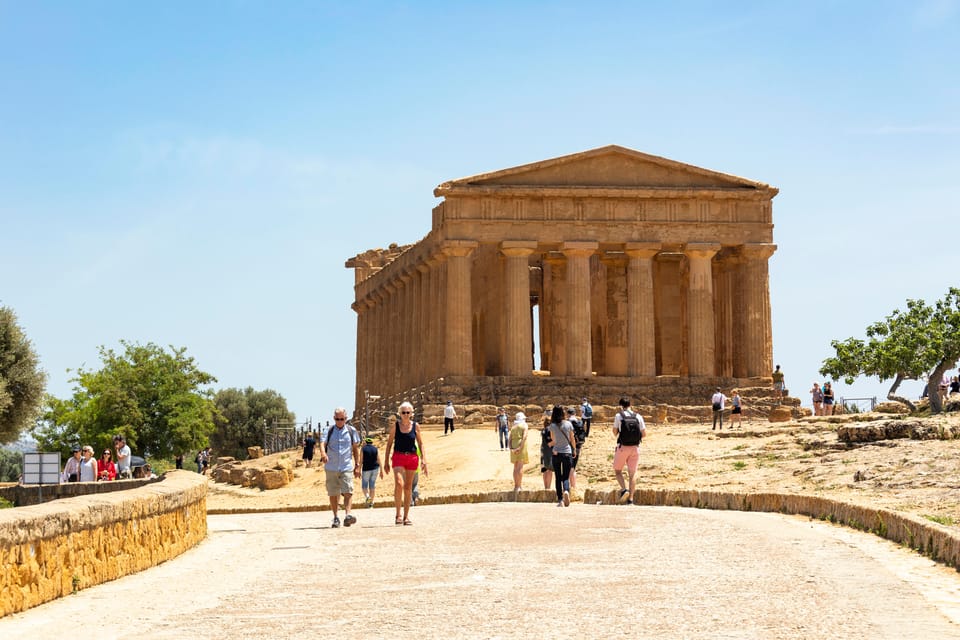
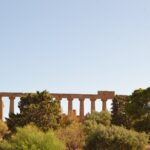
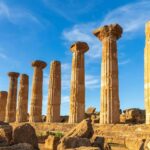
The Valley of the Temples is one of those places where photos can lie. From a distance, it can look like a scatter of ruins. Up close, with the right guide, it snaps into shape: you start reading the temples like pages—proportions, materials, and layout all tell you what ancient Greeks valued.
I like that this tour stays tight and focused. At 2 hours, you can walk the main route, listen without rushing, and still feel like you understood what you saw. If you only do the big highlights on your own, you’ll likely spend time “admiring” while missing the why. On this private format, the why comes first.
You can also read our reviews of more private tours in Agrigento
Where you start at Tempio di Giunone ticket office (and why it matters)
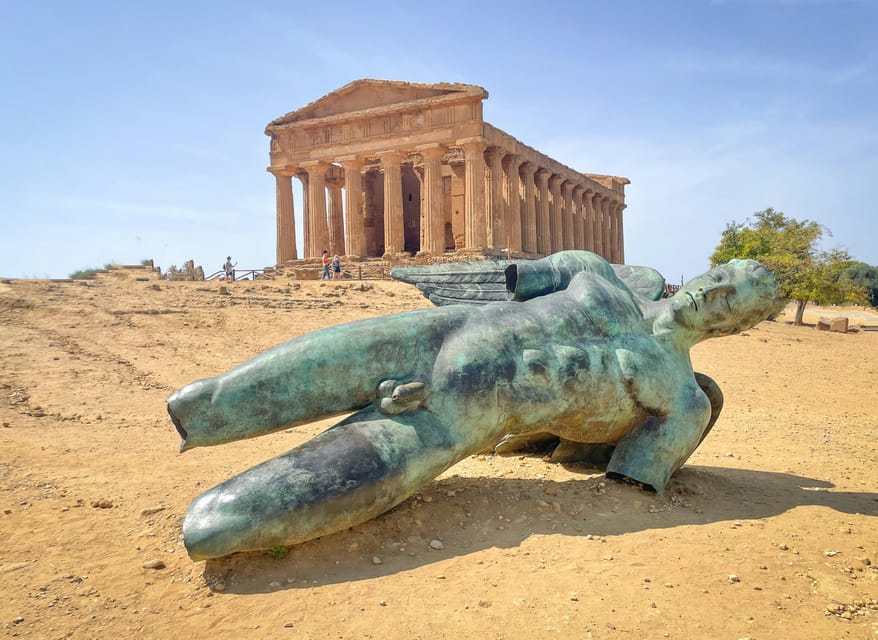
You’ll meet your guide in front of the ticket office of the Tempio di Giunone, with the main start area listed around Via Panoramica Valle dei Templi. This helps because it gets you oriented immediately to the park’s layout and the ridge where the temples cluster.
You also end back at the meeting point. That sounds small, but it matters for stress level. No complicated logistics. You park your energy, do the walk, and get back to your starting point without hunting.
Temple of Hera Lacinia: the first stop that sets the tone
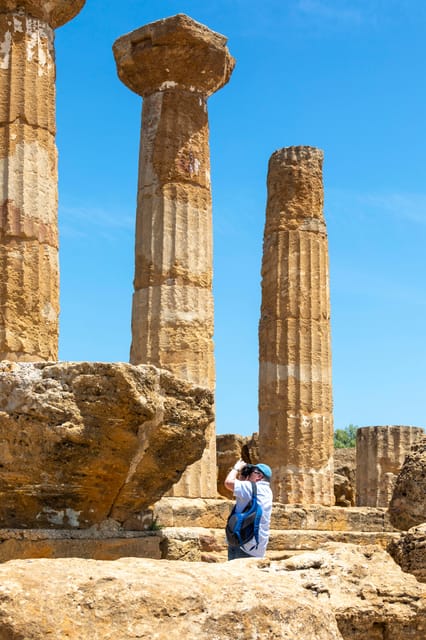
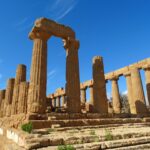
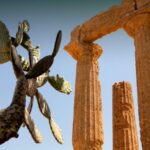
The tour begins at Temple of Hera Lacinia. This is a good warm-up temple because it gives you the baseline: Doric style, massive scale, and the feel of a sacred precinct.
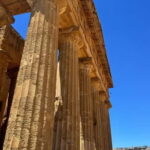
Even if you’ve never studied Greek architecture, you can follow along. A strong guide will point out the shape and rhythm of the Doric elements and connect them to how temples functioned as public religious spaces. The goal isn’t trivia for trivia’s sake; it’s helping you look at the ruins in the order your eyes should travel.
Temple of Concordia: why this one lands hardest
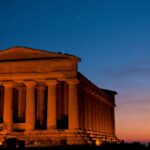
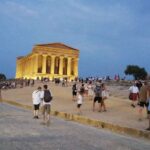
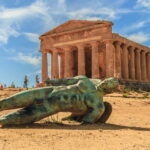
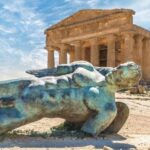
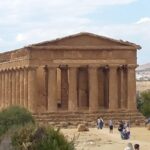
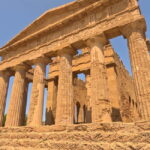
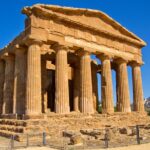
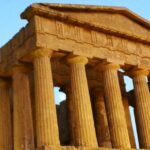
Next comes Temple of Concordia, widely praised because it’s so well preserved. What I like about having a guide here is that the temple becomes more than “pretty stones.” You start understanding how its design communicated authority and order—especially in a place where the rest is partly broken.
You’ll also get context for the city of Akragas, often described as the most beautiful city of mortals. That detail isn’t just poetic. It helps explain why Greeks built with such confidence in stone, why scale mattered, and why this site became a spiritual focal point.
Practical tip: if the sun is strong, this is a temple where you’ll want to position yourself for shade between photo angles. Wear sunscreen, and don’t be afraid to rest your feet for a minute. The ruins are spaced so you can pause without feeling like you’re falling behind.
Temple of Herakles: myths that actually connect to place
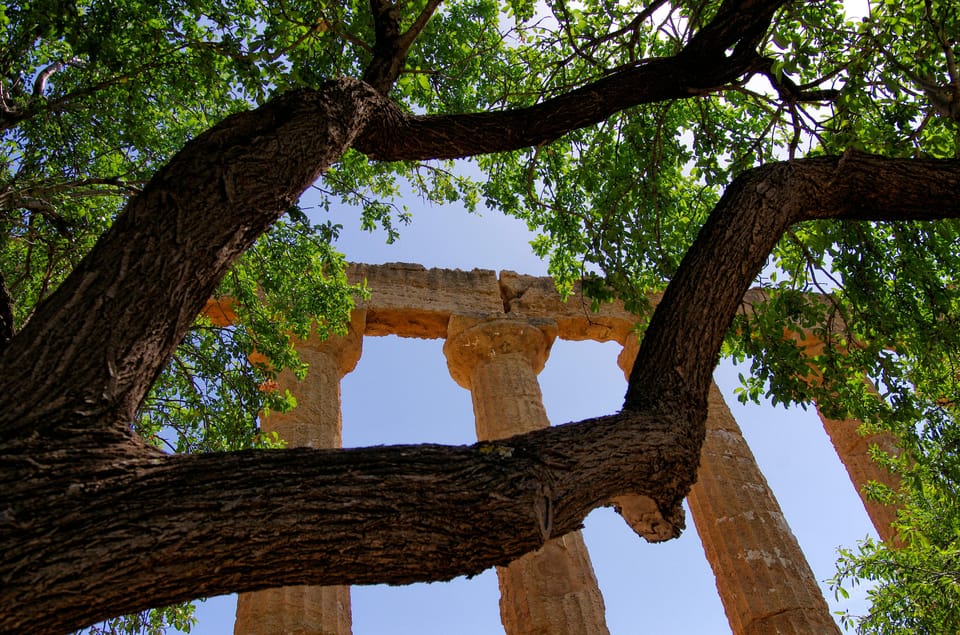
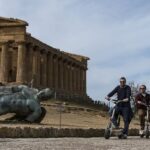
The stop at Temple of Herakles (Heracles) brings the story layer. Greek temples weren’t just landmarks; they were anchors for belief. When your guide connects the mythology to what you’re looking at, the experience stops being passive.
In particular, guides have been praised for explaining how the myths tie back to what people believed and how that affected the way the temple was used. That’s the value here: you don’t just hear a legend. You understand why someone in ancient Agrigento would care about this hero in the first place.
If you’re traveling with kids or teens, this is usually the moment where attention improves. Herakles gives the temples a human face, even when the structure is long gone.

Olympian Zeus fragments: imagining what you can’t fully see
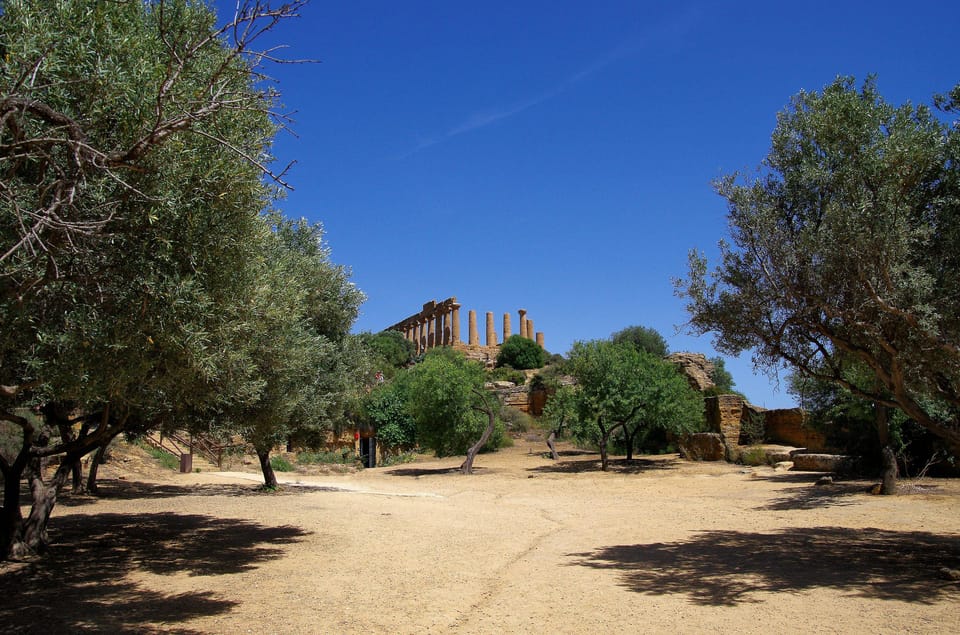
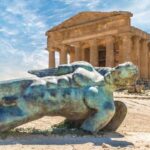
At Temple of Olympian Zeus, only fragments remain—so it could easily become frustrating if you show up expecting a whole building. This is exactly where a private guide earns their fee.
The guide’s job is to help you reconstruct the original scale in your mind. You’ll stand with what’s left, but you’ll also learn how the missing portions used to dominate the area. That “bring it back” storytelling is what turns empty space into meaning.
I find this stop especially good for architecture lovers. Even with partial remains, you can still appreciate building logic: how the temple was laid out, how the construction choices would have shaped movement through the sacred area, and how the temple’s size signaled importance.
Sanctuary of the Chthonic Deities: the underworld stop
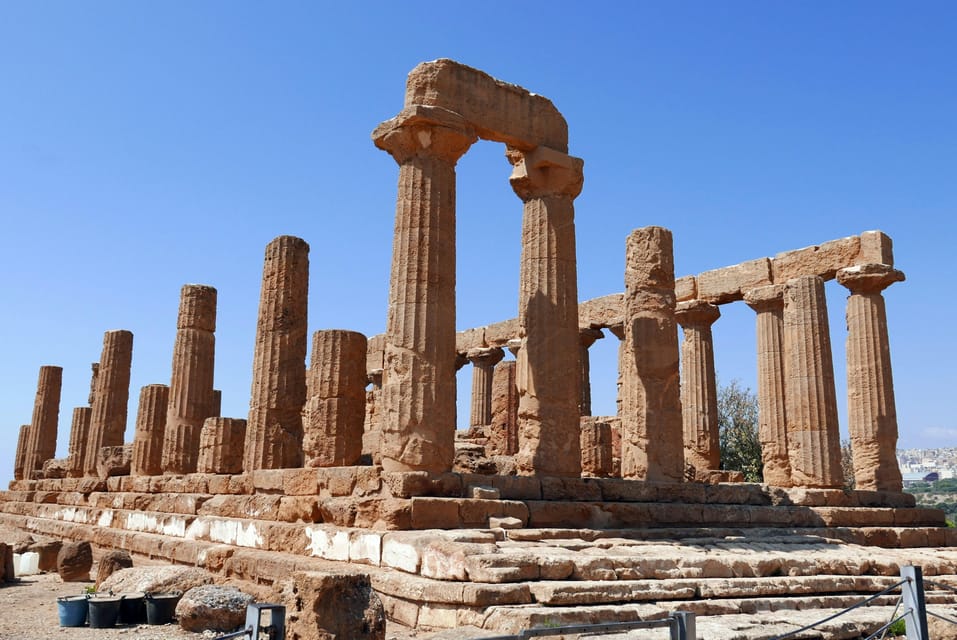
The tour also visits the Sanctuary of the Chthonic Deities, a more mysterious stop centered on rites tied to the underworld. This part adds variety because it shifts the tone from heroic myths and major Olympian figures to something darker and more ritual-focused.
When a guide explains these practices clearly, it gives you a fuller picture of Greek religion. It’s not one-size-fits-all worship. There were different gods, different ceremonies, and different ways of thinking about life, death, and what came next.
If you usually skip the “weird” parts of a tour because you think they’ll be abstract, don’t. This is where you learn how broad Greek belief systems really were.
Price and value: what $164.26 buys you
The price is listed at $164.26 per person for a private 2-hour tour, including tickets to access the Valley of the Temples. You’re paying for time with a local guide, plus someone who can point out what matters at each stop.
Is it worth it? For most people, yes—especially if:
- you care about explanation, not just photos
- you want a plan that keeps walking manageable
- you’d otherwise arrive and feel like you’re staring at stones
If you’re a confident self-guide with a phone full of PDFs and you love reading ruins like puzzles, you might not need private. But if you’ve ever been frustrated by how little you can “figure out” on your own at an archaeological site, this format saves you effort and makes the site click faster.
Also note the practical trade-off: the tour is 2 hours. You’ll cover major temples, not everything in the 1,300-hectare park. You’re buying depth at a handful of stops, not broad coverage across the entire UNESCO area.
The guide matters more than you think
Two different guide names came up in feedback—Liz and Sara. Both were praised for turning the visit into a story-led experience, not a basic walk-through.
The real win is how the guide connects:
- ancient engineering and building logic (so it’s not just “look how old”)
- construction and use of the temples (so you understand what visitors once did there)
- the centuries-long history of Agrigento (so the ruins feel like a timeline, not random leftovers)
If you care about “how did they build this?” or “what was life like around these places?”, this tour aligns well with that kind of curiosity.
What to bring: simple stuff that protects the fun
Bring comfortable shoes—this is key. The terrain is archaeological and not designed for sneakers that hate uneven surfaces.
Also pack:
- water
- sunscreen
- weather-appropriate clothes
The tour guidance specifically encourages you to come ready for sun and heat, because a 2-hour walk can still feel long in Sicily.
If weather gets too bad to run the tour safely, it can be canceled with a full refund. So you’re not stuck riding out bad conditions.
Who this private tour suits best (and who should skip it)
This is a great fit if you:
- want a guided, story-driven visit rather than a self-paced wander
- love Doric temples and want help reading details
- enjoy mythology tied to real places
- prefer a private experience (your pace, your questions)
It’s less ideal if:
- you can’t do uneven walking (the tour is not suitable for wheelchair users)
- you want a long, broad tour covering the entire park
- you’re only in the area briefly and already know exactly what you want to see
Should you book the Agrigento Valley of the Temples private tour?
If you like archaeology with explanations—especially myths, engineering, and how temples fit into everyday Greek life—book it. The value isn’t only the temples you’ll see. It’s how quickly your brain will start recognizing patterns and purpose in what looks like ruins.
If you’re on the fence, use this rule of thumb: if you think you’ll spend most of your time “admiring,” the private guide will likely make it more rewarding. If you already plan to study every temple beforehand and you’re comfortable navigating without help, you might skip private and DIY.
Either way, the Valley of the Temples is worth your time. A good guide just makes the stones talk back.
FAQ
How long is the private tour?
It lasts 2 hours.
What’s included in the tour price?
You get the service of a live private guide and tickets to access the Valley of the Temples.
Where do I meet the guide?
You meet the guide in front of the ticket office of the Tempio di Giunone.
Which languages are offered for the live guide?
The guide is available in English, Italian, French, Spanish, and German.
Is this tour wheelchair accessible?
No, it is not suitable for wheelchair users.
What should I bring?
Wear comfortable shoes and bring water and sunscreen. Weather-appropriate clothes are also recommended.
What happens if the weather is too bad to tour safely?
If conditions are too bad to do the tour safely, the activity will be canceled and you’ll receive a full refund.