REVIEW · AGRIGENTO
Agrigento: Private Tour of Ancient Akragas with Local Guide
Book on GetYourGuide →Operated by Italygonia Travel T.O. · Bookable on GetYourGuide
Two hours in Agrigento, and the temples talk back. This private walk through Ancient Akragas is built for understanding, with a licensed local guide steering you around the Valley of the Temples and making the Doric stone feel readable, not random.
You’ll also get standout stories that make key monuments click, like the bronze Icarus tied to Igor Mitoraj and the giant Telamon at the Zeus site. One practical catch: tickets aren’t included, so you’ll need to buy entry at the archaeological area ticket office before you start.
In This Review
- Key things I’d plan around
- Entering the Valley of the Temples, the right way
- How the 2-hour private format keeps the temples meaningful
- Temple of Hera Lacinia (Juno): starting high on Rupe Atenea
- Temple of Concordia: the best-preserved “why it survived” lesson
- The Temple of Hercules (Heracles) and the power of a name
- Temple of Jupiter (Zeus): ruins, Telamons, and the story behind the damage
- What the guide is really doing for you
- Price and value: $326.26 for a private group up to 25
- Practical logistics you’ll want to know upfront
- Who this private Valley of the Temples tour suits best
- Should you book this Agrigento private tour?
- FAQ
- What is the duration of the Agrigento private tour?
- Is this tour private?
- How much does it cost?
- Are entry tickets included?
- Which temples are visited during the tour?
- Where do we meet the guide?
- Does the tour include museum entry?
- What languages are available for the guide?
- When does the tour end?
- Can I cancel for a refund?
Key things I’d plan around
- Private group, local guide: Licensed guidance with the option of multiple languages (Italian, English, French, German, Spanish).
- Temple route in 2 hours: A tight loop through the Valley’s most important Doric landmarks without wandering in circles.
- Temple of Juno as the opening anchor: Starting at the Hera Lacinia hilltop gives you instant scale and context.
- Temple of Concordia stays impressive: You’ll see why it’s so well preserved and how a later Christian transformation helped it survive.
- Icarus by Igor Mitoraj: A modern bronze artwork placed in an ancient setting that adds drama to your visit.
- Zeus ruins and Telamons: You’ll connect earthquakes, reuse, and reconstruction to understand what you’re actually seeing.
Entering the Valley of the Temples, the right way
Agrigento’s Valley of the Temples isn’t just a lineup of old buildings. It’s one of the largest archaeological areas in the world, and it works best when someone helps you “read” it—where you are, why each temple matters, and what the stones used to mean.
That’s where this tour’s structure shines. You’re on a guided circuit that focuses on the oldest and most characteristic parts of the valley, with the tour ending right back where it started. In practical terms, it means you’re not stuck trying to figure out the order or the symbolism while your limited time runs down.
Also, this is a private group. That matters more than it sounds. You can move at a pace that makes sense for photos, questions, and just taking in the view instead of racing a crowd.
You can also read our reviews of more guided tours in Agrigento
How the 2-hour private format keeps the temples meaningful
This tour runs about 2 hours. The pacing is designed around the highlights: the major Doric temples and a couple of key visual “hooks” that help you remember what you saw.
In a short visit, the risk is always the same: you glance at big names, take photos, and still feel like you missed the point. The guide approach here helps you avoid that. You spend time at the monuments that people talk about for a reason—Hera Lacinia (Juno), Concordia, Hercules, and Zeus—so you’re building a story, not collecting stops.
And because it’s private, your group doesn’t have to compress everything into tiny gaps. If you like asking questions, this format gives you that breathing room.
Temple of Hera Lacinia (Juno): starting high on Rupe Atenea
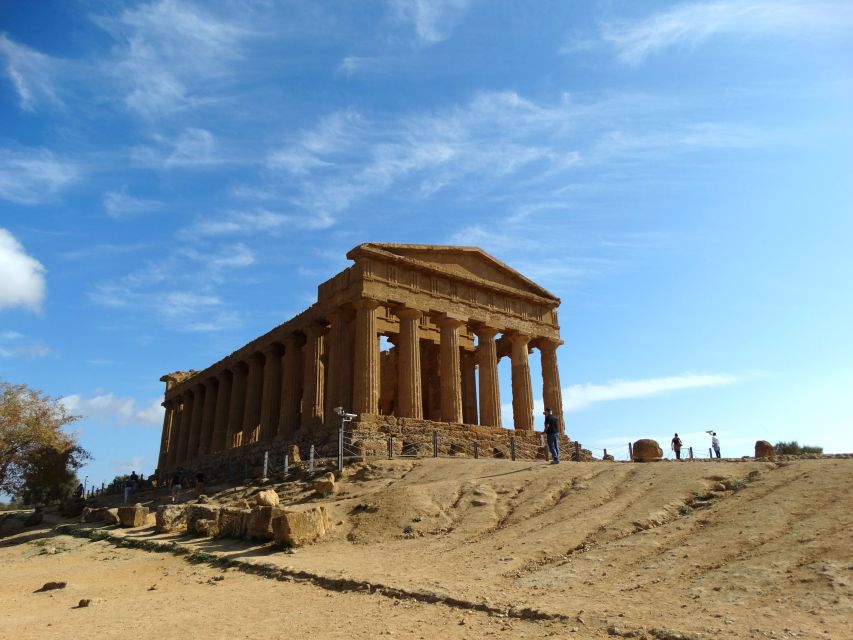
You begin at the Valley of the Temples meeting point outside the ticket office and car parking, at the Juno temple—the biggest one. Your guide will have a visible license badge around the neck, so you can spot them quickly and get your bearings fast.
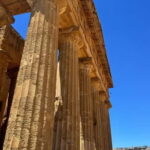
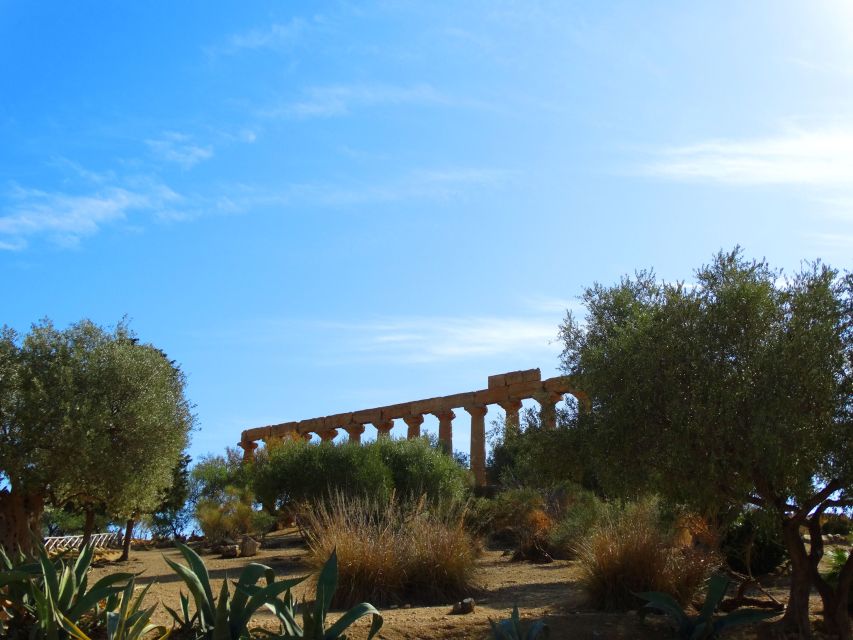
The first temple is Temple of Hera Lacinia, also known as Juno. It dates to 450 BC and sits on the hill of Rupe Atenea, with Doric columns that define the site’s look. The tour highlights that the temple is associated with Juno in connection with a wedding tradition, including the idea that a painting inside the temple probably depicted Juno as protector of women and fertility.
That’s the kind of detail that changes how you look at a place. Without context, Doric columns are just beautiful geometry. With context, they become part of how ancient people organized life—religion, community, and identity—layered into architecture.
What to watch for: As you take in the hilltop setting, notice the way the Doric lines frame the valley view. The tour is set up so you don’t just see one temple; you start learning the valley’s scale from stop one.
Temple of Concordia: the best-preserved “why it survived” lesson
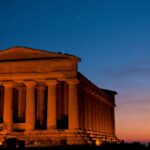
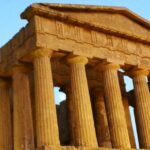
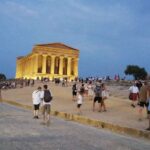
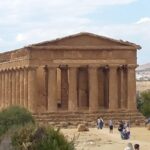
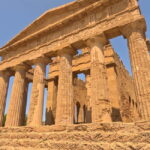
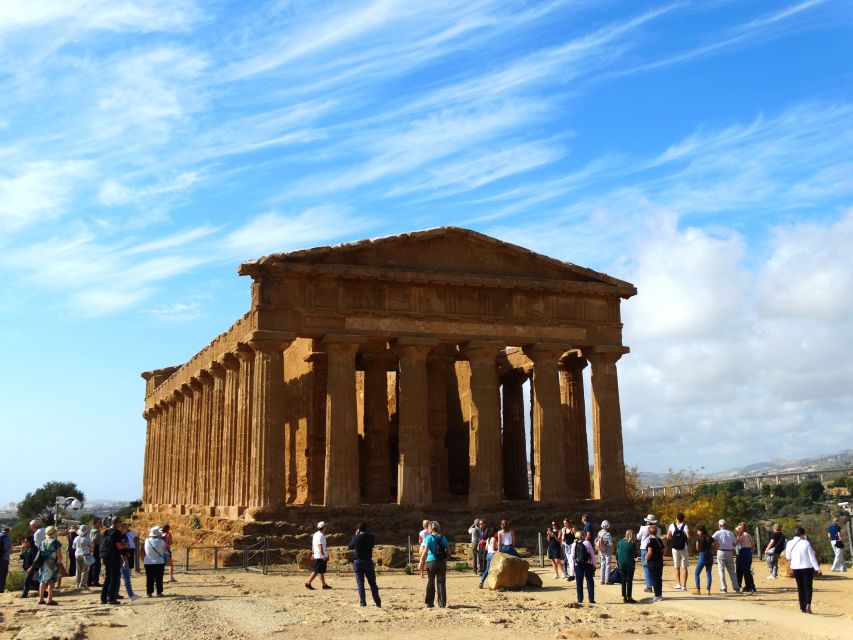
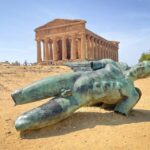
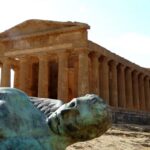
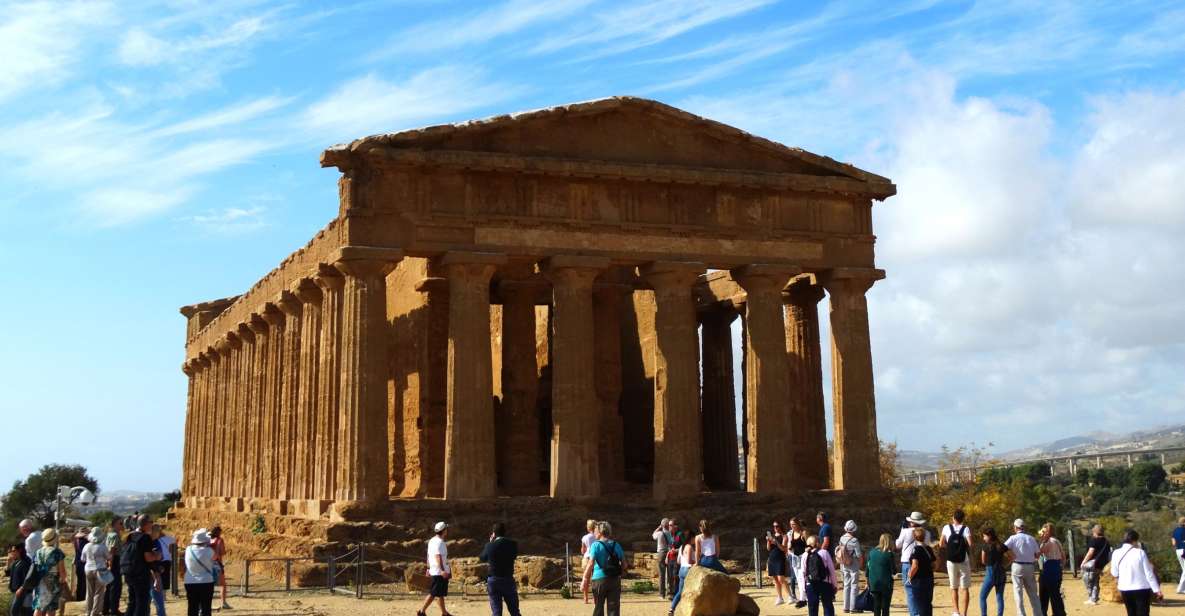
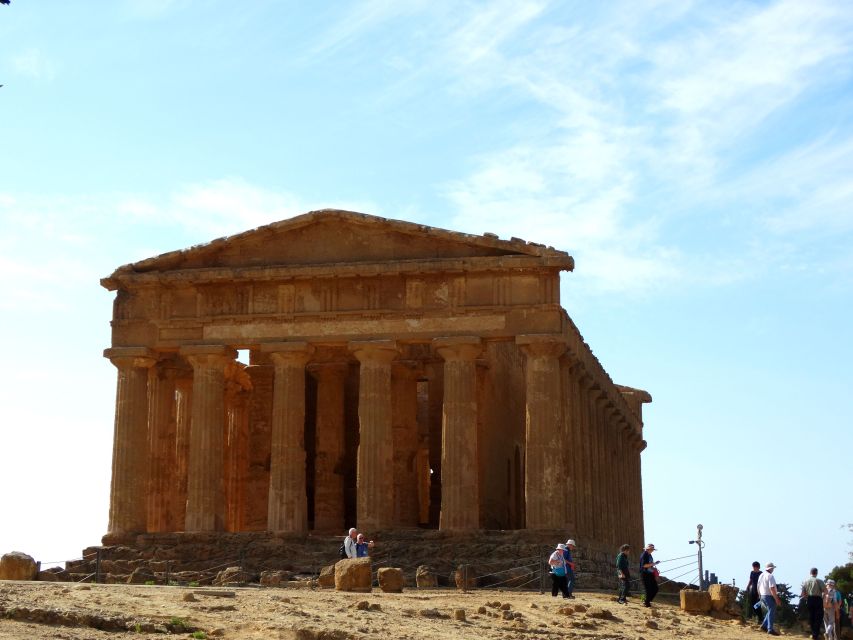
A few steps away, you reach the Temple of Concordia, often described as the second best preserved temple in the world after the Parthenon in Athens. Dating to 430 BC, it’s in strong conservation condition today, and the reason is one of the most practical (and interesting) survival stories in archaeology.
The key point on this tour: the temple was transformed into a Christian church. That later reuse likely helped preserve the structure rather than leaving it to be abandoned and dismantled.
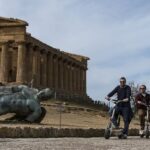
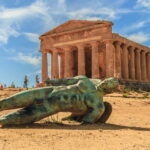
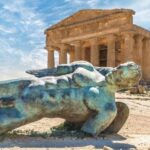
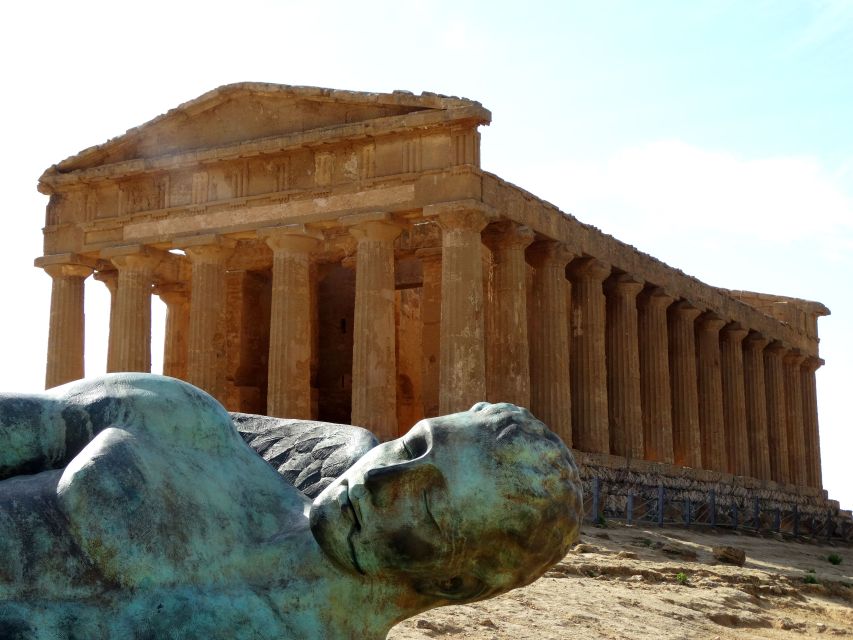
Then there’s the bronze statue of Icarus, placed in front of the temple. This is a modern sculpture donated by Polish sculptor Igor Mitoraj. The subject is the fall of Icarus—he disobeys his father, flies too close to the sun, his wax wings burn, and he falls into the Mediterranean.
Here’s why that matters for your visit. Icarus is a “famous enough” myth, but seeing it physically tied to an ancient Doric temple makes the story feel less like a textbook line and more like something people staged, believed in, and used to teach. The statue also gives you an instant focal point for photos and for understanding the emotional tone of the site.
Possible consideration: Because you’re seeing a Christian-era reuse explanation and a modern artwork in the same space, some people find it helpful to pause and decide what lens they want first—ancient function, preservation story, or the mythic artwork.
The Temple of Hercules (Heracles) and the power of a name
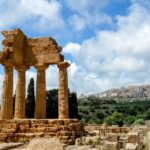
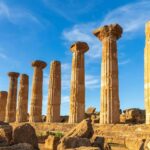
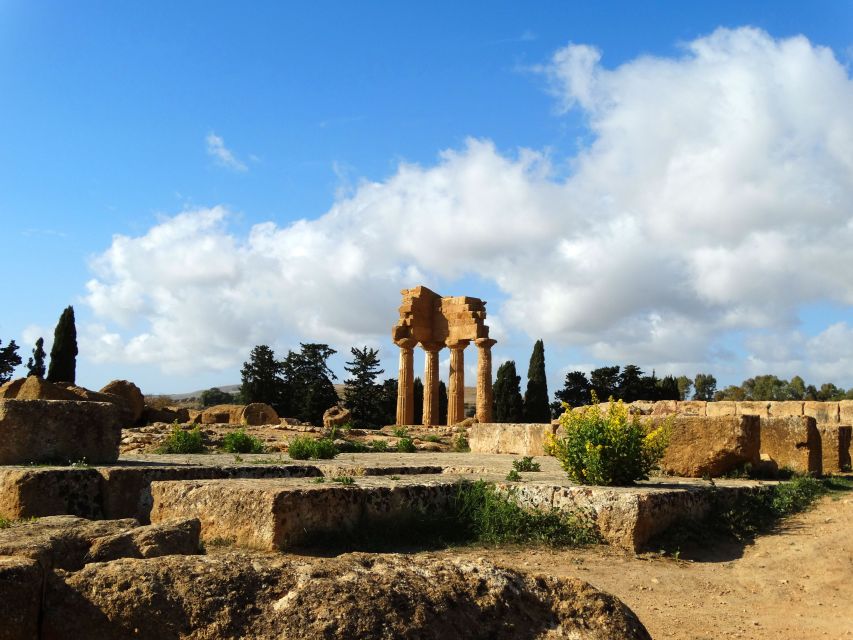
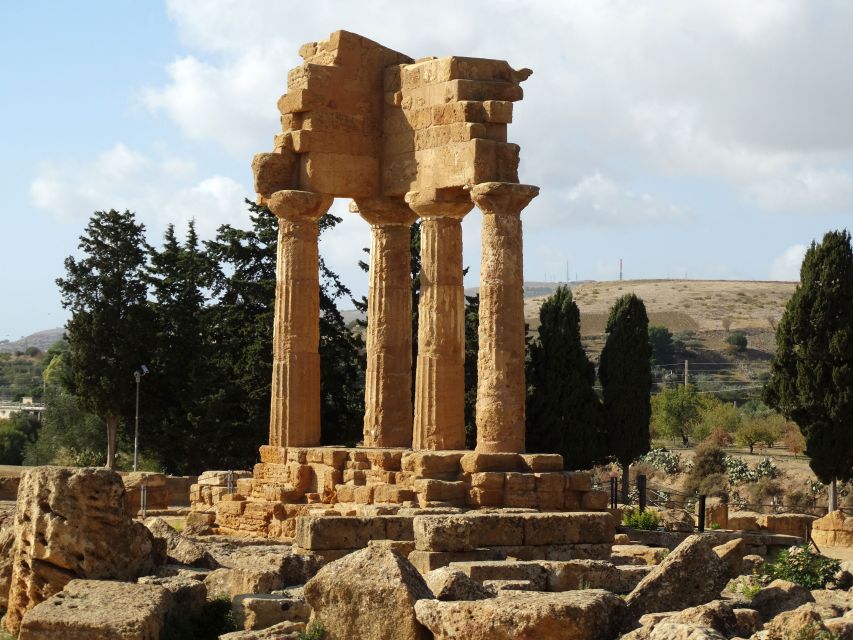
Next comes Temple of Hercules, or Heracles. It’s presented as the oldest of the Doric temples in Agrigento, and the tour connects the name to a bronze statue of Hercules inside the temple.
This is another moment where the guide’s job matters. The valley can feel like a series of impressive facades if you don’t know what each one is “about.” With Hercules, the connection is straightforward: a god associated with strength and valiance, linked directly through a statue that gives the temple its identity.
If you like archaeology that’s more than “look at rocks,” this is one of the better stops. It helps you connect what you’re standing in front of to what it once represented in ancient religious life.
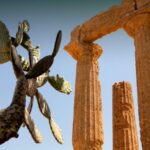
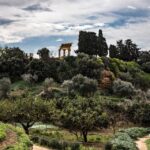
And while you move through the area, you’ll also notice vegetation like prickly pear trees, plus panoramic views over the valley. Those details aren’t just pretty extras—they’re part of why the valley feels alive, not frozen in time.
You can also read our reviews of more private tours in Agrigento
Temple of Jupiter (Zeus): ruins, Telamons, and the story behind the damage
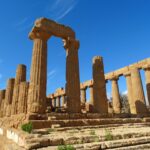
The tour ends at Temple of Jupiter, also known as Zeus. This one started as one of the largest temples of classical antiquity. Over time, it was heavily damaged by earthquakes, and the remains were used as a quarry for construction work connected with the Porto Empedocle pier.
That history is crucial. When you look at ruins, your brain often tries to “restore” them anyway. But the tour framing helps you accept what happened and understand why the site looks the way it does now—what was broken, what was taken away, and what remains.
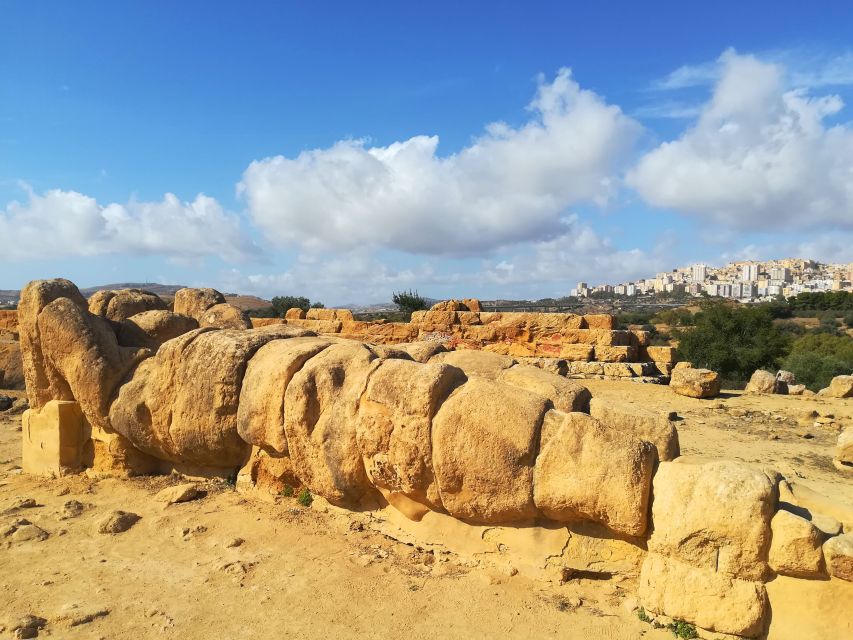
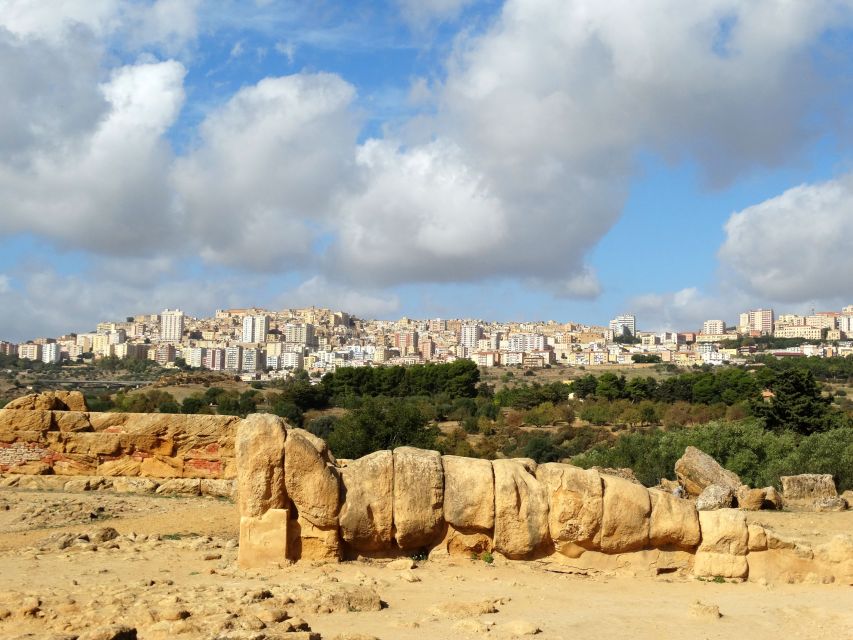
Then you get one of the most visually striking features: a reconstruction of a Telamon, a giant stone figure placed as a kind of support or guardian element. The tour notes it’s over 7 meters high, and it’s the kind of scale reference that makes the temple’s original “majesty” easier to grasp—even in partial form.
You’ll also see stone sculptures of giants placed outside the temple area, connected to the idea of protecting the divinity. It’s all part of the same theme: grandeur through mass, symbol, and presence.
Why this stop lands: After you’ve seen Juno, Concordia, and Hercules, Zeus gives you a different lesson. It’s not just about ancient design—it’s about time, damage, reuse, and reconstruction. That’s what turns “ruins” into a story you can actually follow.
What the guide is really doing for you
This tour’s value isn’t only the list of monuments. It’s the way the pieces connect.
In just two hours, you get a guided chain of themes:
- Doric temple design as the visual language of the Hellenic period.
- Religious meaning linked to specific dedications (Juno, Concordia’s idea of harmony, Hercules/Heracles, Zeus).
- Preservation and reuse shown through Concordia’s church transformation.
- Myth made tangible via Icarus (Igor Mitoraj) and the broader stories behind the temples.
- A realistic view of change over centuries through the earthquake damage and quarry use at the Zeus complex.
That’s why the overall response you’ll likely have matches what people praise most: it feels informative, and it’s worth the price because you leave with more than photos—you leave with understanding.
Price and value: $326.26 for a private group up to 25
The price is listed as $326.26 per group, for groups up to 25 people. On paper, that can look either steep or like a bargain depending on how many people are traveling.
Here’s the value lens you should use:
- If you’re traveling as a couple or small group, you’re paying for private guidance across major stops in a tight time window.
- If you’re traveling with a larger family group, the per-group pricing can stretch well because it stays the same while the number of people sharing the experience grows.
Also, the guide is licensed, and the tour runs in multiple languages. That matters because language accuracy is what lets the “why” of archaeology land in your brain, not just the “what.”
One more value note: tickets are not included, but they’re bought on site at the ticket office. So the price you see covers the guide service, not entry fees.
Practical logistics you’ll want to know upfront
This tour starts and ends at the same meeting point: outside the ticket office/car parking at the Juno temple. That’s handy for planning. You’re not guessing where to regroup later.
Tours are offered at available starting times, with a duration of about 2 hours. The guide can run in Italian, English, French, German, or Spanish.
If you’re the type who likes clarity before you go, check in with your group before meeting so everyone knows the pickup point is outside the ticket office area at the biggest Juno temple.
Who this private Valley of the Temples tour suits best
This fits you well if:
- You want a guided highlight route rather than a DIY maze.
- You care about how individual temples connect to myth, function, and preservation.
- You’re short on time but still want the major landmarks of Ancient Akragas.
- You prefer a private group pace (especially helpful when photo stops and questions matter).
It’s also a good match if you’re traveling with kids or mixed interests, because the tour includes story-driven anchors like Icarus and Hercules, not just architectural talk.
Should you book this Agrigento private tour?
If you want to leave Agrigento feeling like you actually understood the Valley of the Temples, this is a strong choice. The route hits the monuments that matter most, and the guided explanations help turn stones into meaning fast.
The main reason to hesitate is simple: tickets aren’t included, so you need to factor that into your arrival plan. Beyond that, the combination of licensed local guide service, private group format, and a focused 2-hour temple circuit makes it a practical, high-value way to see Ancient Akragas.
FAQ
What is the duration of the Agrigento private tour?
The tour lasts about 2 hours.
Is this tour private?
Yes. It’s a private group experience.
How much does it cost?
The price is $326.26 per group, up to 25 people.
Are entry tickets included?
No. Tickets entry are not included. You can buy them on the spot at the tickets office.
Which temples are visited during the tour?
The tour covers Temple of Hera Lacinia (Juno), Temple of Concordia, Temple of Hercules (Heracles), and Temple of Jupiter (Zeus), including key features like the Telamon reconstruction.
Where do we meet the guide?
You meet outside the ticket office/car parking at the Valley of the Temples, at the Juno temple (the biggest).
Does the tour include museum entry?
No. Museum entry is not included.
What languages are available for the guide?
The tour is available in Italian, English, French, German, and Spanish.
When does the tour end?
It ends back at the meeting point.
Can I cancel for a refund?
Yes, free cancellation is available up to 24 hours in advance for a full refund.