REVIEW · AGRIGENTO
Agrigento: Valley of the Temples Private Tour
Book on GetYourGuide →Operated by Italygonia Travel T.O. · Bookable on GetYourGuide
Doric giants meet a friendly guide. What I love most is the scale and drama of the Temple of Juno and the crisp, story-rich stop at the Temple of Concordia. The only real catch is that entry tickets are not included, so you’ll need to buy them when you arrive.
This tour is built for people who want the key temples without turning the day into a logistics puzzle. In just about two hours, you cover four major sites and get guided context while you walk the valley paths.
You’ll meet the guide right outside the ticket office, in the car parking area by the Juno temple, with a visible license badge. The guide can run in multiple languages, including English, French, German, Spanish, and Italian.
In This Review
- Key Things to Know Before You Go
- Two Hours in Agrigento: Why This Format Works
- Price and Value for a Private Group (What $326.26 Gets You)
- Meeting Point at the Juno Ticket Office: Avoid the Common Time Sink
- Temple of Juno (Hera Lacinia): The Big Doric Start
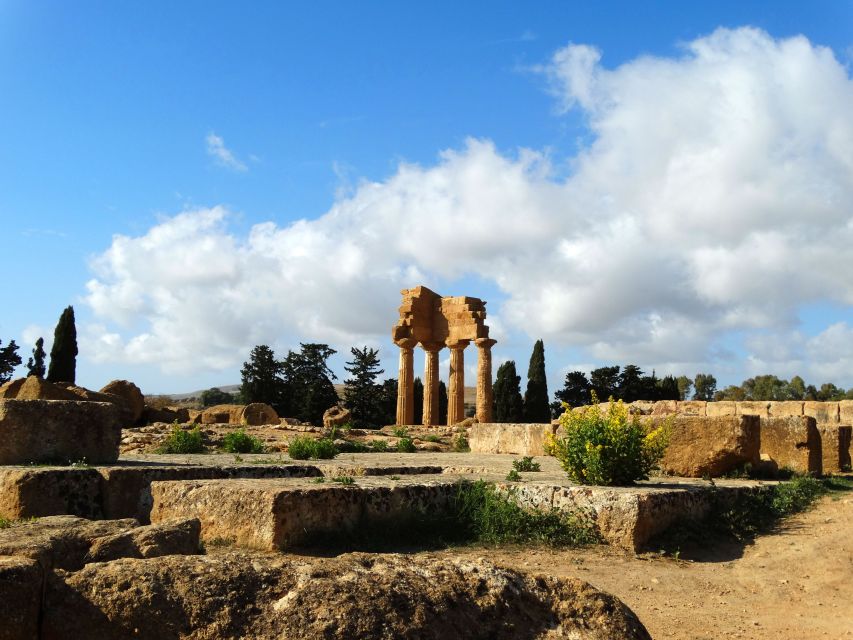
- Temple of Concordia: Second Best-Preserved for a Reason
- Hercules Temple and Valley Walks: Trees, Views, and Meaning
- Zeus (Jupiter) Temple: Telamons Over 7 Meters and the Giant Protectors
- What Your Guide Adds (When You Get Rossana Valenti or Daniel Style)
- Tickets, Museums, and a Clean Expectations Check
- Should You Book This Private Valley of the Temples Tour?
- FAQ
- Which temples does the tour include?
- Are entry tickets included?
- How long is the private tour?
- Where do we meet the guide?
- What languages are available?
- Is this a private group tour, and what group size is allowed?
- What’s the cancellation and payment policy?
Key Things to Know Before You Go
- Four temples, one efficient route across the Valley of the Temples archaeological area
- Temple of Concordia is unusually well preserved, thanks to its later Christian use
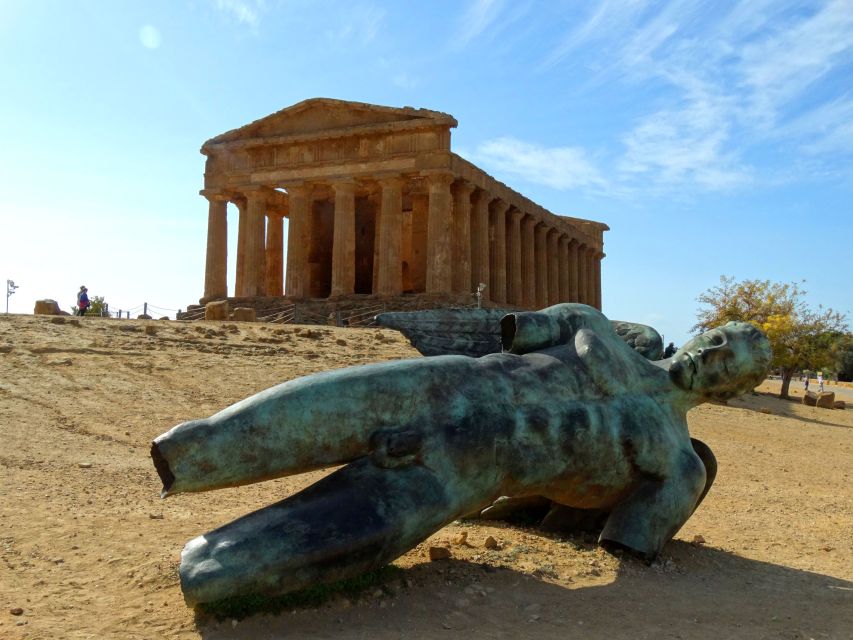
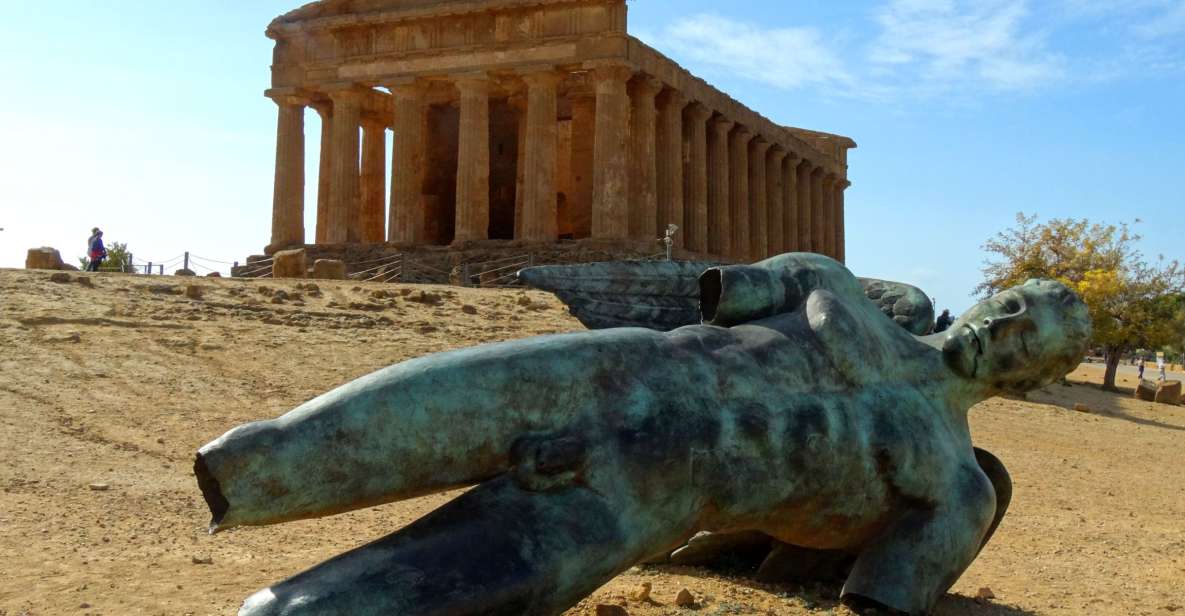
- Icarus by Igor Mitoraj is a standout stop in front of Concordia
- Telamons and giant sculptures at Zeus/Jupiter help you picture the temple as it once was
- Valley walking paths include prickly pear trees and panoramic viewpoints
- Private guiding with a licensed guide (Italian, English, Spanish, German, French)
Two Hours in Agrigento: Why This Format Works
The Valley of the Temples is the kind of place where you can stare at stone for hours and still not know what you’re looking at. This private tour fixes that fast. You get a licensed guide who keeps the walk moving and explains what each temple is, when it dates to, and why it matters in Greek myth and daily life.
I also like that the stop count is realistic. You’re not trying to cram in a marathon circuit—you’re hitting the big names: Juno (Hera Lacinia), Concordia, Hercules, and Zeus (Jupiter). That tight focus is ideal if your Sicily schedule is already packed.
One more practical plus: with a private group, the pace can stay human. Whether you’re traveling with family, friends, or a small group, you’re not stuck waiting through long, mismatched timings. Just keep in mind you’re still walking on outdoor paths, and your time window is about two hours.
You can also read our reviews of more private tours in Agrigento
Price and Value for a Private Group (What $326.26 Gets You)
The price is $326.26 per group, for groups up to 25 people. That matters, because this isn’t priced like a single-person ticket where the guide cost jumps every time the group size changes.
So the value works best in two situations:
- You’re splitting costs with others (friends, family, or a small party).
- You want the benefit of a private guide for meaning and orientation, not just photos.
Also, note the line-item reality: tickets entry are not included, and a museum visit is not included. In other words, you’re paying for the guide and the guided route through the temple area, while you handle admission on-site.
If you’re coming solo or as a couple, it can still be a good deal—especially if you care about interpreting what you see. But do the math based on your group size, because that per-group pricing is where the money advantage can appear.
Meeting Point at the Juno Ticket Office: Avoid the Common Time Sink
This tour’s start is simple, but you have to match it exactly. Meet the guide outside the ticket office at Valley of the Temples, by the car parking for the Juno temple (the biggest). The guide wears a license badge around the neck, clearly visible.
Here’s the practical tip I’d follow: plan to arrive early enough to sort out the ticket lines and find your guide. There’s a real-world pattern where maps can point you to the wrong spot, which can cost time right at the start. If you’re off by half an hour at the beginning, your guided window gets tighter.
If you want a low-stress start, do two things:
- Use the meeting point description, not a random pin.
- Give yourself a little buffer to buy the entry tickets before the walk begins.
Temple of Juno (Hera Lacinia): The Big Doric Start
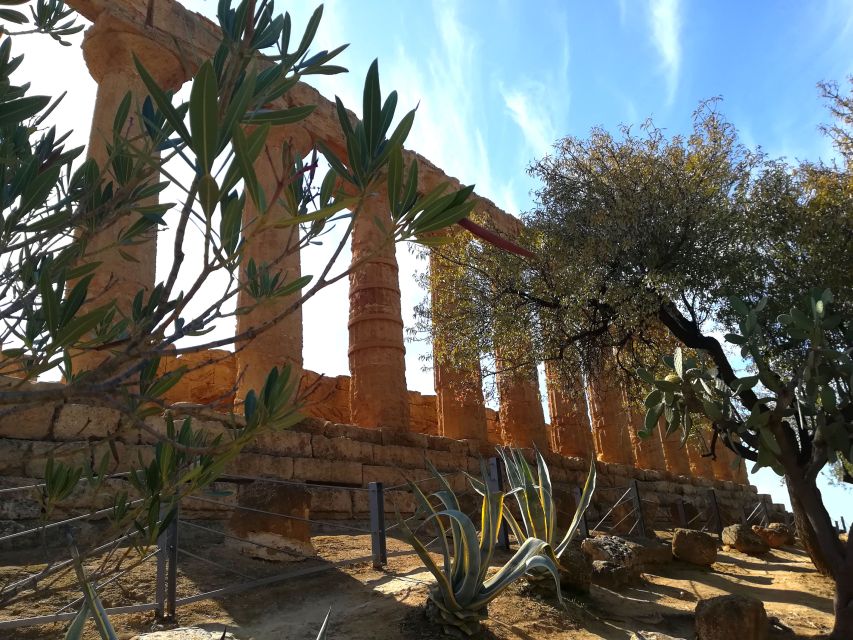
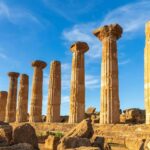
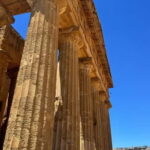
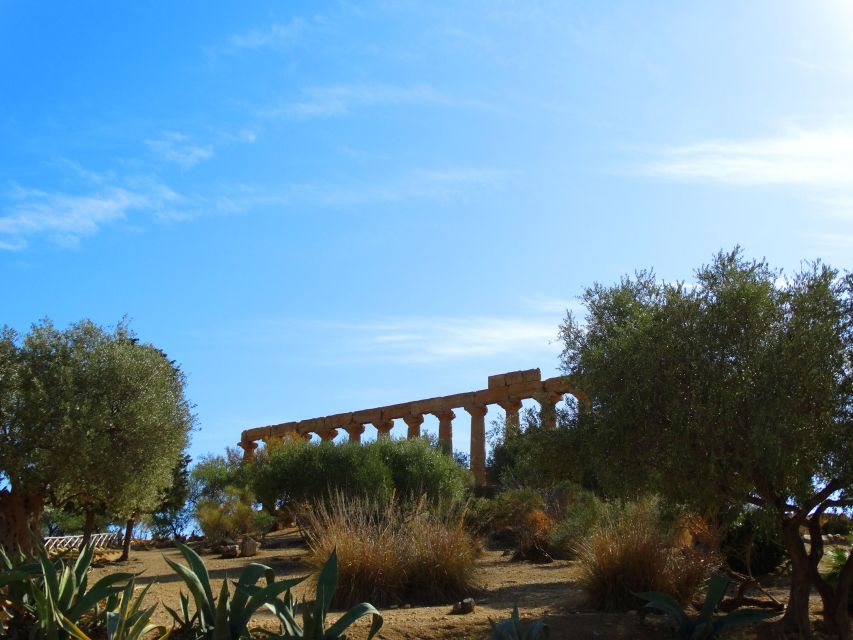
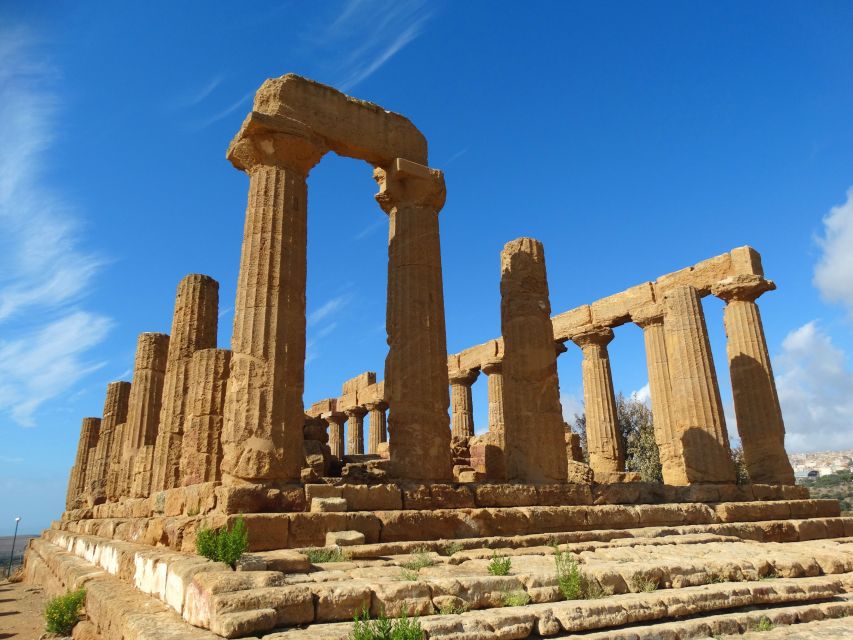
The tour begins at the Temple of Hera Lacinia, often called Temple of Juno. It’s associated with a setting on the hill of Rupe Atenea, and it dates to about 450 BC. This is the kind of temple that immediately sets the tone: Doric columns, monumental scale, and the sense that you’re looking at something built for power and ceremony.
One of the most interesting details is how Juno’s role shows up in the temple’s identity. The temple is dedicated to Juno because a painting—described as possibly depicting the goddess as protector of women and fertility—was kept there. Even if you don’t see that painting today, the point is clear: this wasn’t just architecture. It was tied to belief, social meaning, and ritual.
You’ll also get your first taste of the valley as a landscape of viewpoints and stonework. Starting here helps you understand how the temples sit in relation to each other, so later stops don’t feel like random ruins.
Temple of Concordia: Second Best-Preserved for a Reason
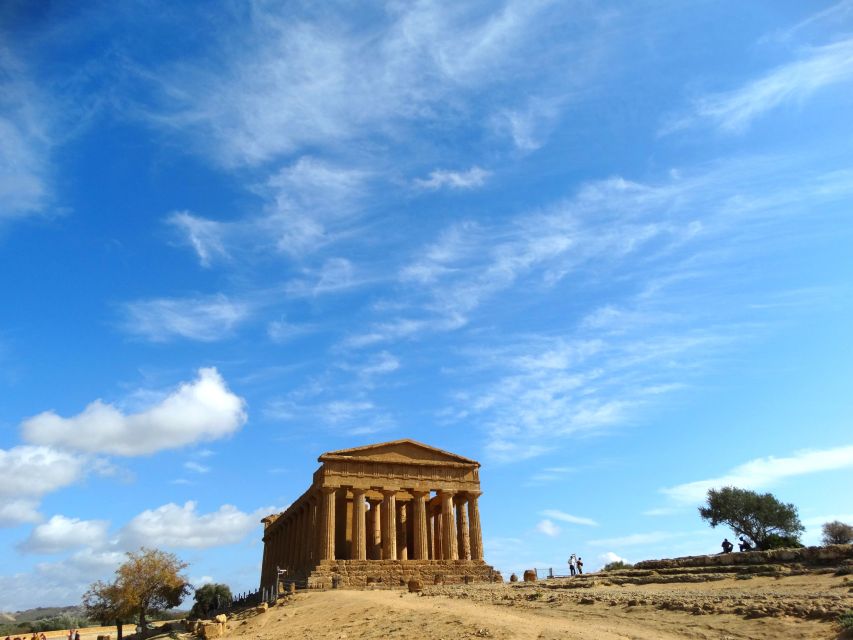
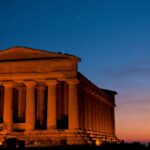
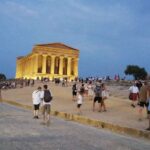
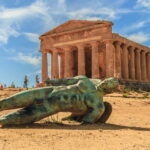
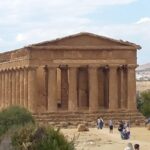
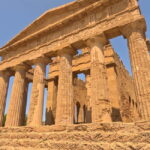
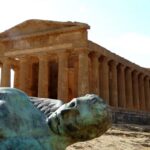
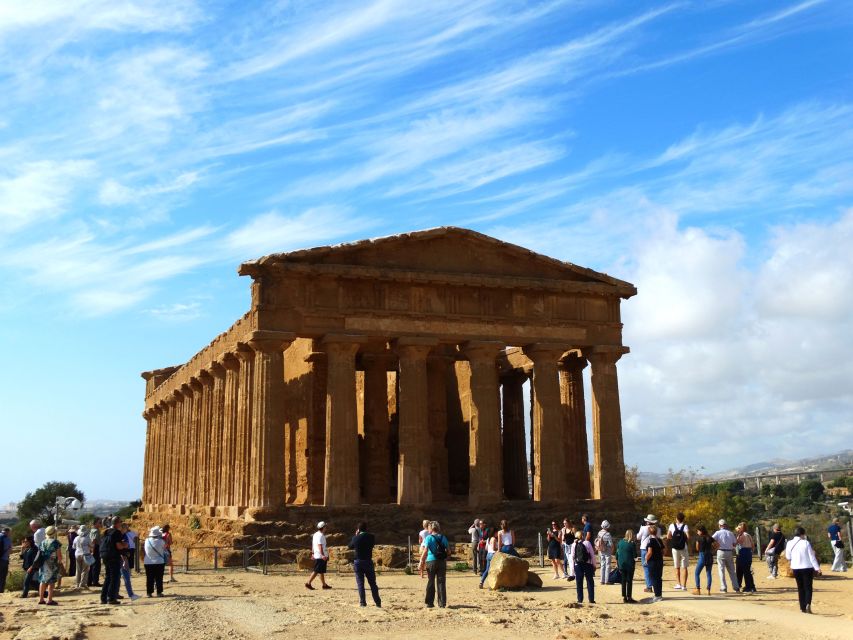
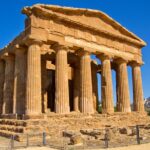
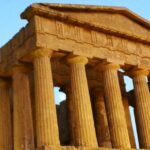
Next comes the Temple of Concordia, widely seen as the second best preserved temple in the world after the Parthenon in Athens. It dates to about 430 BC, and the big reason it survives so well is unexpectedly practical: it was transformed into a Christian church.
That’s the kind of detail that changes how you look at the ruin. Instead of thinking only earthquakes and time, you realize that later use played a major role in conservation. The temple’s form was maintained long enough for the structure to remain impressively legible.
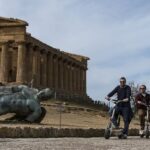
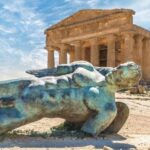
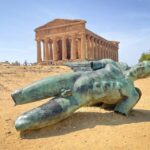
Before you move on, look for the bronze sculpture in front of Concordia: Icarus, associated with artist Igor Mitoraj. The story attached to it is the classic one: Icarus flies too close to the sun, the wax wings fail, and he falls into the Mediterranean. Even if you’ve heard the myth before, seeing it tied to this specific place makes the mythology feel less abstract.
If you like when a site’s art and architecture connect, Concordia is your anchor stop.


Hercules Temple and Valley Walks: Trees, Views, and Meaning
After Concordia, you visit the Temple of Hercules (Heracles). It’s described as the oldest of Agrigento’s Doric temples. The temple’s name comes from a bronze statue of Hercules connected to the site.
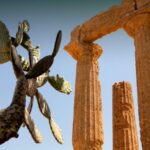
What I appreciate here is the mix of myth plus everyday sensory details. During the visit, you’ll also notice prickly pear trees growing along the area. It’s a reminder that these ancient spaces didn’t get frozen in time. They’re living places now, and the plants shape how the ruins feel as you walk among them.
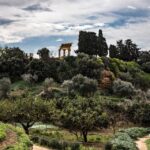
This is also where the tour naturally shifts into “valley time.” You’ll stroll through paths that offer breathtaking panoramic views over the valley. That matters because the Valley of the Temples can feel flat from ground-level photos. From the right angles, you start to understand how the temples create a visual system—one temple framing another, sightlines connecting stone to sky.
If you want photos, this is one of your best windows. If you want understanding, it’s even better.
Zeus (Jupiter) Temple: Telamons Over 7 Meters and the Giant Protectors
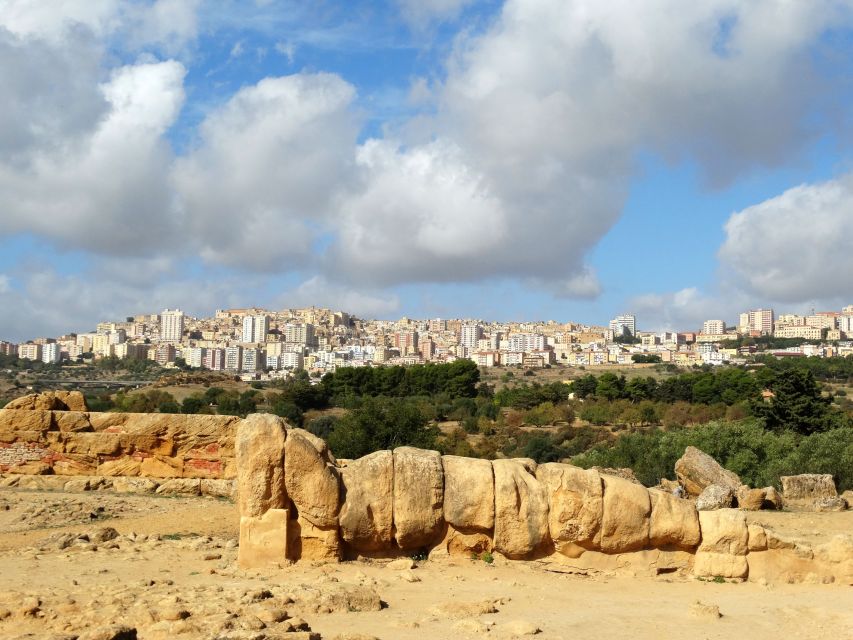
The final major temple stop is Temple of Jupiter, also known as Zeus. This temple was originally one of the largest of classical antiquity, but it didn’t survive intact. It suffered damage from earthquakes and was later used as a quarry for construction—specifically for the Porto Empedocle pier.
That quarry detail gives the ruins a sharper story. You’re not just looking at “ruins.” You’re looking at a building that was dismantled for usable stone—meaning history affected the site in multiple waves.
The big visual takeaway here is the reconstruction you can see: a Telamon over 7 meters high. Telamons are giant stone figures, and you’ll also see the stone sculptures of giants placed outside the temple. The tour context frames them as protective guardians—stone giants meant to protect the divinity.
The effect is that the place stops feeling like broken fragments and starts feeling like a coherent concept again. Even without a full reconstruction of everything, these elements help you picture the temple’s original majesty.
What Your Guide Adds (When You Get Rossana Valenti or Daniel Style)
In a site like this, a guide can make the difference between seeing stones and actually understanding why those stones were arranged the way they were.
I like that the tour includes interpretive storytelling that goes beyond dates. For example, a guide such as Rossana Valenti is described as friendly and enthusiastic, with a knack for explaining Agrigento and the temples, plus details about things like trees. Another guide example, Daniel, is highlighted for connecting architecture with broader topics like politics, customs, mythology, and even plants.
Even if your guide isn’t one of those names, the takeaway for you is clear: the best tours use real explanations to help you read what you see. You’ll spend less time wondering and more time noticing—like how Doric design shapes the feel of each temple or why later transformations changed what survives.
Tickets, Museums, and a Clean Expectations Check
Here’s how to avoid surprises. This tour includes a licensed guide and visits across the four temple stops. Entry tickets are not included, and you can buy them on the spot at the tickets office.
Also, a museum visit is not included. So if your idea of the day includes museum time, you’ll need to plan that separately.
The upside is that your guided time stays focused on the outdoor temple area, which is exactly where this Valley works best—standing near the columns, seeing the view lines, and watching how the story pieces fit together at each stop.
Should You Book This Private Valley of the Temples Tour?
Book it if you want the Valley of the Temples to make sense quickly. This is especially worth it when you care about interpretation—temple roles, preservation reasons, and myth references like Juno’s associations, Concordia’s Christian-era survival, Icarus by Igor Mitoraj, and the Telamons at Zeus.
Skip it or reconsider if you want a free-form, self-guided day. If you’d rather wander slowly and build your own story with a guidebook, you may find a general admission plan fits better.
For most people doing Sicily in limited time, I’d say this private format is a smart use of your hours—because it pairs major sights with a guide who can translate the stone into a real place you can understand.
FAQ
Which temples does the tour include?
The tour visits the Temple of Juno (Hera Lacinia), the Temple of Concordia, the Temple of Hercules, and the Temple of Jupiter (Zeus).
Are entry tickets included?
No. Entry tickets are not included, and you can buy them on-site at the tickets office.
How long is the private tour?
The tour duration is about 2 hours. Starting times depend on availability.
Where do we meet the guide?
Meet the guide outside the ticket office at Valley of the Temples, near the car parking for the Juno temple (the biggest). The tour ends back at this same meeting point.
What languages are available?
The live guide can conduct the tour in Italian, English, Spanish, German, and French.
Is this a private group tour, and what group size is allowed?
Yes, it’s a private group. The price is set for a group up to 25 people.
What’s the cancellation and payment policy?
You can cancel up to 24 hours in advance for a full refund, and you can reserve now and pay later.