REVIEW · CEFALU
Cefalú: La Rocca Archaeological Park Guided Hiking Tour
Book on GetYourGuide →Operated by Italygonia Travel T.O. · Bookable on GetYourGuide
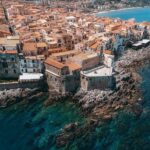
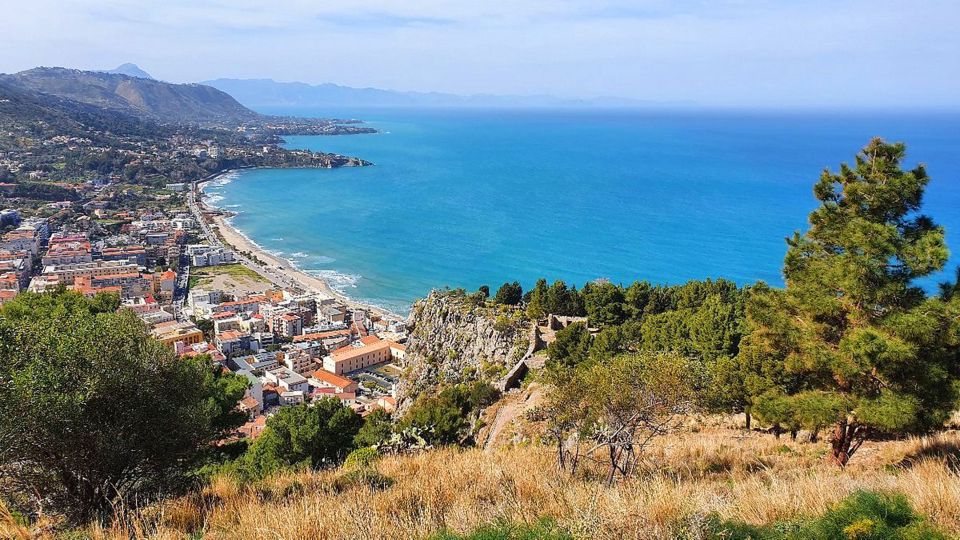
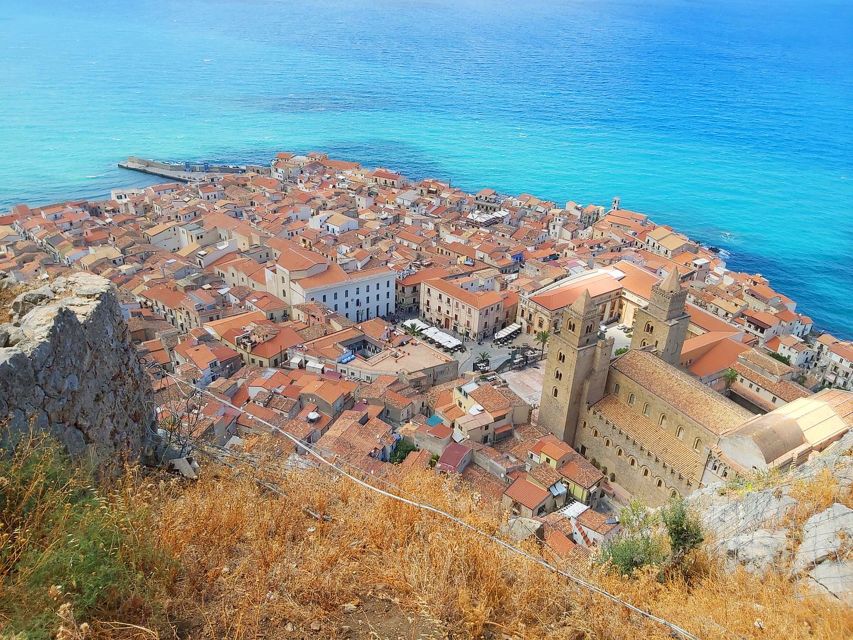
A climb with temple ruins above the sea. In Cefalù, this guided hike threads La Rocca’s archaeological remains with nonstop coastline scenery. You’ll move from town alleys up to a fortress zone and finish at a panoramic point where Cefalù looks tiny against the water.
I especially love two things here. First, the Temple of Diana stop feels like a story you can stand inside, tied to water and maritime control. Second, the route gives you postcard views without wasting time—every turn helps you understand why people built and rebuilt on this promontory.
One possible drawback: the ticket for La Rocca isn’t included, and you’ll be walking uphill on a fortified path. Plan to bring sturdy shoes and sun protection, because the “short” hike can still feel like work on a bright Sicilian afternoon.
In This Review
- Key highlights at La Rocca (Cefalù)
- Finding the trail: Via Umberto I and the walk into history
- The climb to the promontory: fortified path, big views
- The fortress zone: Byzantine walls, cisterns, and ovens
- Temple of Diana: water, legend, and strategic placement
- Sunset views and the “timing you can feel”
- Price and what you actually get for $283.21
- Who this hike suits best (and who should skip it)
- Should you book La Rocca Archaeological Park?
- FAQ
- How long is the Cefalù La Rocca Archaeological Park guided hiking tour?
- What languages is the live tour guide available in?
- Is this tour private or shared?
- Where do we meet the tour guide?
- What time does the tour end?
- Is the archaeological park ticket included in the price?
- Is transportation included?
- What should I bring for the hike?
- Is there free cancellation?
- Can I pay later?
Key highlights at La Rocca (Cefalù)
- Stroll from Cefalù’s alleys to the Rocca Park entrance with a licensed local guide
- Fortified medieval ascent up to a panoramic viewpoint about 270 meters above sea level
- Temple of Diana tied to water and positioned to oversee arrivals by sea
- Byzantine-era remains including fortress walls, cisterns, ovens, and churches
- A 9th-century BC cistern plus the small Church of S. Anna area nearby
- Sea views that can look best near sunset, depending on your start time
Finding the trail: Via Umberto I and the walk into history
The tour meets at Via Umberto I 13, right outside a barber shop. That’s helpful: it’s in the center of Cefalù, so you’re already in the right mood before you start climbing. The guide carries a visible license badge and leads the group from there.
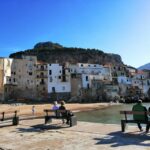
You’ll begin with an easy-but-not-bare-minimum stroll through Cefalù’s picturesque lanes, moving from everyday town life toward the Rocca entrance. This matters more than it sounds. Getting your bearings in the old center helps you “read” what you see later. When you finally start up the fortified path, the park doesn’t feel like an isolated attraction. It feels like part of the same town that grew around the coast.
This is also a private group experience, so you’re not stuck listening over headsets to other people’s questions. In the best moments, you can focus on the details the guide points out—how the ruins and structures relate to defense, water access, and who controlled the shoreline.
You can also read our reviews of more guided tours in Cefalu

The climb to the promontory: fortified path, big views
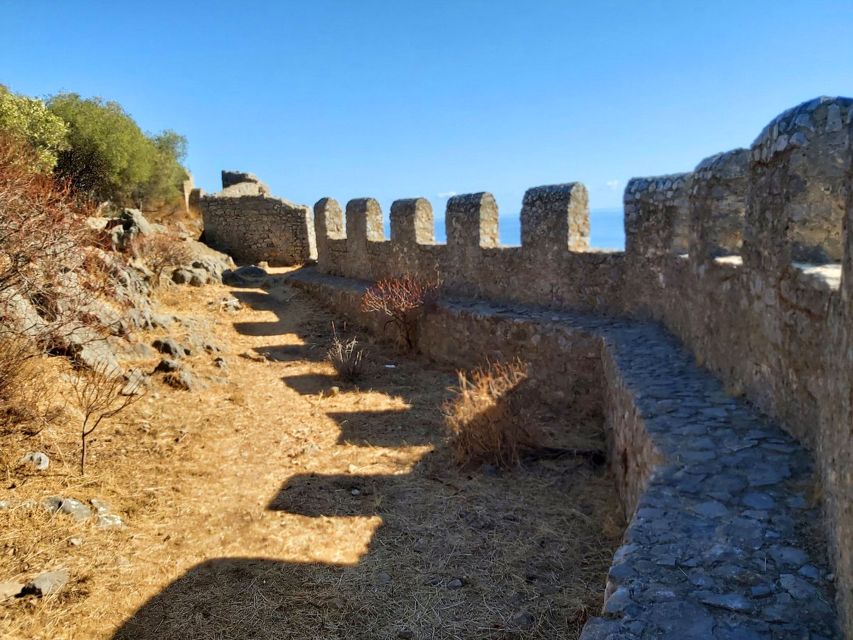
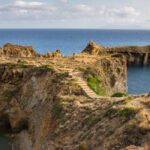
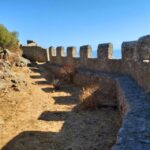
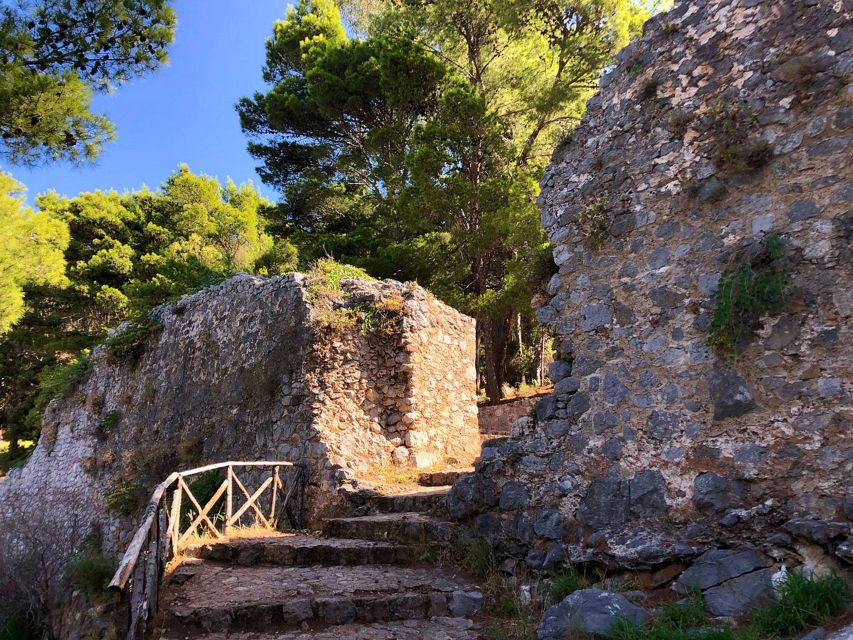
The main effort is the ascent. The route heads from town toward the promontory at about 270 meters above sea level, and you’ll enter the naturalistic and archaeological park of Rocca di Cefalù. The path is described as fortified and medieval, which is exactly what makes the walk more than just exercise.
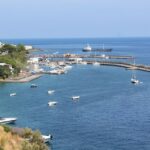
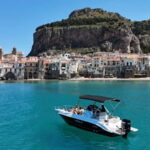
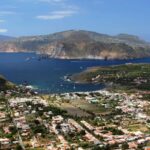
As you climb, the route gives you that “wait, look at that” effect. You get postcard-style views of Cefalù over the sea, and the guide’s explanations help you connect those views to the practical reason this place mattered. From up here, you understand why visibility was everything—if you could spot arrivals early, you could prepare.
Practical tip: this is not the tour for flip-flops. The included “what to bring” list—comfortable shoes plus sun protection—basically tells you the terrain and lighting are the real challenge. Bring sunglasses and sunscreen, and consider a hat. Even if the tour lasts about 2 hours, the uphill portion can feel longer in strong sun.
The fortress zone: Byzantine walls, cisterns, and ovens
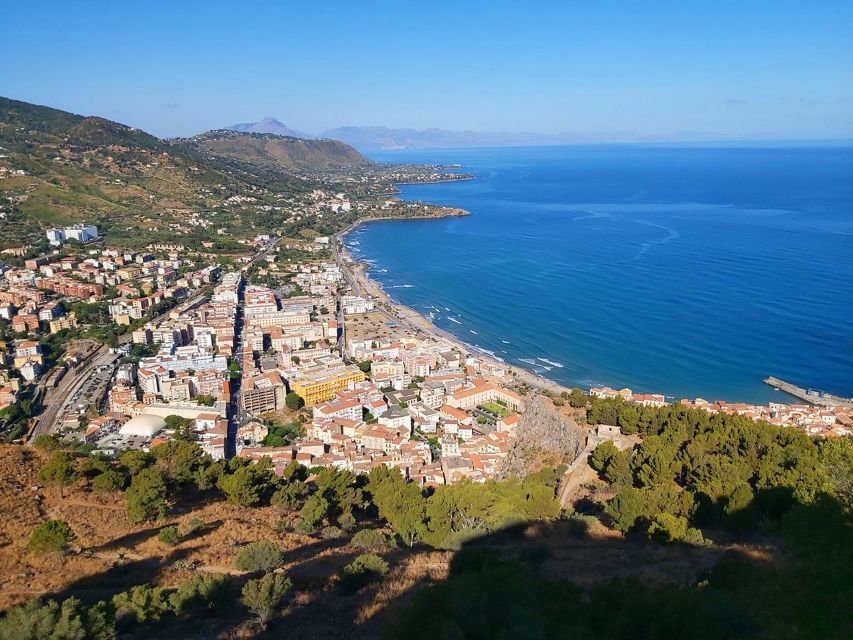
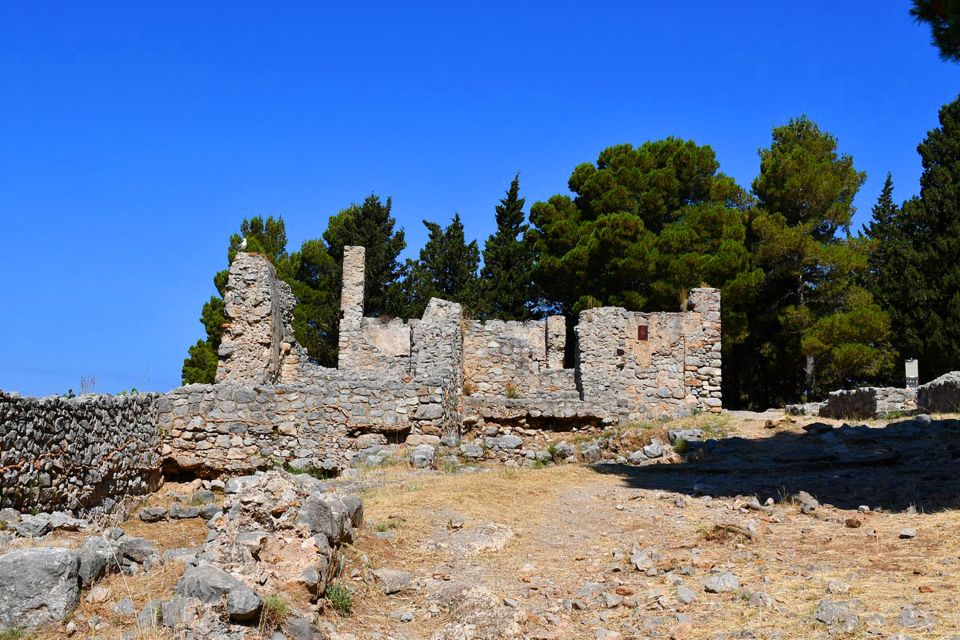
Once you’re in the Rocca area, the park’s layout turns into a guided lesson in how people lived under pressure. The fortress space housed monuments of Byzantine origin, because local populations used the promontory to take refuge from enemy attacks.
Here’s what stands out: you’re not just seeing one landmark. You’re seeing a system. The guide points out fortification walls and the kind of practical infrastructure that made survival possible—especially water and heat.
You’ll visit areas including:
- Fortification walls (defense logic made visible)
- Cisterns (water storage and planning)
- Ovens (food preparation and everyday survival)
- Byzantine churches in the fortress context
One of the most intriguing specifics is the mention of a cistern dating back to the 9th century BC. Even if you don’t memorize dates like a history quiz, it gives you a strong feeling for continuity: people kept using this spot for a very long time, because it worked.
And yes, there’s a little Church of S. Anna nearby. It’s a nice human-scale contrast to the stone mass of the fortress. You get a sense of how a defensive outpost could also function as a religious space.
Temple of Diana: water, legend, and strategic placement
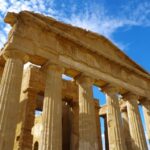
The signature archaeological stop is the remains of the Temple of Diana. This is the moment where the hike shifts from “look at the view” to “understand the purpose.”
The tour describes the temple as full of legends and mysteries about its construction, and it’s framed as a fortress-sanctuary. That phrase is useful. It’s not presented as a standalone religious building far from daily concerns. Instead, it’s tied to the same strategic logic as the defenses—especially controlling access from the sea.
You’ll also hear the temple connected to the cult of water. That makes the nearby water infrastructure feel less random. The cisterns and the temple theme reinforce each other: water wasn’t just a convenience. It was central to life here.
When you’re on site, the best part is how the guide ties physical location to symbolism. If you’re standing where people could observe arriving ships, it’s easier to grasp why a sanctuary and a lookout could overlap in the same space.
Sunset views and the “timing you can feel”
The experience description highlights that the park’s green areas can look their best at sunset, with a unique view of Cefalù. That doesn’t mean every start time will be perfect light—sunset is just when the human eye usually relaxes and the colors shift.
Still, it’s worth thinking about timing when you choose a departure. If you can pick a later slot (based on availability), you’re more likely to see that softer light over the sea and the fortress stones. Even without perfect sunset conditions, the panoramic point is the tour’s payoff, and you’ll feel it during the climb and at the top.
Also keep your expectations realistic. This is a 2-hour hike, so you’re not doing a half-day trek with multiple long breaks. You’ll see a lot, but you’ll move. If you’re the type who likes to linger, you might want to build in time for a slower walk through Cefalù after the tour ends back at the meeting point.

Price and what you actually get for $283.21
The price is $283.21 per group (up to 25 people) for a licensed guided hike lasting about 2 hours. That sounds group-based because it is. In other words: you’re paying for a private guided experience, not for individual admission alone.
Important: the archaeological park ticket for La Rocca isn’t included. So your real cost depends on the ticket price at the time you go. Transportation is also not included, so you’ll want to plan how you reach Cefalù and then how you’ll start from Via Umberto I 13 on time.
Value-wise, I think this tour makes sense when you want three things at once:
- A guide who can explain what you’re seeing (Byzantine remains, fortress logic, and the Temple of Diana)
- A structured route that saves you from wandering uphill without context
- A group format that stays more personal than a big open join-the-line style tour
If you’re the independent type and you don’t care about interpretation, you might decide to visit on your own. But if you want the “why” behind the walls, cisterns, ovens, and temple placement, the guided format is the point.
Who this hike suits best (and who should skip it)
This works best for you if you like:
- Walking with purpose—not just scenery, but explanation tied to place
- Archaeology that’s practical: defense, water, and daily survival
- Views of Cefalù from above without a full-day commitment
- A small, private group feel with room for your questions (the guides speak Italian and English)
You might want to skip or rethink if you:
- Don’t do well on uphill walking, even for a short time
- Expect museum-style indoor comfort
- Prefer tours where admission is fully wrapped into the ticket cost (here, the park ticket is separate)
If you’re visiting Sicily and want one Cefalù experience that combines town-to-tower climbing with real site interpretation, this is a strong candidate.
Should you book La Rocca Archaeological Park?
I’d book it if you’re after a Cefalù “move-and-learn” experience: alleys below, fortress logic above, and the Temple of Diana as the emotional anchor of the hike. The combination of sea views plus Byzantine-era remains plus water-focused temple context makes this more than a quick look.
Book it soon if:
- You want a 2-hour guided plan with a licensed leader
- You’re traveling in a private group and prefer a quieter format
- You’re okay handling the separate La Rocca ticket and bringing your own transport to Cefalù
Skip or compare if:
- You’re only interested in one monument and would rather save on guidance
- You can’t manage uphill walking at all (the route includes a fortified medieval ascent)
FAQ
How long is the Cefalù La Rocca Archaeological Park guided hiking tour?
The tour lasts about 2 hours.
What languages is the live tour guide available in?
The guide offers Italian and English.
Is this tour private or shared?
It’s listed as a private group.
Where do we meet the tour guide?
Meet at Via Umberto I number 13, outside the barber shop.
What time does the tour end?
It ends back at the same meeting point on Via Umberto I.
Is the archaeological park ticket included in the price?
No. The ticket for La Rocca archaeological park is not included.
Is transportation included?
No. Transportation is not included.
What should I bring for the hike?
Bring comfortable shoes, sunglasses, a hat, and sunscreen, plus comfortable clothes.
Is there free cancellation?
Yes, you can cancel up to 24 hours in advance for a full refund.
Can I pay later?
Yes. The booking option is listed as Reserve now & pay later.