REVIEW · CATANIA
Mount Etna and Alcantara Gorges Day Trip
Book on GetYourGuide →Operated by Enjoy our sicily · Bookable on GetYourGuide
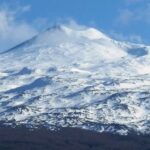
Etna feels unreal up close. This small-group day trip pairs a lava tube cave with crater views, then ends at the Alcantara Gorges so you can cool off in the valley.
I especially liked the guided walks: the easy Monti Sartorius trail takes you among ancient craters with big, open panoramas, and you also stop at the eruption site tied to 2002. When I learned about what I was seeing, it clicked fast thanks to guides like Maria and Lorenzo, who explained things clearly in French and Italian.
One thing to consider is that this is still active travel on uneven ground and steps. Alcantara gorges entry is included with stair access, and there’s an optional elevator (around 8€) if you want it, plus the tour isn’t suitable for people with mobility limits or certain health issues.
In This Review
- Key points to know before you go
- Mount Etna and Alcantara Gorges in one long, rewarding day
- Price and what $107.62 covers (and why it’s not bad value)
- Getting picked up near Catania (and why the meeting spots matter)
- Etna stop 1: the lava tube cave visit
- Etna main time: Monti Sartorius trail hike and big crater views
- The 2002 eruption stop: seeing the story on the mountain
- Lunch break on your own: quick picnic or nearby café snacks
- Alcantara Valley and the gorges walk: stairs, river stone, and an hour to roam
- Pace, group size, and the role of guides (Maria and Lorenzo stand out)
- Who should book (and who should skip it)
- What to bring so you’re comfortable (especially for the gorges)
- Should you book this Mount Etna and Alcantara Gorges day trip?
- FAQ
- How long is the Mount Etna and Alcantara Gorges day trip?
- Where does the tour start and are there pickup options near Catania?
- What languages are the guides?
- Is lunch included?
- Do I need stairs to enter the Alcantara Gorges?
- Is this tour suitable for children and people with mobility or health issues?
Key points to know before you go
- Small group (max 7) keeps the day feeling personal and not rushed.
- Lava tube cave gives you the coolest, most hands-on start on Etna.
- Monti Sartorius trail is labeled easy, with crater walking and panoramic payoff.
- 2002 eruption stop adds context beyond just taking photos.
- Alcantara gorges time includes about an hour to explore on your own, with stairs or an optional elevator.
Mount Etna and Alcantara Gorges in one long, rewarding day
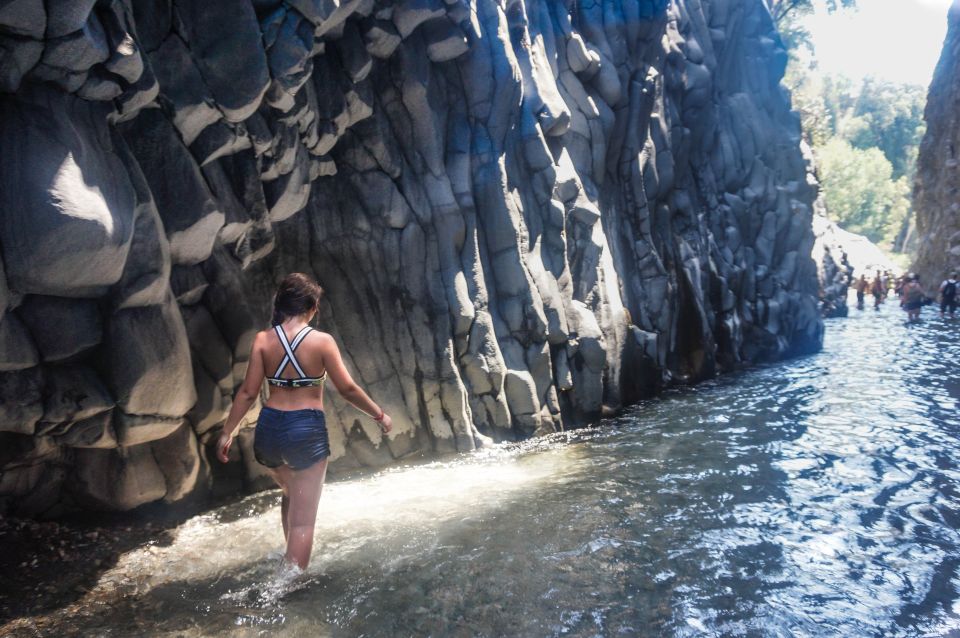
This is the kind of day trip that’s built for people who want real variety. You get the volcano side first: lava features, ancient craters, and views from higher ground. Then you switch gears to the Alcantara river gorge system—different look, different temperature, and a natural rhythm that helps you reset before heading back to Catania.
The format also matters. You’re not just dropped at a viewpoint. You’re guided through key places on Etna, then you have free time later to experience the gorges at your own pace for about an hour.
You can also read our reviews of more tours and experiences in Catania
Price and what $107.62 covers (and why it’s not bad value)
At about $107.62 per person for an 8-hour outing, you’re paying for a few things that would add up fast if you booked separately: pickup and round-trip transfers, a multilingual nature guide, and the entrance ticket for Alcantara gorges with stair access.
What’s not included is straightforward: food and drinks, and the optional elevator at the gorges (average 8€). If you’re the type who buys snacks anyway, you’ll probably spend a bit during lunch—either on a quick café bite or by bringing a picnic if you prefer that kind of flexibility.
The small-group cap (7 people) is part of the value story too. With a bigger bus, you can feel like a ticket number. Here, you’re more likely to hear the explanation and actually ask questions when something catches your eye.
Getting picked up near Catania (and why the meeting spots matter)
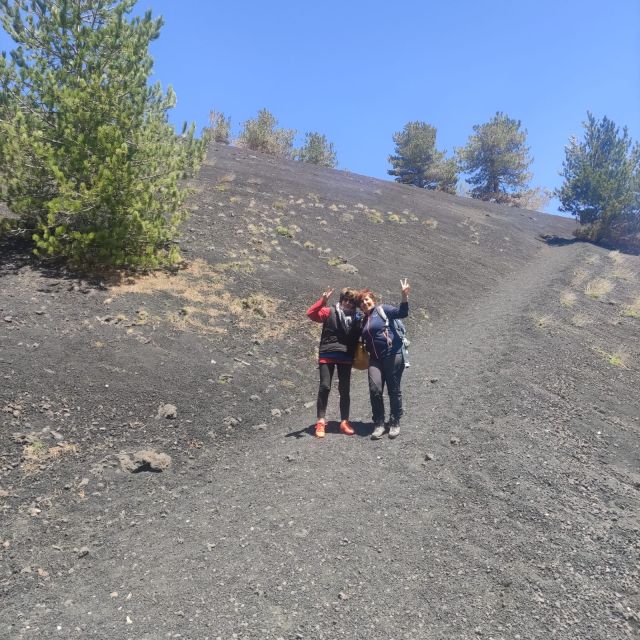
You start at 9:00 AM from a meeting point around Trecastagni, with pickup in the Catania area on demand. There are two pickup options listed: Centro Commerciale Katane and Chiesa San Biagio in Sant’Agata alla Fornace.
This matters because Sicily days can be time-heavy. Being clear on where you’ll meet helps you avoid that last-minute scramble. Also, you’ll spend several hours on the move, so it helps if your pickup is close enough that you don’t feel rushed before the first stop.
Etna stop 1: the lava tube cave visit
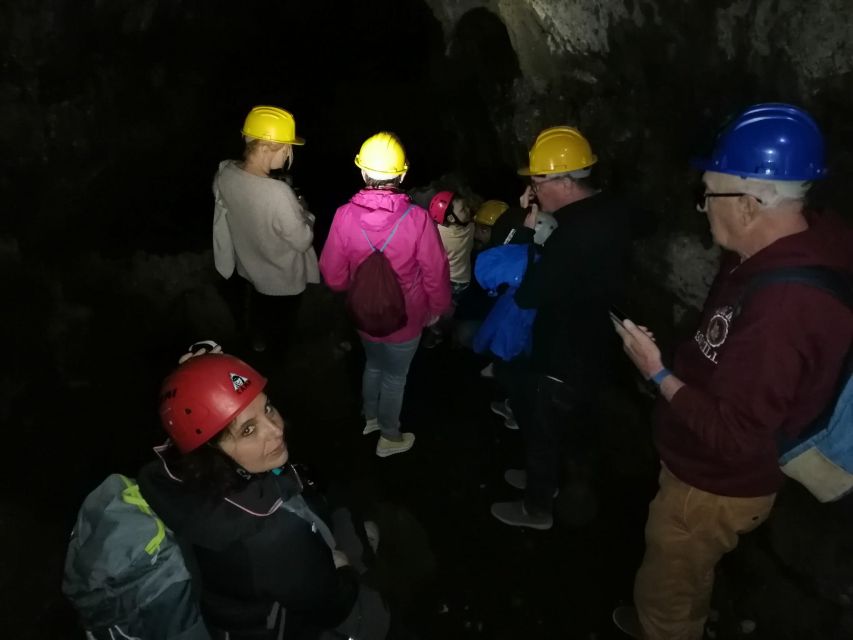
The day begins with a drive of about 45–60 minutes to the first Etna stop. Then you’ll visit a lava tube cave, which is one of the most memorable ways to understand volcanic activity without needing technical jargon.
Inside a lava tube, the main idea is simple: lava once flowed in a way that left a hollow path. Even if you’re just there for visuals, it’s the kind of place that makes Etna feel tangible—like the mountain isn’t just a shape on the horizon, but a process you can stand inside.
This stop is also a nice contrast to what comes later. It’s not all climbing and dust. It’s a cooler, quieter moment that builds curiosity before you start walking outdoors.
Etna main time: Monti Sartorius trail hike and big crater views
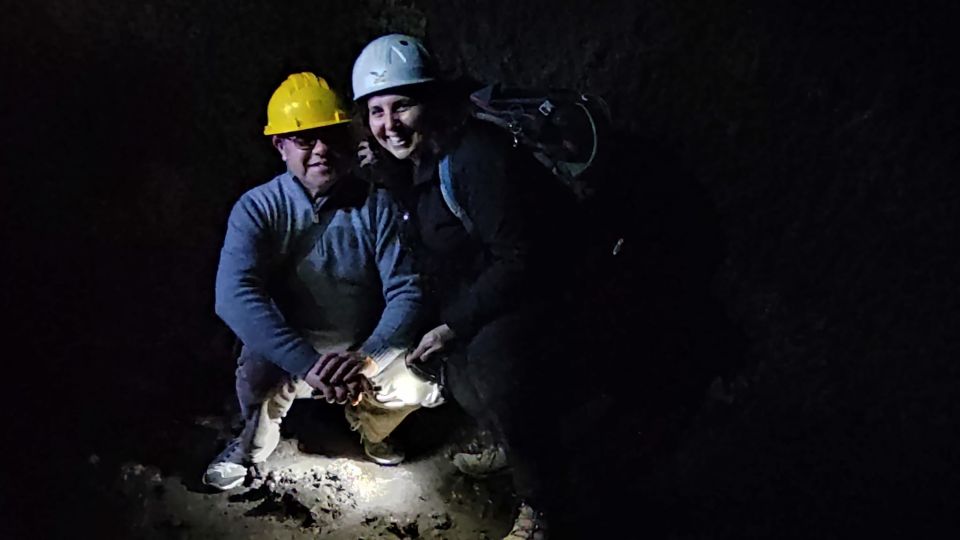
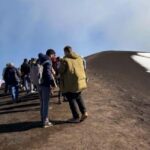
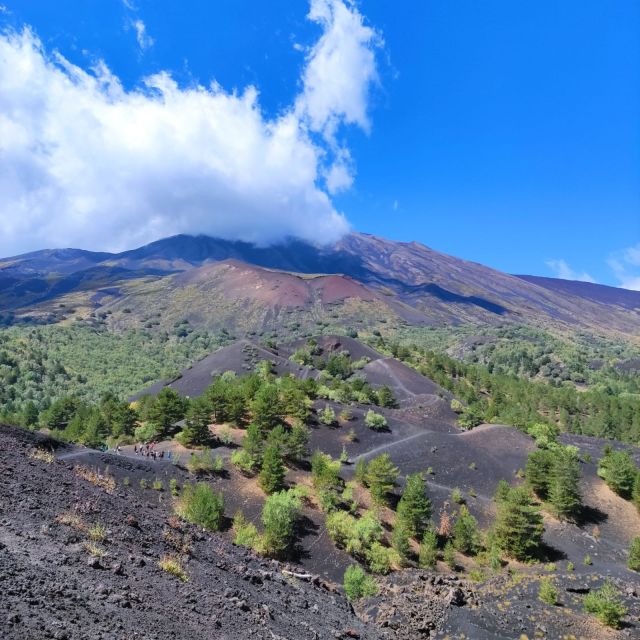
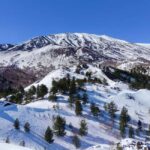
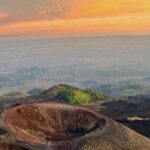
After the cave, you shift to the main walk along the Monti Sartorius trail. It’s described as easy level, which is great news if you want the Etna experience without a hard, technical hike. You’ll be walking among ancient craters, and the payoff is the panoramic view that opens up as you move through the area.
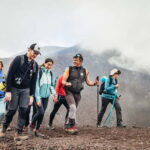
This is where I think the guide makes the biggest difference. On Etna, you can see a lot and still wonder what you’re looking at. With a nature guide, you’re more likely to connect the terrain to the volcano’s behavior—how old flows and crater shapes connect to what’s happened over time.
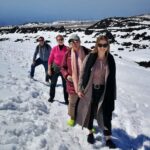
And yes, you’ll be stopping along the way. The goal isn’t speed. It’s walking at a comfortable rhythm so you can actually take in the views and understand what’s in front of you.
The 2002 eruption stop: seeing the story on the mountain
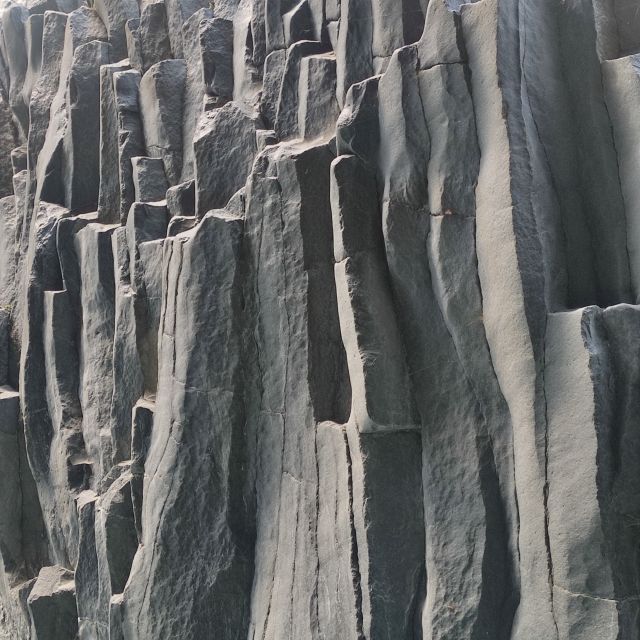
During the Etna portion, there’s also a visit to sites connected to the significant 2002 eruption. This stop is especially valuable because it turns the day from scenery into context.
Instead of treating the volcano like a backdrop, you get to connect modern events to the physical landscape you’re standing on. It’s the sort of detail that makes photos more meaningful later, because you’ll remember what the mountain did—and why those changes look the way they do.
The itinerary then sets up lunch right after this eruption-area segment, which is smart. You get the explanation, then you get a break before moving on to the gorges.
Lunch break on your own: quick picnic or nearby café snacks
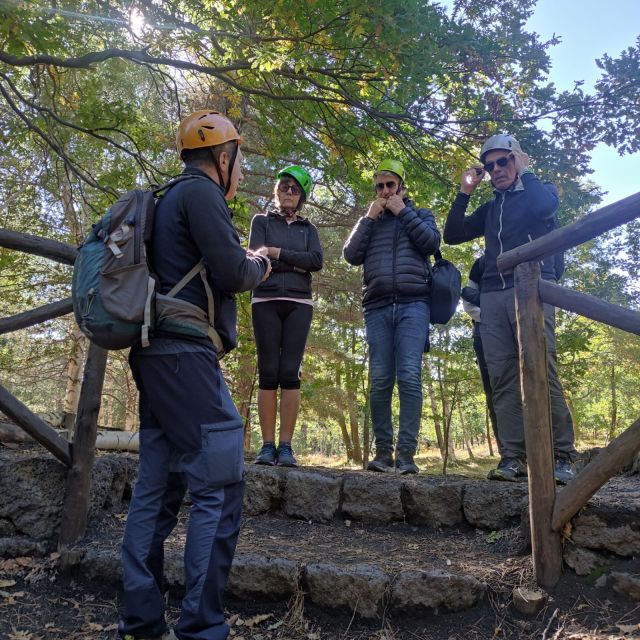
Lunch is your call. You can either grab food from nearby cafés or go with a picnic approach. Food and drinks aren’t included, so you’ll want to plan how you’ll handle energy for the second half of the day.
This is one of those practical moments where your choices affect the rest of the day. If you want to keep things simple, café snacks can work. If you like controlling costs and timing, bring a few items so you’re not waiting around for options.
Either way, the timing is set so you’re ready to travel about 45 minutes to the Alcantara Valley right after.
Alcantara Valley and the gorges walk: stairs, river stone, and an hour to roam
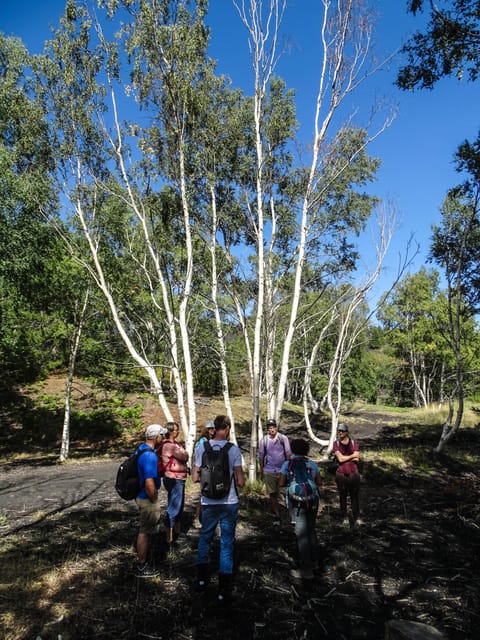
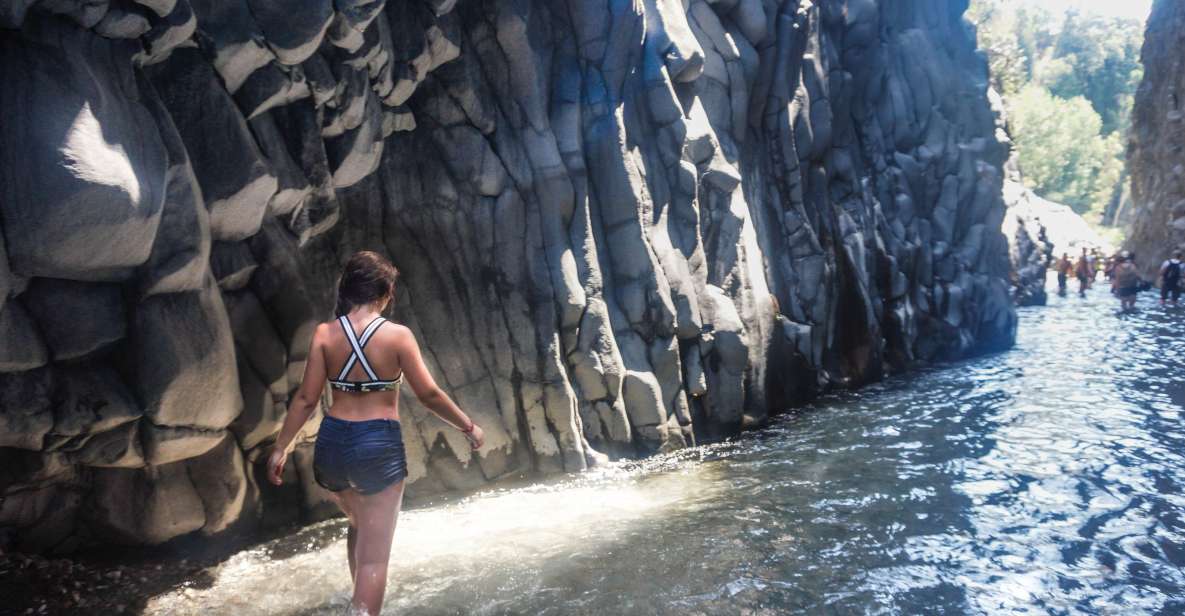
The Alcantara Valley transfer is about 45 minutes, and then you get to the core payoff: the Alcantara River area and your time inside the gorges. Your guide provides what you need to enter, and the tour includes the entrance ticket with stair access.
You’ll have about an hour of free time to explore the gorges on your own. You can access the gorge area via stairs, and there’s an optional elevator if you’d rather not rely on stairs (around 8€ on average). You should expect the kind of walking where water, stone, and uneven footing are part of the package.
I like this design because it avoids forcing every moment into a group pattern. After Etna’s guided walking, you get breathing room—time to slow down, find your favorite angles, and cool off before you head back.
Pace, group size, and the role of guides (Maria and Lorenzo stand out)
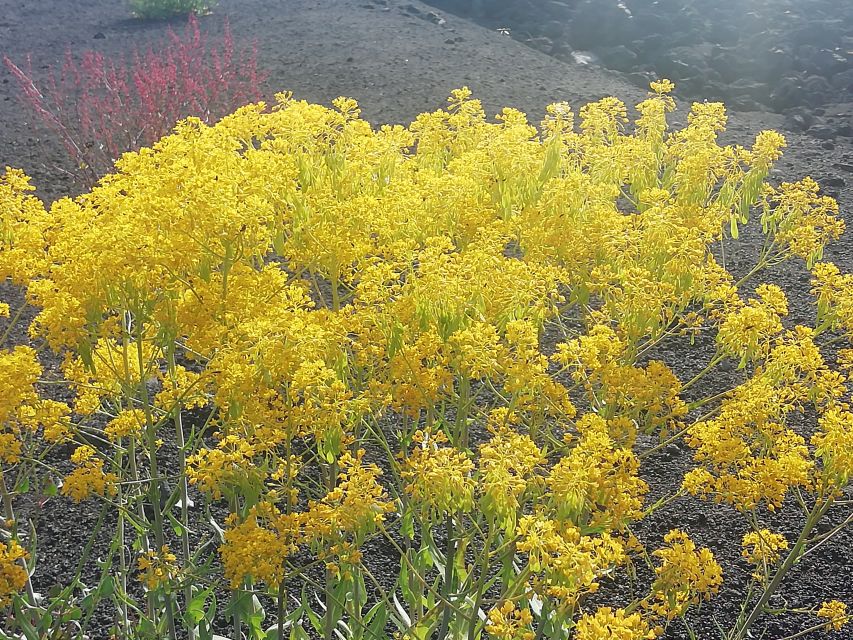
This is a small group tour, limited to 7 participants, which keeps the flow calmer. You’re not juggling a crowd at each viewpoint, and that makes it easier for the guide to manage questions and movement.
In the experience, the guide is central. In particular, Maria and Lorenzo came up in past feedback for clear explanations and careful care, including guides who spoke French and took time to make sure everyone was comfortable during the walk.
Also, the day has a realistic structure: short van transfers between stops and clear time blocks at each major area. That helps you mentally pace the day instead of guessing when the next big segment starts.
Who should book (and who should skip it)
This tour is a good fit for families with children old enough to handle an easy trail and active walking, and for groups of friends who want a guided volcano day without going full hardcore. It’s also ideal if you like learning while you walk—Etna’s features are more interesting when someone can point out what you’re seeing.
But you should skip it if you’re dealing with health or mobility constraints. The tour specifies it’s not suitable for:
- people with heart problems
- people with respiratory issues (including asthma)
- people with mobility impairments
- pregnant women
- children under 4 years
If you’re unsure, this is one of those tours where “I can probably manage” isn’t a great plan. It’s better to be honest about your limits before you commit.
What to bring so you’re comfortable (especially for the gorges)
Sicily in the summer can be warm, and volcano terrain can be dusty, so your gear matters. The essentials listed are:
- water
- water shoes
- swimwear
- closed-toe shoes
Here’s why those items make sense. In the Alcantara gorges, you’re moving through a river-stone environment where slippery surfaces are possible. Water shoes protect your feet in a way normal sandals won’t. Closed-toe shoes help you stay secure during walking segments, and swimwear gives you the option to enjoy the water if conditions and your comfort level line up.
Also, bring enough water for the whole day. You’re out for about 8 hours, and you’re splitting time between volcanic areas and the gorges.
Should you book this Mount Etna and Alcantara Gorges day trip?
I’d book this if you want a one-day hit of two very different Sicilian natural scenes, with a real guide leading key parts. The best reasons are practical: you get a lava tube cave, a crater walk on the Monti Sartorius trail, and a guided stop tied to the 2002 eruption—then you finish with an hour in the Alcantara gorges.
You should think twice if you don’t handle steps well, or if you fall into the health categories the tour lists. Also, if you hate the idea of arranging your own lunch, remember food and drinks aren’t included, so you’ll plan snacks or a picnic.
If you want the day to feel worth the effort, this is the kind of trip where good shoes, water, and a calm attitude about walking will pay off. Book it when you’re ready for a long but satisfying day of geology you can actually stand inside and walk through.
FAQ
How long is the Mount Etna and Alcantara Gorges day trip?
The duration is 8 hours.
Where does the tour start and are there pickup options near Catania?
It starts at 9:00 AM from the meeting point in Trecastagni, with pickup in the Catania area on demand. Pickup options include Centro Commerciale Katane and Chiesa San Biagio in Sant’Agata alla Fornace.
What languages are the guides?
The live guide is available in English, French, and Italian.
Is lunch included?
No. Food and drinks are not included. You’ll have a lunch break where you can enjoy your own picnic or grab a snack from nearby cafés.
Do I need stairs to enter the Alcantara Gorges?
The entrance ticket included is for stair access. There’s also an optional elevator entrance (average 8€) if you prefer not to use stairs.
Is this tour suitable for children and people with mobility or health issues?
It’s not suitable for children under 4 years, pregnant women, people with mobility impairments, people with heart problems, or people with respiratory issues (such as asthma).