REVIEW · CATANIA
Mount Etna: Guided Trek 3,000 Meters to the Summit
Book on GetYourGuide →Operated by Etna Est · Bookable on GetYourGuide
A volcano hike in Sicily sounds unreal. This guided trek climbs Europe’s tallest active volcano up to the summit craters around 3,000 meters, led by a volcanologist and paired with a cable car ride for fast, view-heavy altitude.
I especially love two things about this tour. First, you get practical safety basics like helmets and trekking poles, which makes the climb feel more solid when the ground turns loose or uneven. Second, you’ll learn what you’re looking at—lava flows, volcanic ash, and active craters—while you’re actually standing in the middle of it.
One consideration: this is high-altitude walking over sand-and-rock type surfaces, with some exposed sections and a real need for steady footing. Weather and volcanic risk can also interrupt plans, so you have to be ready for route tweaks.
In This Review
- Key highlights worth your attention
- Mount Etna’s summit hike is all about altitude and context
- Starting at La Terrazza Dell’Etna: where the day gets real
- The cable car ride to 2,500 meters: the smart setup for the hike
- Hiking toward the 3,000-meter summit craters: how the day is paced
- 2001 Crater at 2,700 meters: where the volcano talks back
- Descend to 2,500 meters and the lunch reset
- What you’re really paying for: the value math
- Gear, clothing, and ash rules that actually matter
- Weather and volcanic risk: the day can change, and that’s part of the deal
- Who this trek suits best (and who should skip it)
- Should you book this guided 3,000-meter Etna summit trek?
- FAQ
- FAQ
- What’s the meeting point for the Etna summit trek?
- How long is the tour?
- Is the tour guided, and what languages are offered?
- What gear is included?
- Do I need to pay for the cable car?
- Is lunch included?
- What fitness level do I need?
- What should I bring?
- Are contact lenses allowed?
- Who is this tour not suitable for?
Key highlights worth your attention
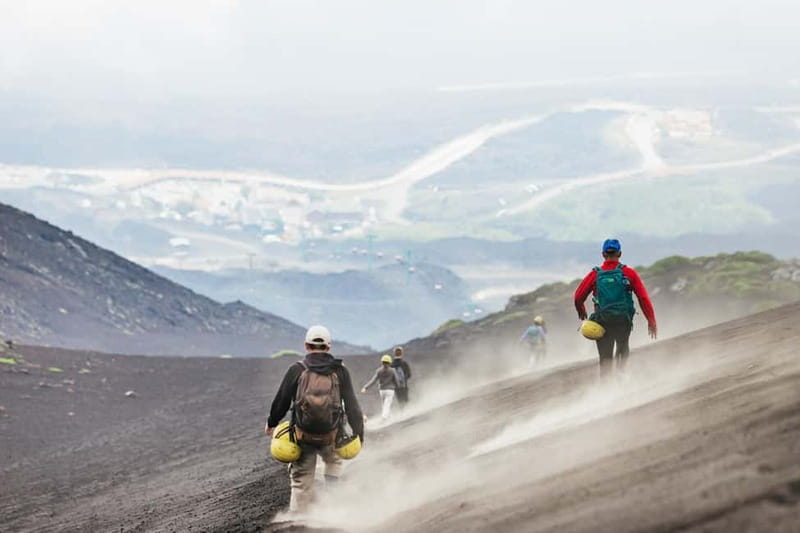
- 3,000-meter summit focus: You’re not just sightseeing from below. You’re hiking up to the crater zone.
- Cable car time-saver: A quick ride cuts the climb and boosts your chances of clearer views.
- Volcanologist-led meaning: Explanations are tied to what you’re stepping on, not generic facts.
- 2001 Crater stop: You’ll pause at a crater that still fumes around 2,700 meters.
- Gear included, ash-aware rules: Helmets and poles are provided, and you’re told not to use contact lenses.
- Pace managed for mixed groups: Guides like Luca and Manuel are repeatedly praised for keeping people together.
Mount Etna’s summit hike is all about altitude and context
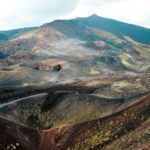
Mount Etna isn’t just impressive in pictures. Standing near its summit craters changes how the whole island feels. The air gets sharper, the ground turns weirdly textured, and you start realizing you’re not visiting a monument—you’re visiting an active system.
What makes this trek worthwhile is the combination of scale and interpretation. Yes, you’ll work your way to the top area. But you’re also there with a volcanologist guide who helps you connect what you see (ash layers, old vs. newer lava paths, active venting) to how Etna behaves. That “oh, that makes sense” feeling is what upgrades the trip from hike-for-photos to something you’ll remember and talk about.
You’ll also get a built-in rhythm: ascend, hike in the crater zone, pause for key viewpoints, then descend. It’s a long day, but it’s structured to keep you from wandering around lost at the edge of a dangerous place.
You can also read our reviews of more guided tours in Catania
Starting at La Terrazza Dell’Etna: where the day gets real
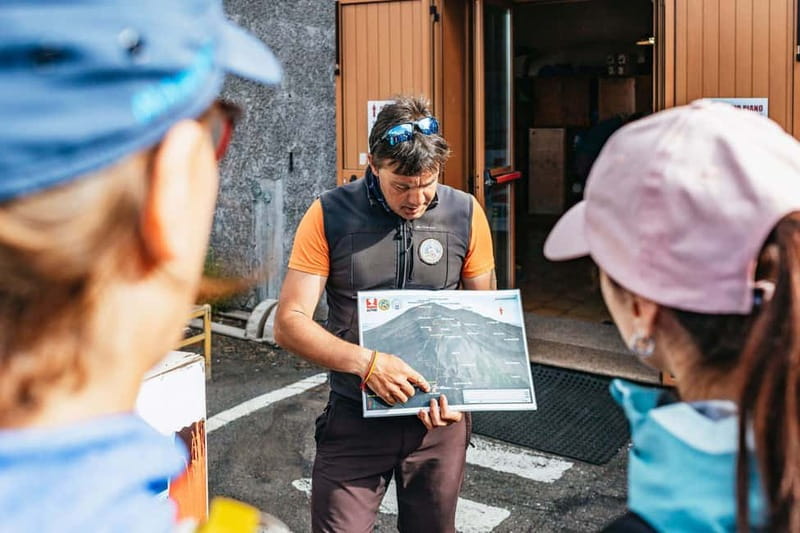
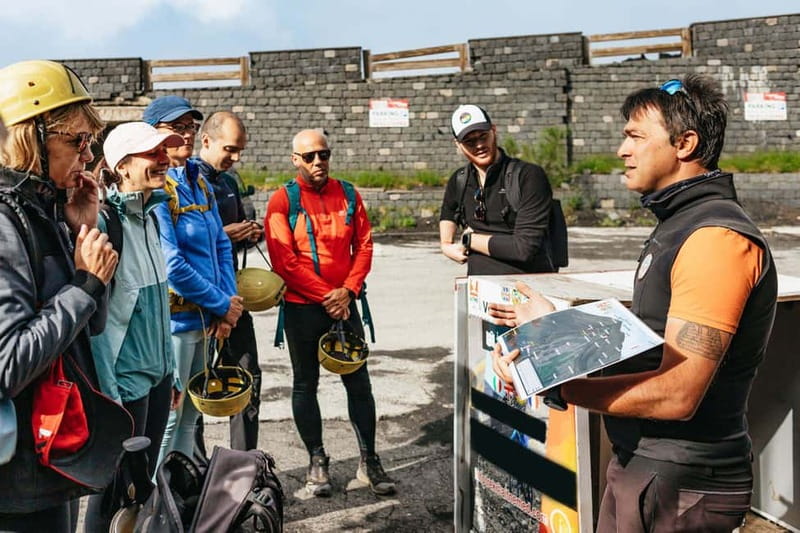
Your tour starts at La Terrazza Dell’Etna. This is one of those meeting points where you feel the day will move quickly—there’s briefing time, then you’re getting geared up and heading toward the cable car.
Here’s what I like about starting with a briefing. It sets expectations for what the terrain will feel like and how the guide wants you to handle exposed sections. It also helps you understand why the tour is strict about footing and gear. This isn’t a casual stroll, and the briefing makes that clear without being scary.
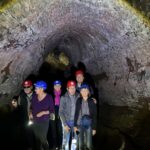
Even before you reach altitude, you’ll get the right preparation: you’re provided with helmets and trekking poles, which is huge for confidence on rough ground. If you tend to get nervous on rocky descents, this is the kind of tour that reduces that stress because you’re not improvising gear or technique.
The cable car ride to 2,500 meters: the smart setup for the hike
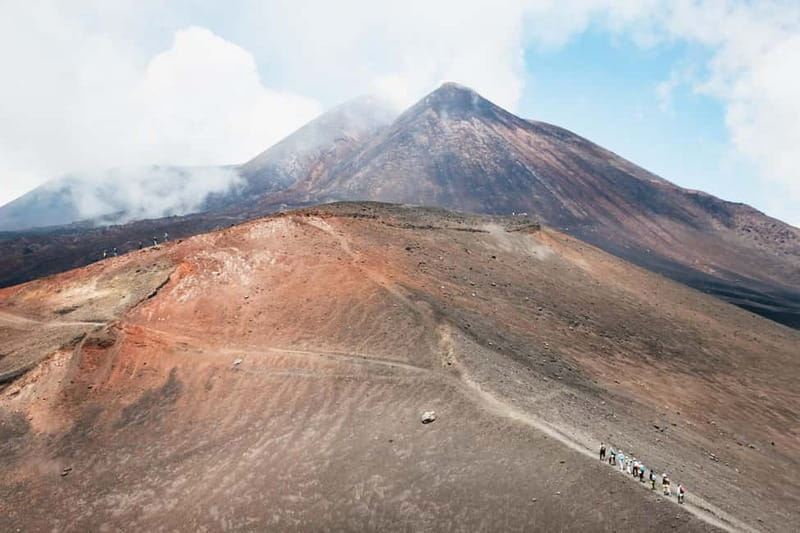
A cable car ride takes you up to about 2,500 meters. It’s roughly a 20-minute segment, and it matters more than it sounds. In plain terms, it helps you spend your energy where it counts: on the summit crater hike rather than a long grind just to gain altitude.
Once you step out, you’ll be in a different world—windier, higher, and more dramatic. This is where volcanic terrain starts doing its thing: loose ash, uneven rock, and the occasional sense that the ground is still changing under you. The guide helps you keep moving safely across surfaces that may not look like a neat trail.
The cable car also makes the day more resilient. If you arrive already tired, you can still finish with enough energy to enjoy the craters once you’re up there. And if weather shifts later, the structure of the day keeps you from feeling like you spent the whole day traveling.
Hiking toward the 3,000-meter summit craters: how the day is paced
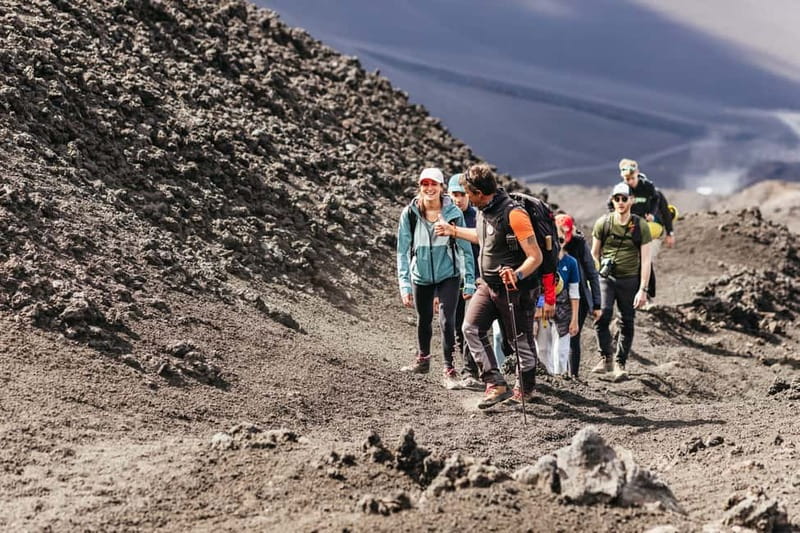
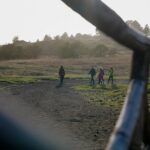
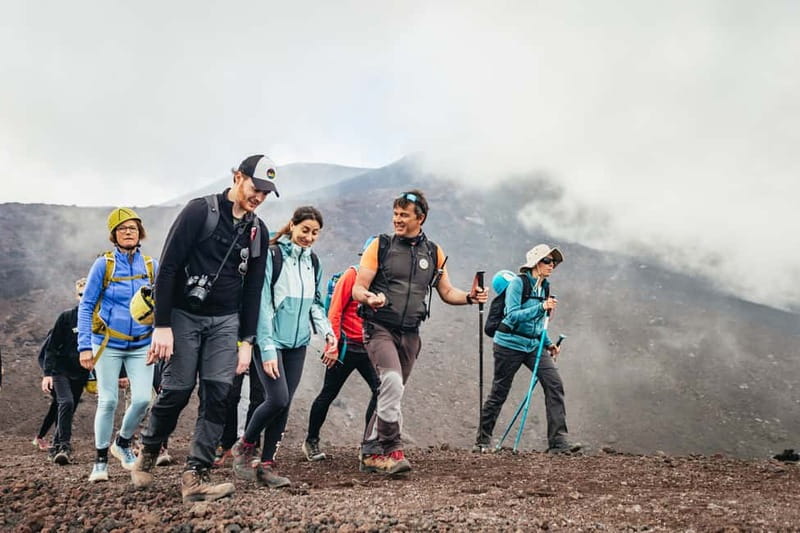
From the cable car stop, the itinerary turns into real hiking. You’ll spend about 2 hours moving toward the summit area (around 3,000 meters), then continue with another 1.5 hours of crater-zone walking before you start the descent rhythm.
This is why the tour asks for medium physical training. You’re walking over sand-and-rock type ground and you may encounter exposed sections. It’s not described as a scramble requiring special climbing skills, but you do need to be comfortable walking on uneven surfaces. Some parts of the path may be exposed, and that’s where trekking poles become more than a “nice to have.”
One thing I appreciate is that the guide’s job is not just giving facts. They’re also watching pace and footing so the group stays together. Guides like Luca and Manuel show up again and again in positive feedback for exactly this: patient pace-setting, humor, and practical adjustments when the conditions turn tricky.
Also, keep in mind that altitude makes everything feel more demanding. Even if you’re in decent shape at sea level, you’ll likely work a bit harder at elevation. That’s normal. The key is steady steps and trusting the route.
2001 Crater at 2,700 meters: where the volcano talks back
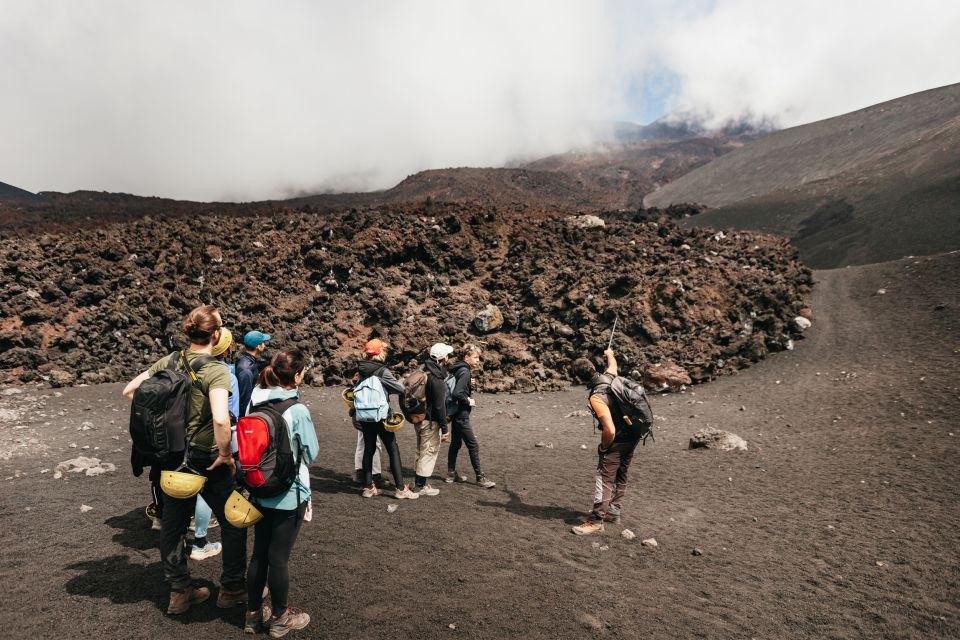
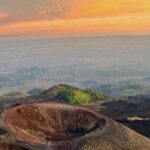
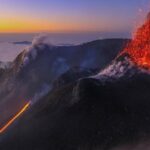
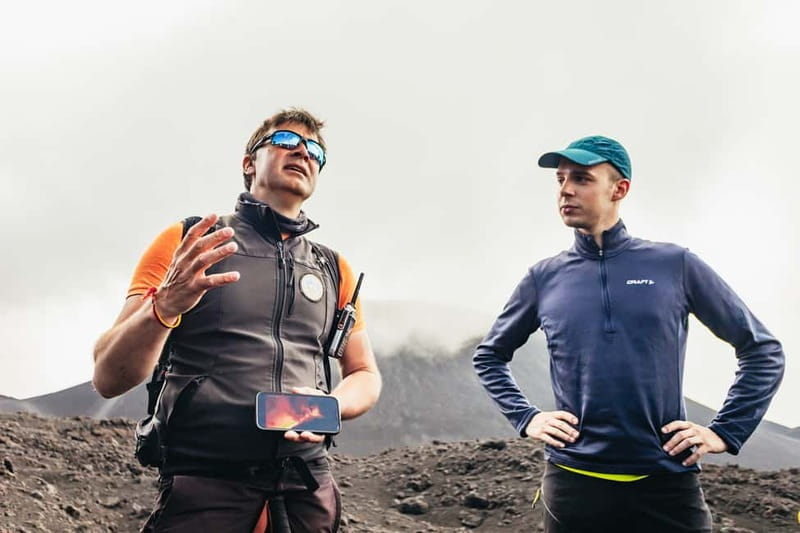
At around 2,700 meters, you stop at the impressive 2001 Crater. This crater still fumes, so it’s not just a “look at a feature” moment. It’s a reminder that Etna is active now, not frozen in the past.
This stop is valuable for two reasons. First, it gives you a clear target on the descent side of the day. You’re not just going downhill to be done—you’re going downhill while still getting something meaningful. Second, it’s a chance to connect the guide’s science to the real thing you’re seeing. When the fumes drift and the guide explains what that means, it lands differently than reading it later.
It’s also smart to come prepared for wind and gases. Even the best day can involve sudden shifts in airflow. A face covering can help, especially if fumes blow your direction. Warm layers matter too, since higher elevation wind can make the “warm enough” clothing suddenly feel insufficient.
You can also read our reviews of more hiking tours in Catania
Descend to 2,500 meters and the lunch reset
After reaching the summit-crater base area, the tour shifts into descent. You’ll head back down toward 2,500 meters, and you’ll have a break on the way for lunch.
Lunch is not included, so you’ll want to plan a packed meal. The tour info also suggests bringing extra snacks and a backpack with enough capacity for layers and water. You’ll feel better if you don’t rely on buying something halfway through—high-altitude days are not the place to run out of momentum.
This lunch break matters beyond food. It’s also when you can reset your thinking and check your gear: water level, wind protection, and whether you need to swap layers. If you’re the type who gets chilly fast, use this moment. If you’re sweating, loosen layers before you get cold again.
What you’re really paying for: the value math
The listed price is about $113.29 per person, with a 6-hour day. That’s not “cheap,” but it often lands in the right category for a volcano summit experience when you consider what’s included.
From the tour details, you get:
- a guide
- helmets
- trekking poles
- insurance
- the cable car segment as part of the day, but…
Here’s the key practical note: the information you’re given says the cable car ticket costs about 50 EUR and is paid on site. So even if you see the cable car mentioned in one section, plan for that on-the-day payment to avoid surprises.
Value-wise, I think the real deal is the guide plus the ash-aware safety approach. A summit trek without local guidance can turn into guessing: where to step, how to manage wind and fumes, and how to handle the exposed terrain. This tour bakes that decision-making into the price.
Also, you get skip-the-ticket-line style advantages mentioned in the tour description. On a volcano day, saving time at checkpoints can be the difference between a smoother experience and a late start.
Gear, clothing, and ash rules that actually matter
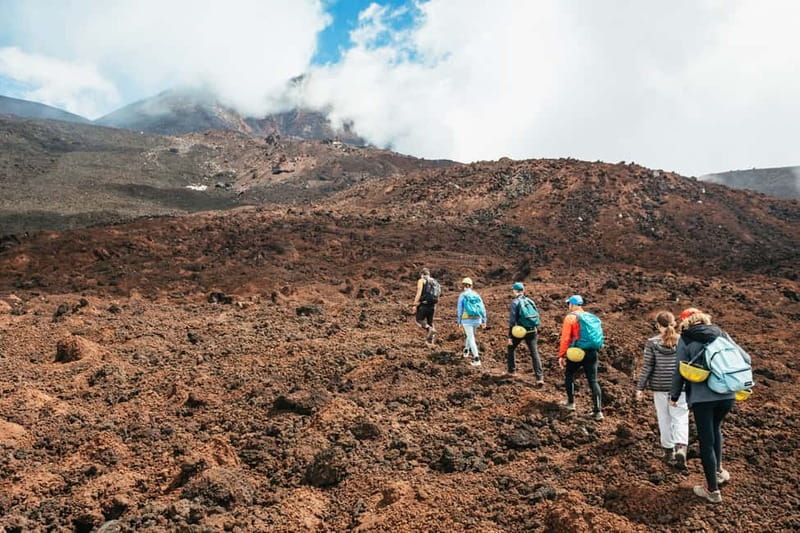
The tour’s packing advice is solid because it matches what you’ll likely feel up high: wind, colder temps, and volcanic ash in the air.
You should bring:
- hiking shoes
- sunglasses
- sunscreen
- warm clothing
- an extra T-shirt, long trousers, pullover/anorak, and gloves (recommended)
- a hat (recommended)
- a 10 to 20-liter backpack
- at least 1.5 liters of water
- a snack and packed lunch
Two details I’d treat as non-negotiable:
- Contact lenses are forbidden due to volcanic ash spread by wind.
- Wear trekking boots with high socks. Rock and pebbles can work their way in when socks are too low.
If you’re someone who hates cold hands, bring gloves. If you hate face irritation, consider bringing a face covering for times when gases or wind blow your way. And if you’re prone to vertigo or get panicky when you can see drops, take that seriously. This isn’t the kind of environment where you can “push through” comfortably.
Weather and volcanic risk: the day can change, and that’s part of the deal
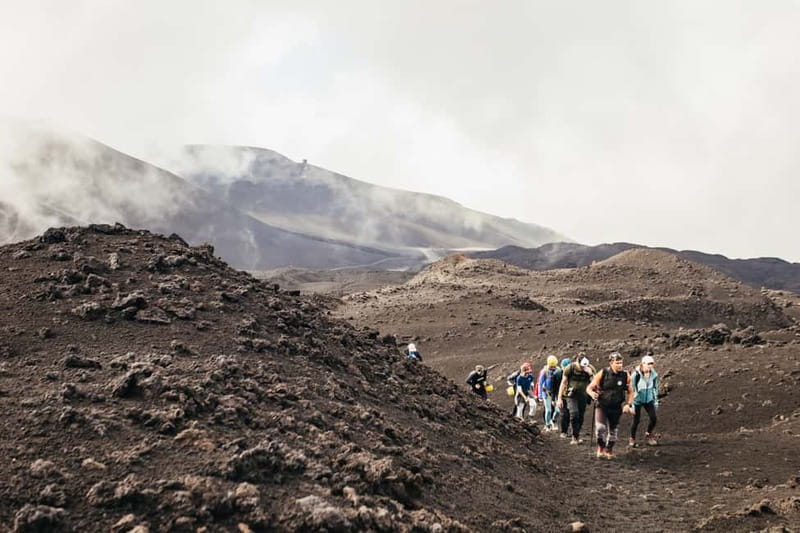
One of the most important things to understand is that schedules can be interrupted or changed at the guide’s discretion. That can happen for weather, environmental causes, or volcanic risks.
This isn’t a failure of planning. It’s the reality of dealing with an active volcano. The best tours handle that responsibly: safer routes, adjusted timing, and decisions made on the ground rather than forcing the same plan no matter what.
In a few cases, people have reported route changes to a different side of Etna with an added cost (one example mentioned an extra 20 EUR). If that happens to you, don’t panic. The key is to follow the guide’s instructions and focus on what the day is offering rather than what you expected on paper.
Your part is simple: dress for wind and cold, pack water, and stay flexible.
Who this trek suits best (and who should skip it)
This tour is described as suitable for those with medium physical training who are accustomed to walking on sand and rock when there are no perfect trails. Some sections are exposed, so you need confidence on your feet.
It’s not suitable for:
- children under 10
- pregnant women
- people with mobility impairments
- people with heart problems
- people with vertigo
- people with respiratory issues
If you fall into any of those categories, it’s worth choosing a different Etna experience that matches your needs better. The summit area isn’t the place to test comfort limits.
On the flip side, if you like structured hikes, want real geology explanations, and enjoy the kind of day where you come home tired but satisfied, this is a strong fit. It’s also a good match if you’re the type who wants more than a quick viewpoint. You’ll actually walk through the volcanic setting.
Should you book this guided 3,000-meter Etna summit trek?
I’d book it if you want a summit-focused day with the right safety support and a guide who helps you understand what you’re seeing. The combination of climbing high, hitting key crater points (including the 2001 Crater), and learning from a volcanologist is exactly the kind of experience that feels worth the effort.
I wouldn’t book it if you dislike exposed terrain, get queasy with heights, or have respiratory issues. Also skip it if you’re not comfortable with medium exertion at altitude.
And if you’re deciding between “just see Etna” versus “do the summit hike,” pick the hike—with the right expectations. You’re not going for an easy walk. You’re going for a day that feels like standing inside an active landscape of lava, ash, and shifting vents, with a guide translating it into something you can actually grasp.
FAQ
FAQ
What’s the meeting point for the Etna summit trek?
You meet at La Terrazza Dell’Etna, and the tour ends back at the same meeting point.
How long is the tour?
The duration is listed as 6 hours.
Is the tour guided, and what languages are offered?
Yes. It includes a live tour guide, available in English and Italian.
What gear is included?
The tour includes a guide, helmets, trekking poles, and insurance.
Do I need to pay for the cable car?
The information provided says the cable car ticket is not included and needs to be paid on site (listed as 50 EUR).
Is lunch included?
Lunch is not included, but you’ll have a lunch break during the descent.
What fitness level do I need?
It’s suitable for people with medium physical training who are accustomed to walking on sand and rock when there are no trails. Some parts may be exposed.
What should I bring?
Bring hiking shoes, sunglasses, sunscreen, warm clothing, and a 10 to 20-liter backpack with at least 1.5 liters of water, a snack, and a packed lunch. An extra T-shirt, long trousers, pullover/anorak, gloves, and a hat are recommended.
Are contact lenses allowed?
No. The use of contact lenses is forbidden due to volcanic ash spread by wind.
Who is this tour not suitable for?
It’s not suitable for children under 10, pregnant women, people with mobility impairments, people with heart problems, people with vertigo, or people with respiratory issues.
If you want, tell me your travel dates and fitness level, and I’ll help you judge whether this 3,000-meter plan fits your pace and what weather layer strategy makes the most sense.