REVIEW · CATANIA
Trekking at 3000 meters on Etna
Book on GetYourGuide →Operated by ETNA QUAD E TREKKING · Bookable on GetYourGuide
Etna craters at 3000 meters feel unreal. I love how this excursion mixes volcanology talk with real footing on fresh lava, so you understand what you are walking on. The guides keep things moving and clear, and in past groups they have included pros like Giuseppe and Antonio, who adapt the pace without losing momentum.
My second favorite part is the route itself: hiking toward the 2002 area, then reaching the 2700 m zone and getting close to the 2002 crater features and summit craters. The big drawback to plan for is simple: it can be moderately exhausting, and the altitude plus wind means you need solid fitness and the right clothing.
In This Review
- Key moments you’ll remember
- From Bar Ristorante Crateri Silvestri to the Etna start zone
- Riding up: 1900 to 2500 meters by Etna cable car
- Hiking north-west over 2002 lava flows
- Entering the effusive crater of 2002 near 2700 m
- Walking inside a lava flow channel
- The explosive crater edge and summit craters up close
- Belvedere, Valle del Bove, and the long viewpoint effect
- Laghetto crater cone and the smooth cable car finish
- Gear that actually helps on Etna (not just for show)
- Why the guides make or break the experience
- Price and value: $59 plus the €52 cable car ticket
- Who this 3000 m Etna hike is for
- Should you book the Etna Craters Excursion 3000 meters?
- FAQ
- How long is the excursion?
- How do you get to the higher starting point on Etna?
- Is the cable car ticket included in the price?
- What is included with the excursion price?
- What languages are the guides?
- Where is the meeting point?
- What should I wear or bring?
- Who is this excursion not suitable for?
Key moments you’ll remember
- Cable car lift to 2500 m before you even start hiking
- Guided trekking on 2002 lava flows, with clear volcanology explanations
- A climb into the 2002 effusive crater area, around 2700 m
- Walking inside a lava flow channel created during the 2002 eruption
- Edge views of 2002 explosive craters on Etna’s southern slope
- Big panoramas over the Belvedere and Valle del Bove caldera area
From Bar Ristorante Crateri Silvestri to the Etna start zone
You meet at Bar Ristorante Crateri Silvestri, and you’ll want to go inside to find the group right away. This matters more than you’d think, because the day runs on a tight rhythm: cable car timing, safety briefing, and gear checks all come first. If you arrive late, you lose the start energy and the crew may not have slack.
Once you’re grouped up, you get a guided hike format with a safety briefing and time for scenic stops along the way up. It’s not just about walking. Etna is active and changeable, so the guide’s job is to keep you oriented and safe while still letting you enjoy the view.
You can also read our reviews of more hiking tours in Catania
Riding up: 1900 to 2500 meters by Etna cable car
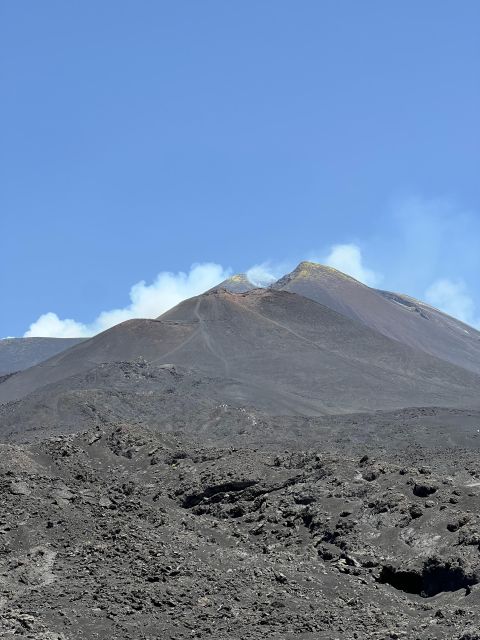
The excursion begins with the Etna cable car. You go from about 1900 m up to 2500 m, which instantly changes the whole feel of the day. Instead of spending the morning gaining every meter on foot, you start the trek already near the summit zone.
Why I think this is good value: it reduces fatigue early, and it helps you enjoy the crater walking more fully. You’re still hiking in altitude conditions, but you’re not burning your legs on the hardest grind before you even reach the lava terrain.
At 2500 m, you also get your first lesson in Etna’s mood: cold wind can show up fast, and the air feels thinner. If you tend to feel chilled, pack your gear with that in mind. Even on a clear day, weather on Etna can shift quickly.
Hiking north-west over 2002 lava flows
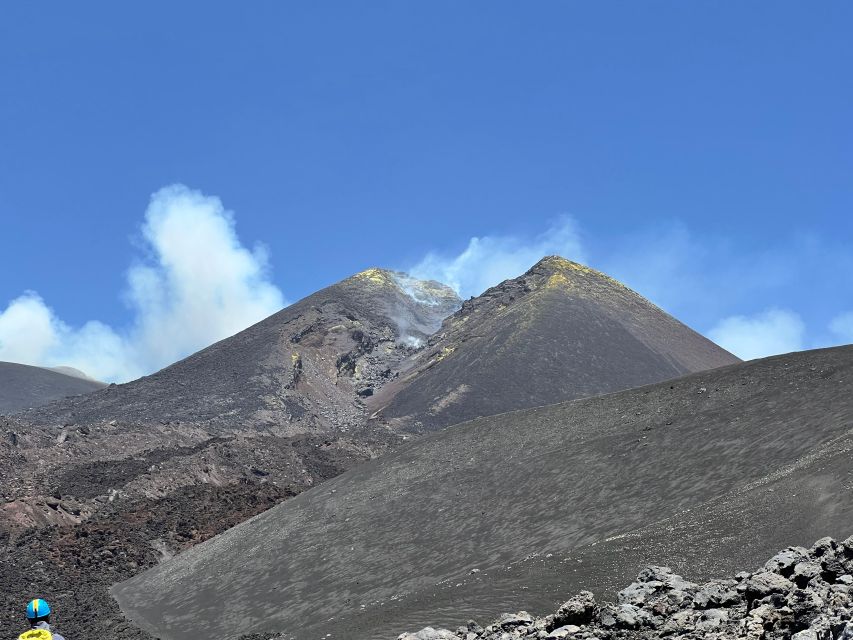
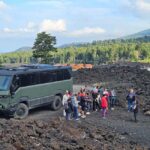
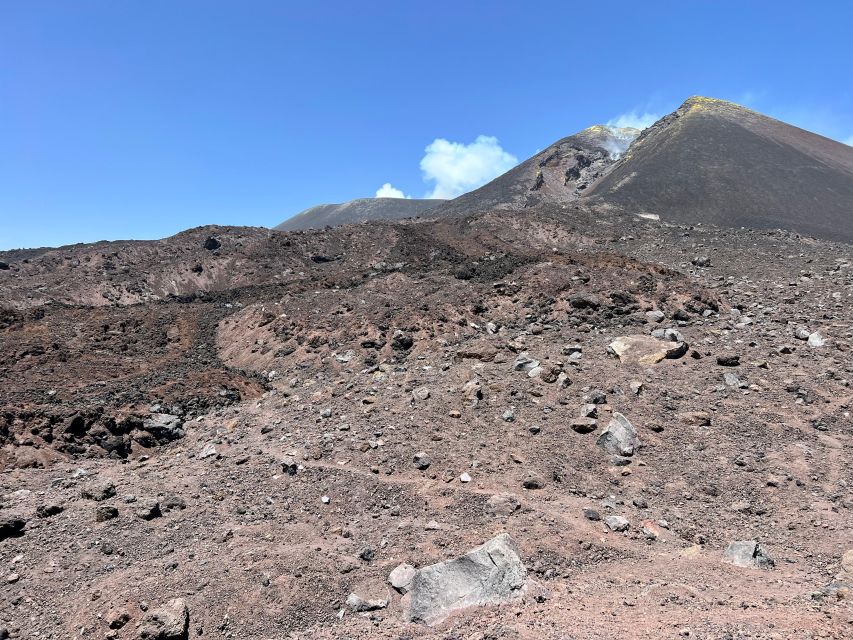
From the 2500 m area, the hike heads north-west across lava erupted during the 2002 eruption. This is one of the main reasons this trip is so special. Etna is famous for big spectacle, but here you’re seeing the texture and layout of a specific event.
Walking on recent lava flows has a distinct feel. The ground may look like solid ground from a distance, but up close it can be uneven and sharp-edged in spots. Your guide’s route choice matters, and trekking poles help a lot with stability on sloped, irregular surfaces.
As you climb, you’ll reach around 2700 m, where the scenery starts to shift from open volcanic terrain into more crater-focused features. Expect stops for short explanations and for the group to catch breath.
Entering the effusive crater of 2002 near 2700 m
At around 2700 m, you enter the effusive crater of 2002. “Effusive” sounds technical, but the practical takeaway is simple: this is where you can better understand how lava spread and flowed rather than exploding into ash. Your guide will connect the geology to what you can see in front of you.
This section is where you feel the altitude most. Not because it is the longest stretch, but because your body registers the elevation once the terrain turns into crater terrain. Pace becomes the whole game. The guides in past groups have been praised for adjusting tempo so everyone makes it to the key points, including examples like Giuseppe doing exactly that.
If you’re unsure about your fitness, this is where you should slow down early. You’ll get more out of the experience if you arrive steady and alert instead of breathing hard and staring at your feet the whole time.
Walking inside a lava flow channel
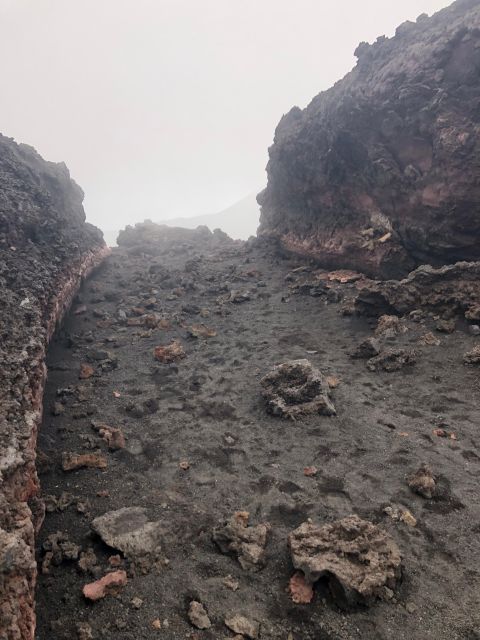
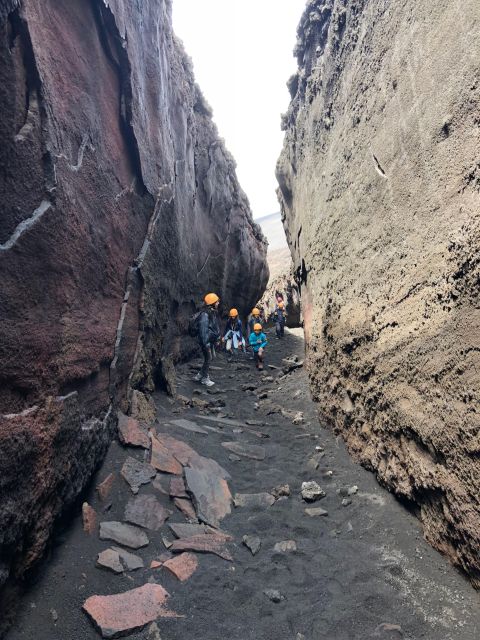
A standout moment: at this stage you walk inside a lava flow channel created during the 2002 eruption. This is not the usual “stand and look” volcano tour. You’re moving through a shape that lava literally carved.
What makes it memorable is scale and form. In a channel, you get a sense of direction and flow. You see how walls and edges guide movement, and you feel how the eruption’s energy translated into a physical pathway.
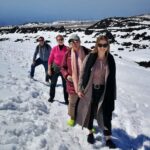
This is also where safety gear earns its keep. You’ll be wearing a protective helmet and using poles. Even if the route isn’t a boulder field, it’s still volcanic ground, and a helmet is a smart, low-effort upgrade. The windbreaker also matters here, because crater areas can funnel air.
Afterward, there’s a short break. Don’t rush the pause. Take water, check your footing, and let your breathing settle. It’s a small thing, but it keeps the rest of the climb enjoyable.
The explosive crater edge and summit craters up close
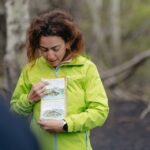
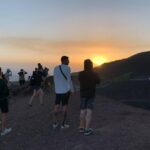
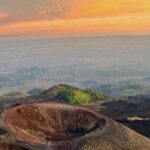
Next comes the climb to the highest point of the explosive craters formed in 2002 on Etna’s southern slope. This is the big “look around” zone, but it stays grounded in walking.
You can move along the crater edge and admire the summit craters up close, including the latest lava flows visible from that vantage. This is a different kind of intimacy than a viewpoint over a city. Here, the view comes from being part of the volcanic system’s terrain.
The guide’s explanations make this section click. Based on past experiences with guides like Edo and Mario, the best part is often not just where to look, but what to look for: how eruption types create different surfaces, and why some areas feel more active even when nothing is erupting at the moment.
If the weather is good, this is where you’ll want to take a slow lap. Stand for a minute, turn in place, and watch how the crater outlines shift as your perspective changes.
Belvedere, Valle del Bove, and the long viewpoint effect
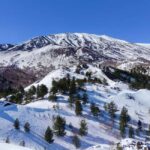
After the crater-edge part, the route continues through “lunar” style volcanic terrain toward an overlook of the Belvedere della Valle del Bove. This is an area tied to ancient eruptive centers, and it’s one of the stops that turns your earlier geology understanding into context.
Why this viewpoint matters: Etna is not one eruption. It’s a system built over time. When you look over the caldera area, you start seeing how one eruption fits into a bigger story of collapse zones, pathways, and repeated activity.
This is also where wind can be more noticeable. You might be standing still while the air does its thing. Keep your scarf and gloves handy, even if the morning felt mild.
Laghetto crater cone and the smooth cable car finish
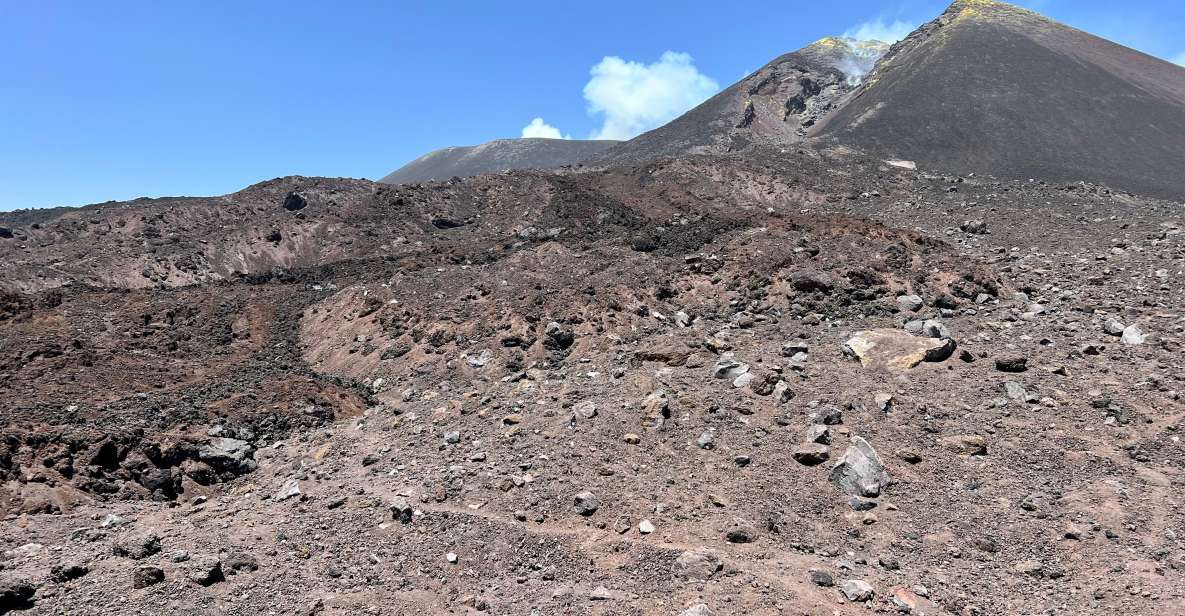
The final approach skirts the imposing eruptive cone of the Laghetto Crater, born with the 2001 eruption. It’s a nice contrast to the 2002 focus earlier in the day. You’ll still be hiking in volcanic terrain, but now you’re connecting events across different years.
Then you reach the cable car terminal for the comfortable ride back to the starting area. This is the part where you feel the day’s rhythm: from active climbing and crater walking into a gentle descent that lets you reset.
It’s a good way to end. You’re not stuck doing the toughest downhills on volcanic ground. You still feel the altitude effects after, but your legs get a break.
Gear that actually helps on Etna (not just for show)
This excursion includes practical gear: hiking shoes with high collar, new socks, a windbreaker, trekking poles, and a protective helmet. That combination is there for a reason.
- High-collar shoes help with ankle support when the ground is uneven.
- Poles reduce strain on steeper parts and improve balance on volcanic rocks.
- Helmet is smart in crater terrain where your footing can be unpredictable.
- Windbreaker is essential. Even when the sun shows up, Etna wind can cut fast.
You still should bring the extras the operator recommends: long pants, a cap, gloves, sunglasses, protective creams, and a scarf. Sunscreen is easy to forget at altitude, but UV can be intense, and volcanic terrain reflects light.
If you’re the type who gets cold, don’t wait until you’re freezing to layer up. A light top and a scarf can make the difference between enjoying the crater edge and feeling annoyed by the wind.
Why the guides make or break the experience
This kind of hike lives or dies by the guide. You’re walking on volcanic ground that looks strange until someone explains it. On this excursion, the guidance is volcanological and alpine-focused, and it’s offered in English and Italian.
Past participants have highlighted guides like Giuseppe, who adjusted tempo so everyone reached the summit point happy. They also praised Antonio for being welcoming and passionate, with lots of learning along the way. Edo got credit for interesting facts about the volcano, while Mario was described as friendly and professional.
That mix tells you what to expect in practice: you’ll get more than directions. You’ll get interpretation. And when you’re standing near explosive crater edges and looking into summit craters, interpretation is what turns the hike into a story you can tell later.
Price and value: $59 plus the €52 cable car ticket
The listed price is $59 per person, and that covers the guide service plus the hike-support gear. The big line item you need to plan for is the return cable car ticket, which costs €52.00 and is not included.
So the real budget is closer to:
- $59 for the guided excursion and included gear
- plus €52 for the cable car ride
That may sound steep until you compare what you get. The cost is not just “someone walks with you.” You’re getting equipment for safety and comfort, and you’re paying for trained volcanology/alpine guidance at altitude. The cable car is a major part of how the route reaches 3000 m without turning into an all-day leg marathon.
Also, there’s a small practical perk: 20% discount on sandwiches, snacks, and drinks. It won’t turn the day cheap, but it helps if you plan to refuel on-site.
If you want value, treat this as a guided geology walk plus equipment. If you only care about a quick photo stop, you might not get your money’s worth.
Who this 3000 m Etna hike is for
This is best for people with a good fitness level who enjoy hiking at altitude and don’t mind uneven ground. It’s moderately exhausting, so go in with the mindset that you’ll work a little.
It is not suitable for:
- children under 6
- pregnant women
- people with mobility impairments
- people with heart problems
- people with vertigo
- people with respiratory issues
- people with epilepsy
- people with altitude sickness
- people with high blood pressure
- people with low fitness
- people over 95
- people with vertigo or issues that make altitude and terrain unsafe
- visually impaired people
If you have any medical concerns related to altitude or exertion, take the exclusions seriously. This is an active crater environment, not a leisurely walk.
If you’re in the sweet spot—able to hike for hours, comfortable with altitude, and curious about geology—this is exactly the kind of Etna day that feels worth the effort.
Should you book the Etna Craters Excursion 3000 meters?
I’d book it if you want a guided Etna experience that goes beyond viewing from afar. The combination of cable car altitude access, walking across 2002 lava flows, and getting into crater and channel terrain is the heart of the value.
You should skip it if you hate uneven footing, get wind-chill easily, or aren’t comfortable with altitude. Also skip if any of the listed health exclusions apply to you.
If you’re on the fence, do this simple check: can you hike at altitude for a few hours with a moderate effort level and stay steady on rugged ground? If yes, this trip is one of the most memorable ways to experience Etna’s geology up close.
FAQ
How long is the excursion?
The experience is valid for one day, and the guided tour walk/hike portion is listed as about 4 hours.
How do you get to the higher starting point on Etna?
You use the Etna cable car first, going from about 1900 meters up to about 2500 meters.
Is the cable car ticket included in the price?
No. The return cable car ticket is not included, and it costs €52.00.
What is included with the excursion price?
Included items are a volcanological or mountain guide service, hiking shoes with high collar, new socks, a windbreaker, trekking poles, and a protective helmet, plus a 20% discount on sandwiches, snacks, and drinks.
What languages are the guides?
The live tour guide is available in English and Italian.
Where is the meeting point?
You meet by entering inside Bar Ristorante Crateri Silvestri.
What should I wear or bring?
Long pants are recommended, plus a cap, gloves, sunglasses, protective creams, and a scarf. The excursion also provides hiking shoes with high collar, new socks, a windbreaker, trekking poles, and a helmet.
Who is this excursion not suitable for?
It’s not suitable for children under 6, pregnant women, people with mobility impairments, heart problems, vertigo, respiratory issues, epilepsy, altitude sickness, high blood pressure, low fitness, people over 95, and visually impaired people.