REVIEW · NOTO ITALY
Noto: Highlights Experience tour Cooking from Farm to Fork
Book on GetYourGuide →Operated by Agrimaccari · Bookable on GetYourGuide
Sicily tastes better when you grow it first. This Noto-area farm-to-fork cooking lesson shines for two reasons: you start with a real garden harvest and you learn how to use leftovers with a zero-waste mindset. The one thing to plan around is that this is hands-on cooking in a working countryside setup, so you’ll want the right shoes and to follow the chef’s food-safety steps closely.
In a private group setting, you cook with a professional chef team led by Rabbi and Giusi, with sessions that can also include Jose as the active cook/host. The mood stays calm and family-friendly, with olive, orange, lemon, vineyard, tomato, and vegetable gardens forming the backdrop for your lesson.
In This Review
- Key Highlights You’ll Care About
- A Working Farm Setting Just Outside Noto
- Meet the Chefs: Rabbi and Giusi (and the Italian-Local Energy)
- Harvest Time: Vegetables and Eggs Before Cooking
- The Cooking Lesson: Handmade Pasta, Ravioli, Cannoli, and Seasonal Dishes
- Zero-Waste Sicily: Turning Leftovers Into Gel, Powder, and Chips
- Apettizers, Lemonade, and the Rhythm of a Real Kitchen
- Lunch: Eat Your Creation at an In-House Restaurant
- What’s Included (So You’re Not Doing Mental Math All Day)
- Price and Value: Is $158.60 a Good Deal?
- Who Should Book This Noto Farm-to-Fork Class?
- Should You Book This Farm-to-Fork Cooking Lesson?
- FAQ
- How long is the cooking experience?
- Where is this cooking lesson located?
- Do I need any cooking experience?
- What languages are the instructors teaching in?
- Is the group private?
- What will I cook and learn?
- Is lunch included?
- Is transportation included?
- Are ingredients and recipes included?
- Is the farm experience wheelchair accessible?
Key Highlights You’ll Care About
- Garden harvest first: pick vegetables and collect eggs before you touch a cutting board
- Zero-waste cooking habits: learn how leftovers become gel, powder, and chips
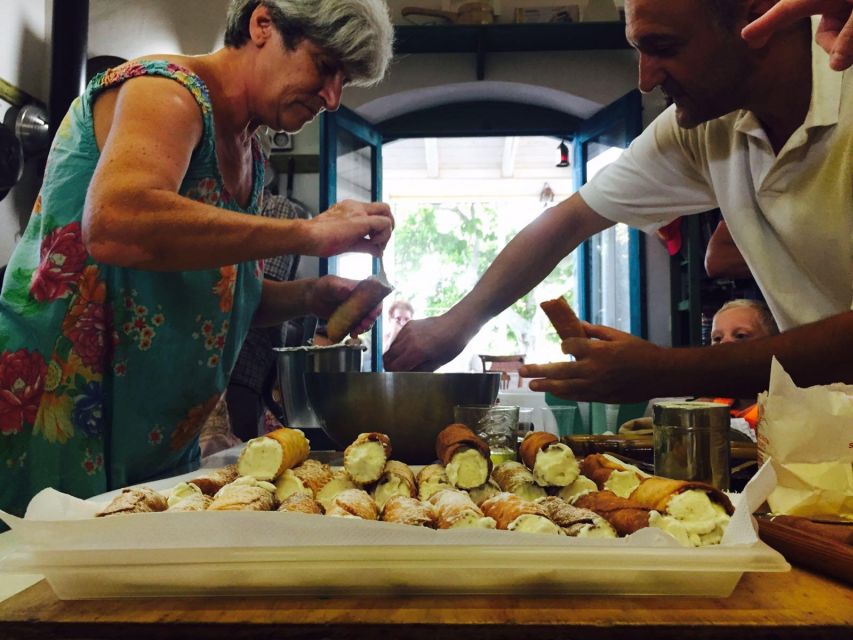
- Hands-on Sicilian classics: handmade pasta plus ravioli, cannoli, and seasonal sweets
- Family-style countryside atmosphere: calm, nature-forward, and welcoming for kids
- You eat what you make: lunch is served at an in-house restaurant with included non-alcoholic drinks
A Working Farm Setting Just Outside Noto
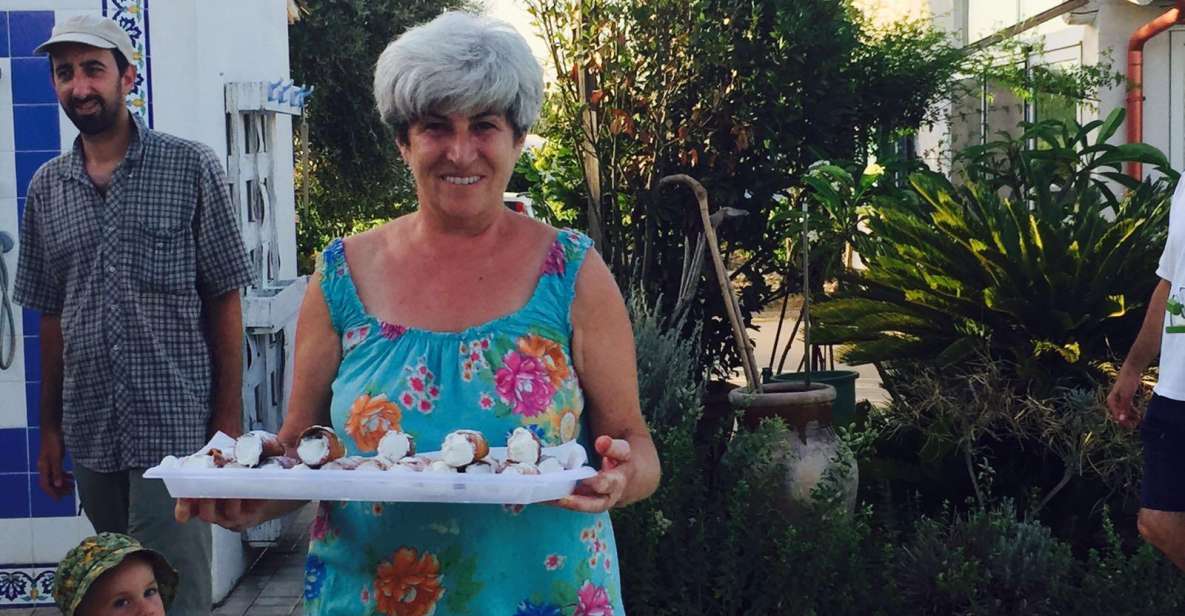
This isn’t a studio class. You’ll be in the Sicilian countryside, surrounded by the kinds of plants that actually show up in Sicilian cooking: olive trees, orange and lemon trees, a vineyard, tomatoes, and a vegetable garden. The point isn’t scenery for show. It’s that the ingredients come from the place you’re standing in.
You’ll also notice the farm feels lived-in. There are animals on the property, and pets are welcomed on request. That matters if you’re traveling with kids or you just prefer experiences that feel human, not staged. The calm setting also makes it easier to focus on the cooking rather than rushing between sights.
One practical note: since this is a working farm, you’ll likely do some walking and standing. Closed shoes are a must, especially if the ground is uneven or damp.
You can also read our reviews of more cooking classes in Noto Italy

Meet the Chefs: Rabbi and Giusi (and the Italian-Local Energy)
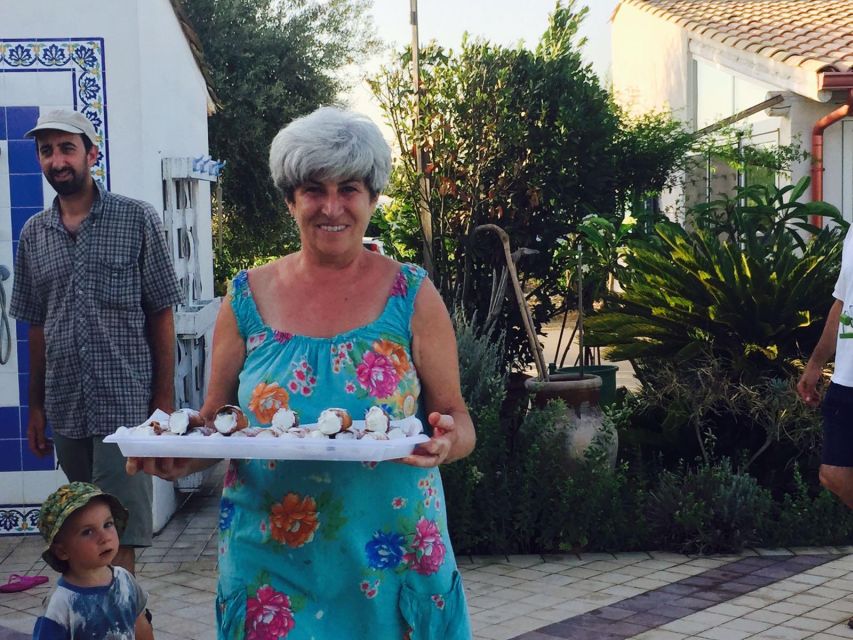
The lesson is taught by professional chefs Rabbi and Giusi, and the teaching focus is clearly on practical technique. The description puts their industry experience at over 20 years, and the vibe in the class is hands-on, not lecture-style.
The language setup is also useful: instruction is available in English and Italian. In a private group format, that’s a big deal because it gives you a chance to ask why something works, not just how to do it.
If you’re the type who loves watching how real professionals think, you’ll appreciate the emphasis on industry “tips and tricks,” especially for speed and organization. One session you might cook with Jose too, depending on the day and who’s running the class, but the core is the same: practical cooking with Sicilian flavor at the center.
Harvest Time: Vegetables and Eggs Before Cooking
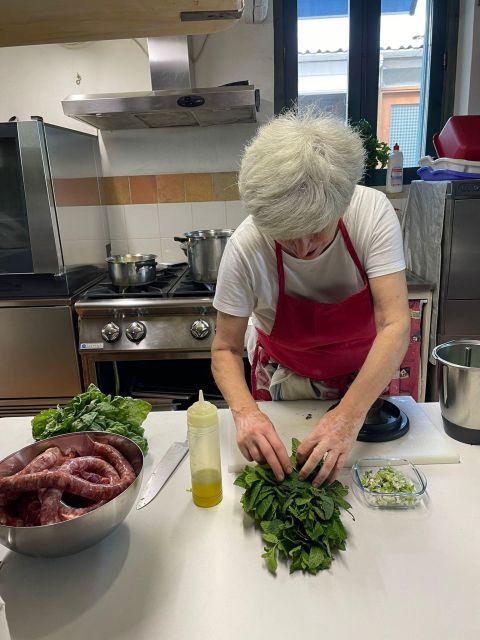
Your experience starts outdoors. After you arrive, you’re brought to the garden, where you’ll harvest vegetables and eggs from the farm for your lesson.
This is more than a fun photo moment. When you pick the ingredients, you start to understand why Sicilian food changes with the seasons. A tomato garden looks different in summer than early spring, and a vegetable bed changes too. That directly affects what you’ll cook later in the kitchen.
It also sets the tone: you’re not just following a recipe you found online. You’re cooking with ingredients that were grown here. That’s the foundation for the rest of the lesson, including the zero-waste part.
If you have kids, this is usually the best segment. They can see where the food comes from and (depending on the kid) go from picking vegetables to wanting to eat them. The tour is even described as recommended for young kids for exactly that reason: helping them fall in love with vegetables and a healthy diet.
The Cooking Lesson: Handmade Pasta, Ravioli, Cannoli, and Seasonal Dishes
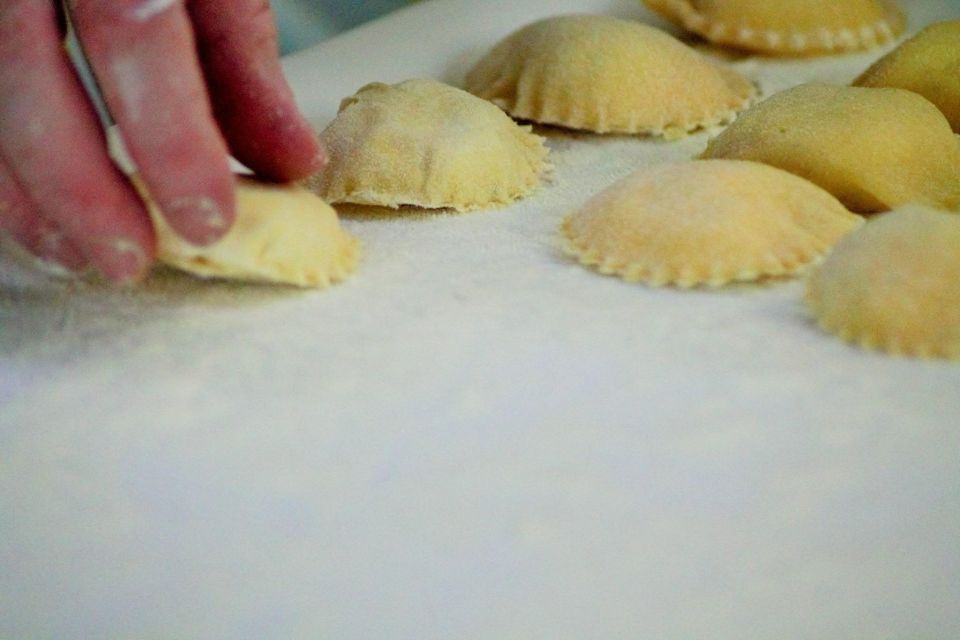
Once the harvest is done, you move to the kitchen and it’s all about classic Sicilian cooking with a “gourmet” presentation twist.
Here’s what you should expect:
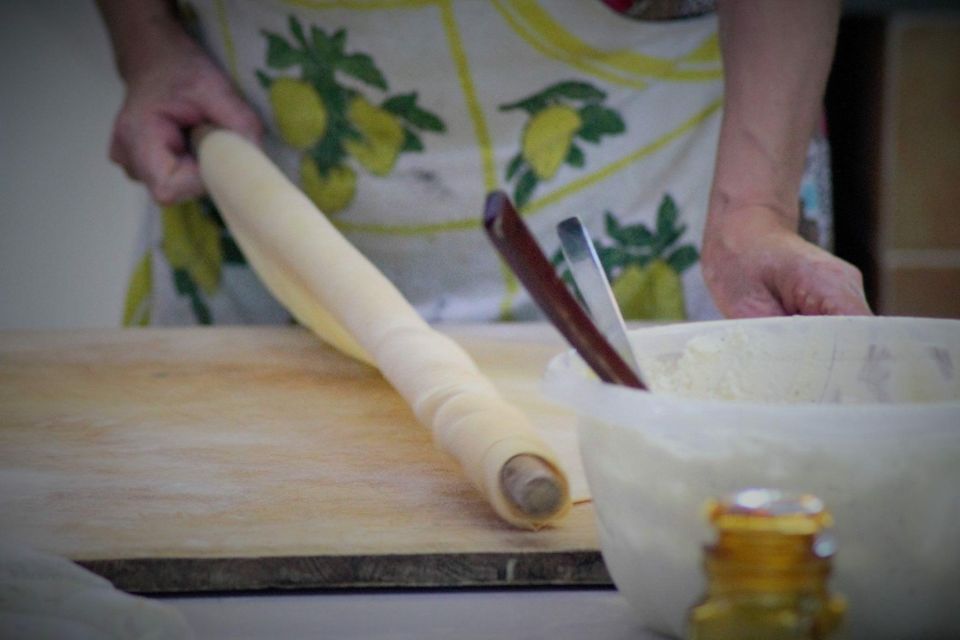
- Handmade pasta instruction in the kitchen
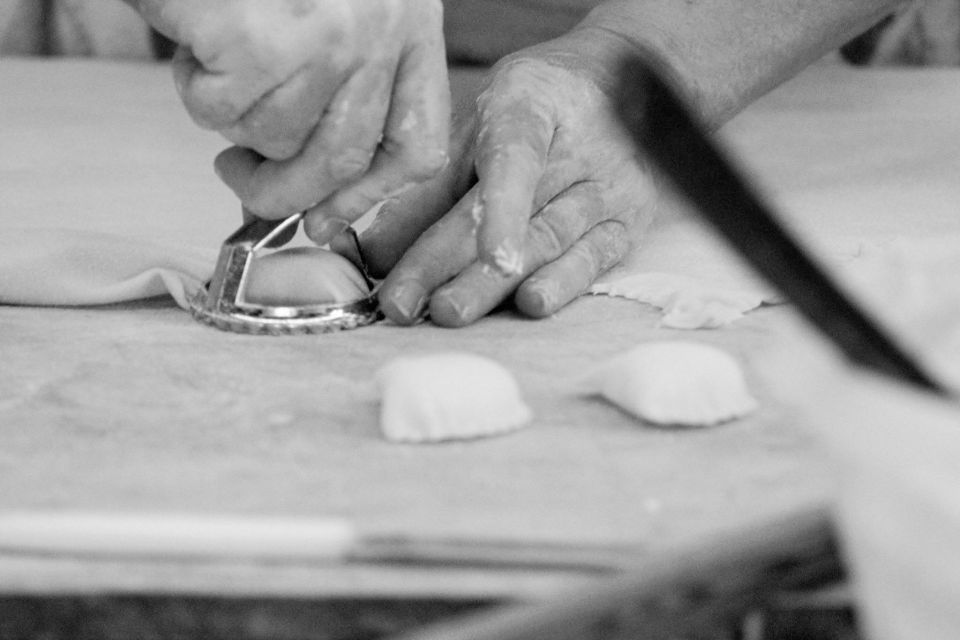
- Learning a pasta path related to ravioli
- Making cannoli or another traditional Sicilian dessert
- Cooking another dish based on the season and what the garden provides
The lesson is timed to be realistic in a 4-hour experience, so you’re not just doing one tiny appetizer and calling it a day. It’s built around a full cooking flow: prep, cooking, finishing, and then sitting down to eat.
Also, because this is a private group, you can often feel the menu adapt to what’s happening in the garden that day. The garden drives the “seasonal” piece, so you’re not just copying a fixed schedule from a brochure.
Zero-Waste Sicily: Turning Leftovers Into Gel, Powder, and Chips
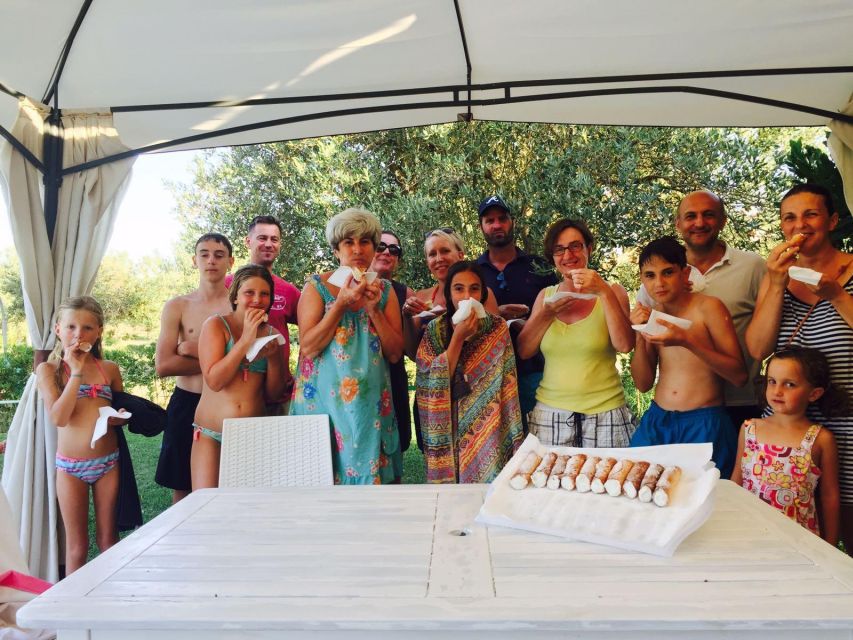
This is one of the biggest reasons the class gets such high marks. The lesson includes a clear sustainability angle and a zero-waste policy.
Instead of treating scraps as garbage, the chefs teach you how to turn leftovers into new textures and flavors. The description calls out specific techniques—leftovers turned into gel, powder, and chips—so you learn a way of thinking that goes beyond “don’t waste food.”
Why this matters to you at home:
- You’ll likely stop throwing away peels, bits of produce, or extra components you’d normally toss
- You’ll learn how gourmet plating can start with simple “reuse,” not extra ingredients
- You’ll pick up timing and workflow so you’re not creating chaos while cooking
One practical consideration: zero-waste cooking can feel a little like learning a new craft, not just a recipe. The good part is the chefs explain it as a system—what to save, how to store or process, and how to use it later—so it still feels doable.




Apettizers, Lemonade, and the Rhythm of a Real Kitchen
While you work, you’ll be served a few appetisers and lemonade. This helps keep energy up during the active prep phase, and it also gives you a chance to slow down for a minute before the main cooking push.
There’s also an emphasis on rhythm: the chefs teach “tricks” to help you optimize cooking times and preparations. That’s a subtle but useful lesson if you cook at home, because the hardest part of learning Italian food isn’t flavor—it’s timing. Pasta, fillings, and desserts often fight each other for your attention.
If you’re cooking with kids, the drink and snack flow can make the experience feel less like a strict class and more like a shared meal process, which is exactly how it’s described: it should feel like you’re cooking in a family setting.
Lunch: Eat Your Creation at an In-House Restaurant
After cooking, you eat the results. Lunch is served in an in-house restaurant, and it includes drinks—at minimum non-alcoholic drinks—with your meal.
There’s also a wine option tied to the farm: you can buy wines from their own vineyard in addition to your lunch. That’s a nice Sicilian touch because vineyards aren’t just background here; they’re part of the whole food story.
This part is genuinely valuable for two reasons:
- You taste the food you made while it’s still within the cooking “logic” the chefs taught you.
- You get the full payoff of the lesson. A lot of cooking classes stop at sampling. Here, your meal is the finish line.
Also, the description states that your lunch includes what you created during the lesson, so it’s not just a separate plated menu waiting for you. You’re the cook, and you get to sit like it.
What’s Included (So You’re Not Doing Mental Math All Day)
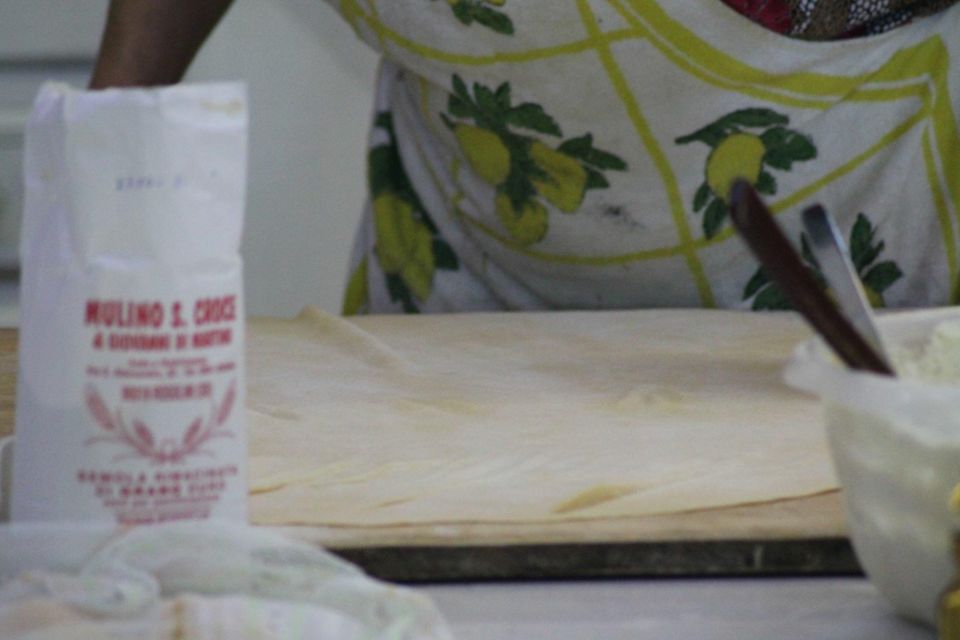
For $158.60 per person, you’re not just paying for instruction. The experience includes:
- All kitchen equipment and ingredients
- Recipes
- Meals cooked during the lesson
- Lunch (served in the in-house restaurant)
- Aprons provided to each attendant
- Non-alcoholic drinks with lunch
What’s not included:
- Transport to and from the location
- Accommodation
- Personal expenses
- Any optional activities outside the cooking lessons
That inclusion list is where the value lives. You’re getting a full farm-to-table arc—harvest, hands-on cooking, and a proper lunch—without needing to bring equipment or ingredients. If you’re already spending time in Sicily, this format can be more satisfying than a food tour that ends with only a few tastes.
Price and Value: Is $158.60 a Good Deal?
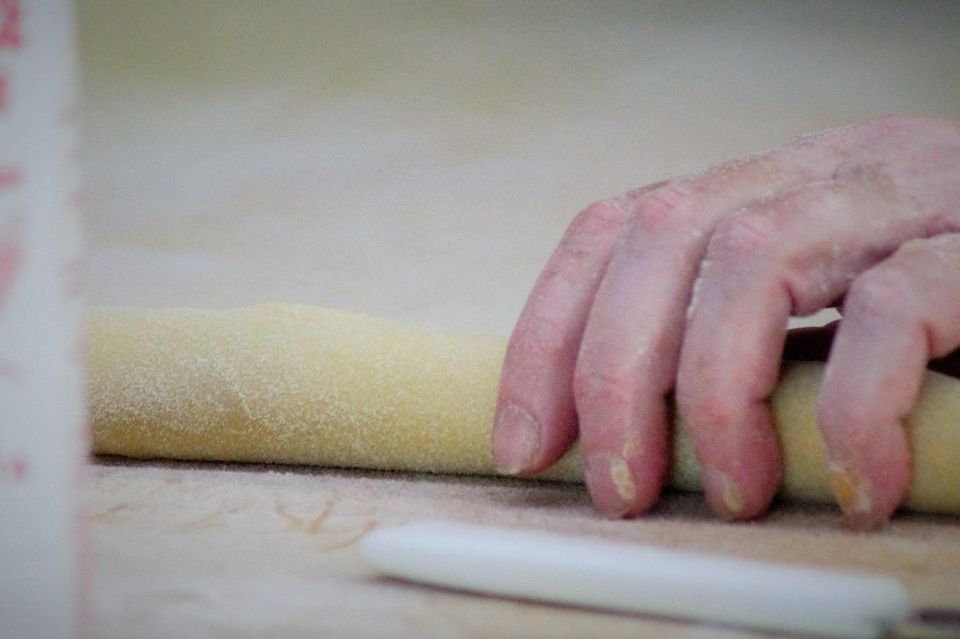
Let’s talk value without hype. At $158.60 per person, you’re paying for:
- a 4-hour, private-group cooking experience
- hands-on instruction with professional chefs
- farm harvest ingredients you use directly
- a full lunch with drinks
Since transport and lodging are extra, your real “all-in” cost depends on where you’re staying. But even with that, you’re getting more than cooking class basics. Many cooking experiences charge heavily for instruction alone, and you end up eating something separate.
Here, you cook and then eat what you made. Add the unique sustainability element—zero waste with leftover transformations—and the farm setting, and the price starts to make sense.
If you’re traveling as a family, the private-group format can also be a time-saver. Instead of wrangling attention in a larger class, you get focused teaching, which is a big deal when kids are involved.
Who Should Book This Noto Farm-to-Fork Class?
This is a strong fit if you want authentic Sicilian flavor in a practical, real-life way.
You’ll especially like it if:
- You want a hands-on Sicilian cooking class and you’re okay getting your hands busy
- You care about sustainability and zero waste and want kitchen skills that carry home
- You’re traveling with kids who might need a nature-based hook to love vegetables
- You want a calm setting away from the stress of big-town sightseeing
- You want a private group experience rather than a crowded demo
It’s also listed as wheelchair accessible, which is a meaningful plus if you need that option.
The main mismatch is if you’re looking for a purely sightseeing-focused day or if you don’t want any farm-adjacent walking or kitchen-rule compliance. This experience is built for active participation.
Should You Book This Farm-to-Fork Cooking Lesson?
If you’re in Sicily and you want one day that turns into a real food skill—not just a memory—this is a great choice. The strongest reasons to book are the combination of garden harvest, professional chef teaching, and a clear zero-waste approach that shows you how to think and cook differently.
Book it when:
- You want a family-friendly day with a natural setting
- You’re excited by handmade pasta and Sicilian sweets like cannoli
- You want to take home practical methods, not just tasting notes
Skip it if:
- You hate hands-on cooking or you prefer only tasting experiences
- You don’t want to do any farm walking and prep tasks
Bottom line: this is the kind of experience where you finish hungry, satisfied, and a little more capable in your own kitchen.
FAQ
How long is the cooking experience?
The experience lasts 4 hours. Starting times vary, so you’ll want to check availability.
Where is this cooking lesson located?
It takes place in Sicily, Italy, in the countryside setting used for the farm-to-fork experience.
Do I need any cooking experience?
No culinary experience is required. The class is designed for learning from scratch.
What languages are the instructors teaching in?
The instruction is available in Italian and English.
Is the group private?
Yes, it’s listed as a private group.
What will I cook and learn?
You’ll learn handmade pasta and work on dishes related to ravioli, cannoli or Sicilian dessert, plus another dish based on the season and what’s available from the garden.
Is lunch included?
Yes. You’ll have lunch served in the in-house restaurant, and drinks are included (non-alcoholic). Wine is available for purchase.
Is transportation included?
No. Transport to and from the location is not included.
Are ingredients and recipes included?
Yes. Ingredients, recipes, kitchen equipment, and meals cooked during the lesson are included, and aprons are provided.
Is the farm experience wheelchair accessible?
Yes, it’s listed as wheelchair accessible.