REVIEW · NOTO ITALY
Noto: Sicilian Baroque Architecture Guided Walking Tour
Book on GetYourGuide →Operated by Italygonia Travel T.O. · Bookable on GetYourGuide
Baroque drama starts right at the gate. This 2-hour walking tour through Noto’s UNESCO-listed Sicilian Baroque gives you a clear route to the city’s big visual moments, from church frescoes to theatrical facades. I love how the walk is built around specific landmarks you can actually recognize as you move—so the architecture sticks. I also like that it’s private-group, so you can ask questions and slow down where you want. One thing to plan for: expect some walking on uneven historic-center streets, plus a staircase with viewpoints—so comfortable shoes really matter.
In This Review
- Key takeaways before you go
- Where this tour shines: Noto’s Sicilian Baroque, made walkable
- Starting at Porta Reale: the route begins with S. Francesco and a grand first climb
- Santa Chiara and its stucco world: where the details really pop
- Piazza del Duomo: Palazzo Ducezio and the staircase to San Nicolò
- Inside San Nicolò Cathedral: honey-colored light and a story of rebuilding
- Via Nicolaci and the Infiorata street tradition: Baroque as living street craft
- Loggia del Mercato: wrought iron, past markets, and cultural events now
- Tina di Lorenzo Theater and the Fountain of Hercules: finishing with neoclassical elegance
- Price and value: what you’re really paying for in a private 2-hour route
- Who should book this tour (and who might prefer something else)
- Should you book the Noto Sicilian Baroque guided walking tour?
- FAQ
- FAQ
- Where does the tour start?
- How long is the walking tour in Noto?
- How much does the tour cost?
- Is the tour private?
- What languages are offered for the guide?
- What are the main sights included?
- Is there an interior visit or is it mostly outside?
- What should I wear or bring?
- Where does the tour end?
- Are there different starting times?
Key takeaways before you go
- Start at Porta Reale to set the tone with the Church of S. Francesco and the nearby Holy Savior convent
- Church interiors are the payoff, especially frescoes and stucco details you’d otherwise miss
- Palazzo Ducezio + San Nicolò Cathedral give you the main “wow” sequence in Piazza del Duomo
- Via Nicolaci and Infiorata street vibes connect the Baroque look to a seasonal tradition
- Palazzo Nicolaci balconies and the Loggia del Mercato show Noto’s theatrical side in limestone and wrought iron
- Tina di Lorenzo Theater and the Hercules Fountain close the loop with neoclassical form and marble statuary
Where this tour shines: Noto’s Sicilian Baroque, made walkable
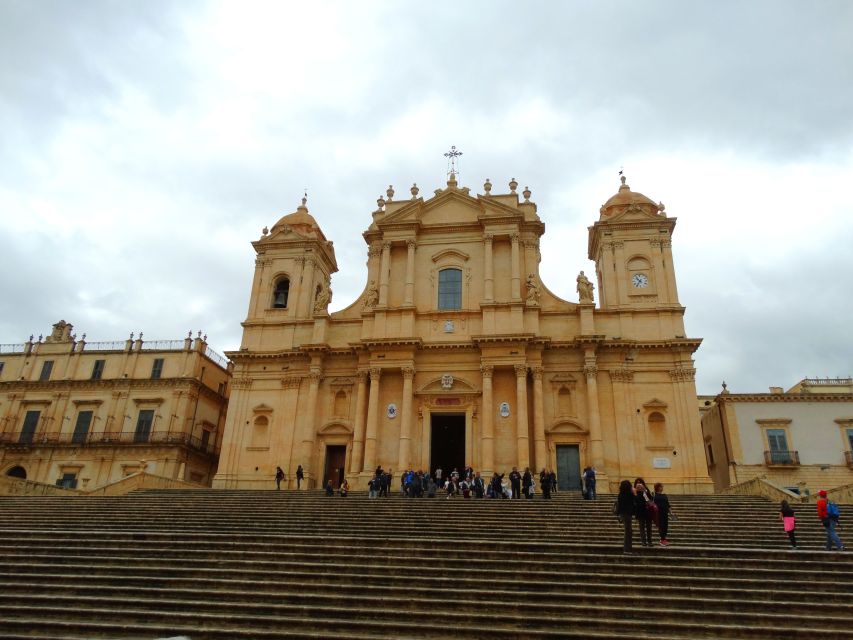
Noto is one of those places where the buildings don’t just decorate the streets—they own them. This tour is smart because it doesn’t treat Baroque as one vague style. It turns it into a route with landmarks that each explain a piece of the story.
You’ll see how Noto’s Baroque language shows up in stairways, carved stone, statues, and interiors that look like they were designed to make you slow down. And because it’s a private group with a licensed guide in Italian or English, you’re not stuck staring at facades without context. You get the why, plus the small details you can look for while you walk.
The price is listed per group (up to 25 people), which is worth thinking about. If you’re traveling with family or friends, this can work out surprisingly good value compared with paying separate individual tours. If you’re going solo, it still may be reasonable if you want a focused two-hour route with direct guidance.
You can also read our reviews of more tours and experiences in Noto Italy.


Starting at Porta Reale: the route begins with S. Francesco and a grand first climb
The tour meets at the Porta Reale or Porta Ferdinandea gate, where your guide has a clearly visible license badge. That matters more than you might think. It’s an easy way to find the correct person quickly in a place where gates and landmarks can blend together.
From there, you start near the Church of St. Francis of Assisi and the nearby Convent of the Holy Savior area. It’s a strong opening because it anchors you in the historic center’s early landmarks before the walk becomes a string of Baroque set pieces.
Then comes the first practical moment: you go up a beautiful staircase to admire one of Noto’s most striking interiors, with frescoes and decorations. This is the kind of stop that pays off even if you’re not a super-architecture person. A good interior view helps you read the city. After that, when you look at facades later, you’ll understand what’s happening inside—because the same style language is doing the work outside too.
If you’re visiting during warmer months, plan for some shade and breaks. The guide experience in the reviews highlights that a good guide will help pace the day so you can keep enjoying it rather than forcing speed.
Santa Chiara and its stucco world: where the details really pop
As the tour moves along, you’ll reach another church stop: the Church of Santa Chiara, next to a former Benedictine monastery. This is one of those visits where the value is in the close-looking.
The emphasis here is on columns embellished with stuccoes, plus statues of the apostles and putti. Those terms can sound intimidating, but in practice, they translate to visual rhythm: layered ornament, religious figures, and small playful details that fill space. You’ll spend more time looking upward and closer than you might on a quick exterior-only stroll.
The reason this stop works in the tour flow is simple: it changes your perspective. Exteriors can feel like postcards. Interiors give you textures—how the light lands, how the decoration is arranged, and why Baroque often feels both dramatic and theatrical.
One drawback to keep in mind: churches mean you’ll want to be respectful and follow any on-site rules, and you may have to deal with crowds depending on the day. If you’re sensitive to indoor crowds, tell your guide early so they can adjust timing.
Piazza del Duomo: Palazzo Ducezio and the staircase to San Nicolò
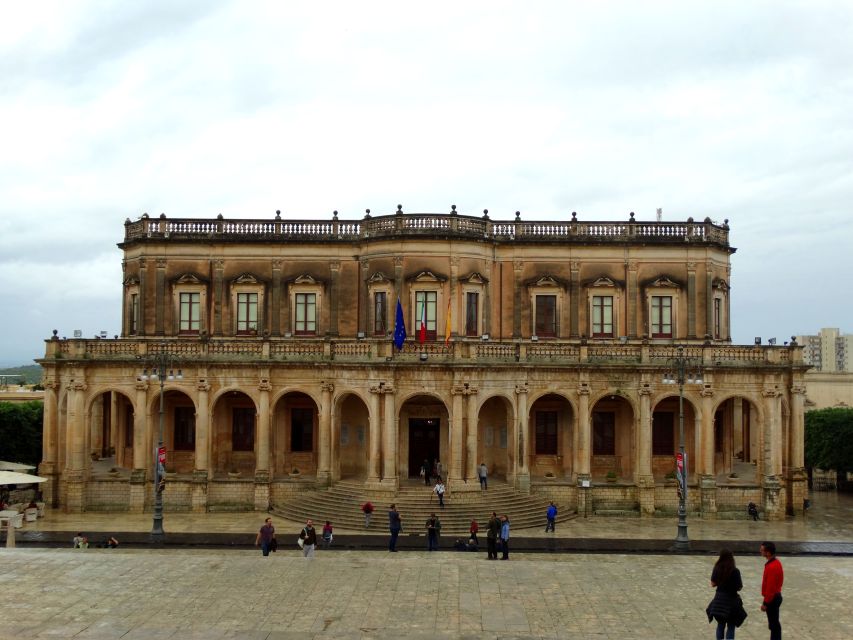
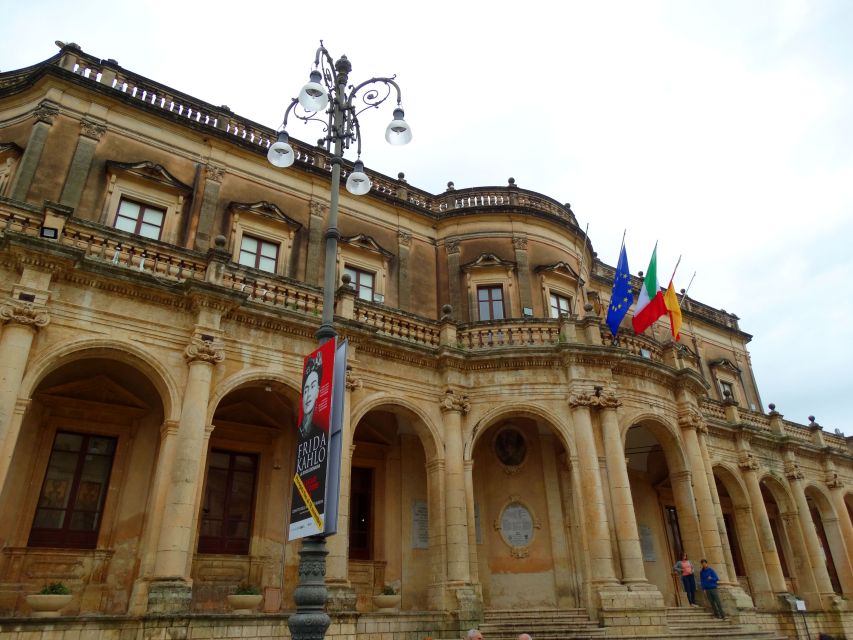
Piazza del Duomo is where Noto starts to feel like a Baroque stage set. You arrive at Palazzo Ducezio, the Town Hall seat, built between the 18th and 19th centuries. The building stands out for its frescoed roof, but the tour also points you toward the interior experience—especially the idea of mirrors creating visual illusions that make rooms feel larger.
Even if you’re only viewing certain areas from accessible viewpoints, this kind of highlight helps you understand Baroque isn’t just about decoration. It’s also about space tricks, perception, and making architecture do psychological work.
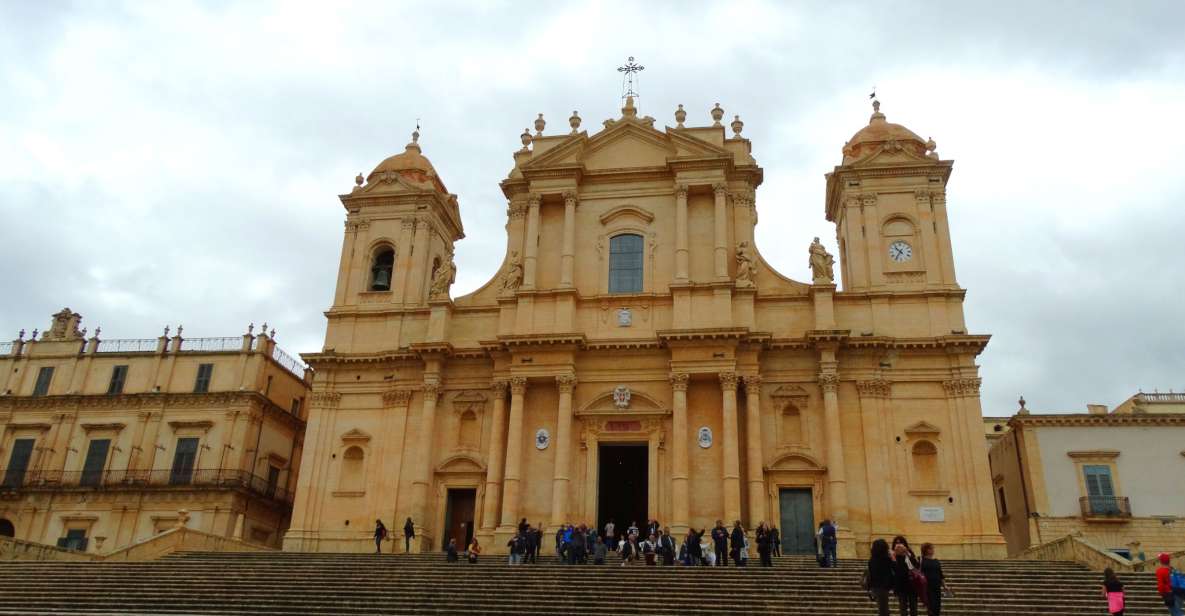
In front of Palazzo Ducezio, the tour then spotlights the monumental staircase leading you toward the Cathedral of S. Nicolò. This is a classic move in Baroque planning: you create a physical rise so the visitor’s body participates in the drama before the eyes even get the full view.
Inside San Nicolò Cathedral: honey-colored light and a story of rebuilding
The Cathedral of San Nicolò is often treated as Noto’s symbol, and the tour gives you the reasons to look twice. The honey color people associate with the cathedral at sunset is part of the appeal, but your visit focuses on what that look stands on: design, damage history, and restoration.
The cathedral was built in the 18th century and, notably, it has collapsed three times over time. It has been rebuilt, though many frescoes have been lost. I like that your guide frames it this way, because it keeps the visit grounded. You’re not just looking at perfection—you’re seeing resilience and changing outcomes.
On the exterior, pay attention to the two bell towers: one housing a bell, and the other with a clock. In Baroque cities, towers often act like anchors. Here, they help you orient yourself as the tour transitions into the street-level highlights that follow.
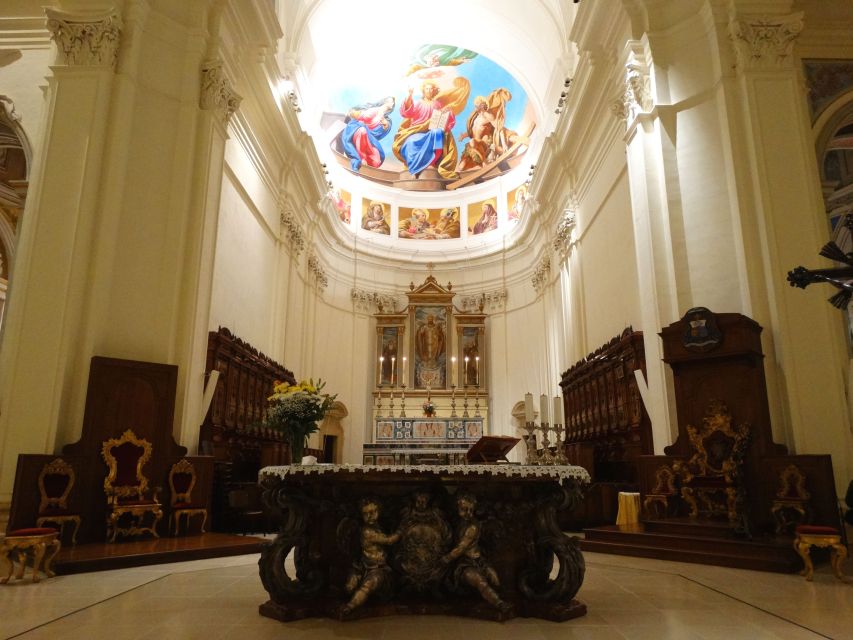
And yes, you’ll visit inside. That inside time is the point of the cathedral stop: it connects the city’s sculpted, ornament-heavy exterior language to what you experience when you’re actually in the sacred space.
You can also read our reviews of more guided tours in Noto Italy


Via Nicolaci and the Infiorata street tradition: Baroque as living street craft
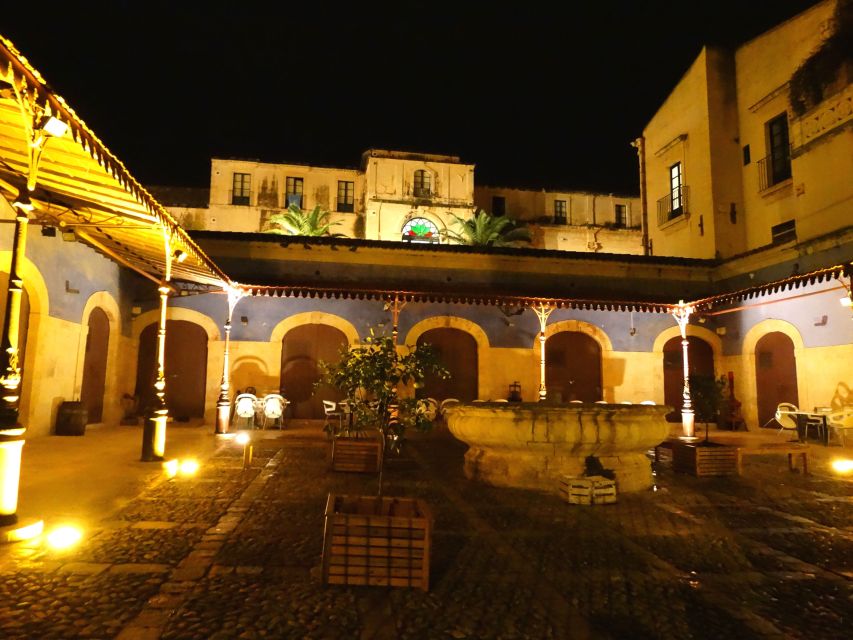
Next up is Via Nicolaci, the street associated with the Infiorata—a carpet of flowers laid on the road. Even if you’re not there during the exact seasonal setup, the tour’s explanation helps you see the street as more than a “pretty facade.” It’s a place that can transform into a temporary artwork.
You’ll also view Palazzo Nicolaci externally from some angles that show off its signature style. This is one of those buildings where the details feel almost excessive—in the best way. The lower balconies are decorated with statues, masks, animals, and carved figures in limestone, all in a typical Baroque approach.
What I like here: you get to shift from monumental architecture to human-scale ornament. You can stand and look at the carved limestone and feel how much effort went into making the building perform as a showpiece for the street.
The only consideration: because this area is central and visually popular, it can be busy. If your priority is quiet looking, arriving at the right pacing—courtesy of a good guide—is your friend.
Loggia del Mercato: wrought iron, past markets, and cultural events now
From the palazzo street theatrics, the tour heads to Loggia del Mercato. This used to be the seat of the Noto market, and now it’s used for cultural events.
It’s a helpful stop because it reminds you that Baroque wasn’t only for cathedrals and town halls. It also lived in the city’s social spaces. The loggia’s wrought iron structure is part of what makes it feel distinctive, especially when you compare it with the stone-heavy palaces and churches nearby.
If you’re the kind of traveler who likes to understand daily life behind the big sights, this is a good pause. It also helps break up the walking. You get an open structure moment before the tour finishes with theater and fountain.
Tina di Lorenzo Theater and the Fountain of Hercules: finishing with neoclassical elegance
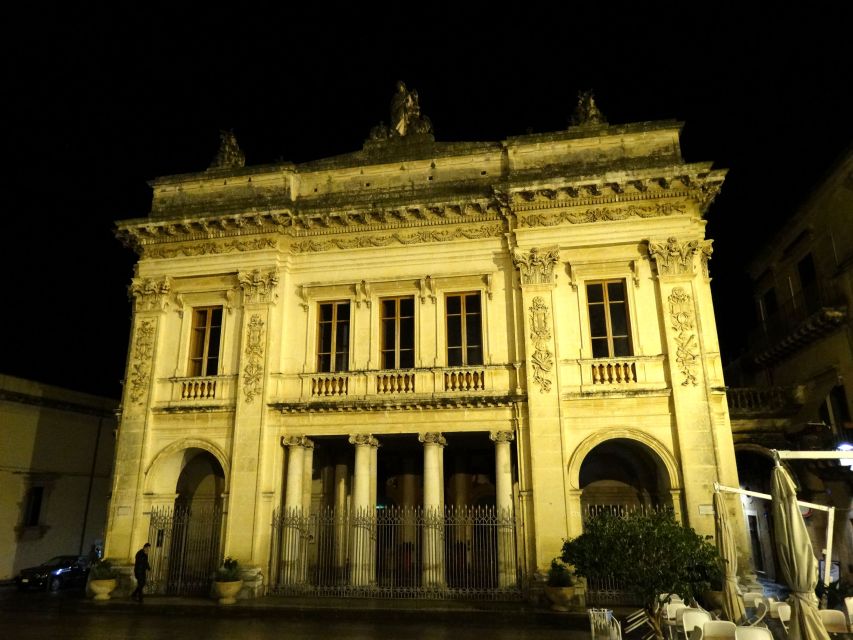
The last leg brings you to Tina di Lorenzo Theater in a neoclassical style. This is a smart contrast finish. Baroque often dominates the conversation in Noto, but seeing a neoclassical civic/performing building reminds you that architectural styles evolved rather than switching off overnight.
Then the tour ends with the marble Fountain of Hercules, built in the 1700s. The fountain adds a final punch of stone drama, but it also feels grounded: it’s public, it’s durable, and it’s a sculptural landmark you can spot even after the tour ends.
You’ll return back to the meeting point at Porta Reale or Ferdinandea, so it’s a clean loop rather than an open-ended wander.
Price and value: what you’re really paying for in a private 2-hour route
At $346.65 per group (up to 25 people) for a 2-hour private walking tour, value depends on who’s in your group and how you travel.
Here’s how I’d think about it:
- If you’re traveling as a small group, paying once for a shared guide can make sense versus separate tours.
- If you want a structured route, timed to deliver key interiors (not just exteriors), a licensed guide can save you effort and help you look smarter while you’re there.
- If you care about learning what you’re seeing, private format means you can ask questions without feeling rushed.
What’s not included is also part of the picture: the tour is centered on walking and guided sight reading. So it’s best if you’re comfortable exploring on foot afterward for food, gelato, and whatever other streets call your name.
Who should book this tour (and who might prefer something else)
This tour fits you best if:
- You want a focused 2-hour walk that covers major Noto highlights
- You care about church interiors and want help noticing stucco, fresco, and decoration details
- You like Baroque but want it explained as a practical city story, not a list of names
It might not be ideal if:
- You dislike stairs or uneven historic-center sidewalks
- You prefer self-guided exploration with no planned sequence at all
The good news: because it’s private and the guide can adjust pacing (shown in the way guides are described in reviews), you’re more likely to get a comfortable rhythm than with a rigid group tour.
Should you book the Noto Sicilian Baroque guided walking tour?
I’d book this if your goal is simple: get the best Noto Baroque hits in one walk, with a guide who can point out the details and keep the experience moving at a human pace. The route covers the big trio—Piazza del Duomo with Palazzo Ducezio and San Nicolò, the church interior stop at Santa Chiara, and the street theatrics of Via Nicolaci and Palazzo Nicolaci—plus the extra closing touches of the Loggia del Mercato, Tina di Lorenzo Theater, and Fountain of Hercules.
If you’re traveling with friends or family, the per-group pricing up to 25 makes it easier to justify. If you’re solo, I’d still consider it if you want guided time in the churches and a clear sense of where to look next.
FAQ
FAQ
Where does the tour start?
The tour starts at the meeting point under the gate Porta Reale o Ferdinandea. The guide will have a license badge around their neck.
How long is the walking tour in Noto?
The tour lasts 2 hours.
How much does the tour cost?
The price is $346.65 per group, up to 25 people.
Is the tour private?
Yes, it’s a private group tour.
What languages are offered for the guide?
The live tour guide is available in Italian and English.
What are the main sights included?
You’ll visit key Noto Baroque highlights such as Palazzo Ducezio, the Loggia del Mercato, the Cathedral of San Nicolò, the Infiorata street area via Via Nicolaci with views of Palazzo Nicolaci, and you’ll also see places including the Tina di Lorenzo Theater and the Fountain of Hercules. The tour also includes visits linked to the Church of S. Francesco area and the Church of St. Chiara (Santa Chiara).
Is there an interior visit or is it mostly outside?
The tour includes interior time, including a staircase climb to see frescoes and decorations, and a visit inside the Cathedral of S. Nicolò.
What should I wear or bring?
Bring comfortable shoes and comfortable clothes.
Where does the tour end?
It ends back at the meeting point under Porta Reale o Ferdinandea.
Are there different starting times?
Starting times depend on availability, so you’ll need to check what times are offered for your date.