REVIEW · PALERMO
Tour Cappella Palatina e palazzo Reale: patrimonio Unesco
Book on GetYourGuide →Operated by Palermo a Piedi - Walking Tour · Bookable on GetYourGuide
Golden mosaics start right at Palermo’s palace. This one-day tour pairs the Palatine Chapel with the Royal Palace for a UNESCO hit that feels bigger than its footprint. I like how the golden detail does not just decorate the room—it tells you who had power here and when.
Two things really work for me: the chapel’s gold mosaics (they’re the main event) and the way the palace wraps in centuries, going back to the city’s early royal seat. One caution: the guided tour is Italian-only and your entrance tickets are not included, so you’ll need to plan for both before you go.
If you’re comfortable walking through grand spaces and you want context while you look, this is a very sensible way to spend a day in Palermo—especially given how much is packed into the Royal Palace complex.
In This Review
- Key highlights to look for
- Royal Palace and Cappella Palatina: what makes this UNESCO visit worth your time
- Your Italian guide: why the narration matters in Palermo
- Inside Palazzo dei Normanni: 2,700 years of rulers in one building
- The Palatine Chapel mosaics: Byzantine + Islamic + Romanesque all in one room
- The Chinese style queen chamber and Frederick II’s impact
- Price and logistics: what you really pay, and how to avoid friction
- Best time to go, and who this tour suits
- Wheelchair note (double-check)
- Should you book this Cappella Palatina + Palazzo Reale tour?
- FAQ
- What is included in the tour price?
- Do I need an entrance ticket for the Royal Palace and Palatine Chapel?
- Is the tour guided in English?
- Where do I meet the tour group?
- What should I wear?
- How long is the tour?
- How much does it cost?
- Is it refundable if I change my plans?
- Is the tour suitable for wheelchair users?
Key highlights to look for
- UNESCO setting: the Royal Palace and the Palatine Chapel, famous for their mosaics
- Palatine Chapel detail: Byzantine mosaics, Islamic muqarnas ceiling, and marble floor inlays
- 2700 years of royal change: Norman kings, Frederick II, and later political-religious use
- Queen chamber glimpse: you’ll see the Chinese style queen chamber
- Strong Italian guiding: praised for being engaging and precise (you might hear names like Fabrizio or Claudio)
Royal Palace and Cappella Palatina: what makes this UNESCO visit worth your time
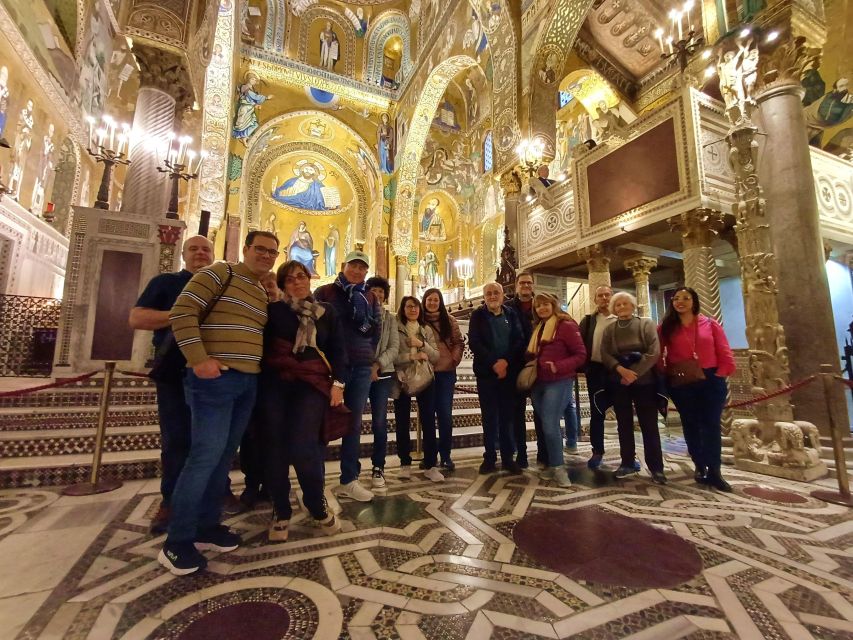
Palermo can be chaotic in the good way. This tour gives you a clear focus: the Royal Palace complex and its crown jewel, the Palatine Chapel. You’re not just looking at decoration—you’re reading visual history. Every surface has a job: power, faith, and propaganda all mixed together.
The big value here is the combination. The Royal Palace is one of Europe’s oldest royal residences, and it holds layers from different eras—Normans, Frederick II’s court culture, and later political control. Then the Palatine Chapel concentrates that story into one visually overwhelming space where you can literally see styles from different worlds meeting under one roof.
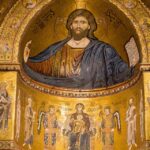
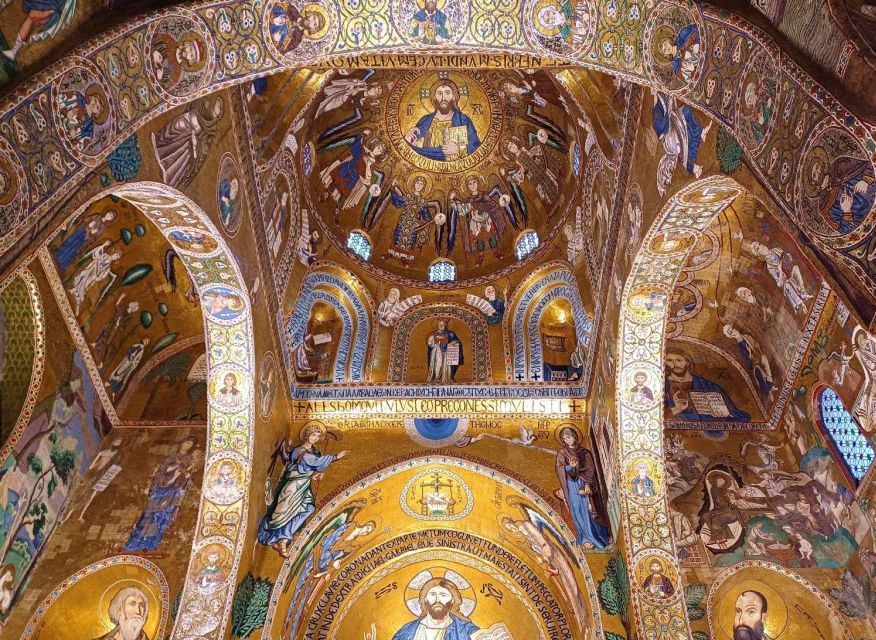
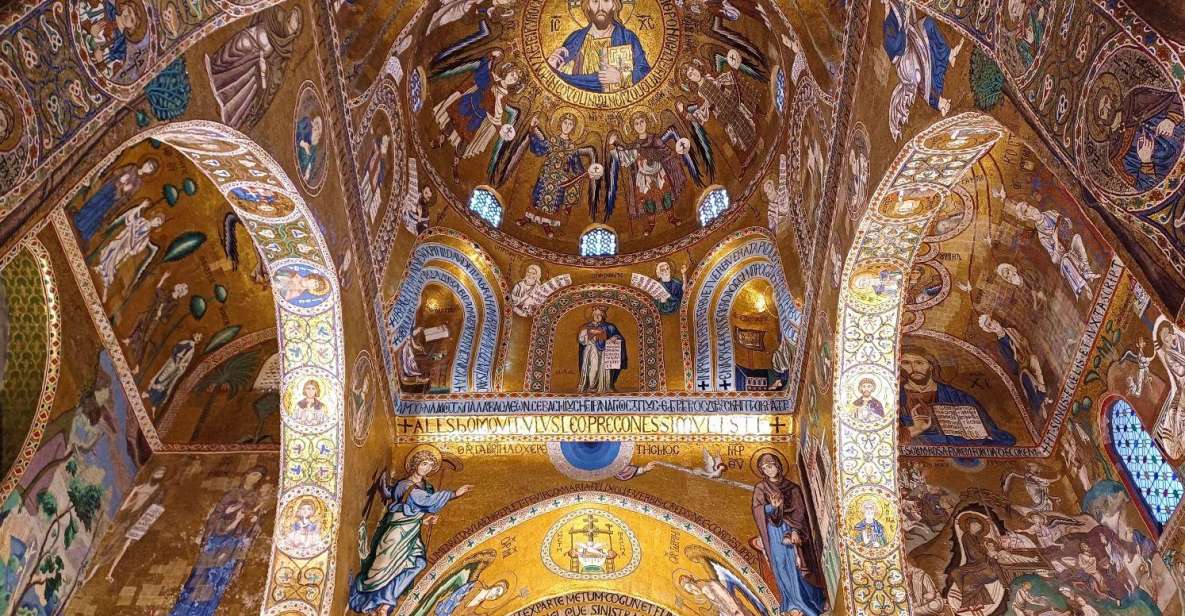
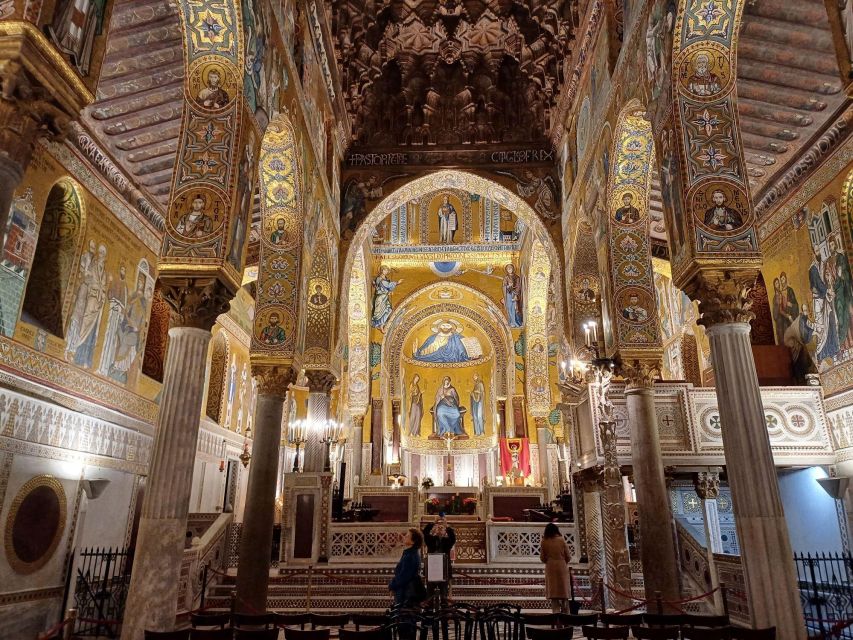
And yes, the chapel is famous for a reason. People call it the most beautiful church in the world (the tour presents this line in Italian), but the real reason it earns that reputation is the harmony of materials and techniques: mosaics on the walls, an Islamic-style ceiling treatment, and a Romanesque-style marble floor pattern.
You can also read our reviews of more tours and experiences in Palermo.
Your Italian guide: why the narration matters in Palermo
This is a guided walk with tour guide service in Italian. That affects the whole experience: you’ll move through rooms faster, but you’ll also get the story beats you’d otherwise miss. For me, that’s key in places like Palazzo dei Normanni, where the building is big and the references are everywhere.
In the local feedback, guides like Fabrizio and Claudio come up for a reason: they’re described as prepared and engaging, and they explain the palace history and the chapel’s mosaic narrative in a way that clicks. If you can follow Italian, you’ll get more out of the visit than just admiring surfaces.
If your Italian is basic, consider this carefully. The tour takes place only in Italian, and the value depends on understanding the cues the guide points out. If you do not read Italian confidently, you may prefer a self-guided plan with translated materials, unless you’re planning to do some prep.
Inside Palazzo dei Normanni: 2,700 years of rulers in one building
The Royal Palace of Palermo is sometimes called Palazzo dei Normanni, and that name fits. It began as a fortified structure and was heavily renovated and expanded when the Norman kings made it their main residence. In other words, you’re standing in a place that rulers kept improving, not a single-era museum set.
Here’s what I think you should watch for as you tour:
- The palace rooms are not just rooms; they’re records of what the court needed—administration, treasury, and royal production.
- Under Frederick II, the palace becomes connected to the Sicilian Poetic School. That matters because it shifts the palace from pure power to court culture and intellectual life.
- You also get a sense of political-religious shifts later, including a period connected to the Court of the Inquisition and afterward the seat of the Viceroy and the Sicilian Parliament.
Even if you’re not a hardcore historian, that sweep helps you place what you’re seeing. The building feels less like a single “attraction” and more like a machine for authority—who controlled Sicily, and how they wanted to look while doing it.
The Palatine Chapel mosaics: Byzantine + Islamic + Romanesque all in one room
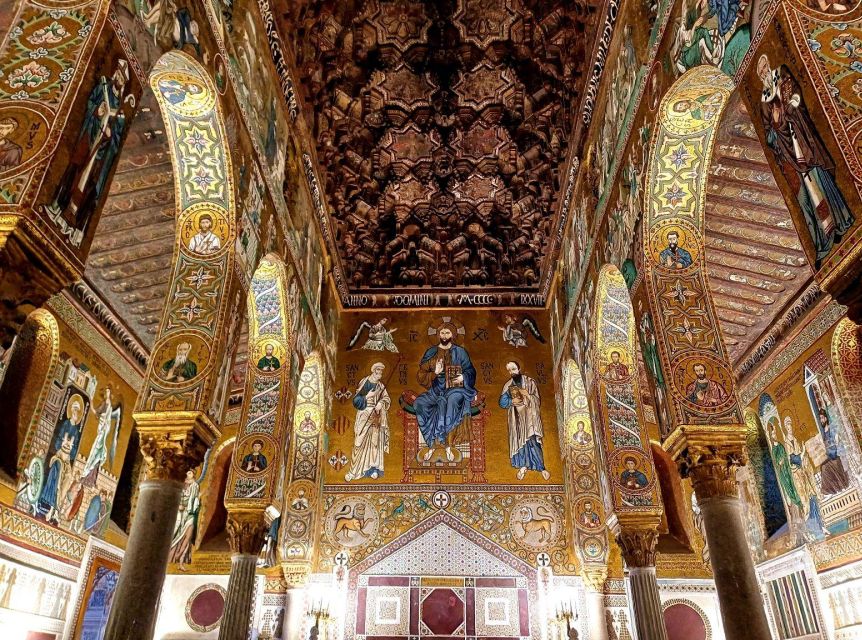
If the Royal Palace is the long story, the Palatine Chapel is the spotlight. The tour frames it with a dramatic label—Guy de Maupassant’s famous description of it as the most beautiful church in the world—then backs it up with specifics.
You’ll be looking at:
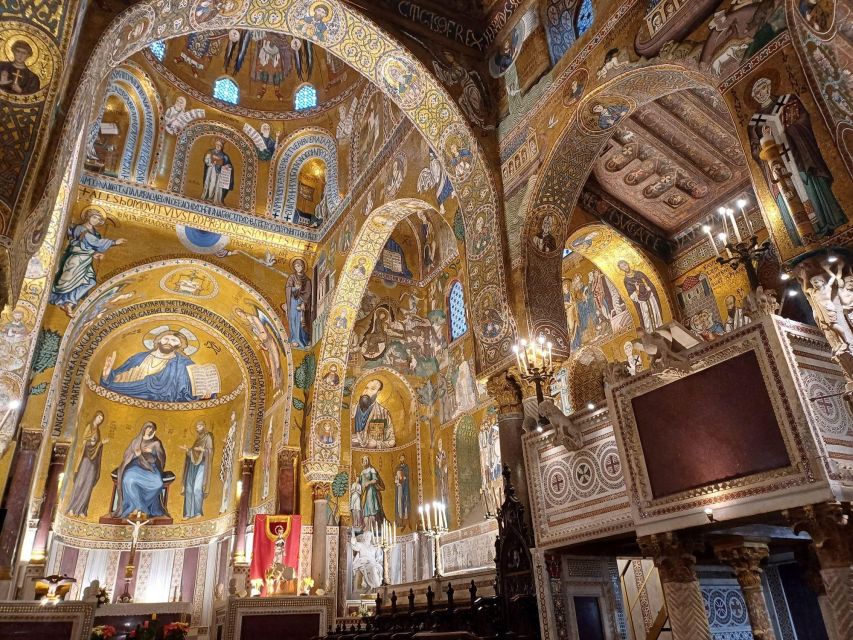
- Byzantine mosaics on the walls, where the imagery feels both spiritual and political.
- The Islamic muqarnas ceiling, a distinctive decorative style that creates a rippling, honeycomb-like effect.
- A marble floor with inlays that reflect a Romanesque tradition.
What I like about this setup is the “why it works” feeling. You’re not just seeing three unrelated styles. You’re watching different artistic languages coexist in one space created by Roger of Hauteville, the first king of Sicily, as a symbol of ambition and power.
Practical tip: take your time with your eyes. Start wide to understand the full composition, then slowly scan details. The mosaics reward patience—especially if you pause when the guide points out the narrative elements.
The Chinese style queen chamber and Frederick II’s impact
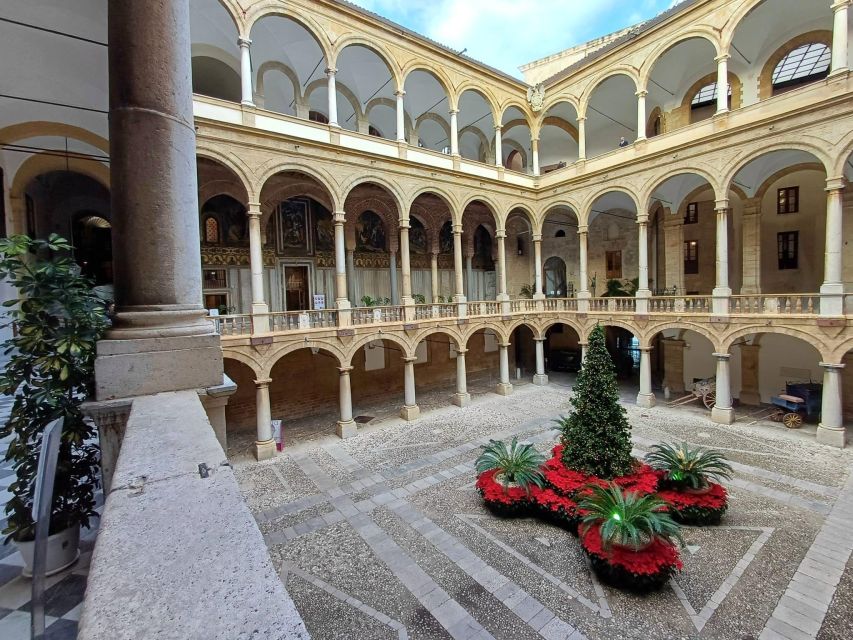
One of the most surprising additions in this tour is the Chinese style queen chamber. That detail stands out because it shows how the palace absorbed distant cultural references. In a place famous for Norman and Byzantine influence, the presence of something described as Chinese style signals how courts expressed status through exotic connections.
You’ll also see spaces connected to the Palace of Frederick II, the king and emperor who amazed the world. The tour doesn’t treat Frederick II as a single name drop. It ties him to the palace’s role in cultural life—especially through the Sicilian Poetic School—and that context makes the rooms feel more meaningful.
If you like architecture but also enjoy the human side of power, this section is where the tour becomes more than sight-seeing. You’re watching how a ruler’s identity and ambitions can shape interior spaces and patronage.

Price and logistics: what you really pay, and how to avoid friction
The price is listed at $14 per person for a 1-day experience. That’s a decent value for a guided entry-based highlight route—but here’s the catch that matters: the entrance ticket is not included. You’ll need to buy it separately at the Royal Palace ticket office or online on the official website.
So your real cost has two parts:
- the guided service (what you’re paying for)
- the entry tickets (purchased separately)
If you’re budgeting tightly, I’d price it both ways before you book. If you’re already planning to visit the palace and chapel anyway, this tour can save you time by bundling the interpretation with the visit. If you mainly just want to wander, you might compare it against self-entry plus a guide from an audio app.
Also plan around the rules:
- The tour includes a dress requirement: no shorts, no short skirts, no sleeveless shirts.
- The meeting point is in front of the ticket office, and it’s described as a kiosk about 100 meters from the entrance to the palace.
One more practical note: there’s an experience review mentioning limited places to sit. The implication is simple—expect some standing. If standing long stretches is a problem, keep that in mind when you choose the time of day and your own pace.
Best time to go, and who this tour suits
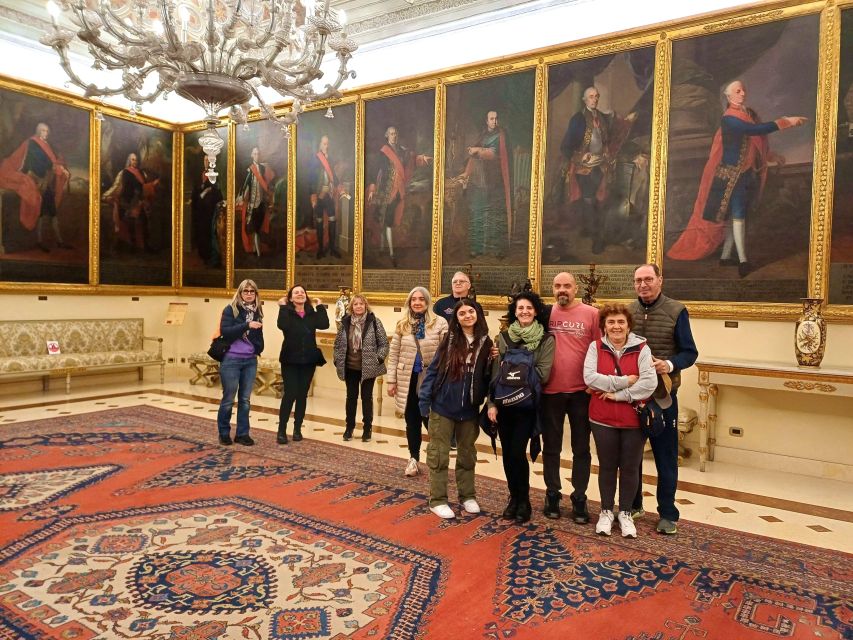
I’d book this tour if you like guided context and you enjoy art when someone tells you what to look for. This is especially true for the Palatine Chapel, where the visuals are complex and the meanings get clearer through explanation.
This tour also makes sense if you want a “classic Palermo” UNESCO day without turning your trip into a scavenger hunt. The palace complex is concentrated, and the tour gives you a straight path to the highest-impact rooms.
Who should think twice:
- If you’re not comfortable with Italian, because the tour takes place only in Italian.
- If you need lots of seating during visits, because there are limited places to sit.
- If your clothing doesn’t meet the stated dress code rules.
Wheelchair note (double-check)
The provided information lists wheelchair accessibility, but it also says it is not suitable for wheelchair users. Because that’s contradictory, I’d treat it as a “confirm first” situation with the provider before you rely on it.
Should you book this Cappella Palatina + Palazzo Reale tour?
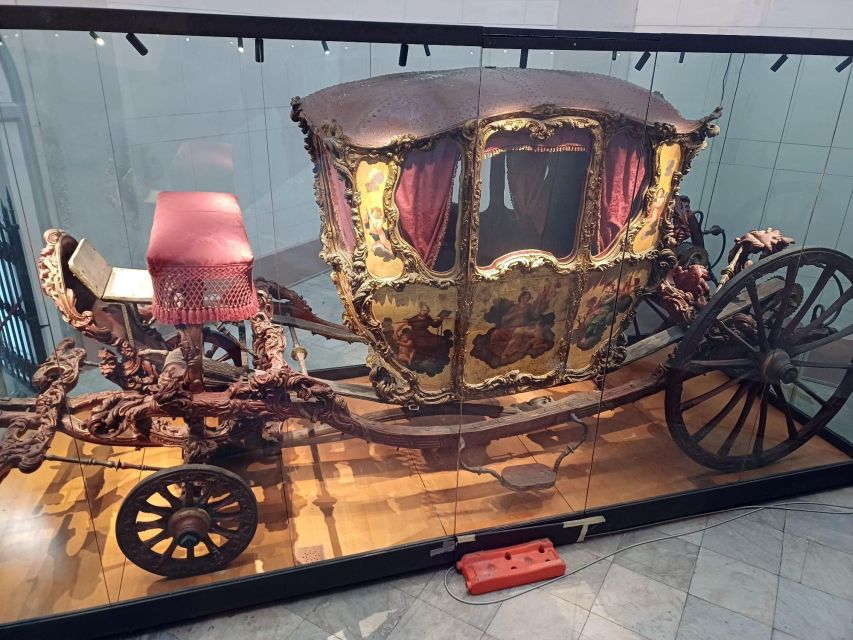
Book it if you want the UNESCO highlights of Palermo in one focused day, and you’ll benefit from an Italian guide explaining the palace story and the chapel mosaics. The value is strongest when you’re planning to visit both the Royal Palace and Palatine Chapel anyway—and when you can handle the Italian-only narration and dress rules.
Skip it (or at least compare alternatives) if you want to move freely without interpretation, if you need English support, or if standing for stretches is an issue for you. Also, make sure you’re ready to buy the entrance ticket separately, since that changes your total cost and timing.
If those points fit your trip, this is a smart, high-impact way to spend a day in Sicily—one where the gold mosaics aren’t just pretty, they’re part of a larger story you can actually understand as you walk.
FAQ
What is included in the tour price?
The tour includes the tour guide service (only in Italian) and a professional tour guide. Entrance tickets are not included.
Do I need an entrance ticket for the Royal Palace and Palatine Chapel?
Yes. To enter the Palace and the Palatine Chapel, you need an entrance ticket. It can be purchased at the Royal Palace ticket office or online on the official website.
Is the tour guided in English?
No. The tour takes place only in Italian.
Where do I meet the tour group?
Meet in front of the ticket office (there is a kiosk) about 100 meters from the entrance to the Palazzo.
What should I wear?
Shorts, short skirts, and sleeveless shirts are not allowed.
How long is the tour?
It’s listed as 1 day.
How much does it cost?
The price is listed as $14 per person.
Is it refundable if I change my plans?
Yes. You can cancel up to 24 hours in advance for a full refund.
Is the tour suitable for wheelchair users?
The information says wheelchair accessible, but it also states it is not suitable for wheelchair users, so you should confirm with the provider before booking.