REVIEW · SYRACUSE
Slowlife Family Farm: From Garden to Table
Book on GetYourGuide →Operated by Slowlife Family Farm · Bookable on GetYourGuide
Wheat turns into pasta, right in front of you. This small-group garden-to-table experience on a river-side organic farm mixes cooking, tastings, and on-site storytelling, with Jess and Carlo running the show like it’s part of daily life, not a performance. I especially loved learning the full wheat-to-pasta process, then eating a Sicilian lunch built from what we gathered and milled.
Another standout for me was the mix of food and place: the tour includes an archaeological walk, a visit to an historical food and wine pantry, and a nature-led session for recognizing wild edible plants. One consideration: you need to be ready for uneven farm ground and plan on no transport being included, so getting there from Siracusa is on you.
In This Review
- Key highlights you’ll care about
- A small-group farm day outside Siracusa
- What makes it feel different
- Entering the garden: from rare vegetables to lunch ingredients
- The meal-building part: Sicilian lunch you cook as a group
- What you should watch for
- Milling wheat to pasta: the hands-on cooking class core
- Why this matters for your money
- Olive oil and wine tasting in an old pantry setting
- Archaeological stops on the farm: Greeks, Romans, and water works
- Practicalities: meeting point, timing, and what to bring
- What to bring
- Getting there
- Who this is best for
- A balanced take: what you gain and what to consider
- Should you book Slowlife Family Farm?
- FAQ
- What is the duration of the Slowlife Family Farm experience?
- Where do I meet for the tour?
- Is transport included in the price?
- How big is the group?
- What languages are available?
- What cooking class is included?
- Are olive oil and wine tastings included?
- Do we eat what we gather?
- What should I bring?
- Is the farm suitable for mobility impairments?
Key highlights you’ll care about
- Milling wheat to pasta, with practical steps you can explain afterward
- Organic garden harvesting plus a guided look at wild edible plants
- Olive oil and local wine tasting as part of the meal setup
- Archaeological sites on the farm, including ancient altars from Greek and Roman eras
- Rare vegetable varieties, including the Giant Onion of Giarratana (seasonal tasting when possible)
A small-group farm day outside Siracusa
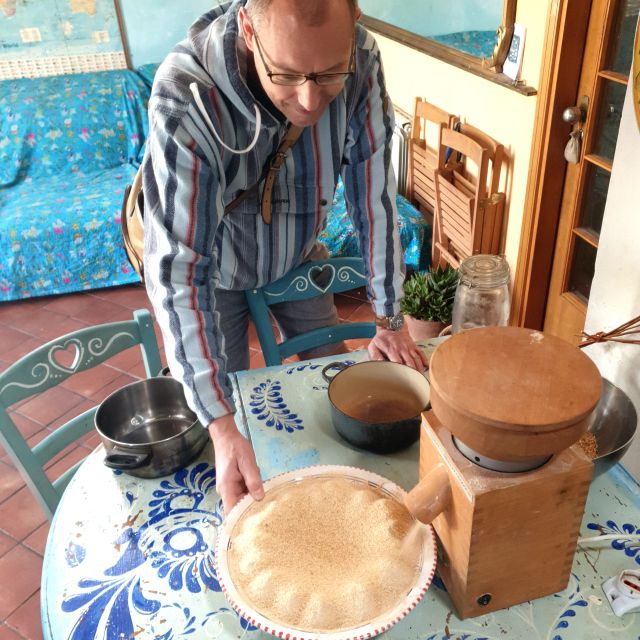
Your meeting point is Via Malta, 7, 96100 Siracusa. From there, you’re headed to Slowlife Family Farm, a 16-years-off-grid slow food family farm where the day is built around what grows and what the land can support. It’s designed for a small group of up to 10 people, so you’re not fighting for attention or rushing through hands-on tasks.
The whole experience runs about 4 hours, and start times can be customized. Important note: the calendar is not updated, so contact the local partner before booking to lock in your timing and make sure the day runs as expected.
You can also read our reviews of more tours and experiences in Syracuse.
What makes it feel different
Plenty of cooking classes teach technique, but fewer connect that technique to the actual growing and preserving that make Sicilian food taste the way it does. Here you’re not just cooking, you’re seeing the systems: the garden, the pantry, the milling, and the tasting setup all happen on the same property. That’s where the value lives.
Entering the garden: from rare vegetables to lunch ingredients
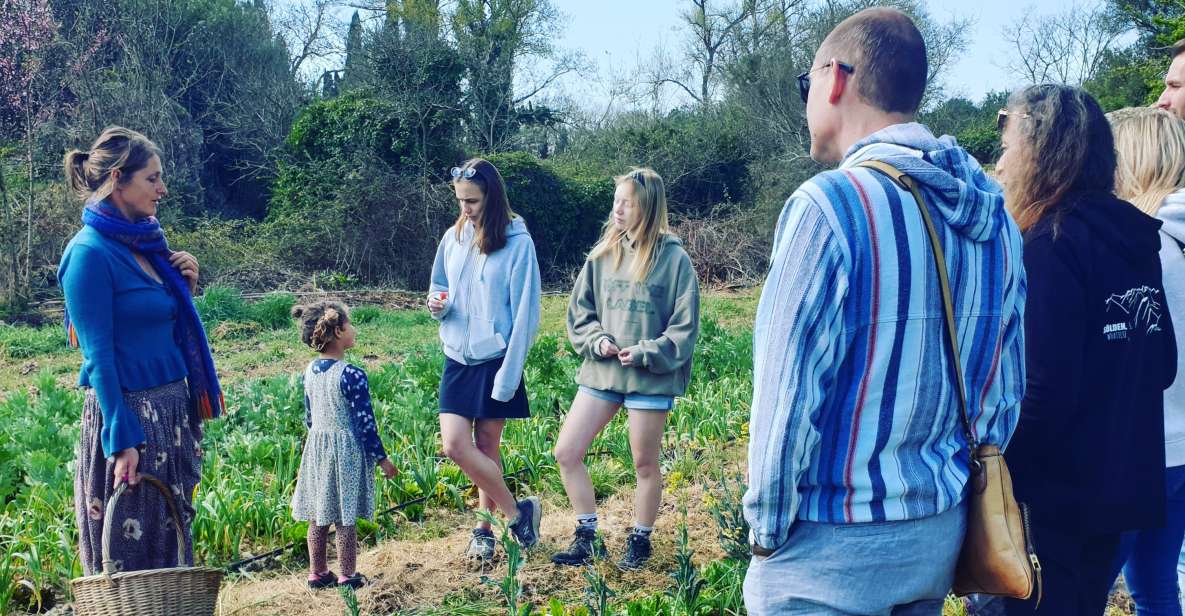
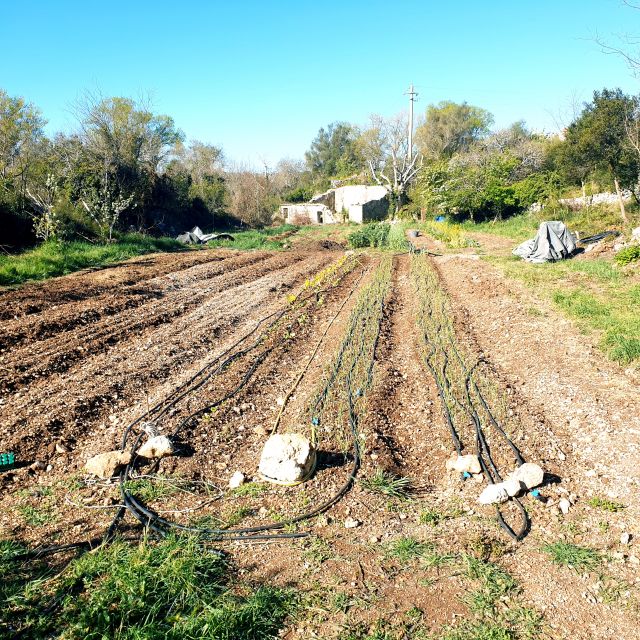
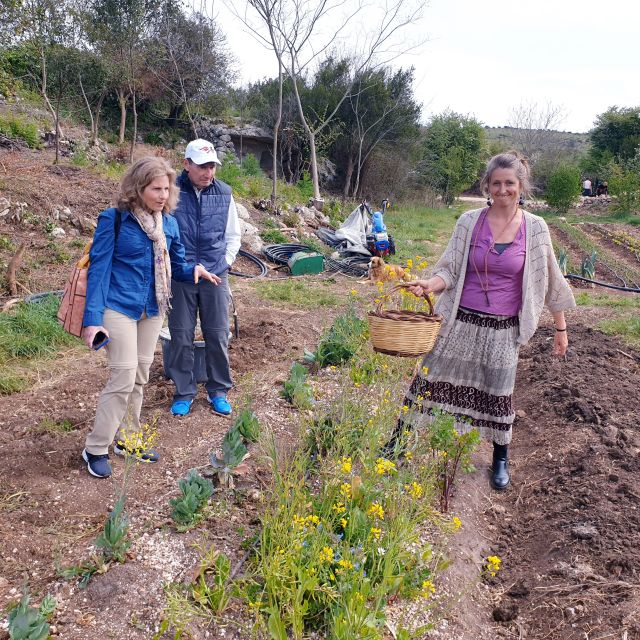
This is a true kitchen-from-the-ground-up experience. You’ll tour the organic vegetable garden, learn their growing strategies, and spend time on local varieties they work hard to protect. If you like the idea of food history tied to seeds you don’t usually see in stores, this is the part that will make you pay attention.
One of the garden highlights is the Giant Onion of Giarratana, an endemic variety that can reach over 2 kg. You may also hear about traditional ways it was used, including being baked directly on an open fire. The catch is simple: tasting rare plants depends on what’s in season. Still, even without the tasting, the garden walk adds context to why the lunch tastes the way it does.
You’ll also have a nature guide focused on edible wild plants recognition. That means you’re not just wandering and hoping something is safe to eat. The point is learning what’s edible and how to identify it properly, then using that knowledge for the Sicilian lunch you’ll prepare together.
The meal-building part: Sicilian lunch you cook as a group
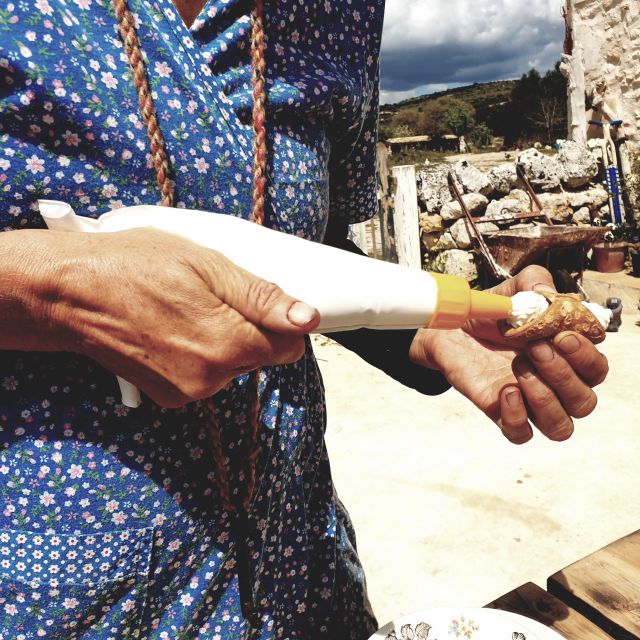
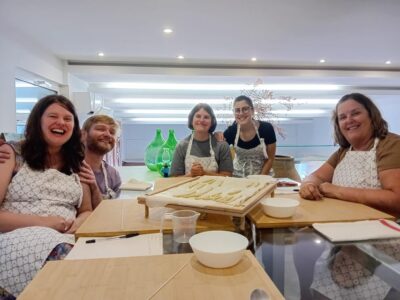
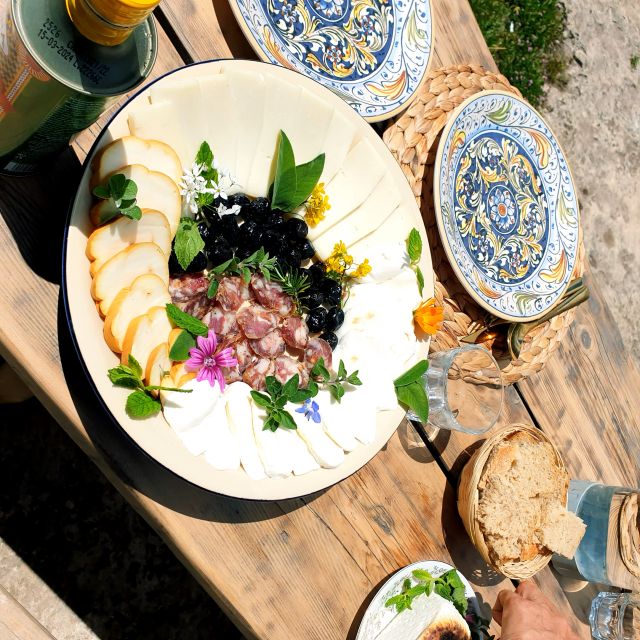
The lunch isn’t a separate restaurant meal—it’s something you actively help assemble. After gathering from the organic garden and wild edible plants, the group prepares the Sicilian lunch together. That collective work is part of what makes this day more satisfying than a typical class. You go from seeing ingredients in place, to understanding them, to turning them into a shared table.
For me, this is one of the best “value signals” in the whole experience. The time you spend collecting and milling isn’t just a story—your hands do the work, and the food reflects that effort.
What you should watch for
Wear comfortable shoes. Farm paths can be uneven, and you’ll be moving between the garden, cooking area, and outdoor stops. If you’re traveling with kids, this can work well, but keep expectations realistic: it’s still a working farm setting, not an indoor studio.

Milling wheat to pasta: the hands-on cooking class core
The signature cooking class is from milling wheat to pasta, using their modern tools. You’ll see how wheat becomes flour and then how that turns into pasta preparation. Even if you’ve made pasta before, it’s a neat shift to experience the process from grain to dough instead of starting at the flour stage.
This is also where the experience becomes memorable in a very practical way: you’ll learn what changes as you move through the steps. Milling and pasta-making have different pacing than a quick cooking demo, so you’ll come out knowing not just what to do, but why each step matters for texture and final results.
Why this matters for your money
At $164.26 per person for about 4 hours, you’re paying for more than a recipe. You’re paying for access to a working organic farm, guided cultural context, ingredient gathering, and the wheat-to-pasta process plus tastings. In other words, the price makes sense if you’re there for a full experience, not just a casual pasta lesson.
Olive oil and wine tasting in an old pantry setting
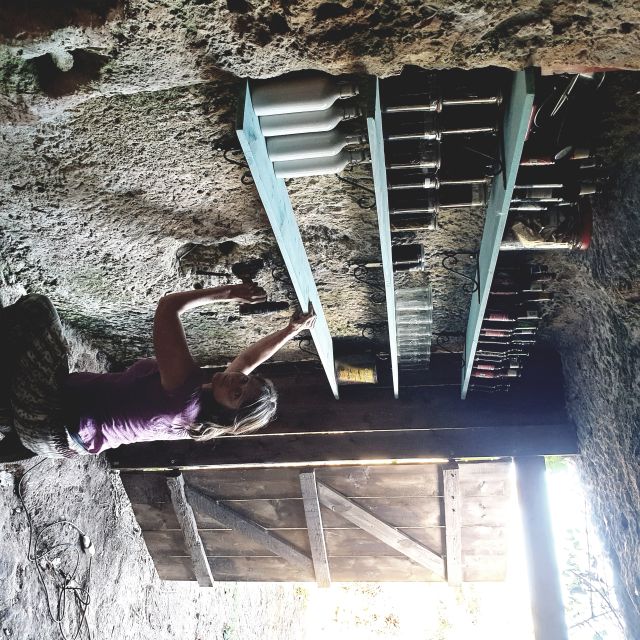
Food on this farm is tied to storage, preservation, and producers—not just cooking. You visit the historical food and wine pantry as part of the experience, then you’ll do local olive oil tasting and local wine tasting.
This part is best if you enjoy learning how Sicilian flavors connect to local supply chains. The olive oil tasting helps you understand what you’re tasting during lunch instead of treating it like a separate activity. The wine tasting, similarly, is integrated into the meal rhythm.
It’s a good pace check too. After garden walks and cooking, tastings are the kind of pause that keeps the day from feeling like nonstop instruction.
Archaeological stops on the farm: Greeks, Romans, and water works
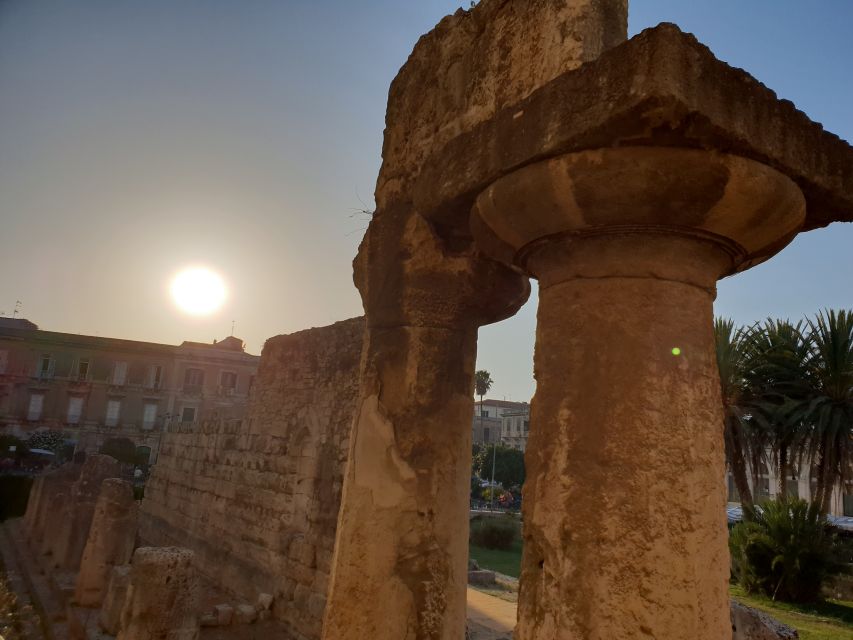
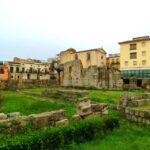
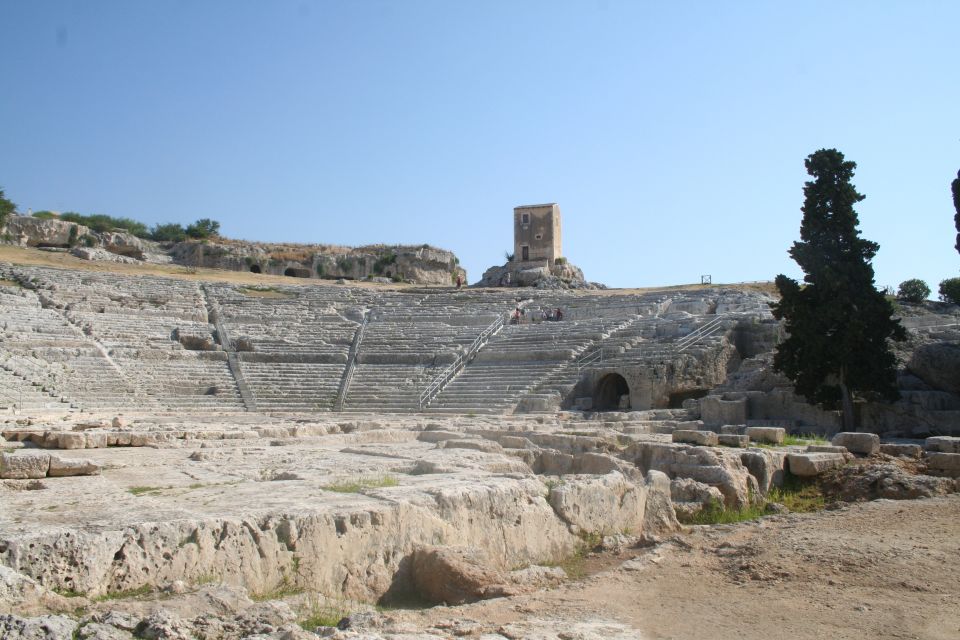
This farm sits on a sacred site with over 2500 years of use. Archaeologists have found altars used by Greeks and Romans, and you’ll tour archaeological sites located on the property. If you like history but don’t want museum-only facts, this is a more physical way to meet it: you’re walking the land and hearing how people used it long before modern agriculture.
You’ll also visit an ancient water mill that’s currently under restoration. That detail matters because it shows continuity and change—old infrastructure still influencing the farm’s story, even while it’s being cared for.
There’s also a river-side setting with shade trees, and you’ll spend time in the canyon area shaped by the river. The experience mentions opportunities to swim and the presence of an ancient lagoon area connected to underwater activity. If water time is on your mind, pack accordingly and don’t rely on dry shoes later.
Practicalities: meeting point, timing, and what to bring
Plan on meeting at Via Malta, 7 in Siracusa. The tour ends back at the meeting point, so you’re not stuck guessing where to go afterward.
What to bring
- Comfortable shoes
- Sun hat
- Water
If you want to get the most out of the river-side parts, bring swim-friendly items and consider an extra set of dry socks. The experience itself doesn’t promise what you’ll need for changing, so I’d rather you be over-prepared than wait.
Getting there
Transport isn’t included. You’ll need to arrange a taxi or pick-up/drop-off on your own. That’s a real factor in the total day cost and stress level, especially if you’re staying outside the city center.
Who this is best for
This works best for people who want more than a recipe. If you’re the type who likes slow food principles—learning where ingredients come from, seeing rare varieties, and understanding farming choices—this will click fast.
It’s not suitable for people with mobility impairments. The farm setting includes outdoor movement and likely uneven ground, plus time spent in areas that aren’t described as fully accessible.
A balanced take: what you gain and what to consider
What you gain
- Hands-on cooking that starts at the grain stage
- Garden and wild-plant learning tied directly to lunch
- Tastings (olive oil and wine) in a historical pantry context
- Archaeological storytelling on the actual farm land
What to consider
- Calendar not updated, so you need to confirm timing by contacting the local partner
- Transport not included, so build that into your plan
- No entrance tickets included (if any sites require tickets beyond what’s included, you’ll handle them yourself)
That’s the honest trade: the experience is authentic and hands-on, but you’ll need to manage logistics and be comfortable outdoors.
Should you book Slowlife Family Farm?
Yes, if you want a Sicily food experience that’s grounded in how people actually grow, mill, and feed themselves. This isn’t just pasta night. The combination of wheat milling, garden-to-table harvesting, tastings, and archaeological stops makes it a full-body day that feels like part of the farm’s real life.
Skip it if you prefer air-conditioned, fully indoor activities, or if transport planning is a hassle you don’t want to deal with. Also consider your mobility needs, since the farm is described as not suitable for mobility impairments.
FAQ
What is the duration of the Slowlife Family Farm experience?
It runs for about 4 hours.
Where do I meet for the tour?
Meet the local guide at Via Malta, 7, 96100 Siracusa. An alternate meeting point may be arranged based on your accommodation.
Is transport included in the price?
No. Taxi or pick-up and drop-off are not included.
How big is the group?
It’s a small group limited to 10 participants.
What languages are available?
The live tour guide offers English and Italian.
What cooking class is included?
You’ll take part in a cooking class from wheat to pasta, including milling wheat to pasta with modern tools.
Are olive oil and wine tastings included?
Yes. The experience includes local wine tasting and local olive oil tasting.
Do we eat what we gather?
Yes. You’ll gather from the organic vegetable garden and wild edible plants, then prepare a Sicilian lunch together.
What should I bring?
Bring comfortable shoes, a sun hat, and water. If you plan to use any water areas, you might want to bring swim-ready items as well.
Is the farm suitable for mobility impairments?
No, it’s not suitable for people with mobility impairments.