REVIEW · CATANIA
Catania: Summit Craters from North Etna with 4×4 vehicles
Book on GetYourGuide →Operated by GRUPPO GUIDE ETNA NORD di RAGONESE BIAGIO & C sas · Bookable on GetYourGuide
Watching Etna’s smoking craters get close is a special kind of wow, and I love the mix of 4×4 access plus a real on-foot hike. You get panoramic views from the highest volcano in Europe, then walk right toward the Central Summit Crater edge with fumaroles and bright sulphur minerals. One drawback: it’s a strenuous trek with steep bits and strong wind at altitude, so you’ll want to be ready (and pack warm layers even in summer).
The tour runs out of Piano Provenzana on the north side, which tends to feel quieter and more nature-first than the busier approaches. I also like that the guide support is hands-on, with explanations during the walk—exactly what you want when volcanic terrain changes under your boots. The operator is GRUPPO GUIDE ETNA NORD di RAGONESE BIAGIO & C sas, and I’ve heard the team includes staff like Gracia who help make the climb feel manageable.
If you have respiratory issues, heart problems, or any breathing limitations, this is a no-go. And it’s weather-dependent, so plan around the fact that visibility and trail conditions can change quickly on Etna.
In This Review
- Key things to know before you go
- Getting to the north side: Piano Provenzana and the 4×4 start
- The Observatory at 2,800m: where the hike truly begins
- The Central Summit Crater edge at 3,300m
- The descent through volcanic sand and why it’s more interesting than you think
- What gear you get, and what you should still bring
- How hard is it really?
- Price and value: what you’re really paying for
- Reviews highlight: guides who keep it on track
- Who should book this Etna crater hike?
- FAQ
- FAQ
- Where does the tour start?
- How long is the excursion?
- What’s included in the price?
- What is not included?
- What languages are the guides?
- Who should not join this tour?
- What should I bring?
- Should you book it?
Key things to know before you go
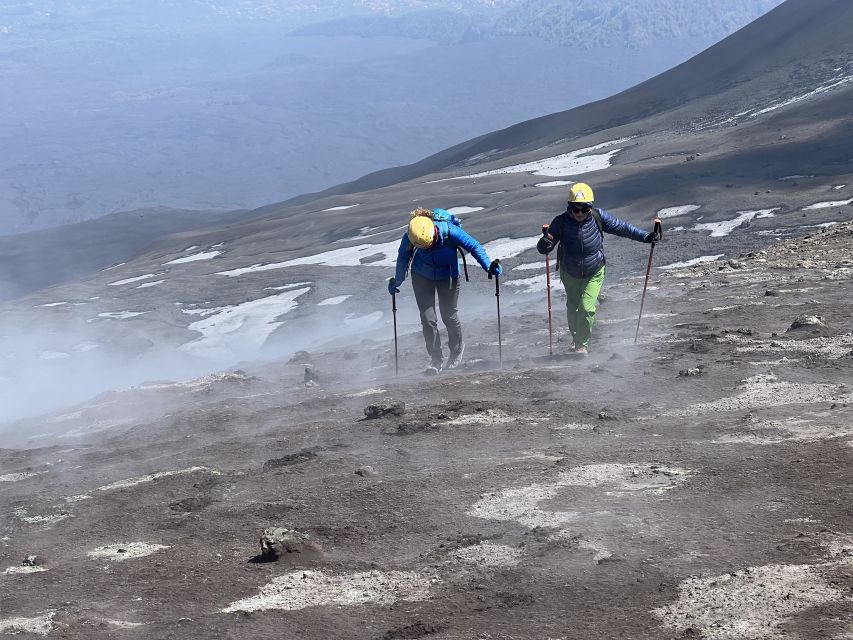
- Small group (max 10) keeps it safer and easier to pace on rocky ground
- 4×4 ride to altitude saves time and gets you to the Observatory fast
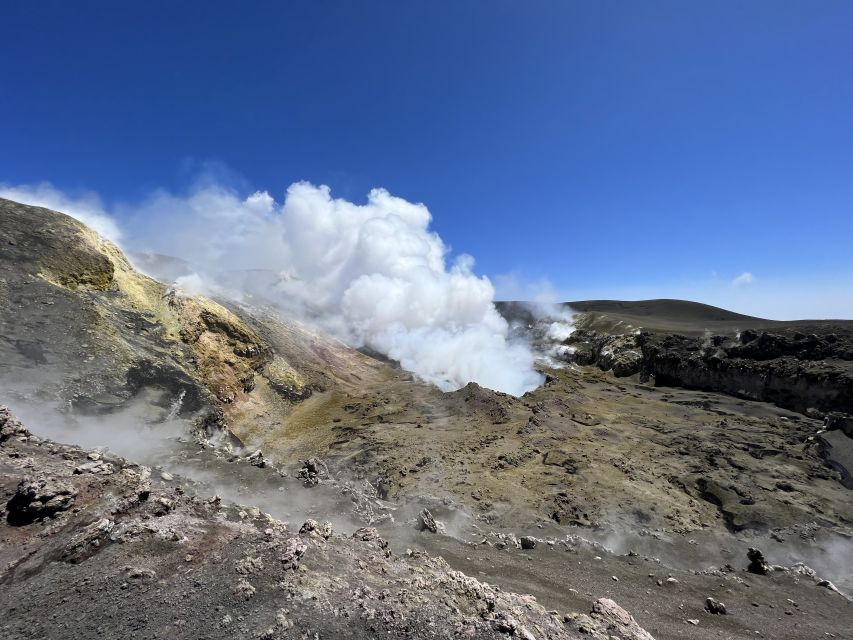
- Central Summit Crater edge is where you see gas emission areas, fumaroles, and sulphur minerals
- About 1.5 hours uphill plus 1.5 hours descent means you’re hiking most of the day’s work
- Wind at altitude can be real year-round, even when Catania feels warm
- Provided gear includes helmet, walking sticks, and hiking shoes
Getting to the north side: Piano Provenzana and the 4×4 start
This tour anchors itself at Piano Provenzana in North Etna, with a morning departure at 8:00am. You’ll start at roughly 1,800 meters, then head uphill by off-road 4WD vehicles along volcanic roads lined with different plants. It’s a big part of the value because it shortens the amount of time you’d otherwise spend slogging uphill just to reach the good stuff.
The first big target is the Observatory platform around 2,800 meters. From there, the hiking begins, and you shift from “riding through volcanic terrain” to “walking across it.” You’ll feel the altitude more once you’re on foot, especially if you’re not used to steep, uneven ground.
Small-group pacing matters here. With limited spots, guides can slow things down when someone needs it and speed up when the group is steady. It’s also easier for photos because your guide can pick sensible pull-offs without turning it into a traffic jam.
What to watch for: the north side is often calmer and scenic, but your biggest enemy is still the mountain itself—wind, loose volcanic material, and the sheer fact that you’re going high.
You can also read our reviews of more tours and experiences in Catania.
The Observatory at 2,800m: where the hike truly begins
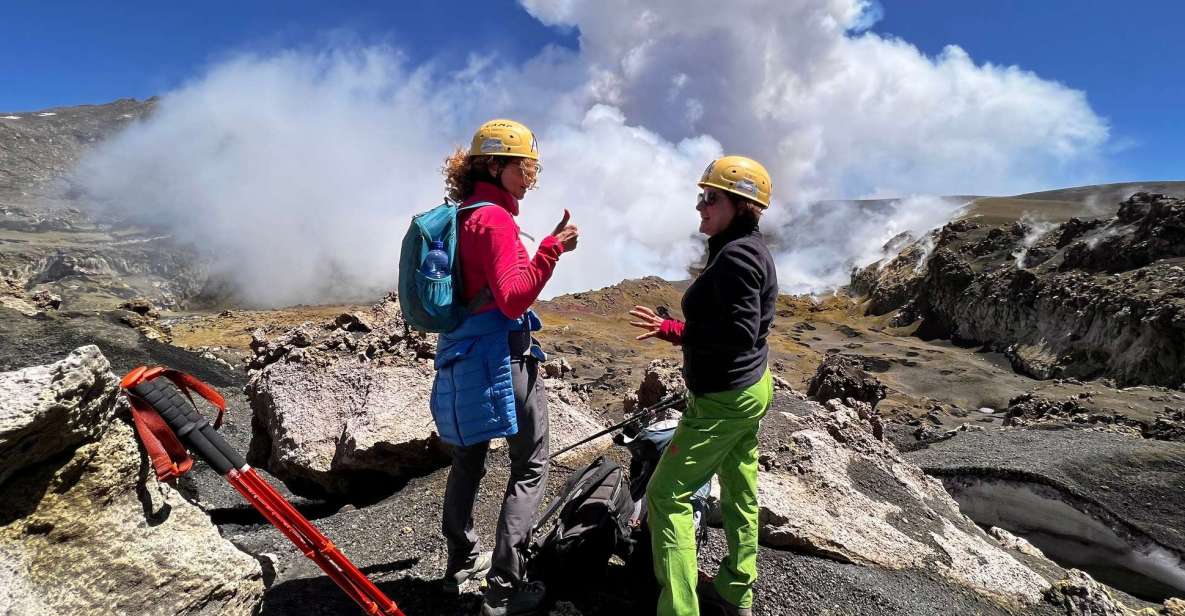
At the Observatory, you’re not just taking a break—you’re changing landscapes. You’ll get set up for a sideways uphill trek over a lunar-feeling section of terrain. Think massive volcanic fragments—bombs, slag, and that dusty surface that looks like it came from another planet (because, well, it did).
From this point, the uphill walk is about 5 kilometers with a total uphill difference around 500 meters. That works out to roughly 1 hour 30 minutes of walking, but it’s not a gentle cruise. The terrain is steep in parts, and the walking surface can be uneven and tiring.
You’ll also start to understand why this tour is so famous with Etna hikers: you’re going from general altitude views to direct crater-area geology. You’re not just looking at Etna from far away.
Practical tip: before you leave the Observatory area, make sure you’re dressed for wind. In summer, people still report it’s cold enough to notice once you’re up high, and that wind cuts right through.
The Central Summit Crater edge at 3,300m
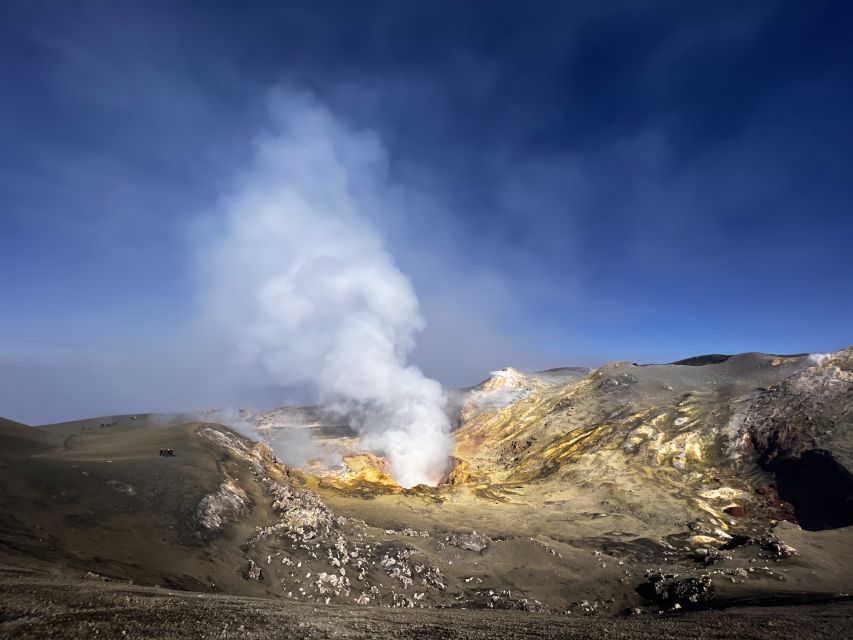
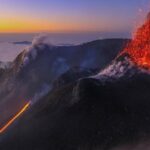
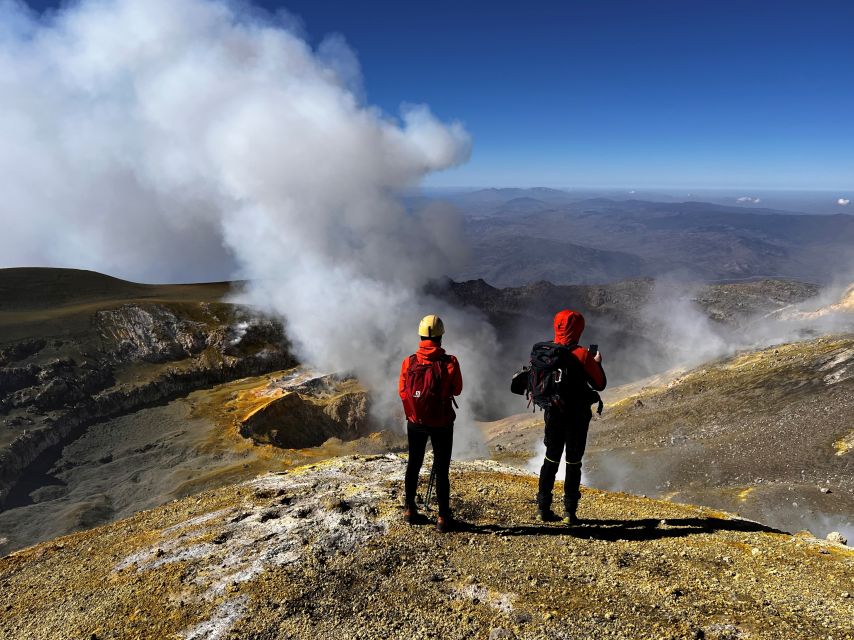
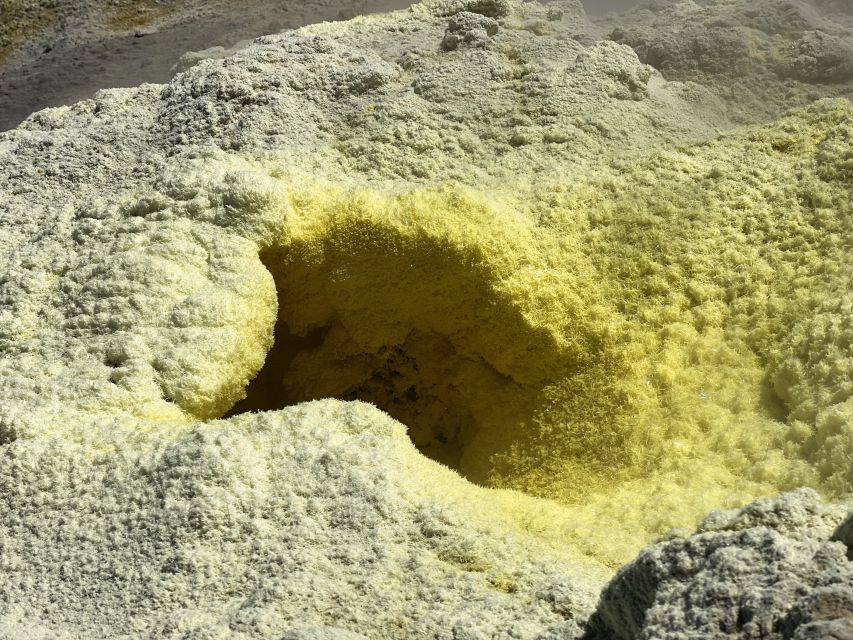
The star moment arrives when you reach the edge of the Summit Central Crater at about 3,300 meters. This is the point where Etna’s “destructive and creative” personality feels real. You’ll see areas of gas emission, fumaroles, and bright sulphur minerals—a visual reminder that the volcano is active and alive, not just a mountain on a map.
The guides are key here. At the crater edge, you want someone who can help you interpret what you’re seeing—what a fumarole is doing, why sulphur shows up bright, and how the terrain formed. That’s exactly the kind of explanation that makes the stop more than just photos.
You’ll likely feel it in your body too: altitude plus steep ground equals a slower pace. The reward is that moment when you realize you’re at the point where the views, the geology, and the scale all click into place.
If you’re sensitive to breathing strain: this is the section where you’ll work hardest. The tour isn’t recommended for people with respiratory issues or serious medical conditions.
The descent through volcanic sand and why it’s more interesting than you think
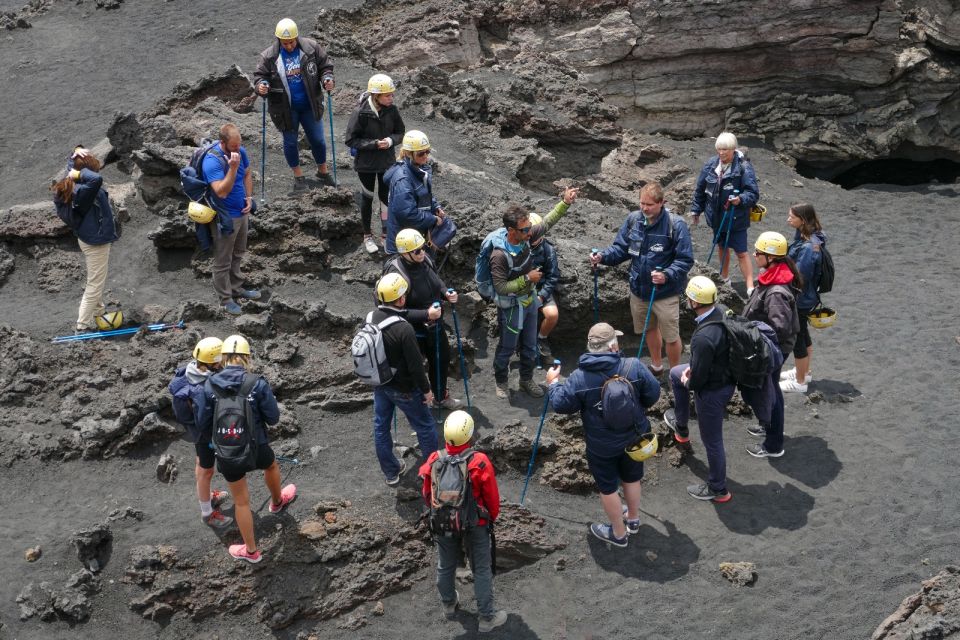
After reaching the top, the expert guide supports you on the way down. The descent is another about 1 hour 30 minutes of walking, and it’s not just “step down and be done.” You’ll move through a sandy channel with volcanic spots along the way that are worth slowing down for.
This part is underrated. Many hikes are either scenic on the way up or boring on the way down. Here, the descent keeps you engaged because the ground is constantly changing. The guide can point out details you’d miss if you were just trying to get back to the cars.
At this stage, the tour is also where good technique helps: short steps, stable footing, and using the walking sticks if you have them. The included sticks are there for a reason, and they’ll save your knees on uneven, loose volcanic terrain.
When you reach the return route, you’ll come back to the Observatory in Pizzi Deneri and then ride down to Piano Provenzana by off-road 4WD. The total excursion is about 5 hours, so you’re hiking hard but not trapped on the mountain for an entire day.
What gear you get, and what you should still bring
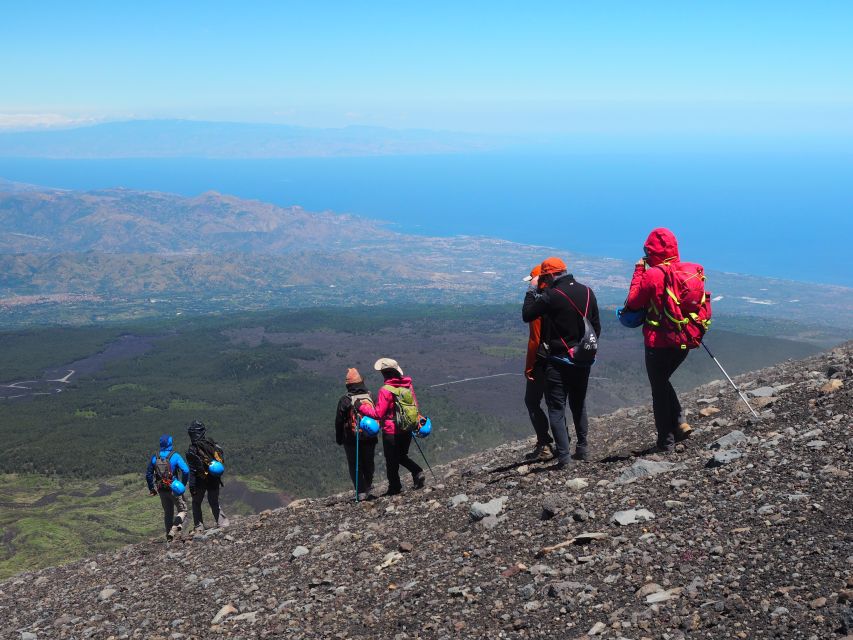
The tour includes the basics that matter most for safety and comfort: certified guide, helmet, walking sticks, hiking shoes, jacket, and assurance. That’s a strong value point. When the environment is harsh, you don’t want to gamble on the wrong shoes or missing protective items.
Still, you should bring what they ask for: hiking shoes, jacket, packed lunch, and long pants. Since a jacket is listed as included, consider this your chance to layer up rather than rely on one layer only. The mountain can switch from mild to windy fast.
My advice for a smooth day: bring long pants you don’t mind getting dusty. Loose volcanic surfaces and friction happen, and you’ll be happier not worrying about your clothes.
How hard is it really?
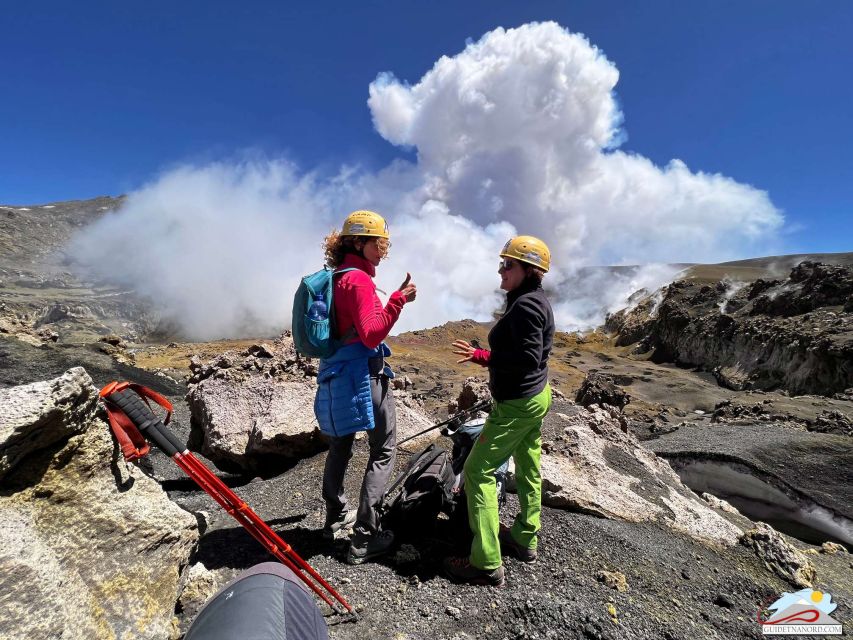
The walking adds up to about 3 hours total on foot, depending on your group’s pace. Expect steep climbing and a real workout. The reviews call it strenuous, with steep climbs, and the same logic applies even if you’re experienced: volcanic terrain demands respect.
The people who seem to enjoy this most are the ones who like hiking for the sake of hiking. If you want a mostly flat viewpoint with minimal effort, you’ll probably feel it as too much.
Good fit if you:
- Enjoy challenging hikes and can handle altitude
- Like geology and want to see features up close
- Want a small-group experience with real guide time
Not a fit if you:
- Have respiratory issues or serious medical conditions
- Need easy stairs, smooth floors, and slow pacing
- Are bringing kids under 10 (not suitable) or are pregnant (not suitable)
Also, weather matters. Fog and harsh conditions can change what’s safe or comfortable.
Price and value: what you’re really paying for
The listed price is $67.97 per person. But there’s an extra item that can change your total: a Bus 4×4 ticket (roundtrip) for €60, paid in cash or by credit card on the day.
That means you should plan on spending more than the headline price. The upside is that you’re not just buying a walk—you’re buying the logistics of getting to high altitude on volcanic roads and a guided crater-area experience with provided safety gear.
So, is it good value? For hikers who want the summit craters and don’t want to manage complicated transport themselves, yes. The small group, guide explanations, and the fact that you climb to the crater edge (not just a viewpoint) make it feel like a complete experience rather than a basic photo stop.
For people who hate steep terrain or who don’t have the right clothing, it won’t feel like value because you’ll struggle. This is a day for physically prepared guests.
Reviews highlight: guides who keep it on track
The strongest praise centers on the guides. People stress that the team is there to help during the climb and make the experience feel trustworthy. One review specifically calls out Gracia, mentioning that she helped shape the day into a golden moment.
Another recurring theme: you need to be prepared. Even in summer, altitude wind can be a wake-up call. The north side is described as quiet and breathtaking, which matches the idea that you’re getting Etna without the circus feeling.
The common thread is that the tour doesn’t just take you somewhere—it gives you interpretation, pacing, and support. That’s what turns “a hike” into “a story you remember.”
Who should book this Etna crater hike?
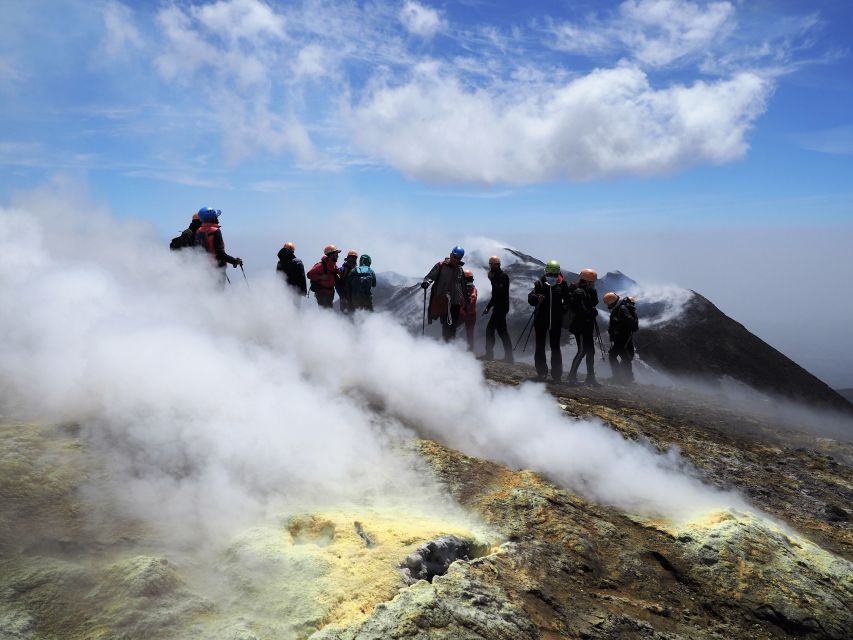
Book it if you want the summit craters experience with real hiking time and you’re comfortable with strenuous walking at altitude. You’ll like it most if you’re the type who reads the terrain as you go—dust, rocks, fumarole zones, and viewpoints—not just the skyline.
Skip it if you’re looking for an easy nature walk, have breathing or heart limitations, or need a stroller-friendly plan. This isn’t that.
If you do decide to go, you’ll get the most from the day by treating it like a hike first and a sightseeing stop second. Eat a real packed lunch before you’re deep into the climb, wear layers for wind, and don’t rush the first hour. You’ll reach the crater edge with energy left for the views.
FAQ
FAQ
Where does the tour start?
The meeting point is Piano Provenzana (North Etna) at 8:00am.
How long is the excursion?
The total excursion takes about 5 hours. Walking time is about 3 hours, depending on the group’s rhythm.
What’s included in the price?
Included are a certified guide, helmet, walking sticks, hiking shoes, jacket, and assurance.
What is not included?
Food and drinks are not included. Also, there is a Bus 4×4 ticket (roundtrip) that costs €60, paid on the day in cash or by credit card.
What languages are the guides?
The live tour guide speaks English, French, and Italian.
Who should not join this tour?
It’s not suitable for children under 10, pregnant women, people with heart problems, or people with respiratory issues. It also isn’t recommended for breathing difficulties or other serious medical conditions.
What should I bring?
Bring hiking shoes, a jacket, packed lunch, and long pants.
Should you book it?
If your idea of a great day in Etna includes steep walking, crater geology, and a guide who helps you make sense of what you’re seeing, this is a strong choice. The combination of 4×4 access, a small group, and the chance to stand near the Central Summit Crater is exactly what makes it feel special.
If you’re not comfortable with steep climbs, altitude wind, and sustained effort, pass. On Etna, the mountain always wins—so go only if you can meet it halfway.