REVIEW · CATANIA
From Naxos: Syracuse, Noto, and Catania Baroque Tour
Book on GetYourGuide →Operated by Discover sicily with mario · Bookable on GetYourGuide
Ancient ruins by the sea, then baroque cities at full volume. I really like how the day pairs Syracuse’s Neapolis (Greek Theatre, Ear of Dionysius, Latomie) with the easy walking magic of Ortigia. You’ll also get the star turn of Noto—the kind of Sicilian baroque that makes you look up a lot. One thing to keep in mind: it’s a tight schedule, and you’ll have some time to explore on your own between guided moments.
This is built for people who want a lot of Sicily’s big-name art and architecture without planning a thing. The tour is private (up to 6 people) and run with a live guide in English or Spanish, with round-trip pickup from places like Catania, Taormina, and Giardini Naxos. The payoff is huge, but if you hate bus rides and prefer wandering slowly, you may feel the day is packed.
In This Review
- Key Things I’d Pay Attention To
- Why Syracuse, Ortigia, Noto, and Catania Work in One Day
- Meeting Point, Pickup, and the Pace of a Private Group
- Syracuse’s Neapolis: Greek Theatre, Ear of Dionysius, and Latomie
- Ortigia Walk: Temple of Apollo, Duomo Square, and Aretusa Fountain
- Noto’s Baroque Highlights: Porta Reale, St. Francesco Staircase, and Palazzo Ducenzio
- Catania on Via Etnea: Baroque Streets and Santa Agata’s Finish
- Time on Your Own: How to Make Those 1–2 Hour Windows Work
- Value and Price: What $677.54 Per Private Group Really Buys
- Guides Matter: What Makes This Tour Feel Like More Than Sightseeing
- Who This Tour Suits Best (And Who Might Prefer a Slower Plan)
- Should You Book This Syracuse, Noto, and Catania Baroque Day Trip?
- FAQ
- Pickup is included?
- Where does the tour transport you from?
- How long is the tour?
- Is there a live guide?
- What major sites are included in the day?
- Is this tour private?
- How does exploration time work?
- Can I cancel for a refund?
Key Things I’d Pay Attention To
- Neapolis first, then baroque town squares: you go from ancient stone to sculpted stone.
- Ortigia on foot: the best moments happen while you’re walking and stopping for details.
- Noto’s design highlights: Porta Reale, St. Francesco, and the Cathedral aren’t random stops.
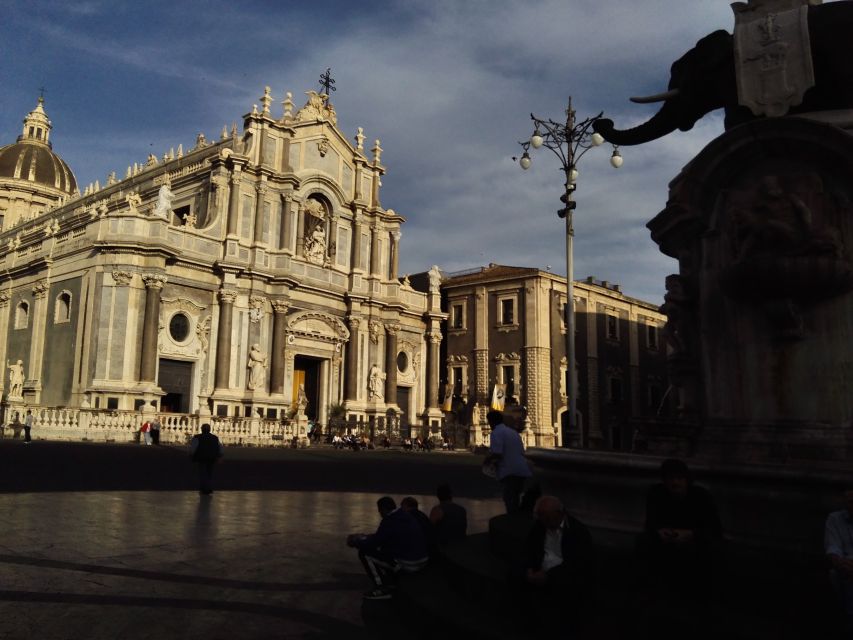
- Catania ends with a landmark: Via Etnea leads you into Santa Agata Cathedral.
- Private group flexibility: fewer people usually means better pacing and questions.
Why Syracuse, Ortigia, Noto, and Catania Work in One Day
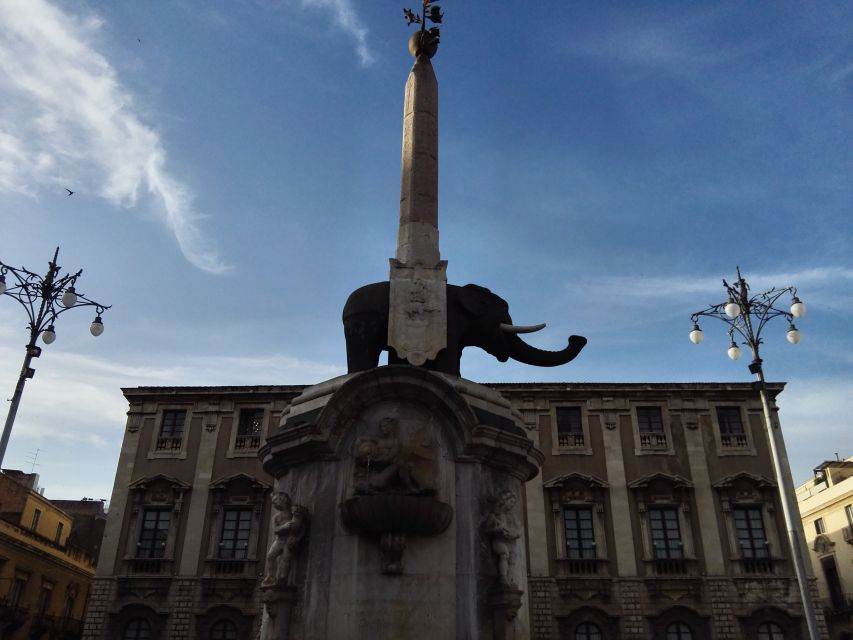
This tour makes sense because it mirrors Sicily’s timeline: Greek-era engineering in Syracuse, medieval-and-baroque layers on Ortigia, then Noto’s 18th-century baroque perfection, finishing with Catania’s urban baroque personality. If you like seeing how one region keeps reinventing itself, this route is a practical way to do it in a single day.
I like that you’re not bouncing through stops that feel similar. Syracuse gives you serious archaeology—big, recognizable structures tied to old drama. Ortigia gives you street life and sea views. Noto gives you the “look up at the buildings” version of baroque. Catania rounds it out with a city atmosphere and a strong finish at Santa Agata Cathedral.
That said, this is still an all-day format. You’ll want comfortable shoes and patience for transit, especially on a day that moves across multiple towns.
You can also read our reviews of more tours and experiences in Catania.


Meeting Point, Pickup, and the Pace of a Private Group
Pickup is part of the deal, with round-trip transport from Catania, Taormina, and Giardini Naxos (depending on where you’re staying). You’ll meet your driver at an agreed location and should wait in the hotel lobby about 10 minutes before pickup time. The driver holds a sign with your last name—easy to spot, and a relief when you’re traveling with luggage or wrangling a group.
Because it’s a private group up to 6, the day often feels less chaotic than the big-bus versions. That matters when you’re moving through archaeological areas and active city centers where timing can get tight. It also means your guide can adjust explanations if your group wants more history or just the best visuals for photos.
The tour runs about 8 hours. Starting times vary, so when you book, choose a departure that fits your energy level—not just your calendar.
Syracuse’s Neapolis: Greek Theatre, Ear of Dionysius, and Latomie
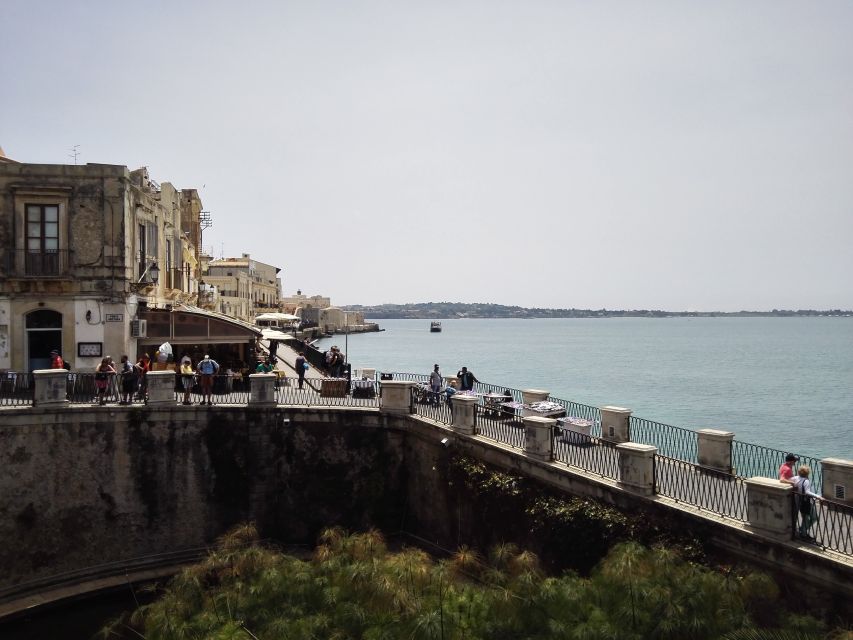
Syracuse’s Neapolis is the heavy-hitter opening act. You’ll visit key sites tied to the Greek world, including the Greek Theatre, the Ear of Dionysius, and the Latomie (quarries). Even if you’ve seen pictures, seeing these structures in person hits differently, mostly because they show scale—stone built for crowds, voices, and power.
The Greek Theatre is one of those places where you can feel the design working. Stand in the right area and the sightlines make sense. It’s not just an old building; it’s a built machine for viewing and hearing.
The Ear of Dionysius is small compared to the theatre, but it grabs attention fast. It’s the kind of stop that gives your brain something fun to test—sound, walls, and the idea that engineering was part theatre trick. If you like practical “how did they do that?” moments, this one is worth leaning into.
Then the Latomie add texture and mood. Quarries aren’t just background—they help explain how the city’s stone world supported its big monuments. This stop often feels like a change in atmosphere: less postcard, more atmosphere.
Ortigia Walk: Temple of Apollo, Duomo Square, and Aretusa Fountain
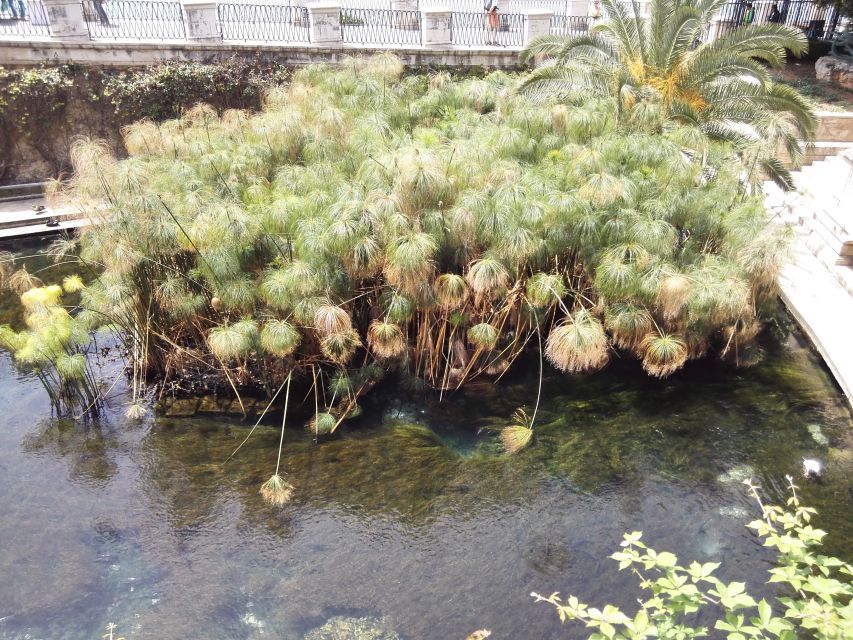
Ortigia is where the day turns more cinematic. You’ll stroll the island area and hit standout religious and classical sights, including the Temple of Apollo, Duomo square with the Cathedral of Saint Mary of the Immaculate Conception, and the Aretusa fountain.
The Temple of Apollo works well in this itinerary because it bridges eras. It’s classical but placed in a living town context, so you’re not wandering through an isolated museum feeling. You get the classic stone shapes with the everyday Sicily vibe around them.
Duomo Square and the cathedral scene give you baroque-era grandeur in a more human-sized setting than the huge archaeological zones. This is also a good area to pause if you like people-watching and architecture together. The energy changes as you move from ruins to city center—Ortigia is less about scale and more about atmosphere.
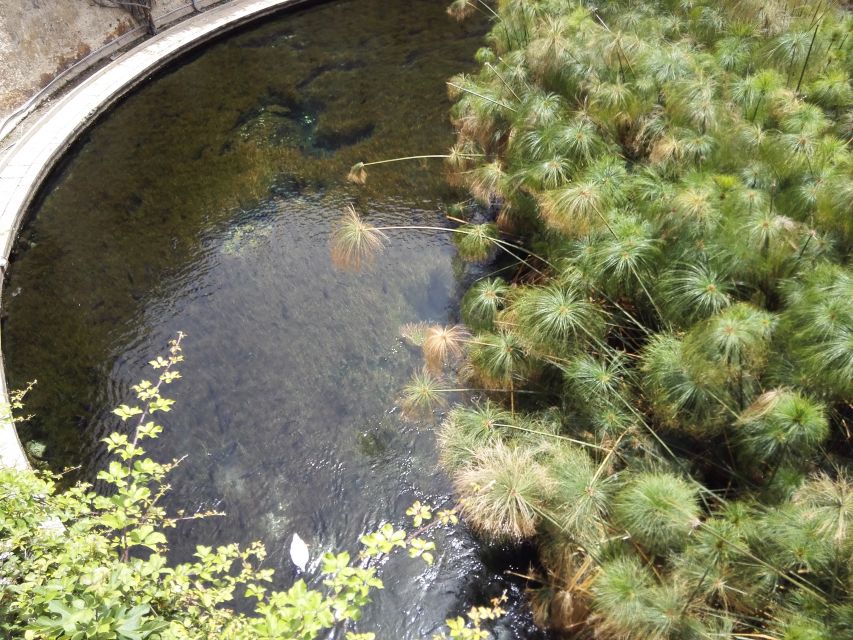
Then comes Aretusa fountain. It’s one of those places that feels instantly recognizable, even before you know why. I like stopping here because it’s a reminder that this isn’t only about buildings—it’s about water, legend, and the coastline relationship that shaped eastern Sicily for centuries.
Noto’s Baroque Highlights: Porta Reale, St. Francesco Staircase, and Palazzo Ducenzio
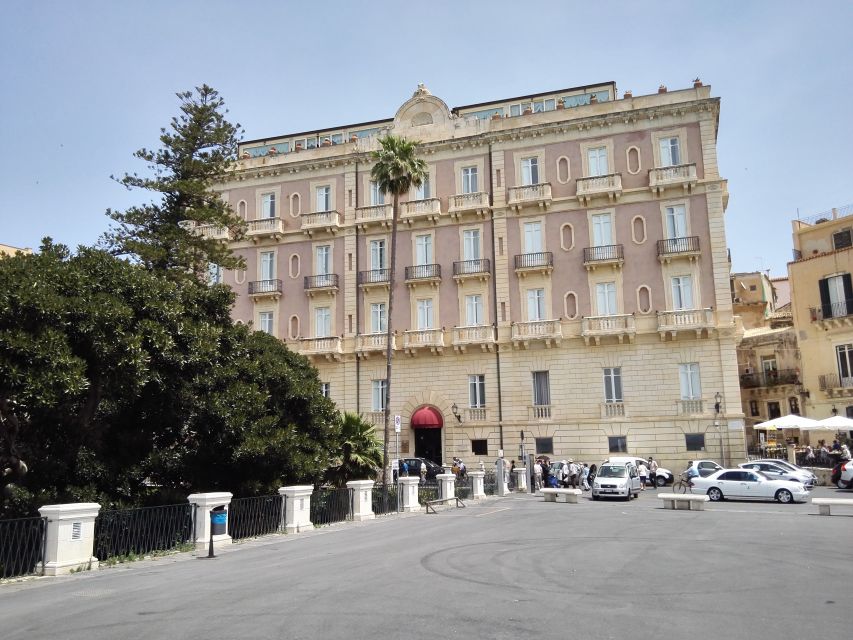
Noto is the baroque city stop you’ll talk about later. You’ll enter through Porta Reale, then continue through key stops such as St. Francesco’s Church and its famous staircase, plus the Palazzo Ducenzio and the Cathedral.
What I love about Porta Reale as a first Noto stop is how it sets the stage. It’s not just an entrance; it frames the town’s identity. You start to understand Noto as a designed whole, where street perspective and architecture are meant to work together.
The Church of St. Francesco and its staircase is the “pause and stare” moment. Even if you aren’t a baroque fanatic, this kind of structured stair design pulls you in. Use your minutes wisely here: step back far enough to see the full geometry, then walk up and watch how the view changes.
Palazzo Ducenzio brings a civic pulse to the day. It’s a reminder that baroque isn’t only about churches; it also shows up in how a city presents power and public life. Then you end near the Cathedral, where Noto’s overall baroque style becomes easier to read all at once.
One practical tip: Noto streets can feel like a photo marathon. If you’re not careful, you’ll spend all your time shooting and none reading the details. Ask your guide what to look for first—then take pictures without losing your bearings.



Catania on Via Etnea: Baroque Streets and Santa Agata’s Finish
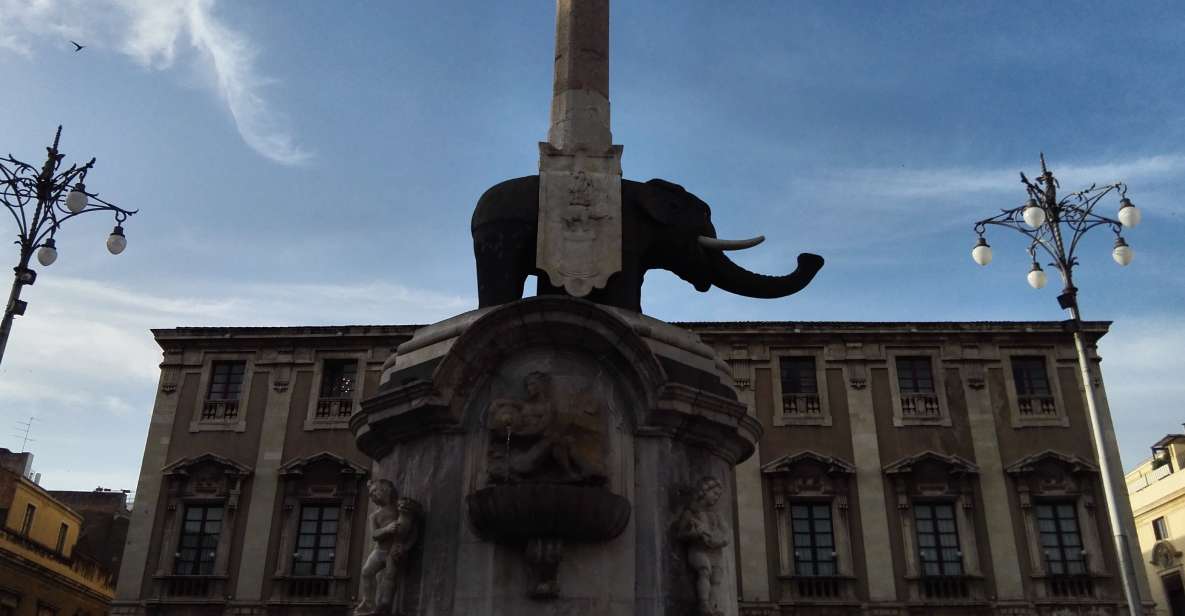
Catania is where the day shifts into “city” mode. You’ll stroll Via Etnea, see the major baroque buildings in the center, and end at Santa Agata Cathedral.
Via Etnea is a smart choice for a short walking window because it’s a corridor—architectural rhythm on both sides. It helps you understand Catania’s baroque feel without needing to memorize a list of façades. I like this part because it gives you a calmer way to process everything you’ve seen so far. Syracuse was ruins, Ortigia was island charm, Noto was planned spectacle. Catania gives you ongoing street life.
The baroque in Catania can feel different from Noto. It’s still ornate, but you’re seeing it in an active city context rather than the staged perfection vibe. This stop helps you connect the dots across towns.
Ending at Santa Agata Cathedral is a strong way to close. It gives you a focal point at the end of the day—something monumental to stand in front of while you take stock of the entire route. If you’re running low on energy, this is the kind of stop where you can still feel the grandeur even with a quick visit.
Time on Your Own: How to Make Those 1–2 Hour Windows Work
You don’t spend every minute with your guide beside you. Instead, you’ll get guided stops and explanation, then time to explore independently with clear suggestions on what’s worth seeing.
That structure can be a win. It prevents the day from turning into a lecture marathon. It also lets you move at your pace—slow down when something catches your eye, or jump ahead if you already know what you want.
Here’s how I’d use that time efficiently:
- Start by finding one anchor spot (a cathedral, a square, a viewpoint) and build around it.
- If you’re into detail, spend the first 10 minutes looking for the specific features your guide pointed out.
- If you’re shopping or eating, don’t do it randomly. Pick a small area so you’re not walking in circles while your bus schedule looms.
Because the itinerary covers multiple towns, the “best strategy” is focus. You’ll enjoy the day more if you treat each stop like a mini-mission rather than a free-for-all.
Value and Price: What $677.54 Per Private Group Really Buys
The price is $677.54 per group, up to 6 people. If you max out the group size, that’s roughly $113 per person. That’s the number to compare against other day trips in Sicily, especially since this isn’t just a ride—it includes a live guide and a packed itinerary across four major Sicily stops.
So where does the value show up?
- Private group means better control over timing and questions.
- Pickup/drop-off from multiple areas reduces the planning burden.
- The day connects expensive-to-plan highlights (multiple UNESCO-linked cities and major landmarks) into one route.
The main “cost” is time. You’re paying with a full day and more movement between towns. If you’re the type who wants one city only, this route may feel like too much. If you want the best of eastern Sicily without building an itinerary yourself, it’s strong value.
Guides Matter: What Makes This Tour Feel Like More Than Sightseeing
One of the most praised parts of the experience is the guide. Names you may hear include Fabio and Ignazio, and the common thread is how helpful they are about pacing and what to look for when you’re on your own.
In practice, that can mean you get more than “here’s a building.” You get the quick context that makes the architecture and archaeology readable. That matters a lot at places like the Neapolis sites, where it’s easy to feel overwhelmed if you don’t know what you’re looking at.
Also, being accommodating isn’t just personality. It affects your day. When a guide can handle different energy levels, you don’t lose momentum to confusion or missed beats.
If you’re booking specifically for the guide experience, it’s worth paying attention to that factor. The difference between a good and great guide is whether the day feels like a checklist or a story.
Who This Tour Suits Best (And Who Might Prefer a Slower Plan)
This tour fits you if:
- you want Sicily baroque and ancient sites in one day,
- you like structured guidance but still want time to wander,
- you’re traveling as a small private group and want smoother pacing.
It may not fit you as well if:
- you dislike day-long schedules with multiple towns,
- you want deep museum-style time at one site instead of seeing several highlights,
- you’re the type who needs hours to decompress after each stop.
If you’re visiting eastern Sicily for the first time, this is a strong orientation day. It also works well as a “best hits” day if you plan to return to Sicily later and want more detail on what you loved most.
Should You Book This Syracuse, Noto, and Catania Baroque Day Trip?
I’d book it if you want a smart, efficient route through Syracuse/Ortigia, Noto, and Catania with a live guide and private-group comfort. The biggest reason is the balance: ancient ruins in Syracuse, walkable island sights in Ortigia, baroque set-piece moments in Noto, then a city finale in Catania.
I’d think twice if your ideal day is slow, quiet, and single-destination focused. This one is for motion. If that sounds like your style, it delivers.
FAQ
Pickup is included?
Yes. The tour includes pickup and drop-off at an agreed meeting place, and the driver holds a sign with your last name. You should wait in the hotel lobby about 10 minutes before pickup.
Where does the tour transport you from?
Pickup is available from Catania, Taormina, and Giardini Naxos (as listed for round-trip travel).
How long is the tour?
The tour runs about 8 hours (starting times vary, so check availability when you book).
Is there a live guide?
Yes. The tour includes a live guide with English and Spanish available.
What major sites are included in the day?
You’ll see Syracuse’s Neapolis highlights (Greek Theatre, Ear of Dionysius, Latomie), Ortigia (Temple of Apollo, Duomo square Cathedral of Saint Mary of the Immaculate Conception, Aretusa fountain), Noto (Porta Reale, Church of St. Francesco and its staircase, Palazzo Ducenzio, Cathedral), and Catania (Via Etnea and Santa Agata Cathedral).
Is this tour private?
Yes. It’s described as a private group, with pricing listed for groups up to 6 people.
How does exploration time work?
You get guided time at major stops, plus time to visit areas on your own during the day.
Can I cancel for a refund?
Yes. Free cancellation is available up to 24 hours in advance for a full refund.