REVIEW · MODICA
Chocolatier for a day: raw bean to bar chocolate in Modica
Book on GetYourGuide →Operated by i Sapori degli Iblei · Bookable on GetYourGuide
Chocolate starts as a bean in Modica. This hands-on bean-to-bar workshop turns you into the maker, from selecting raw cacao to finishing a bar you package yourself.
I love two things most: you taste cacao and chocolate at multiple steps, so you understand what changes along the way, and you get to do the real work with your hands instead of watching from the sidelines. You’ll also feel the care from guides like Giuseppe and Vincenzo, who explain the process with real passion and keep the mood warm and friendly.
One thing to consider: the workshop is Italian only, and a foreign-language interpreter is not included, so plan for communication support if you don’t speak Italian.
In This Review
- Key highlights worth your time
- Why Modica’s lab experience feels different
- The 3-hour flow: roast, grind, refine, and build your bar
- Pick your cacao and taste how flavor changes
- The stone-grinding moment you’ll remember
- Create your own raw chocolate bar (with ingredient choices)
- Guides, group size, and the Italian-language reality
- Price and value: is $94 worth it?
- What to bring, and what the lab won’t allow
- Who this workshop is best for
- Quick practical checklist before you go
- Should you book Chocolatier for a Day in Modica?
- FAQ
- How long is the workshop in Modica?
- What’s included in the price?
- Do I get to make and take home my own chocolate?
- Is food provided during the workshop?
- What language is the workshop taught in?
- What should I bring or prepare?
Key highlights worth your time
- Full bean-to-bar process: select, roast, grind, refine, and finish a bar
- Tastings at every stage to connect flavor with each step
- Small group (max 10) so you get real attention from the master chocolatier
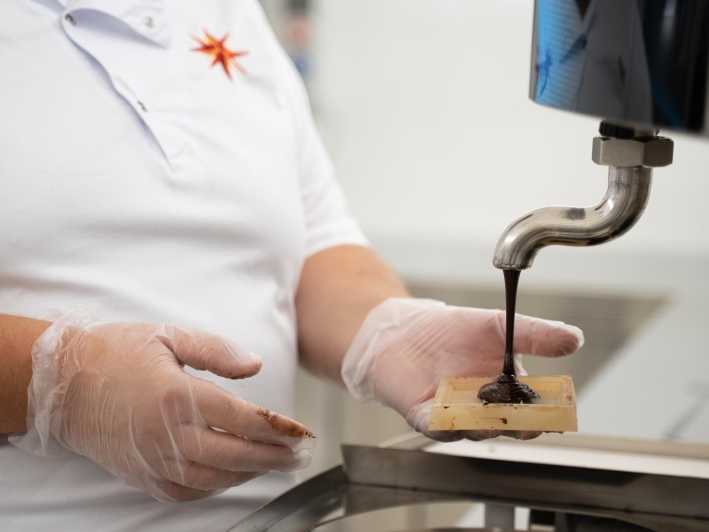
- Hands-on grinding and molding plus guidance from Giuseppe and Vincenzo
- You choose ingredients for your own raw chocolate bar
- Take-home packaging so your bar leaves the lab ready to enjoy
Why Modica’s lab experience feels different
Modica is famous for its chocolate, but this workshop is about the how, not just the flavor. You start with raw cacao beans and learn how they transform through roasting, grinding into cacao mass, and refining into chocolate you can mold into a bar.
What makes it especially good value for chocolate lovers is the structure. You don’t just sample a few finished products and call it a day. You work the process, and you taste the results as the flavors evolve. That makes the knowledge stick.
Also, the atmosphere matters. In multiple sessions, the guides come across as friendly, welcoming, and genuinely proud of the craft. Giuseppe’s explanations land because they’re tied to what you can smell and taste right there in front of you. Vincenzo’s vibe helps if you’re traveling with family or just want something fun and not too stiff.
You can also read our reviews of more tours and experiences in Modica.

The 3-hour flow: roast, grind, refine, and build your bar
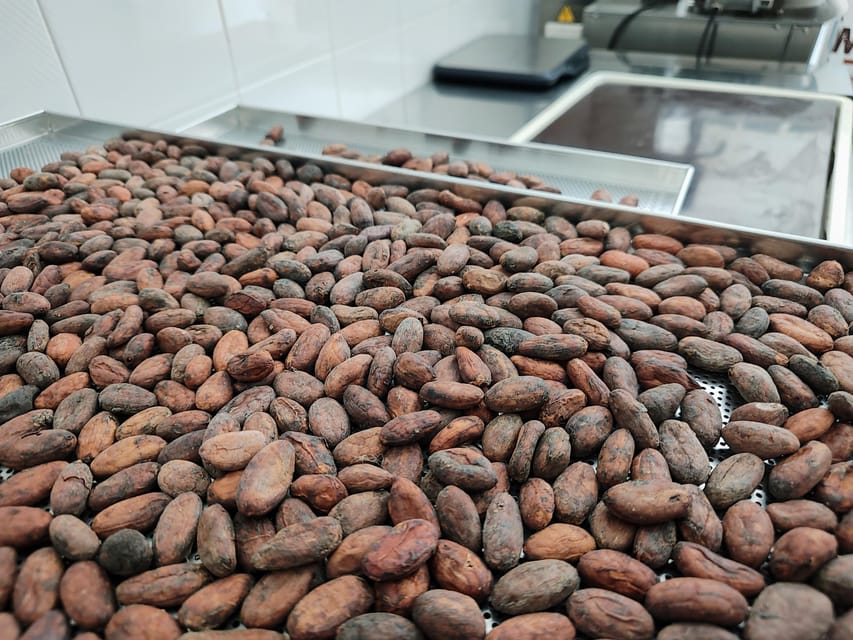
This is a compact session at about 3 hours, so the pace is focused. You’ll move through the key stages in a logical order, with guidance at each step.
Here’s what your time typically looks like:
First, you get an introduction to cacao origins and varieties. This isn’t a lecture that floats above your hands. It sets up why certain beans smell and taste a certain way after roasting.
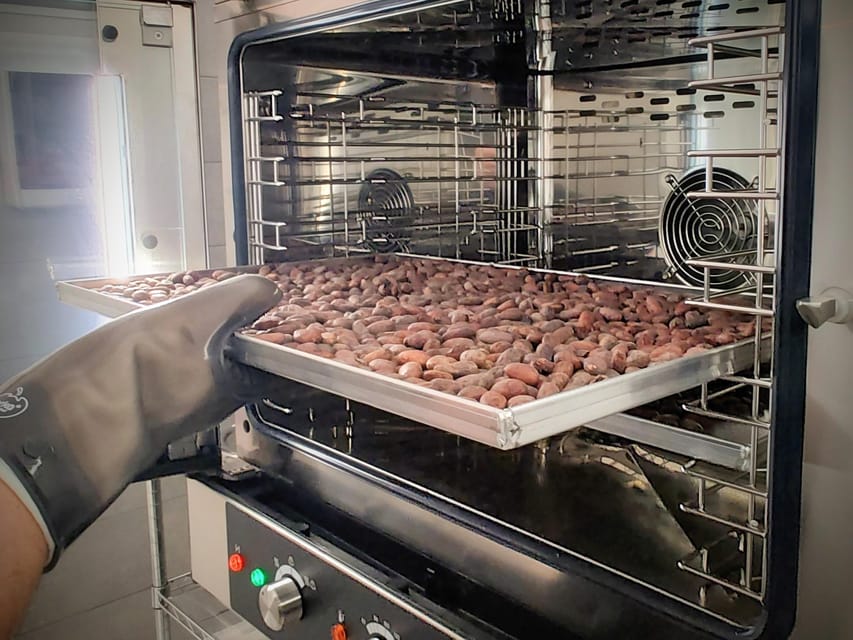
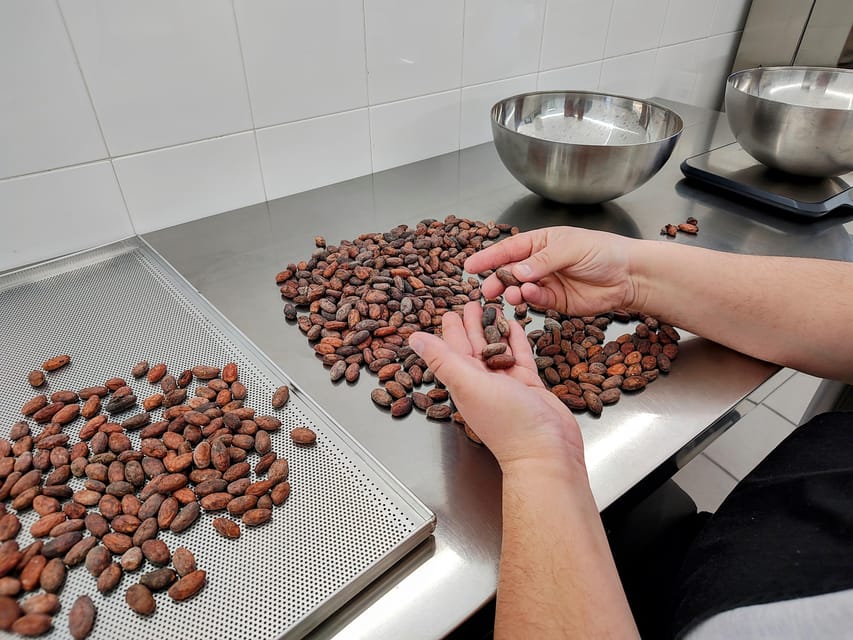
Next comes bean selection. You’ll learn how to choose cacao beans for your bar and why different beans behave differently as they’re heated and ground. Then you roast. Roasting is where the aromas start doing the teaching, because you can smell how the process changes the beans.
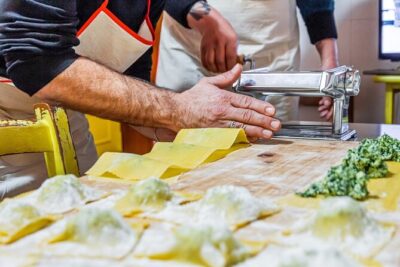
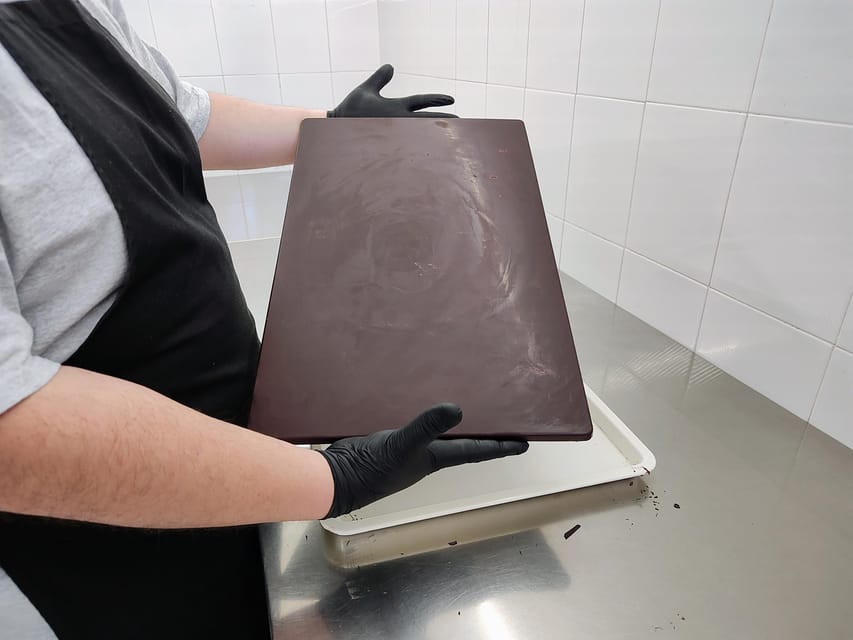
After that, you’ll go to stone grinding. Traditional stone grinding turns roasted cacao beans into cacao mass slowly and deliberately. It’s one of those steps that feels old-school because it is. You’ll get hands-on involvement with the tools, and you’ll taste along the way so you can actually map texture and flavor to each stage.
Then you’ll do refining and build your final creation. At the end you create your own raw chocolate bar, choosing ingredients, and you pack it yourself before leaving with a tangible souvenir.
Pick your cacao and taste how flavor changes
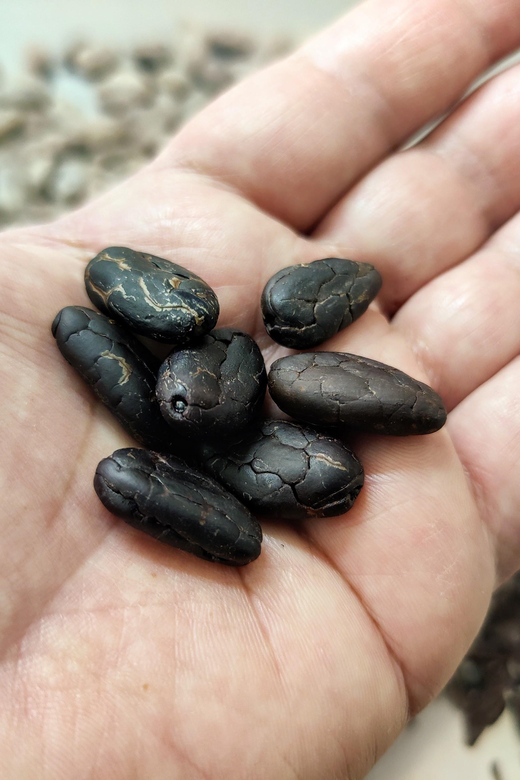
You’ll be guided on cacao origins and varieties, and the workshop uses tastings throughout the process so you can connect your senses with the theory.
The tastings are the quiet superpower of the experience. Instead of waiting until the end to see if you like the chocolate, you get to taste cacao and chocolate at different stages. That helps you understand what you’re actually tasting: bitterness, roast character, sweetness potential, and how the grind and refinement affect smoothness and intensity.
If you’re the type who likes to figure out why food tastes a certain way, this is the kind of class that answers that curiosity. You learn by doing, and you learn faster because you can compare small changes right away.
And yes, it’s still fun. People tend to leave with the feeling that they can taste more than they used to.
The stone-grinding moment you’ll remember
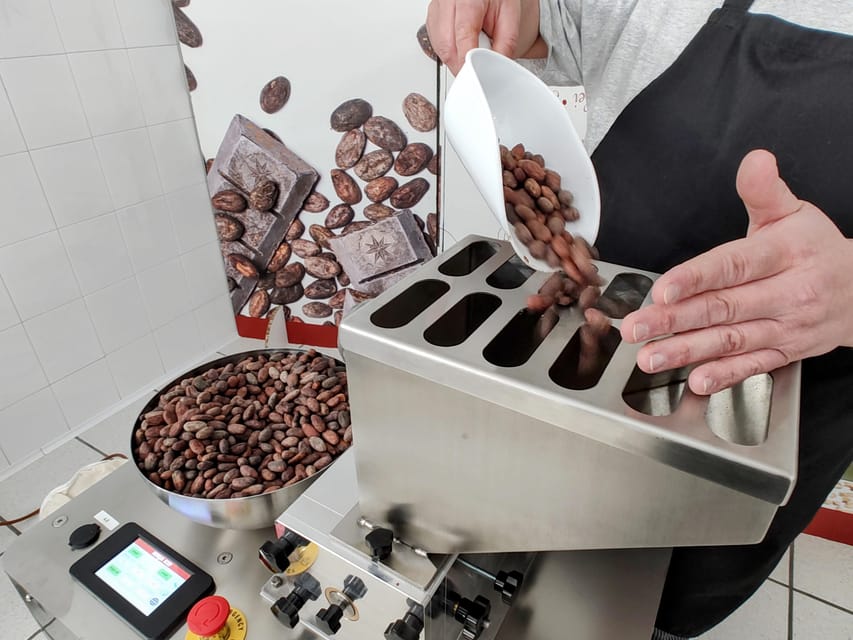
Stone grinding is the step that turns this from a standard chocolate tasting into something real.
When you grind, you’re not just making chocolate. You’re changing the physical structure of what’s inside the bar. The lab uses a traditional stone grinding approach to transform the roasted beans into cacao mass. As you go, you taste and smell so you understand why artisan bean-to-bar makers care about this stage.
This is also where the “maker” part becomes obvious. You’re not in a demo chair. You’re working through the steps with equipment and raw materials provided, wearing disposable protective gear like a gown, caps, and gloves.
If you’re worried it will be complicated, don’t. The guides focus on clear steps and practical instruction. And because the group is small, questions don’t get lost.
Create your own raw chocolate bar (with ingredient choices)
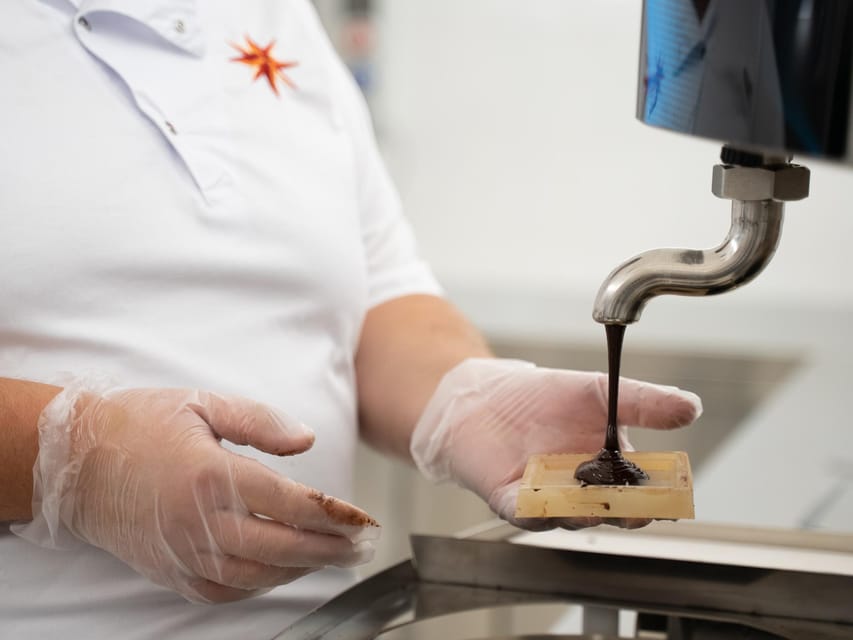
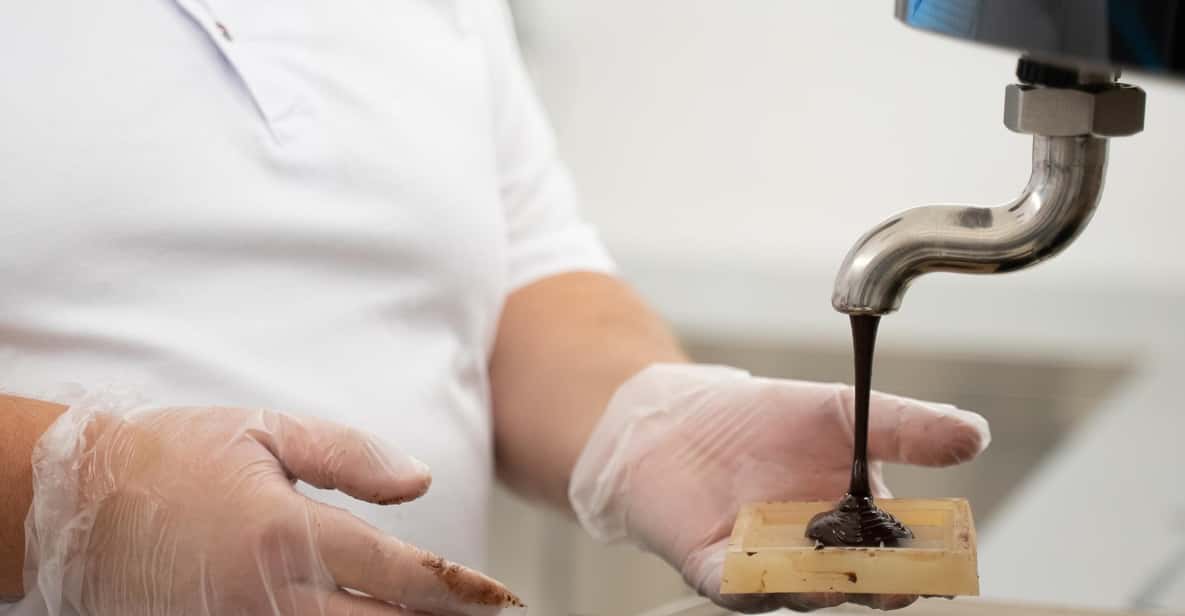
The final creation is not a one-size-fits-all bar. You create your own bean-to-bar chocolate bar, choosing ingredients based on what you like.
That ingredient choice is a big deal for value. A tasting gives you flavor. A workshop gives you ownership of the process and control over the outcome. You end up with a bar that feels like your decision, not just something you were handed.
Then you package it yourself. That last detail matters more than it sounds. A properly wrapped bar survives travel better, and it feels like a finished product instead of a sample cup. It’s also a nice way to bring Modica back home in a form you can share.
You can also read our reviews of more tours and experiences in Modica
Guides, group size, and the Italian-language reality
This is run by i Sapori degli Iblei and led by an Italian instructor. The language is Italian, and a foreign-language interpreter is not included.
Here’s how to handle that smartly:
- If you speak even a little Italian, you’ll pick up more from the explanations.
- If you don’t, plan on following hands-on instructions visually. The tastings and the steps are concrete, so you won’t be completely lost.
- In at least some settings, people have been supported by interpreters, such as Pietro in one group, but you shouldn’t count on that being available without arranging it.
Group size is limited to 10 participants, which helps a lot. You’re close enough to ask questions and get feedback on what you’re doing. That’s also why it tends to work well for families. One session included a 6-year-old who stayed engaged, touching, mixing, and molding with guidance. If you’re traveling with kids, this kind of tactile structure can be a better fit than a long lecture.
Finally, the workshop is wheelchair accessible, and the lab setup is described as clean and easy to find, which makes it less stressful to show up and get started.
Price and value: is $94 worth it?
At $94 per person for 3 hours, you’re paying for hands-on instruction, equipment, raw materials, guided tastings, and a take-home bar you helped create and package.
What justifies the cost is the scope. Many chocolate experiences focus on sampling. This one covers the full workflow: bean selection, roasting, stone grinding, refining, tastings at multiple stages, and then your own bar with ingredient choice. You’re also provided disposable protective gear and everything needed to make the product.
If you love chocolate but mostly buy what’s on the shelf, this is one of the most direct ways to learn what artisan bean-to-bar means in practice. The skills and sensory understanding you gain can make future chocolates taste more intentional.
If you’re on a tight budget, you might think of it as pricey. But if you’d rather pay for a real experience than a bigger tour with less hands-on time, this is a strong match.
What to bring, and what the lab won’t allow
This is where you can make your day smoother.
Bring: a hair tie. You’ll be wearing a cap, but tie your hair anyway so it stays controlled.
Not allowed: pets and food. The lab environment is set up for the workshop and tastings, so don’t plan to snack outside the provided process.
Also, if you have allergies or intolerances, inform the organizers so they can adapt the workshop accordingly.
Who this workshop is best for
You’ll love this most if:
- you want a hands-on bean-to-bar experience rather than a short tasting
- you’re curious about how roasting, grinding, and refining affect flavor
- you like learning through your senses: aroma, texture, and taste in sequence
It’s also a good option for people who want an activity that feels authentic and local. Modica’s chocolate culture is distinctive, and the workshop teaches that style through the process itself rather than only through product history.
If you’re traveling with family, the tactile steps and guided help can keep kids engaged. Just remember it’s still a lab with instructions, equipment, and timing.
If you dislike structured workshops or want pure sightseeing time, this might feel too hands-on. But if you’re a chocolate person, that’s the point.
Quick practical checklist before you go
- Wear comfortable clothes you’re okay getting a little messy (you’ll have disposable gear, but things happen).
- Bring a hair tie.
- Expect instruction in Italian and be ready to follow along through hands-on steps and tastings.
- Plan for a 3-hour block where you’ll focus on cacao and chocolate, not external meals.
- If you have allergies, speak up in advance so adaptations can be made.
- Leave pets and outside food at home.
Should you book Chocolatier for a Day in Modica?
I’d book it if you care about chocolate beyond taste and want to understand the craft behind it. The big wins are the full process, the guided tastings at multiple stages, and the fact that you leave with a bar you made and packaged yourself.
I’d think twice if you need lots of information in English, since the workshop language is Italian and a foreign-language interpreter is not included. In that case, you’ll still get a hands-on experience, but the explanations may land differently.
If you’re in Modica and you’re even moderately excited about cacao, this workshop is one of the best ways to turn a place known for chocolate into a story you can actually tell with sensory details.
FAQ
How long is the workshop in Modica?
The experience lasts 3 hours. Starting times depend on availability.
What’s included in the price?
It includes equipment and raw materials to produce chocolate bars, disposable protective gear, an introduction to cacao origins and varieties, bean selection, roasting, grinding, and refining, guided tastings, guidance from the master chocolatier, and creating and packaging your own bar.
Do I get to make and take home my own chocolate?
Yes. You create your own bean-to-bar chocolate bar, choose ingredients, and package it yourself to take home.
Is food provided during the workshop?
The workshop does not allow outside food, and the experience focuses on guided tastings during the process.
What language is the workshop taught in?
The workshop is conducted in Italian. A foreign language interpreter is not included.
What should I bring or prepare?
Bring a hair tie. If you have any allergies or intolerances, inform the organizers in advance so the workshop can be adapted.