REVIEW · SICILY
Etna Excursions Summit Craters (2900) with Volcanological Guides – guidetna.it
Book on Viator →Operated by Guidetna.it - Volcanological Guides on the Etna · Bookable on Viator
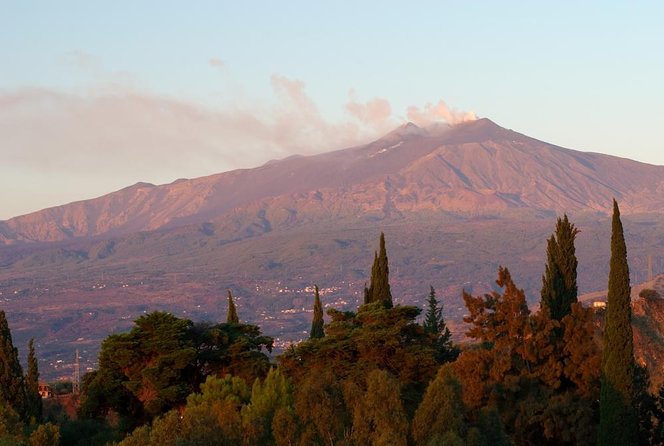
Etna’s summit craters feel alive. This guided trip takes you to the volcano’s top craters and gives you the story behind what you’re seeing as the terrain changes fast and the air gets real. I like that you’re guided by a registered volcanological guide, and that you get protective helmets plus insurance for peace of mind.
Two things I especially appreciate are the small group size (up to 20) and the way the guide manages the pace so everyone can keep up. The vibe stays organized and calm, even when the ground feels a bit unpredictable underfoot.
One watch-out: you may still pay for getting up to the craters (transfer costs and the cableway or 4×4 bus are not included). If you’re on a tight budget, plan for those extras before you go.
In This Review
- Key highlights to look forward to
- What You’re Really Buying on Etna (and Why It’s Worth $114.13)
- Getting There Smoothly: 9:00 AM Start, Pickup, and a Mobile Ticket
- Choosing Your Route Up Etna: Sapienza on the South or Piano Provenzana on the North
- Etna Summit Craters and the NE Crater Zone: What You’ll See Up Close
- Bocca Nuova Crater: The Part That Feels Most Dramatic
- South-East Crater and Central Crater: Stitching the Volcano Story Together
- Safety, Gear, and the Guide Factor That Makes the Day Feel Confident
- Duration: How Long 3–6 Hours Really Feels on the Ground
- What to Wear and Bring (Without Guesswork)
- Weather and the Etna Reality Check: Why the Day Depends on Conditions
- Price and Logistics: The Real Budget Math for Etna’s Summit Craters
- Who Should Book This Etna Summit Craters Tour
- Should You Book Etna Excursions Summit Craters (2900)?
- FAQ
- What language is the tour offered in?
- How long does the Etna summit craters excursion take?
- Is pickup available?
- Where does the excursion start?
- What time does the tour start?
- What’s included in the price?
- What costs are not included?
- How many people are in the group?
- What if the weather is bad?
Key highlights to look forward to
- Licensed volcanological guides registered with the Italian Alpine Guides College
- Up to 20 people, which makes it easier to ask questions and stay together
- Helmet + insurance included so you can focus on the geology, not the logistics
- Two climb starts depending on conditions: Etna Sud (Sapienza) or Etna Nord (Piano Provenzana)
- English-language experience for clear explanations at the crater rim
- Admission ticket free for the Etna summit craters area on the day of your visit
What You’re Really Buying on Etna (and Why It’s Worth $114.13)
A tour to the Etna summit craters is not just “a walk with views.” The real value is the explanation you get while you’re standing right where the volcanic activity left its fingerprints. At this price point, you’re paying for an expert who can translate the chaos—lava flows, crater shapes, and fresh-looking rock—into something you can actually understand.
The included items also matter. Helmet and insurance are practical, not fancy. They reduce stress, especially if you’re not used to walking on rough volcanic ground. And because the guide is registered with the Italian Alpine Guides College, you can expect a professional approach to safety and pacing rather than a casual “guide with a good phone camera.”
One more value signal: the group stays small (max 20). That helps in two ways. First, you get a better chance to hear the explanation clearly even if the wind picks up. Second, the guide can adjust the rhythm for mixed abilities—this is a tour where that makes a real difference.
So yes, it costs $114.13 per person—but it’s built around guided access to the summit craters, not a generic sightseeing bus stop.
You can also read our reviews of more tours and experiences in Sicily.
Getting There Smoothly: 9:00 AM Start, Pickup, and a Mobile Ticket
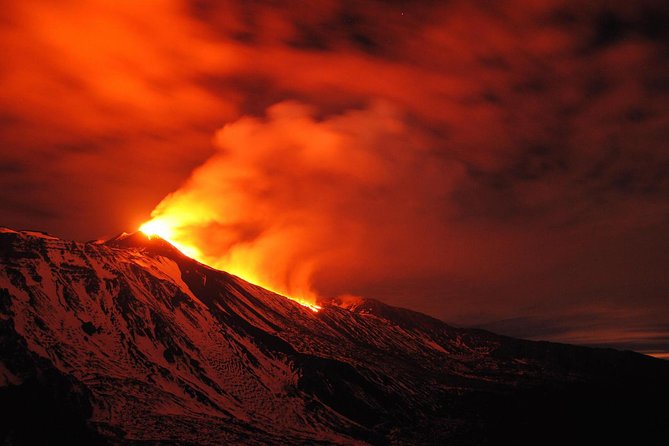
This tour runs with a 9:00 am start and finishes back at the meeting point. You’ll want to treat it like a real morning commitment, not a flexible add-on. The timing is also why the itinerary works: you’re not waiting around all day, you’re moving while the conditions and light are good for seeing crater details.
If pickup is offered where you’re staying, take it. Transfer logistics around Mount Etna can be a mini project, and shaving off that work makes the morning easier. That said, transfers are not included in the tour price, so pickup (when available) still needs to be treated as a service rather than “free transportation everywhere.”
You’ll also use a mobile ticket, which is simple if you’re comfortable with phone-based tickets and want less paper to manage in your daypack. The tour is near public transportation, which is helpful if you’re building your own plan around Etna rather than relying entirely on pickup.
Choosing Your Route Up Etna: Sapienza on the South or Piano Provenzana on the North
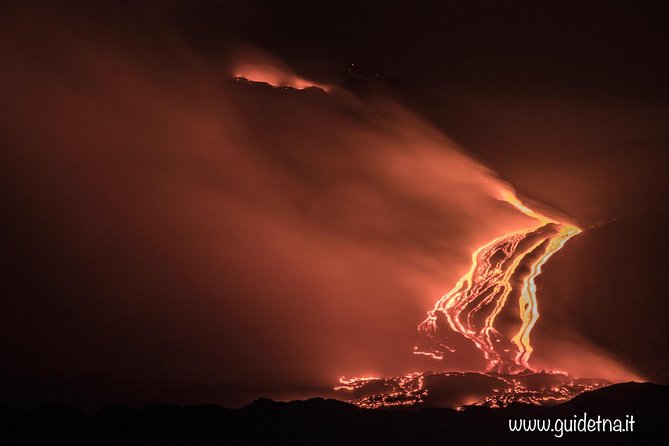
A smart detail here is that the climb can start from Etna Sud (Rifugio Sapienza) or from Etna Nord (Piano Provenzana). That’s not just “two random options.” Mount Etna’s access points can change based on conditions, route planning, and what’s safe and practical on the day.
In real life, this matters for two reasons:
- It can affect how quickly you reach crater areas and how the walking feels underfoot.
- It keeps the experience flexible so you’re more likely to get a successful summit-crater visit when conditions allow.
Either way, you’re setting out for the summit craters area—so your main payoff stays the same. The route choice just influences how you get there and what the timing feels like on the ground.
Etna Summit Craters and the NE Crater Zone: What You’ll See Up Close
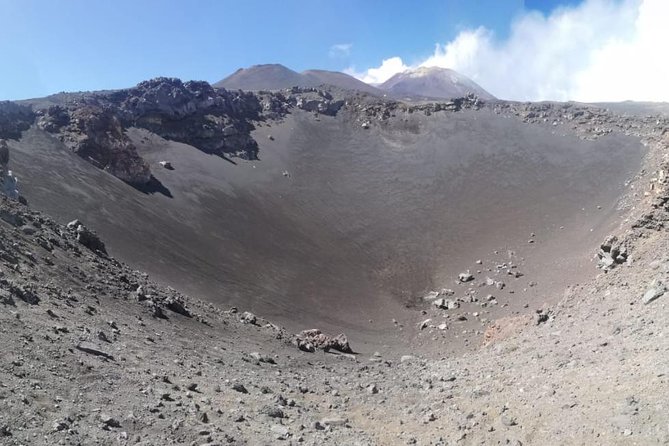
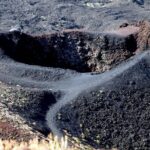
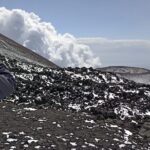
Your first big crater focus is the Etna Summit Craters, with key stops around the North-East Crater area. When you step close to crater rims, the view is only half the story. The other half is recognizing the shapes: how openings form, how lava edges harden, and how the volcanic landscape tells time through texture and color.
This is where the volcanological guide earns their pay. Without technical context, crater walls can look like “rock and dust.” With the guide’s explanations in English, you start noticing the patterns: which parts are linked to past activity, why certain sections look different, and how the crater layout fits together in a broader volcanic system.
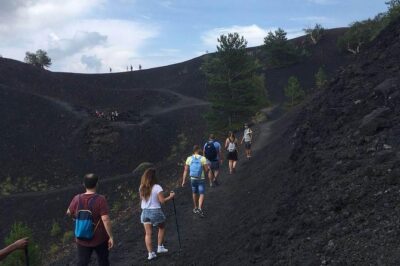
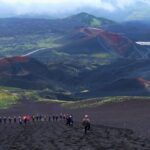
Practical tip: expect the ground to feel uneven and the wind to move in and out. Even if you’re physically fine, it can still slow your pace. That’s why a calm, organized guide matters. And it’s why you should dress for chilly crater air even if the lower foothills feel warmer.
Bocca Nuova Crater: The Part That Feels Most Dramatic
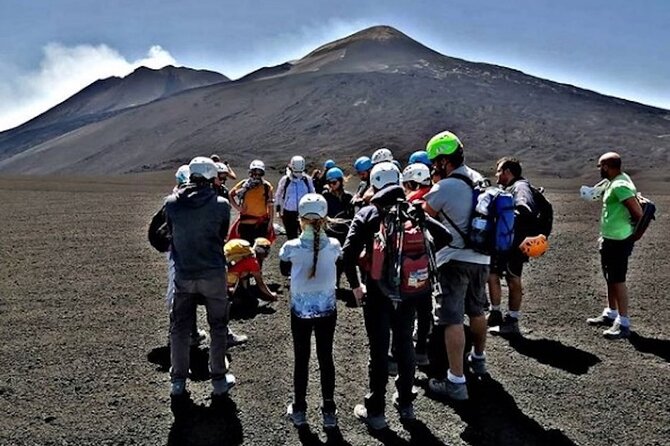
After the north-east area, you’ll move toward Bocca Nuova Crater, one of the crater names that sounds dramatic because the geology is dramatic. Standing near it, you’re right at the kind of “working edge” of the volcano—an area that helps you understand that Etna isn’t a static monument. It’s an evolving system, and the summit craters are the most direct interface most visitors can reach.
The most useful thing the guide can do here is connect what you’re seeing to why it’s shaped that way. That makes photos more than souvenirs. You’ll also be better prepared for what comes next, because the guide’s explanations make it easier to track the itinerary when you’re surrounded by multiple crater zones.
Also, remember this is not a speed-walk. Even when you want to move fast, the pacing works better when your guide keeps the group together—especially with mixed ages and stamina. That’s been a highlight with guides who adjust for participants who need a slower rhythm.

South-East Crater and Central Crater: Stitching the Volcano Story Together
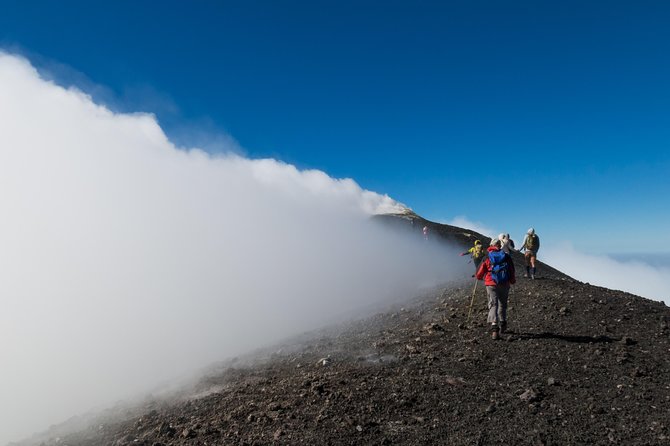
The route continues to the South-East Crater and then toward the Central Crater area. If you’ve ever visited volcanic sites where everything looks equally strange, this part is designed to prevent that. By moving between crater zones, you’re not just collecting scenic stops. You’re building a mental map of Etna’s summit features.
The guide’s job is to help you notice differences, not just point them out. That’s where you start understanding how each crater area fits into the overall volcanic story. You’ll likely hear explanations about what makes each zone distinct—through position, shape, and signs of past activity.
This section is also a reminder that good walking comfort matters. Loose volcanic ground can be tricky. Wear stable footwear and plan to move carefully, especially if the weather is windy or damp. If you do those two things, you’ll be able to focus on what the guide is describing rather than fighting your footing.
Safety, Gear, and the Guide Factor That Makes the Day Feel Confident
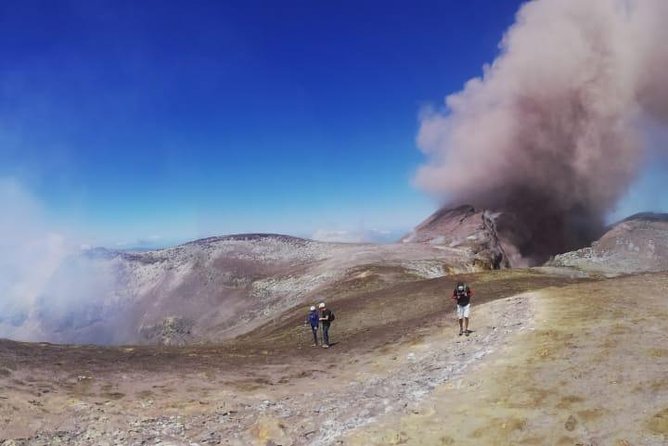
A lot of volcano tours say they’re safe. This one gives you the tools to actually feel safe: protective helmet and insurance are included. That’s not just a checkbox. Helmets are practical when you’re near crater edges and uneven surfaces.
The bigger safety win is the guide. You’ll be led by a registered volcanological guide, and that matters because crater-area work requires real training, not just enthusiasm. In particular, the guide Francesco is highlighted for staying organized and managing the pace for the whole group—so faster walkers and older participants aren’t fighting each other.
That’s the sweet spot you want on a summit excursion:
- Clear instructions before you move
- Controlled pacing while you absorb the science
- A sense that questions are welcome
If you want a volcano day that feels like a guided learning experience rather than a “good luck out there” outing, this guide-led approach is a big reason to choose it.
Duration: How Long 3–6 Hours Really Feels on the Ground
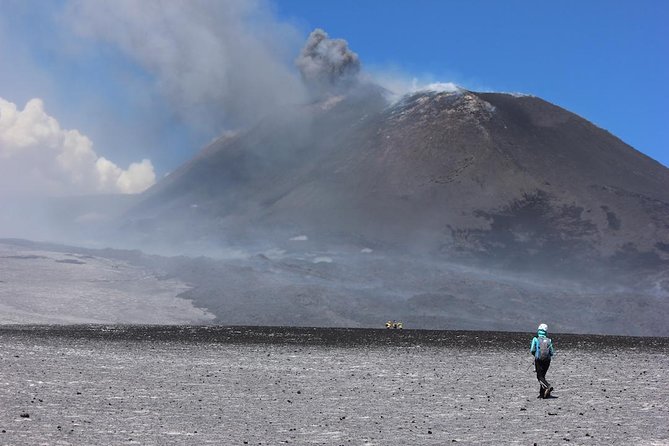
The tour is listed as 3 to 6 hours (approx.), and that range is typical for active volcanic terrain. On the day, timing depends on conditions and how long it takes the group to cover crater areas while staying safe and comfortable.
Here’s how to plan smartly:
- Assume you’ll be outdoors for most of the morning block.
- Build in time afterward for a slow cooldown and maybe a meal, since crater air can take it out of you.
- Don’t stack another tight commitment right after the tour unless you’re okay with small delays.
If you’re coming from somewhere outside the Etna area, you’ll want buffer time for the start. A 9:00 am start is early enough to require a real morning routine.
What to Wear and Bring (Without Guesswork)
The tour data doesn’t list specific clothing recommendations, but it does clearly set you up with a helmet. That means your job is to focus on what keeps you stable and comfortable in rough ground.
Based on the nature of summit-crater walks, I’d plan on:
- sturdy shoes you trust on uneven volcanic surfaces
- layers, because weather can change quickly near the summit
- a daypack for water and essentials (even though those aren’t listed as included)
If you have moderate fitness, you’ll likely be fine, but you should still expect some effort. The tour notes moderate physical fitness as the requirement, so it’s not “sit and look.”
Also, service animals are allowed and the experience is offered in English, which are helpful practical points when planning your group and communication needs.
Weather and the Etna Reality Check: Why the Day Depends on Conditions
This experience requires good weather. That’s not marketing talk—it’s a real operational factor for summit-area safety. If conditions aren’t right, the tour may be canceled and you’ll be offered a different date or a full refund.
For your planning, do two things:
- Keep your schedule flexible around your travel days.
- Avoid booking a tight connection the same morning you want to visit.
The tour is also built to run in English, which is useful because weather and visibility can shift. When that happens, clear explanations help you understand what you can and can’t safely observe.
Price and Logistics: The Real Budget Math for Etna’s Summit Craters
At $114.13 per person, this isn’t a “throwaway” day. The good news is that key safety components are included: guide accompaniment, helmet, and insurance.
The budget gotcha is what’s not included:
- Transfer cost
- Cableway or 4×4 bus cost
So your total day cost can rise depending on how you reach the crater access points. If you’re traveling from somewhere farther away, transfers can also be the biggest variable.
My advice: treat the $114.13 as the base cost for the guided summit-crater program, then add expected transport costs on top. If you do that, there are no surprises, just a clear picture of what the day will cost.
And because the tour ends back at the meeting point, you’re also planning a round-trip day rather than a one-way excursion.
Who Should Book This Etna Summit Craters Tour
This is a strong fit if you want:
- a guided, volcanology-focused summit experience
- clear explanations in English
- a small-group feel (up to 20)
- included safety gear and coverage
It may be less ideal if:
- you hate uneven outdoor walking and rough ground
- you want a completely low-effort tour
- you’re hoping to avoid all extra transport fees, since the cableway or 4×4 bus and transfer costs aren’t included
Should You Book Etna Excursions Summit Craters (2900)?
If you’re choosing between “drive-by Etna views” and “walk the crater zones with an expert,” book this. The best parts of the experience come from the guide-led safety and explanations, plus the included helmet and insurance. The pacing that works for different participants is also a real quality marker.
I’d book it when you can control your schedule enough for weather and when you’re ready to add transport costs on top of the ticket price. If that sounds manageable, this is the kind of Etna trip that turns the volcano into something you understand, not just something you pass by.
If you want to see Etna’s summit craters in a structured, professional way, this is a solid choice.
FAQ
What language is the tour offered in?
The tour is offered in English.
How long does the Etna summit craters excursion take?
Plan for about 3 to 6 hours.
Is pickup available?
Pickup is offered.
Where does the excursion start?
It starts from Etna Sud (Rifugio Sapienza) or from Etna Nord (Piano Provenzana).
What time does the tour start?
The start time is 9:00 am.
What’s included in the price?
Included are the cost for accompaniment with a volcanological guide registered with the Italian Alpine Guides College, a protective helmet, and insurance.
What costs are not included?
Transfer costs and the cableway or 4×4 bus cost are not included.
How many people are in the group?
There is a maximum of 20 travelers.
What if the weather is bad?
This experience requires good weather. If it’s canceled due to poor weather, you’ll be offered a different date or a full refund.