REVIEW · SICILY
Course of Arancini and Almond Paste in Catania
Book on Viator →Operated by Futuro e Lavoro · Bookable on Viator
Sicily comfort food gets hands-on. This Course of Arancini and Almond Paste in Catania pairs two icons of the island—street-style arancini and almond pastes—then ends with a relaxed tasting of what you made, plus Sicilian red wine and a glass of limoncello.
What I like most is the focus on actually doing the cooking with real Sicilian ingredients, not just watching. I also love the practical angle of the dessert: almond pastes are made with an almond base and have a total absence of milk and derivatives, so they’re a smart pick if you’re lactose intolerant (and a fun one if you’re not).
One consideration: the experience notes it requires good weather. Even though it sounds kitchen-based, you’ll want some flexibility in your plans if conditions force a reschedule.
In This Review
- Key highlights you’ll care about
- Where You Meet and What “Small-Group” Really Means in Catania
- Making Arancini: Classic Street Food, Without the Guesswork
- Almond Pastes in Catania: A Dairy-Free Sicilian Symbol
- The Included Tasting: What’s Served, and Why It Matters
- The Hands-On Flow: How the 2.5 Hours Likely Unfolds
- Price and Value: Why $114.88 Can Be a Smart Deal
- Who This Cooking Course Fits Best (and Who Might Skip It)
- Practical Tips for a Smooth Class Day
- Should You Book This Catania Arancini and Almond Paste Class?
- FAQ
- What is the meeting point for the arancini and almond paste course?
- How long is the course?
- Is the course offered in English?
- How many people are in the group?
- What do you make during the class?
- Is the almond paste suitable for lactose intolerance?
- What’s included with the class?
- What’s not included?
- Does the experience depend on weather?
Key highlights you’ll care about
- Small-group format (minimum 2, maximum 12 people, with a capped total group size listed as 14)
- English instruction for a smoother hands-on lesson
- Use of professional kitchen equipment in an equipped laboratory
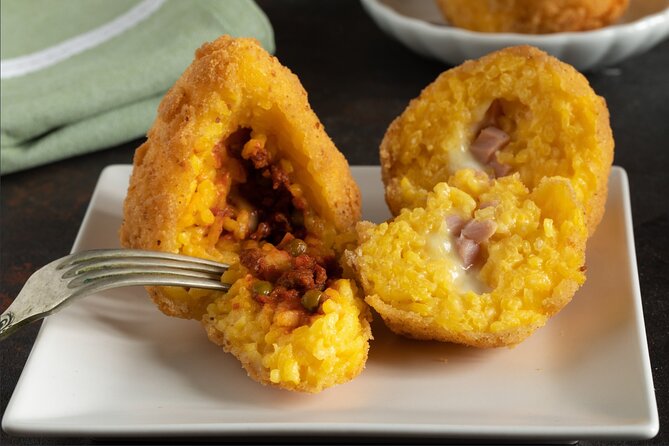
- Two signature Sicilian foods: arancini and almond pastes
- Included meal + drinks: light lunch or dinner with Sicilian wine and limoncello
- Lactose-intolerant friendly dessert thanks to almond pastes being dairy-free
Where You Meet and What “Small-Group” Really Means in Catania
You’ll start at Via Cervignano, 42, 95129 Catania, and the class ends right back at the same place. The venue is close to public transportation, including the GALATEA and ITALIA subway stops, so you can plan around the rest of your day without complicated logistics.
This is designed for a tight group—minimum 2 people, and a maximum of 12 people for the course. That matters because arancini and almond paste both need attention: shaping, texture, and timing are hard to get right from the sidelines.
You’ll also want to plan on being present for the full lesson window. It’s about 2 hours 30 minutes, and the meal is part of the experience, not an add-on after you’ve walked away.
You can also read our reviews of more tours and experiences in Sicily.

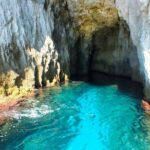
Making Arancini: Classic Street Food, Without the Guesswork
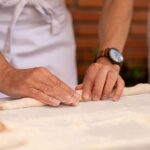
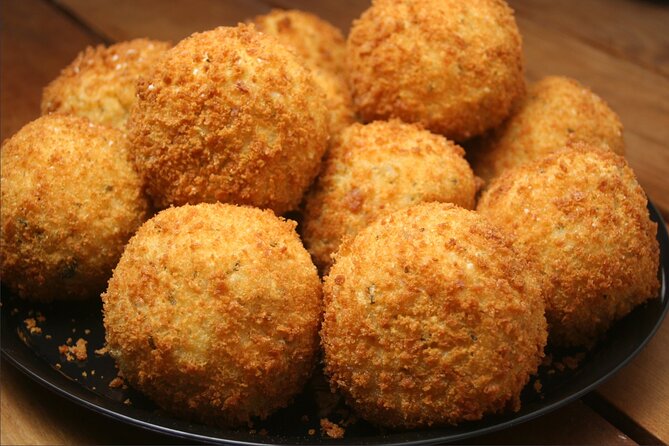
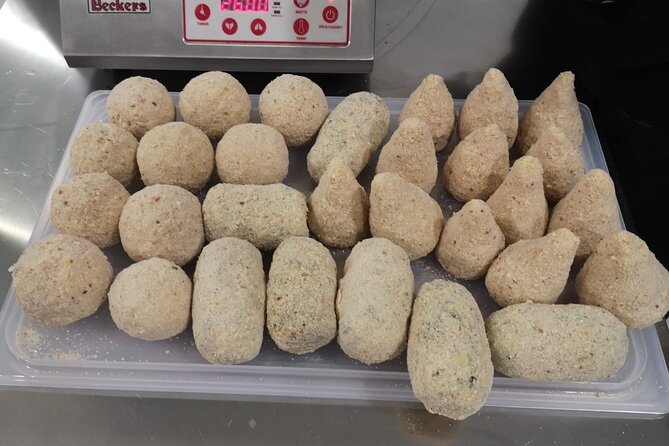
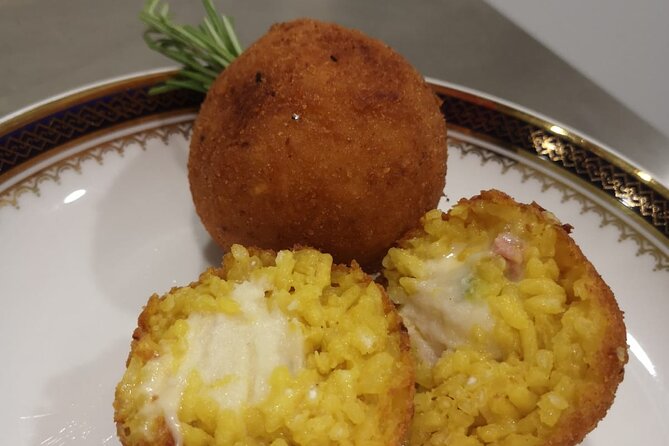
Arancini are one of those foods that sound simple until you try to make them. In this class, you’ll learn to make them using typical Sicilian products, then taste what you prepared later under the chef’s guidance.
The big value here is the teaching setup: you get access to an equipped laboratory and professional kitchen equipment. That means you’re working at the right tools for the job, and you’re not stuck trying to recreate technique with mismatched kitchen gear.
Also, arancini are a “feel” food. You’re not just measuring ingredients; you’re building texture and form. The class format is ideal if you want to return home with a process you can actually repeat, not just a vague memory of what looked right.
From the feedback, the guidance style stands out—Chef Simona Salerno is specifically called out as informative and very helpful. That’s exactly what you want when it’s your first time handling dough and shaping something that’s meant to look perfect.
Almond Pastes in Catania: A Dairy-Free Sicilian Symbol
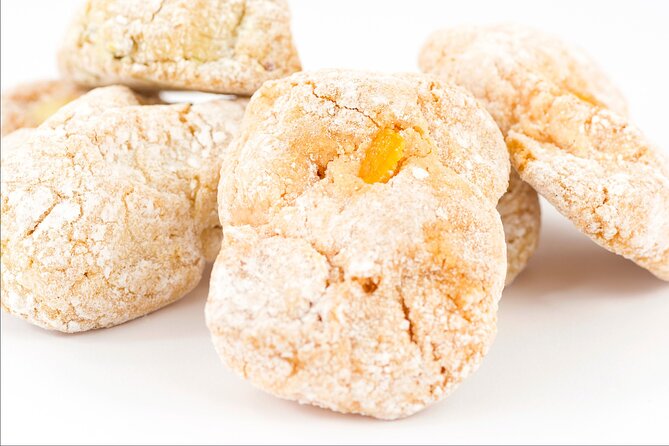
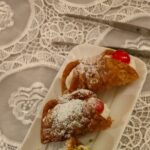
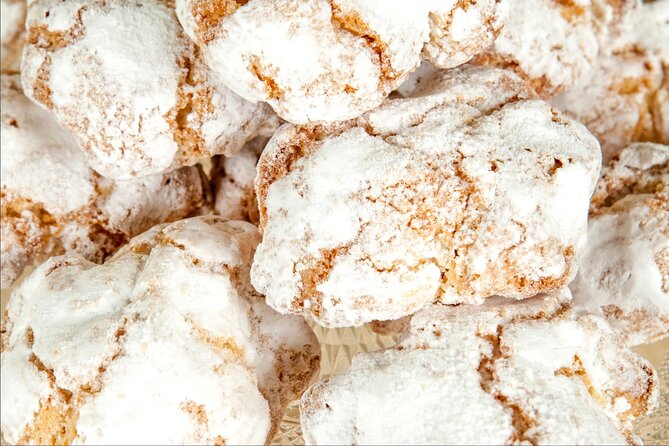
Almond pastes are one of Sicily’s desserts with real identity. They’re an almond-based sweet with a soft consistency that works for coffee, tea, or just a slow snack while you soak up the city.
Here’s the detail that makes this class extra useful: the almond pastes described are made with a total absence of milk and derivatives. So if lactose intolerance has limited your dessert options, this is a lesson that includes a dairy-free win—not a compromise.
You’ll learn how to make the almond paste, then you’ll be able to replicate it at home. That “replicate” part is important. Plenty of cooking classes teach you enough to enjoy the moment; fewer help you build the confidence to recreate the recipe later.
And the best part of almond pastes is how forgiving they can be compared with more delicate desserts—especially when you’re guided through the steps. If you’re anxious about baking or pastry skills, this one is a good bet because the outcome is a recognizable Sicilian treat, not something you have to master like a showpiece cake.
The Included Tasting: What’s Served, and Why It Matters
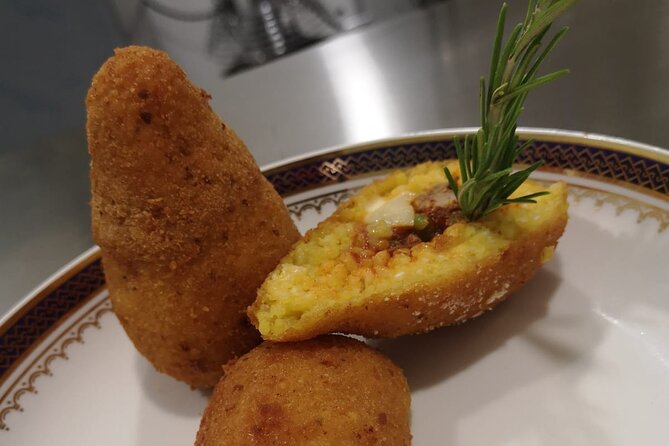
This experience ends with a light lunch or dinner in a relaxed environment. You’ll taste what you prepared with guidance from the chef, which is a smart structure because it helps you connect technique to results.
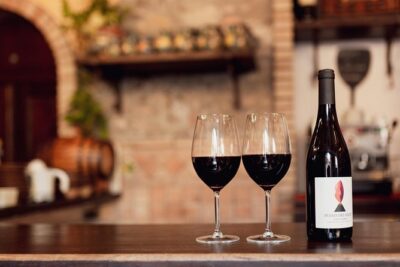
Your meal includes Sicilian wine and a glass of limoncello. This pairing is part of the point: arancini bring savory comfort, almond pastes bring sweet almond richness, and limoncello adds bright citrus notes that help both feel lighter on the palate.
If you’ve ever taken a cooking class where you only get a tiny bite to taste, you’ll likely appreciate that this one treats the tasting as a real meal. It turns the class from a workshop into a full cultural food stop.
The Hands-On Flow: How the 2.5 Hours Likely Unfolds
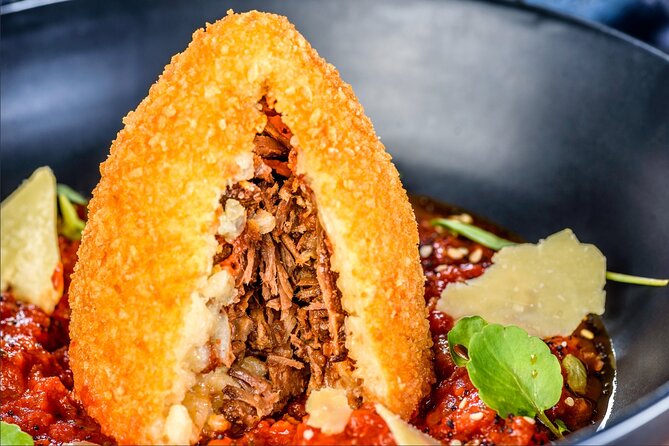
Even without a minute-by-minute schedule, you can understand the lesson’s rhythm from what’s included. You’ll spend the bulk of the time working in the lab to make both arancini and almond pastes, using typical Sicilian ingredients and professional equipment.
Then the final portion shifts to tasting. That sequencing matters because you’ll be able to compare what you made with what you were aiming for—taste first, adjust second, and you walk away with clearer memory of what to do again at home.
In practice, I’d expect:
- A prep and ingredient briefing before you start shaping and mixing
- Time split between the arancini steps and the almond paste steps
- A tasting moment where your food becomes the meal, paired with wine and limoncello
Because the class is small, you should get direct help while you work, not just occasional check-ins.
Price and Value: Why $114.88 Can Be a Smart Deal
At $114.88 per person for roughly 2 hours 30 minutes, this class isn’t the cheapest way to spend an afternoon in Catania. But it also isn’t trying to be.
Here’s what you’re paying for, in plain terms:
- Use of professional kitchen equipment
- Typical Sicilian foods and products
- A light lunch or dinner
- Included drinks: Sicilian wine and limoncello
Once you price out those components separately, the total feels more grounded. You’re not just buying instruction; you’re buying ingredients, tools, and a finished meal at the end.
Also, the English format can increase value for many visitors. When you can understand technique cues clearly, you get better results—and you’ll actually want to repeat the recipes later.
Finally, the class is booked on average 12 days in advance, which suggests it fills up at a steady pace. If you’re set on dates, I’d lock it in earlier rather than waiting.
Who This Cooking Course Fits Best (and Who Might Skip It)
This course is a great match if you:
- Want a hands-on Catania food experience beyond wandering markets
- Have basic curiosity about cooking but want guided results
- Care about dessert options and want lactose-free almond pastes
- Like the idea of finishing with your food plus wine and limoncello
It might be less ideal if you:
- Are looking for a long, multi-stop tour of sights (this is food-centered and compact)
- Need strict alcohol-free structure (wine and limoncello are included as part of the meal, though you can always choose how you handle it personally)
- Have zero interest in making both items, since arancini and almond paste are both part of the course
Practical Tips for a Smooth Class Day
Plan to arrive a little early at Via Cervignano, 42 so you can settle in and avoid rushing. The subway access is a plus: you can aim for GALATEA or ITALIA, then walk the last stretch.
Bring a curious, practical mindset. With arancini and almond pastes, you’ll learn best by watching, asking, and doing. If something doesn’t look right at first, that’s normal—good teaching is part of the setup, and the chef support is a big reason people leave happy.
If lactose intolerance matters for you, this class is especially worth considering for the dessert part. Almond pastes here are specifically described as having no milk and no dairy derivatives, which is exactly the kind of detail you want to see spelled out.
Finally, remember the note about good weather. If your travel week is tight, consider having a backup plan for another day or time window.
Should You Book This Catania Arancini and Almond Paste Class?
I’d book it if you want an authentic Sicilian cooking experience with real pay-off: hands-on arancini, a classic almond dessert that works for lactose intolerance, and a finished meal with Sicilian wine and limoncello.
I would hesitate only if you’re mainly chasing big sightseeing moments or you hate the idea of spending your limited time in Catania focused on food technique. But if your travel style is eat, learn, and take home recipes you can actually repeat, this is a strong choice.
FAQ
What is the meeting point for the arancini and almond paste course?
The course starts at Via Cervignano, 42, 95129 Catania CT, Italy, and it ends back at the same meeting point.
How long is the course?
It lasts about 2 hours 30 minutes.
Is the course offered in English?
Yes, it’s offered in English.
How many people are in the group?
The course has a minimum of 2 and a maximum of 12 people, and the activity listing states a maximum of 14 travelers.
What do you make during the class?
You make arancini and Sicilian almond pastes, using typical Sicilian ingredients.
Is the almond paste suitable for lactose intolerance?
Yes. The almond pastes are described as having a total absence of milk and derivatives, which makes them suitable for lactose intolerance.
What’s included with the class?
Included are the use of professional kitchen equipment, typical Sicilian foods and products, and a light lunch or dinner with Sicilian wine and limoncello.
What’s not included?
Anything not specifically mentioned in the listed services is not included.
Does the experience depend on weather?
Yes, the experience requires good weather. If it’s canceled due to poor weather, you’ll be offered a different date or a full refund.