Mount Etna feels lunar by mid-morning. This 6-hour Etna morning trip blends an easy-to-moderate hike up to about 2,000m, crater views that look straight out of another planet, and a lava cave visit where you wear a helmet and use a torch. It’s the kind of outing where the guide’s stories turn rock and heat into a clear, human-sized explanation.
I especially like the focus on hands-on experiences: you don’t just look from afar. You walk the volcanic terrain and then go underground to see how lava behaves once it cools—headlamp and helmet provided for that part. Second win for me is the logistics: Catania pickup and A/C transport keep the day from turning into a stressful self-drive puzzle.
One drawback to weigh: Etna is weather-dependent and activity-dependent. The tour can be adjusted if visibility or ground conditions are rough, and volcanic activity can’t be guaranteed.
In This Review
- Key highlights worth planning for
- Mount Etna, The Morning-Trip Version
- Getting From Catania: Pickup, ZTL, and Timing
- Stop One: Etna Est and the Start of the Route
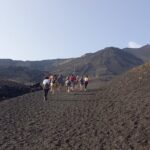
- The Main Hike Toward 2,000m and Inner Craters
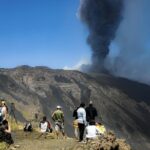
- Valle del Bove: The View Stop You’ll Remember
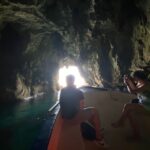
- Lava Cave Time: Helmet and Headlamp Included
- Guide Matters: Styles You’ll Actually Feel
- How the Price Adds Up (About $71.35 for ~6 Hours)
- What to Bring: Shoes, Layers, and Small Reality Checks
- Weather Reality: Etna Doesn’t Follow Schedules
- Should You Book This Etna Morning Trip?
- FAQ
- What is the duration of the Etna morning trip?
- What time does the tour start, and how does pickup work?
- Does the tour include hotel pickup in Catania?
- What does the ticket price include?
- Do I need to bring food and drinks?
- Is the lava cave visit included?
- What language is the tour in?
- What happens if the weather is bad?
- How many people are in the group?
Key highlights worth planning for
- Guided geology and history in English (and sometimes multiple languages on the same day)
- Helmet and torch for the lava cave—you don’t show up needing cave gear
- Hike up toward 2,000m, plus time in old craters and lava-flow viewpoints
- Valle del Bove panorama and big crater scenery that really changes your perspective
- Small group size (max 20), which helps the guide manage pace and questions
- Admission tickets included, so you’re not juggling extra expenses mid-trip
Mount Etna, The Morning-Trip Version
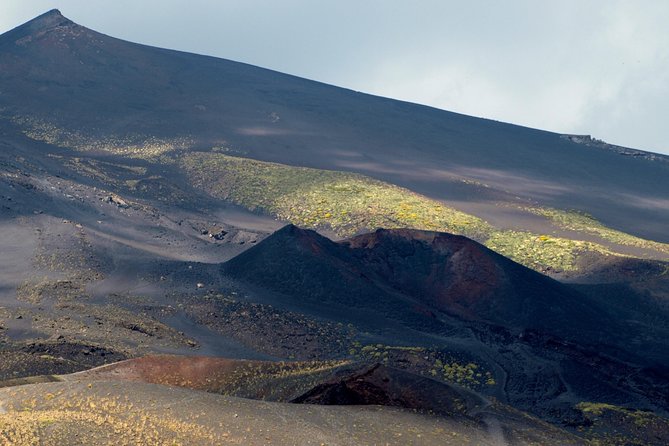
Sicily has plenty of dramatic scenery, but Etna does something different: it makes geology feel personal. One moment you’re on a mountain trail with scrubby vegetation and wind in your face. The next, you’re looking at old lava paths and asking how a volcano can build and reshape a whole ecosystem.
This trip is designed for a single morning that still feels like a real Etna day. You start around 9:00am, ride out from the Catania area, hike toward higher elevation, then add the lava cave—exactly the combo that makes Etna memorable without requiring you to commit to a full expedition.
I like that the plan mixes three kinds of learning. First: scenery and lava flows on the surface. Second: inner crater areas on foot. Third: a lava cave, which shows the “inside of the story” instead of just the outside.
You can also read our reviews of more tours and experiences in Sicily
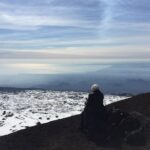
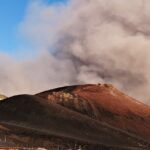
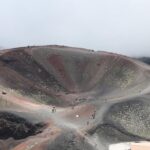
Getting From Catania: Pickup, ZTL, and Timing
The biggest practical win here is the free pickup and drop-off in Catania, as long as you’re not stuck behind a ZTL zone (Italian limited-traffic areas). If your hotel sits in a ZTL area, they’ll provide a meeting point you can reach on foot in about five minutes.
Pickup happens in a window—typically between 8:20 and 9:00am—so don’t plan a tight breakfast schedule right before you leave. Build in a buffer. You’re not just waiting on a minibus; you’re starting a long morning with elevation, wind, and stops.
Also note the meeting point reference for the area: Via Duca di Camastra, 95030 Gravina di Catania. If you’re using pickup, you may not deal with this. But it’s helpful as a backup point of reference.
Stop One: Etna Est and the Start of the Route
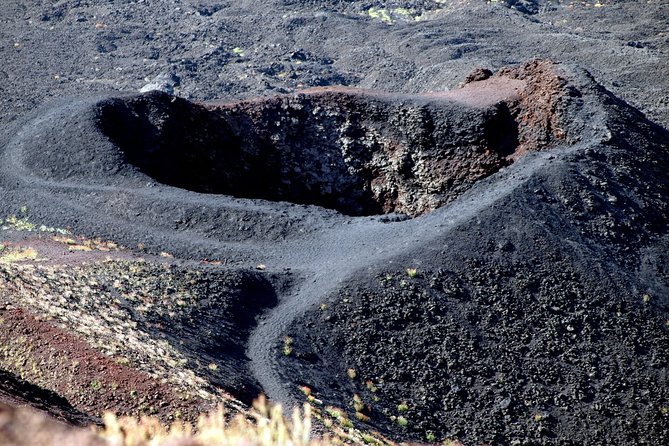
You begin at Etna Est, then move into the main Etna experience with admission ticket support included. This first stop isn’t about a long hangout; it’s a springboard into the day’s rhythm: travel, then hike, then underground.
If you like to understand where you are before you start walking, this early structure helps. You’re not starting the climb cold with zero context. You’re heading into a guided route that’s meant to teach you how Etna formed and how the environment adapts around volcanic ground.
The Main Hike Toward 2,000m and Inner Craters
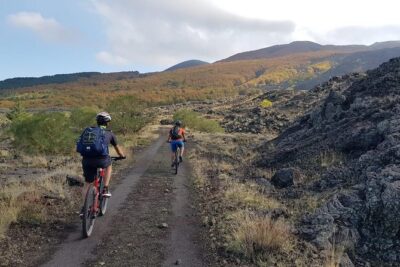
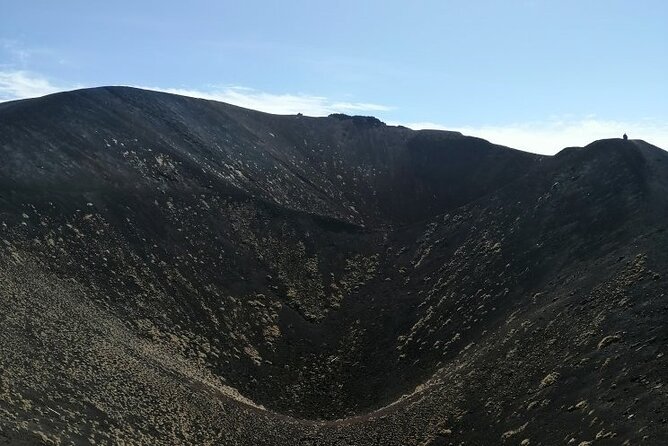
The heart of the outing is the hike and crater exploration. The route climbs along a trail taking you up to around 2,000m above sea level (a.s.l.). That number matters. Even if you’re not “summit hiking,” you’ll still feel the altitude and the wind more than you would at sea level.
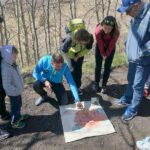
On the way up, your guide connects the geology to what you can actually see. You’ll hear how the volcano formed, with attention to flora and fauna—not just rocks. Then you’ll admire older and newer lava flows from scenic points before continuing on foot toward the inner part of older craters.
This is where the lunar vibe shows up. The combination of crater terrain, exposed rock, and wide views can make the mountain feel strangely unreal. It’s the kind of place where a guide’s explanation helps you notice patterns rather than just admire colors.
How much walking you’ll do feels like it matches most normal travel fitness levels, but it’s not a stroll. Expect a steady climb, uneven ground, and wind. If you’re the type who takes a lot of photos while walking, you’ll do great—just build patience into your pace.
Valle del Bove: The View Stop You’ll Remember
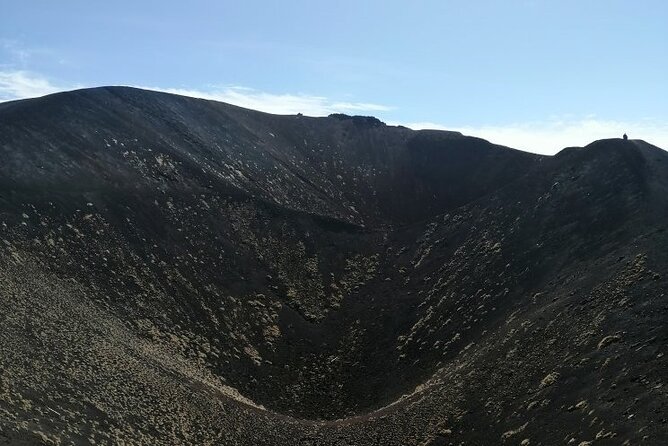
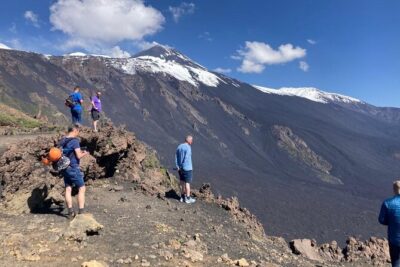
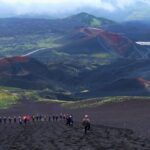
After the crater area and a short break, you head onward and eventually reach the Valle del Bove viewpoint. This is a highlight because it’s the payoff for all the ascent: a big, open sightline where Etna’s scale becomes obvious.
This is one of those moments you’ll feel in your chest. The valley view tends to be the kind of landscape (literally terrain) that makes you stop talking and just look. And the timing matters—if you’re lucky with weather, the light can turn the volcanic surfaces into a mix of textures instead of a flat gray mass.
It’s also a good moment to ask your guide questions you’ve been saving up. If you want to understand how lava flows shape routes and how old flows relate to newer ones, ask here while you can still see the evidence.
Lava Cave Time: Helmet and Headlamp Included
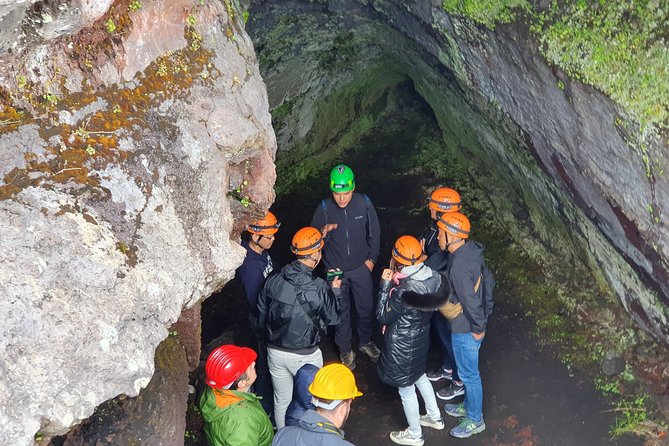
The lava cave visit is the activity that turns a normal hike into a real story you carry home. You’ll hike with helmet and torch/headlamp support for going inside—so you’re not stuck trying to figure out what gear you need at the last minute.
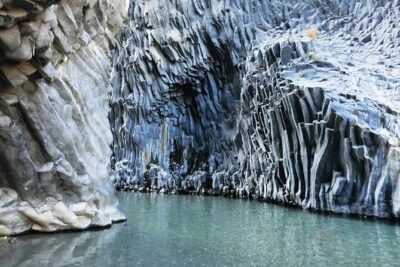
A lava cave (lava tube) is essentially the cooled-out tunnel of a once-flowing river of lava. The experience is different from looking at lava outside because you get to see the geometry of flow and the way the roof and walls formed. Even when you’re just standing still for a moment underground, the sense of temperature contrast and darkness makes it feel intense in a way that photos can’t fully match.
Practical tip: wear layers that you can tolerate under changing temps. Caverns can feel cooler than the wind outside. Also, be ready for surfaces inside to be uneven. You’re walking with a helmet, which is great—but it means you’ll want your balance and attention.
This is a “pay attention” moment. If you rush it, you miss what makes it special.
Guide Matters: Styles You’ll Actually Feel
Etna tours can live or die by the guide’s ability to translate volcano facts into something you care about. This one is generally strong on guidance, with English offered and sometimes multiple languages happening during the day.
From the guide names you may encounter—Daphne, Daniel, Iorga, and Leonardo—you can expect different personalities, even if the route stays similar. Some guides lean into storytelling with humor. Others stick to straight explanation. Both can work. Your best bet is to ask a question if something isn’t landing. A good guide will adjust to what the group needs in that moment.
If you prefer explanations without jokes, you can still enjoy this tour—but keep your questions ready. The guide’s job includes making sure everyone understands what comes next and what you’re looking at.
How the Price Adds Up (About $71.35 for ~6 Hours)
At about $71.35 per person for roughly six hours, you’re paying for more than just a view. Here’s what you’re getting value from:
- Professional guide/driver support
- Free A/C transport by minivan/jeep/minibus
- Hotel pickup and drop-off in Catania (with ZTL meeting-point workaround)
- Admission tickets included
- Safety gear for the cave (helmet and headlamp/torch)
Food and drinks are not included, so you’ll want to plan for that. But you’re still covering the expensive pieces—transport and the guided access—without buying separate tickets on the ground.
Also, the tour caps at 20 travelers. That’s a real value driver. In big groups, even a great guide can’t personalize pacing. Here, you’re more likely to get your questions answered and to move at a human pace.
What to Bring: Shoes, Layers, and Small Reality Checks
This trip runs in a range of conditions and you should dress appropriately. Even on a “morning trip,” Etna can feel cold and windy, especially closer to higher zones or in shoulder seasons.
Bring:
- Good hiking shoes with grip for uneven terrain
- Warm layers (windproof outer layer helps)
- A way to keep your valuables secure on walks (small daypack works)
- Anything personal you need for comfort inside and outside the cave
What’s handled for you:
- Helmet and headlamp/torch for the lava cave
What is not provided (and not listed as included):
- Clothes, disposable gloves, or masks
- Food and drinks
- Any extra activity gear like Trikke (not part of this route)
Also, don’t assume you can just show up in sandals and be fine. The ground can be rocky, and you’re walking long enough that your feet will notice.
Weather Reality: Etna Doesn’t Follow Schedules
You’ll see two truths with Etna tours:
1) They can run in many conditions.
2) They may cancel or adjust if conditions are unsafe.
So treat weather as a key part of your planning. If the day is snowy or visibility is limited, the route can shift—meaning you might not reach the highest possible points or see everything exactly as expected. Volcanic activity is unpredictable, too. This kind of tour doesn’t promise active eruption viewing.
What you can count on is the guided structure: you’ll still aim for crater areas, views, and the cave experience if conditions allow. And if access is restricted, a good guide focuses on the best available alternatives rather than wasting your time.
Should You Book This Etna Morning Trip?
Book it if you want a guided Etna taste with real substance: crater walking, a lava cave, and a guide who explains what you’re seeing instead of leaving you to guess.
Choose a different option if:
- You’re chasing a long, summit-level hike.
- You need a very specific kind of volcanic activity (active lava is not something you can count on).
- You dislike any scenario where the route might shorten due to weather.
One more sanity check: you’ll spend a meaningful chunk of the day driving. That’s normal here because Etna is not in Catania’s center. If you love using travel time as a scenic reset (instead of resenting it), this works well.
For most people staying in Catania, this is a good value pick: transport + admission + professional guiding + cave safety gear in one morning.
FAQ
What is the duration of the Etna morning trip?
It runs for about 6 hours.
What time does the tour start, and how does pickup work?
The start time is 9:00am. Pickup times can fall between 8:20 and 9:00am.
Does the tour include hotel pickup in Catania?
Yes. Free hotel pickup and drop-off in Catania is included, except ZTL areas. If you’re in a ZTL area, you’ll get a meeting point reachable on foot in about five minutes.
What does the ticket price include?
Your tour includes transportation (A/C minivan/jeep/minibus), a driver/guide and professional guide, admission tickets, and the helmet and headlamp/torch for the lava cave.
Do I need to bring food and drinks?
Yes. Food and drinks are not included.
Is the lava cave visit included?
Yes. You’ll visit a lava cave and you’ll use helmet and torch/headlamp provided by the tour.
What language is the tour in?
The tour is offered in English, and it may also be operated by a multi-lingual guide.
What happens if the weather is bad?
The experience requires good weather and can be canceled if conditions are poor. If that happens, you’ll be offered a different date or a full refund. The tour also notes it operates in all weather conditions, so expect adjustments rather than total shutdown when it’s possible to run safely.
How many people are in the group?
The tour has a maximum group size of 20 travelers.
If you tell me when you’re going (month matters a lot for cold/wind) and your fitness level, I can help you decide if this pace fits you best.