REVIEW · CATANIA
Catania: Etna Morning Excursion with Tasting and Pickup
Book on GetYourGuide →Operated by Exclusive Etna Excursion · Bookable on GetYourGuide
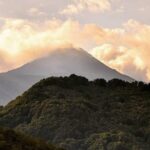
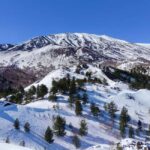
Etna in the morning is a different animal—cool air, clearer views, and a hands-on geology lesson. This 6-hour excursion takes you from Catania up to Silvestri Craters around 2,000 meters, then continues to a volcanic cave where you’ll get a helmet and flashlight for the guided walk. I also like that the tasting stops are small and optional, not a hard sell. The main consideration: you won’t reach the summit (max height is 2,100 m), and it’s not suitable if you have mobility issues, heart problems, or altitude sickness concerns.
You get the practical part handled too: small group size (up to 8), air-conditioned pickup/drop-off, and a guide who helps you connect what you’re seeing—lava flows, crater colors, and vegetation—with how Etna works. A possible drawback is that pickup can feel a bit hectic if your meeting point is a busy one, and the cave walk may feel more testing for older legs when conditions are cold or uneven.
In This Review
- Key highlights worth getting excited about
- Why a Catania morning trip beats DIY on Etna
- Pickup in Catania: easy start points and a short drive up
- On the road to 2,000 meters: the guide makes the geology click
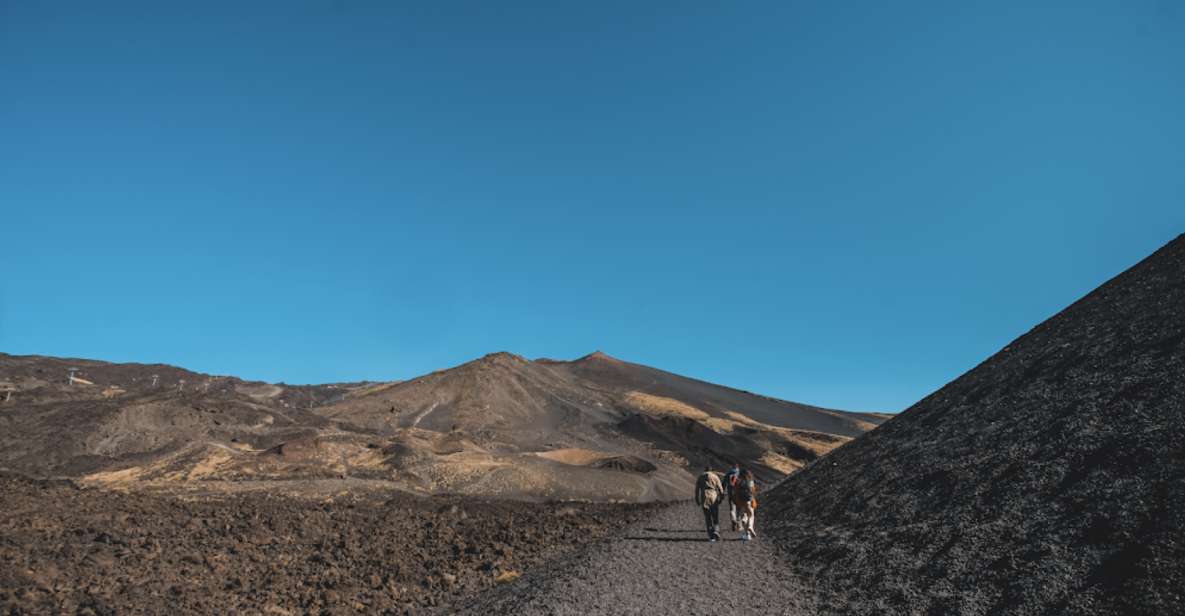
- Silvestri Craters at about 2,000 m: soft trekking with big color payoff
- A lava cave you actually enter: helmet, flashlight, and real scale
- Valle del Bove and the 1991 lava stream: eruption history made visible
- Zafferana Etnea break: wine tasting and local snacks
- How the small group (max 8) changes the vibe
- What’s included (and what you’ll pay for yourself)
- What to bring so the morning stays fun
- Price and value: $67.97 for a packed half-day
- Should you book this Etna morning excursion?
- FAQ
- FAQ
- How long is the Etna morning excursion?
- What is the highest altitude reached on this tour?
- What kind of walking is involved?
- Is pickup included, and where does it start?
- Do I need to bring a helmet or flashlight for the cave?
- What tastings are included?
- Is lunch included?
- What languages are offered by the guide?
- What should I bring for the tour?
- What happens if the weather is bad?
- Is cancellation free?
Key highlights worth getting excited about
- Silvestri Craters (around 2,000 m) with guided explanations plus time for photos and a mellow trek
- Helmet-and-flashlight lava cave tour that shows how ancient lava shaped the terrain
- 1991 lava stream area and Bove Valley photo stops and short guided segments tied to real eruption history
- Local tastings in Zafferana Etnea such as wine plus typical small bites (and optional product purchases)
- Small group energy (max 8 people) for easier questions and a more personal pace
- Guides like Simone, Zelia, Janet, Constanza, and Alessio often stand out for clear explanations and an upbeat rhythm
Why a Catania morning trip beats DIY on Etna
If you’re basing yourself in Catania, this kind of tour is the easy win. Etna is close enough that a morning day trip makes sense, but far enough that public transport logistics can get annoying fast—especially when you also want crater time and a cave visit.
What I like about this format is the mix. You’re not just chasing views from the bus window. You walk over volcanic ground, you go inside a lava cave, and you end with food you can actually taste. It feels like a real mini-field trip, not a checklist tour.
And going early matters. The tour is built as a morning excursion, and it tends to dodge some crowds while keeping the day from dragging. If you like your Etna day to feel energetic but not exhausting, this pacing fits.
You can also read our reviews of more food & drink experiences in Catania
Pickup in Catania: easy start points and a short drive up
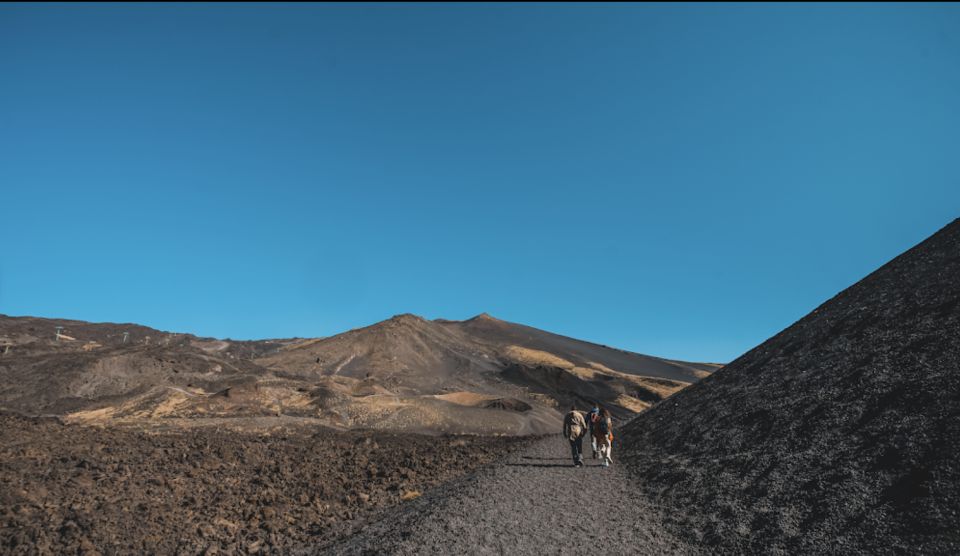
The tour begins in Catania with pickup at one of two options: the Roman Amphitheater of Catania or Pasticceria Savia. After you meet up, you’ll head toward Etna in an air-conditioned van.
A couple practical notes that affect your experience:
- You’re dealing with city-to-mountain timing. Expect a bit of waiting at the meeting point, especially if it’s in a busy area.
- You’ll spend about an hour driving to reach the start area near the craters, so you’re not lingering in transit all day.
What makes this valuable is that you don’t have to plan vehicle logistics, parking, and timing yourself. You just show up, and the day is structured.
On the road to 2,000 meters: the guide makes the geology click
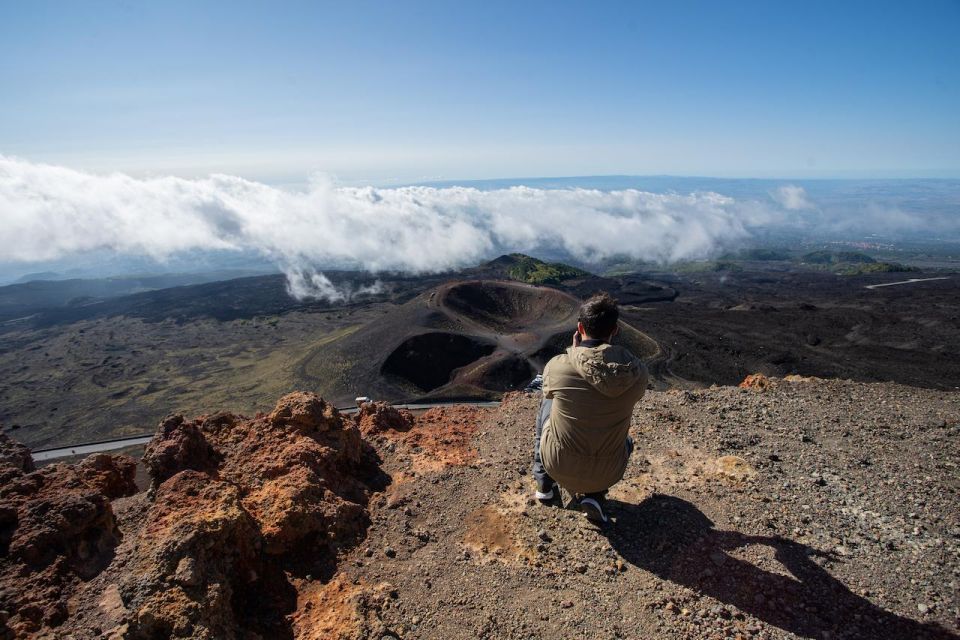
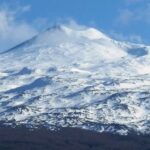
Once you’re moving, the guide puts Etna into context. You hear about the highest volcano in Europe, how its terrain forms, and what you’re looking at as the ground changes under the van.
This part matters because Etna is visually dramatic—but without explanation, it can feel like a pile of rocks. With a good guide, the details connect: why the soil and vegetation look the way they do at different elevations, and how lava flows create the shapes you’ll later walk through.
Guides such as Simone and Zelia are repeatedly praised for clear, story-driven explanations and for staying engaged. If you ask questions, the format makes it easier to get answers instead of just staring out the window.
Silvestri Craters at about 2,000 m: soft trekking with big color payoff
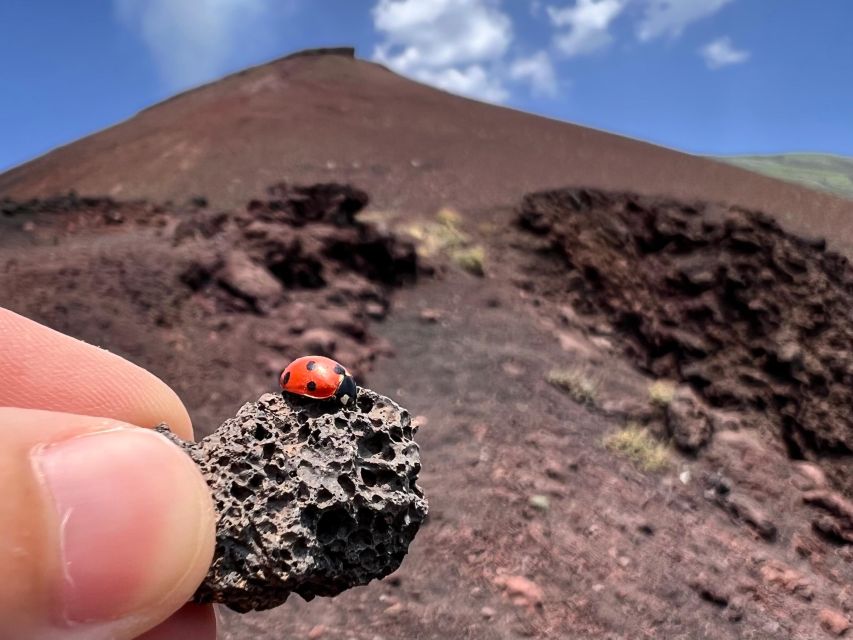
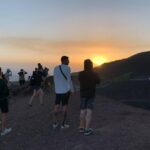
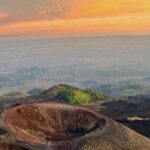
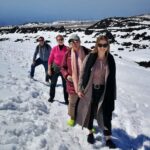
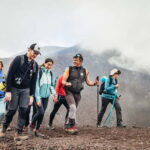
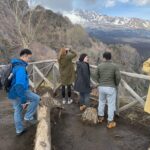
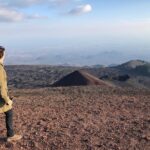
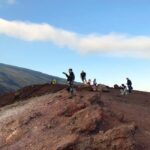
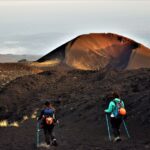
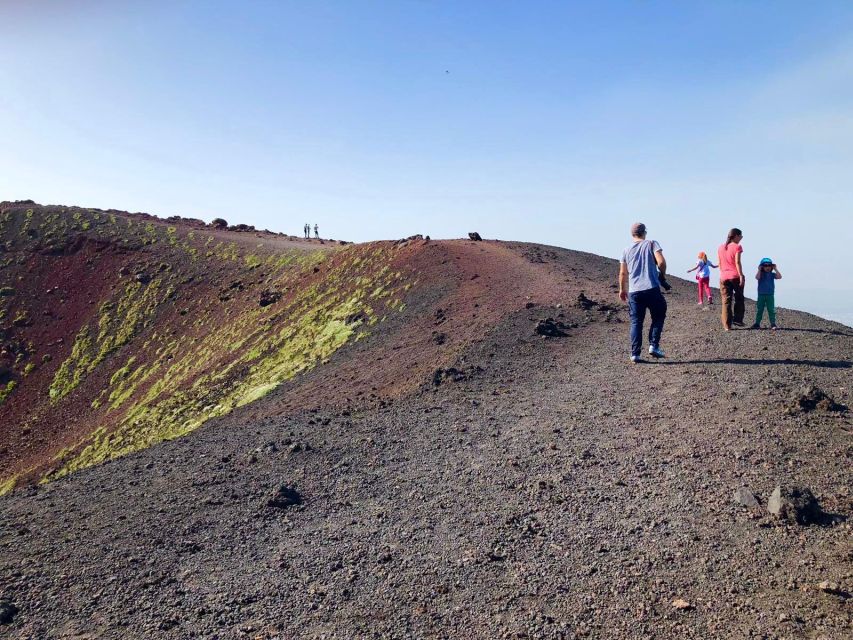
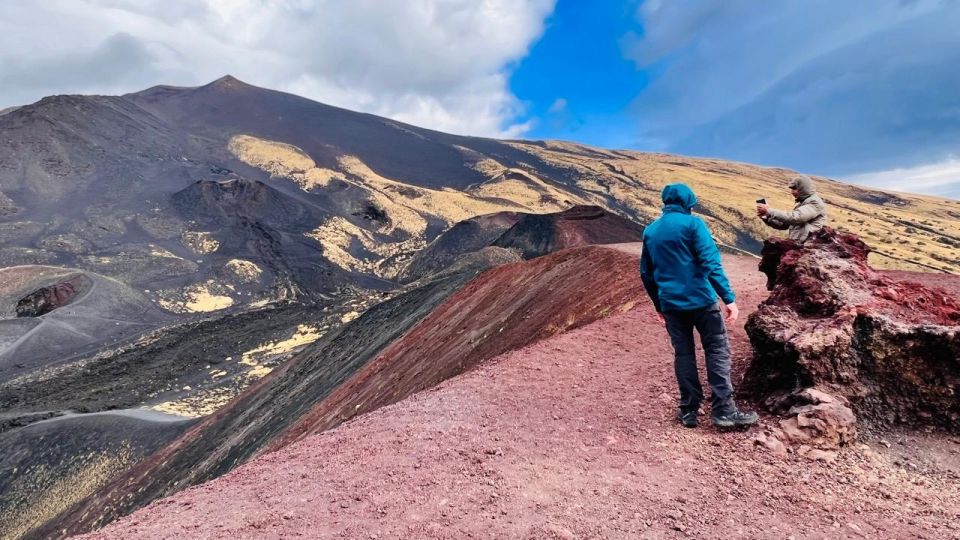
This is the walk most people remember: a guided segment around the Silvestri Craters at roughly 2,000 meters. The tour includes a photo stop, guided time, some free time, and then the walking part.
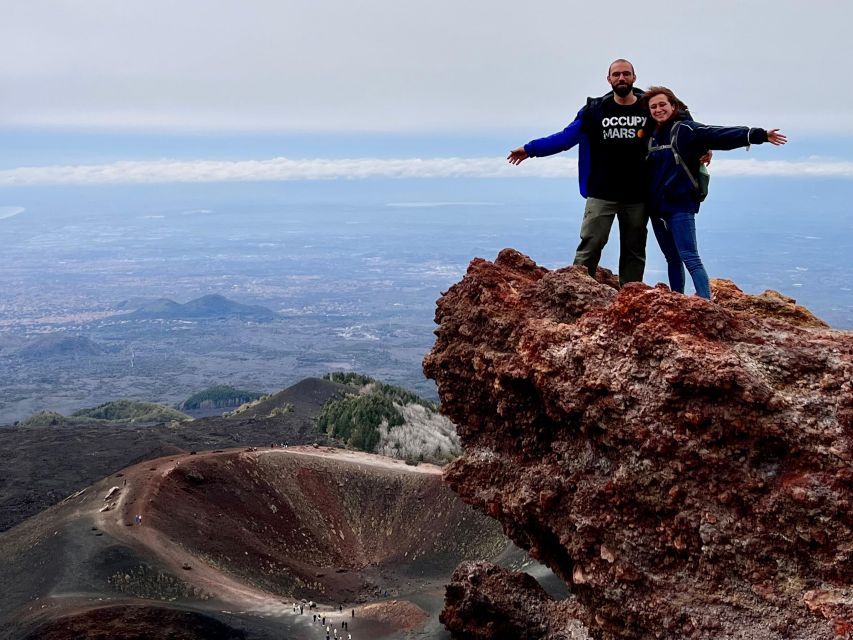
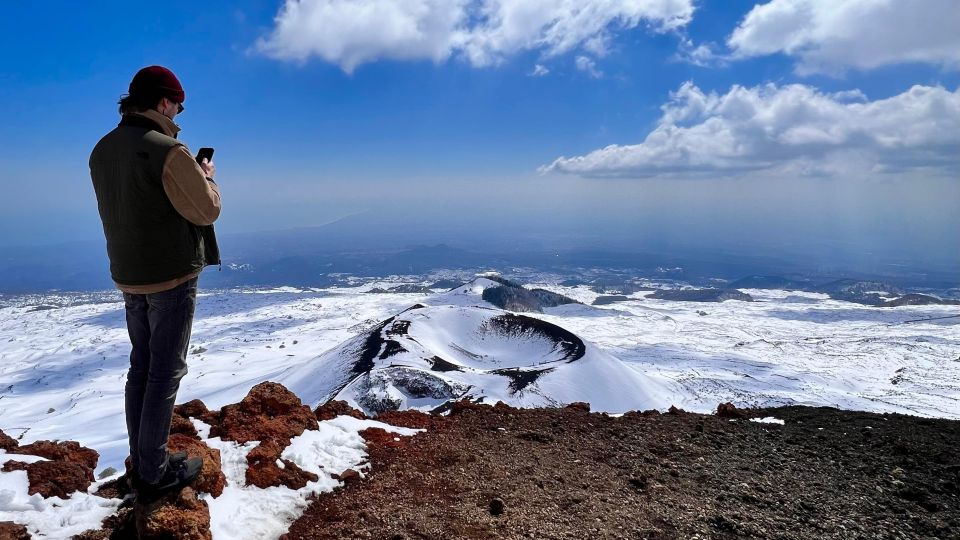
The trekking level is described as soft and suitable for adults and children. In plain terms, think more “comfortable hike” than “serious climb.” You’ll get time on foot across volcanic ground and among craters with striking color variation—those reds, browns, and gray tones that look almost artificial.
What to watch for:
- Wear real shoes with grip. Even if the walk isn’t hard, the ground can be uneven.
- Bring a wind layer. At elevation, conditions can shift even if Catania is warm.
- Use your free time to take photos early. You don’t want to burn your best light only to realize you’re rushing later.
One extra nice touch: this stop isn’t rushed. You get guided context first, then time to explore at your own pace.
A lava cave you actually enter: helmet, flashlight, and real scale
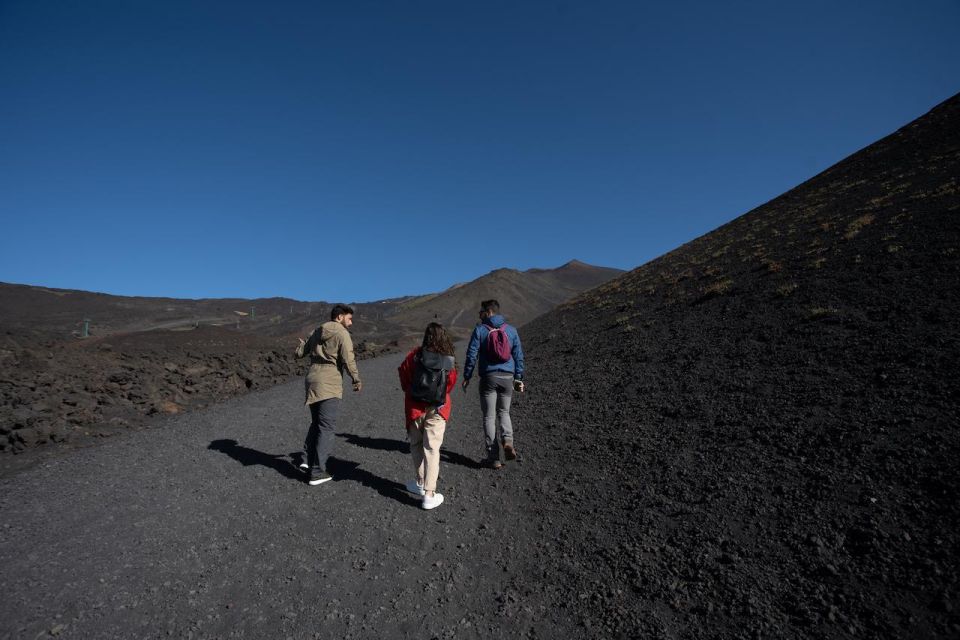
After the crater walk, the itinerary includes a guided stop at a volcanic cave. You’re provided with a helmet and flashlight, which is crucial because inside, your phone flashlight won’t cut it.
Here’s what makes this stop special: lava caves show you the hidden version of Etna. Outside, you see the aftermath. Inside, you understand the process—how ancient lava flowed and left behind shapes you can stand under.
Also, the guide leads the story. They point out features and explain cave formation so it doesn’t turn into a silent walk through darkness. If you like “seeing how things work,” this is the most hands-on part of the excursion besides the crater trekking.
Practical heads-up: caves can be cold and uneven. If your legs are older or you’re sensitive to slippery surfaces, take it slowly and use your footing carefully.
You can also read our reviews of more tours and experiences in Catania
Valle del Bove and the 1991 lava stream: eruption history made visible
Next up is the Valle del Bove area. You’ll have photo and guided time (about 35 minutes), with scenic viewing from the drive as well.
This section ties the visuals to eruption stories. You’ll see points connected with lava flow activity during eruptions—specifically a reference to the 1991 lava stream that came close to reaching a village. That detail adds weight to what you’re seeing: these aren’t just scenic views; they’re traces of events.
Even if you don’t fully memorize eruption dates, the guided explanation helps you read the terrain like a map. It’s the kind of stop where you come away with a mental image that sticks.
Zafferana Etnea break: wine tasting and local snacks
After the main volcanic stops, the tour shifts gears for a break in Zafferana Etnea. You get a short stop (about 35 minutes) with wine tasting and local snacks.
This works well because it balances the morning’s geology with something enjoyable and social. And it’s not just wine. You’re in an Etna town area where food culture is part of the landscape.
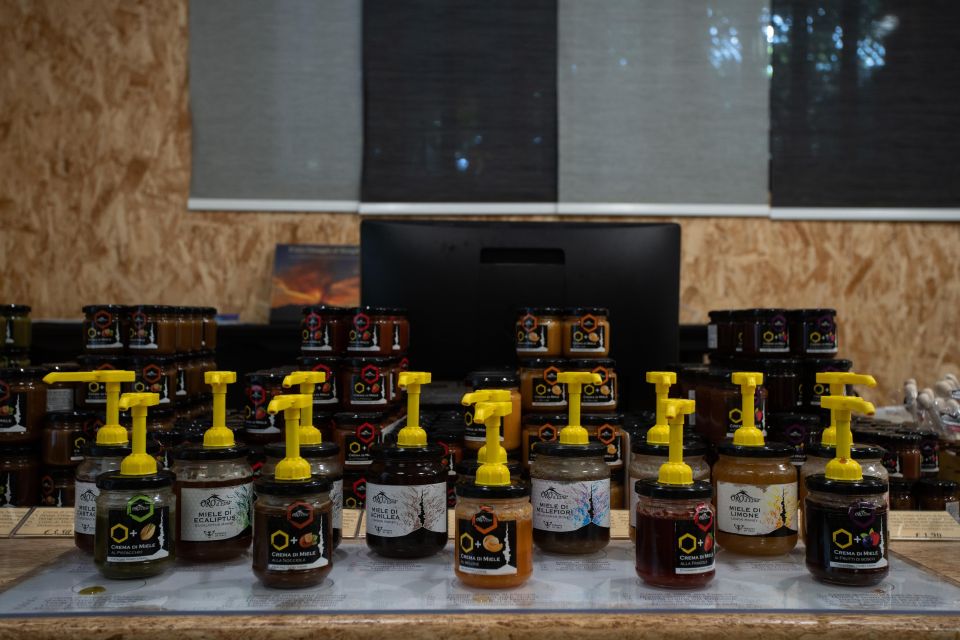
Also worth noting: the tour includes local produce tastings earlier as part of the experience (examples given include honey and olive oil). In practice, you’ll have small tastes rather than a full meal. Lunch is not included, so it’s smart to start hydrated and accept that you’ll want breakfast beforehand.
How the small group (max 8) changes the vibe
The group size is limited to 8 people, which makes a real difference on Etna. You’re not stuck waiting while everyone shuffles along. Questions are easier. Guides can keep an eye on pacing and comfort, especially during the cave part and the crater walk.
This is why so many people rate the experience highly. The day feels personal without getting slow. If you’ve done crowded tours before, you’ll feel the difference immediately.
One extra transport detail from the experience format: seating can matter in the van depending on your height and where you’re placed. If you’re tall, it’s worth mentally preparing for some tightness during the drive sections.
What’s included (and what you’ll pay for yourself)
Included in the tour:
- Pickup and drop-off in an air-conditioned vehicle
- Soft hiking on Etna
- Guided tour in the volcanic cave
- Guide
- Helmet and flashlight
- Local produce tastings
Not included:
- Additional food and drinks beyond the tastings/snacks
- Lunch
So plan your day like this: eat a decent breakfast, sip water through the morning, and treat the included snacks/tastings as bonuses rather than a full lunch replacement.
What to bring so the morning stays fun
Don’t overpack, but do pack smart. The tour specifically suggests:
- Comfortable shoes (no open-toed shoes)
- A windbreaker
- Water
- Comfortable clothes
My practical add-ons:
- A small layer for inside the cave area (it can feel cooler than you expect).
- Sunglasses or eye protection if the sun hits the crater terrain.
- A camera or phone storage buffer. You’re going to want to capture those crater colors and viewpoint stops.
Price and value: $67.97 for a packed half-day
At $67.97 per person, the price lands in the “reasonable for what you get” category. You’re paying for four things at once:
- Transport (round-trip pickup/drop-off from Catania)
- A guided crater walk with on-foot time
- A guided cave visit with equipment supplied
- Local tastings plus a wine stop
A DIY Etna day can look cheaper at first, until you factor in transport headaches, timing, and the cost of guided access—especially for the cave part. For most people, this tour structure is the value play: you buy convenience and real interpretation in one ticket.
Should you book this Etna morning excursion?
Book it if you want:
- A guided Etna day with walking time (not just views)
- The lava cave experience with helmet and flashlight
- A small-group feel that keeps the day moving and personal
- Local tastings that don’t turn into a pressured shopping stop
Consider skipping or choosing a different option if:
- You have mobility impairments, heart problems, or concerns about altitude sickness
- You’re expecting the summit (this tour reaches a maximum height of about 2,100 m, and it does not visit the summit)
- You dislike uneven terrain or cold cave conditions
FAQ
FAQ
How long is the Etna morning excursion?
The tour lasts about 6 hours, with the exact start time depending on availability.
What is the highest altitude reached on this tour?
The maximum height reached is about 2,100 meters. The summit is not visited.
What kind of walking is involved?
It includes soft hiking on Etna and a crater walk. The activity level is described as easy enough for children and adults.
Is pickup included, and where does it start?
Yes. Pickup is included in Catania at either the Roman Amphitheater of Catania or Pasticceria Savia. If your accommodation isn’t near those meeting points, you’ll be assigned another reachable spot.
Do I need to bring a helmet or flashlight for the cave?
No. Helmets and flashlights are included for the volcanic cave visit.
What tastings are included?
You’ll have small local tastings such as honey, olive oil, and wine, plus a break in Zafferana Etnea with wine tasting and local snacks.
Is lunch included?
No. Additional food and drinks are not included, and lunch is not provided.
What languages are offered by the guide?
The live guide works in Italian, English, and Spanish.
What should I bring for the tour?
Bring comfortable shoes (no open-toed shoes), a windbreaker, water, and comfortable clothes.
What happens if the weather is bad?
If conditions are unsafe, the guide can vary the itinerary for safety reasons.
Is cancellation free?
You can cancel up to 24 hours in advance for a full refund.
If you tell me your travel month (and whether you’re more into hiking or food stops), I can help you judge if this morning timing is the right match for your Etna goals.