REVIEW · TAORMINA
From Taormina: Half-Day Mount Etna Morning Trek
Book on GetYourGuide →Operated by Etna People - Sicily Day by Day Taormina · Bookable on GetYourGuide
One wrong turn on Etna and you end up in a story you can’t stop telling. This half-day trek from Taormina pairs extinct craters with walking over ancient lava flows, then tops it off underground in a real lava cave. I love how the tour feels hands-on, not just scenic. The one thing to watch is the walk: it involves up to about 2 hours of trekking on uneven ground, so it’s not for everyone.
What I really like most is the full loop of the experience: fresh air at around 2,000 meters, crater-edge viewpoints, and then the cool, dark shift of going below the surface. You also get a light lunch plus wine tasting afterward, which makes the morning feel complete instead of rushed. The only drawback is weather and footing can be tough on windy or rocky days—loose rock can get slippery, so good shoes and walking poles matter.
In This Review
- Key highlights worth knowing before you go
- Why Etna’s extinct-crater rim hike beats a quick photo stop
- Taormina pickup to crater start: small group pace and real-guide storytelling
- The crater walk itself: what the terrain feels like up at 2,000 meters
- Why the lava cave visit feels like a whole different world
- Lunch at an Etna winery: light food, big payoff, and wine tasting that fits
- What to pack (and how to dress) for a morning on Etna
- Price and value: why $106 can make sense here
- Who this Etna half-day suits best (and who should skip it)
- Should you book Mount Etna from Taormina?
- FAQ
- How long is the Mount Etna morning trek from Taormina?
- What exactly do we do on the hike?
- Is the tour too strenuous?
- What’s included in the price?
- Are hiking boots and jackets provided?
- What food and drinks are included after the hike?
- Where does the tour pick you up?
- What languages is the tour offered in?
Key highlights worth knowing before you go
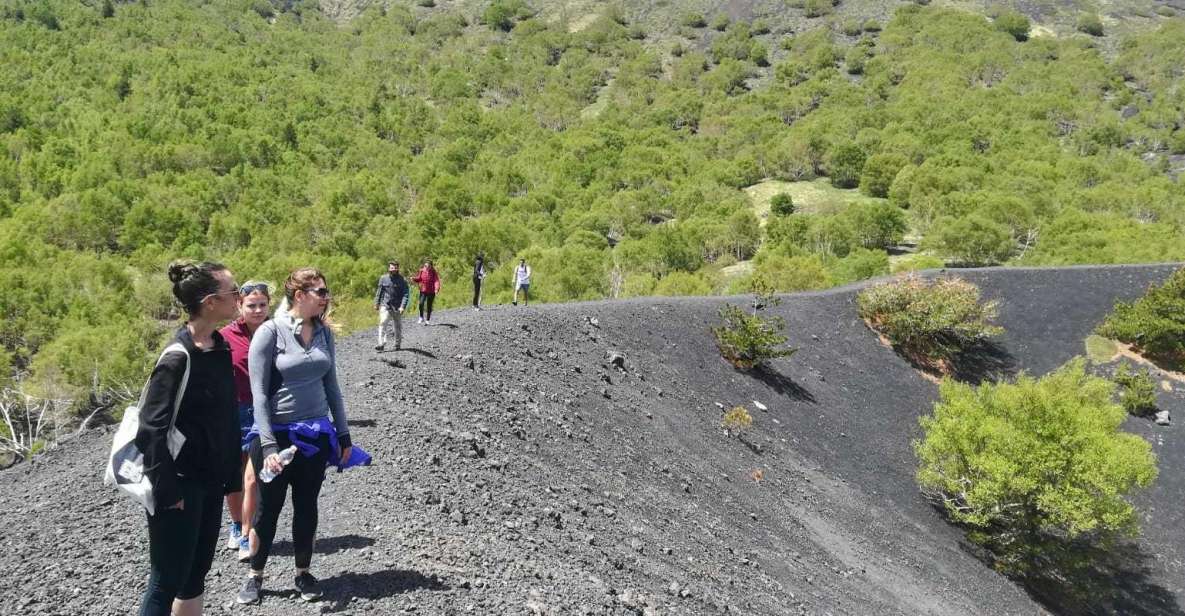
- Crater rims, not road views: You hike along extinct crater perimeters with stops for geology context.
- Walks on old lava: Expect sections of paths that run over ancient lava rock.
- Underground lava cave time: You’ll go into a lava tunnel/cave formed by past eruptions.
- Small groups: You typically stay in a group small enough to move at a human pace (often around 8 people).
- Winery lunch plus wine: Light lunch and wine tasting follow the hike, including almond wine.
- Gear included: Hiking boots, a jacket, and walking sticks are provided (and snow gear in winter).
Why Etna’s extinct-crater rim hike beats a quick photo stop
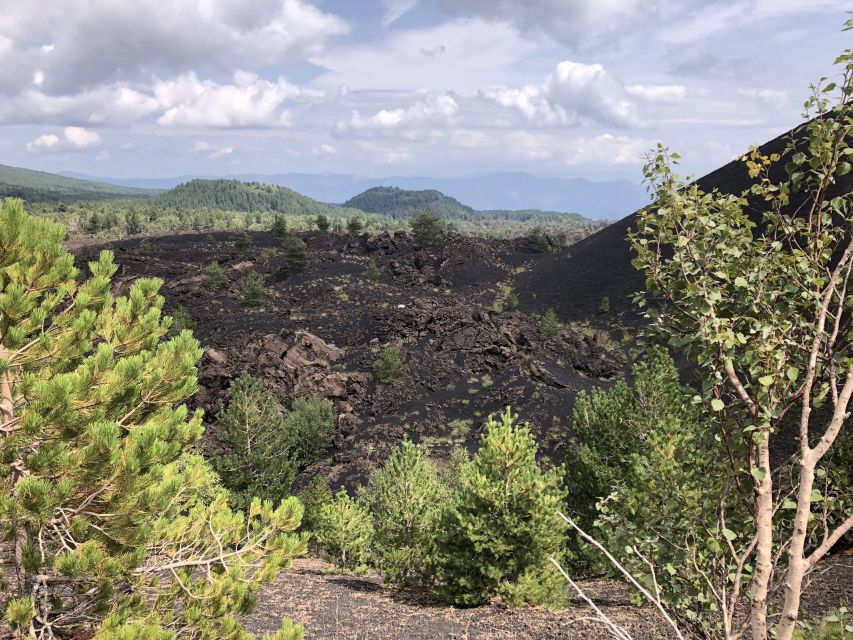
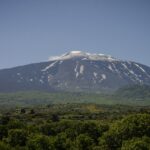
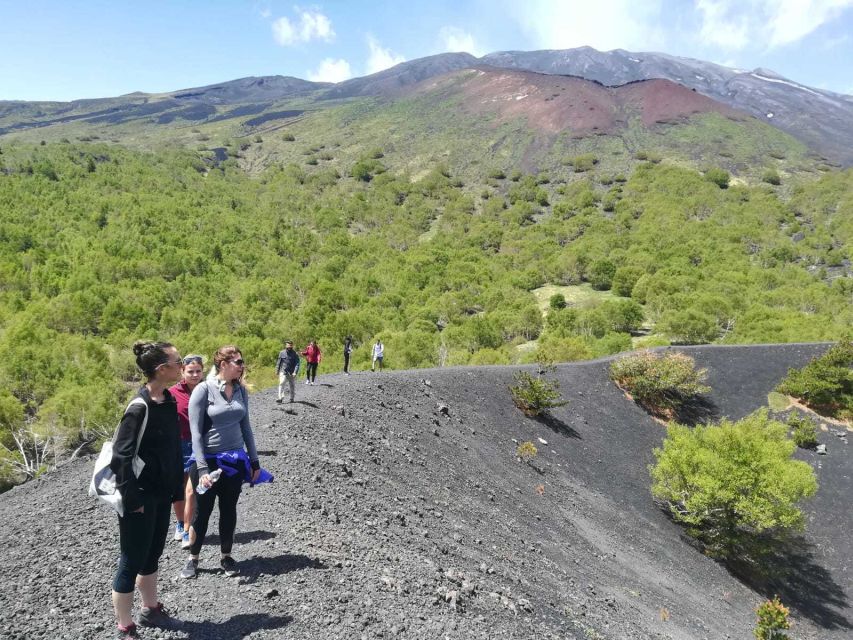
Mount Etna is often sold as a viewpoint. This tour gives you something better: time on the actual terrain where eruptions built the mountain. You start in the foothills, climb to roughly 2,000 meters, and then spend about 1.5 hours hiking around the rims of extinct craters.
That crater-edge route changes how you read the mountain. You see layers of where lava once flowed, how the ground breaks and hardens, and why certain ridges and bowls look the way they do. Even if you’re not a geology person, your guide can connect the dots fast—why some areas look jagged, why trees manage to grow in tough places, and how the volcano’s history shapes what you’re standing on now.
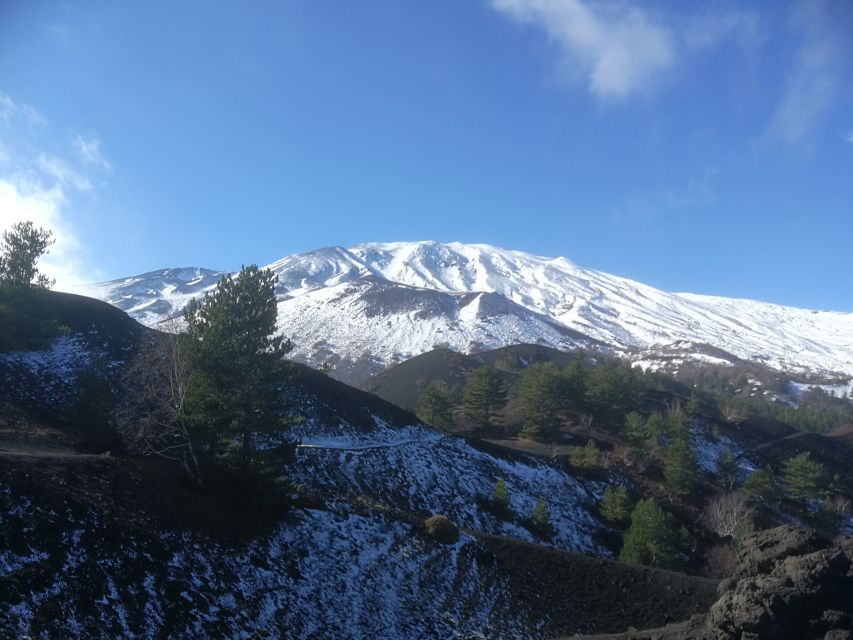
And yes, the views are dramatic. You’re up high enough for big sky and wide sightlines—then you get the contrast of dark, heavy-looking volcanic rock under your boots.
You can also read our reviews of more hiking tours in Taormina
Taormina pickup to crater start: small group pace and real-guide storytelling
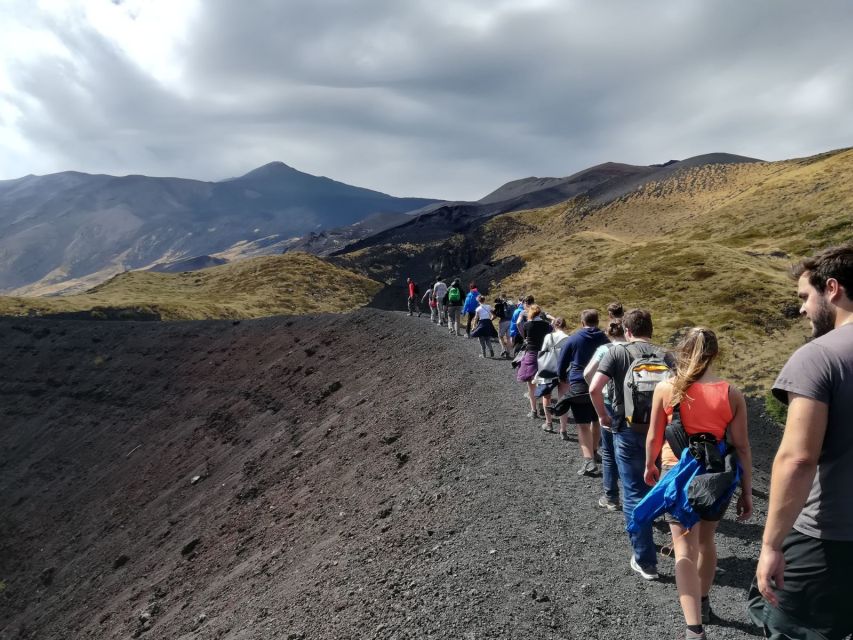
The tour runs as a focused morning with a clear rhythm. You’re picked up in Taormina and nearby areas (also Giardini Naxos). If you’re in Letojanni or Castelmola, you’ll meet at a convenient location rather than direct pickup at your door.
From there, you drive up toward Etna’s higher zones. Along the way, your guide shares context so the first crater stop lands with meaning, not just awe. Many guides on this program have training in volcanology, biology, or geology. In the mix, you may even get a guide with a geologist background—one guide named Ugo is specifically noted as a qualified geologist. Guides like Tony, Roberto C, Roberto S, Ricardo, Claudio, Nicola, Daniel, Daniele, and Saro show up frequently in the guide lineups, and the common thread is energy plus a strong grasp of Etna and Sicilian life.
Pace-wise, this is not a speed march. You’ll hike long enough to feel it—enough for photo stops and a real sense of terrain—but it still lands comfortably within the half-day structure.
The crater walk itself: what the terrain feels like up at 2,000 meters
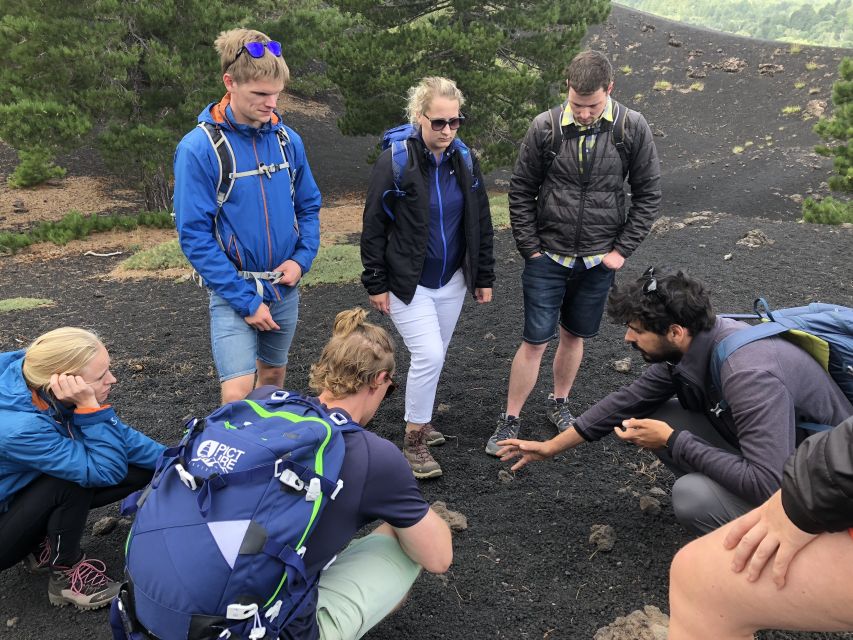
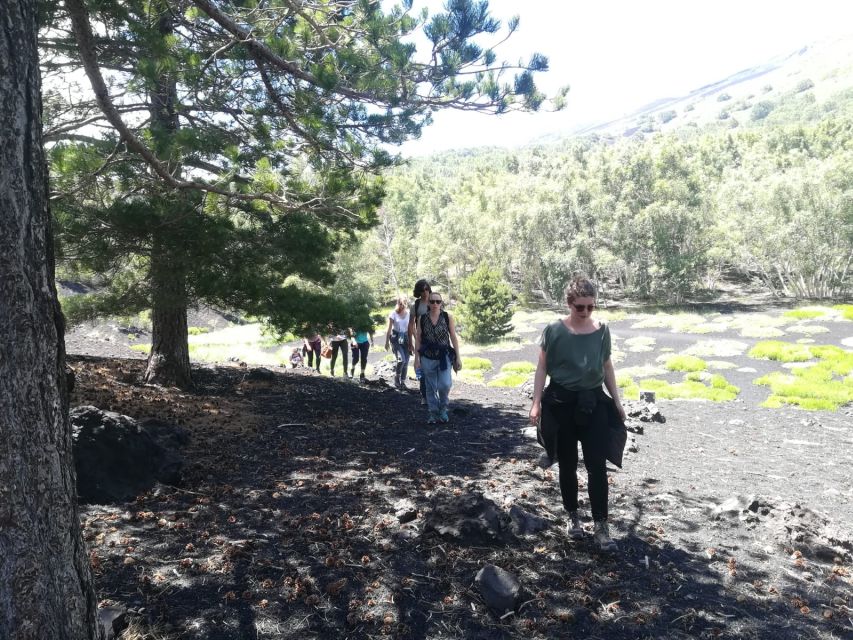
Here’s the honest version of the hike: you’re walking on volcanic ground, and that can mean loose rock, uneven footing, and some brief steeper sections. The route typically takes you around crater perimeters through ancient woods and along lava-covered paths.
A few practical pointers from how this tour plays out in real conditions:
- Footing can be slippery on loose rock. If it’s windy, that loose footing feels even more intense because you’ll be shifting your balance more often.
- Wind happens at elevation. Some days it feels like it’s trying to push you sideways near crater edges, so keep your focus.
- Walking poles help—especially on scree or uneven patches. You’ll be offered rental sticks, and they’re not just a “nice-to-have.”
Good boots are provided for you, along with a jacket rental. That’s a big deal if you’re traveling light or didn’t pack hiking footwear.
Also note the health fit: this tour involves up to around 2 hours of trekking and is not suitable for people with heart or respiratory problems, those who have difficulty walking, or anyone not in good health. It’s also not built for mobility impairments.
Why the lava cave visit feels like a whole different world
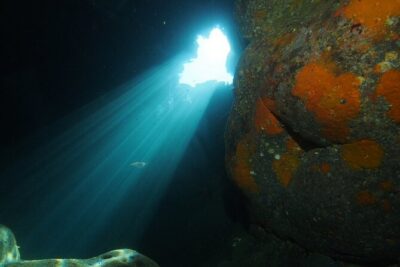
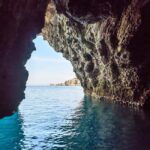
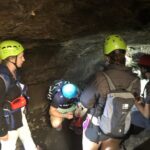
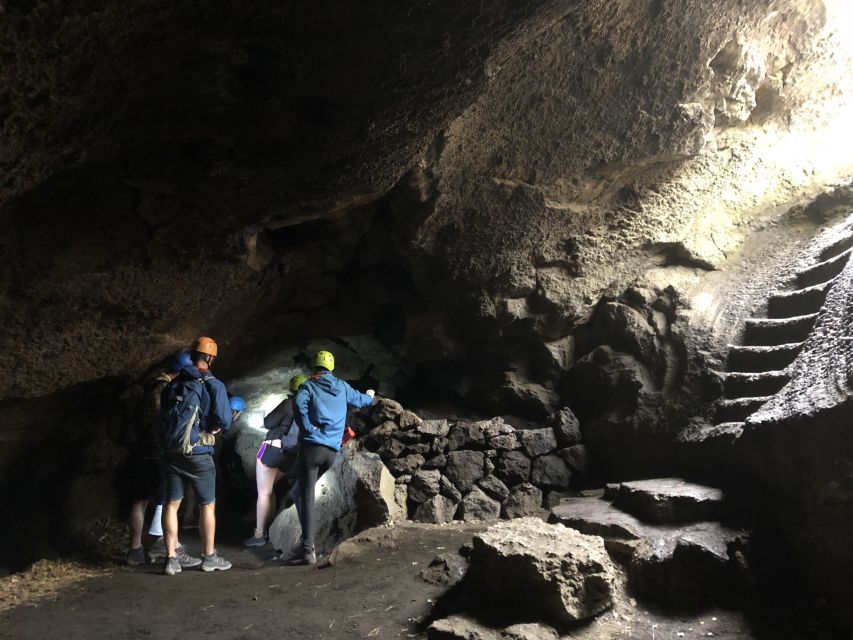
After the crater hike, the tour shifts underground. You explore a lava cave (often described as a lava tunnel/tube) and see what remains after lava channels cooled and formed empty spaces.
Going underground on Etna is the moment that really changes the tone of the day. The light drops fast, the air feels different, and the rock has that dense, hardened look that you don’t fully appreciate from the surface. Your guide usually sets you up before you go in—so you understand what you’re looking at when you’re inside and you don’t just wander around taking photos.
One practical takeaway: if your day starts with bright skies and wind, your mind expects the same kind of conditions underground. It’s not. Wear the boots you were given, move carefully, and listen when your guide guides the pacing.
This is also where the tour earns its “otherworldly” reputation, because it’s a direct sensory contrast: hot-looking volcanic ground outside, cool and dark rock formations below.
Lunch at an Etna winery: light food, big payoff, and wine tasting that fits
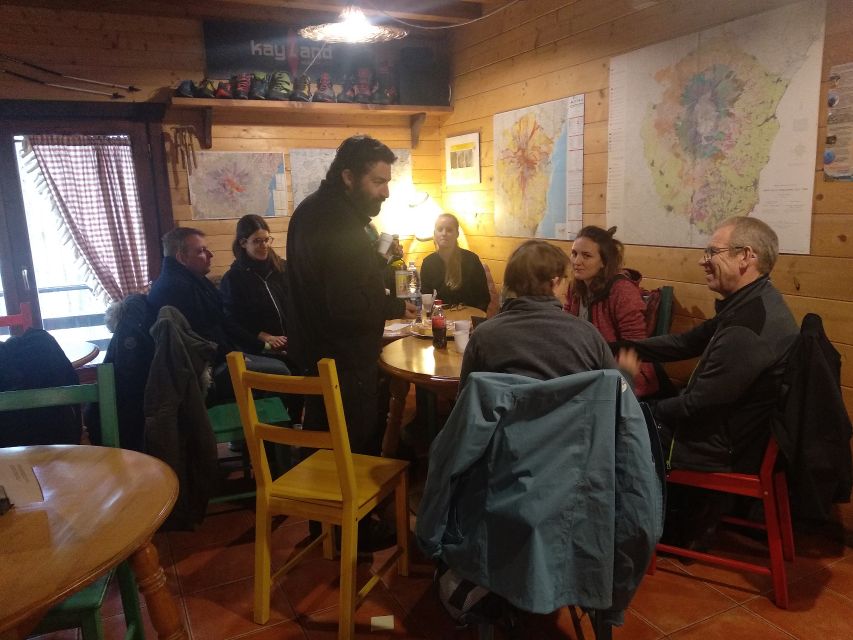
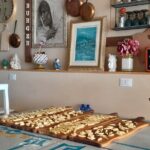
The morning work wraps up with a comfortable, Sicilian landing. After the cave and hike, you head to a local café/restaurant area connected with a winery stop. You’ll get a light lunch—think savory sandwiches plus something sweet—and you’ll also get wine.
Alcohol-wise, the highlight is almond wine tasting. You’ll often have a couple of wine pours after lunch, and some groups also mention a dessert wine style pairing with the meal. It’s not a long sit-down feast, but it’s enough time to reset your legs, compare notes with your small group, and feel like the morning paid off.
And because this happens after the physical part, the food doesn’t feel like an afterthought. It’s a reward that keeps the tour from dragging into a long day.

What to pack (and how to dress) for a morning on Etna
The tour supplies boots, a jacket, a walking stick (and winter snow shoes if conditions require them). Still, you should dress intelligently because Etna can swing from calm to windy quickly.
Bring:
- Comfortable shoes (even though rentals are included, your own should be safe and grippy if you prefer to use them)
- Comfortable clothes you can layer
Then plan for the realities:
- Layers beat one outfit. You’ll be at elevation, then you’ll transition between outdoor hiking and indoor/underground cave time.
- If you’re sensitive to wind or cold, don’t assume September-style weather means you’ll never need warmth. One of the reviews notes that in early September jackets weren’t necessary—but the same tour can run in months where extra warmth helps.
- If weather turns rough, guides may provide extra cover such as ponchos in rainy conditions (that’s happened on at least one trip).
Price and value: why $106 can make sense here
At about $106 per person for roughly 6.5 hours, the price feels reasonable because you’re not paying only for “a view.” You’re paying for a bundle:
- Pickup and drop-off in the Taormina area (plus nearby zones)
- A trained guide with specialty training in volcanic and biological/geological themes
- Equipment rentals: hiking boots, jackets, walking sticks (and snow gear in winter)
- Insurance
- A light lunch plus wine tasting, including almond wine
For many people, the value isn’t just the cost. It’s that you don’t have to coordinate gear, timing, and the right way to interpret what you’re seeing. Etna is not just a background; the guide helps you make sense of it while you’re walking.
If you’re the type who likes active mornings and wants a structured, guided volcano experience without spending the rest of the day figuring things out, this is the kind of tour that can justify the ticket.
Who this Etna half-day suits best (and who should skip it)
This tour is ideal if you:
- Enjoy active sightseeing with a steady walking segment
- Want guided explanation while you’re standing on crater rims and lava paths
- Like the idea of ending with a winery-style lunch and tasting
- Prefer a small group setting (often around 8)
You should skip it if you:
- Have respiratory issues or heart problems
- Struggle with uneven ground or difficulty walking
- Need accessibility-friendly routes (the tour isn’t positioned for mobility impairments)
Also, be honest about your tolerance for wind and rocky footing at elevation. The views are worth it, but you’ll feel the mountain underfoot.
Should you book Mount Etna from Taormina?
If your goal is the most meaningful Etna moment in limited time, I think this is a strong booking choice. The combination of crater-rim hiking, a guided lava cave visit, and a real food-and-wine finish makes the half-day feel complete.
I’d book it if you’re comfortable with up to 2 hours of trekking and you want more than a quick stop. It’s also a great fit for first-timers, because the guide experience is built into the walk—you’re not just looking, you’re learning while moving.
I’d pause before booking if you’re dealing with health limits (especially breathing or heart concerns) or you know you’ll struggle with loose volcanic rock and uneven paths. In that case, Etna may still be for you, but you’ll want an option designed for gentler walking.
FAQ
How long is the Mount Etna morning trek from Taormina?
The full experience runs about 6.5 hours, including the drive, trekking time (up to about 2 hours), and the cave visit plus lunch.
What exactly do we do on the hike?
You hike around the perimeters of extinct craters, walking through areas that include ancient woods and paths covered in lava.
Is the tour too strenuous?
It involves up to about 2 hours of trekking. It’s not recommended for people with heart or respiratory problems, those who have difficulty walking, or anyone not in good health.
What’s included in the price?
Pickup and drop-off in Taormina/nearby areas, a trained guide, hiking equipment (including boots/jacket/walking stick and snow shoes in winter), insurance, and a light lunch.
Are hiking boots and jackets provided?
Yes. Hiking boots and a jacket rental are included, along with a walking stick.
What food and drinks are included after the hike?
You get a light lunch at a café/restaurant associated with an Etna winery, plus wine tasting, including almond wine.
Where does the tour pick you up?
Pickup is available in Taormina and nearby areas and in Giardini Naxos. If you stay in Letojanni or Castelmola, a meeting point is arranged.
What languages is the tour offered in?
The tour guide speaks English and Italian.