REVIEW · SYRACUSE
Syracuse: Neapolis and Greek Theater guided tour
Book on GetYourGuide →Operated by Empeeria · Bookable on GetYourGuide
Ancient stone, explained with personality. This Syracuse: Neapolis guided tour helps you connect the myths to the places—Latomie stone quarries, the Ear of Dionysius, and the theaters. In 2 hours, you get the story line without feeling like you’re rushing through a museum.
I especially love how the stops are chosen for meaning, not just photos. The Latomie del Paradiso feel like a real setting for punishment myths, and the Greek Theater area ties the view over the Grand Harbor to how ancient people actually lived and gathered. The guides also keep you moving at a pace that still leaves time to look closely.
One drawback to plan for: sound can be a little tricky in a busy park. One guest noted trouble hearing the guide when the group is large, so expect to stand where you can see and listen clearly, especially at viewpoints and wider walkways.
In This Review
- Key highlights to look for on the Neapolis tour
- Neapolis in 2 hours: what this guided route gets right
- Meeting points, park entry, and how the tour starts
- Latomie del Paradiso: quarries turned drama-filled garden
- Ear of Dionysius: acoustics, myths, and the power of a good guide
- Greek Theater Syracuse: a viewpoint with real meaning
- From Hieron II to Rome: altar, games, and shifting power
- Price and value: what $51 buys in real terms
- Who should book this Neapolis guided tour (and who might not)
- Should you book this Syracuse Neapolis tour?
- FAQ
- How long is the Syracuse Neapolis and Greek Theater guided tour?
- Where do we meet for the tour?
- Does the price include the archaeological park entrance ticket?
- Is there skip-the-line entry?
- Which sites are included in the guided route?
- What languages is the live guide available in?
- Does the tour run in one language or two?
- When should I arrive at the meeting point?
- Is free cancellation available?
- Can I reserve and pay later?
Key highlights to look for on the Neapolis tour
- Certified local guides with real names like Giuseppe and Luca tend to answer questions and slow down when it matters
- Latomie del Paradiso: former quarries that turn into cool, garden-like spaces with dark backstory
- Ear of Dionysius: the legendary cave that turns myths into an acoustics moment
- Greek Theater Syracuse viewpoint including the Nymphaeum Fountain and a broad look toward the Grand Harbor
- Altar of Hieron II + Roman Amphitheater so you see how Greek Syracuse shifts under Rome
- Skip-the-line via a separate entrance plus park tickets handed to you at the meeting point
Neapolis in 2 hours: what this guided route gets right
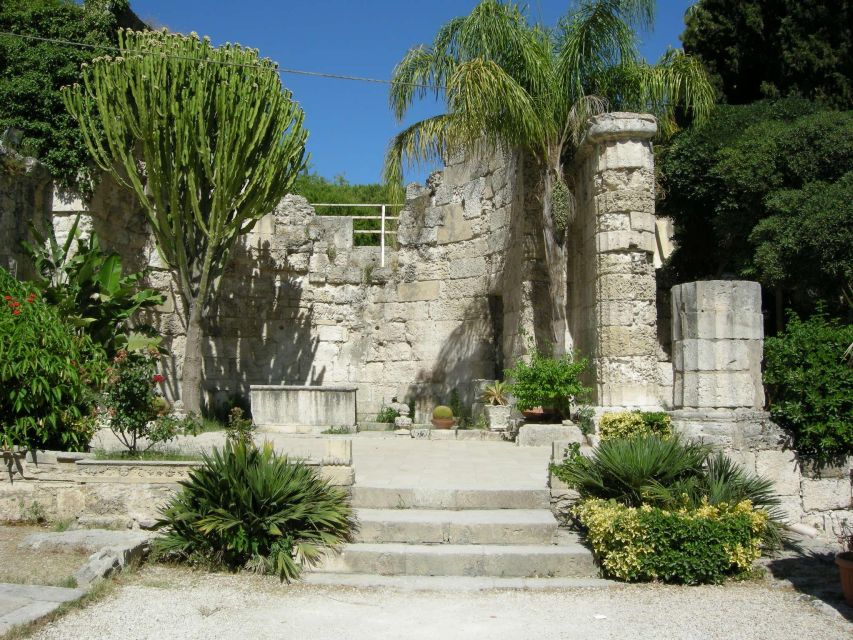
Syracuse’s ancient core is called Neapolis, and it can feel overwhelming if you show up on your own. You’ll see impressive ruins, sure. But what makes this tour worth it is the way the route maps story onto stone: Greek myths and political power, then the later Roman layer that changes the tone of the whole site.
The timing is also smart. You’re not trying to conquer the entire archaeological park in one go. Instead, you hit the major set pieces—Latomie, Ear of Dionysius, Greek Theater, then the Roman Amphitheater—so you leave with a coherent sense of place. At 2 hours, it’s a useful fit if you also want time to wander Syracuse streets, grab granita, or simply rest your legs.
You’ll also notice something else: the stops aren’t just “look and move on.” The guide approach is designed for context. That matters here because the ruins are spread out and the meanings aren’t obvious at a glance. When someone explains why the quarry is important, what the Ear of Dionysius legend is tied to, and why the theater was built where it was, the whole day feels less like sightseeing and more like understanding.
You can also read our reviews of more guided tours in Syracuse


Meeting points, park entry, and how the tour starts
The meeting point can vary by option, with common locations including Biglietteria Parco Archeologico Neapolis and MOMENTO Ristorante. Plan to arrive 20 minutes early. This isn’t just for timing—it gives you a buffer to find the right pickup, meet your guide, and settle before you start walking.
The guide provides your entrance ticket to the Neapolis Archaeological Park directly at the meeting point. That small detail helps a lot because it removes the “where do I queue?” stress. You’ll also use a skip-the-line style entry through a separate entrance, which is a real quality-of-life upgrade in busy seasons.
The tour is guided live in Italian and English. The activity description notes it could be run at the same time in both languages. In practice, that sometimes means longer waits at specific points so both groups get what they need. If you’re the type who hates standing around, keep your expectations flexible and be ready to use that time to look—especially for the views and architecture details.
Latomie del Paradiso: quarries turned drama-filled garden
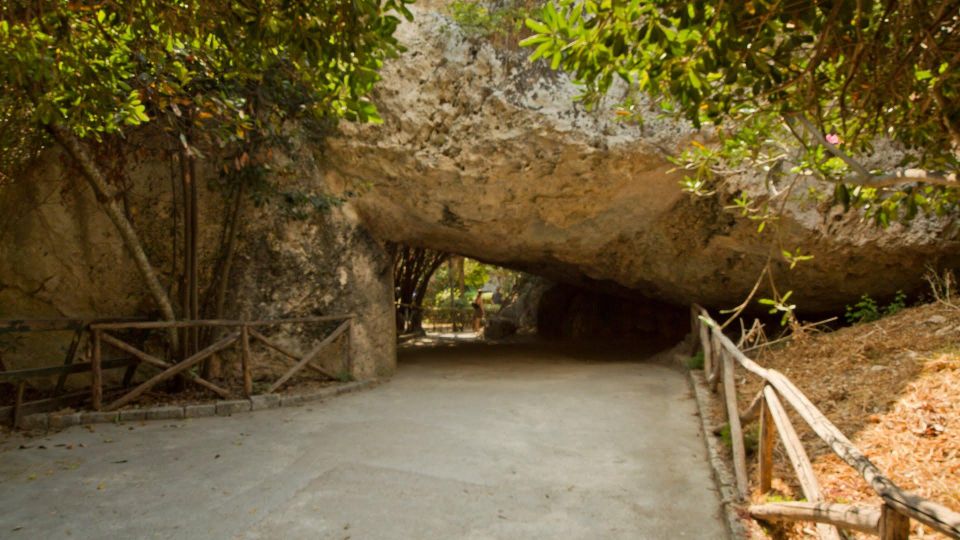
The first big wow factor is the Latomie del Paradiso. These are ancient stone quarries that were later shaped into a kind of natural garden space. Even if you don’t know Syracuse’s backstory, you’ll feel the difference from open-air ruins elsewhere: the air cools down, the rock forms feel close and sculpted, and the light has its own personality.
This stop works because it’s where the guide can connect labor and punishment to geography. The Latomie are famous in the Syracuse story for the idea of dark secrets—places where titanic work once resounded and where people associated with the tyrant’s intrigues could be held. You don’t just see rough rock. You get a sense of how an ancient power could turn a working site into something sinister.
One of my favorite practical takeaways here: the best guide moments happen in shade. If it’s hot—and Sicily often is—look for the guide’s cues about where to stop. Guests have mentioned guides like Luca finding shaded spots while still explaining key details. You’ll enjoy the cave and quarry parts much more if you can stay comfortable enough to listen.
Ear of Dionysius: acoustics, myths, and the power of a good guide
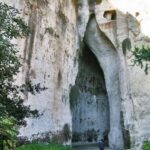
Next comes the Ear of Dionysius, a legendary cave known for mysterious acoustics. This is the kind of place where, without context, you might think, Okay, cool cave. With context, it turns into a lesson in how rulers used space, sound, and fear.
The guide’s job here is to connect the legend of Dionysus and the idea of secrets and intrigue to the physical shape of the cave. That turns the visit into an experience you can remember. It’s also a great stop for photos, but don’t let the camera take over. The point is what you hear and what you understand.
There’s also a personality element reported by guests: one guide, Laura, was praised for taking time and even singing in the cave. That kind of moment isn’t guaranteed, but it signals the style of guiding you can hope for—slow enough to let the cave do its work, and creative enough to make the myth feel alive rather than like a dry lecture.
Greek Theater Syracuse: a viewpoint with real meaning
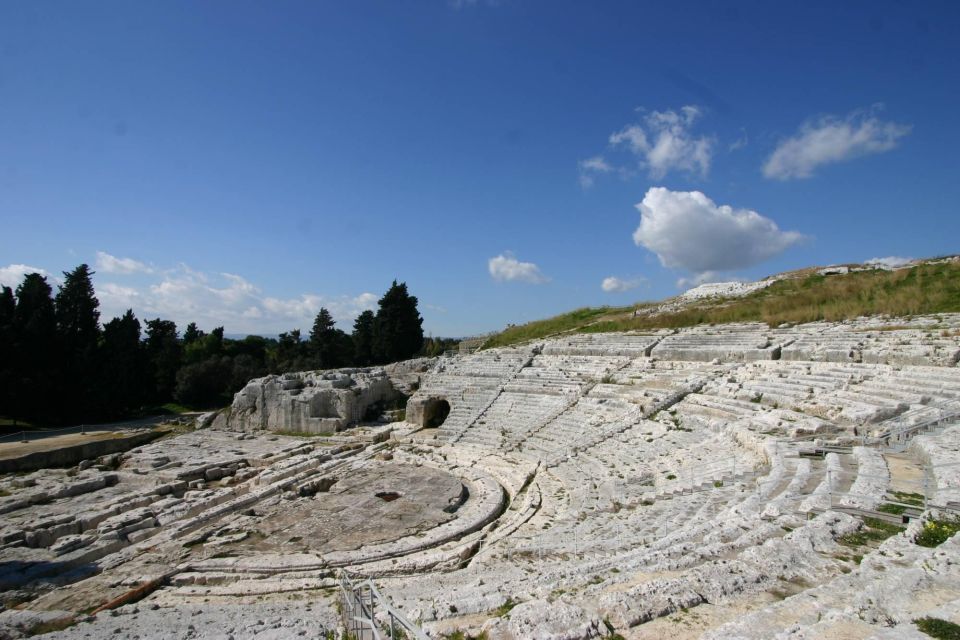
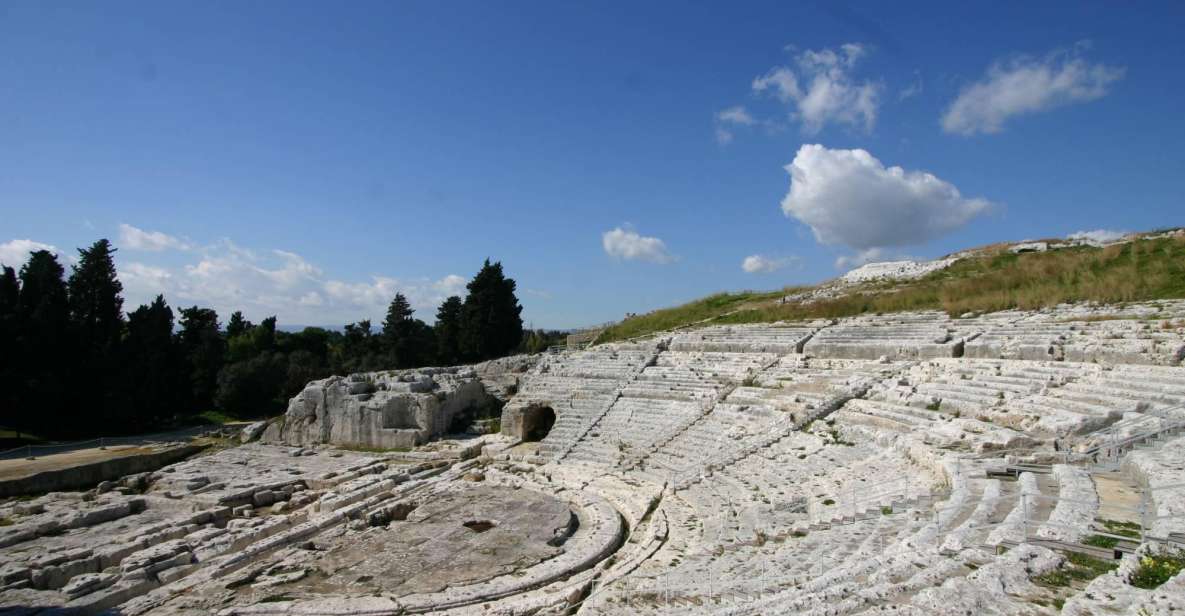
The Greek Theater Syracuse stop is where Neapolis starts to feel cinematic. You’re not only looking at stone seats. You’re seeing why ancient designers cared about sightlines, air flow, and the drama of an audience facing the world outside.
Your guide also points out specific elements in the theater area, including the Nymphaeum Fountain and the broad view toward the Grand Harbor. That view isn’t just scenery. It’s part of the “why” behind the theater. Ancient performances weren’t staged in a vacuum—they belonged to a city’s geography, its economy, and its daily movement.
A practical consideration: one guest noted it would have been better to go to the bottom area of the Greek Theater. That suggests you might not reach every section for close-up views during this 2-hour run. If you’re a photo hunter who wants the lowest seating levels, keep that in mind.
Even without bottom access, this stop is still worth it because it helps you read the site. With a guide’s explanations, you’ll notice how the architecture works, where the key views likely shaped the performance experience, and how the harbor-facing orientation would have mattered to people gathering there.





From Hieron II to Rome: altar, games, and shifting power
After the Greek Theater focus, the tour continues into the Roman layer—where the story changes from Greek civic life to Roman entertainment and control.
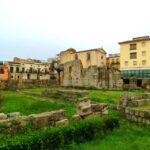
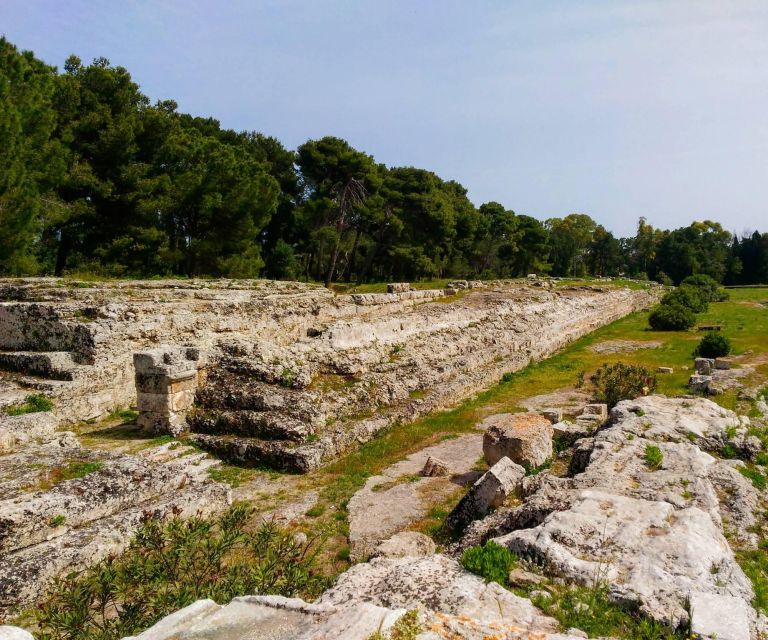
You’ll see the Altar of Hieron II, described as a majestic testimony to Syracuse’s glorious past. Even if you’re not a classicist, the altar matters because it marks a moment in time when religious and civic identity shaped public space. Think of it as the bridge between what Greek Syracuse expressed and what the Romans later emphasized.
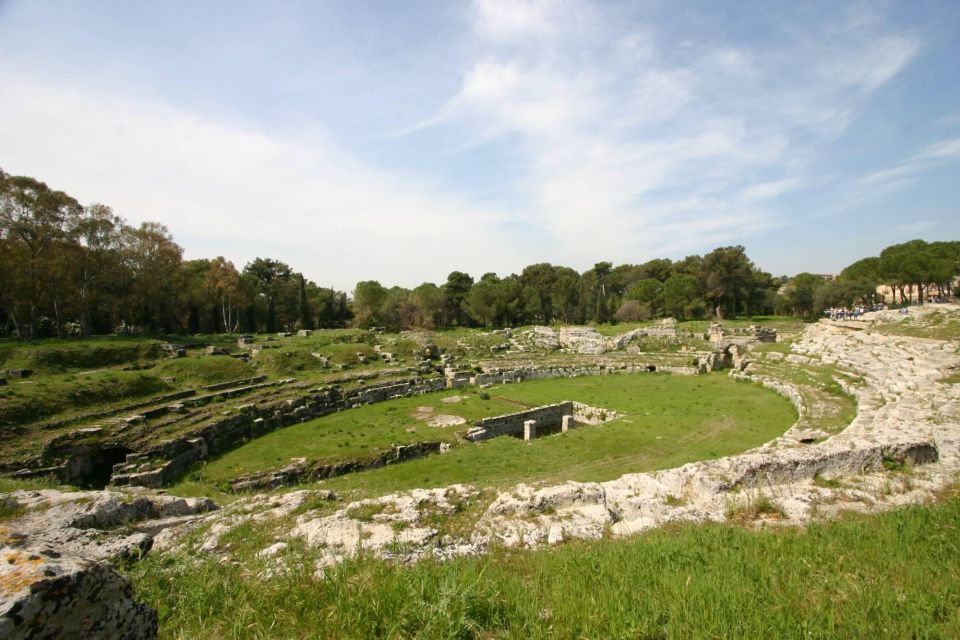
Then you move to the Syracuse Roman Amphitheater. This is where the tour description leans into spectacle: your guide shares the secrets of gladiatorial games and the nuances of Syracuse under Roman rule. That matters because “Roman Syracuse” can sound like a footnote if you don’t connect it to what people actually came to see.
This part of the tour is also a good test of guide quality. If they can explain the shift in purpose—from theater culture to gladiatorial spectacle—without turning it into a long timeline, you’ll enjoy the whole arc more. The best guiding style is the one that helps you picture the human energy in each space, not just the architecture.
Price and value: what $51 buys in real terms
At $51 per person for a 2-hour guided experience, the value hinges on what’s included and what it saves you.
First, the price includes the entrance ticket to the Neapolis Archaeological Park. Second, it includes the guided tour itself. Third, the separate entrance helps you avoid friction that can eat up time at archaeological sites.
If you were to do this self-guided, you’d still need the ticket and you’d still have the challenge of connecting myths to locations. Syracuse ruins look impressive, but context is what turns them into a satisfying visit. The guide’s interpretation is the product here.
The rating is also a good signal: the tour sits at 4.5 stars with 160 reviews, and the recurring theme in the feedback is that the guide makes the site feel more than “pretty rocks in a park.” That aligns with what this route is designed to do: cover key stops fast enough for a 2-hour window, but with explanations that keep you oriented.
Who should book this Neapolis guided tour (and who might not)
I’d book this if you want a structured walk through Neapolis that still feels thoughtful. It’s ideal for first-timers to Syracuse who want the major sites—the Latomie, Ear of Dionysius, Greek Theater, and Roman Amphitheater—without guessing what matters.
It also works well if you like myths, legends, and political intrigue tied to geography. The tour’s descriptions lean into Dionysus, tyrant intrigue, and the ways rulers used public space. If that’s your kind of travel, you’ll get a lot out of the tour’s pacing.
I’d think twice if you’re extremely sensitive to hearing or sound quality. One guest specifically raised the issue of not being able to hear the guide well. And because the tour may run in multiple languages at once, you might spend a little more time at stops than you expect. In that case, pick a spot where you can see the guide clearly and try not to drift to the back.
Should you book this Syracuse Neapolis tour?
If you want the Neapolis highlights with context, I say yes. The price makes sense because you’re paying for both the park ticket and the guided interpretation of key sites that would be hard to connect on your own in just a couple hours.
Book it if you care about the story arc: quarry work and dark secrets in the Latomie, acoustics and legend at the Ear of Dionysius, civic drama and harbor views at the Greek Theater, then the Roman shift with the Roman Amphitheater. That combination is what turns a visit into something you’ll remember later.
Skip it only if you strongly prefer total freedom and long wandering. This tour is structured. It’s designed to deliver the main Neapolis beats efficiently, not to let you linger everywhere.
FAQ
How long is the Syracuse Neapolis and Greek Theater guided tour?
The tour lasts 2 hours.
Where do we meet for the tour?
The meeting point may vary depending on the option booked. Listed options include Biglietteria Parco Archeologico Neapolis and MOMENTO Ristorante.
Does the price include the archaeological park entrance ticket?
Yes. The entrance ticket to the Neapolis Archaeological Park is included, and the guide provides it at the meeting point.
Is there skip-the-line entry?
Yes. The tour includes skip the line through a separate entrance.
Which sites are included in the guided route?
You’ll visit the Neapolis Archaeological Park area and stops including Latomie del Paradiso, the Ear of Dionysius, the Greek Theater, and the Roman Amphitheater. The itinerary also mentions the Nymphaeum Fountain and the Altar of Hieron II as part of the experience.
What languages is the live guide available in?
The live tour guide works in Italian and English.
Does the tour run in one language or two?
The activity could be carried out at the same time in Italian and English language, depending on the tour setup.
When should I arrive at the meeting point?
Arrive 20 minutes before the activity start time.
Is free cancellation available?
Yes. You can cancel up to 24 hours in advance for a full refund.
Can I reserve and pay later?
Yes. You can reserve your spot and pay later, with an option to book without paying immediately.