REVIEW · CATANIA
Catania: Morning Jeep Tour of Mount Etna and Lava Flow Caves
Book on GetYourGuide →Operated by Etna and Sea Excursion · Bookable on GetYourGuide
Etna feels close enough to touch. This morning tour from Catania pairs 2,000-meter views with helmet-and-flashlight lava caves on the upper slopes. It’s also one of the smoother ways to see the volcano without getting stuck in the busiest crowds.
I like how the day mixes big volcanic sights with real walking time on paths that feel more local. You’ll hear the story behind places like the Hornitos (old explosive activity areas), then jump to quieter viewpoints away from the main tourist bottlenecks.
One thing to consider: the cave portion involves getting in and out of narrow, uneven spaces, so if you have knee trouble, you may want to ask about opting out. Also pack shoes you don’t mind getting dusty—Etna ash can get messy.
In This Review
- Key things that make this Etna morning tour worth your time
- Morning jeep tour from Catania: why this format works
- Pickup, timing, and getting to the Etna Park area fast
- Etna at around 2,000 meters: what you’ll actually see and why it’s special
- Hornitos and the lava caves: helmet, torch, and the part with the wow factor
- Rifugio Casa del Vescovo and the switch to panoramic thinking
- Valle del Bove: the eastern lava desert viewpoint
- Zafferana Etnea tastings: a real Sicilian break, not just a token stop
- Pace and who this tour suits (and who should choose carefully)
- Price and value: is $67 per person a fair deal?
- Practical tips so your morning on Etna goes smoothly
- Should you book this Mount Etna morning jeep tour?
- FAQ
- How long is the Mount Etna morning tour?
- Where does the tour pick up in Catania?
- What safety gear is included for the lava caves?
- What languages are the guides?
- Is hotel pickup included?
- What happens if I’m late or need to cancel?
Key things that make this Etna morning tour worth your time
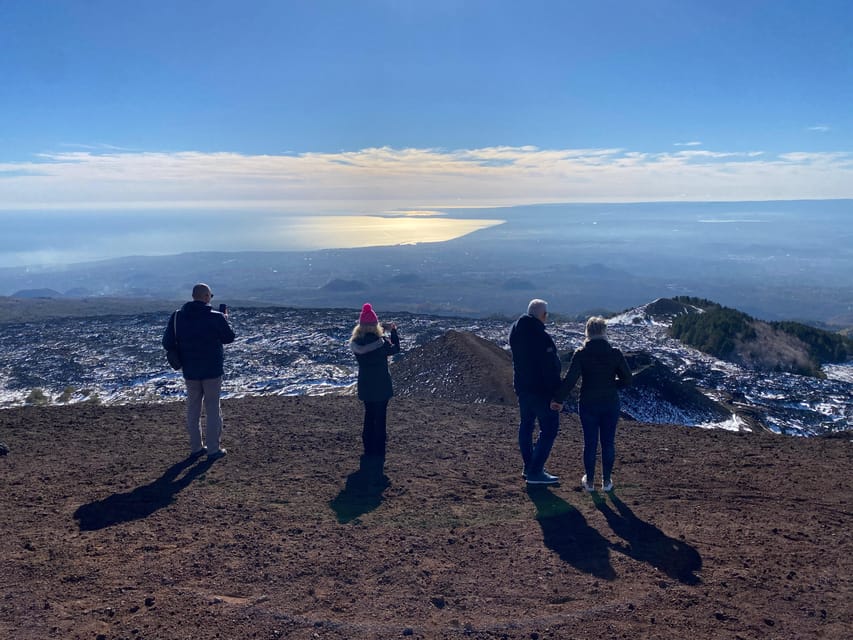
- 2,000 meters on Etna: high-altitude viewpoints with cool air and wide views
- Lava caves by helmet and torch: Grotta Cassone and Grotta del Gatto style stops
- Hornitos and explosive history: a guided explanation of how Etna shapes daily life
- Valle del Bove panorama: the eastern lava-desert viewpoint
- Zafferana Etnea break: tastings of local products in the nearby town area
- Small groups with multilingual guides: English, Italian, Spanish, Portuguese, and French
Morning jeep tour from Catania: why this format works
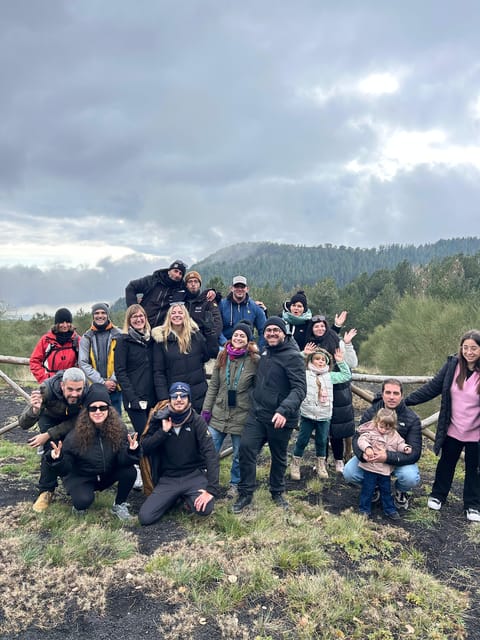
Mount Etna is huge, active, and constantly changing. So the smartest approach from Catania isn’t trying to figure it out on your own on a tight schedule. A guided morning jeep/van tour is built for the day’s best visibility hours and gives you vehicle access up the mountain—then you walk the parts that are worth the effort.
What I like most is the balance. You get dramatic volcanic features (lava flow areas, ancient explosive zones, and caves), but the day is also paced so most people can keep up. Even in small groups, guides can slow down when needed and speed up when everyone’s good to go, and that matters on a windy, high-altitude morning.
The other practical win: you’re not spending the whole day driving. You’re transported to the Etna Park area, then move through a set of stops that are timed to show the volcano’s different “moods,” from rough lava terrain to cave interiors.
You can also read our reviews of more tours and experiences in Catania
Pickup, timing, and getting to the Etna Park area fast
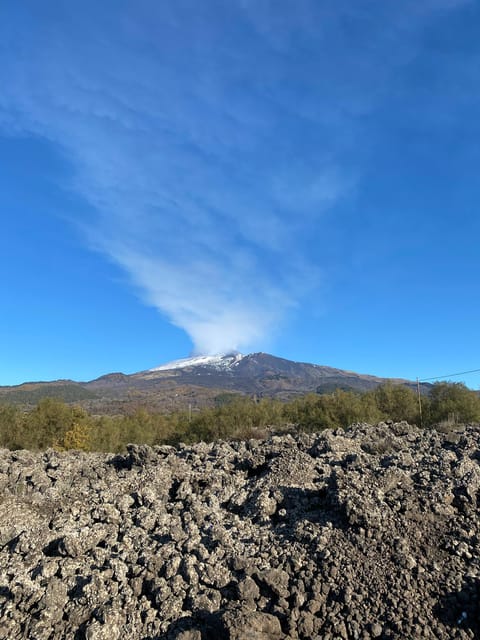
This tour starts with one of three pickup options in Catania (depending on what you choose):
- Etna & Sea Excursions, Via Cristoforo Colombo, 13
- P.za dei Martiri, 19
- Etna & Sea Excursions (meeting point option listed by the operator)
You’ll travel in an air-conditioned vehicle (jeep/SUV or van) toward the mountain. The schedule indicates about 40 minutes of drive time each way, which is a big deal if you’re trying to keep your morning from turning into a long transportation slog.
You also need to respect departure times. The operator allows a maximum delay of 5 minutes, and if you miss that window, you can lose your spot. That’s typical for tight half-day tours on Etna, where traffic and road access can’t be stretched.
Etna at around 2,000 meters: what you’ll actually see and why it’s special
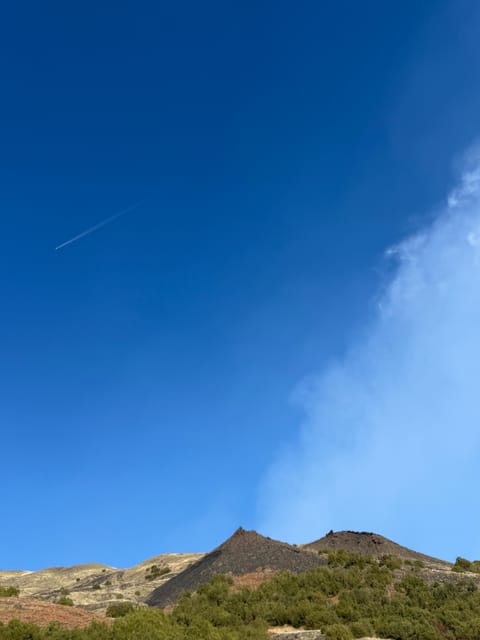
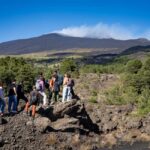
The heart of the tour happens once you reach Etna Park. From there, the day centers on a guided walk and photo stops that focus on the volcano as a living system—not just a one-time view.
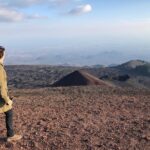
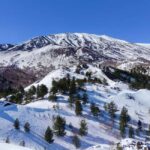
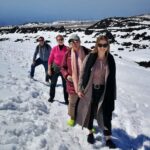
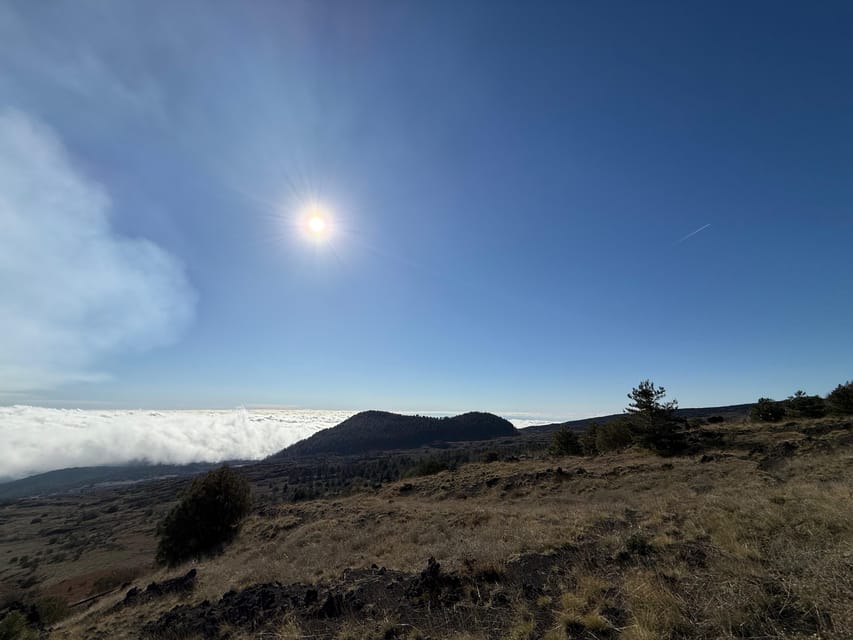
At about 2,000 meters, the experience changes. The air often feels sharper and the wind can pick up. One useful detail from the trip accounts: in summer it can still be pleasant but windy, so don’t treat Etna as automatically warm just because Sicily is. Bring a light layer you can toss on and off.
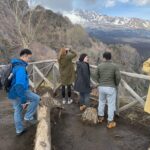
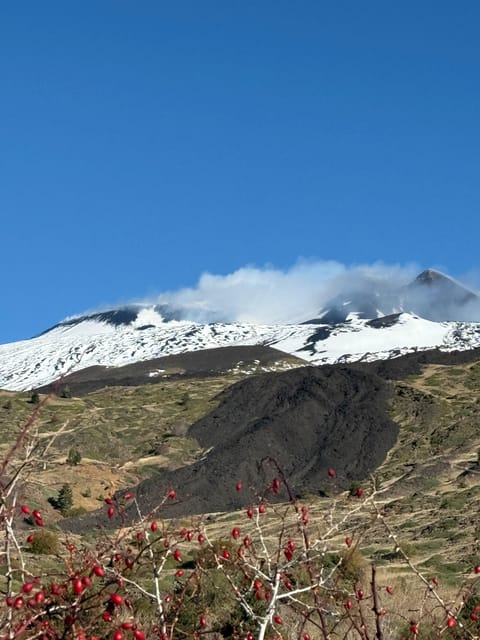
What you’re looking at isn’t random. Your guide will point out features tied to eruptions and lava flow patterns, including how eruptions have altered roads and buildings over time. The walk is designed to be away from the busiest tourist areas, which is why the tour feels calmer than a drive-by photo loop.
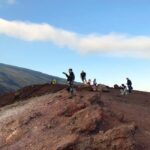
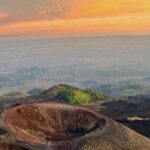
You’ll likely stop at viewpoints and crater-related areas, then keep moving through a series of guided segments. Some of the most valuable moments here are the “how” explanations—how Etna’s activity is understood on the ground, and how local life has adapted to living near a volcano.
Hornitos and the lava caves: helmet, torch, and the part with the wow factor
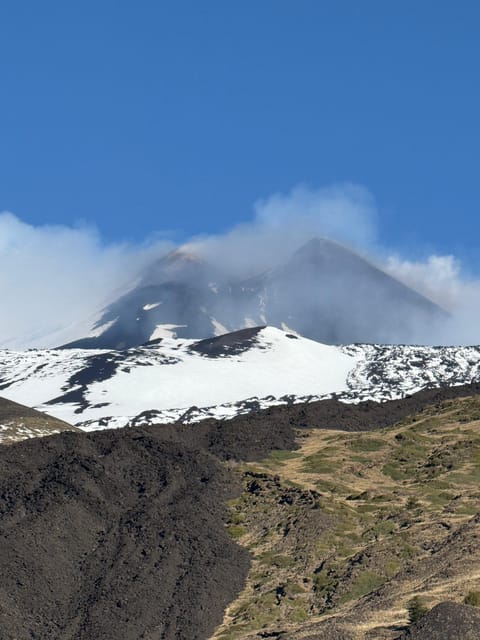
This is the most story-heavy portion of the tour. You’ll visit areas tied to ancient explosive activity, including Hornitos. Even if you’ve seen photos of volcanoes, Hornitos can feel different in person—more like evidence than spectacle.
Then comes the cave sequence, where the tour provides the gear:
- Helmet
- Flashlight
You’ll explore lava caves such as Grotta Cassone and Grotta del Gatto. In practice, that means you’re getting a real sense of how lava behaves underground—space shaped by eruption dynamics, not by erosion or normal geology.
Here’s the one caution that matters: caves can be physically awkward. A few accounts highlight that getting in and out can be a challenge with knee issues. You don’t need to “tough it out” if your body won’t cooperate. If you’re concerned, you can ask at the start what options exist before you commit to each cave stop.
Also, caves aren’t about speed. They’re about walking carefully, keeping your footing, and listening while the guide explains what you’re seeing in the dark. The flashlight + helmet setup makes it feel safer than doing something similar on your own.
Rifugio Casa del Vescovo and the switch to panoramic thinking
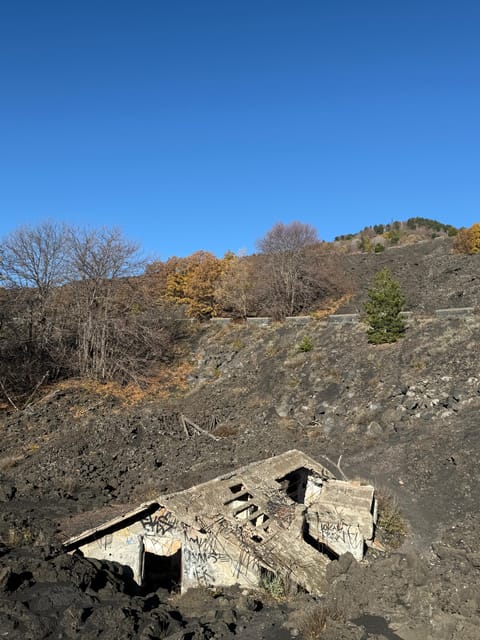
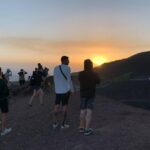
Between cave and lava-desert viewpoints, the tour includes a stop at Rifugio Casa del Vescovo (photo stop plus guided time). This is one of those “pause and reset” areas where you can look around and let the geometry of Etna sink in.
A rifugio stop is also practical. It gives you a chance to stand somewhere steadier, breathe, and check your surroundings before moving to the more open, windier viewpoints. You’ll also get guidance on what to look for—where you are relative to the volcano’s structure and why the next stop is worth the effort.
Valle del Bove: the eastern lava desert viewpoint
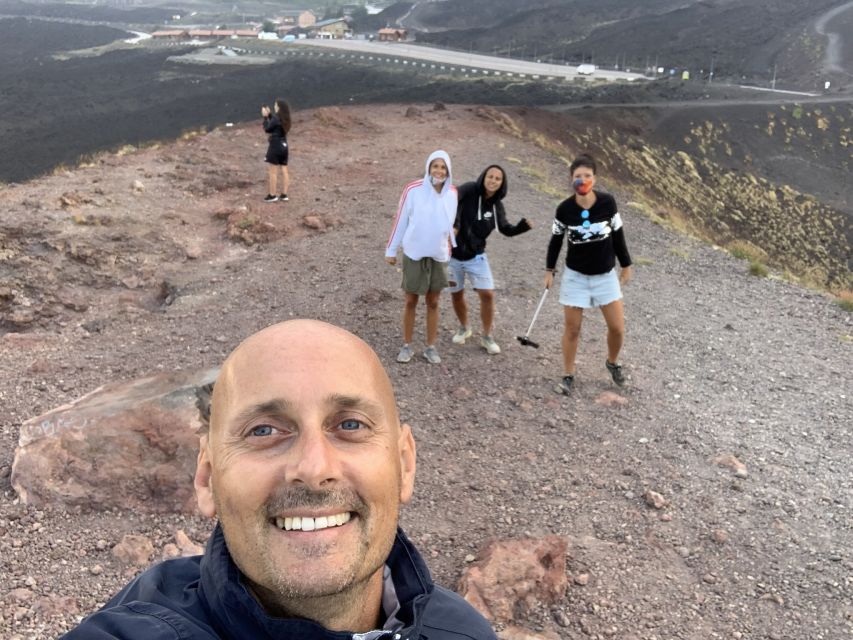
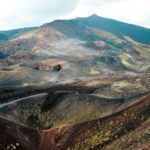
The tour’s big panorama is Valle del Bove, described as the most important valley on the eastern side of the volcano and famous for its lava desert.
This viewpoint matters because it’s not just a pretty angle. It’s a way to understand Etna’s scale. Valle del Bove gives you a broad “reading” of the terrain—what lava has done across time, and how that has shaped the surface into a harsh, textured expanse.
You’ll get a photo stop and guided time here, with the emphasis on seeing the valley as part of Etna’s eruption story rather than a random rugged patch. If you like geology that has real-world consequences, this is where it clicks.
Expect wind and fast-changing light, especially in the morning. If the sky looks dramatic, that’s not a bad thing—volcanic terrain tends to look more honest when the weather is doing its own thing.
Zafferana Etnea tastings: a real Sicilian break, not just a token stop
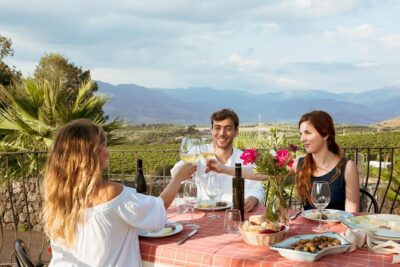
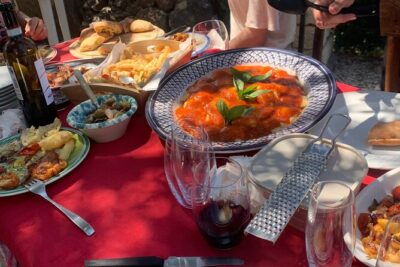
Before heading back down, the tour includes a break in Zafferana Etnea with shopping time and tastings of typical products from the area.
Even with a tight schedule, this stop is worth it because it gives you a different angle on the volcano connection. Etna isn’t only rock—it’s also local agriculture, small producers, and everyday products made in a region shaped by volcanic soil.
From the tour experiences shared, the tasting often includes things like wine, honey, and olive oil. The exact selection can vary, but the theme stays consistent: you’re sampling Sicilian flavors tied to living around Etna.
If you’re the type who buys food as a souvenir, this is a good moment to do it. It also helps break up the day so you don’t feel like you’re rushing from stop to stop with nothing to anchor the experience.
Pace and who this tour suits (and who should choose carefully)
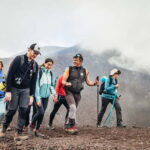
This is not presented as a strenuous hike tour. It’s a guided walking experience with driving between key areas, and the pacing can be adapted for different groups. Many people mention that the walk is manageable and the day feels comfortable even across a mixed-age group.
That said, the day does include caves and uneven terrain. So if you:
- need mostly flat surfaces,
- are very concerned about knee movement,
- or struggle with stepping in and out of narrow spaces,
then it’s smart to ask how cave time works for your specific situation.
On the flip side, if you want a volcano day that feels real but not exhausting, this works. It’s a solid match for couples, solo travelers, and families who want Etna without spending hours planning logistics. It’s also a great option if you want guided context—maps in your head after the trip are half the value.
Price and value: is $67 per person a fair deal?
At about $67 per person for roughly 5.5–6 hours, the value comes from what’s included rather than the headline price.
You’re getting:
- Air-conditioned transport from Catania
- A multilingual guide
- Walking tour and timed stops
- Helmet and flashlight for lava caves
- Tastings of local products
- Trekking shoes upon request (which is helpful if you arrive without the right footwear)
That combination is what makes the tour competitive. Etna access isn’t cheap once you factor in vehicles and guide time. Plus, the helmet-and-torch cave portion removes a lot of the hassle of arranging safety gear yourself.
If you’re comparing to a DIY day, the savings can look good at first. But once you include transport, parking, and the need for a guide to explain what you’re seeing, the guided morning format usually wins on time and clarity.
Practical tips so your morning on Etna goes smoothly
Here’s what I’d plan for, based on the on-the-ground realities of Etna tours:
- Wear closed shoes. Etna ash can get on everything, and some shoes will take the hit.
- Avoid sandals or flip-flops. Reviews explicitly call out the risk of slipping and getting dusty.
- Bring a layer for altitude. Even if Sicily feels warm, the mountain can feel cooler and windy.
- If caves are a concern, talk to your guide early about what you can comfortably do.
Also, since pickup timing matters, set aside extra time to find your meeting spot and meet the departure schedule.
Should you book this Mount Etna morning jeep tour?
Book it if you want:
- a guided Mount Etna experience from Catania without the stress of figuring out access,
- the lava caves with helmet and flashlight,
- an included stop at Valle del Bove,
- and a local Zafferana Etnea tasting that ties the volcano to everyday Sicily.
Consider skipping or customizing if:
- you have knee issues or mobility limits that make cave entry hard,
- you can’t do uneven walking,
- or you absolutely hate the idea of being on a strict half-day schedule.
If you’re after a smart, structured Etna morning with real stops (not just a drive-by), this is a strong choice.
FAQ
How long is the Mount Etna morning tour?
The tour duration is about 5.5 to 6 hours.
Where does the tour pick up in Catania?
Pickup is available at three options: Etna & Sea Excursions (Via Cristoforo Colombo, 13) and P.za dei Martiri, 19.
What safety gear is included for the lava caves?
You’ll be provided with a helmet and a flashlight for the lava cave visit.
What languages are the guides?
The tour guide is available in English, Italian, Spanish, Portuguese, and French.
Is hotel pickup included?
No—hotel pickup is not included. You’ll use one of the listed pickup points.
What happens if I’m late or need to cancel?
You’re expected to respect the departure time, with a maximum delay of 5 minutes allowed. The tour also offers free cancellation up to 24 hours in advance for a full refund.