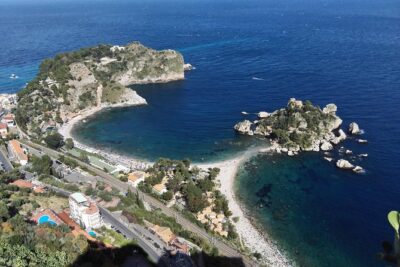
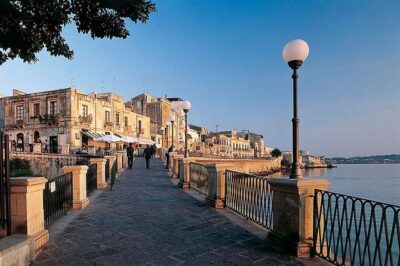
Ortigia’s craft scene feels personal fast. This 90-minute Ortigia Artisan Tour lets you hop between local workshops with a guide like Pelin, learn what’s behind the materials and techniques, and see one-off pieces take shape. Two things I really like: the time to browse at each stop (not just a quick look), and the chance to ask questions and get context you won’t find in guidebooks.
The one possible drawback is the price. At about $295.87 per person for roughly 1.5 hours, it’s best if you genuinely want hands-on craft details and are okay paying for small-group access.
In This Review
- Key things I’d circle before you go
- Ortigia Artisan Tour: how the 90 minutes are structured
- Meeting at Largo XXV Luglio and getting your bearings
- Workshop stops you’ll actually care about: ceramics, paint, leather, and more
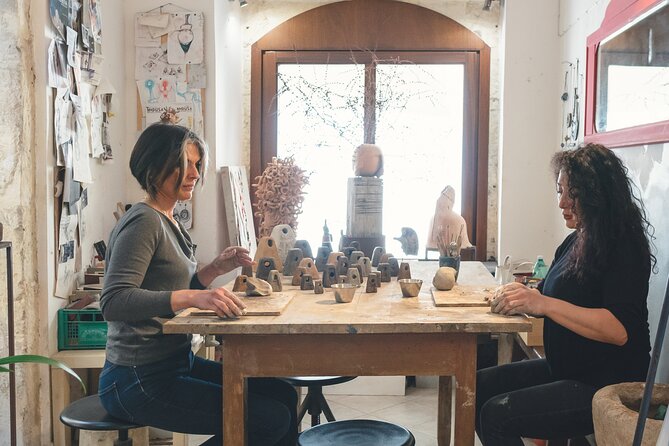
- Ceramics: watching one-off work become real
- Painting and galleries: learning how artists build meaning
- Leather makers: practical skill you can feel in the details
- Hands-on moments: trying the craft if you want
- The best part: time to browse without feeling rushed
- “Private tour” energy with a max of 4 people
- Price and value: is $295.87 per person actually fair?
- Timing in Ortigia: when to go and why it matters
- Who this Ortigia artisan tour is best for
- Should you book the Ortigia Artisan Tour?
- FAQ
- How long is the Ortigia Artisan Tour?
- How many people are in the group?
- What language is the tour offered in?
- Where is the meeting point, and where does the tour end?
- What days and times does the tour run?
- What kinds of crafts and workshops will we see?
- What happens if the weather is bad?
- Is there free cancellation?
Key things I’d circle before you go
- Small group of up to 4 makes conversations actually happen, not just quick nods.
- A guide with local passion (Pelin) can turn crafts into stories you understand on the spot.
- Multiple workshop types you can compare side by side, including ceramics, painting/galleries, and leather making.
- Time to browse with support so you can shop thoughtfully without feeling rushed.
- You may be able to try the craft yourself, if you want, not just watch from the sidelines.
- Private feel with customization based on what you care about and what you ask for.
Ortigia Artisan Tour: how the 90 minutes are structured
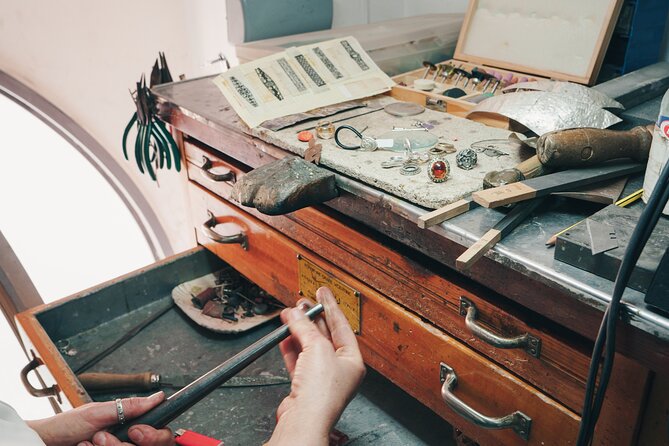
This isn’t a big bus-style “see everything” tour. It’s built around meeting makers up close in Ortigia, the historic core of Syracuse, and spending time where the work happens. Expect several workshop stops, guided context as you go, and a bit of breathing room to look carefully and talk.
The tour’s pace matters. With a duration of about 1 hour 30 minutes, you’ll want to use the time well. I like that you’re not just marched past displays. Instead, your guide helps you focus on what makes a piece special—tools, materials, process, and the small choices that separate mass-made items from real craft.
One more thing: you’ll get historical and cultural information during the visits. That’s not filler. It’s the kind of explanation that helps you understand why certain designs or traditions are still worth preserving. The best moments are often the ones where you realize what you’re looking at is more than decoration—it’s identity, skill, and continuity.
You can also read our reviews of more tours and experiences in Sicily.



Meeting at Largo XXV Luglio and getting your bearings
The tour starts at Largo XXV Luglio, 13, 96100 Siracusa SR, Italy, and it ends back at the meeting point. That simple loop is a plus in Ortigia, where streets can be tight and confusing if you’re wandering without a plan.
Another practical win: the start point is near public transportation. So if you’re coming from elsewhere in Syracuse, you can usually line it up without a complicated commute.
If you’re the type who wants a quick orientation first, you’ll probably appreciate what your guide does early on—connecting workshop craft to the area around it. That matters because Ortigia can look like one big “pretty postcard” until someone gives you a map made of details.
Workshop stops you’ll actually care about: ceramics, paint, leather, and more
You’ll visit a variety of local artisan workshops with a guide, and the experience is designed to show how different materials behave and how makers think. From the craft mix, you can expect categories like ceramics, painting and galleries, and leather makers.
Ceramics: watching one-off work become real
Ceramics are a great place to start because you see the full logic of the process. Clay isn’t just clay—it responds to technique, drying, firing, and finishing. When you watch a ceramicist at work, you get a better sense of what to notice as a buyer later: shape consistency, surface treatment, and how details are actually formed.
This tour also gives you a chance to understand what makes a piece feel unique. That helps you avoid the common souvenir trap of buying something pretty but forgettable. If you like functional art—things that can sit on a table or shelf and still feel handmade—you’ll probably find ceramics the most satisfying category on this kind of stop.
Painting and galleries: learning how artists build meaning
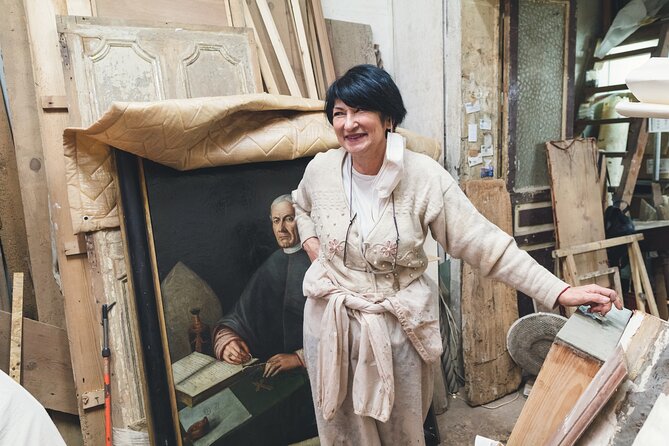
A painter stop (and the related gallery time) is where the tour shifts from process to interpretation. You’ll often want to slow down here. Ask how a piece developed—color choices, subject matter, and what the artist thinks about when making decisions.
The value isn’t just visual. It’s the context your guide brings, plus the conversations you can have while you’re standing in the actual work space. If you care about art more than objects, this part can land harder than you expect.






Leather makers: practical skill you can feel in the details
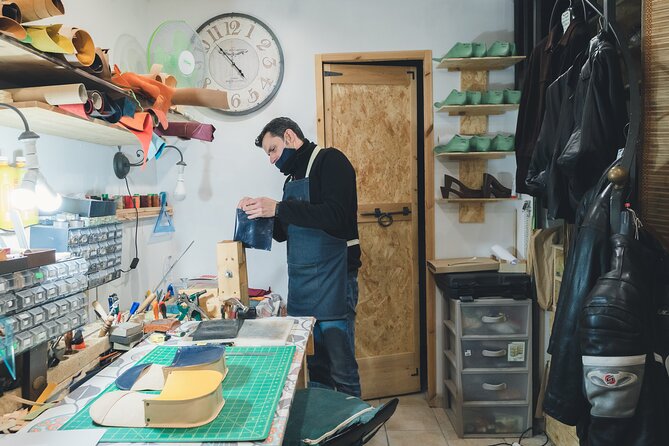
Leather is the craft category that often turns casual browsing into focused looking. Even without touching anything, you can usually tell when a maker is working with intention—how edges are finished, how components are joined, and how pieces are structured.
Leather also tends to produce souvenirs that last. If you’re after something useful (like an item you can carry or use), this category gives you a stronger “why this is worth it” story than mass-produced keychains and magnets.
Hands-on moments: trying the craft if you want
The tour experience can include a chance to try it yourself, depending on the workshop and your interest. That’s worth taking seriously. Watching is fun, but doing—even briefly—often makes the craft feel real in a way you can’t get from photos.
If you like learning by doing, tell your guide you’re interested early. If you’re more of a watcher, you still get plenty of guided explanation and time to observe.
The best part: time to browse without feeling rushed
One reason this tour gets high marks is the rhythm of the stops. You get assistance from your guide, plus time to browse at each location. That combination is rare.
In a good workshop visit, you want time for two things:
- Looking closely enough to spot quality differences
- Talking to the maker without someone watching the clock
Here, your guide helps you slow down and ask the right questions. And if you do want to buy, this structure helps you do it thoughtfully, not impulsively. You’ll also be better at describing what you like—because you’ll know the process behind it.
“Private tour” energy with a max of 4 people

This is capped at a maximum of 4 travelers, which keeps it from feeling crowded or scripted. In practice, that small size is what allows your questions to matter. You can mention what you care about—ceramics vs. leather vs. painting—and the guide can shape the experience around that.
There’s also a strong “you’re here for the craft” vibe. You’re not competing with a line of people for attention, and you’re not getting swallowed by a group pace. For me, that’s the key distinction between a workshop visit that feels like education and one that feels like a quick stop on a shopping circuit.
And yes, you can treat it like a private-style outing while still benefiting from group discounts when they apply.
Price and value: is $295.87 per person actually fair?
Let’s talk money plainly. At $295.87 per person for about 1.5 hours, this isn’t a budget add-on. You’re paying for:
- Access to multiple makers in one focused outing
- English-speaking guidance throughout
- Time to browse with support (not just entry and exit)
- A small group size (up to 4)
- A private feel with customization based on interests
So when is it good value? When you’ll use the tour for what it’s built to do: learn, ask, compare, and possibly buy from artisans who are actively working. If your goal is only to look at storefronts for 10 minutes, then the cost may feel steep.
If, instead, you want something more meaningful—like avoiding high-markup, high-commercial souvenirs and bringing home something with a story—this price can start to make sense fast. The craft categories involved aren’t random either. They’re the kinds of handmade traditions where quality and intention show up clearly.
Timing in Ortigia: when to go and why it matters
This tour runs on Monday through Saturday with two time windows: 10:30 AM–12:30 PM and 4:30 PM–6:30 PM. That split can be useful. Morning can feel calmer for browsing, while late afternoon often pairs better with the rest of an Ortigia day plan.
The experience depends on good weather. If weather is poor, it may be rescheduled or you’ll get a full refund. Since Ortigia is walkable but still best enjoyed comfortably, good conditions help you focus on the workshops rather than the logistics.
Also, it’s offered in English, and you’ll have a mobile ticket. That’s handy if you’re keeping things simple on your phone.
Who this Ortigia artisan tour is best for
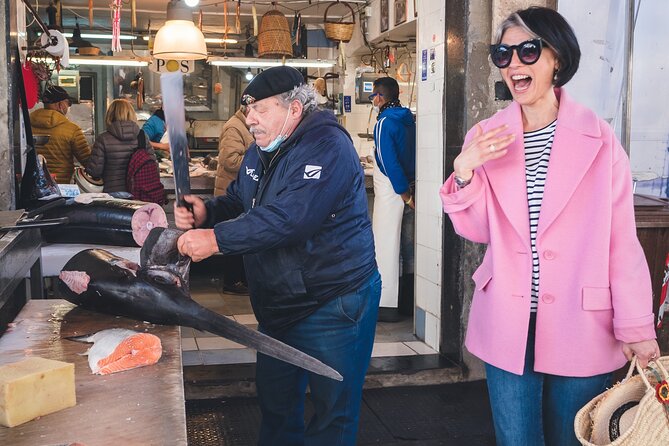
This works well if you like craft, art, or shopping with purpose. The hands-on element (when available) makes it friendly for people who learn better by doing rather than only looking.
It’s also a strong pick for families. One standout detail from the experience: a group included a 13-year-old, and the kid really enjoyed meeting the makers and engaging with the work. If your family likes questions and conversation—rather than just collecting souvenirs—this type of tour can be a win.
It’s also suitable for most people. The experience states most travelers can participate, so you shouldn’t assume it’s limited to extreme mobility.
Should you book the Ortigia Artisan Tour?
I’d book it if you want more than shopping. Choose it if you want to meet makers, hear real context about the work, and spend time browsing with a guide who can steer you toward quality and away from the most commercial items.
I’d skip or rethink it if:
- Your budget is tight (this is a premium price for a short outing)
- You only want a quick walk-and-look experience
- Weather or scheduling constraints are likely to be an issue for you
If you do book, come in with two or three questions you actually care about—what makes a piece last, how materials are chosen, what a maker thinks matters most. That’s how you turn 90 minutes into something you remember long after you leave Ortigia.
FAQ
How long is the Ortigia Artisan Tour?
It runs for about 1 hour 30 minutes.
How many people are in the group?
The tour has a maximum of 4 travelers, keeping it small.
What language is the tour offered in?
The tour is offered in English.
Where is the meeting point, and where does the tour end?
You meet at Largo XXV Luglio, 13, 96100 Siracusa SR, Italy, and the tour ends back at the meeting point.
What days and times does the tour run?
It operates Monday through Saturday, with time slots 10:30 AM–12:30 PM and 4:30 PM–6:30 PM.
What kinds of crafts and workshops will we see?
You’ll visit local artisan workshops that can include ceramicists, a painter, galleries, and leather makers, among other craft stops.
What happens if the weather is bad?
The experience requires good weather. If it’s canceled due to poor weather, you’ll be offered a different date or a full refund.
Is there free cancellation?
Yes. You can cancel up to 24 hours in advance for a full refund.