REVIEW · PIAZZA ARMERINA
Piazza Armerina: Villa Romana del Casale Guided Tour
Book on GetYourGuide →Operated by Empeeria · Bookable on GetYourGuide
A Roman villa this famous still feels human once you see the mosaics up close. On this skip-the-line guided visit to the Villa Romana del Casale, I love how the tour leads you room by room through daily life, and I also love the way it frames each mosaic with what it meant to the people who lived there. One possible drawback: the villa can get crowded when multiple groups start around the same time, which can make hearing the guide a bit harder.
You’ll get a bilingual live guide (English or Italian) in about 2 hours, starting right at the entrance. You’ll walk through thermal baths, guest apartments, grand public halls, and the private rooms of the household, with clear explanations of late Roman architecture and art. If you’re sensitive to noise or prefer slow, quiet museum wandering, plan for a busier feel during peak slots.
In This Review
- Key things I’d bet you’ll notice first
- Villa Romana del Casale: why this mosaics tour is worth your time
- Skip-the-line start at the ticket booth and what 2 hours covers
- Thermal baths first: caldarium warmth, frigidarium cool, and the Gela River
- Baths and mosaics: picturing spectacle when the villa was new
- Guest apartments with hunting, fishing, and banquets
- The dining room and Orpheus: myth made visible in floor art
- Public halls and the clientes: the Great Hunt and a Roman Empire map
- Private rooms of domina and dominus: how the villa felt like a home
- Price and value: is $51 fair for a 2-hour guided tour?
- Timing tips: beating the crowd effect without missing the good stuff
- Who should book this tour
- Should you book the Villa Romana del Casale guided tour?
- FAQ
- What’s the duration of the Piazza Armerina Villa Romana del Casale guided tour?
- Where do I meet the guide?
- Does the tour include skip-the-line entry?
- What languages are available for the live guide?
- What is included in the ticket price?
- Are pets allowed on this tour?
Key things I’d bet you’ll notice first
- Skip-the-line entry that helps you start smoothly instead of burning time at the ticket window
- Thermal bath route beginning with the caldarium warmth and the frigidarium cool-down
- Major mosaic setpieces like the Little Hunt and the Great Hunt (with a Roman Empire map)
- Late Roman daily-life storytelling through banquets, fishing, hunting, and myth scenes
- Private spaces for domina and dominus so the villa feels like a home, not just a monument
- Crowd control is the variable since group timing can bunch people together
Villa Romana del Casale: why this mosaics tour is worth your time
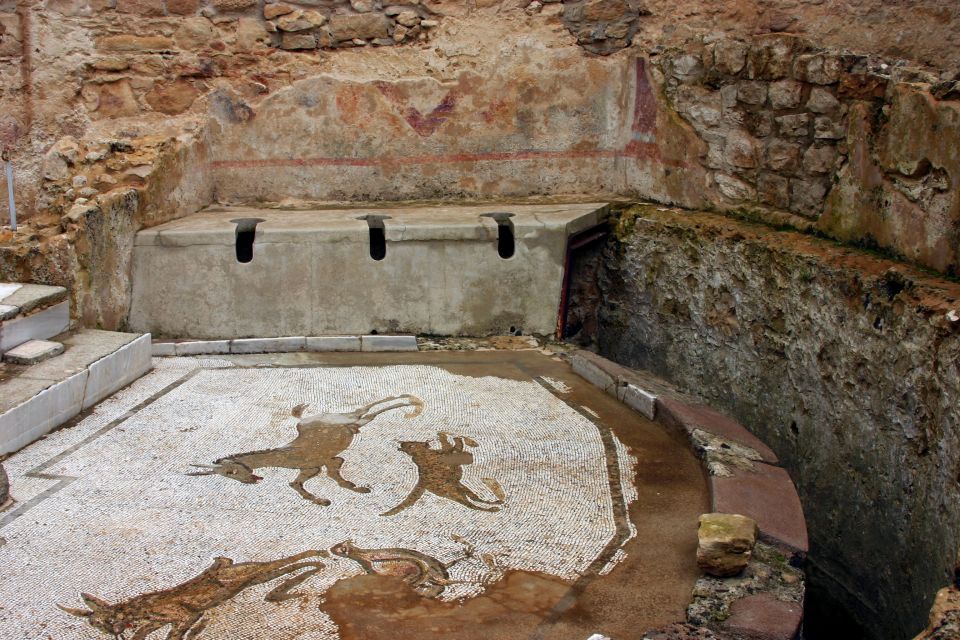
Villa Romana del Casale in Piazza Armerina is one of those places where the building and the artwork work together. The villa wasn’t just for show. It functioned like a complex household space, with rooms for bathing, receiving guests, dining, and managing daily business. That’s why a guided tour matters here: the mosaics are stunning on their own, but the real payoff is understanding what you’re looking at and how the rooms were used.
You’ll be looking at late Roman-era luxury, built around an everyday rhythm—heat, cool water, meals, visitors, entertainment, and work. Even if you’ve seen Roman mosaics before, the scale and storytelling of Casale can feel like a step up. The baths mosaics and the hunting scenes are especially memorable because they connect art to action.
You can also read our reviews of more guided tours in Piazza Armerina
Skip-the-line start at the ticket booth and what 2 hours covers
The meeting point is simple: you meet your guide outside the entrance by the ticket booth. From there, you’ll benefit from fast entry so you can start seeing things sooner. This tour is designed for a tight window—about 2 hours—so you’ll cover a lot without turning the visit into a half-day slog.
Expect the guide to steer you through the site in a logical path: baths first, then guest spaces and dining areas, then the larger public halls, and finally the private rooms. The goal is to build a “picture in your head” of how the villa operated.
A practical consideration: the tour can run simultaneously in Italian and English, and more than one group may be moving through the same sections. That’s part of the charm for many people—more life in the place—but it can also mean a noisier moment when you’re trying to hear details.
Thermal baths first: caldarium warmth, frigidarium cool, and the Gela River
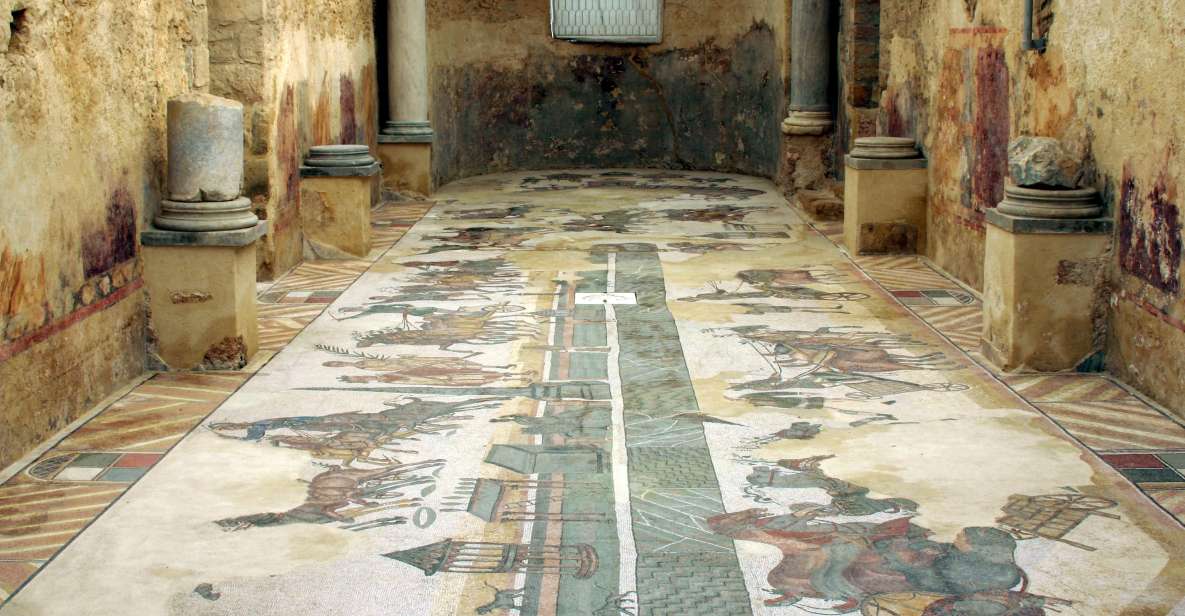
Starting with the thermal baths is a smart choice, because it sets the villa’s mood fast. You begin with the caldarium, the heated bath area, and then move toward the frigidarium, the cooler section. The tour also explains how water fit into the setup: the frigidarium is described as being fed by the Gela River.
Here’s what I think makes this stop especially valuable for you: it’s not just “look at old tiles.” It’s a sensory framework. You’re learning how the bathing routine would have worked, how movement through rooms mattered, and how the villa’s design supported comfort and status.
If you’re the type who likes context, you’ll probably enjoy the guided imagination the tour encourages—like mentally placing spectators into the villa’s world. The baths aren’t only about cleanliness. They were part of a social and entertainment rhythm.
Baths and mosaics: picturing spectacle when the villa was new
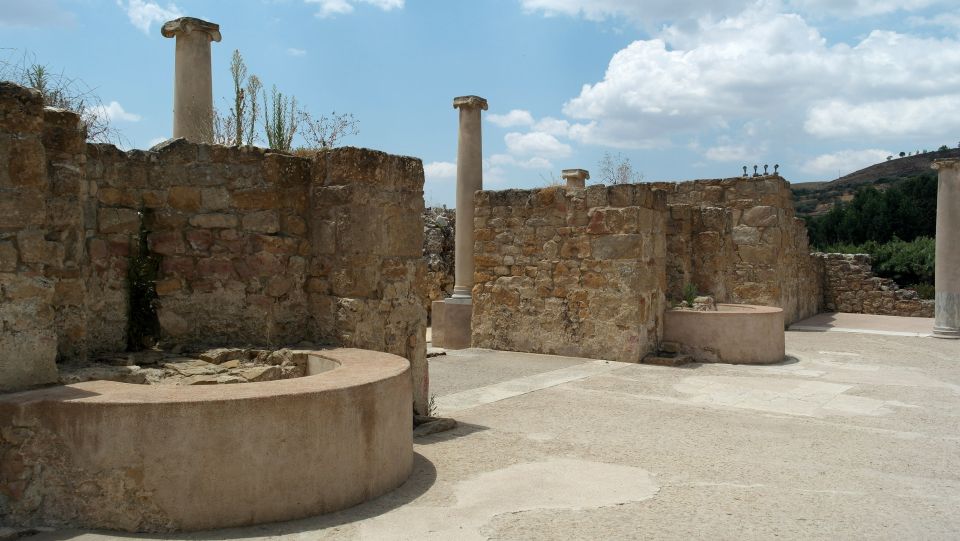
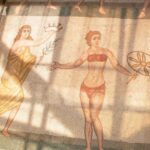
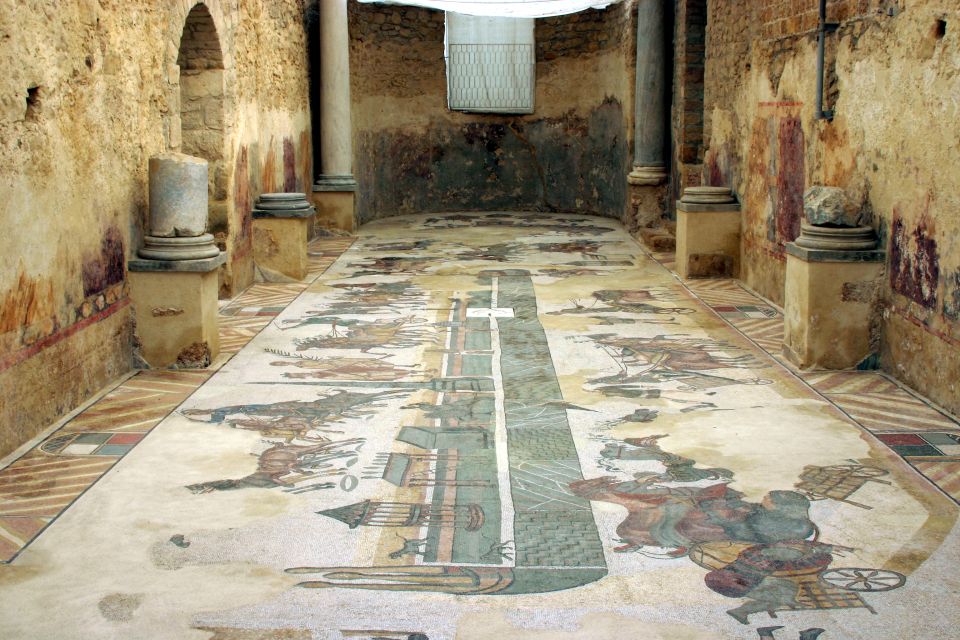
Once you’re in the bath rooms, the mosaics become easier to read because you’ve got the setting in your mind. Your guide will help you connect the images to late Roman culture. For example, you’re invited to imagine the shouts of spectators at a quadriga race—four-horse chariots—while you look at the mosaic environment.
Even if you’re not a Roman sports-history person, that kind of framing matters. It turns the artwork from static decoration into a window on what people watched, valued, and talked about.
One more practical note: because the baths are an interior area, crowding can feel more intense here. If you notice other groups funneling in, don’t panic—just let your guide get you to the next section. A little movement fixes a lot of audio problems.
Guest apartments with hunting, fishing, and banquets
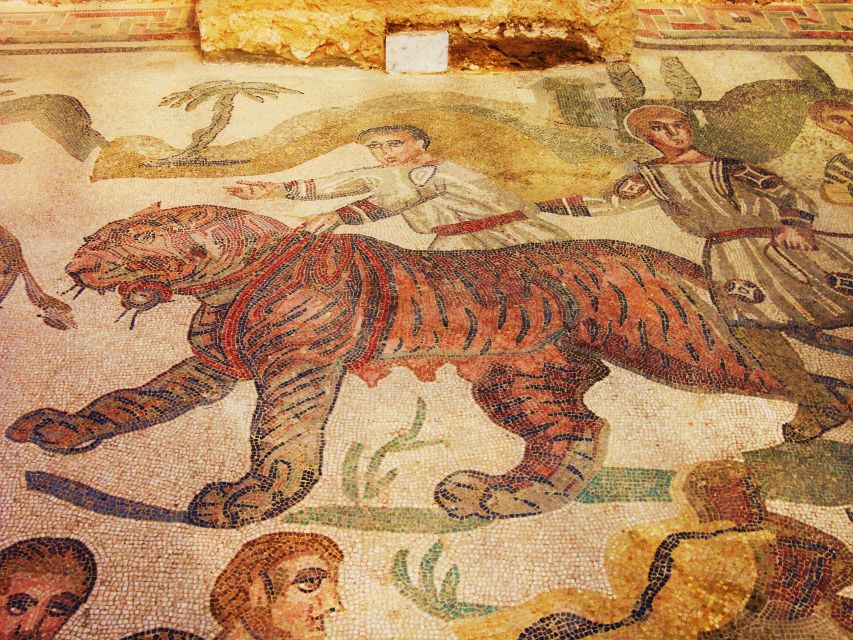
After the baths, you head into the guest apartment area. This is where the villa starts to feel like it’s hosting. You’ll see scenes tied to real activities: fishing, hunting, and banquets. The tour treats these images like a map of how life was enjoyed and performed, not just a random assortment of scenes.
A standout mosaic theme here is the Little Hunt, which captures the tension and anticipation of the hunt. That’s the kind of detail I like because it shows the artists were doing more than filling space—they were designing moments. You can almost sense a story building across the room.
This section also helps you understand how the villa worked socially. A patrician household wasn’t only about family. It was about receiving. Guest spaces were where status met hospitality.
The dining room and Orpheus: myth made visible in floor art
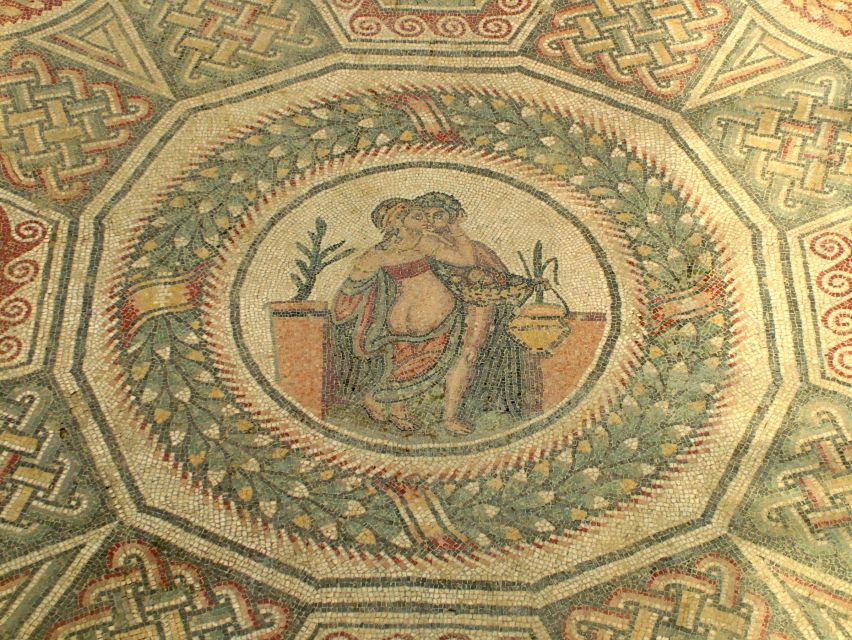
Next comes the dining room area, and this is where the tour blends everyday life with mythology. You’ll be guided to imagine Orpheus playing his lyre, with animals gathering around him. The image you’re seeing is classic myth storytelling, but the key is how it’s placed into a room meant for eating and conversation.
That’s a big reason a guided tour helps here. Without direction, you might see the myth scene and move on quickly. With context, you start noticing how a late Roman owner could use art to signal taste, education, and cultural identity.
If you like “how do they think?” questions, this stop tends to click. It’s art doing social work—turning a meal into a performance of knowledge and refinement.
Public halls and the clientes: the Great Hunt and a Roman Empire map
The grand public halls are where the villa’s ambition really shows. This is the space where the villa received clientes—people who came to interact with the household. So the room isn’t just large; it’s built for visibility, movement, and reception.
One major centerpiece is the mosaic known as the Great Hunt. The tour highlights that it includes a monumental map of the Roman Empire in the artwork. That’s a huge deal: it links local life and elite identity to a broader imperial worldview.
You’ll also see dramatic action in the scene, including a lioness attacking a hunter, an elephant boarding a ship, and a ship sailing through waves. The images feel like a mix of conquest, travel, and theatrical spectacle. And because this is in a reception hall, it’s not hard to understand why a patron would want it here—this is the room that frames power.
If you’re short on time in Sicily, this is the part you’ll be glad the tour structure brings you to. It gives you the “big picture” of what makes the villa extraordinary.
Private rooms of domina and dominus: how the villa felt like a home
Finally, you’ll explore the private rooms associated with the domina and dominus—the household members. This is where the villa stops feeling like a public attraction and starts feeling like someone’s life.
Your guide explains how the wealthy owners slept, ate, and handled daily business inside this palatial complex. The value for you here is perspective. Instead of treating the villa like a single masterpiece, you understand it as a home that blended luxury with routine.
This ending also tends to work well psychologically. After the baths and public halls, shifting into private spaces helps you process what you’ve seen. You’re not just collecting mosaic facts. You’re building a sense of scale—how big a household could be and how much thought went into arranging space for status, work, and comfort.
Price and value: is $51 fair for a 2-hour guided tour?
At about $51 per person for 2 hours, this tour sits in the “worth it if you care about meaning” category. You’re paying for two things that matter at Villa Romana del Casale:
1) A bilingual live guide who helps you connect the mosaics to room function and late Roman culture.
2) Skip-the-line entry, which can save time in a high-traffic site.
Food isn’t included, and there’s no hotel pickup/drop-off. So you’ll want to plan your own timing and consider where you’ll grab a snack or drink afterward. But given the intensity of the visit—multiple key areas in one route—this format is good value for people who don’t want to spend hours piecing things together on their own.
If you’re the type who just wants to stare at mosaics without much context, a self-guided visit might be enough. If you want the “why” behind each major floor scene and each room transition, the guided structure is the value engine.
Timing tips: beating the crowd effect without missing the good stuff
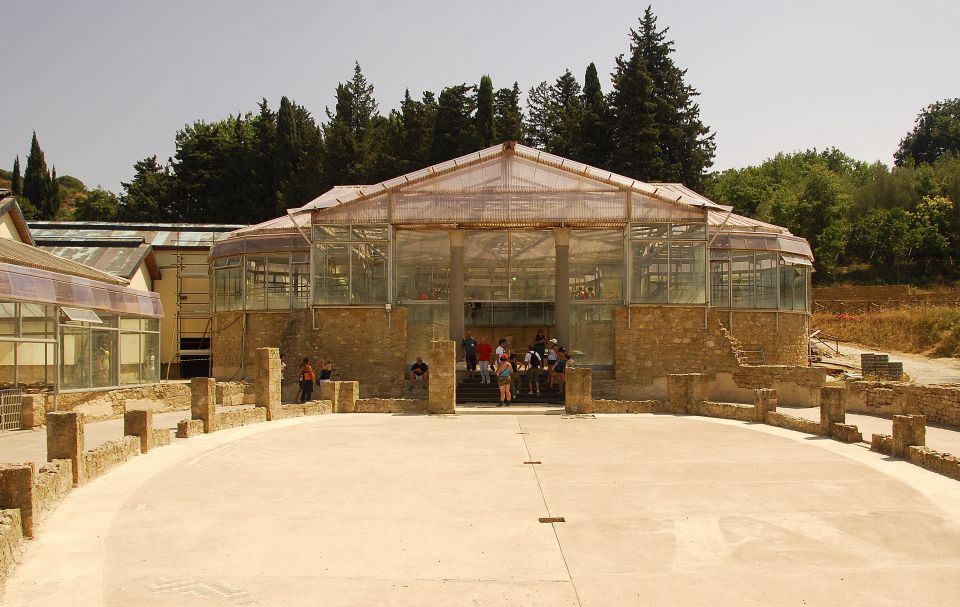
One thing to watch for is the crowd flow. Even with skip-the-line entry, the villa can feel busy when many groups start at the same time. In some cases, that creates a confusing soundscape—partly because people are converging in the same corridors and rooms.
My practical advice:
- Arrive ready to move. This tour runs on a tight route, and your best moments come when you’re guided to the next section quickly.
- If it gets loud, don’t fight it in place. Follow the guide to the next room; it usually fixes the audio problem.
- If you’re sensitive to distractions, picking a time earlier in the day can help, since later arrivals can add to bottlenecks.
Also note: the tour could be conducted simultaneously in Italian and English, so you might hear mixed voices around you. The guide will still keep your experience moving, but it helps to keep your expectations realistic about a shared public site.
Who should book this tour
You’ll likely love this experience if you:
- Want the mosaics explained in context, not just photographed
- Enjoy the late Roman mix of everyday life, hunting scenes, and myth imagery
- Like structured visits that show you the key rooms in a logical path
You might think twice if you:
- Prefer quiet, slow museum wandering with minimal group interaction
- Have a hard time hearing in busy spaces and need very low-noise environments
If you’re visiting Piazza Armerina as a day-trip stop, this tour is a strong way to get maximum understanding in a short timeframe.
Should you book the Villa Romana del Casale guided tour?
Yes—if you want meaning, not just mosaics. The $51 price makes sense because you’re buying a guide who connects each major area (baths, guest spaces, public halls, private rooms) into one coherent story about late Roman life. The skip-the-line entry also helps you use your time well inside a site that draws a lot of visitors.
If you’re worried about crowds, choose a time when you can stay flexible, and don’t expect a silent walkthrough. Go in ready to move with the group, and you’ll come away with the kind of understanding that makes the artwork stick long after you leave the villa.
FAQ
What’s the duration of the Piazza Armerina Villa Romana del Casale guided tour?
The tour lasts about 2 hours.
Where do I meet the guide?
Meet your guide in front of the ticket booth at the villa entrance.
Does the tour include skip-the-line entry?
Yes. You get a skip-the-line ticket for fast entry.
What languages are available for the live guide?
The tour is offered with a live guide in English and Italian.
What is included in the ticket price?
The price includes the entrance ticket to the Villa Romana del Casale and a bilingual guide.
Are pets allowed on this tour?
No, pets are not allowed.