REVIEW · SICILY
Excursion to the top of Etna |For good walkers (transport services not included)
Book on Viator →Operated by Guide Vulcanologiche Etna Nord · Bookable on Viator
Etna’s crater rim is not for casual walkers. This guided outing takes you into the volcano’s ever-changing summit zone, where you’ll hike across lava, ash, and volcanic rock with real geothermal context. You start high, ride up by authorized 4×4, then go on foot along crater edges for big views and a true sense of being on an active mountain.
I love the licensed volcano guide who keeps explaining what you’re seeing while also watching conditions closely. I also love that the kit is handled for you: helmets and trekking poles, plus warm layers and even extra socks, so you can focus on walking instead of shopping.
One drawback: the hike is genuinely tough, and the crater-edge terrain plus altitude can bring dizziness to people who are sensitive. If you have breathing issues, hypertension, or you’re past the third month of pregnancy, this isn’t a match.
In This Review
- Key things to know before you go
- Etna’s crater rim by 4×4 and foot: what this day feels like
- Price and value: what you get for $129.40 (and what costs extra)
- The 8:30 am start at Nicolosi: logistics that affect your comfort
- The 4×4 lift above 1,900 m: why it’s paced for altitude
- The main trek to the crater edge: 12–13 km on unstable volcanic ground
- Views from the summit cone: sea horizons and active-vapor detail
- Safety gear and guide monitoring: helmets, poles, and decision-making
- Gear checklist: what they supply, what you still need
- Food, fatigue, and the steep descent reality
- Who should do this Etna top hike (and who should skip it)
- Plan B on a live volcano: when wind, gas, and activity change the day
- Should you book the top of Etna hike?
- FAQ
- How long is the Etna crater top excursion?
- What time does it start and where do I meet?
- What’s included in the price?
- What costs extra that I should plan for?
- Is transport from my hotel included?
- What if volcanic activity or weather changes the hike?
Key things to know before you go
- Small group size (max 10) means you get more attention and tighter safety management.
- A 12–13 km trek with ~600 m ascent makes this an active day, not a quick sightseeing loop.
- Route changes are normal on a live volcano, based on wind, gas, and ground heat.
- You hike along crater rims where uneven, unstable rock can feel sketchy without the right footwear.
- Sea views from the summit cone are a highlight when visibility cooperates.
- Helmets, poles, and warm gear are included, but you may still need seasonal hat and gloves.
Etna’s crater rim by 4×4 and foot: what this day feels like
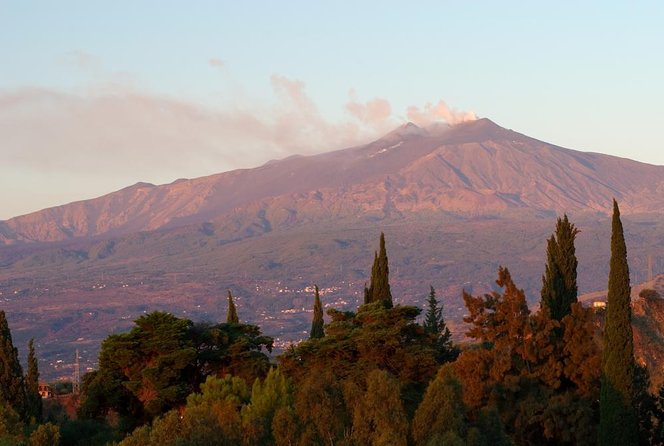
This excursion is built around one goal: getting you high enough to reach Etna’s active summit zone, then putting you on rugged trails where the volcano is close enough to notice by color, texture, and heat. Starting above 1,900 m, you’re already partway up, so the day doesn’t waste time with long low-elevation hikes.
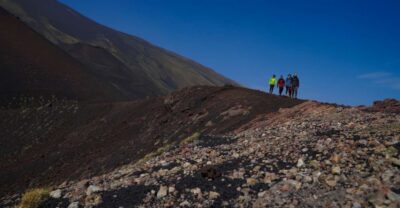
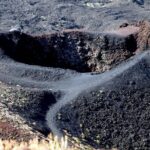
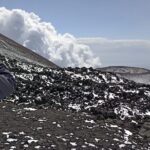
Once you park the vehicle and start walking, the terrain turns “volcanic desert” fast: loose ash, rough lava surfaces, and sections dotted with volcanic bombs from past eruptions. The climb is steady, but the surface is uneven, so you’ll feel it in your calves and feet. And because the summit area can shift quickly, your route may vary from day to day.
The vibe is part science class, part adventure. You’ll be with a guide who doesn’t just point things out, but also monitors volcanic and weather conditions while you’re out there. If you like active travel that has a purpose, this is it.
You can also read our reviews of more tours and experiences in Sicily.
Price and value: what you get for $129.40 (and what costs extra)
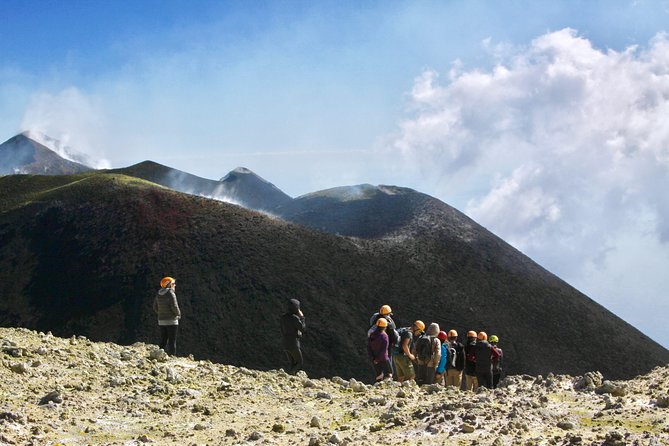
At $129.40 per person, you’re paying for more than a ticket. You get a licensed volcano guide, insurance in case of accidents, and entry to Mount Etna. On top of that, the operator includes key hiking support gear: trekking poles, helmets, and trekking shoes, plus a warm jacket, extra socks, and an extra backpack.
That matters because this is not a “bring your sneakers” situation. With unstable ground at high altitude and volcanic gases in the air, having the right equipment reduces risk and fatigue. It also means less gear clutter in your luggage.
What’s not included is also important for budgeting:
- Lunch bag (you’ll need your own plan for food)
- Cablecar service: €52 per person round trip from 1,900 m to 2,500 m
- Transport from your accommodation (you’ll arrange your own way to Nicolosi)
- Hat and gloves in autumn, winter, and spring
- Parking fees (about €5 weekdays and €8 Sundays/public holidays)
If you’re comparing options, this one often feels like good value because the heavy lifting is covered: guide, equipment, and admission.
The 8:30 am start at Nicolosi: logistics that affect your comfort
The meeting point is EsagonalPiazzale Funivia Etna, Sud, 95030 Nicolosi (CT), Italy, and the start time is 8:30 am. The area is near public transportation, but the biggest practical point is this: there’s no pickup from your accommodation.
So plan to arrive ready to move. If you’re driving, expect parking costs. If you’re relying on transit, give yourself buffer time so you’re not late and stressed before you step into high-altitude walking.
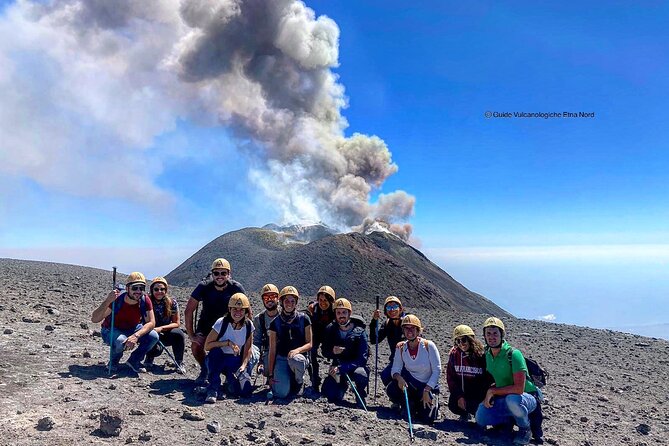
Also note the group size limit of 10 people. That’s not just a nice perk; it helps with safety when the route may change quickly due to wind, gas, or ground heat. Smaller groups move more smoothly through narrow sections of crater-edge terrain.
The 4×4 lift above 1,900 m: why it’s paced for altitude
You start above 1,900 m and then ride authorized 4×4 vehicles to about 2,750 m. This is a big part of why the hike can be done in a single morning-to-early-afternoon block. You’re not fighting distance on the easiest terrain first.
That vehicle stage also helps you save your energy for the real work: the hike that typically lasts 5–6 hours, with a 12–13 km trek and about ~600 m ascent. Even though the total ascent isn’t extreme on paper, the altitude and the surface make the climb feel more demanding.
As you gain elevation, you’ll notice the air is thinner and the ground is more broken up. This is where walking technique matters: shorter steps, steady rhythm, and not sprinting to the next view. If you’re used to hiking in lower elevations, expect this to feel tougher than the mileage suggests.
The main trek to the crater edge: 12–13 km on unstable volcanic ground
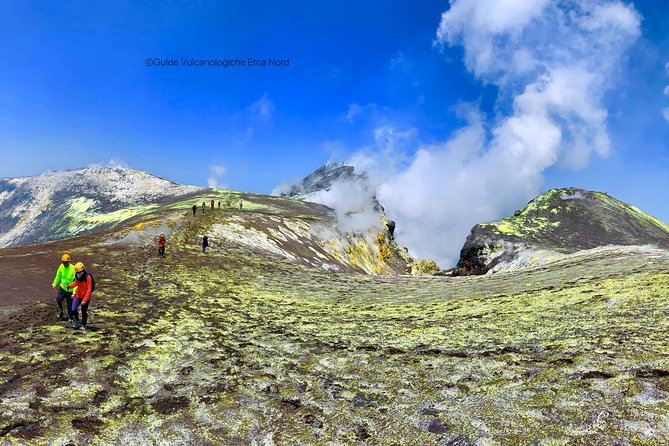
The core walk takes you across desert-like lava and ash from repeated eruptions. Expect a mix of:
- Loose volcanic material that shifts underfoot
- Rough rock that’s more uneven than it looks
- Sections close to unstable crater terrain where balance matters
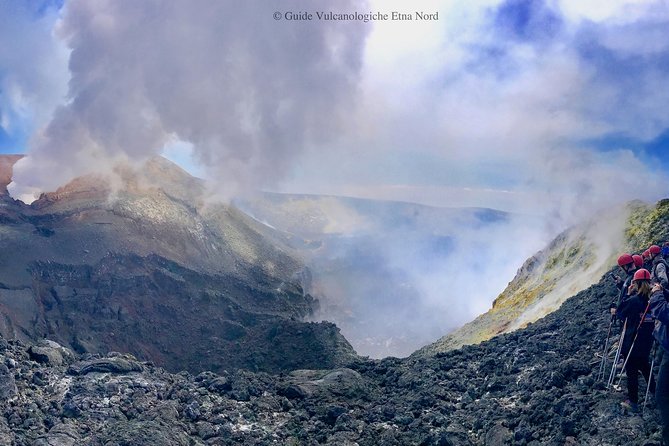
The route is designed to take you toward the rim of one or more of Etna’s summit craters, commonly among North-East, Voragine, Bocca Nuova, and South-East. Which crater you reach depends on the day’s volcanic activity and conditions.
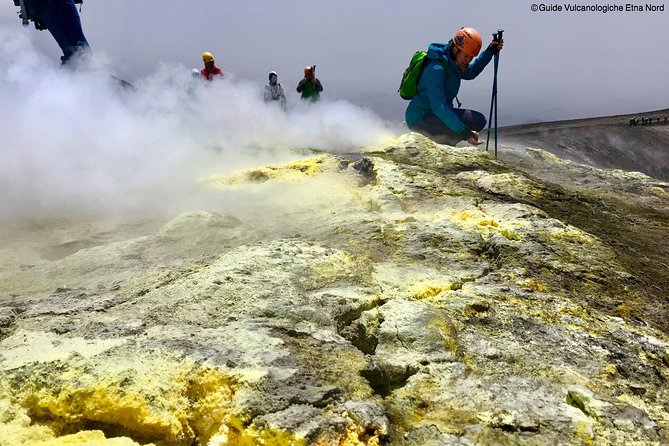
The terrain is also why the guide is a big deal here. The guide is actively monitoring safety factors to decide where you can safely approach fumaroles (gas vents) and visible features like mineral colors and active craters. On a live volcano, you don’t always get the exact same view twice.
Your timing depends on conditions, but the day usually runs back to the start area around 13:30–14:30. Plan to be finished for lunch after the hike rather than during it.
Views from the summit cone: sea horizons and active-vapor detail
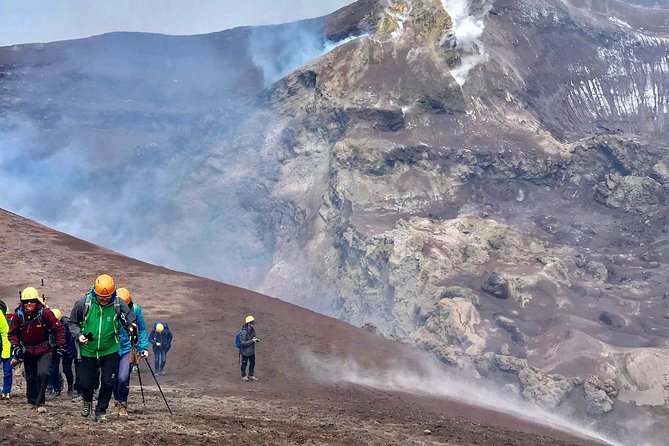
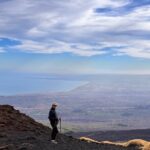
When conditions cooperate, the summit cone delivers big visual payoff. The highest points can offer views of the sea, which is a special contrast to the harsh volcanic terrain you’re stepping on.
You’ll also be looking for the signs of active geology up close. Fumaroles can show where gases are rising, and mineral colors help you understand how different materials form and change after eruptions. The crater-edge walking is also the reason you’re not just looking at Etna from far away. You get a direct, close-up sense of how the mountain reshapes itself.
The reality check: with gas, wind, and ground heat, the exact approach can vary. If visibility is reduced or the air feels too full of ash or fumes, your guide may adjust the plan to protect the group.
One more practical note from experience-based feedback: the most dramatic part can be the hike down. The descent is often steep and over harsh terrain. Having a plan for that moment is key.
Safety gear and guide monitoring: helmets, poles, and decision-making
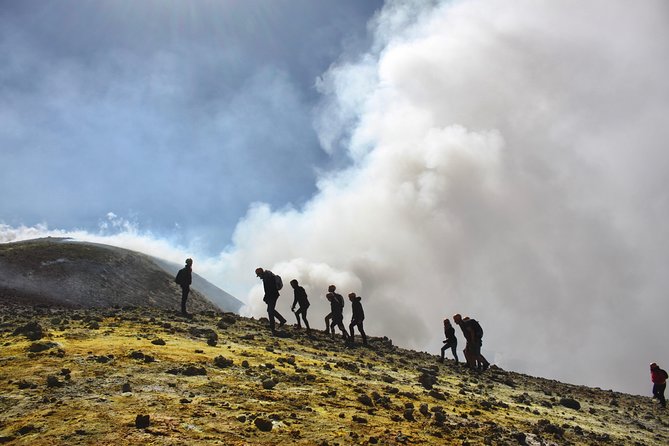
This excursion includes equipment specifically for rough crater-zone hiking: helmets and trekking poles, plus trekking shoes. That combination is more than comfort. It helps on uneven ground and adds stability when surfaces shift underfoot.
The guide’s job is also safety-minded. You’ll have constant monitoring for volcanic conditions and weather, and the walk can be modified if the environment changes in a way that affects safety. Because Etna is active and unpredictable, route flexibility isn’t a bonus; it’s the structure of the day.
There’s also a strong health warning built into the experience: the crater-edge walking may cause dizziness for susceptible individuals. You’ll be in a high-altitude zone with volcanic gases, unstable rocks, and uneven footing. If you’re prone to dizziness at heights or on uneven trails, take that seriously.
On top of that, the operator recommends avoiding contact lenses because of exhaled volcanic gases and ash. That’s a simple detail, but it can make a noticeable difference to how comfortable your eyes feel during the walk.
Gear checklist: what they supply, what you still need
The included gear is unusually helpful for a hiking day at this altitude. You’re provided with:
- Trekking poles
- Helmets
- Trekking shoes
- Warm jacket
- Extra socks
- Extra backpack
- Insurance coverage for accidents
- Licensed volcano guide and admission
You still need to think about what they don’t include. A hat and gloves are not included, and they’re recommended in autumn, winter, and spring. Also, a lunch bag is not included, so bring a snack plan you can eat without rushing.
Shoes are critical. The guidance is clear: without adequate footwear, insurance coverage may not protect you. Since shoes are included here, you’re likely covered, but it’s still smart to show up prepared for the day and avoid showing up in sandals or lightweight footwear.
If you wear contact lenses, consider switching to glasses before the excursion. And if you get cold easily, you’ll appreciate having layers you can adjust because temperatures can shift at elevation.
Food, fatigue, and the steep descent reality
This day is long enough that you’ll want a realistic energy plan. Even though you’re not doing an all-day trek in the dark, you’re walking for 5–6 hours total with a lot of uphill work plus a long descent.
Because lunch isn’t included, plan to bring something you’ll actually eat. Stick to easy, packable food that won’t require complicated handling with gloves or a helmet on. Hydration matters too, especially at altitude.
One detail worth noting: there can be very steep sections on the way down. In at least some conditions, there may be a bus option to help with the return from a higher observatory area. You shouldn’t assume it will always be available on every day, but it’s good to know that the day isn’t only “walk everything both ways.”
Your job is simple: pace yourself on the climb so your legs aren’t cooked by the time you reach the crater rim. Then take the descent step-by-step, not stride-by-stride.
Who should do this Etna top hike (and who should skip it)
This is for people with strong physical fitness and comfort with high-altitude hiking. The experience is specifically described as suitable for good physical health and not for those with particular breathing conditions or hypertension.
Also, pregnant women who have passed the third month are not allowed to join. That’s a clear safety rule you should follow.
If you’re a confident hiker who handles uneven terrain and steep slopes, you’ll likely enjoy this more than a typical viewpoint day. The payoff is real: crater-edge walking, active-vapor details, and sea views when the weather plays nice.
If you’re the type who gets winded quickly, has trouble with heights, or feels dizzy on steep trails, you may want to choose a gentler Etna option. The terrain is rough and the route can change based on safety conditions, so you need a bit of flexibility both physically and mentally.
Plan B on a live volcano: when wind, gas, and activity change the day
Etna doesn’t run on schedules. Your guide monitors volcanic activity and weather, and the route can vary daily based on gas, wind, and ground heat. Sometimes that means you might not reach the absolute highest possible crater rim, or you might switch from one summit-side plan to another.
In those cases, the goal stays the same: see active volcanic features safely and make the walking fit what conditions allow. That’s why this experience works best for people who can accept a living plan.
Environmental changes can also lead to interruptions or cancellations for safety reasons. The good news: the whole approach is designed around safety limits set at the time and by current conditions.
If the day gets canceled due to poor weather, you should expect a different date or a full refund. Either way, you’re not paying for a guaranteed postcard; you’re paying for a real working encounter with an active volcano.
Should you book the top of Etna hike?
Book it if you want a high-effort Etna day with real crater-zone terrain, strong guidance, and included safety gear. This is also a good fit if you like your travel to have purpose: geology you can see up close, fumaroles you can stand near, and views that feel earned.
Skip it if you’re not comfortable with steep, rough, uneven ground at high altitude. Also skip if you have breathing issues or hypertension, or if you’re beyond the third month of pregnancy.
If you do book, show up early, wear the provided hiking shoes well, and treat the descent with respect. You’ll likely come away with a story that doesn’t sound like a typical tour, because the volcano decided part of the itinerary.
FAQ
How long is the Etna crater top excursion?
The experience lasts about 5 hours 30 minutes on average, and the hike portion is typically 5–6 hours depending on conditions.
What time does it start and where do I meet?
It starts at 8:30 am. The meeting point is EsagonalPiazzale Funivia Etna, Sud, 95030 Nicolosi CT, Italy, and the tour ends back at the same meeting point.
What’s included in the price?
Included are a licensed volcano guide, insurance in case of accidents, trekking poles, trekking shoes, helmets, a warm jacket, extra socks, and an extra backpack. Admission to Mount Etna is also included.
What costs extra that I should plan for?
Not included are a lunch bag, parking fees, and a cablecar service fee of €52 per person round trip (from 1900 m to 2500 m). Hat and gloves may also be needed in autumn, winter, and spring.
Is transport from my hotel included?
No. Transport service from your accommodation is not included, so you’ll need to arrange your own way to the meeting point.
What if volcanic activity or weather changes the hike?
Guides monitor volcanic and weather conditions and the route can be varied. The excursion could be interrupted or cancelled for safety reasons. If it’s cancelled due to poor weather, you’ll be offered a different date or a full refund.