REVIEW · MARSALA
Marsala: Guided tour of the Genna Salt Pans
Book on GetYourGuide →Operated by SALINE GENNA · Bookable on GetYourGuide
Salt pans don’t usually come with guided explanations. Here, you get a practical 45-minute tour of the Genna Salt Pans at Marsala, with Spanish-era structures and views over the Stagnone Lagoon.
I especially like two things: first, the guide walks you through the salt-making process up to crystallization, so it’s more than just standing in pretty scenery. Second, you’ll experience the place the way it’s meant to be felt—sun, wind, and that iodine-salt atmosphere that makes this feel like work that’s been going on forever. The one drawback to consider: if you need very visual details about how the water shifts between tanks, the tour may rely heavily on verbal explanation, and you might want to ask follow-up questions.
In This Review
- What Makes the Genna Salt Pans Tour Worth Your Time
- Quick Hits Before You Go
- Stepping Into Saline Genna: Where the Tour Starts
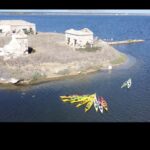
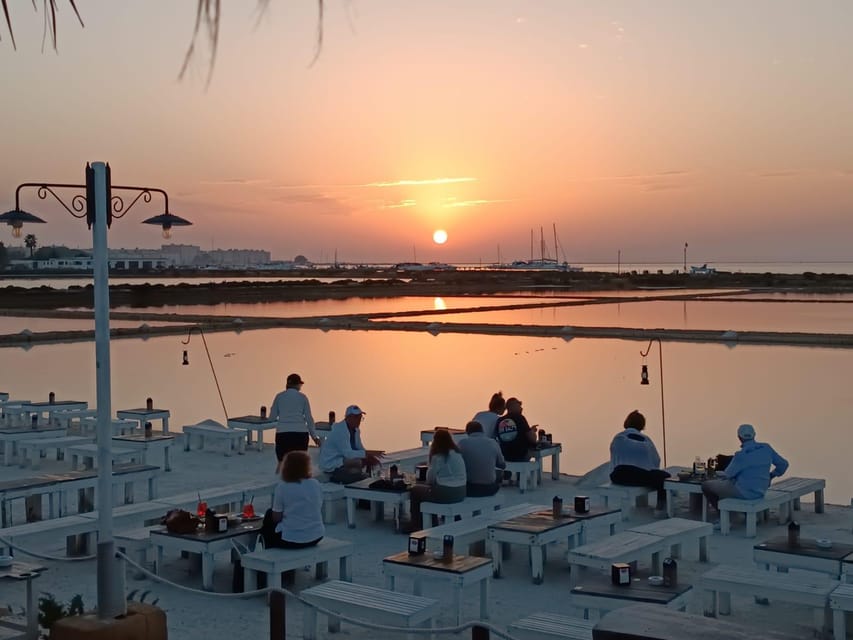
- The Real Star: Views Over the Stagnone Lagoon
- Inside the Salt Pans: What the Guide Shows You
- A practical tip if you want more technical clarity
- Spanish Engineering You Can Actually See
- What Organic Salt Means Here
- The Sensory Part: Iodine, Sun, and Wind (Yes, Really)
- Price and Value: Is $14 for 45 Minutes Fair?
- Language Matters: Choosing English, Spanish, French, or Italian
- What Your Day Plan Should Look Like
- Who This Tour Fits Best
- Who should think twice
- When You Leave, What You’ll Remember
- Should You Book the Genna Salt Pans Tour?
- FAQ
- How long is the tour?
- How much does it cost?
- Where does the tour meet?
- What’s included with the ticket?
- What languages are available?
- What should I bring or wear?
- Is there a place to cancel for a refund?
- Can I reserve without paying right away?
- Are pets allowed?
- Is there anything else I should know I can’t bring?
What Makes the Genna Salt Pans Tour Worth Your Time
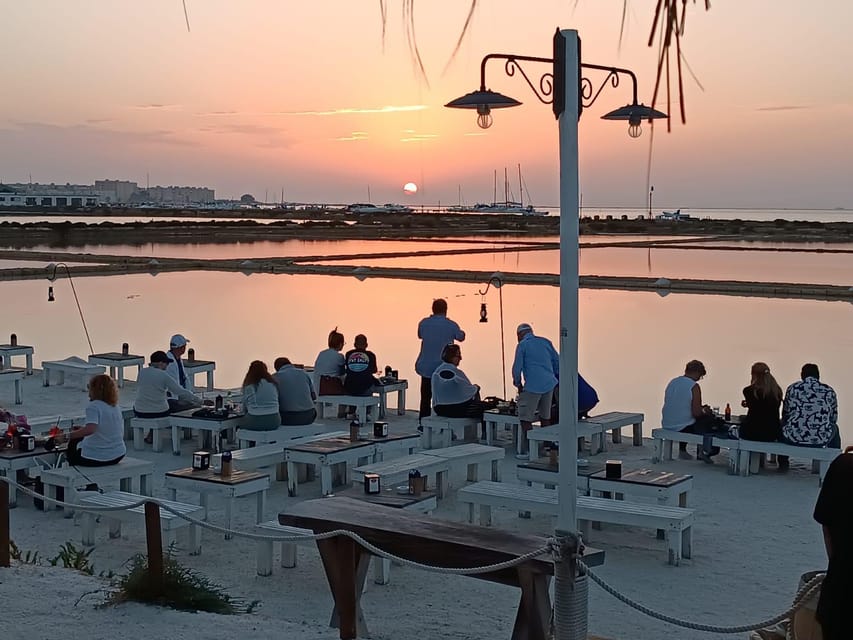
This isn’t a long museum visit. It’s a focused walk inside functioning salt pans—about 45 minutes—where the guide explains how the production process works. You’ll see tanks and routes for water and salt development, with the Stagnone Lagoon always nearby as your backdrop.
It also has a strong “sense of place” factor. Salt production here has been shaped by wind, sun, and saltwater, and the pans were built by the Spanish in the 15th century. That combo—real work + old engineering—turns a short tour into a story you can actually picture.
One more thing: this is one of those activities where you can feel the environment in your clothes and senses. The tour description calls out iodine, sun, and wind as part of the experience—and that’s the whole point. If you’re sensitive to strong smells, plan accordingly.
Quick Hits Before You Go
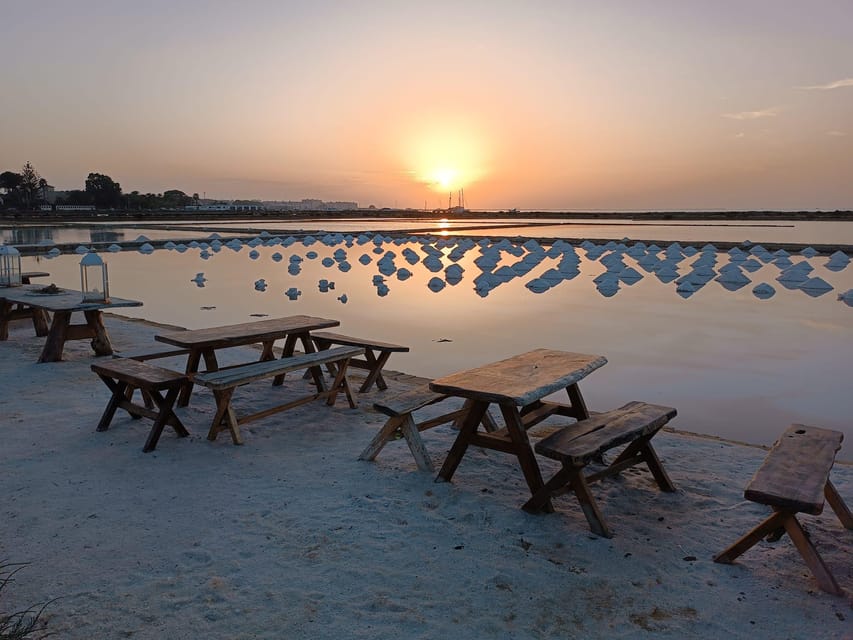
- Spanish-built pans from the 15th century give the walk instant historical context you can see.
- Stagnone Lagoon views turn a production tour into a legit Marsala landscape moment.
- 45-minute guided walkthrough covers the production process all the way to crystallization.
- Tour in 4 languages (Italian, English, Spanish, French) makes it easier to match your comfort level.
- Organic salt angle: this is marketed as the first certified organic salt in Italy, not just traditional salt.
- Pack for the environment: hat, water, and non-slip shoes are your real-life survival gear.
You can also read our reviews of more guided tours in Marsala

Stepping Into Saline Genna: Where the Tour Starts
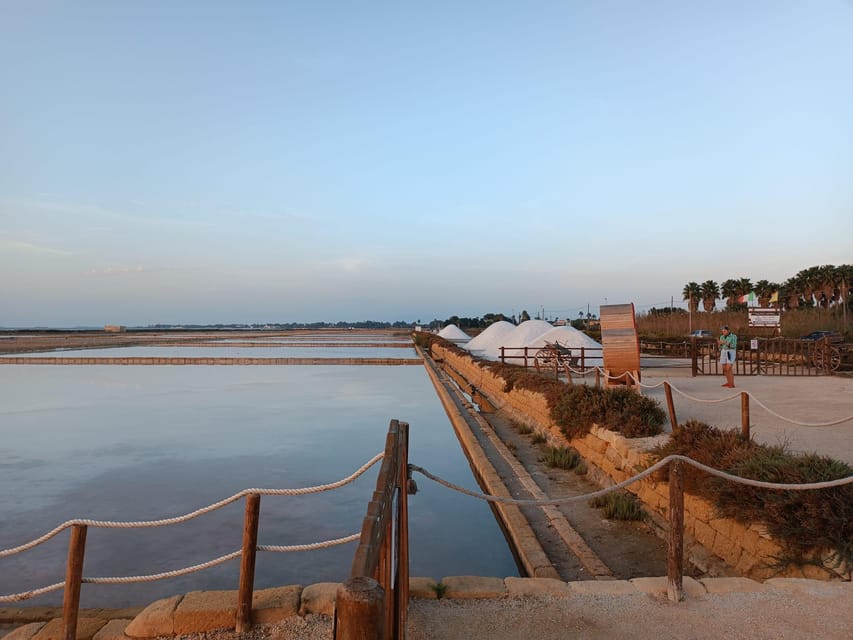
Your tour begins at Saline Genna, at the salt shop inside the salt pans. That matters more than it sounds, because the salt pans aren’t a single showroom. They’re a working landscape, so you’re starting from the place that connects visitors to production.
From the very beginning, you’ll get a sense that this is built for purpose—paths, tanks, and viewing points that make it possible to explain how things flow and change. This is one of those tours where the setting helps you understand. If you like learning by seeing, you’ll have an easier time.
Also, the whole experience is designed to be short and efficient: 45 minutes means you’re unlikely to lose the thread halfway through. You’ll get the key steps and move on.
The Real Star: Views Over the Stagnone Lagoon
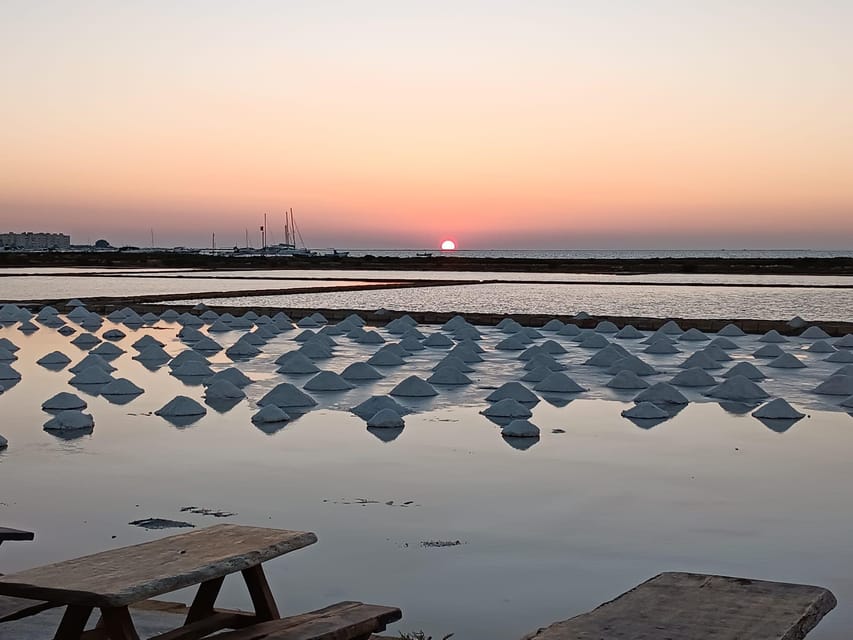
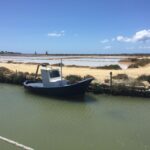
One highlight is the chance to tour the salt pans overlooking the Stagnone Lagoon. In plain terms, it means you’re not stuck staring at the ground. Even while you’re learning production steps, you can look outward and see how this landscape connects to the surrounding water and sky.
That view helps in two ways:
- It gives context for why salt production belongs here (water, wind, sunlight).
- It breaks up the tour visually, so it doesn’t feel repetitive when you’re hearing the process explained step-by-step.
If you’re doing a Marsala day trip and you want something different from churches and coastlines, this is a strong choice.
Inside the Salt Pans: What the Guide Shows You
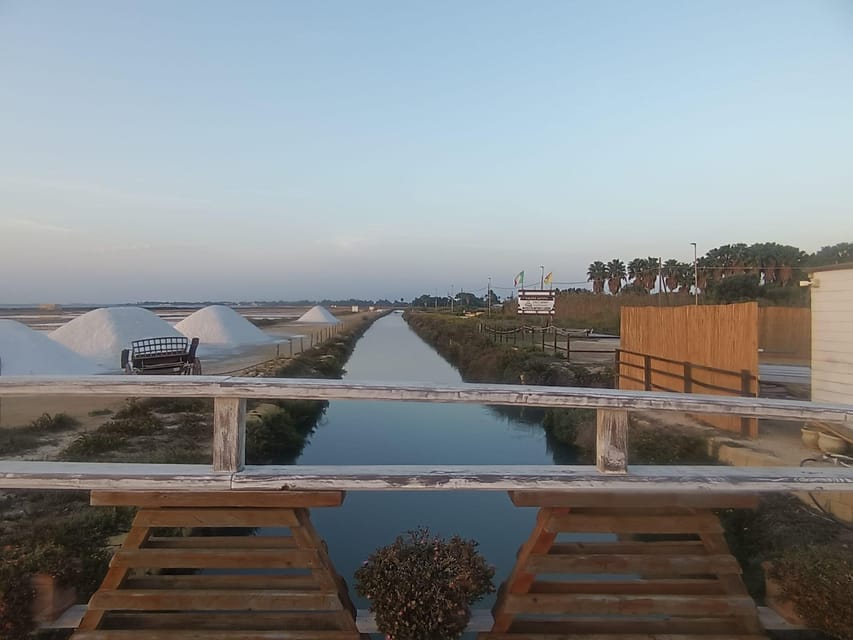
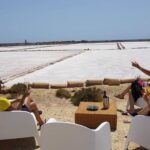
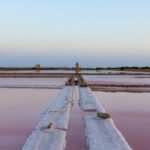
The tour is built around one core idea: you’ll learn how the tanks work and how salt production happens right up to crystallization. The guide explains the whole production workflow during the 45 minutes, and you’re moving through the salt pans while they explain.
Here’s what that means for you as a visitor:
- You’ll get a sense of timing and sequence. Salt isn’t a single-step product.
- You’ll understand that the process is tied to conditions—sun and wind are not just scenery.
- You’ll start seeing the pans as a system of stages, not just pools of salty water.
The best part of this approach is that it gives you a mental map. Even if you forget the exact terminology, you’ll remember that salt is produced through stages that lead to crystals.
A practical tip if you want more technical clarity
One piece of feedback attached to this experience is that some visitors wished they’d seen a clearer picture of how water exchange works between stages. If you’re the type who wants to visualize mechanisms, don’t be shy: ask for a simple explanation of the water movement when it comes up. If the guide has diagrams available or can point more specifically, you’ll get more out of it.


Spanish Engineering You Can Actually See
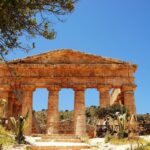
The tour includes the salt pans built by the Spanish in the 15th century. That’s not a random “cool fact.” Seeing older construction in a working environment adds credibility and weight to what you’re learning.
When a place is that old, the layout usually reflects what works in that climate. So the Spanish-built structures help you understand why the pans look the way they do and why production relies on specific stages.
For many people, that’s the difference between a quick tour and a memorable one. The environment isn’t generic—it’s specific and historically grounded.
What Organic Salt Means Here
This experience is presented as the first certified organic salt in Italy. Even if you don’t care about certification details, it helps to know what that implies: they’re positioning their production as meeting organic standards, not just making salt the traditional way.
For you, the practical value is this: it’s a chance to see how modern quality goals can exist alongside older production landscapes. That contrast can make the process feel less like a relic and more like an ongoing industry with standards.
The Sensory Part: Iodine, Sun, and Wind (Yes, Really)
The tour description leans into the senses—iodine, sun, and wind are treated as part of what you’ll experience. That’s accurate to what salt pans are like: the air can feel intensely “salted,” and the outdoor conditions can be strong.
So while you’re planning, treat clothing like a working outdoor site:
- Bring a hat
- Bring water
- Wear gym shoes (not sandals, not bare feet)
This tour isn’t hard hiking, but it’s still outdoors in a salt-producing environment. Showing up prepared keeps the experience comfortable and lets you focus on the explanation.
Price and Value: Is $14 for 45 Minutes Fair?
At $14 per person for a 45-minute guided tour, the price is aiming for straightforward value: you’re paying for a guide, entry, and access inside the salt pans.
In my view, it can be a good deal if:
- You want guided interpretation rather than wandering around on your own.
- You like “how it’s made” explanations tied to a real production space.
- You’re short on time but still want something more meaningful than a quick photo stop.
It’s also worth noting the experience has a solid overall rating: 4.4 out of 5 based on 97 reviews. That suggests most people walk away feeling it delivered.
The only reason it might not feel like great value for you is if you prefer highly visual demonstrations or you’re very language-specific (more on that next).
Language Matters: Choosing English, Spanish, French, or Italian
Tours can be done in Italian, English, Spanish, or French. That’s great because it keeps the learning accessible.
But here’s the reality check: one negative experience shared with this activity involves a mismatch between the booked language and what was actually spoken during part of the tour. I can’t speak to how common that is, but it’s a reminder that language compatibility is the real make-or-break detail for this kind of tour.
If you’re booking Spanish or French and that language is important to you, do this:
- Confirm the language right when you arrive (and be okay asking one straightforward question).
- If anything feels off, speak up quickly rather than waiting.
You shouldn’t have to fight for your tour language, but it’s smart to protect your time.
What Your Day Plan Should Look Like
Because the tour is short—45 minutes—it fits neatly into a half-day in Marsala. It’s also easier to schedule than longer excursions, since you can build it around lunch or another nearby activity.
If you’re doing multiple stops in one day, plan to keep the rest of your schedule flexible. Salt pans can be weather-dependent in terms of comfort (sun and wind), and you’ll want a little buffer in case the start time is adjusted.
Who This Tour Fits Best
This tour is a strong match if you:
- Like hands-on explanations in real places, not just static exhibits
- Want a quick cultural stop that still teaches something practical
- Enjoy outdoor environments with strong sense-of-place atmosphere
It’s also a good choice for couples, friends, and solo travelers. The time length helps keep it approachable—45 minutes is long enough to learn, short enough to avoid fatigue.
Who should think twice
If you need very detailed diagrams or hands-on demonstrations for the production mechanics, you might find the explanation more verbal than visual. If language is critical and you’d be upset by any mismatch, confirm on arrival.
When You Leave, What You’ll Remember
After the tour, you should walk away with:
- A clear sense that salt production happens in stages
- Understanding that it leads to crystallization, not just soaking and waiting
- An appreciation for how Spanish-era construction supports the process
- A stronger sense of why the Stagnone Lagoon area is tied to this work
And you’ll remember the smell. That iodine-and-salt air is part of the product’s story.
Should You Book the Genna Salt Pans Tour?
Yes—if you want a guided, efficient salt-production lesson with lagoon views. At $14 and 45 minutes, it’s a simple add-on that’s likely to make your Marsala stop feel more grounded in local life.
Book it if:
- You enjoy learning how real industries work
- You like outdoor places with atmosphere
- You want interpretation that takes you past the surface
Pass or reconsider if:
- You need very visual mechanics and fear a mostly verbal explanation
- You’re booking a specific language and want zero risk—then at least confirm immediately on-site
If your goal is an authentic experience you can understand fast, this one does the job.
FAQ
How long is the tour?
The tour lasts 45 minutes.
How much does it cost?
It costs $14 per person.
Where does the tour meet?
Meet at the salt shop inside the salt pans.
What’s included with the ticket?
Your entrance ticket includes the guided tour and a guide.
What languages are available?
Tours are available in Italian, English, Spanish, and French.
What should I bring or wear?
Bring a hat and water, and wear gym shoes.
Is there a place to cancel for a refund?
Yes. Free cancellation is available up to 24 hours in advance for a full refund.
Can I reserve without paying right away?
Yes, there’s a reserve now & pay later option.
Are pets allowed?
Pets are not allowed, but assistance dogs are allowed.
Is there anything else I should know I can’t bring?
Oversize luggage, baby strollers, scooters, and bare feet are not allowed, among other restrictions listed by the activity.