REVIEW · CATANIA
Syracuse, Ortigia & Noto
Book on Viator →Operated by DREAMING SICILY · Bookable on Viator
One day, three Sicilian worlds. This tour strings together Syracuse’s Neàpolis and the streets of Ortigia with real time to look up and soak in the details, not just pose for photos.
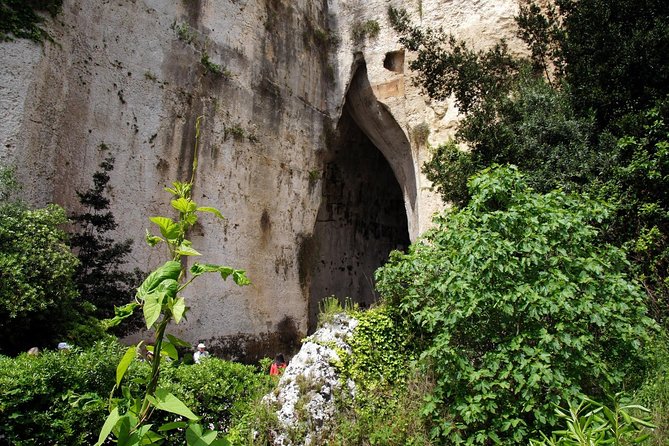
I especially like the built-in stop at Neàpolis, where you’ll see major Greek-era highlights such as the Greek Theater, Dionisio’s Ear, and the Latomie.
Next, I’m a fan of the Ortiga pacing and the included break: you get a Sicilian hot table snack with water and Etna wine, plus the option for about an hour of free time to handle your own lunch.
That flexibility keeps the day feeling human, even though you’re covering three classic places.
One caution: you should plan for a day with quite a bit of walking and sun, and in some situations parking can get complicated on busy event days, which can reduce how much guided time you get in a specific area.
In This Review
- Key highlights worth aiming for
- Syracuse Neàpolis: Greek Theater and the stories behind the stone
- Ortigia on foot: Apollo, Piazza Duomo, and Fonte Aretusa
- Noto: the white baroque “open-air museum”
- Price and what $146.52 really buys you
- Group size, start time, and the pace you should expect
- Food and drink: Sicilian hot table and Etna wine timing
- Who this tour fits best (and who should rethink it)
- Should you book Syracuse, Ortigia & Noto?
- FAQ
- What time does the tour start?
- Is pickup offered from Catania?
- Is the tour in English?
- How many people are in the group?
- Are entrance tickets included?
- What happens if the weather is bad?
Key highlights worth aiming for
- Neàpolis first, before crowds: Greek Theater, Dionisio’s Ear, and Latomie in about an hour and a half
- Temple lines in Ortigia: Temple of Apollo ruins, then a walk to Piazza Duomo and the cathedral built on older foundations
- Fonte Aretusa + waterfront stroll: you finish the Ortigia loop with the promenade atmosphere
- A real snack moment (not just a coffee stop): Sicilian hot table, water, and Etna wine included
- Noto’s white baroque focus: Royal Gate entry, San Francesco steps, Palazzo Ducezio, and Nicolaci’s ornate balconies
- Small group vibe: private transportation with a maximum of 8 people
Syracuse Neàpolis: Greek Theater and the stories behind the stone
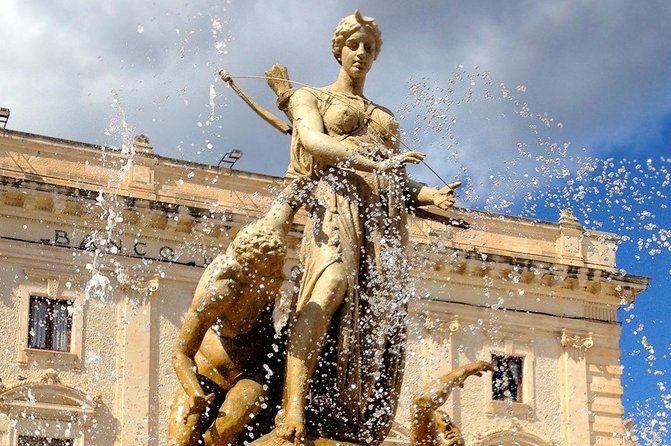
You start with Syracuse at its archaeological heart: Neàpolis, set in the countryside just outside the city. The big win here is timing. You’re not sprinting through a museum hall—you’re walking through an outdoor complex where the views and ruins are part of the same experience.
Your visit lasts about 1.5 hours, which is a good length for seeing the major anchors without turning it into a chore. You’ll be able to take in the Greek Theater, Dionisio’s Ear (a famous acoustic cave), and the Latomie (quarry caves that people used over time for confinement). These are the kinds of sites that make you understand why Sicily gets treated as a crossroads of civilizations. Even if you’re not a hardcore archaeology person, the place reads clearly: scale, stonework, and the way ancient space was designed for people.
What to watch for: wear grippy shoes. Ruins can be uneven, and you’ll likely do more standing and walking than you expect from an “archaeology park” label. Bring sunscreen, too. Neàpolis can feel hot early in the day.
Possible drawback: if you’re hoping for long, monument-by-monument explaining inside every space, note that the tour includes a guide experience, but guides in the monuments are not included. So you’ll rely on your polyglot guide’s overview plus what you can read on-site.
You can also read our reviews of more tours and experiences in Catania.

Ortigia on foot: Apollo, Piazza Duomo, and Fonte Aretusa
Then you head to Ortigia, the peninsula that functions like Syracuse’s historic postcard—compact, walkable, and packed with layers. This is where the day shifts from ancient ruins to living streets, church facades, and that seaside feeling that makes you slow down.
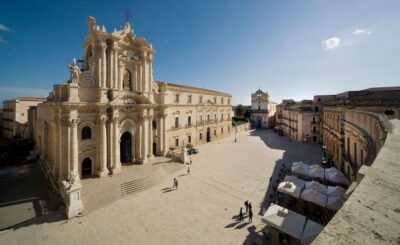
Your Ortigia route starts around the area tied to the Temple of Apollo ruins. From there, you walk through the typical lanes toward Piazza Duomo, where you’ll see the white cathedral: Nativity of Mary Most Holy. The key idea here is the continuity. That cathedral stands where older structures once did—so you’re literally following the same ground through different eras.
From Piazza Duomo, your walk continues to Fonte Aretusa and then the promenade. This is one of my favorite parts of the day because Fonte Aretusa gives you a chance to step back from the buildings and just watch the water and the light. The promenade then lets you enjoy the coastal rhythm without it feeling like a separate sightseeing day.
Food break that actually helps: Ortigia includes a snack built around Sicilian street-food energy, with a Sicilian hot table, plus water and Etna wine. If you’d rather eat a proper meal your way, you can choose the alternative: about an hour of free time for lunch in the alleys and restaurants.
Timing tip: if the weather is warm, plan to do your lunch fairly quickly during your free hour. It’s tempting to wander first, but you’ll want energy left for the final leg to Noto.
Reality check: Ortigia is beautiful, but it’s also a maze of lanes. If you’re the kind of person who likes to get your bearings fast, stick close at the start. Once you know the main loop, you’ll feel much more confident breaking off.
Noto: the white baroque “open-air museum”
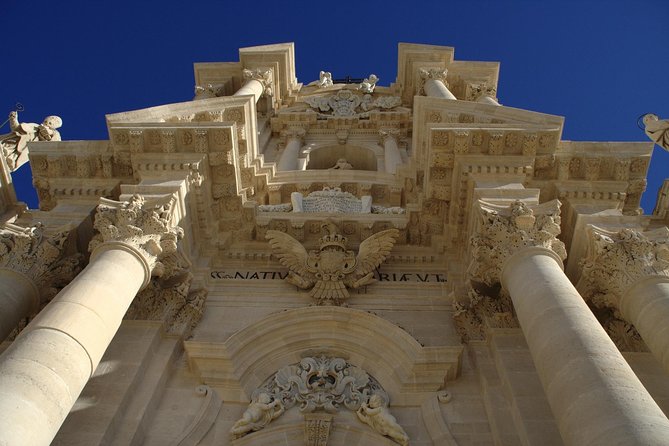
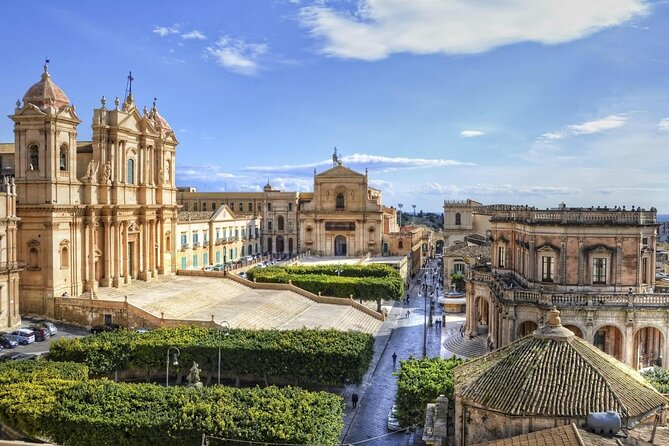
After lunch, the tour moves to Noto, often described as an open-air museum for Sicilian baroque. Noto is part of the UNESCO Val di Noto area, and the city looks like it was carved out of pale stone and sunlight—especially along the main course.
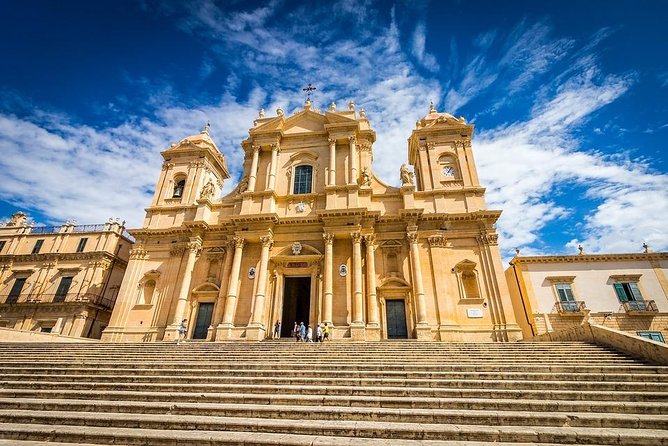
You’ll spend about 3 hours here, which is enough to see the key public spaces and several of the baroque icons without feeling rushed in every corner. The route starts by entering through the Royal Gate, which sets the tone: you’re not just walking between buildings, you’re moving along an intentional urban plan.
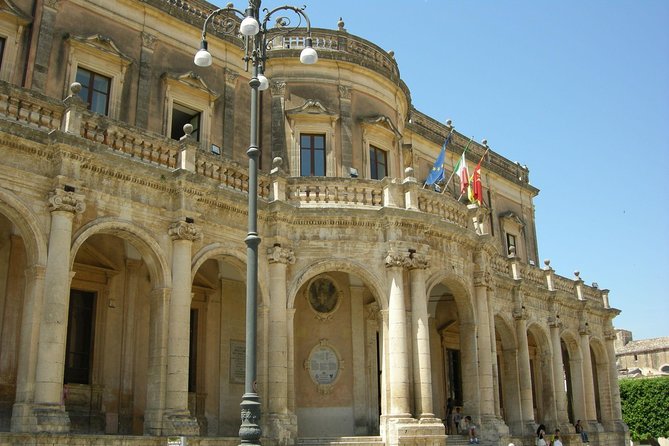
Next stops include the Church of San Francesco, with its impressive steps, and Palazzo Ducezio in Piazza del Municipio. The square-and-church rhythm is part of why Noto works so well on a guided day: the guide points you toward what to look for, and your eyes can immediately find it again when you glance at the facades.
You’ll also visit the Mother Church with the Bishop’s palace and the Church of San Salvatore. Then there’s the must-see social centerpiece: Nicolaci Palace and its distinctive ornamental balconies tied to the Neo-Baroque style.
What makes Noto satisfying: the details are visible even if you’re not reading labels. You can stand in a square and notice how the stone color changes as the sun shifts. And since this isn’t just one church or one museum, you get the sense of a whole town shaped by the same architectural language.
One practical note: Noto’s beauty can make you want to linger, but your time is limited. If you’re a fast walker, you’ll feel great moving steadily through the main sights, then slowing down for photos and atmosphere near the end.
Price and what $146.52 really buys you
At $146.52 per person for about 9 hours, the value depends on what you count as “included.” This tour offers private transportation, a polyglot guide, and the day is structured with realistic breaks: snacks plus tasting of typical products, not just a generic stop for sweets.
The biggest pricing lever is time and logistics. Visiting Syracuse, Ortigia, and Noto in one day is hard to arrange efficiently on your own without hopping between schedules, parking problems, and long transfers. Here, you get the route handled by the operator and delivered in a way that keeps the day moving.
There’s also a cultural payoff: you’re getting multiple “big name” stops—Neàpolis, Ortigia, and Noto—so you’re not paying for just one highlight. And the itinerary notes admission ticket free for the main stops, which can reduce the usual cost shock.
Worth double-checking: the information also lists entrance tickets as not included. Those two statements can mean different things depending on how the operator handles access versus optional elements. Before you go, I’d confirm what’s covered at each site and whether any areas require separate tickets. That small check can prevent disappointment.
In plain terms: if you want a guided day with transportation, a snack/wine moment, and a tight route through three major places, this is priced in a way that makes sense.
Group size, start time, and the pace you should expect
This is private transportation with a maximum of 8 travelers. That small number matters. It usually means the guide can keep an eye on the group, you’re less likely to feel like a number, and you can ask questions without the day turning into a marching band.
Start time is 8:30 am. Expect a morning that’s more structured and a later day that’s more walk-and-look. The day’s rhythm is built around set visits: about 1.5 hours at Neàpolis, then Ortigia with a walk plus snack/free time, and then about 3 hours in Noto.
Because you’re covering multiple towns, you should treat this like a full-day excursion, not a relaxed stroll. Bring patience, hydration, and comfortable footwear. When people feel tired on days like this, it’s usually because they underestimate the total walking plus heat.
If you’re sensitive to disruption: the tour includes private transport, but large public events can create street and parking headaches in big Italian cities. A moment like that can reduce how much guide attention you get for a specific segment. So keep your plan flexible and use the free time to regroup.


Food and drink: Sicilian hot table and Etna wine timing
The Ortigia stop includes a snack that’s built around a Sicilian hot table, served with water and Etna wine. This is a smart inclusion because it covers the hungry-but-busy gap. You get fuel before the day stretches into the Noto baroque walking.
If you prefer not to drink wine, you can still use the water option and focus on the food. And if wine isn’t your thing at all, pick the alternative lunch plan during the free hour so you can eat based on your own preferences.
How I’d plan it: eat the snack earlier rather than later if you’re prone to skipping meals. Then use your lunch time in Ortigia to reset—especially if you want a sit-down meal or something lighter.
Who this tour fits best (and who should rethink it)
This tour is a strong fit if you want:
- a guided day across Syracuse, Ortigia, and Noto
- a small-group format (up to 8)
- transportation handled for you from Catania
- included breaks with snacks and tasting, plus a drink option
It may be less ideal if:
- you have mobility limits that make uneven outdoor sites hard
- you dislike walking in warm weather (Noto and Ortigia both involve plenty of outdoor movement)
- you want a long, slow museum-style pace with no gaps between segments
Good news: service animals are allowed, and the tour notes that most travelers can participate. Still, for anyone with mobility concerns, plan conservatively and bring whatever helps you move comfortably.
Should you book Syracuse, Ortigia & Noto?
Book it if you want an efficient, high-value day that connects the Greek past of Syracuse, the lived-in charm of Ortigia, and the sculpted baroque beauty of Noto—all with transportation handled and a snack/wine moment built in. The small group size is the kind of detail that quietly improves the experience.
Consider another option if you need a slower pace, minimal walking, or monument-by-monument guiding inside every stop. Also, because the information about entrances can look a little mixed, spend two minutes confirming what’s covered at each site so you don’t get surprised.
If you like architecture, coastal atmosphere, and the feeling of tracing centuries through the same street grid, this is an easy day to justify.
FAQ
What time does the tour start?
It starts at 8:30 am.
Is pickup offered from Catania?
Yes. Pickup is offered, and the meeting point is near public transportation.
Is the tour in English?
Yes. The tour is offered in English.
How many people are in the group?
The experience has a maximum of 8 travelers.
Are entrance tickets included?
The itinerary notes admission ticket free for the listed stops, but the information also states entrance tickets are not included. It’s smart to confirm what access is covered for each stop before you go.
What happens if the weather is bad?
The tour requires good weather. If it’s canceled due to poor weather, you’ll be offered a different date or a full refund. Confirmation is received within 48 hours of booking, subject to availability.