REVIEW · SYRACUSE
Syracuse: Ortigia and Neapolis Guided Walking Tour
Book on GetYourGuide →Operated by MySicilyGuide · Bookable on GetYourGuide
Ancient Syracuse hits fast, even in three hours. You’ll get a guided walk through the old streets and monuments that shaped Greek life here, with the Temple of Athena and the Cathedral of Syracuse in the spotlight. What makes this outing special is the mix of viewpoints and architecture: lime-white Ortigia streets and the big-sky drama of Neapolis.
I especially love how the tour is built around seeing meaning in stone, not just collecting photos. You’ll also have a headset so you can actually follow the guide from site to site, even when you’re standing among crowds.
The one caution: monument entrance fees aren’t included, so you’ll want to budget extra before you go, especially for the archaeological park.
In This Review
- Key highlights to know before you go
- Syracuse by foot: why Ortigia and Neapolis fit together
- Where you meet and how the 3-hour flow feels
- Temple of Athena: the photo stop that turns into a story
- Ortigia and the Cathedral of Syracuse: pagan temple meets Christian church
- Neapolis Archaeological Park: theaters, sound, and serious stonework
- Paradise Latomia and the Greek Theater views
- The role of the guide: why this tour costs what it costs
- Price and value: paying for time, not just entry
- What to bring and how to keep it enjoyable
- Who this tour suits best
- Should you book the Syracuse Ortigia and Neapolis guided walking tour?
- FAQ
- FAQ
- How long is the Syracuse: Ortigia and Neapolis Guided Walking Tour?
- Where does the tour start, and where does it end?
- What is included in the tour price?
- Are monument entrance fees included?
- Is this a private tour?
- Which languages are available for the live guide?
- What should I bring for the tour?
- Is the tour wheelchair accessible, and is it suitable for kids?
Key highlights to know before you go
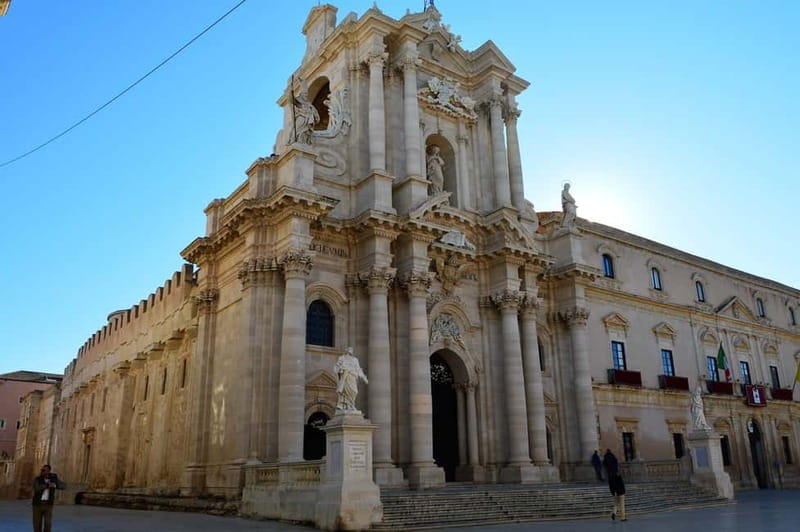
- Temple of Athena to Cathedral of Syracuse: one sacred story told through changing architecture
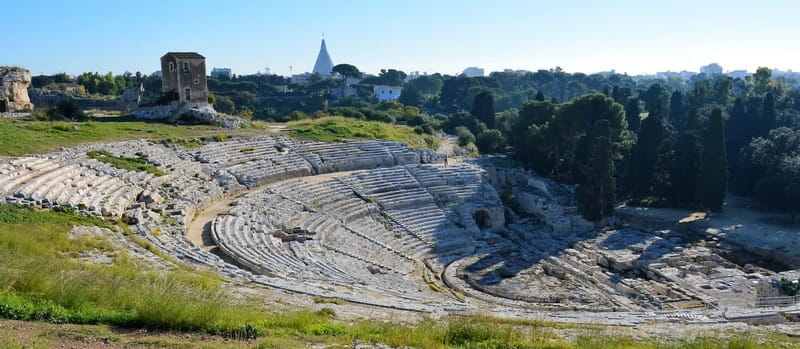
- Neapolis Archaeological Park: two ancient theaters plus the famous sound-and-light moments
- Ear of Dionysus and Paradise Latomia: quarry landscapes that feel oddly alive
- Greek Theater views: you’ll get the sea-air perspective that makes the site click
- Private small group (up to 5): easier questions, better pacing, more time to linger
Syracuse by foot: why Ortigia and Neapolis fit together
Syracuse works like two halves of the same message. Neapolis is where you meet the city’s civic and religious muscle: theaters, temples, and carved spaces made for public life. Ortigia is where that legacy turns intimate—narrow lanes, pale limestone buildings, and the feeling that the city has been rewritten over and over.
This tour is a smart way to connect those halves without running yourself ragged. You get the big landmark set pieces, but the guide also helps you read what you’re seeing: why certain spots were built, how religion and politics blended, and what Greek design looks like when it’s been reused by later rulers.
You’ll also be moving at a realistic pace for a 3-hour format. That matters in Syracuse. If you show up planning to “just wander,” you’ll still see a lot, but you might miss the plot—how the sites relate to each other.
You can also read our reviews of more walking tours in Syracuse


Where you meet and how the 3-hour flow feels
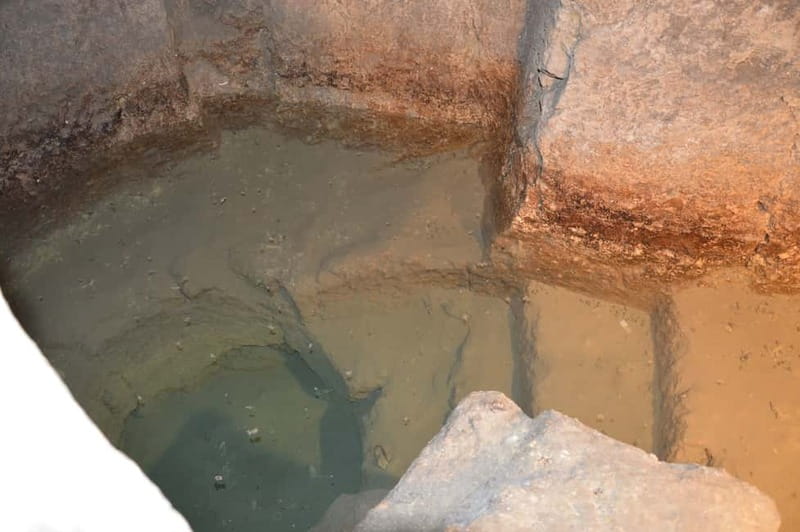
The tour starts at the Biglietteria Parco Archeologico Neapolis on Via Luigi Bernabò Brea, with your guide meeting you at the ticket office signposted for the local partner. You may see different start options around the park area (one is noted near Tempio di Apollo), but the core idea is the same: you begin in Neapolis, then work across to Ortigia.
Because it’s a small private group (priced for up to 5 people), the experience doesn’t feel like a rushed parade. You’re not stuck translating your own questions in your head. With a headset provided, you’re also not forced to shout over stone echoes—useful when you’re standing near theaters and busy viewpoints.
The tour ends back at the same meeting point area. That’s a plus if you don’t want to worry about logistics afterward. Still, plan to keep some energy in reserve. You’re doing real walking, and comfortable shoes are not optional.
Temple of Athena: the photo stop that turns into a story
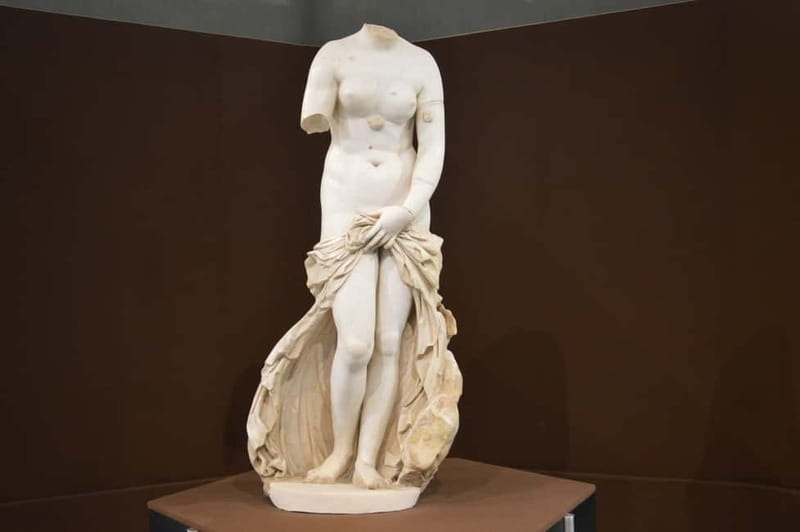
The itinerary spotlights the Temple of Athena first, with time for a photo stop and then a guided visit and walk-through (about 30 minutes).
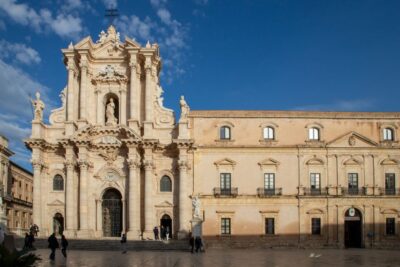
This isn’t just “look at an ancient ruin.” The guide’s job here is to connect the temple’s Greek identity to what you’ll see later in Ortigia. Syracuse has a habit of repurposing sacred spaces. Athena’s presence matters because it explains why the area’s religious power was so strong that later builders couldn’t resist building over it rather than starting from scratch.
In practice, you’ll likely find yourself comparing details more closely than you would alone: where the structure sits, how the space is arranged, and why the location feels positioned for visibility and meaning.
A drawback to keep in mind: you’ll want to arrive ready to move. If you’re the type who needs long pauses at every photo spot, you may feel that the pace is guided and purposeful rather than slow and free-form.
Ortigia and the Cathedral of Syracuse: pagan temple meets Christian church
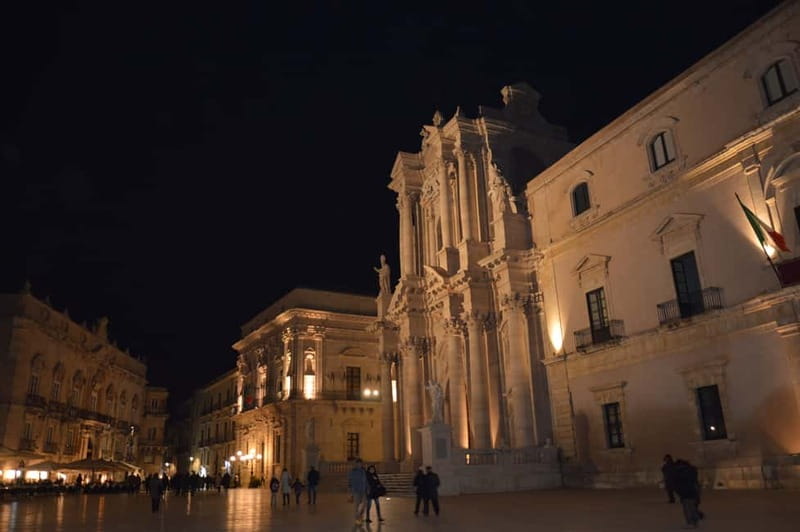
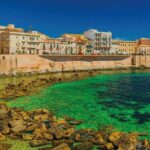
Ortigia is the “lime-white island” part of Syracuse that people talk about for a reason. Even before you reach the main sites, the atmosphere changes—smaller streets, softer light, and that coastal feeling of a working island city.
A key highlight here is the Cathedral of Syracuse, which incorporates the earlier Temple of Athena. That’s a fascinating idea to see with your own eyes: you’re not just looking at one era. You’re seeing how power and belief physically overlap.
What I like about this segment is how the guide tends to explain architecture as a timeline. You’re told what different styles represent, not just what they look like. Once you understand the “why,” the cathedral becomes more than impressive. It becomes readable.
You’ll also likely spend time in the labyrinth of ancient streets. This part is simple in map terms—walk from point A to B—but it’s valuable because it helps you understand how people once moved through sacred and civic space without big roads or modern signage.
Neapolis Archaeological Park: theaters, sound, and serious stonework

Your biggest “wow” zone is Parco Archeologico Neapolis. This is where Syracuse stops being an outline and turns into a set of working stages.
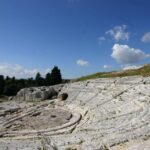
The tour includes time to see two ancient theaters, plus the Greek Theater viewpoint with views toward the Ionian Sea. Standing where audiences once faced the city and the sky helps you grasp why these spaces were more than entertainment. Theater was public life. It was education, identity, and power—rolled into one.
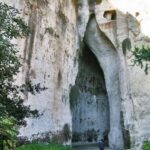
Then you get the signature stops tied to storytelling and acoustics, including the Ear of Dionysos. Even if you’ve never heard the legend before, the site’s reputation makes sense once you’re standing there. The “wow” isn’t magic. It’s physics, stone, and human engineering meeting in a dramatic place.
If you care about how ancient design works, this is your favorite chunk. You’re not just learning names of monuments. You’re learning why the city built them where it did.
Practical consideration: theaters and open-air sections can get crowded depending on season and time of day. The guide’s headset and the group size help you stay oriented and keep your momentum.
You can also read our reviews of more guided tours in Syracuse




Paradise Latomia and the Greek Theater views

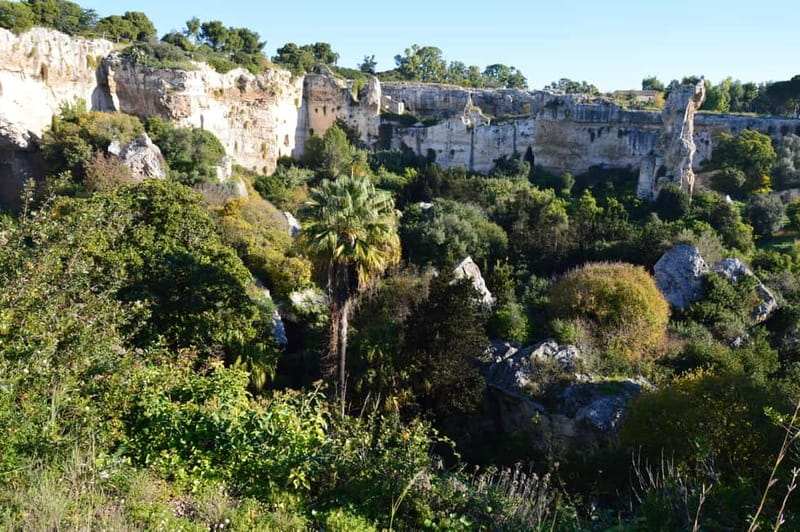
The tour also takes you into Paradise Latomia (a well-known quarry area) and positions you to see how landscape shapes city life.
Latomia sites like this are different from temples and theaters. They’re carved places, human-made scars in limestone, and they can feel surprisingly atmospheric once you’re inside them. The guide’s role here is to connect the quarry to the broader story of how Syracuse built itself—what materials came from where, and why the city’s geography mattered.
From the Greek Theater, you’ll get views over the Ionian Sea. That view is more than pretty. It explains the logic of Greek theater locations: visibility, dramatic horizon lines, and a sense of how public life was meant to feel connected to the wider world.
I’d treat this portion as your “breathe and notice” time. You’ll be walking, but you should also pause. Look out. Then look back at the stone again. The whole city starts making more sense when you switch between horizon and architecture.
The role of the guide: why this tour costs what it costs
This is one of those Sicily experiences where the guide quality genuinely matters. The tour includes a licensed guide and a headset, and the result is that you hear the story instead of guessing it.
In the feedback tied to this exact route, names like Marcelo, Anna, Laura, Giuseppe, and Rosanna show up with a consistent theme: clear explanations, passionate pacing, and strong answers when you ask follow-up questions. You can feel that when a guide knows the sites well enough to explain relationships, not just facts.
That’s the real value: interpretation. Yes, you’ll see famous structures. But the difference is whether you understand what you’re seeing and why it mattered to early Greek life, including the way religion shows up in architecture.
Also, the group format helps. With a private setup for up to 5 people, you’re more likely to get individualized attention, especially if you’re traveling with kids or you want the “why” behind a legend.
Price and value: paying for time, not just entry
The price is $317.20 per group (up to 5 people) for a 3-hour guided walking experience.
That’s not the budget end of tours in Sicily. But here’s why it can still feel fair. You’re paying for:
- A licensed guide who connects Neapolis and Ortigia into one story
- A headset, which keeps the tour usable and comfortable
- Skip-the-ticket-line for the guided experience flow
- A small private group so you’re not stuck behind the loudest person
The trade-off is obvious: entrance fees to monuments aren’t included. There’s also no food or drinks included, so plan for water. One comment notes the archaeological park admission as about 13 euros per person, so check what applies on your day and budget accordingly.
A simple value check for you: if you’re a couple or a small family, a private guide can be good value because you’re buying shared time and reduced stress. If you’re traveling solo and fine with self-guided wandering, you might find cheaper options. But if you want the city to click fast, this is built for that.
What to bring and how to keep it enjoyable

Syracuse is a walking tour with stone, stairs, and plenty of standing. Do yourself a favor:
- Wear comfortable shoes
- Bring a hat
- Have a bottle of water
If you’re sensitive to sun or glare, consider lightweight layers. Even when the day feels mild, limestone reflects light.
Also, since the tour includes both Neapolis and Ortigia elements, don’t plan tight connections immediately afterward. Your legs will be fine if you move steadily, but the best part of a guided day is slowing down for the meaningful stops the guide points out.
Who this tour suits best
This one fits best if you want a guided interpretation of major sites without spending your whole day. It’s especially good for:
- First-timers who want to understand the Greek-to-Roman-to-Christian overlap
- Families with kids of all ages (the guide includes children in the experience)
- Small groups who prefer asking questions and not losing the thread
- People who appreciate the “how it works” side of ancient design, like theaters and sound-related stops
If you want a silent, leisurely wander where you set your own pace at every corner, you may find a guided structure a bit limiting. But for most visitors, the 3-hour format is the sweet spot: enough time to learn, not enough time to get bored.
Should you book the Syracuse Ortigia and Neapolis guided walking tour?
If you want Syracuse to make sense quickly, yes, book it. The biggest reason is the way this tour connects Neapolis and Ortigia into one story, instead of treating them as separate sightseeing tasks.
Book it especially if you care about architecture as evidence of changing religious and civic life—Temple of Athena to the Cathedral of Syracuse, plus the Neapolis theaters and standout stops like the Ear of Dionysos. The private group size and headset also make the experience less stressful and more rewarding.
Skip it (or choose a different style) if you’re trying to minimize costs and you’re happy piecing it together on your own. Just remember: even the best guide can’t remove the need for entrance fees, and the monuments here do add up.
FAQ
FAQ
How long is the Syracuse: Ortigia and Neapolis Guided Walking Tour?
It lasts 3 hours. Starting times depend on availability.
Where does the tour start, and where does it end?
You meet at Biglietteria Parco Archeologico Neapolis, Via Luigi Bernabò Brea, 96100 Siracusa. The tour ends back at the same meeting point.
What is included in the tour price?
You get a licensed guide and a headset to hear the guide better. The tour also includes skip-the-ticket-line for the guided experience flow.
Are monument entrance fees included?
No. Entrance fees to monuments are not included, and you’ll need to pay them separately.
Is this a private tour?
Yes. It’s listed as a private group priced for up to 5 people.
Which languages are available for the live guide?
English, French, Italian, Russian, Spanish, and German.
What should I bring for the tour?
Wear comfortable shoes, and bring a hat and a bottle of water.
Is the tour wheelchair accessible, and is it suitable for kids?
It is wheelchair accessible. It can accommodate children of all ages, and the guide involves parents and children during the tour.