REVIEW · SYRACUSE
Syracuse: Sicilian Puppet Show with visit behind the scenes
Book on GetYourGuide →Operated by Empeeria · Bookable on GetYourGuide
Syracuse has a show that feels centuries old and hands-on. You’ll get Opera dei Pupi—Sicily’s traditional wooden puppet theatre—plus a behind-the-stage visit that explains how the whole system works, scene by scene. I especially love the intense drama and battle energy, and I love how the backstage access makes the art feel real, not like a distant museum. The main drawback to plan for: the performance is only in Italian, and the story can include war and violence.
In the 1.5-hour experience, you’re not just watching pretty costumes. You’re watching Frankish romantic epics like The Song of Roland or Orlando furioso turned into fast-moving theatre, with dramatic emotions, musical accompaniment, and fierce animals like dragons and alligators showing up in the chaos. If you want kid-friendly cartoon vibes, this probably isn’t it.
After the puppet show, you can usually expect the guided portion to focus on how puppetry is built and controlled, and English support is available for the tour and discussion. One guide name you’ll hear is Pietro, who explains the mechanics in a way that makes you want to try the puppets yourself—even if your first attempt is harder than it looks.
In This Review
- Key Points To Know Before You Go
- Opera dei Pupi: Sicily’s Puppet Theatre, Not a Costume Show
- The Puppet Show: Roland, Orlando, and Big Emotions in Wooden Form
- Backstage Access After the Performance: Seeing the Mechanism Behind the Drama
- Timing, Language, and the Practical Stuff That Changes Your Experience
- Price and Value: Is $73 Worth It?
- Who Should Book This (and Who Might Skip It)
- Final Thoughts: Should You Book in Syracuse?
- FAQ
- FAQ
- Is the puppet show performed in English?
- What languages are spoken during the experience?
- How long is the Syracuse Opera dei Pupi experience?
- What’s included in the ticket price?
- Is hotel pickup or drop-off included?
- Are food and drinks included?
- Is there a small-group option?
- Is it suitable for children?
- Do showtimes change during the year?
- Is it possible to get a refund if plans change?
Key Points To Know Before You Go
- Opera dei Pupi stories draw on epics like The Song of Roland and Orlando furioso
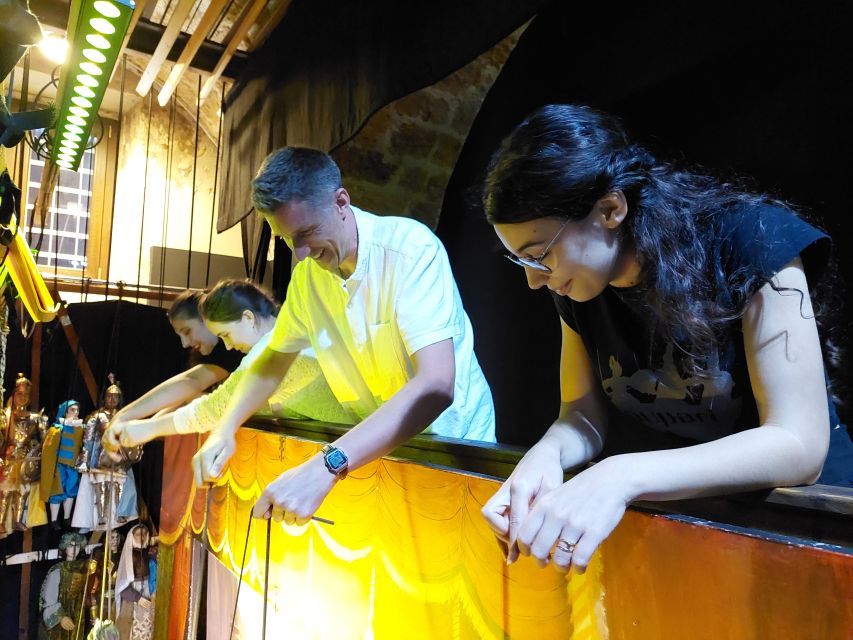
- Backstage access helps you understand stagebuilding, puppet construction, and how performers control movement
- Italian-only performance, with English help for plot context and the guided tour
- Battle-heavy drama can include war and violence, so it’s not an automatic pick for families with young kids
- A small-group format keeps the experience personal, especially during the behind-the-stage portion
Opera dei Pupi: Sicily’s Puppet Theatre, Not a Costume Show
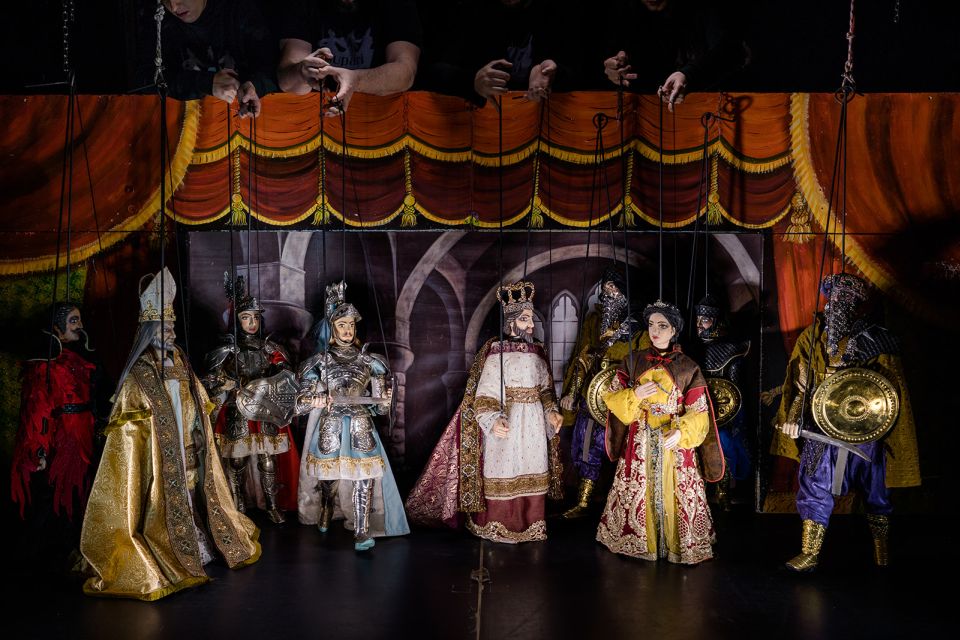
Opera dei Pupi is one of those cultural things that’s hard to reduce to a single sentence. It’s theatre, yes—but it’s also craft, woodworking, stage engineering, and storytelling with a Sicilian identity. The reason it works so well as an experience is simple: the puppets aren’t distant. They’re built to move with intention, and the performance treats them like characters with real stakes.
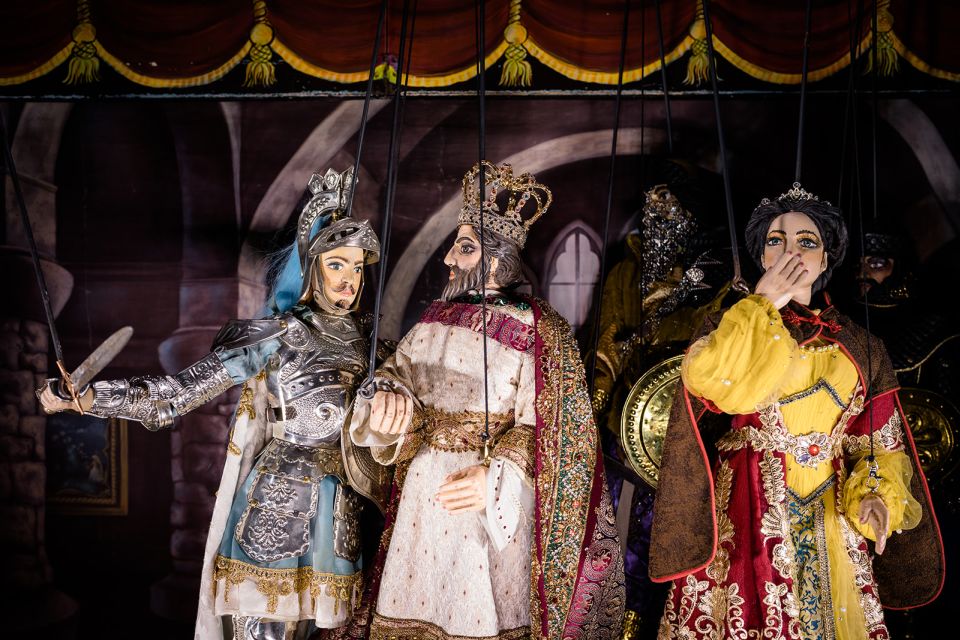
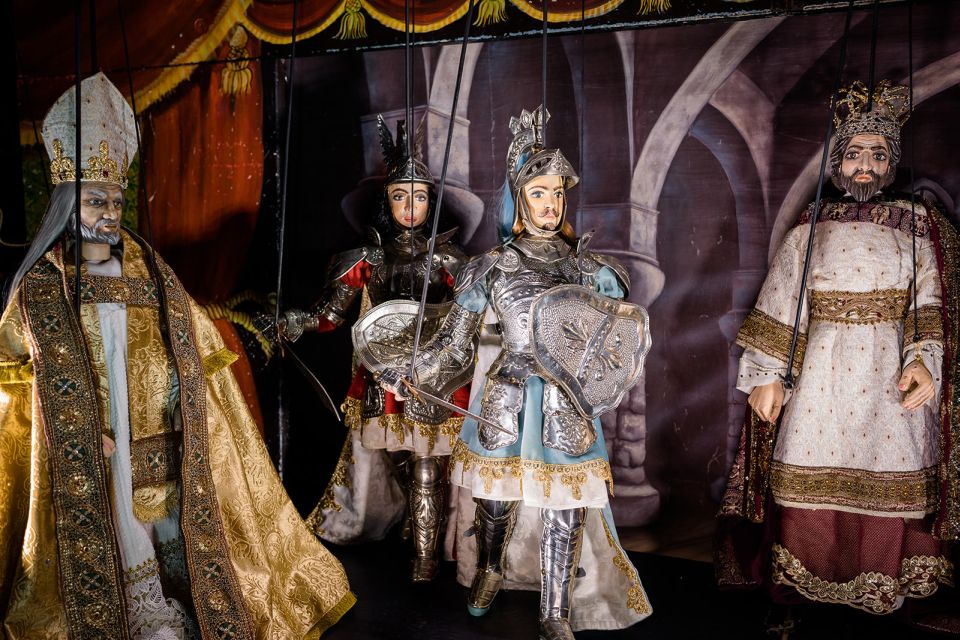
In this show, you’ll see traditional wooden puppets with detailed costumes that look like they belong in an old epic illustration. But the real pull is the energy. These stories run on emotion: loyalty, rage, victory, humiliation, and sudden reversals. The battles aren’t quiet either. Expect fast-paced sequences with musical accompaniment, so the drama has momentum even if you’re following in Italian rather than English.
And the backstage visit matters because it answers the question you’ll be thinking during the show: How do they make this look alive? When you get to see how the puppets work and how the stage is organized, the whole performance clicks into focus. You stop watching only the spectacle and start noticing the craft decisions behind it.
You can also read our reviews of more tours and experiences in Syracuse
The Puppet Show: Roland, Orlando, and Big Emotions in Wooden Form
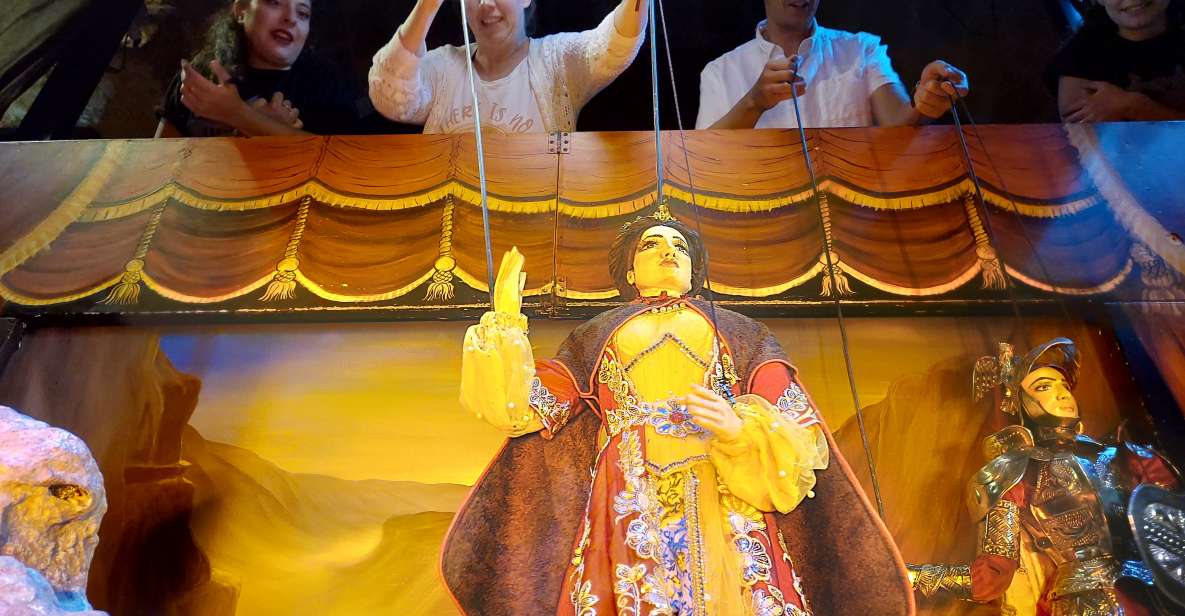
The puppet theatre itself runs like a traditional stage performance with clear scenes and strong acting. The source material comes from Frankish romantic poems and the kind of epic material Sicily became famous for adapting and performing. Two titles you might hear referenced include The Song of Roland and Orlando furioso.
What you’ll notice right away is that the stories are dramatic by design. This isn’t gentle folklore. It tends to focus on war and conflict, and some scenes can feel intense. One reviewer even called it not for children, mainly due to the violence in the play. That doesn’t mean it’s gratuitous, but it does mean you should set expectations before you bring anyone sensitive to battle scenes.
Then there are the visual surprises. Even with an epic theme, the performance includes fierce animals like dragons and alligators. That mix can feel oddly perfect: you get chivalric conflict, but you also get the theatrical imagination that made this style popular and memorable. The musical accompaniment helps keep everything moving, and the pacing is typically quick enough that you won’t be stuck waiting for things to happen.
Language is the other big factor. The show is available only in Italian. That’s a real consideration, but you’re not entirely left in the dark. You may receive a brief overview of the plot in English ahead of time, which can help you follow the characters and the basic storyline even if you don’t speak Italian fluently.
Backstage Access After the Performance: Seeing the Mechanism Behind the Drama
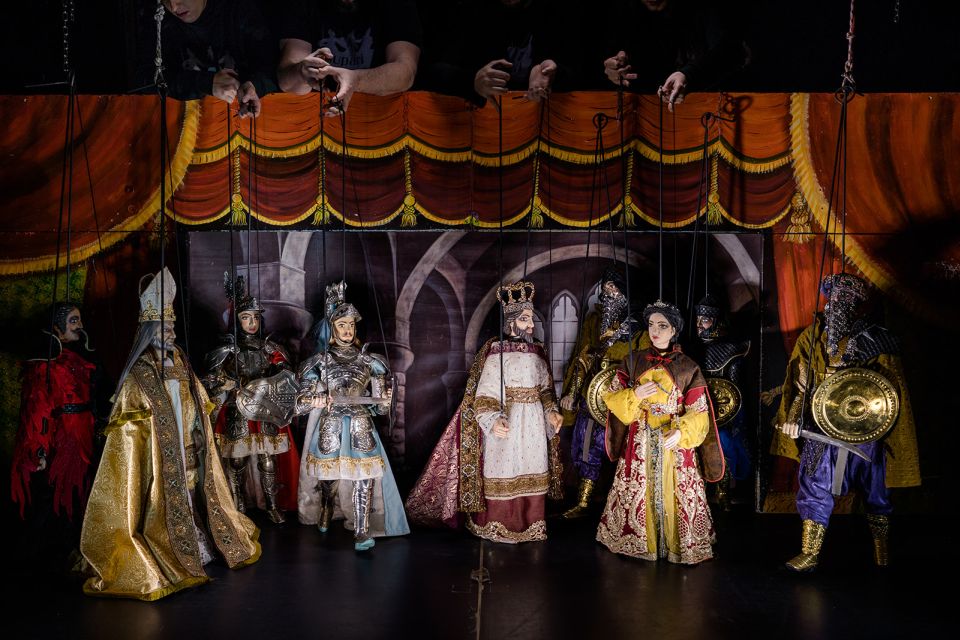
The behind-the-scenes part is where the experience earns its reputation. It’s one thing to watch puppets move. It’s another to see the systems that make the movement possible and understand how performers set up each scene.
A guided tour behind the stage typically includes explanations of how the stage is built, how the puppets are made, and how they operate. You may also get a chance to try using the puppets yourself. That hands-on element is not a gimmick—it’s actually helpful. When you try even a small movement, you understand instantly that puppetry here is a blend of control, timing, and teamwork.
This is also where a guide like Pietro really adds value. He explains the aspects of puppetry in detail, and he doesn’t just talk about the performance as a tradition. He talks about the mechanics and the practical side: how puppets are navigated, how movements look different when driven from specific points, and why the theatre setup matters. In one account, the backstage discussion took place after the show and was in English, which is a smart way to support non-Italian speakers.
The big takeaway for you: the backstage tour turns a cultural performance into a craft lesson. Instead of guessing, you’ll know. And once you know, the next time a puppet raises an arm or shifts position mid-scene, you’ll see the logic behind it.
Timing, Language, and the Practical Stuff That Changes Your Experience
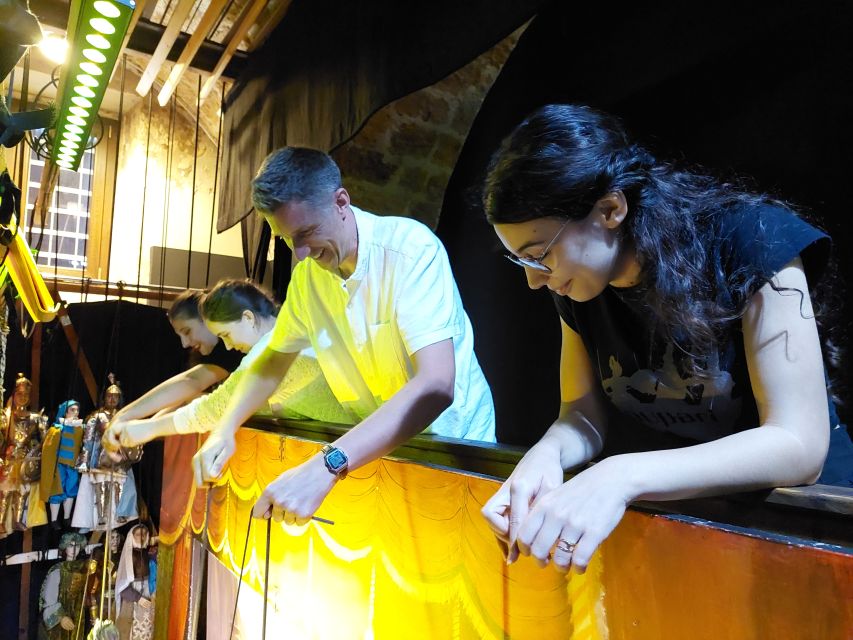
This activity runs for about 1.5 hours. That’s a good length for two reasons. First, it’s long enough to feel like a real theatre event, not a quick stop. Second, it’s short enough that you can still fit it into a Syracuse day without scrambling around transport or meal timing.
Meeting point can vary depending on which option you book, so it’s worth checking your confirmation carefully and arriving a bit early. In places like this, a few minutes early helps because you’ll want time to settle before the performance begins.
The show is in Italian only. For me, the key practical point isn’t whether you speak Italian—it’s whether you’re comfortable with a performance you can’t fully translate in your head. If you’re the type who can still follow with visuals and plot context, you’ll likely enjoy it. If you need every line explained, you may find it frustrating.
There’s also the content consideration. The storyline involves war and violence. If you’re bringing children, plan carefully. There’s free entrance for children up to 2 years old, but that’s not the same thing as suitability for toddlers and young kids. The style is theatrical and emotional, and some battle scenes may be intense.
Price and Value: Is $73 Worth It?
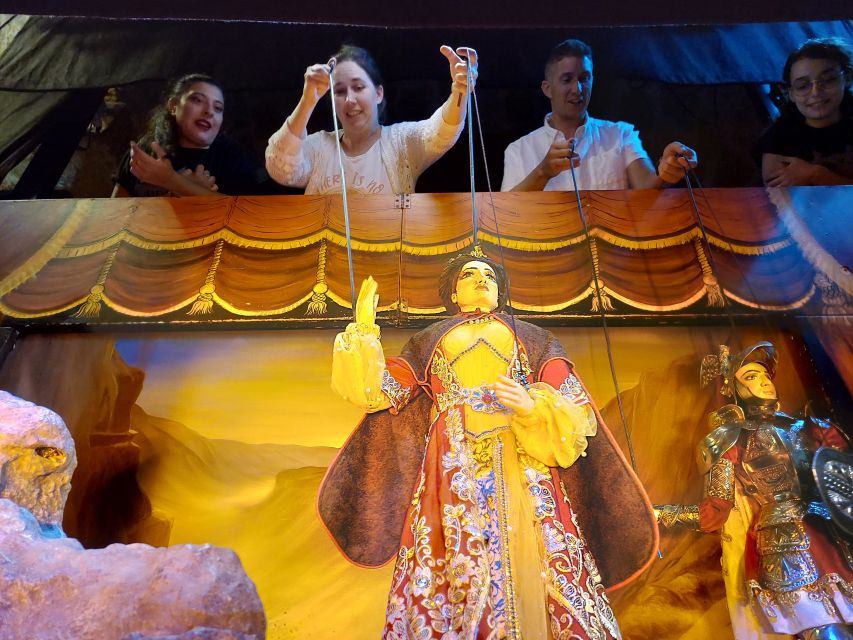
The price is listed at $73 per group (up to 1). That sounds like a specific pricing structure, and the value question depends on what’s included—and in this case, it’s not just a ticket.
You get two major things: the puppet show ticket and a guided tour behind the stage. That combination is the reason the price can make sense. Many cultural shows give you only the performance. Here, you get the explanation and craft context that makes the performance more meaningful, plus the chance to interact in some way during the tour.
Also, the experience is designed for a small group. Small group formats usually mean you get better attention during the guided part, and it’s easier for questions during a workshop-style explanation. If you care about how art is made, not only what it looks like, this is where you feel the value.



Who Should Book This (and Who Might Skip It)
This is a great fit if you want an authentic Sicilian performance that’s also a craft experience. You’ll enjoy it more if you like theatre, mythology/epics, or traditional arts with clear, hands-on explanations.
It’s also ideal if you’re curious about how something complex gets coordinated. Watching puppets fight in quick scenes is impressive, but knowing how they’re controlled changes the entire experience. If you like the idea of “I want to understand the machinery,” you’ll probably love the behind-the-stage tour.
On the other hand, this might be a miss if you’re avoiding anything with violence. The story themes include war, and the show can feel intense. It might also be frustrating if you want a fully English-language performance; the puppet show itself is Italian only.
Final Thoughts: Should You Book in Syracuse?
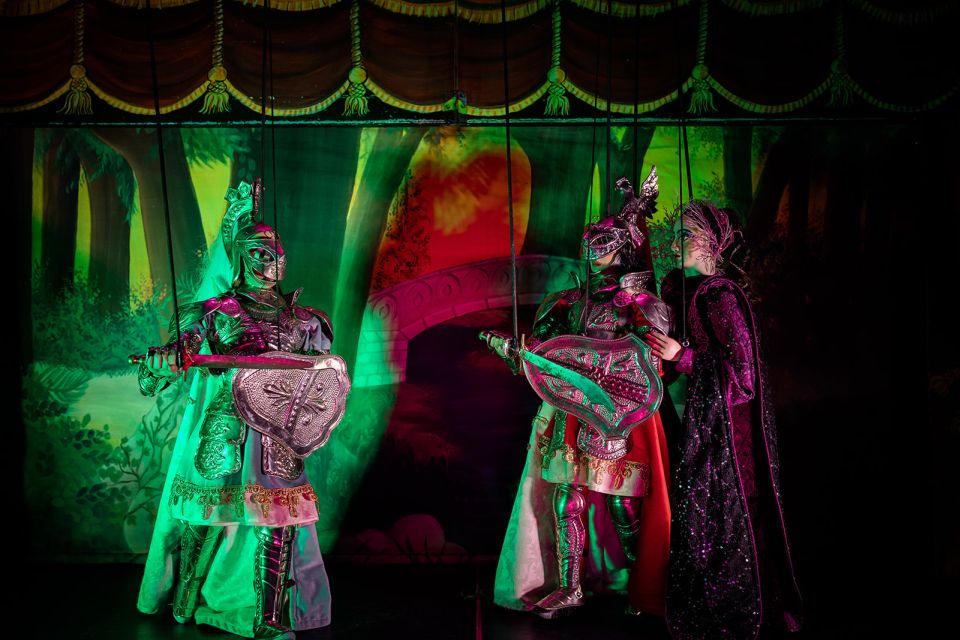
If you want more than a standard cultural stop, I think you should book this. The reason is straightforward: you’re getting both the show and the backstage explanation in the same short visit. The puppet theatre gives you the emotion and spectacle, and the behind-the-stage tour gives you the why—how the puppets move, how the stage is built, and what makes the tradition work.
I’d especially recommend it if you’re the kind of traveler who likes to see process, not only product. Just do one thing first: plan for the Italian-only performance and the war-and-violence tone, then decide if that matches your group.
FAQ
FAQ
Is the puppet show performed in English?
The puppet show itself is available only in Italian. English support is available for the host/greeter, and you may get an English overview of the plot, plus English guidance during the behind-the-stage tour.
What languages are spoken during the experience?
English and Italian are available. The puppet show is Italian-only, while the guided tour and discussion can be in English.
How long is the Syracuse Opera dei Pupi experience?
It lasts about 1.5 hours. Check availability for starting times since showtimes can vary by season.
What’s included in the ticket price?
Included are the puppet show ticket and a guided tour behind the stage.
Is hotel pickup or drop-off included?
No. Hotel pickup and drop-off are not included.
Are food and drinks included?
No. Food and drinks are not included.
Is there a small-group option?
Yes, a small group format is available, which typically helps make the guided portion feel more personal.
Is it suitable for children?
There is free entrance for children up to 2 years old. The play includes war themes and much violence, so you should use caution for younger children.
Do showtimes change during the year?
Yes. Showtimes may vary by season.
Is it possible to get a refund if plans change?
Yes. Free cancellation is available up to 24 hours in advance for a full refund.