REVIEW · PALERMO
From Palermo: Monreale and Cefalù Half-Day Trip
Book on GetYourGuide →Operated by TOUR TRANSFER SICILY · Bookable on GetYourGuide
Sicily’s north coast is close enough to fit in half a day. This Monreale and Cefalù trip is a smart reset from Palermo’s noise, mixing big-ticket architecture (Monreale’s Norman cathedral) with a very walkable coastal town (Cefalù) built on Greek-era roots. You get comfortable air-conditioned transport plus built-in time to explore at your own pace.
I especially like how Monreale’s Duomo is treated like the main event. You’ll have time inside with an official audio guide option that explains the 12th-century building and its place in medieval southern Italy. Then Cefalù adds variety with stops tied to layered history: a cathedral, the Mandralisca Museum’s Greek and Arab pottery, and those curving stone steps that lead you to the Lavatoio wash basins.
The main drawback to plan around is time. You only get about 1.5 hours in Monreale and 2.5 hours in Cefalù, and entrance fees inside the churches and museum are not included. If you want a slow, church-by-church day (or you’re picky about having extra quiet time), you may feel a little rushed.
In This Review
- Key things to know before you go
- Why this Palermo half-day feels like a mini Sicilian road trip
- Monreale’s Norman cathedral: the big reason the day is worth it
- Using the Duomo di Monreale audio guide without rushing yourself
- North coast drive: the views are part of the itinerary
- Cefalù’s Duomo and Porta Terra: start at the views, then wander
- Mandralisca Museum: where Greek and Arab art come together
- Lavatoio wash basins: the medieval detail most people walk past
- Price and logistics: what $71 covers, and what you should budget for
- Who this trip suits best (and who might want a different plan)
- Final call: should you book Monreale and Cefalù from Palermo?
- FAQ
- How long is the Palermo to Monreale and Cefalù trip?
- Where does the tour start and where do you return?
- Is transportation included?
- Are entrance fees included for the Duomo and other sights?
- Is the audio guide included?
- What should I bring, and is the tour wheelchair accessible?
Key things to know before you go
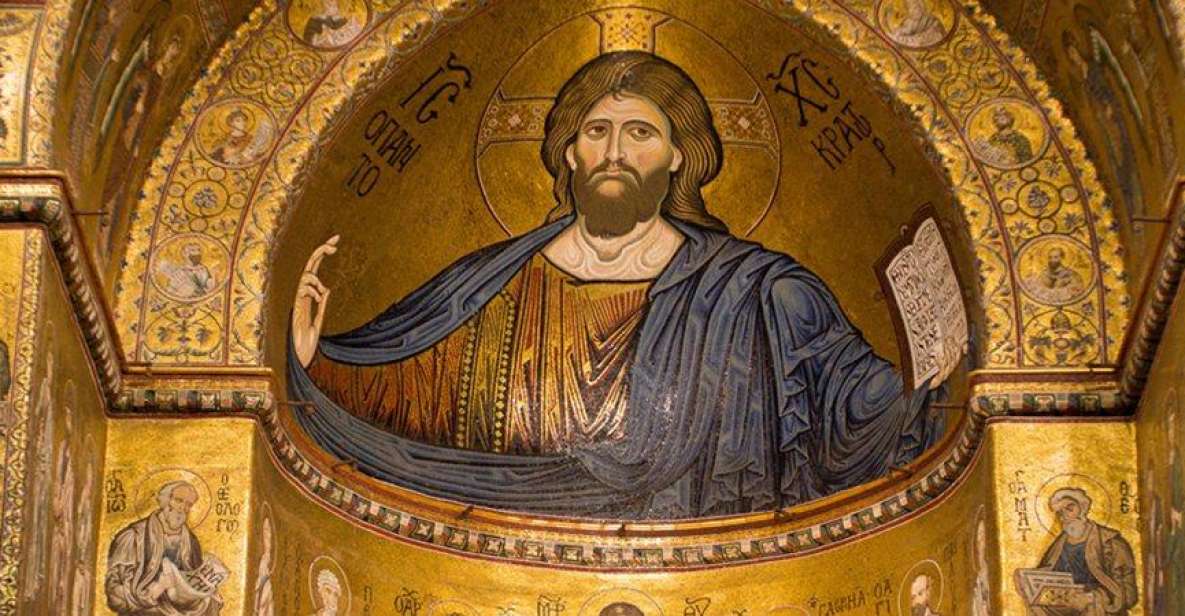
- Monreale mosaics first: the Duomo is the headline, and it’s the kind of place you’ll keep looking up at.
- Audio guide for Duomo context: use it to connect what you see to the 12th-century story.
- Cefalù isn’t just a beach stop: it’s a history town with the Mandralisca Museum and medieval corners.
- Scenic north-coast drive: part of the value is simply getting out of Palermo smoothly.
- Lavatoio wash basins: a small, photo-friendly medieval detail that rewards a slow stroll.
- Not a long guided walking tour: it’s mostly a well-timed ride plus self-guided exploring.
Why this Palermo half-day feels like a mini Sicilian road trip
This trip works because it follows a simple rhythm: get out of Palermo, hit two standout places, then go back before your day turns into a scramble. First you transfer to Monreale, then you head along Sicily’s north coast toward Cefalù, with a break in the middle that feels like relief rather than downtime.
It also helps that the transport is built around comfort. You’re in an air-conditioned minivan, and the ride segments are short enough that you don’t lose the day to transit. In practice, that means you can actually look at the countryside instead of just trying to survive the clock.
One more thing: this is a good format if you like autonomy. You get set time windows at each stop. That lets you decide how much energy to spend on photos, how long to stand in front of mosaics, and when to step into a café without chasing a group.
You can also read our reviews of more tours and experiences in Palermo

Monreale’s Norman cathedral: the big reason the day is worth it
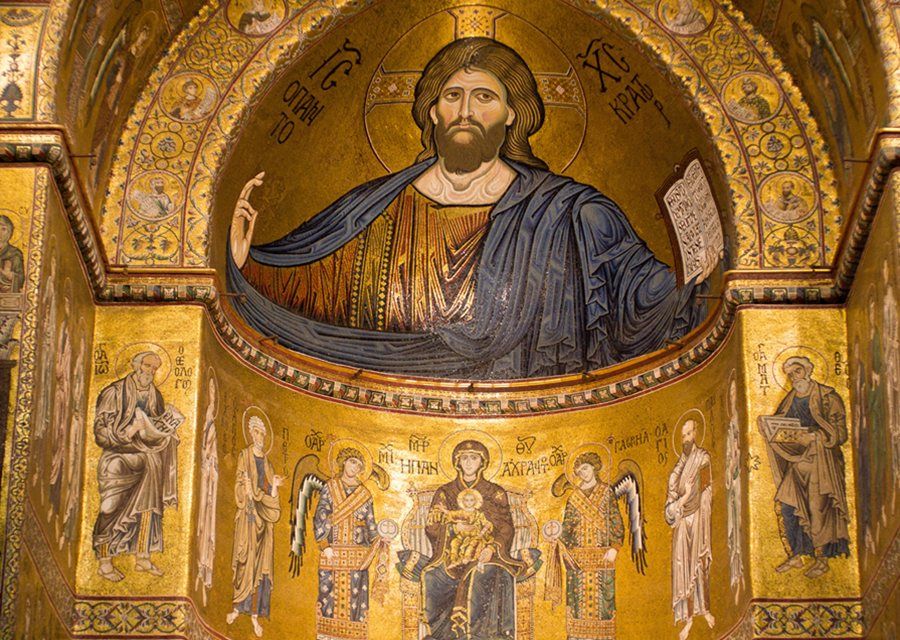
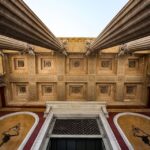
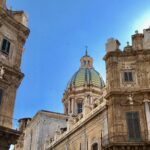
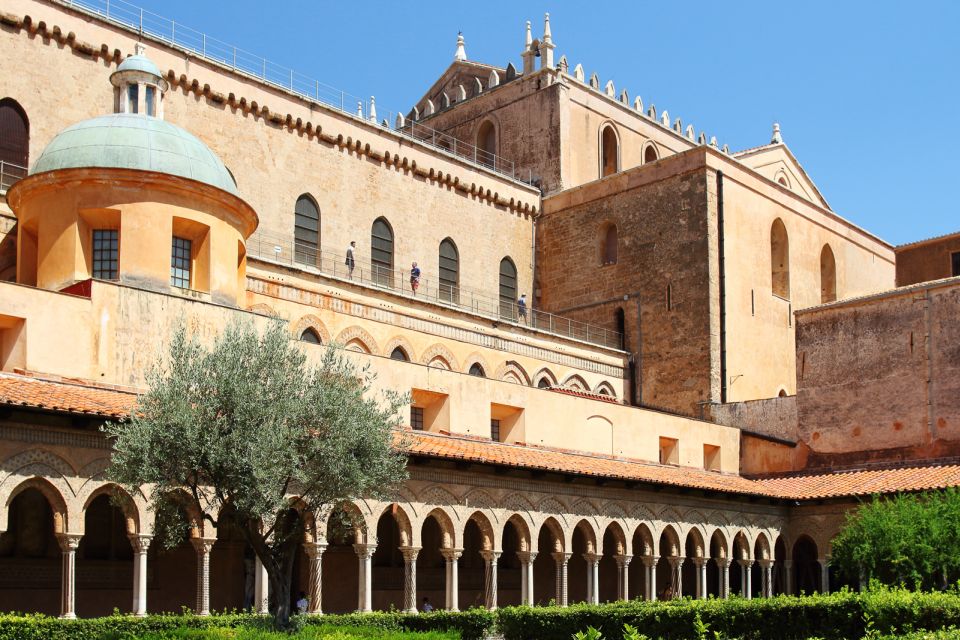
Monreale sits on the slopes of Monte Caputo, and the Duomo di Monreale is the draw that pulls everything else into place. Even if you’re not the type to memorize art terms, the building makes sense at street level: it’s grand, it’s medieval, and it’s visually demanding in the best way.
This is where the trip earns its reputation for architecture value. The cathedral is known for some of the most famous Byzantine-style mosaics in southern Italy, and that “cathedral wow” moment is exactly why I’d prioritize Monreale in a first trip to the area.
Practical reality check: entrance fees are not included. So you should mentally budget for tickets once you arrive. Also, you’ll want comfortable shoes because you’ll be walking the town and then likely moving around inside and nearby areas.
Using the Duomo di Monreale audio guide without rushing yourself
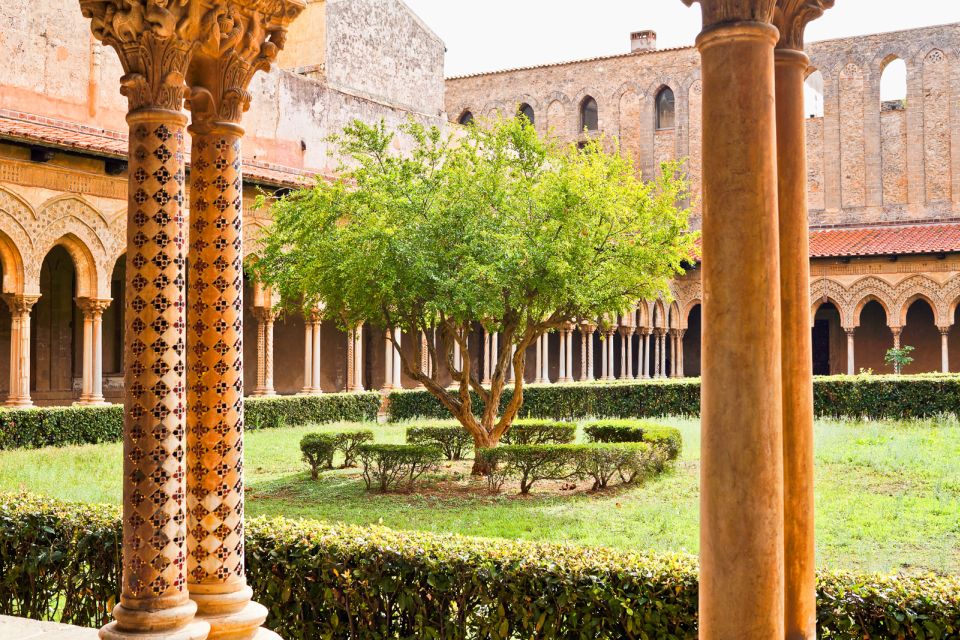
Here’s the trick to making the Duomo visit feel satisfying: use the audio guide as a map for what to look at. The tour format gives you about 1 to 1.5 hours in Monreale (the schedule shows 1.5 hours allotted), which means you can’t do everything at a museum pace. The audio guide helps you choose what matters most—so you don’t spend your time wandering without context.
You’ll also see hints that this is a living site, not a staged attraction. Some visitors note that restoration scaffolding can be present inside at times, which can change what you can photograph and how open the interior feels. That’s not a dealbreaker, but it’s one reason to stay flexible with your expectations.
If you want quiet, spend your time wisely. One of the best strategies is to plan for a short, focused interior look first, then shift to calmer areas if they’re available. Reviews specifically mention that areas like the garden and rooftop can feel more peaceful than the initial crowded interior, especially when multiple coach groups arrive at similar times.
Also, the trip includes guidance on the Duomo history, but you may see references to an audio guide that can cost extra on site (one review mentions paying about €5 if needed). Bottom line: treat the audio guide as part of the experience, but keep a small buffer for onsite extras.
North coast drive: the views are part of the itinerary
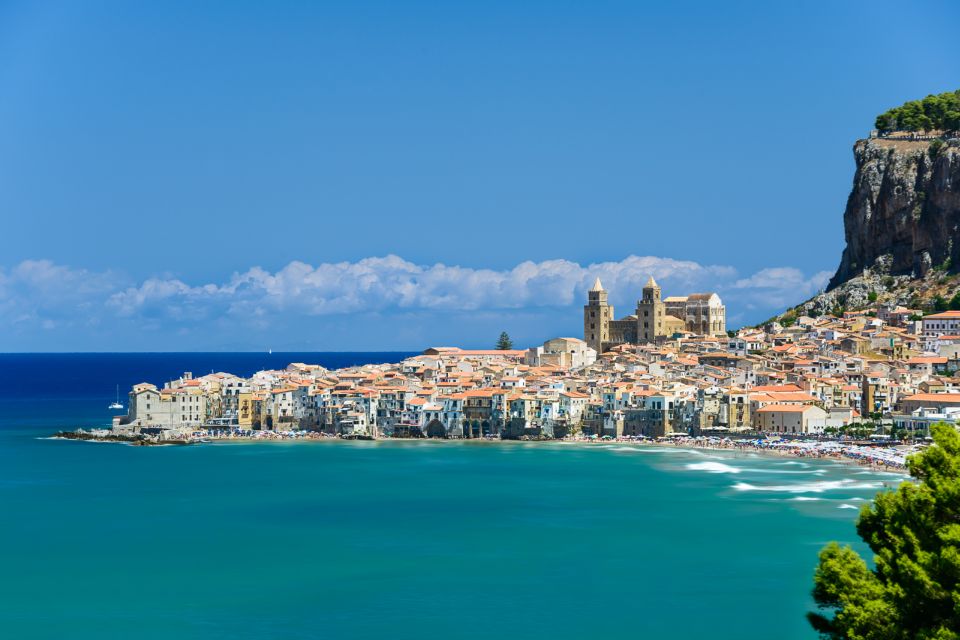
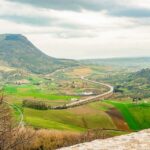
Between Monreale and Cefalù, the schedule gives you a scenic stretch along Sicily’s north coast. This isn’t just filler time. It’s the connective tissue that turns two separate stops into one coherent day.
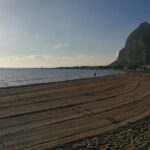
The drive matters because it changes how you experience Cefalù when you arrive. You won’t step straight from city streets into a beach town. You’ll arrive with the coast unfolding around you, and that makes the first moments in Cefalù more memorable.
It’s also a good window to get practical. If you didn’t eat before Monreale, you can start thinking about lunch timing in Cefalù. If you’re planning museum time, you can decide early whether you’re doing it first (to lock in the best indoor time) or saving it for later.
Drivers are often a big part of how this feels. Reviews mention hosts like Mario, Sergio, Enzo, Vincenzo, Emiliano, and Marco doing the job well—punctual, friendly, and sometimes offering extra tips that help you move around efficiently once you’re on foot.
Cefalù’s Duomo and Porta Terra: start at the views, then wander
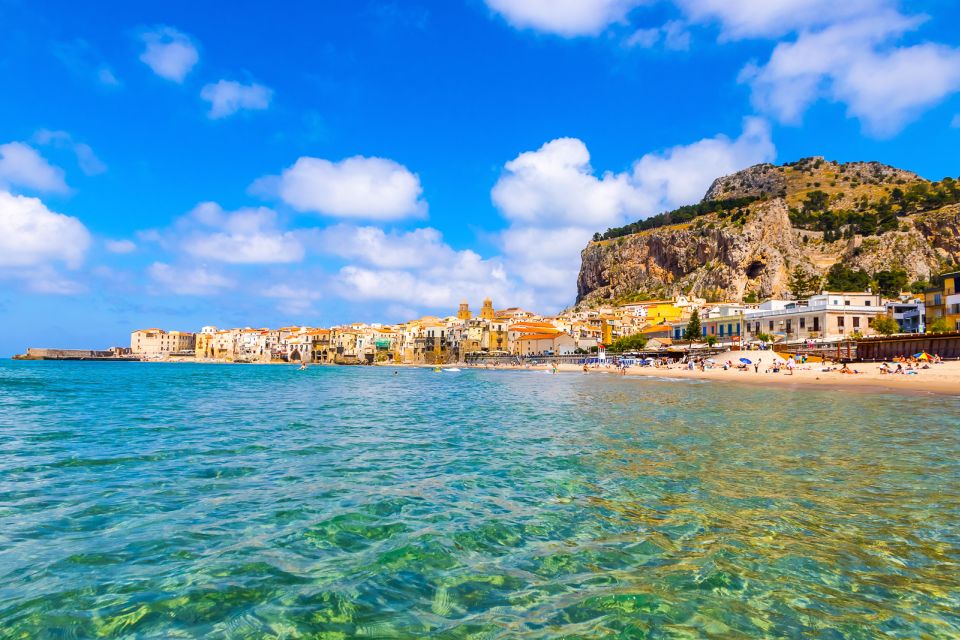
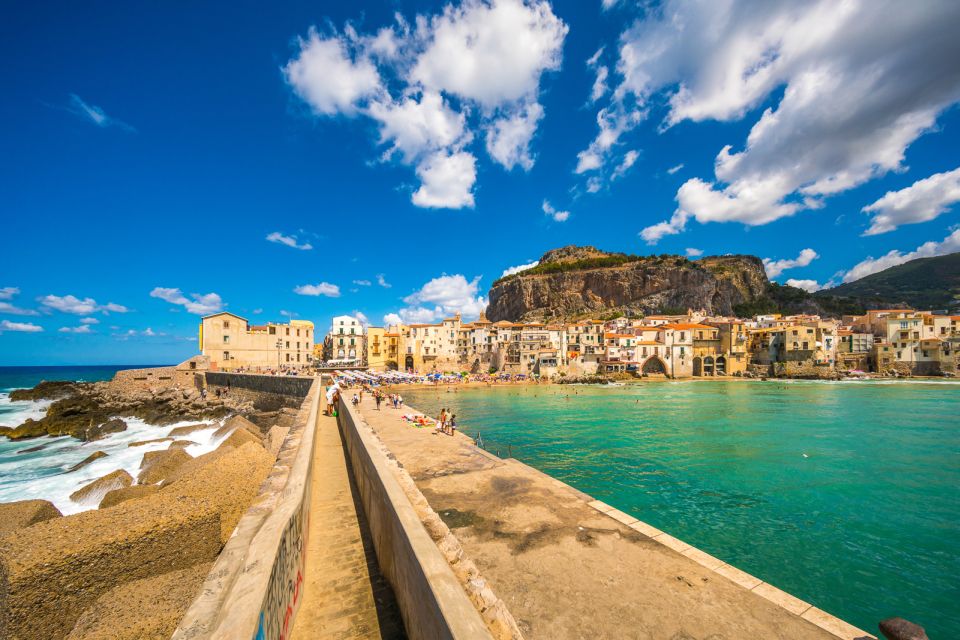
Cefalù is the kind of town where you can get your bearings fast and keep choosing your own route. The schedule allots about 2.5 hours there, which is enough time to cover the main sights if you don’t get stuck in one lane too long.
A strong first move is to orient yourself with the town’s panoramic viewpoint at Porta Terra. It’s one of those spots where the effort feels instant: you get wide angles, the coastline reads clearly, and you can see why this town has always been valuable.
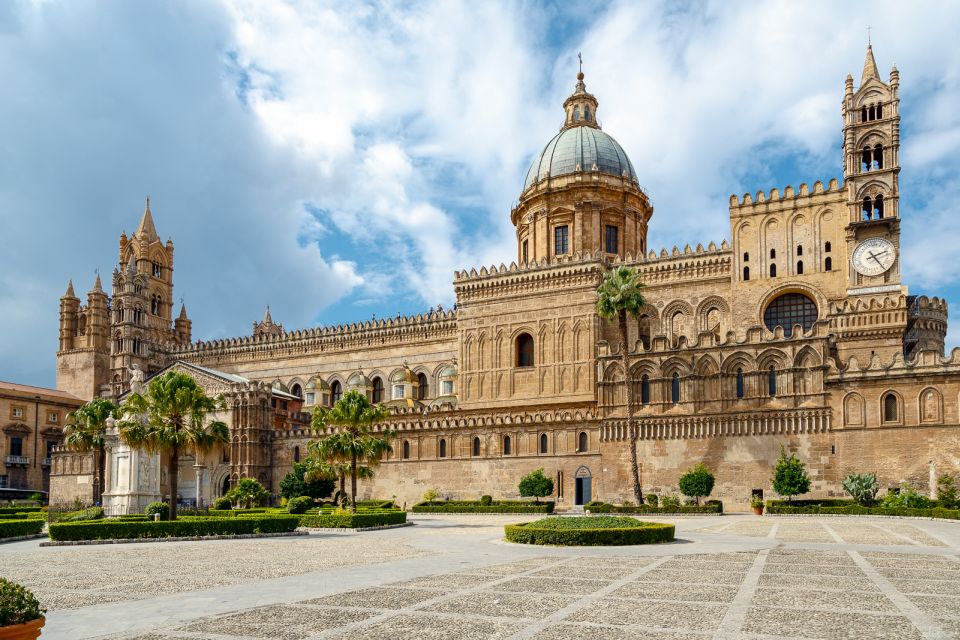
From there, you can layer in the history. Cefalù’s Duomo is a 12th-century centerpiece, and the trip includes an audio guide for the Duomo di Cefalù. That’s helpful because the Duomo isn’t just a building to look at—it’s part of the town’s identity.
You’ll also see traces of medieval life in places like the Osterio Magno, which helps connect the modern town with the older streets and rhythms underneath it.
Tip for timing: if you’re planning to photograph the Duomo area, give yourself a few minutes to slow down and get the light. Morning can be sharper; later in the day can be softer. You don’t need perfection, just a moment of intention.
You can also read our reviews of more tours and experiences in Palermo

Mandralisca Museum: where Greek and Arab art come together
If you’re only doing one “inside” stop in Cefalù, consider making it the Mandralisca Museum. The standout reason is simple: you’ll see Greek and Arab pottery, which adds a whole extra layer beyond what you might assume from a seaside town.
This is one of those stops that makes the day feel smarter, not just prettier. You’re not only enjoying architecture and town views. You’re also getting tangible objects that connect Cefalù to Mediterranean trade, culture, and influence—history you can actually see in your hands, not just read in a signboard.
The schedule gives you time to fit this in, and the museum is a good match for visitors who want something beyond churches and streets. If you love art, it can be a highlight. If you don’t, you’ll still likely appreciate the surprise factor: Greek and Arab pieces sitting in a Sicilian museum makes Sicily feel like what it is—a crossroads.
Lavatoio wash basins: the medieval detail most people walk past
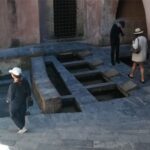
After Cefalù’s main sights, take the time to follow the steps down and around toward the Lavatoio. This is a cluster of 16th-century wash basins, and it’s wonderfully specific. It isn’t flashy like a cathedral façade, but it’s the kind of place that gives you a real feel for daily life in the past.
Why it’s worth it: it turns your walk into a story. Instead of only seeing monumental buildings, you start noticing the smaller, functional parts of the town that made life possible—water, routines, and community spaces.
The trip includes time for this stroll, and that’s a good sign because it’s the kind of detail that rewards moving at human speed. If you rush, you’ll miss it. If you slow down, you’ll probably end up taking photos you didn’t plan to take.
Also, keep an eye on your shoes here. The route includes stone steps and curving walkways, so you’ll be happier in comfortable footwear than in anything you’d normally use for a museum only.
Price and logistics: what $71 covers, and what you should budget for
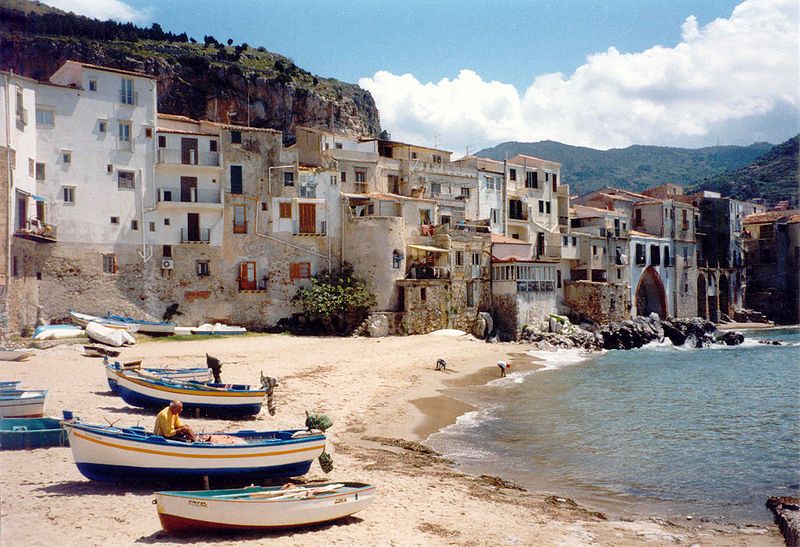
At around $71 per person for a 6-hour half-day, the biggest value is the transportation and the fact that you get two major stops without wrestling bus changes or schedules. The tour includes air-conditioned minivan transport, which matters in Sicily because you’ll be doing real walking once you arrive.
What’s not included is the money you’ll likely spend once you hit the churches and museum. Entrance fees are explicitly not included, and you should also plan on food and drinks being on your own. One review notes Monreale cathedral ticket pricing around €13, and mentions that some tickets can include access to garden and rooftop areas—so it’s not just a standard quick-entry fee. Still, exact costs can vary by time and ticket type.
So how do you judge value? I’d say this is good value if:
- you want low-stress transportation from Palermo,
- you care about Monreale’s cathedral,
- you want Cefalù’s main sights plus Mandralisca,
- and you don’t want to spend your day planning transit.
It might feel pricey if you’re comfortable doing it independently and you’re determined to keep costs ultra-low. But if you’re optimizing for time and sanity, the math often works.
Who this trip suits best (and who might want a different plan)
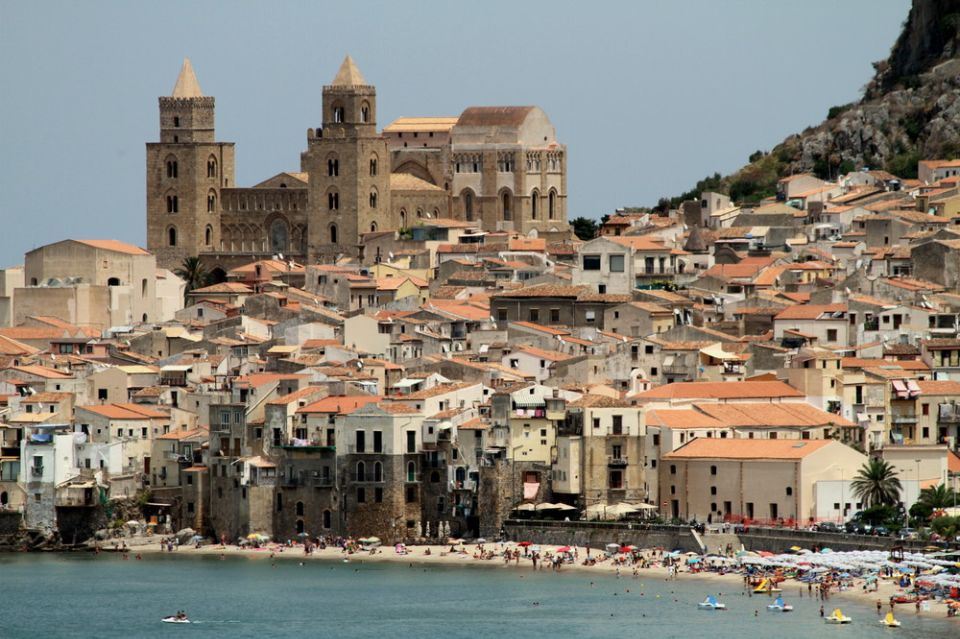
This is a great fit for couples, solo travelers, and small groups who want a strong “Sicily hits” day without committing to a full guided tour all day.
It’s especially good if you:
- like architecture and mosaics (Monreale is the anchor),
- enjoy town wandering on your own schedule,
- want at least one cultural inside stop (Mandralisca),
- and prefer a ride that gets you out of Palermo quickly.
It may not be the best choice if you:
- need wheelchair access (the tour isn’t suitable for wheelchair users),
- want a long, slow church crawl with extra time in each site,
- or expect a full guided walking tour throughout. Based on how the trip plays out, you’ll likely do a lot of exploring independently once you arrive.
Also, winter and off-season are fine. One review notes it was rainy in Monreale yet the cathedral still felt magnificent, and Cefalù remained worth it even outside peak beach season.
Final call: should you book Monreale and Cefalù from Palermo?
Yes, I’d book it if you want maximum impact with minimum logistics. Monreale’s Duomo is the kind of place that can justify the trip alone, and Cefalù gives you variety: Duomo time, museum time, and that quietly charming Lavatoio walk.
I’d think twice if you’re the type who wants much more than a couple of hours in each town. In that case, consider spending a full day in either Monreale or Cefalù (or going deeper on one stop on another day). This trip is timed for highlights, not for lingering.
If you go, go with realistic expectations: plan for entrance fees, wear good shoes, and use the audio guides to get more meaning from what you’re seeing. The result is a day that feels productive, scenic, and very doable.
FAQ
How long is the Palermo to Monreale and Cefalù trip?
It runs for about 6 hours.
Where does the tour start and where do you return?
You meet in front of restaurant Al 59 (P.za Giuseppe Verdi, 59) and return to the same area.
Is transportation included?
Yes. The tour includes transportation by an air-conditioned minivan.
Are entrance fees included for the Duomo and other sights?
No. Entrance fees are not included.
Is the audio guide included?
An audio guide is included as part of the Duomo experience. There is also information indicating an audio guide can be paid on site for about €5, so it’s wise to allow a little flexibility.
What should I bring, and is the tour wheelchair accessible?
Bring your passport or ID card and wear comfortable shoes. The tour is not suitable for wheelchair users, and luggage or large bags are not allowed.