REVIEW · TAORMINA
Taormina: Cannolo Cooking Class with Completion Certificate
Book on GetYourGuide →Operated by SAT Group · Bookable on GetYourGuide
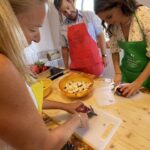
Cannoli starts with a pair of hands. This Taormina class gives you the real flow of making cannolo dough and turning it into crunchy shells you fill yourself. Two things I especially like: you get guided, step-by-step cooking you can actually repeat later, and you finish with a full tasting that feels like a reward, not a sample.
You’ll also see how the filling can shift from the traditional ricotta-style base to a custard variation, which makes the class more than just one “sweet trick.” One consideration: with only 1.5 hours, the pace can feel a little brisk for anyone who likes long sit-down cooking time.
In This Review
- Key things to know before you go
- Entering the class at Porta Messina Arch
- What you’ll make in 90 minutes: shells, frying, and filling
- The chef instruction style: Carmelo, Francesca, Paolo, and Maurizio
- What’s included with your cannolo cooking class (and what to plan for)
- Price and value: does $77 make sense in Taormina?
- Who should book this class (and who should think twice)
- Should you book the Taormina cannolo class?
- FAQ
- FAQ
- How long is the cannolo cooking class in Taormina?
- Where is the meeting point?
- What’s included in the price?
- What language is the class taught in?
- What should I wear or bring?
- Is the class cancellable?
Key things to know before you go
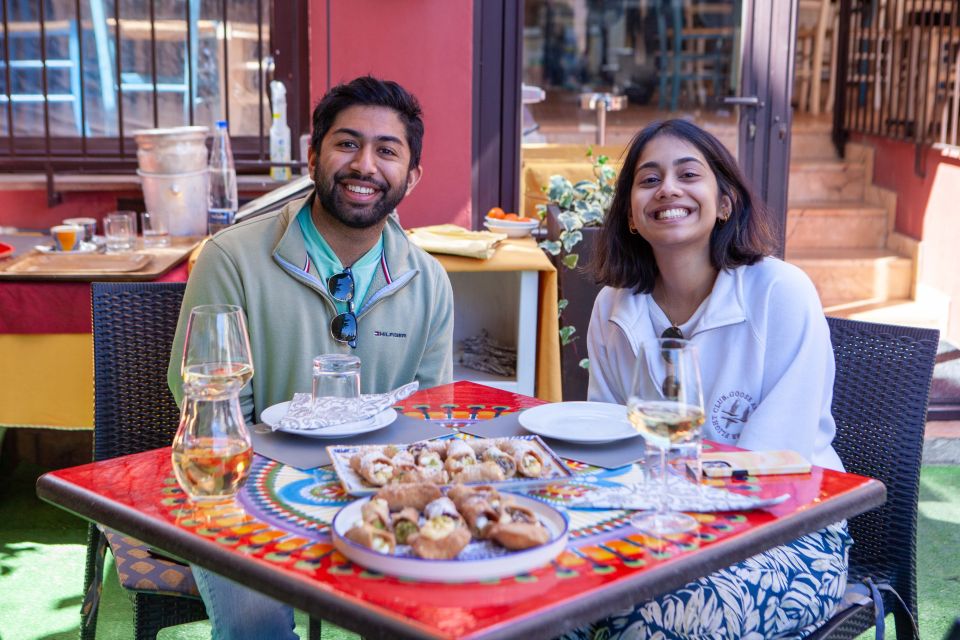
- Hands-on cannolo shells: knead with your hands and fry into the signature shape
- Two filling styles: learn ricotta-based and custard-style approaches
- Chefs bring the fun: instructors like Carmelo, Francesca, Paolo, Maurizio, and Giovanni show up in recent sessions
- Food + drinks included: coffee break, wine, limoncello, water, soft drinks, plus snacks
- You leave with more cannoli than expected: some people report lots to eat right then and sometimes extra to take
- Completion certificate: a small but satisfying keepsake to mark what you learned
Entering the class at Porta Messina Arch
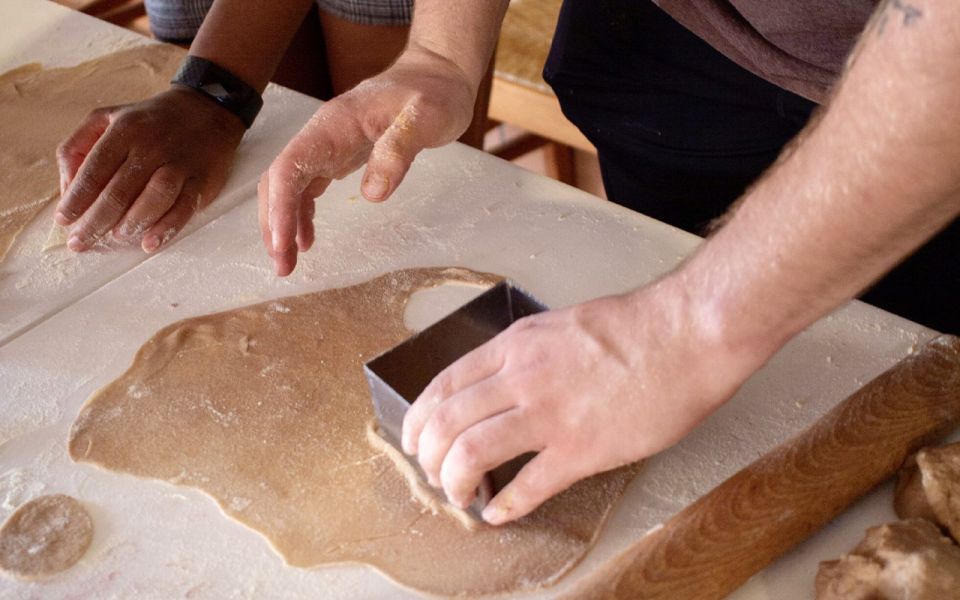
This is one of those Taormina activities that’s easy to fit into a day in town. Your meeting point is at a restaurant located beside the Porta Messina Arch, a straightforward landmark in the center. Because the class is only 1.5 hours, I’d plan to arrive a few minutes early so you start on time and don’t feel rushed before the cooking begins.
You’ll want comfortable shoes and comfortable clothes. Even though it’s a dessert class, you’re doing hands-on work—kneading, shaping, and frying steps happen during the session—so think practical rather than “nice outfit.” If you’re bringing anyone young, keep in mind it’s active cooking (heat and quick motion), not a demo where you just watch.
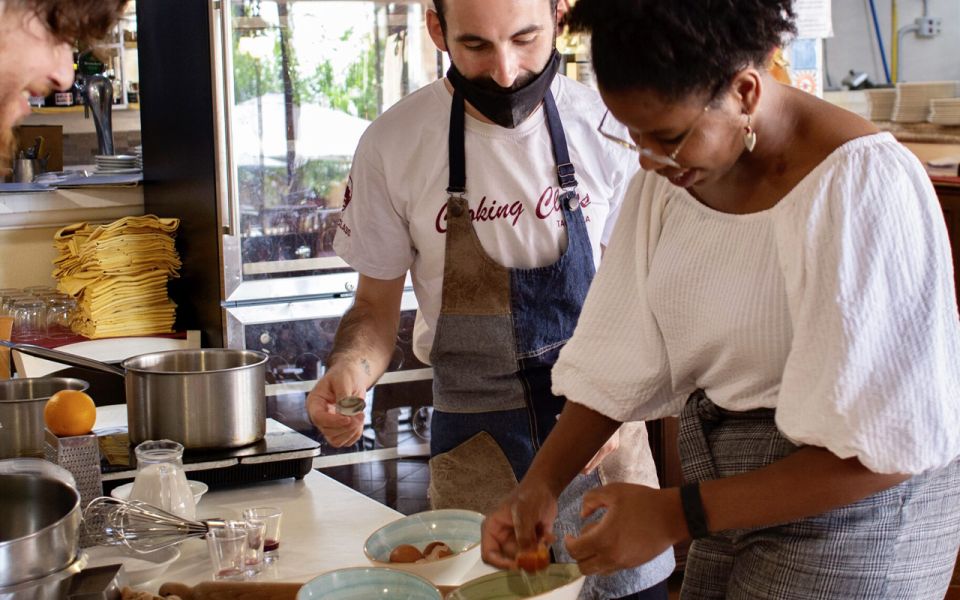
Once everyone’s gathered, the chef’s job is to make technique feel doable. Recent experiences emphasize how instructors keep things clear and fun, with humor and patient coaching—even when you’re learning the dough consistency by feel instead of by measuring alone.
You can also read our reviews of more cooking classes in Taormina
What you’ll make in 90 minutes: shells, frying, and filling
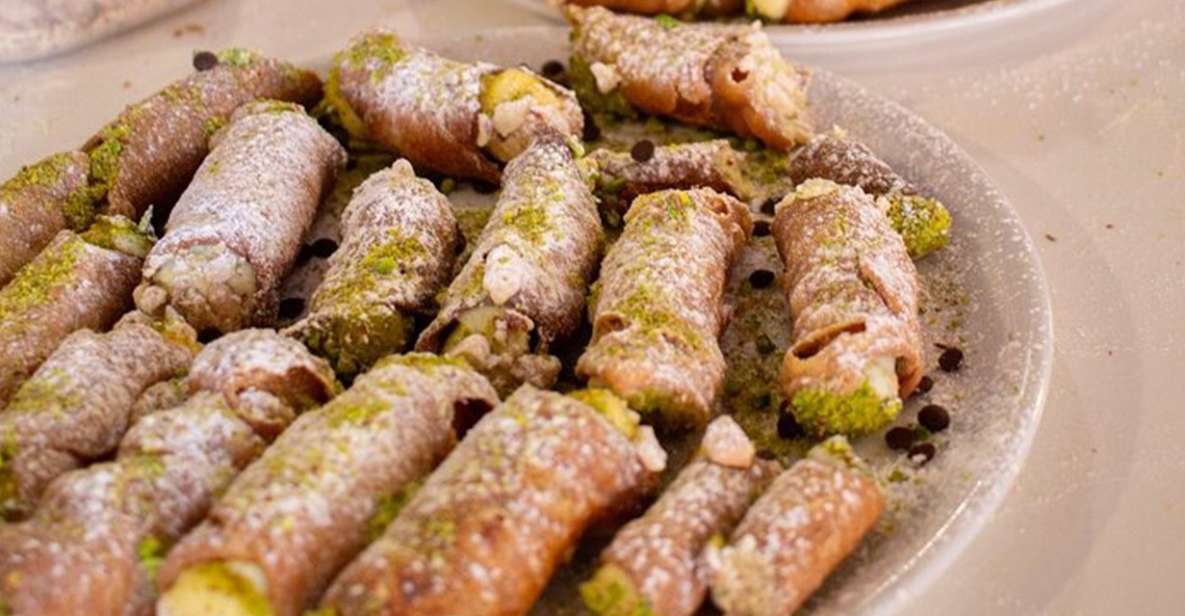
The core of the class is learning how cannolo dough behaves and how to turn it into shells that can hold filling without going soggy. You’ll start with kneading the dough by hand, which is where many people discover why Sicilian pastry isn’t just about ingredients—it’s about texture and pressure.
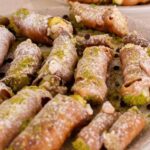
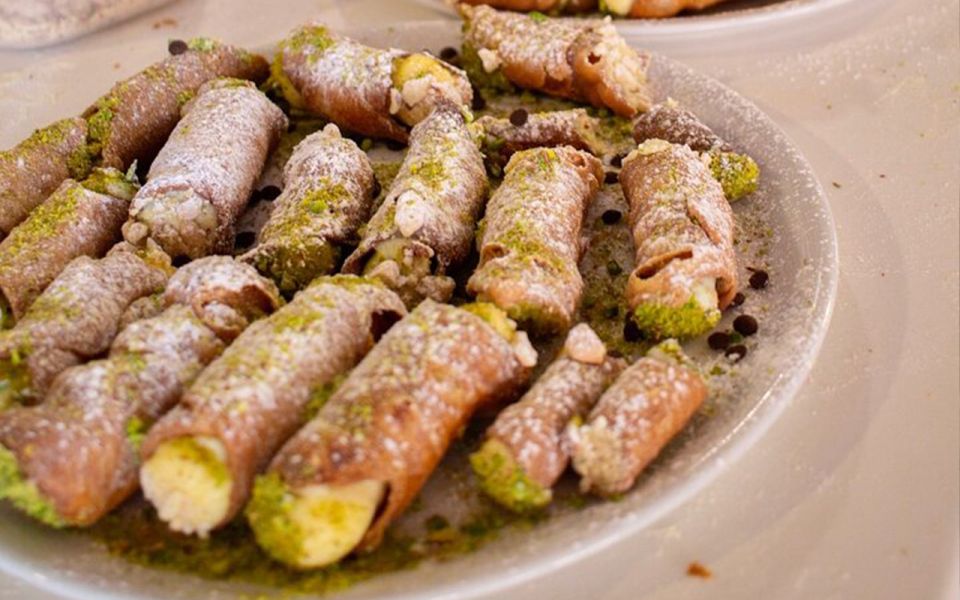
Next comes the frying process. You’ll see how the dough becomes that distinctive cannolo shell shape when fried properly. This is the part that feels most magical the first time you watch it—and most satisfying when you understand what the chef is looking for: the dough’s structure, how it puffs and sets, and how to handle it once it’s cooked.
Then you move to the filling. Here’s what makes this class interesting: you don’t just do one cream. You’ll learn how the filling is prepared starting from the traditional ricotta-style base and also how a custard-style cream gets made as a variation. That difference matters. Ricotta-based filling tends to taste classic and rich, while custard can bring a different texture and sweetness balance. Either way, you’ll get the method, not just the final scoop.
By the end, you taste what you made. The tasting is built into the session, so it doesn’t turn into “see you later” food. Expect a real eating moment—coffee break and drinks help, but the cannoli itself is the point.
The chef instruction style: Carmelo, Francesca, Paolo, and Maurizio
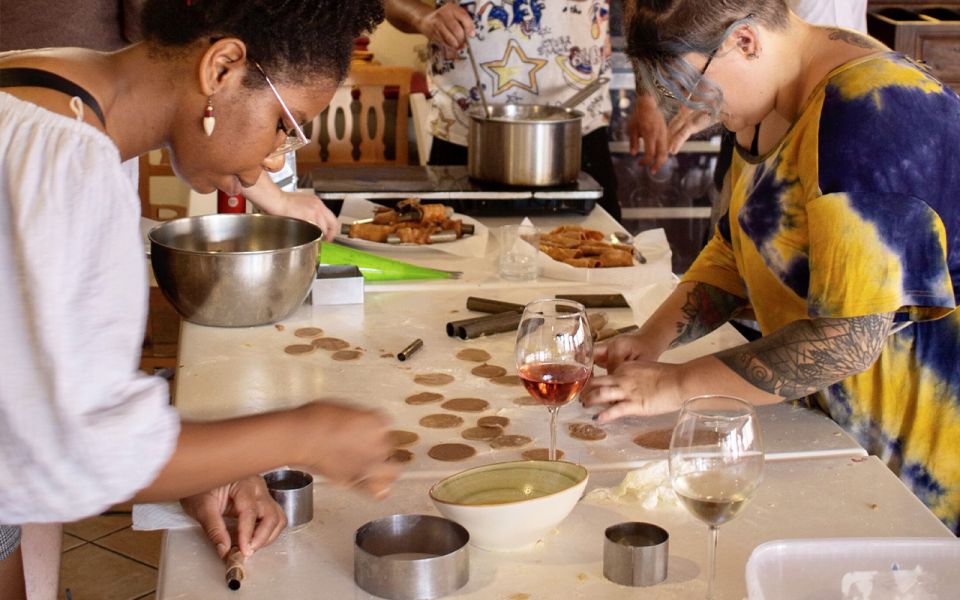
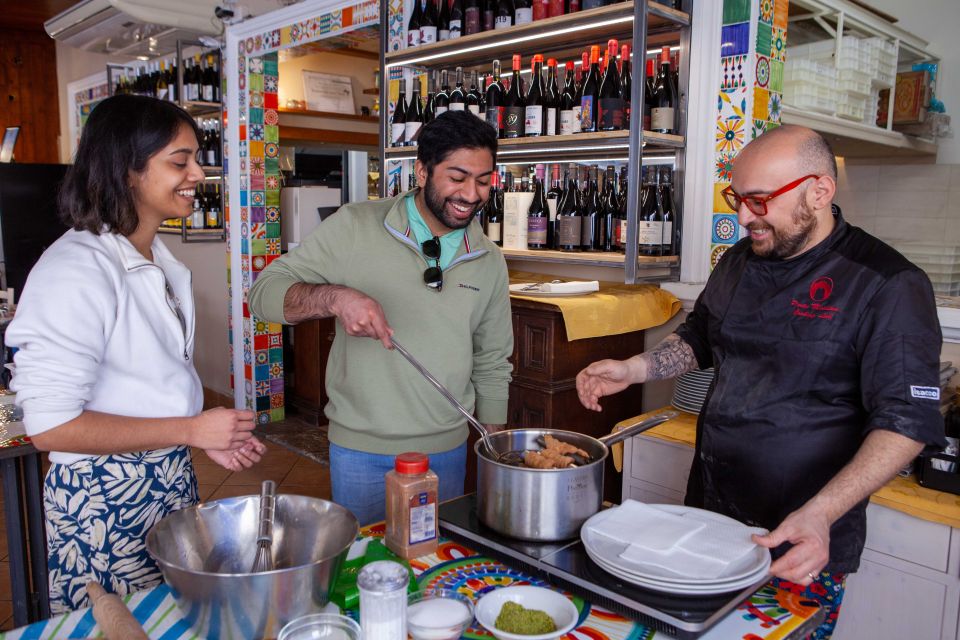
What makes this class worth your time is how the teaching works. Recent sessions often highlight chefs who keep the room upbeat and the steps simple enough to follow even if you’re new to pastry.
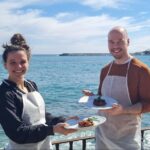
You may cook with an instructor such as Chef Carmelo or Francesca (both show up often in recent experiences). Other names you might encounter include Paolo and Maurizio, plus Giovanni mentioned as an excellent guide. Different chefs, same goal: explain what to do, then help you do it without guessing.
A few practical teaching moments you can count on:
- You’ll be shown how the dough should look and feel before frying.
- You’ll learn how stuffing should be handled so the shell stays crunchy for eating.
- You’ll get tips the chef uses in their own kitchen, not just “follow the recipe” instructions.
The vibe tends to be hands-on with laughter. It’s not quiet culinary school. You’re learning, but you’re also making something you’ll eat right away—plus you’ll get a completion certificate at the end.
What’s included with your cannolo cooking class (and what to plan for)
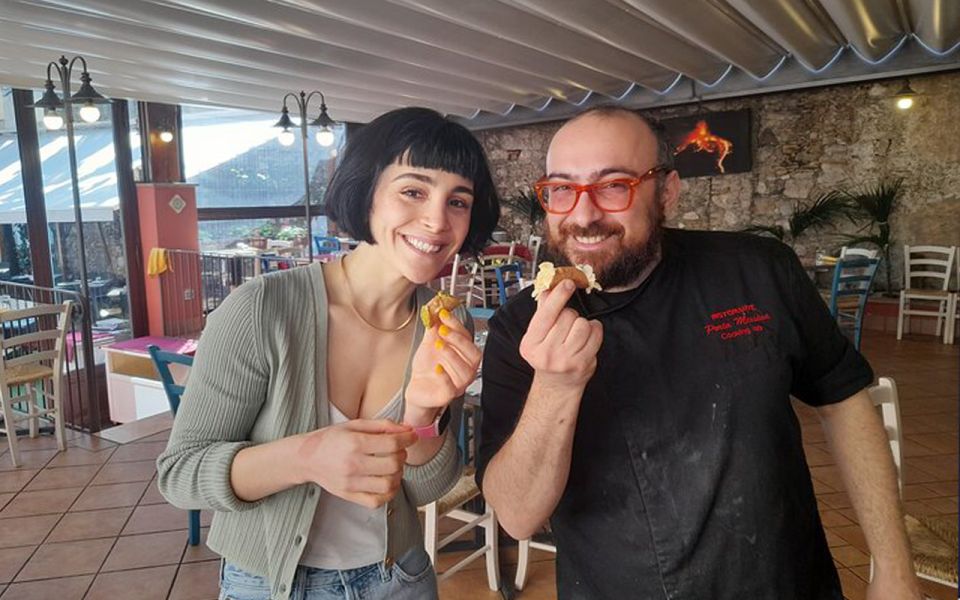
This class is unusually clear about what’s included, which helps you judge value. You’ll get a coffee break, plus water, wine, soft drinks, and limoncello. There’s also a final snack during the experience. And yes, you’ll do a cannolo tasting with the cannoli you prepared.
One important note: extra alcohol isn’t included. You’re covered for wine and limoncello as part of the included drinks, but if you want more, you’ll need to pay separately.
Also, the class doesn’t just hand you a small bite. Some people report making a lot of cannoli—enough that you may eat more than you planned. A few experiences mention around 15 cannoli per person, and some describe taking extras away. Even if you don’t get leftovers, plan on leaving full.
If you’re a home-cooking type, you’ll likely appreciate that you learn technique you can repeat, not just a one-off result. One person even mentioned receiving the recipe by email after the class, which is a great follow-up if it happens for your session.
Price and value: does $77 make sense in Taormina?
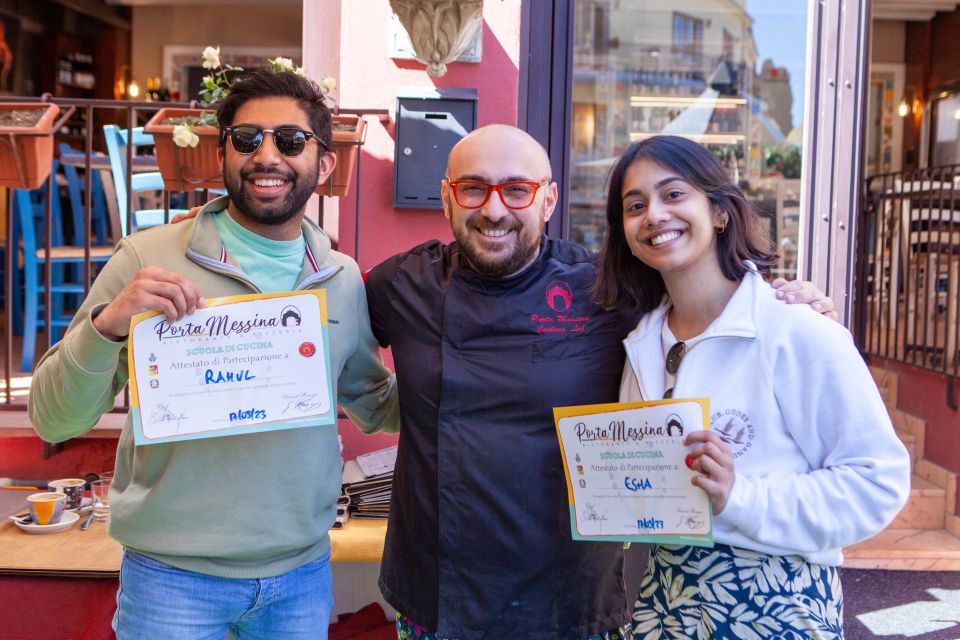
At $77 per person for 1.5 hours, this isn’t “cheap,” but it can be fair value once you factor in what you get. You’re paying for instruction, ingredients, equipment use, and a full tasting that includes drinks—not just one tiny sample.
Here’s what makes the value calculation work:
- The class is hands-on. You’re kneading, frying, and filling, not watching someone else do it.
- You get multiple components: coffee, wine, limoncello, water, soft drinks, and snacks.
- You’re likely to take home more than you can eat immediately (based on how many cannoli people report making).
That said, one caution comes up: with only 1.5 hours, the pace can feel a bit tight if you want a long, unhurried pastry session. Another concern that shows up is that it may feel expensive to some people if you compare it only to “time spent cooking” instead of total food and drink included. My practical take: if you’re the kind of traveler who values doing real work—plus eating what you made—then the price aligns with the experience. If you want a slow craft session above all else, you might feel the schedule squeeze.
You can also read our reviews of more tours and experiences in Taormina
Who should book this class (and who should think twice)
This is a great fit if you want a focused Sicilian food experience that you can’t easily replicate from a cookbook. You’ll leave with a clearer sense of dough texture and filling balance—skills that matter for more than one dessert.
It’s also a good choice for:
- Families: recent experiences mention chefs keeping things fun for children (including kids around early elementary age).
- Food lovers: if you like learning what makes regional sweets different, the ricotta versus custard component is a smart lesson.
- Small groups and couples: some sessions describe intimate groups, which usually helps with personalized help and a smoother pace.
Who might think twice:
- If you’re very sensitive to busy, active classes that move quickly, the 1.5-hour runtime can feel rushed. You’ll still learn a lot, but it may not be a leisurely pace.
Should you book the Taormina cannolo class?
If you want a hands-on cannolo cooking class in Taormina with real technique, real food, and drinks included, this is a strong yes. The cooking is short but not shallow: you learn shells, you learn filling variations (ricotta-style and custard), and you eat what you make.
Book it especially if you like learning by doing and you’re okay with an active dessert session. Consider booking earlier in your Taormina day as well, so you’re not trying to squeeze this in when you’re already exhausted.
FAQ
FAQ
How long is the cannolo cooking class in Taormina?
The class lasts 1.5 hours.
Where is the meeting point?
The meeting point is at a restaurant beside the Porta Messina Arch.
What’s included in the price?
The experience includes a coffee break, water, wine, limoncello, soft drinks, a final snack, cannoli making, cannoli tasting, and an official completion certificate.
What language is the class taught in?
The instructor works in Italian and English.
What should I wear or bring?
Wear comfortable shoes and comfortable clothes.
Is the class cancellable?
Yes. Free cancellation is available up to 24 hours in advance for a full refund.