REVIEW · CATANIA
From Catania: Syracuse and Noto Culture and History Tour
Book on GetYourGuide →Operated by Lemontour Catania · Bookable on GetYourGuide
Syracuse and Noto in one long, satisfying day. This tour stitches together Neapolis Archaeological Park, the island of Ortigia, and the Sicilian Baroque showpiece of Noto with a live multilingual guide. You’ll get guided walking, plus real free time in both towns, so you’re not stuck listening the whole day.
I love how the day is built around place-based history you can actually walk through: ancient Syracuse first at Neapolis, then 2,000-year-old street life in Ortigia. I also like that the guides tend to work hard with language and storytelling; I’ve seen names like Sylvia, Irene, Marzia, Teresa, Lorenzo, and Dan mentioned for keeping things engaging and moving at a relaxed pace.
One possible drawback: the sites and the van quality can vary by departure, and the pace depends on crowding and access. If you’re picky about comfort or you need clear audio in the car, I’d plan to sit where you can hear best and be flexible about small route changes.
In This Review
- Key highlights you’ll feel immediately
- Why Syracuse and Noto make a strong one-day pairing
- Neapolis Archaeological Park: tickets, partial sights, and good walking shoes
- Ortigia Island: cathedral stop, 2,000-year alleys, and how to use your free time
- Noto’s stone garden: seeing Sicilian Baroque without feeling rushed
- Van logistics from Catania: pickup timing, comfort, and hearing your guide
- What the $80.89 price includes, and what costs extra
- Who should book this Syracuse and Noto tour
- Should you book this Syracuse and Noto tour?
- FAQ
- How long is the Syracuse and Noto Culture and History tour?
- Is hotel pickup and drop-off included?
- What language options do the guides speak?
- Do I need to pay for entrance tickets during the tour?
- Is food included in the tour price?
- How much free time do you get in Syracuse and in Noto?
- Where does the tour start and end?
- Is there free cancellation?
Key highlights you’ll feel immediately
- Neapolis Archaeological Park: ancient Syracusan layers plus a required entrance ticket you should budget for
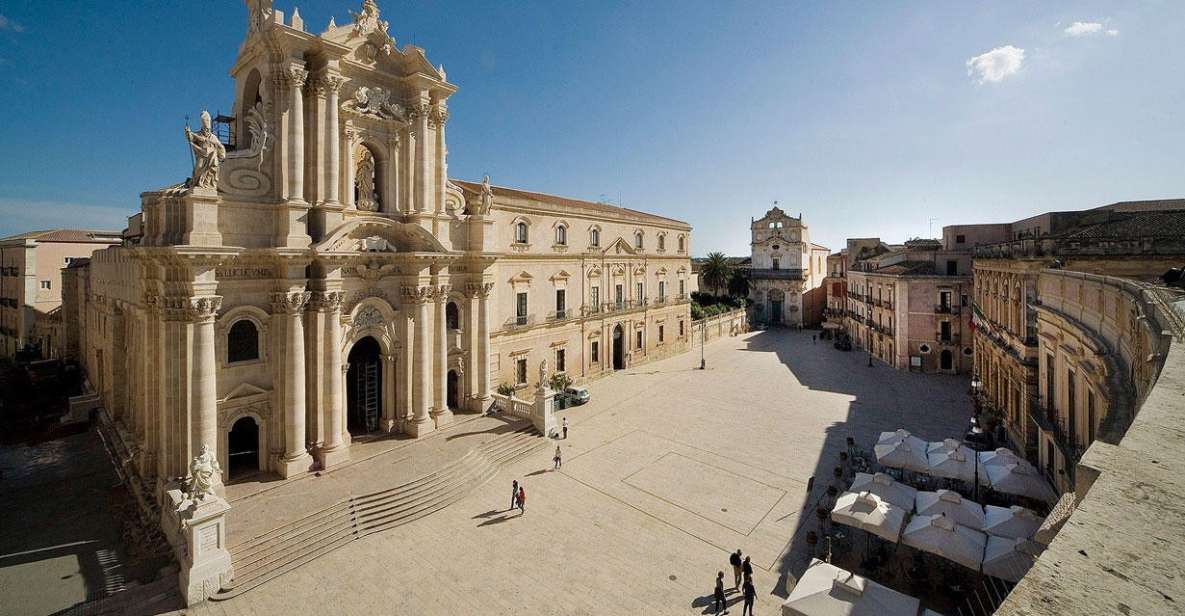
- Ortigia Island: guided walking through alleys that date back over 2,000 years, including the cathedral area
- Noto’s Baroque stonework: palaces and facades often described as a real photo magnet
- Multiple-language guides: English, French, Italian, Spanish, with guides who handle switching languages on the fly
- Built-in free time: about 2.5 hours in Syracuse province and 2 hours in Noto for breaks and wandering
Why Syracuse and Noto make a strong one-day pairing
This is the kind of day trip that works because it has two different “Sicily” vibes. Syracuse gives you the older story: ruins tied to the long, complicated history of the city. Then you shift gears to Noto, where the dominant mood is 18th-century style—Sicilian Baroque in stone, meant to be seen up close and photographed from angles that catch the light.
The big value is that the tour doesn’t just drop you at viewpoints. It sequences the stops in a way that makes sense: you start with archaeology, then you slow down for street-level history on Ortigia, and finish with the curated-feeling architecture of Noto. You’ll also get a guide to point out what matters, which is especially helpful when you’re dealing with ancient sites that can feel like “rocks everywhere” if you don’t have a map in your head.
Also, you’re not stuck only in guided mode. You’ll get free time—enough to breathe, grab a snack, and wander without feeling like you’re always late for the next photo stop.
You can also read our reviews of more historical tours in Catania



Neapolis Archaeological Park: tickets, partial sights, and good walking shoes
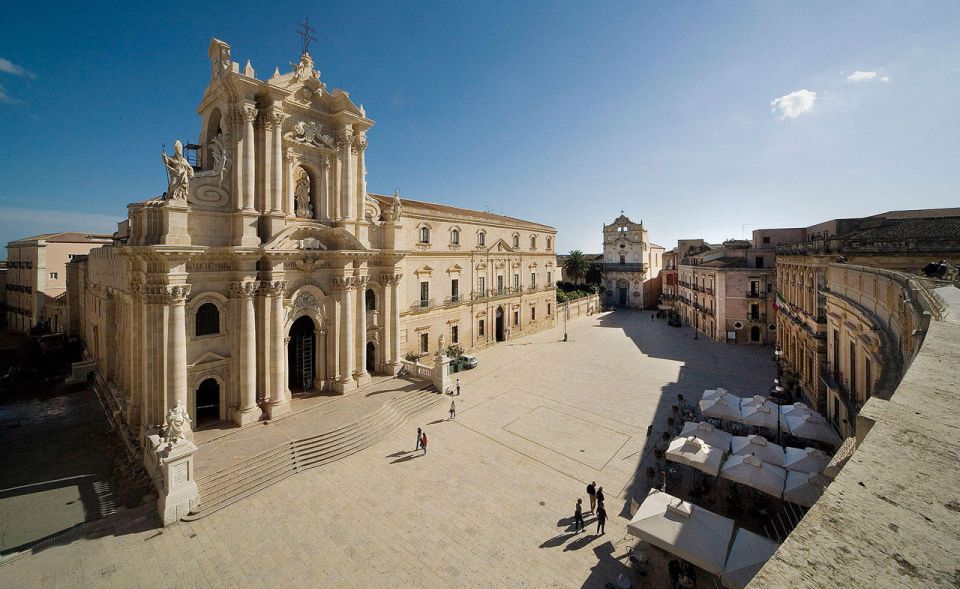
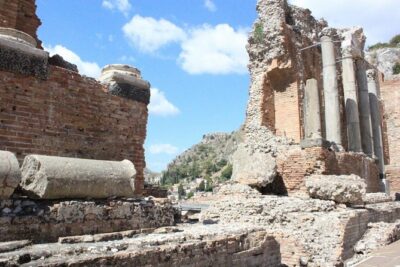
Neapolis Archaeological Park is where the day earns its history credit. This area is known for archaeological finds tied to several periods of Syracusan history, and you’ll start your visit there with a guided component and time to explore. The entrance ticket is not included, so treat this stop as one where you’ll either buy in advance (if you prefer) or budget a moment at the ticket area.
Practical advice: when you arrive, take a minute to understand the layout before you start walking. One common frustration here is that the ticket-office map can be confusing, and it’s easy to miss part of what you paid to see. If your group splits or you’re given instructions, ask the guide to point out the main route so you don’t spend the day backtracking.
You should also expect a bit of “site reality.” On some days, parts of Neapolis can be under maintenance, and visibility of certain features (like theater sections) may be reduced. There’s also at least one documented closure of a named attraction in a particular season. The lesson for you: don’t assume every labeled sight will be fully open. If you’re the type who needs every stop on a checklist, build in flexibility.
For comfort, wear shoes that handle uneven ground. Even if you’re not doing a long hike, archaeology parks tend to mean stone steps, slopes, and ground that isn’t always smooth.
Ortigia Island: cathedral stop, 2,000-year alleys, and how to use your free time
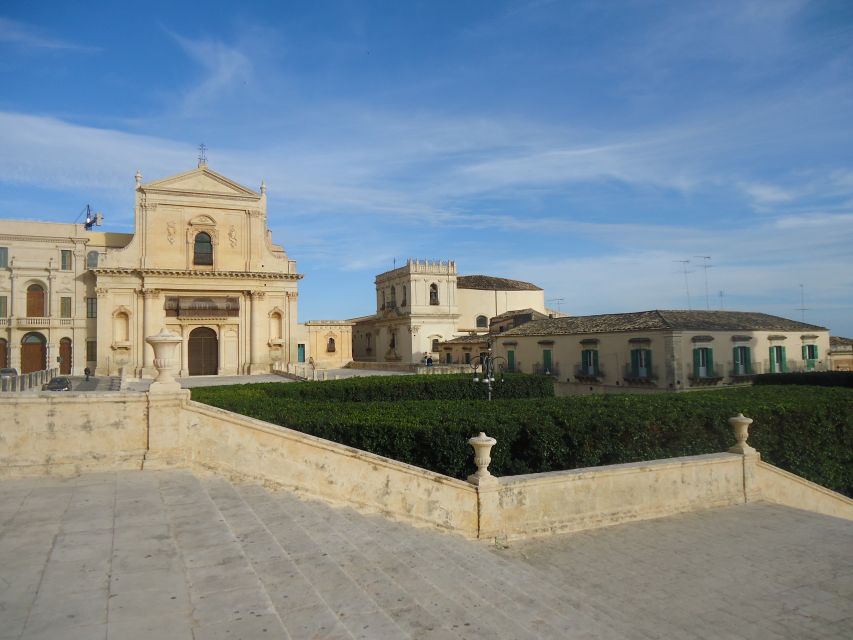
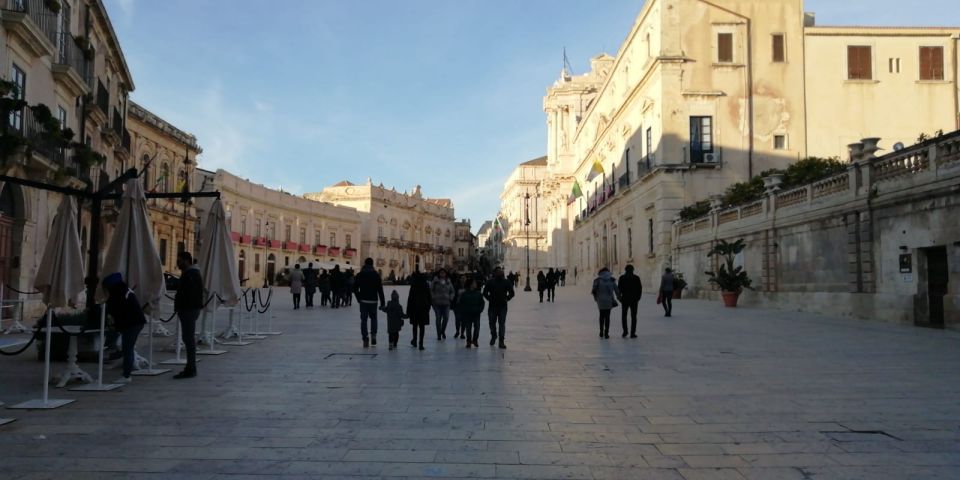
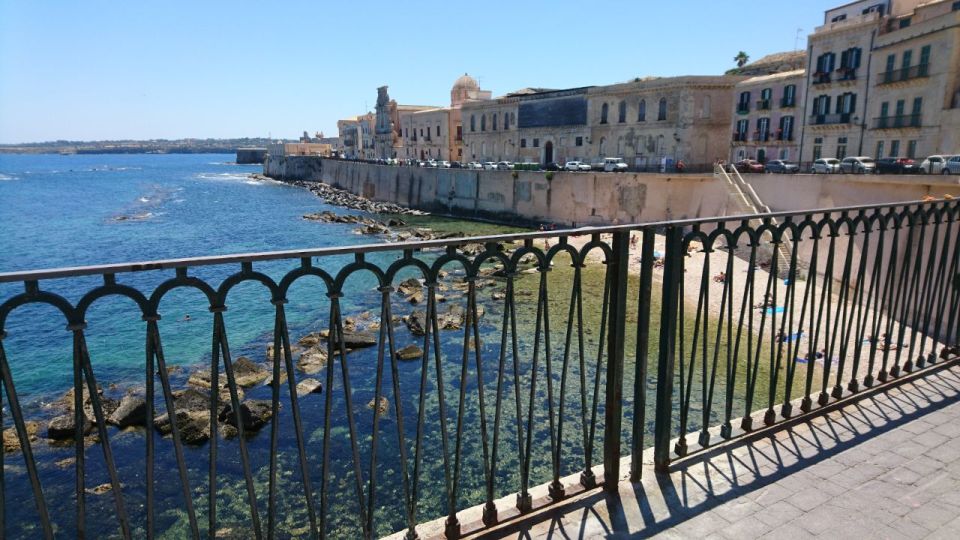
After Neapolis, you head to Ortigia, the historic center of Syracuse on the island itself. This is where the tour shifts from “ancient ruins” to “ancient city life,” because you’ll walk through alleys described as over 2,000 years old. It’s the kind of place where you can feel the timeline in the street walls and the way buildings press close to each other.
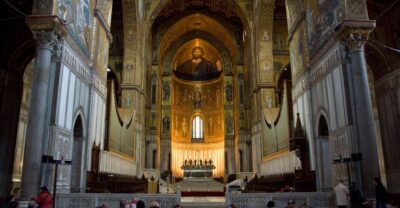
A highlight is the stop near the cathedral area—called out as spectacular. Even if you don’t go deep inside (since your exact access can vary by day), the exterior presence and the surrounding streets are worth your attention. Ortigia also tends to offer a mix of views, small lanes for quick photo pauses, and enough variety that you won’t feel like you’re repeating the same street scene every five minutes.
How to use your time here: treat the guided portion as your “orientation walk,” then use the free time to explore without rushing. If crowds are heavy on your date, don’t try to force speed. Pick a short loop you like—one market street, one waterfront-direction lane, and one main square vibe—then settle in. One review context included major events making Ortigia feel packed, so if you travel during big-city weeks, plan to accept slower walking.
Food-wise, this is one of the easiest places in the day to keep things flexible since lunch and drinks are not included. If your day includes walking to a set lunch option, it’s smart to check pricing and don’t feel pressured to stay if something feels off. The free time is there so you can choose a meal that matches your budget and your hunger level.
Noto’s stone garden: seeing Sicilian Baroque without feeling rushed
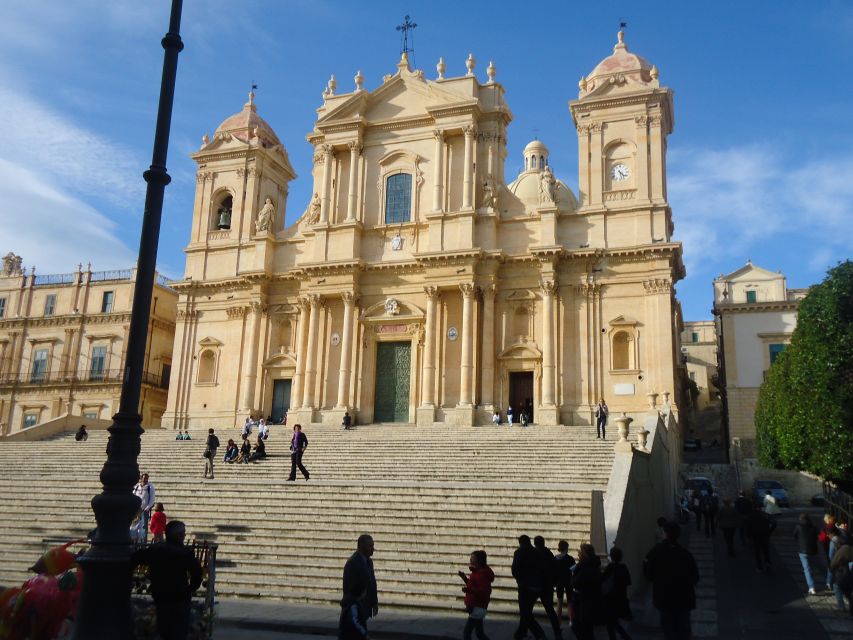
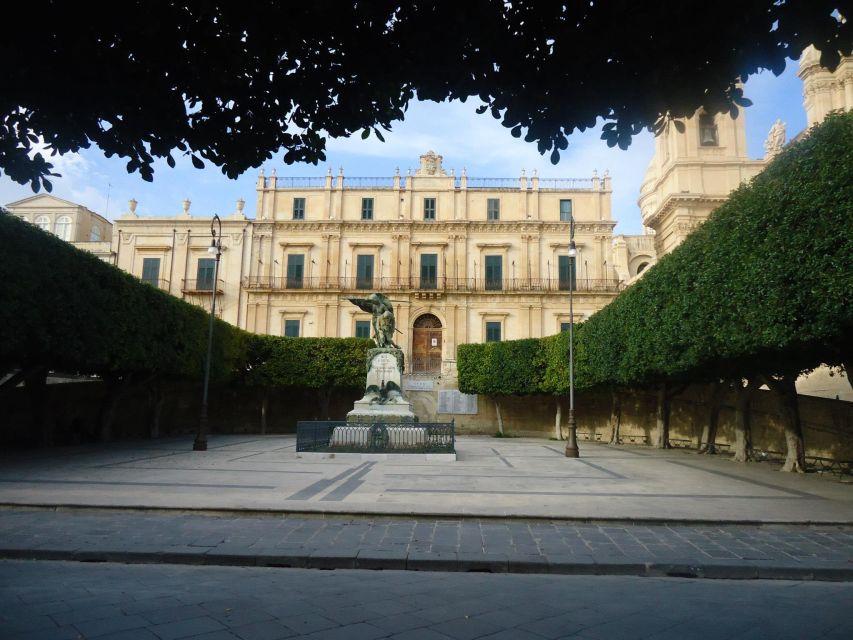
Noto is where Sicily turns theatrical. The tour describes it as having some of the most beautiful examples of Sicilian Baroque, and the town is often called the stone garden because the palaces and facades look designed to be viewed slowly. This is not “one building and done.” It’s a city that rewards walking, noticing details, and letting your eyes travel across the architecture.
You’ll get a guided portion plus about 2 hours of free time. That matters because Baroque façades are all about perspective. The best parts are often angles you only notice if you stop, turn a corner, and back up a step or two.
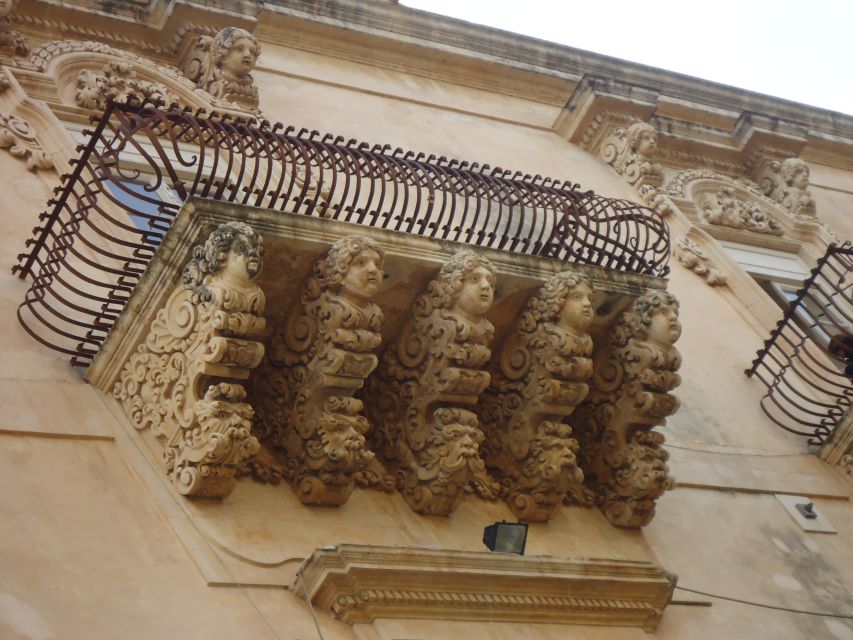
If you love photos: Noto is built for them, but don’t spend the whole time shooting wide angles from one spot. Instead, get one wide shot, then move to smaller street-level details—balustrades, sculpted corners, and the way light bounces off pale stone. It feels like a different city every ten minutes.
If you’re less into architecture: that’s fine. The payoff here is simply how the town feels to walk through. Even if you skip some “detail hunting,” the overall effect is still strong.
One timing note: you’re starting Noto after a transfer from Syracuse province, so you’ll want to be ready for a slightly compressed rhythm. In other words, don’t plan a long contemplative essay-writing session. Plan for short pauses, good walking breaks, and a relaxed pace.
Van logistics from Catania: pickup timing, comfort, and hearing your guide
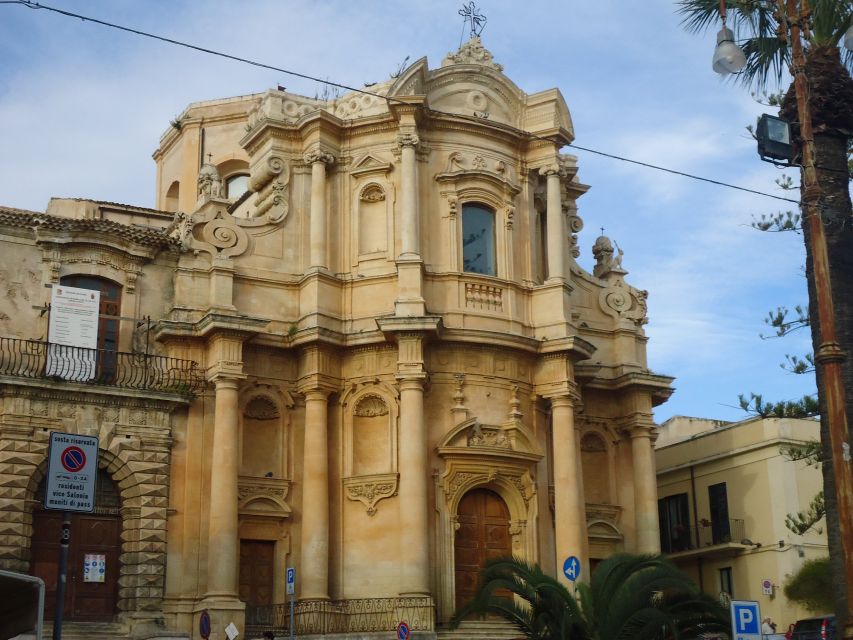
The tour runs from Catania with hotel pickup and drop-off included. Pickup happens at accommodations in areas reachable by the vans, and for pedestrian-only areas, a pickup point is arranged close to your lodging. A practical detail: pickup usually occurs within 15 minutes of departure time.
On the route timing, you should expect travel days to feel like a day trip, not a leisurely vacation stroll. The plan includes:
- about 1 hour in transit early on
- guided time and free time in Syracuse province
- around 40 minutes between Syracuse area and Noto
- about 1 hour back to Catania
As for comfort: some departures have older vehicles and can feel warm or noisy depending on conditions. If you can, grab a seat where you can hear the guide best and stay patient if doors rattle or the vehicle needs minor adjustments. One review-like theme was that hearing can be harder in the car, so if you’re sensitive to loud traffic noise, be prepared to lean forward and concentrate.
Also, if you need extra clarity at the ticket moment, don’t be shy about asking. A small confusion about ticketing and the next walk can cost time, and that’s exactly the time you’d rather spend in Ortigia lanes or at Noto viewpoints.






What the $80.89 price includes, and what costs extra
At $80.89 per person, this tour can be good value if you like guided structure and you don’t want to coordinate transfers yourself. You’re paying for:
- hotel pickup and drop-off
- transfer service by van
- a multilingual live guide (English, French, Italian, Spanish)
What’s not included is important:
- entrance ticket to the Archaeological Park of Neapolis
- food and drinks
So your true day cost depends on how you handle meals and whether you decide to add anything extra in town. The key is that food and drinks are on you, but the free time in Syracuse province and Noto gives you space to choose how to eat.
My practical way to think about value: if you’d otherwise take public transport and then try to stitch together Neapolis + Ortigia + Noto on your own, you’d likely spend time figuring out schedules and meeting points. Here, the transfers and the guide do that thinking for you. You pay a bit of money for convenience, and you get a smoother flow between stops.
Just remember the extra ticket at Neapolis. If you budget for it before you go, you won’t have that last-minute “surprise add-on” feeling.
Who should book this Syracuse and Noto tour

This is a strong fit if you want:
- a guided day that hits Syracuse and Noto with minimal logistics stress
- enough free time to wander Ortigia and Noto on your own
- a guide who can explain history and architecture across languages
It’s also a good choice if you like a “see a lot, but don’t sprint” style. Many guides praised for humor and flexibility suggest this tour tends to stay human-sized rather than rigid.
You might skip it if:
- you need maximum comfort in the van every minute (vehicle conditions can vary)
- you’re the type who requires every single attraction to be fully open and perfectly visible (some site sections can be under maintenance)
- you dislike guided group constraints around key moments like ticketing and lunch
If you’re comfortable doing parts independently, you can always think of this as a guided framework plus your own wandering time. That’s often the sweet spot: you use the guide for orientation and context, then you take over for your favorite streets.
Should you book this Syracuse and Noto tour?
Yes, if your priority is a structured one-day hit of Syracuse’s ancient roots and Noto’s Baroque beauty without wrestling with transfers. The combination of Neapolis + Ortigia + Noto in one day is exactly the kind of route that’s hard to replicate smoothly on your own—especially if you appreciate a guide who can make multiple languages work.
Be cautious if you’re extremely sensitive to van comfort or if you’re traveling with strict mobility needs, because getting in and out of the minibus can be a factor. Also, if Neapolis visibility or closures would ruin the whole trip for you, keep expectations flexible and plan to enjoy what is accessible.
FAQ
How long is the Syracuse and Noto Culture and History tour?
The tour duration is 8 hours. Starting times can vary, so check availability for the times offered.
Is hotel pickup and drop-off included?
Yes. The tour includes hotel pickup and drop-off from Catania and surrounding areas reachable by the vans.
What language options do the guides speak?
The live tour guide is available in English, French, Italian, and Spanish.
Do I need to pay for entrance tickets during the tour?
Entrance tickets to the Archaeological Park of Neapolis are not included, so you should expect an extra payment for that site.
Is food included in the tour price?
No. Food and drinks are not included, so you’ll need to plan your own meals during the free time.
How much free time do you get in Syracuse and in Noto?
You’ll have free time of about 2.5 hours in the Syracuse province area and about 2 hours in Noto.
Where does the tour start and end?
It starts with pickup in Catania and ends with a transfer back to your pickup location in Catania.
Is there free cancellation?
Yes. You can cancel up to 24 hours in advance for a full refund.