REVIEW · SYRACUSE
Tecnoparco Archimede Museum Exhibition Ticket
Book on GetYourGuide →Operated by Tecnoparco museo di Archimede · Bookable on GetYourGuide
Ancient tech can be weirdly fun. This small Sicilian museum turns Archimedes from a school name into something you can actually see working. I love how the tour pairs story with hands-on clarity, and the 1:1 natural-scale replicas make the engineering feel real instead of theoretical. One thing to plan for: you’ll be walking and looking closely, so on bright hot days you’ll want to pace yourself and find shade when you can.
What makes this ticket worth your time is the mix of guided explanation and big visual impact. You follow Archimedes through a set of six themed areas, including his wartime inventions meant to defend Syracuse from the Romans, then you end with the famous ideas like burning mirrors and water clocks. A possible drawback: this is a permanent exhibition, so if you’re only after a short photo stop, it may feel more like learning than wandering.
In This Review
- Key things that make this visit click
- Archimedes Comes Alive With Full-Scale Machines
- The 1-Day Flow: What You’ll See and Why It Matters
- Six Thematic Areas: The Museum’s Best Teaching Tool
- 1) Educational Section on Levers
- 2) Archimedean War Machines: Siege Tools and Tactics
- 3) Lifting Machines: Cranes and Manus Ferrea
- 4) Hydrostatics: Screws, Experiments, and Archimedes Principle
- 5) Burning Mirrors: Two Models of a Legendary Idea
- 6) Water Clocks and Applications
- Guided Explanations That Keep You Oriented
- Replicas at 1:1 Scale: Why Size Changes Everything
- Price and Value: What $9 Buys You in Real Terms
- Who Should Book This Experience (and Who Might Skip It)
- Practical Tips for a Smoother Visit
- Should You Book? A Simple Call
Key things that make this visit click
- 1:1 scale replicas that help you judge size, weight, and mechanisms the right way
- A guided tour in Italian and English with a scientific guide
- Six themed zones: levers, war machines, lifting systems, hydrostatics, burning mirrors, and water clocks
- A clear through-line: defense of Syracuse during Roman attacks
- Audio guides in multiple languages to keep everyone following
Archimedes Comes Alive With Full-Scale Machines
If you’ve ever read about Archimedes and felt like the details got lost, this museum fixes that. The Tecnoparco Archimede setup is built around replicating the machines and experiments tied to him and his era. You’re not just looking at diagrams—you’re seeing what those devices were, what they did, and why people cared.
I like that the visit is guided. A good guide can take a topic that sounds abstract—like levers, screws, or catapults—and translate it into plain cause and effect. Even better, the tour is designed to run in Italian and English with a scientific guide, so the explanation stays grounded instead of drifting into vague storytelling.
You should also be ready for a museum that asks your attention. There’s a lot to take in across six thematic areas, and the war machines alone include several named devices. Go with the mindset of learning a few big concepts well, not collecting trivia.
You can also read our reviews of more tours and experiences in Syracuse.

The 1-Day Flow: What You’ll See and Why It Matters
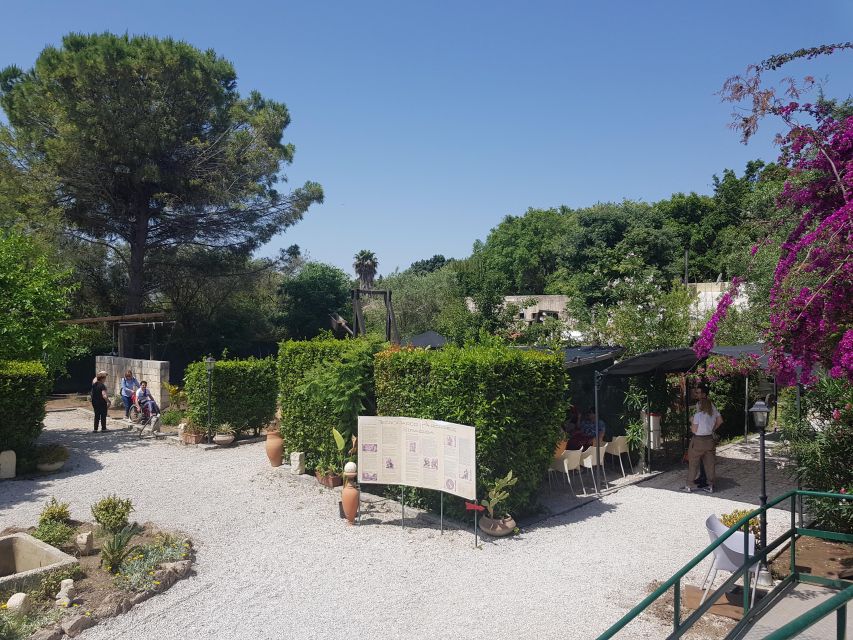
This is a one-day permanent exhibition ticket, and you’ll move through the same core areas in sequence. That structure matters because it mirrors how engineering ideas connect: simple force tools (levers and pulleys) lead into lifting and transport systems, which then lead into siege warfare tools, and finally into water-based technologies and the famous burning mirror concept.
Here’s the practical shape of the experience: you start with the basics of mechanical advantage, then you get hit with the war section, then you come back to more controlled engineering like cranes and screw systems. Ending with burning mirrors and water clocks gives you a satisfying arc—Ancient science wasn’t only about battles. It was also about measurement, control, and practical devices.
Six Thematic Areas: The Museum’s Best Teaching Tool
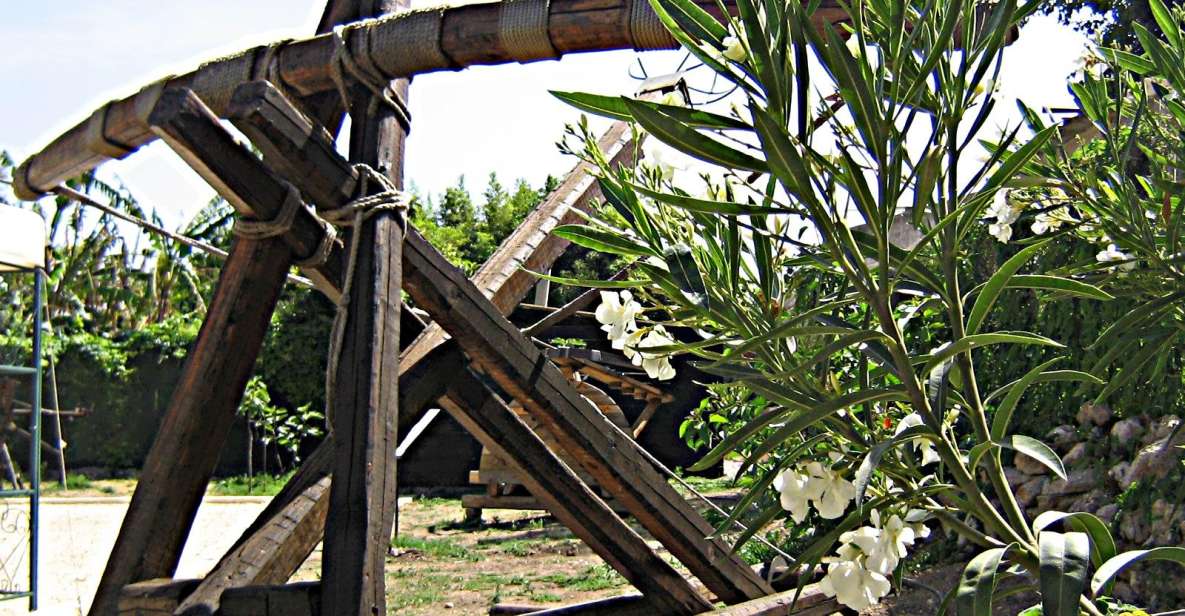
You’ll encounter the exhibition in six labeled zones. Each one is a self-contained lesson, but they connect as you go. You’re basically walking through a short course in ancient engineering.
1) Educational Section on Levers
The first zone focuses on levers, pulleys, and winches. This is the kind of start that makes the rest of the museum easier to understand. Levers are where you learn how small movements can create big results, and pulleys and winches add the idea of redirecting force.
What I like here for visitors: this section gives you mental “handles.” Once you grasp how force is transferred, later devices—like lifting machines and siege tools—stop feeling random.
A minor consideration: if you’re already an engineering nerd, you might find this part more straightforward than the war machinery. Still, it’s useful context.
2) Archimedean War Machines: Siege Tools and Tactics
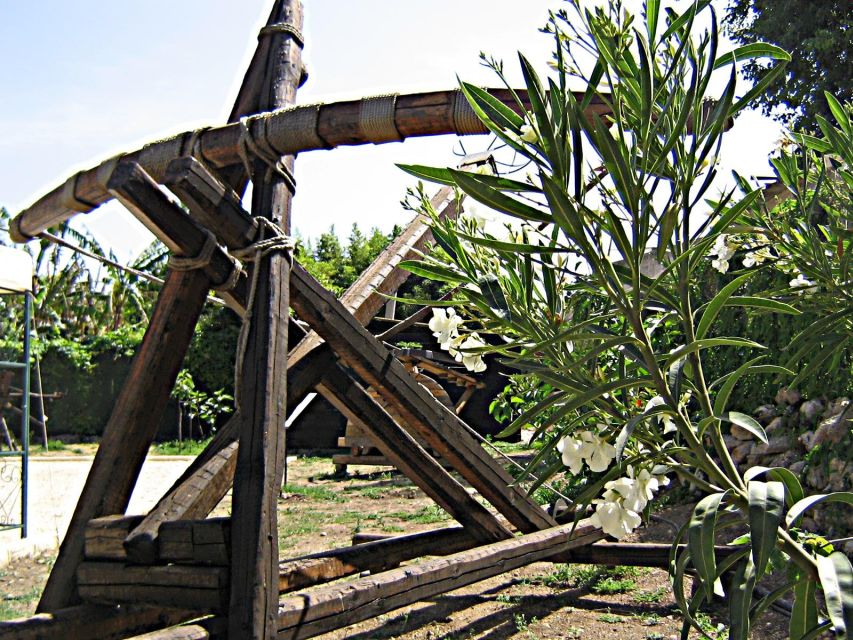
Next comes the part many people remember. This section is dedicated to Archimede’s war machines, and it includes the catapult, ram, crossbow, scorpion, onager, and ballista. Seeing these as full-size replicas helps you understand that siege tech wasn’t one gadget. It was a system of weapons, each with a role.
The tour also emphasizes how Archimedes and his approach helped defend Syracuse from the attack of the Romans. That matters because it turns the machines into decisions—why build this device instead of that one, and how timing and placement can change outcomes.
Practical note: this is where kids often pay attention hardest, because the machines look dramatic and specific. The staff are set up to explain clearly, including for families.
You can also read our reviews of more museum experiences in Syracuse

3) Lifting Machines: Cranes and Manus Ferrea
Then you move into lifting technology: two types of cranes plus manus ferrea. Lifting matters in a siege and in construction. The museum uses these replicas to show that moving heavy loads isn’t magic. It’s leverage, structure, and controlled mechanical advantage.
If you’re the kind of visitor who likes “how it works” more than “what it looks like,” this zone tends to reward you. You can compare crane types and think about what each one would be good at.
4) Hydrostatics: Screws, Experiments, and Archimedes Principle
The next zone is Hydrostatics, and it’s a big one. You’ll see the Archimedes screw and experiments on the Archimedes principle, along with Corobats, plus presses and worm screws.
This is where the museum becomes less about battle and more about controlled engineering. The Archimedes screw alone is a perfect example of ancient technology solving a practical problem—moving water efficiently. Add worm screws and presses, and you start seeing patterns: screw geometry as a repeatable solution.
You might notice how the tour uses this section to connect concepts across time. It’s not just about one famous invention. It’s about a way of thinking.
5) Burning Mirrors: Two Models of a Legendary Idea
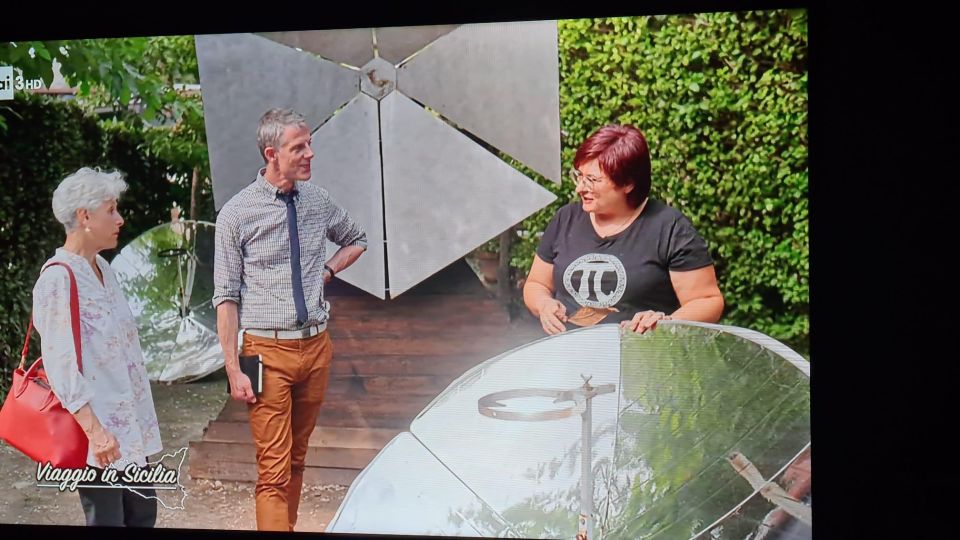
The burning mirrors area is dedicated to Archimedes’ most famous concept. You’ll admire two different models of the device. Even if you already know the story, the fact that there are multiple models is important. It invites you to compare design choices and ask what changes when you scale or adjust the concept.
This is also a good section for curious visitors who like debates. The setup encourages you to view the idea as engineering and experimentation rather than only legend.
6) Water Clocks and Applications
The last section covers water clocks and various applications of the Archimedes screw. This ties back to measurement—timekeeping and controlled water systems. It’s a neat reminder that ancient science wasn’t only about war. People needed clocks, schedules, and repeatable timing tools.
For many visitors, this ending lands well because it feels “everyday.” After all the dramatic machinery, you end with a device tied to daily life.
Guided Explanations That Keep You Oriented
A lot of museums have signs. This one is built around guidance. You get a live tour in English and Italian with a scientific guide, plus a multilingual audio guide rental option that lists English, French, German, Russian, Spanish, and Portuguese.
That combination is especially helpful if you’re traveling with mixed language levels. You can rely on the guide for the main thread and use the audio guide to fill in details at your own pace. It also makes the six-zone layout easier, because you’re not guessing what matters most in each stop.
If you’re there with kids, look for the kind of interactive explanation that keeps questions coming. Guides like Erika and Martina are mentioned as particularly enthusiastic and prepared, and that energy is exactly what makes the machines feel understandable instead of intimidating.
Replicas at 1:1 Scale: Why Size Changes Everything
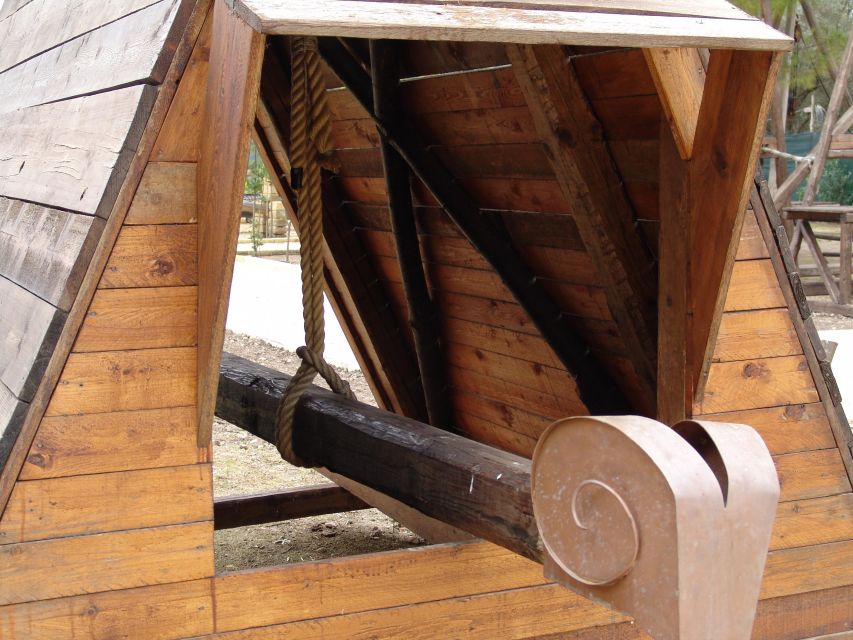
The museum’s most practical feature is the 1:1 natural scale replicas. When you see a lever or a siege device at real size, you instinctively learn what’s plausible. You start thinking about crew size, how much force is needed, and why certain mechanisms are shaped the way they are.
Scale helps with two things:
- Understanding mechanical advantage without doing math
- Grasping human effort—who could operate it and what would be required
This matters because ancient engineering often gets treated like a concept. Here, it becomes a physical reality.
And honestly, it’s hard to stay bored around objects that large and that specific.
Price and Value: What $9 Buys You in Real Terms
At about $9 per person for a 1-day guided visit, this ticket is strong value if you like learning with visual proof. You’re paying for more than entry: you’re paying for a guided tour, scientific explanations, multilingual audio support, and the chance to see full-size replicas across six themed areas.
The value equation gets better because the visit covers both big-name ideas (burning mirrors, Archimedes screw) and “supporting cast” topics (levers, cranes, hydrostatics, water clocks). Many attractions focus on one hero invention. This spreads your time across a whole engineering toolkit.
If you’re budgeting for Sicily, this is the kind of stop that can work well on a day when you want culture that isn’t just stone and views.
Who Should Book This Experience (and Who Might Skip It)
This experience is ideal if you:
- Like science that’s explained through real objects
- Want a family-friendly museum experience that holds attention
- Are fascinated by ancient defense and siege tactics
- Enjoy mechanisms: levers, screws, cranes, and water systems
It might be less satisfying if you want a quick wander with minimal focus. Because the six areas are structured and guided, it’s best to go ready to listen and look.
Also, plan for weather. One simple tip you’ll thank yourself for: on hot Sicilian days, think about shade breaks and pacing. That kind of practical advice matters more here than you might expect.
Practical Tips for a Smoother Visit
- Wear comfortable shoes. You’ll be moving between themed zones.
- Bring sun protection if you’re visiting in warm months, and take shade breaks when you spot them.
- If you’re not traveling as a single-language group, use the audio guide to catch the parts the live guide emphasizes.
- If you’re traveling with kids, lean into the question-and-answer side of the tour. The explanations are designed to keep younger visitors engaged.
Wheelchair accessibility is listed, and the tour format works as a private group, which can be a plus if you value less rushing and more direct attention.
Should You Book? A Simple Call
Book it if you want to understand Archimedes through working-scale machines, not just read about them. For a low price and a full day of guided explanation, the museum gives you a rare mix: war tech, hydrostatics, and timekeeping all in one place.
Skip or reconsider if you only want a brief photo stop or you prefer museums with lots of wandering freedom and minimal instruction. This is a learning tour built around specific themes, so your enjoyment will depend on whether you like that kind of structure.
If you’re the type who thinks: show me how it works—that’s exactly the visitor this museum was built for.