REVIEW · SICILY
Underwater Archaeology Course
Book on Viator →Operated by Dive Sicily · Bookable on Viator
If you like learning by doing, this one’s for you.
This underwater archaeology training in Sicily mixes classroom instruction, practical measuring/search skills, and in-water practice so you leave with real fieldwork habits—not just a sightseeing story. I especially like the way the day flows from basics to application, and then onto shore with notes and drawings that feel like the start of actual research.
The standout for me is that you get full equipment rental plus a digital underwater archaeology manual, museum entry, and even underwater pictures and video. The only real drawback to consider is the course depends on good weather, so your plan may shift if conditions aren’t right.
In This Review
- Key highlights you can plan around
- A 5-hour underwater archaeology course built around real fieldwork
- Classroom history and the “why” behind underwater archaeology
- Outdoor practice: search and measuring techniques you’ll actually use
- Two in-water practice sessions plus a look at underwater heritage
- Shore debrief: fieldnotes and drawings that make the day stick
- What’s included: equipment, manual, museum entry, and photo/video
- Price and value: $270.39 for a structured, equipment-supported course
- Where it starts in Sicily and how to plan your day
- Who should book this course (and who might hesitate)
- Quick practical tips for a smoother training day
- Should you book this underwater archaeology course in Sicily?
- FAQ
- How long is the underwater archaeology course in Sicily?
- Where does the experience start and end?
- What’s included in the price?
- Do I receive a PADI certification card?
- Do I need scuba experience beforehand?
- What’s the group size limit?
- What happens if weather is poor?
Key highlights you can plan around
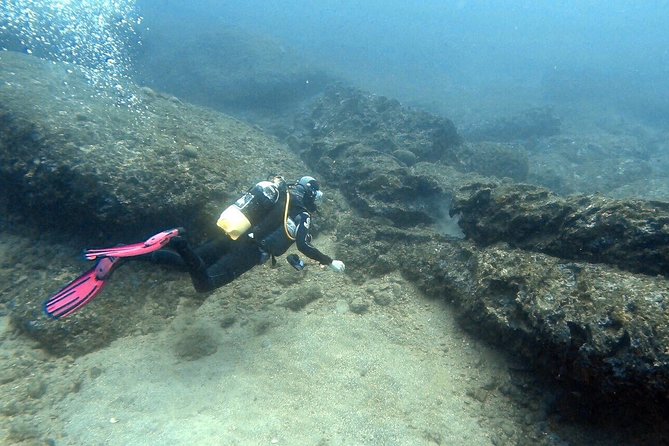
- Classroom history plus field techniques before you ever get in the water
- On-shore practice with the same search and measuring ideas used in research
- Two in-water practice sessions to apply what you learned
- Fieldnotes and drawings during a detailed shore debrief
- Museum fee included so you can connect what you saw with why it matters
- Hotel pickup and return plus included underwater photo/video
A 5-hour underwater archaeology course built around real fieldwork
This isn’t an all-day “stand and watch” experience. The whole format is designed like a mini field day: teach the core methods, practice them, then document what you did. You’re in Giardini-Naxos (near Naxos and Taormina), and the timing is tight—about 5 hours—so you’ll want to arrive ready to work, not wander.
I like that the day is structured enough to feel organized, but still hands-on. You’re not just learning terms; you’re using techniques. And because the group tops out at 15 people, it stays personal enough that you can ask questions when something doesn’t make sense.
If you’re taking a solo trip, this can also work well. With a small group, you’re paired with the instructors and your classmates naturally, so you’re not stuck feeling like you need to fill conversation gaps.
You can also read our reviews of more tours and experiences in Sicily.

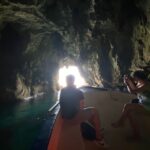

Classroom history and the “why” behind underwater archaeology
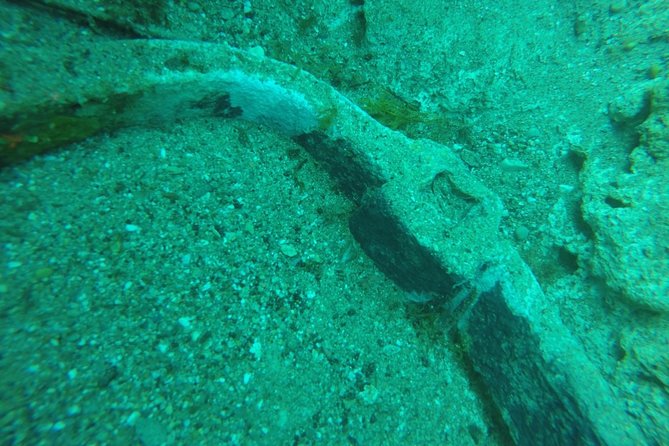
You start with a classroom session that gives you a brief history of underwater archaeology—where it came from and why it matters. That context is more useful than it sounds. When you understand the purpose of documenting sites, you approach the in-water practice with a different mindset: careful, observant, and methodical.
In this first block, you’ll also learn the basic techniques used in underwater archaeology training. The goal is simple: help you understand how search and measurement work, and how underwater observations turn into usable documentation.
I like that the classroom isn’t treated like a formality. It’s there to set up the next steps, including the practical skills you’ll run later outdoors and then in the water.
Outdoor practice: search and measuring techniques you’ll actually use
After the classroom time, you move outdoors and practice the standard search and measuring techniques used in this kind of research. This matters because it bridges the gap between “learning” and “doing.” You get a chance to make mistakes, ask for corrections, and get comfortable with the workflow before you’re dealing with underwater conditions.
Think of this part as your foundations. The more you understand the basic methods on land, the smoother your in-water practice will feel. It also helps you stay calm in the moment, since you’re not learning everything brand-new while you’re focused on buoyancy, breathing, and the environment.
And since you’ll be doing fieldwork-style documentation later, the outdoor practice helps you build the habit of recording what you notice—not just looking at the water like it’s a photo postcard.
Two in-water practice sessions plus a look at underwater heritage
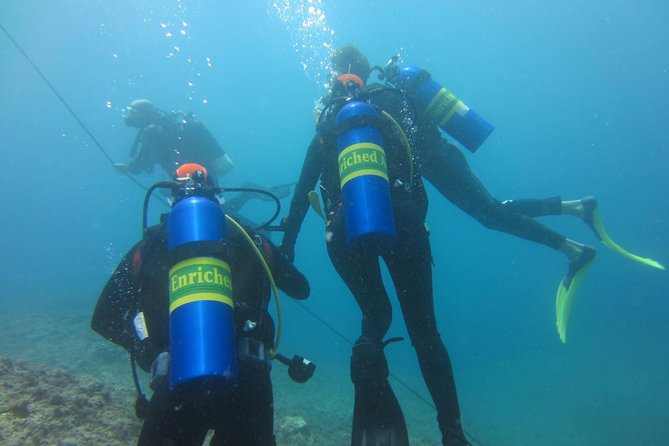
Next comes the in-water portion. The structure is straightforward: you get two in-water practice sessions to apply what you learned. You’re practicing the skills, not just hovering around for views. This is the part where the day becomes real, because technique turns into action.
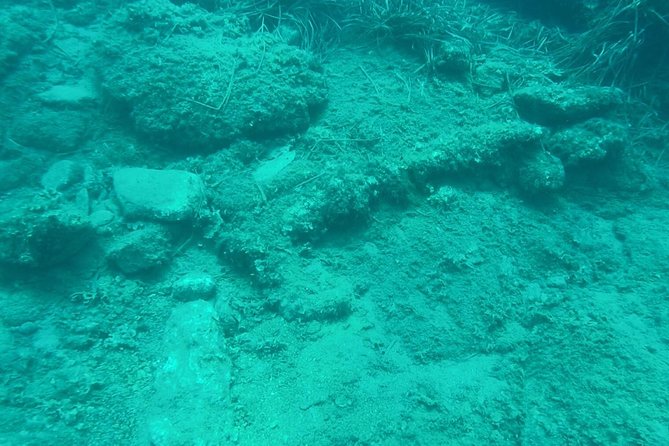
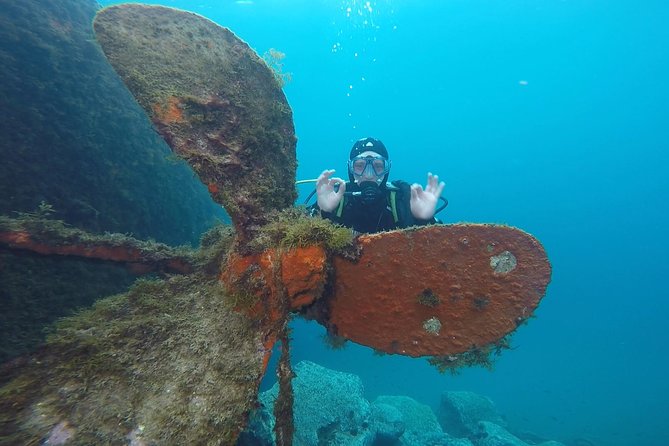
Then there’s an additional special in-water experience focused on underwater heritage. The point isn’t only the scenery—it’s connecting what you learn with the sites and material being studied. You’ll come away with a stronger sense of how archaeology differs from casual exploration: you’re watching for evidence, and you’re thinking like someone documenting a site.
A practical consideration: you’re doing real training. That means you should bring a patient attitude. Even when you’ve got good fundamentals, the in-water environment adds complexity—so it helps to listen closely, follow directions, and keep moving step-by-step with your instructors.
Shore debrief: fieldnotes and drawings that make the day stick
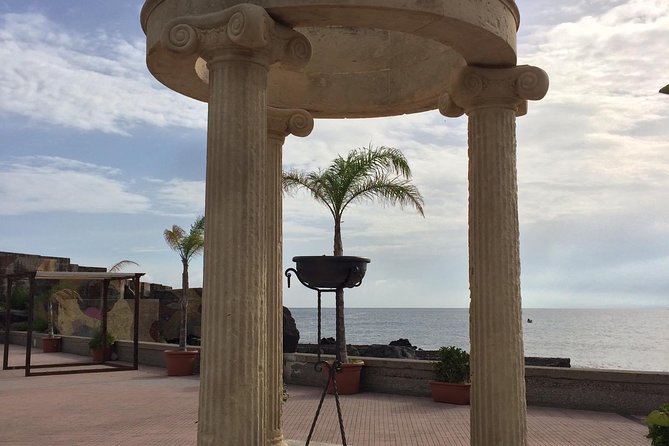
Back on shore, you get a detailed debriefing. This is one of the most valuable parts of the whole experience, because it turns short-term practice into something you can review later. You prepare fieldnotes and drawings to document what you did and what you observed.
This part is also where the program feels most “archaeology” and least “activity.” Lots of experiences end with photos. This one ends with documentation habits. Even if your drawings are more like sketches than museum-grade diagrams, the process teaches you how to capture information clearly.
I like that you’re guided through creating records. It helps you understand what counts as useful documentation: observations, measurements, and how you represent what you saw in a way that can be interpreted later.
If you care about local history (and who doesn’t when in Sicily?), this is where the day clicks. You see how the techniques connect to preserving evidence for the future.


What’s included: equipment, manual, museum entry, and photo/video
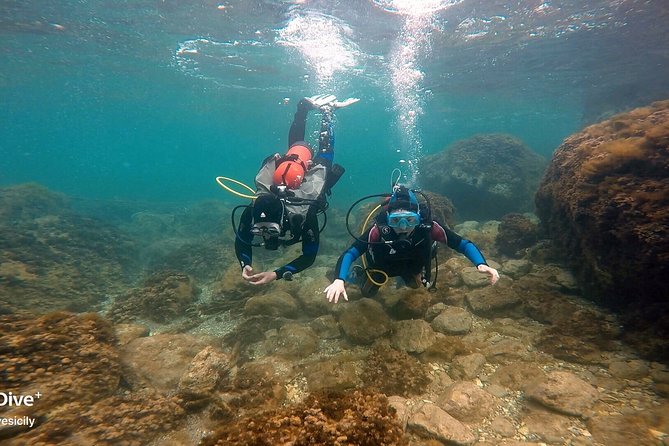
The included list is solid for the price, because it covers the stuff that usually costs extra or takes extra coordination.
Here’s what you get:
- Full equipment rental
- A digital underwater archaeology manual
- Use of special underwater archaeology instruments and equipment
- Archaeological museum fee entrance
- Free underwater pictures and video
- Pick-up and drive back from your hotel
That museum entry is especially valuable because it anchors the course in context. You’re not just learning methods in a vacuum. You get time connected to the archaeological side—so the day feels like a coherent story, not random training segments.
The photo/video option is also a nice perk. It helps if you want to remember what you experienced without losing time worrying about your camera while you’re focusing on technique.
One small note: the PADI certification card is issued upon completion, but the Padi license fee (around €65) is not included.
Price and value: $270.39 for a structured, equipment-supported course
At $270.39 per person, you’re paying for more than a single activity. You’re paying for a guided training format that includes equipment rental, a digital manual, specialized instruments, museum entry, and hotel transport. That combination can be great value, especially in a place where logistics can otherwise eat your time.
The big “value check” is what’s excluded. The only clearly stated not-included cost is the Padi license fee (about €65). So if you’re budgeting for certification paperwork, factor that in. If you’re hoping for a no-surprises total cost, this is the one line item to watch.
Also note this course is commonly booked about 30 days in advance. If your trip is tight, you’ll want to reserve early so you can match a date that has weather on your side.
Where it starts in Sicily and how to plan your day
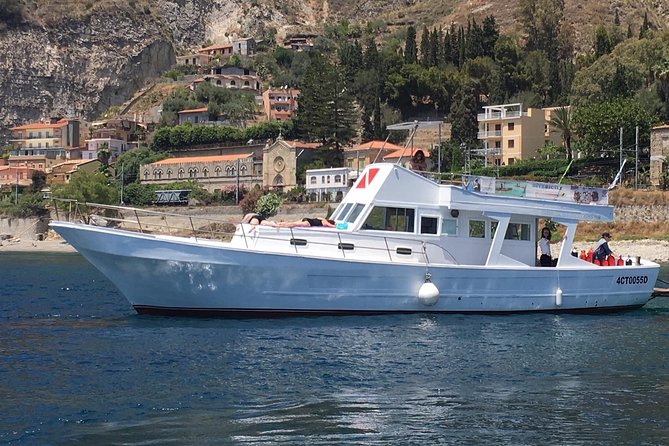
The course start point is in Giardini-Naxos, at the Porto di area (near Naxos and Taormina). The experience ends back at the meeting point, so you’re not stuck figuring out how to get home after the in-water portion.
Two planning tips that help:
- Arrive with enough time to settle in before equipment and instruction begins. A tight day is easier when you’re calm at the start.
- Wear clothes you don’t mind getting damp in the transition between shore and water activities.
Since the tour is near public transportation and includes hotel pickup and return, you’ve got options. If you’re not staying in the pickup zone, the public transit proximity can still make your life easier.
Who should book this course (and who might hesitate)
This course is a strong fit if you want:
- Hands-on learning rather than passive sightseeing
- A real introduction to underwater archaeology methods
- A structured day that ends with fieldnotes and drawings
- A small group setting (maximum 15 travelers)
It’s also a good choice if you’re the type who likes understanding how research works, not just what’s underwater. The course format—history first, then techniques, then documentation—suits that mindset.
Who should pause? If you’re easily disappointed by schedule changes, know the experience requires good weather. The operator states that if it’s canceled due to poor weather, you’ll get offered a different date or a full refund.
Also, consider your comfort with training environments. Since the day includes in-water practice and scuba-related instruction, it’s best for people ready to follow safety guidance and learn new skills step-by-step.
Quick practical tips for a smoother training day
Here’s how to set yourself up for success without overthinking it:
- Bring a pair of dry clothes for after the shore portion.
- Listen closely during the classroom and outdoor practice. The more you absorb the method, the easier the in-water sessions feel.
- Be ready to write and sketch during the shore debrief. You don’t need to be an artist; you do need to be attentive and honest about what you recorded.
If you have questions about your fit for the course, ask before booking. The info says most travelers can participate, but confirmation happens at the time of booking, so it’s smart to check details early.
Should you book this underwater archaeology course in Sicily?
If you want a memorable Sicily day that teaches technique—not just scenery—book it. This program gives you a clear structure: history and methods on land, practical searching and measuring, in-water training sessions, then a meaningful shore debrief where you produce fieldnotes and drawings. That combination is rare, and it’s exactly why it has such strong satisfaction.
I’d especially recommend it if you’re traveling solo and want a small-group, guided format with real instruction. You’ll get hotel transport, included equipment, museum entry, and free underwater photo/video so you’re not juggling logistics while trying to learn.
The only reason not to book is if you’re counting on one fixed weather-dependent date. If your schedule is flexible, this is a smart value for the mix of training, documentation, and included costs.
FAQ
How long is the underwater archaeology course in Sicily?
The course lasts about 5 hours (approx.).
Where does the experience start and end?
It starts at the Porto di area in Giardini-Naxos (98035), Sicily, and it ends back at the same meeting point.
What’s included in the price?
Included are full equipment rental, a digital underwater archaeology manual, use of special underwater archaeology instruments and equipment, archaeological museum fee entrance, free underwater pictures and video, and pick-up plus drive back from your hotel.
Do I receive a PADI certification card?
Yes. A PADI certification card is issued upon completion. The Padi license fee (around €65) is not included.
Do I need scuba experience beforehand?
The information says most travelers can participate, and the program includes classroom instruction and practical training so you can learn the basics and apply them during the in-water sessions.
What’s the group size limit?
The experience has a maximum of 15 travelers.
What happens if weather is poor?
The experience requires good weather. If it’s canceled due to poor weather, you’ll be offered a different date or a full refund.