REVIEW · SICILY
Syracuse’s Archaeological Park Private Walking Tour
Book on Viator →Operated by Prestelli Sicily Tours · Bookable on Viator
Syracuse’s ruins reward slow thinking.
This private tour in the Neapolis archaeological park is the fast route to seeing major Greek and Roman landmarks in just two hours, with a guide to connect the dots inside a UNESCO World Heritage site. You get a relaxed pace, easy group attention, and flexible tour times so you can slot it into your day in Siracusa.
What I like most is the way the guide turns stones into stories. Two highlights for me are the chance to understand the Greek Theatre area in context and to hear how the Latomie quarries and the Ear of Dionysius work as more than famous names. I also love the human touch of a private format, plus the fact that guides like Marco are known for adding legend, battles, and plant spotlights that keep it lively.
One consideration: the basic tour price does not include the park entrance ticket (it’s listed separately), and you’ll be walking the whole time, so wear real shoes and be ready for uneven ground.
In This Review
- Key things to know before you go
- Neapolis in Syracuse: what a private 2-hour tour gets you
- Price and value: what to budget for at the park
- Where you’ll start: meeting at Via Luigi Bernabò Brea
- The Greek Theatre zone: more than a big stage
- Nympheum fountain: a scenic pause with a purpose
- Latomie stone quarries: walking into the Ear of Dionysius world
- Roman Amphitheater: the Greek foundation, re-used and re-shaped
- Hilltop flora and panoramic views: finishing with perspective
- What makes the tour feel relaxed (and not rushed)
- Who this private Neapolis walk is best for
- Practical tips to make the most of the two hours
- Should you book this Syracuse’s Archaeological Park Private Walking Tour?
- FAQ
- How long is Syracuse’s Archaeological Park Private Walking Tour?
- Where do I meet the guide for the Neapolis park tour?
- Is the entrance ticket to Parco Archeologico della Neapolis included?
- What is included in the tour price?
- Is the tour offered in English?
- Is this tour really private?
- Is there a minimum number of adults?
Key things to know before you go
- Private, your pace: only your group, with personal attention and a friendly flow through the park.
- Two hours, real hits: Greek Theatre, Nympheum, Latomie quarries, Ear of Dionysius, Roman Amphitheater, plus hilltop views.
- UNESCO Neapolis focus: you’ll get context that makes the ruins easier to picture and remember.
- Marco-level storytelling: some guides (like Marco) share legends, battles, and on-site plant details.
- Safety basics provided: masks, protective gloves, and hand sanitizer are handed out at the start.
Neapolis in Syracuse: what a private 2-hour tour gets you
Neapolis is where Syracuse starts to make sense. You’re not just scanning columns. You’re walking through a site where Greek builders, Roman reuse, and later layers all sit close enough that it clicks, if someone explains what you’re looking at.
With a private tour, the rhythm stays calm. A group format can feel like you’re trying to keep up. Here, you can pause when something grabs your attention, ask about what something was used for, and let the guide tie the pieces together while you still have the spaces fresh in your mind. The tour also builds in variety: performance spaces, fountains, underground-feeling caves, and an amphitheater, all in one compact route.
And yes, the views matter. The park sits on a hill, so you’re not only reading ruins. You’re looking out at the landscape around Syracuse too, which helps you picture why people built there.
You can also read our reviews of more walking tours in Sicily



Price and value: what to budget for at the park
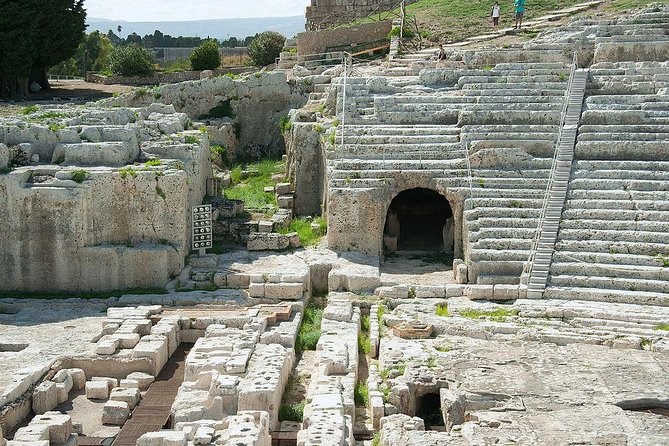
The tour price is $180.62 per person for the private experience, for about two hours. That’s not a bargain price, but it often is fair value for a private walk through a major UNESCO site, especially when a guide is focused on interpretation rather than just navigation.
Two costs to keep straight:
- Tour price includes a local professional guide and the private tour itself.
- Park entrance is separate at €16.50 per person.
So your realistic budget is the tour price plus the entrance fee. If you’re comparing options, look at whether you’ll be paying for an entrance ticket anyway. If you’d go into Neapolis without a guide, that entrance fee still applies. The difference here is that you’re buying explanation and route planning for your specific time window.
Also note the tour is priced per person, but it requires a minimum of 2 adults per booking because it’s private-only. If you’re a solo adult, this usually means you’d need to coordinate with at least one more adult traveler in your party.
Where you’ll start: meeting at Via Luigi Bernabò Brea
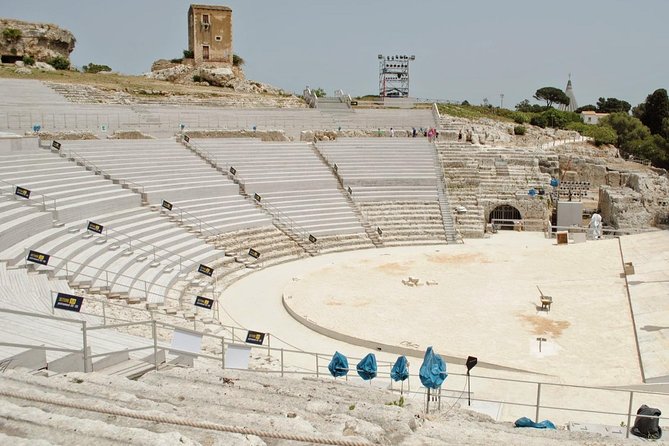
You meet at the entrance area of Parco Archeologico della Neapolis at Via Luigi Bernabò Brea, 14, 96100 Siracusa SR, Italy. The tour ends back at the meeting point, which is handy when you’re planning dinner or the rest of your Siracusa day.
This start matters because Neapolis can feel like a maze until you get bearings. A guide helps you begin with the right mental map: which structures came from Greek planning, which reflect Roman use, and how the terrain shaped both.
The Greek Theatre zone: more than a big stage
The tour begins at Parco Archeologico della Neapolis, then moves you through the most important performance-and-public spaces. First stop is the Greek Theatre, and it’s easy to see why it’s such a focal point. This is described as the biggest Greek theatre in Sicily, and the scale alone makes it feel important.
What the guide adds is the “how and why” you’d miss without context. You’ll learn what a Greek theatre was meant to do in public life, and you’ll likely get help visualizing how the seating, sightlines, and setting functioned together. Since this tour aims to connect the ruins to complex ancient settlement life, you’re not left with one impressive view and nothing else.
Practical note: the theatre area can be the part where you want photos from multiple angles. In a private format, you can spend a little extra time on the view without the pressure of a crowd behind you.
Nympheum fountain: a scenic pause with a purpose
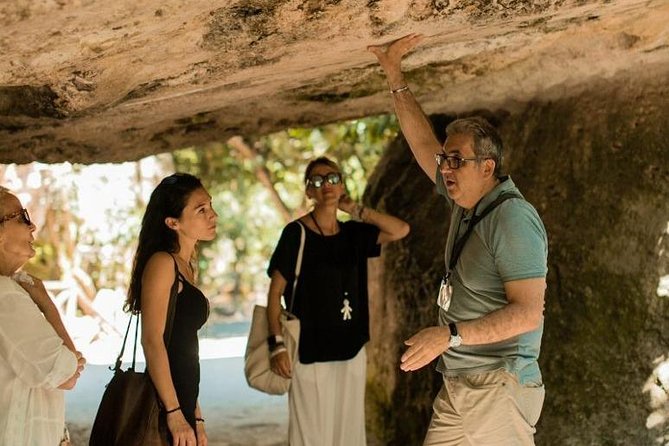
After the theatre, you get to the Nympheum fountain. Even if fountains don’t feel like the star attraction at first, they deserve attention here because they show how the site worked as a full environment, not just a collection of monuments.
On this tour, the Nympheum is treated as a key piece of the larger picture. The guide connects it to daily life and the way sacred or civic spaces were designed for more than one kind of activity. You’ll also have a chance to slow down and appreciate the park setting—there’s local flora here, and it’s part of the experience.
One reason I like this stop is that it gives your eyes a different job after the big-scale theatre views. It’s where you start seeing the site as a lived place.
You can also read our reviews of more private tours in Sicily




Latomie stone quarries: walking into the Ear of Dionysius world
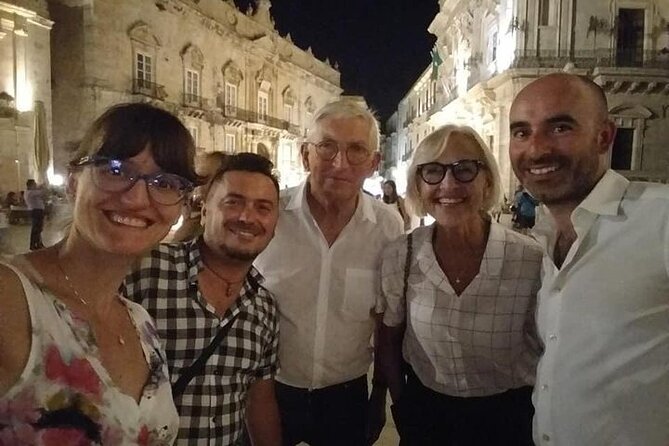
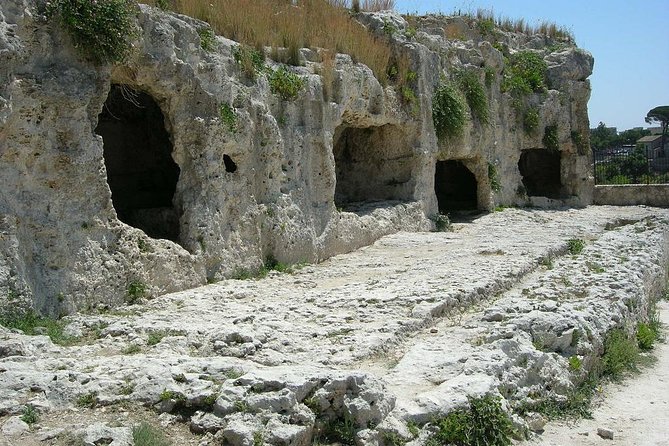
Then comes one of the most distinctive parts of Neapolis: the ancient stone quarries called the Latomie. These quarries aren’t just a backdrop. They help explain how the landscape was shaped by stone extraction, and they set up the next must-see structure.
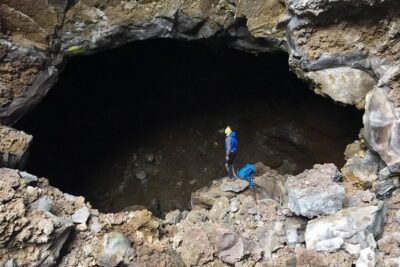
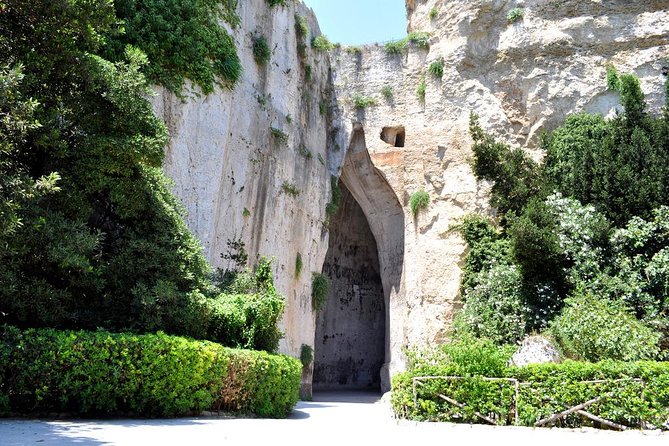
From there, you reach the Ear of Dionysius cave. The name gets attention fast, but the tour’s value is how the guide frames why it’s famous: its unique acoustics and shape. Instead of treating it like a single photo spot, you get the reason people keep talking about it.
If you like places where sound tells a story, this stop is a highlight. The cave’s design is the point, and the guide helps you understand how it differs from a normal cave experience. The site also feels more enclosed than the open theatre spaces, so it naturally changes your physical pace and mood.
Small drawback: this part of the tour can involve tighter paths and more uneven ground than the open ruins. Comfortable walking shoes aren’t optional here.
Roman Amphitheater: the Greek foundation, re-used and re-shaped
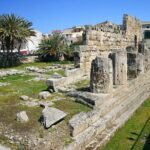
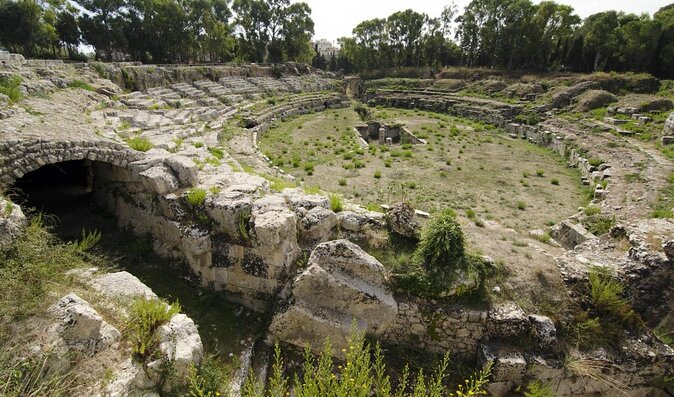
After the cave experience, you move back toward the broader public monuments and end up at the Roman Amphitheater. Roman amphitheaters often feel different from Greek theatres, even when they’re in the same general zone. The guide’s job here is to help you notice those differences instead of just seeing another set of seats.
This is where the UNESCO context becomes more practical. You’re not just collecting points; you’re tracking how one civilization’s spaces can influence the next. The tour’s theme is understanding complex ancient ruins, and the Roman Amphitheater is one of the clearest places to see that continuity.
Hilltop flora and panoramic views: finishing with perspective
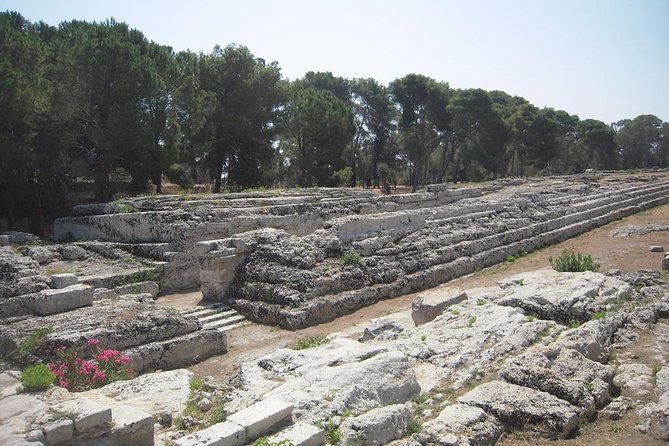
The itinerary also includes time for beautiful local flora and a spectacular panoramic view from the top of the hill. This is a smart way to end, because it forces your brain to step back after all the close-up structure reading.
You get a natural reset: breathe, take photos, and map where you’ve been. When I’ve done ruin walks without a guide, I usually remember the photos more than the geography. Here, the guide’s earlier explanations help the panorama make sense.
Even the plant details can be surprisingly useful. In the guide examples shared in past tours, Marco-style storytelling has included comments about plants that grow in the park and how they connect to everyday life or local usage. If that’s your kind of thing, you’ll enjoy the slower moments.
What makes the tour feel relaxed (and not rushed)
This is advertised as a private tour with a friendly, relaxed atmosphere and personal attention. In real life, that usually means you’re not being shoved from stop to stop on a strict chain. You get time to process what you’re seeing and ask questions as they come up.
A big part of that is the guide’s communication style. One reason this tour gets strong feedback is that guides don’t stop at facts. They add legends, battles, and stories tied to what you’re looking at. That keeps the park from becoming a checklist.
Also, the tour includes a small wellness note at the start: each guest is given a mask, protective gloves, and hand sanitizer. It’s brief, but it signals that the operator thinks about practical care.
Who this private Neapolis walk is best for
This tour is a strong fit if you want:
- a guided overview that covers the park’s top sights in a short window
- interpretation that helps the ruins click instead of feeling like random walls
- a calmer pace than group tours
It’s also a good choice for people traveling with kids, because one guide approach highlighted in past experiences involved keeping children engaged and not letting them drift into boredom. That said, kids still need adult accompaniment, since the tour requires that.
Comfort-wise, it’s best for visitors who can handle a steady walk. Most people can participate, but you’ll be moving across the park grounds continuously.
Practical tips to make the most of the two hours
Two hours can disappear fast in a big archaeological park. Here’s how I’d plan mentally so you get value out of every minute:
- Wear comfortable walking shoes and expect uneven surfaces.
- Come ready to look up and look back. Theatre views and hilltop panoramas are easier when you’re not juggling footwear discomfort.
- Ask one question early. If you understand the guide’s framework at the start, the whole route gets easier.
- Choose a tour time that fits your energy. Morning light can be great for photos, but the bigger point is avoiding a day where you’re already tired. The pace is relaxed, but it’s still walking.
- If you care about acoustics, pay attention at the Ear of Dionysius stop. The whole fame of the cave is its sound and shape, so listen to how the guide frames it rather than treating it as only a viewpoint.
Should you book this Syracuse’s Archaeological Park Private Walking Tour?
I’d book it if your main goal is understanding Neapolis without spending an entire half-day on research or reading alone. The private format makes the difference when you want the Greek theatre, Nympheum, Latomie quarries, Ear of Dionysius, and Roman Amphitheater to feel connected, not separate.
I would hesitate if you’re mainly after a self-paced photo walk. If you enjoy wandering without interpretation, you might feel the extra cost doesn’t add enough. Also, keep the entrance fee in mind so the final total matches your expectations.
If you’re in Syracuse with limited time, and you want a guided route that covers the core sights while keeping the pace human, this private Neapolis tour is a smart call.
FAQ
How long is Syracuse’s Archaeological Park Private Walking Tour?
The tour lasts about 2 hours.
Where do I meet the guide for the Neapolis park tour?
Meet at Parco Archeologico della Neapolis, Via Luigi Bernabò Brea, 14, 96100 Siracusa SR, Italy.
Is the entrance ticket to Parco Archeologico della Neapolis included?
No. The entrance fee is listed separately at €16.50 per person.
What is included in the tour price?
You get a local, professional guide and a private tour.
Is the tour offered in English?
Yes, it’s offered in English.
Is this tour really private?
Yes. It’s private only for your group.
Is there a minimum number of adults?
Yes. Since it’s a private tour, a minimum of 2 adults is required per booking.