REVIEW · PALERMO
Beyond the veil: Catacombs and Cemeteries of Palermo
Book on GetYourGuide →Operated by Bluesearch unip lda · Bookable on GetYourGuide
Under Palermo, history has a pulse. This small-group outing takes you into the Capuchin Catacombs and introduces you to Rosalia Lombardo, the Sleeping Child, plus you’ll move on to Palermo Cathedral and the Sant’Orsola Cemetery. I like that the route is tight and guided, so you’re not just staring at bones without context, but one thing to keep in mind is that the language experience depends on the live guide and translator setup.
You start at Via dei Benedettini 16 and stay together with a coach/bus for the transfers, which makes a 3-hour schedule actually feel manageable. I also like that entrance tickets are included, so you can focus on the sites and not on ticket lines. The main catch: it’s not suitable for people with mobility impairments.
In This Review
- What makes this Palermo underground tour worth your time
- Key highlights at a glance
- Entering the Capuchin Catacombs, where the quiet hits first
- The Cathedral stop: history under the vaults, not just the building
- A quick detour at Camposanto di Santo Spirito (the “photo stop” that sets the mood)
- Sant’Orsola Cemetery: monumental tombs and names tied to Palermo
- How the 3-hour format works (and why the private transfer matters)
- Small group size: why up to 8 people actually helps
- Language and guide experience: plan for the translation setup
- What to wear and how to be prepared (so you enjoy the tour)
- Who should book this tour, and who might want another option
- Should you book Beyond the Veil: Catacombs and Cemeteries of Palermo?
- FAQ
- How long is the Beyond the Veil tour?
- Where does the tour start?
- What places does the tour include?
- Is transportation included?
- What is the group size?
- What languages are available?
- Are entrance tickets included?
- What is the price per person?
- Is the tour suitable for people with mobility impairments?
- Is free cancellation available?
What makes this Palermo underground tour worth your time
This is not a quick “see the spooky rooms” stop. It’s a guided walk through Palermo’s funerary world—from the theatrical preservation of the Capuchins to burial spaces connected to the Cathedral and then the more civic, monumental face of mourning at Sant’Orsola. If you like your sightseeing with real atmosphere and a strong sense of place, this hits the mark.
Key highlights at a glance
- Rosalia Lombardo (the Sleeping Child): see the famous preserved mummy that still sparks serious curiosity.
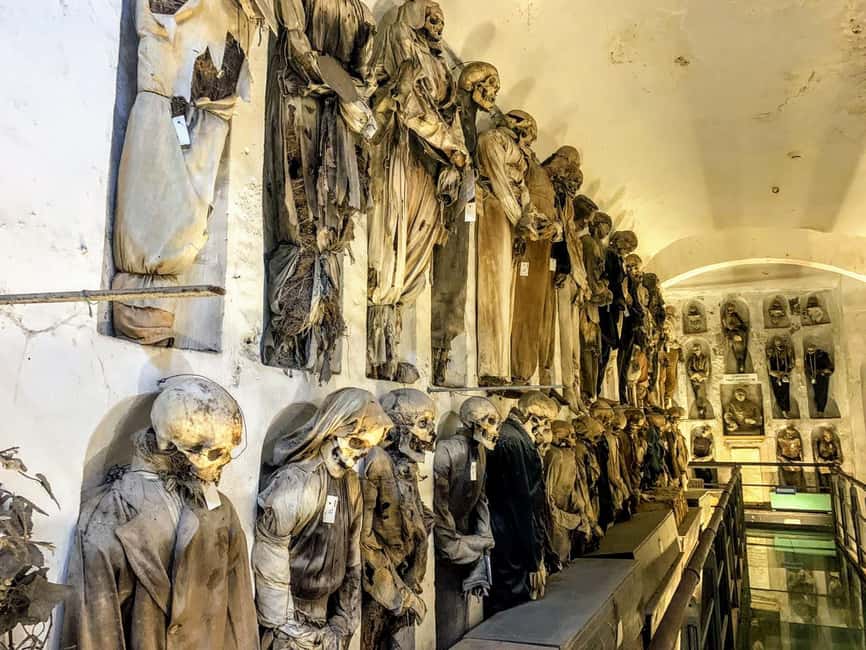
- Capuchin Catacombs in Palermo: walk the bone-and-skull corridors in an atmosphere of lasting quiet.
- Palermo Cathedral burial tunnels: learn how the Cathedral’s sacred spaces link to funerary practice across periods.
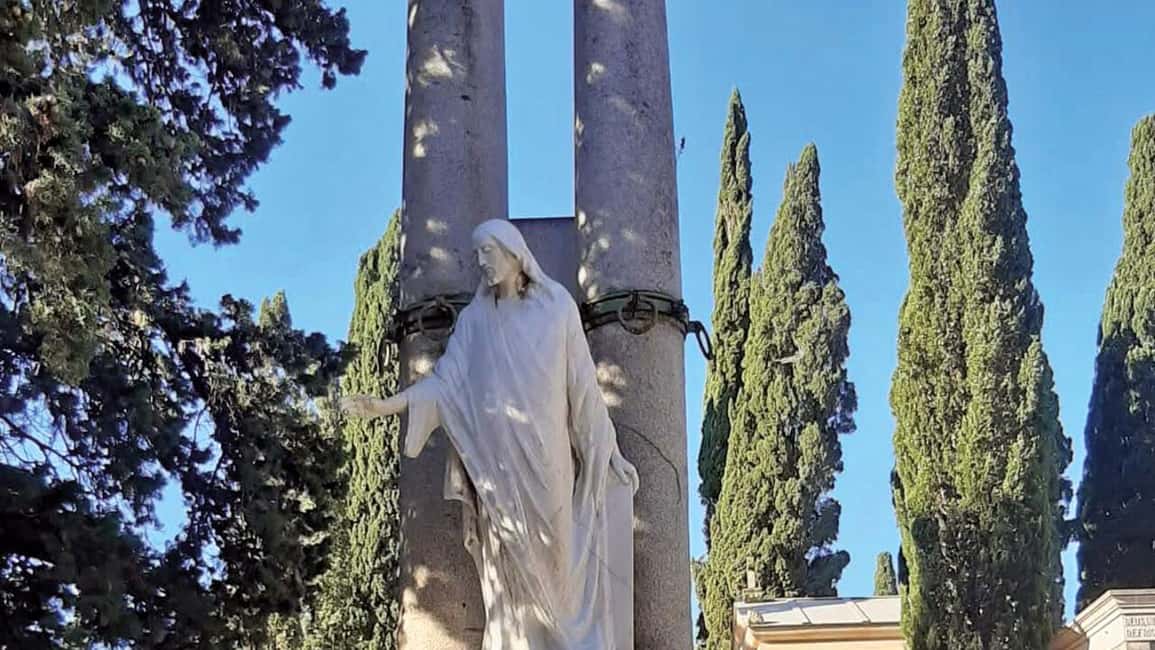
- Sant’Orsola Cemetery tombs and statues: read Palermo’s social story through names, monuments, and memory.
- Small group with coach transfers: up to 8 people keeps it personal while movement between sites stays easy.
You can also read our reviews of more tours and experiences in Palermo.
Entering the Capuchin Catacombs, where the quiet hits first
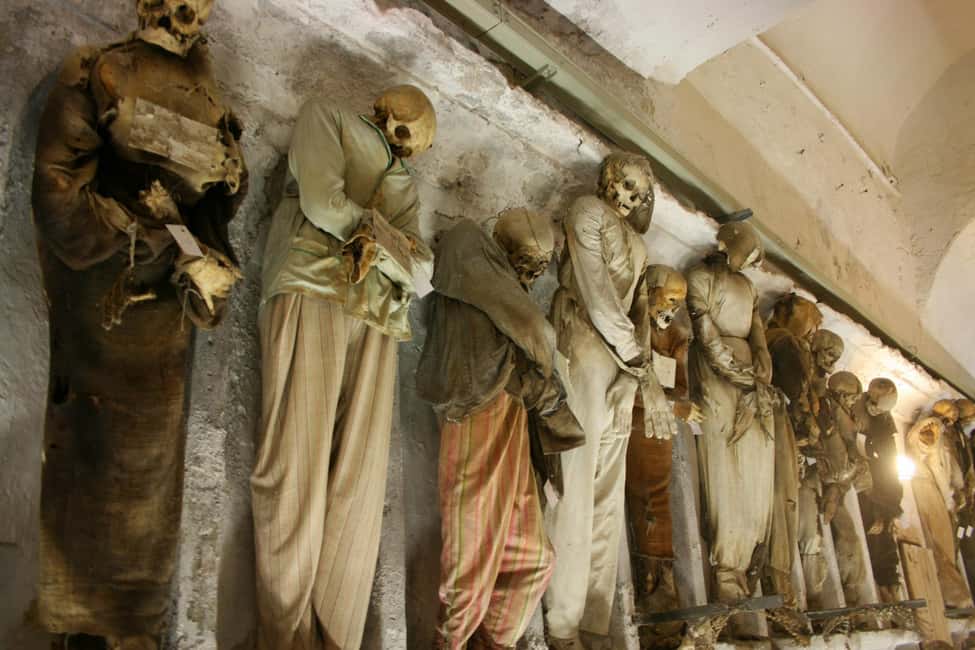
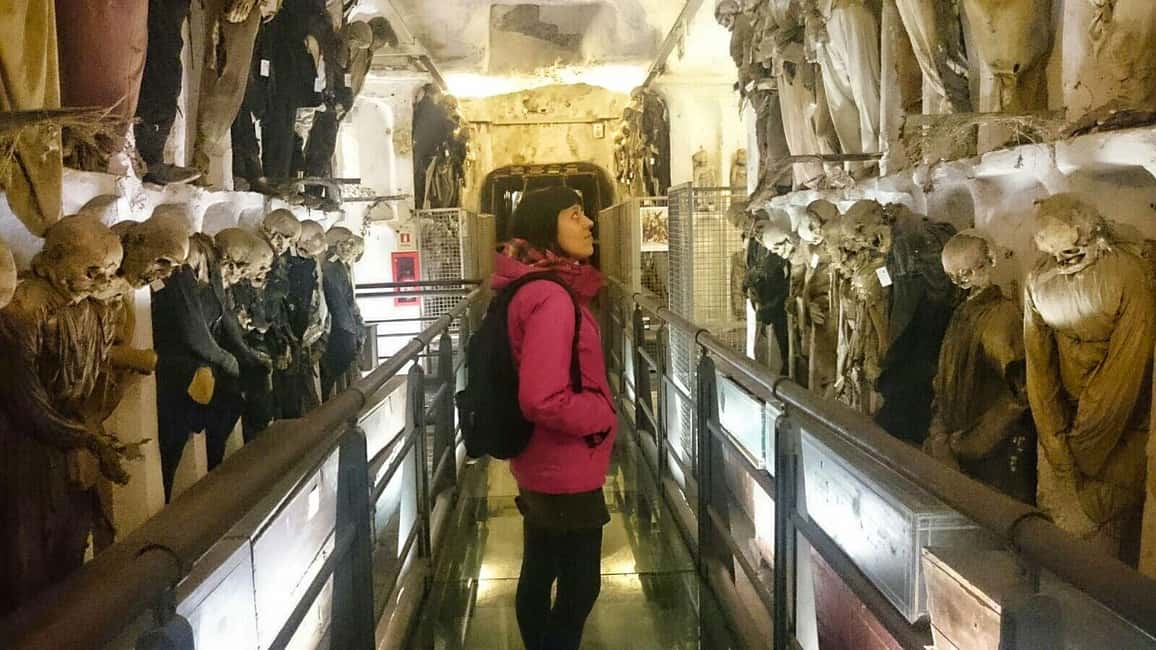
The Capuchin Catacombs are the star of this tour, and you feel it the moment you step into the space. It’s described as a world where life and death merge, and that tone is easy to sense as you move among bones, skulls, and preserved remains. The guide’s job here matters a lot: you’re not just looking, you’re learning how this place became what it is.
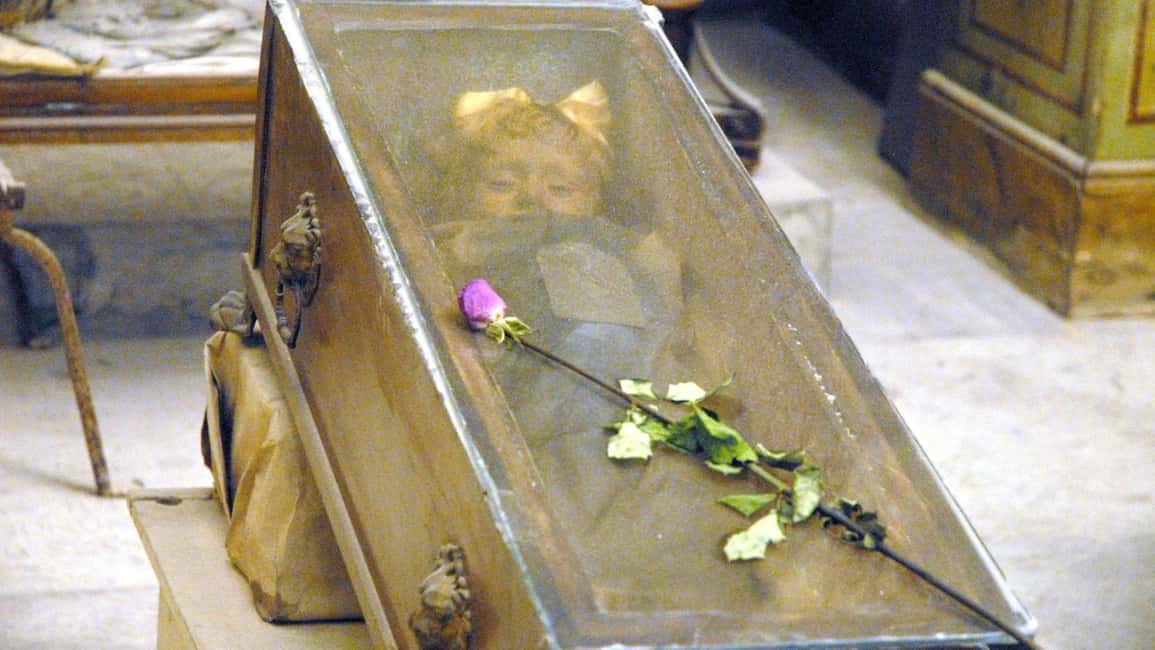
One highlight is the mummy of Rosalia Lombardo, famously nicknamed the Sleeping Child. The tour focuses on what makes Rosalia unusual: her mummy is presented as remarkably preserved, with a serene look and eyes closed, even after more than a hundred years. That contrast—how calm she appears next to the reality of death—creates the emotional punch of the visit.
A practical note: sites like this can feel intense. If you’re sensitive to spooky or macabre visuals, you’ll want to prepare yourself for a close encounter with the theme of mortality. The same sensitivity can be a gift, though, because the guide’s storytelling and the stillness of the rooms give you time to process what you’re seeing.
The Cathedral stop: history under the vaults, not just the building
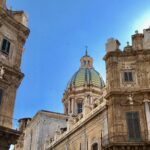
After the Capuchins, you shift from a preserved “underworld” to a different kind of underground in Palermo Cathedral. Here, the tour takes you inside tunnels connected to the Cathedral, where you can see burials from different historical periods. That detail is important: you’re not viewing one era’s funerary style—you’re watching the Cathedral’s role evolve over time.
This is where I like having a guide. The tour doesn’t treat the burial spaces as random oddities. Instead, you learn about the Cathedral’s architecture and origins, and you get explanations tied to conservation methods and funeral rituals. If you’ve ever wondered why churches handle death and memory in specific ways, this stop gives you grounded answers rather than just atmosphere.
There’s also a scheduled break time in the Cathedral portion. That matters because these tours can stack emotion-heavy stops close together. Use that pause to reset your head—grab a drink, look up at the Cathedral from above ground if you can, and then return with fresh attention for the burial spaces.
A quick detour at Camposanto di Santo Spirito (the “photo stop” that sets the mood)
Between the Cathedral and the Capuchins—and also earlier in the route—you get a stop at Camposanto di Santo Spirito. It’s listed as a photo stop plus a guided visit and sightseeing walk. I think of this as the tour’s mood-setting chapter: you see cemetery atmosphere in a more open, grounded way before you go back under Palermo’s surface.
Even if it’s shorter than the other sites, it helps connect the dots. The Capuchins can feel like a singular phenomenon—bones arranged in a way that’s hard to forget. Santo Spirito gives you a bridge back to “normal” cemetery space and helps you read what comes next at Sant’Orsola with better context.
Sant’Orsola Cemetery: monumental tombs and names tied to Palermo
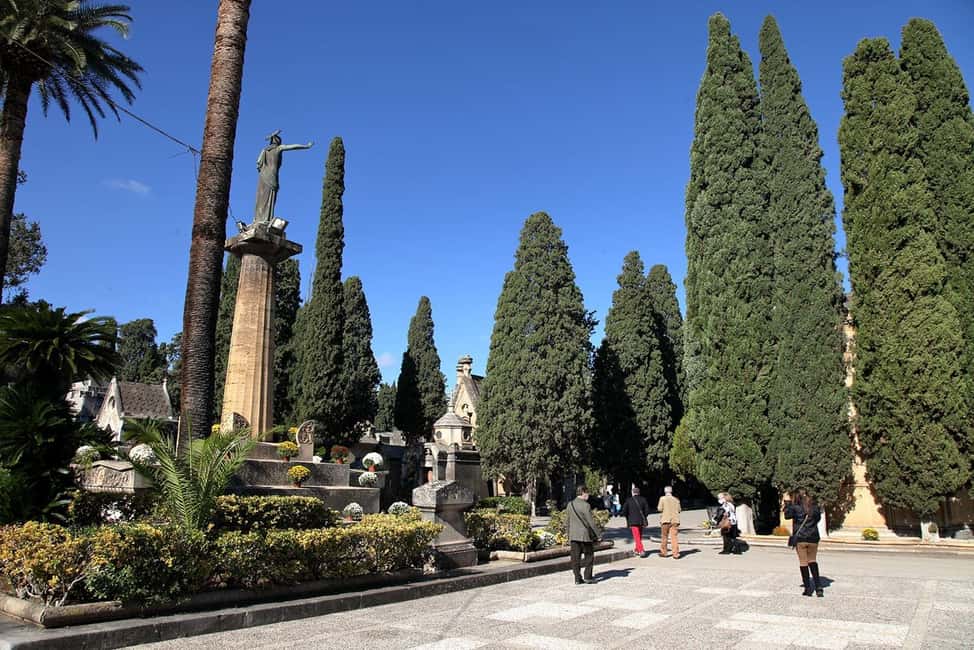
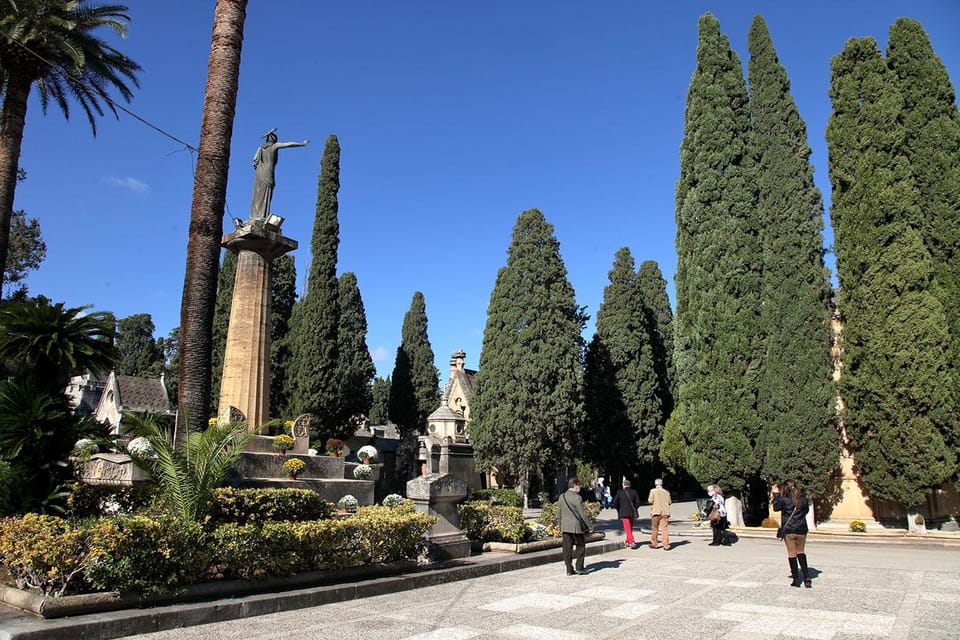
Sant’Orsola is where the tour becomes less about preserved remains and more about social memory. It’s described as less known than the catacombs, but full of charm and history—particularly through its monumental tombs and commemorative statues. If the Capuchins make you think about death as quiet and physical, Sant’Orsola makes you think about death as public record: who Palermo honored, and how.
This is also where you’ll hear names that connect the cemetery to modern Palermo. The tour highlights figures including artists and heroes, and it specifically calls out people linked to fighting the mafia. Among the names mentioned are Ninni Cassarà and Libero Grassi, plus Giuseppe Damiani Almeyda, Mario Rutelli, and Luigi Natoli.
What I like about ending here is that it turns the final moments into reflection rather than shock. The monumental design and the presence of so many recognizable (or at least distinctly meaningful) names make it easier to understand why cemeteries can feel like open-air archives. You’re walking among stone stories that explain how communities remember—and what they choose to protect in memory.
How the 3-hour format works (and why the private transfer matters)
On paper, 3 hours sounds short for three major stops plus walking and transitions. In practice, the schedule is built around staying efficient without cutting out guidance.
You start at Via dei Benedettini 16. From there, a bus/coach accompanies you through the itinerary, with transfer segments between stops. That setup is more than convenience. It keeps the day from turning into a logistics puzzle, which is especially helpful when you’re planning a route with underground sites and timed entrances.
The activity also includes a private transfer and a live guide, plus entrance tickets. For your wallet, that’s a big deal because it reduces the usual “surprise costs” that can pop up once you arrive. At $90.63 per person, you’re paying for access, a guide in your language, and the transportation that connects sites that aren’t right next door. If you’re traveling with limited time in Palermo, it can feel like good value.
That said, check what kind of guide-and-translation experience you’ll get. Even with multiple available languages, the guide’s spoken language and how translation is delivered can change how much you get from the storytelling.
Small group size: why up to 8 people actually helps
This tour limits participation to a small group, with a maximum of 8. That size matters in places like the catacombs and Cathedral tunnels, where everyone needs to move at the right pace and focus on what the guide is pointing out.
In small groups, you’re more likely to notice the guide’s cues and ask a question when something doesn’t click. It also makes the atmosphere easier to manage. You’re not packed shoulder-to-shoulder with strangers, which can otherwise turn emotional sites into just another crowd-control exercise.
Language and guide experience: plan for the translation setup
Languages offered include English, Italian, Spanish, French, and Portuguese. The tour uses a live guide in the required language, but the real-world experience can depend on how the guide and translation team operate.
One example from a past session includes a guide associated with Samuel, with translation provided on the spot. In that kind of setup, the best outcome is that the translation keeps up and stays engaged with the material—especially when the guide is describing conservation techniques and funeral rituals. If you’re choosing this because you want detail in a specific language, I’d treat it as worth confirming that your language is actively supported throughout the whole route.
What to wear and how to be prepared (so you enjoy the tour)
You’re combining walking sections with underground spaces. I’d plan for comfortable shoes and a steady pace. Even if the tour isn’t described as long on walking time, the sites are the type where you’ll want to keep your footing and stay attentive.
Also, remember that you’re visiting religious and historical places. Keep your phone use respectful and avoid loud behavior—especially in the catacombs, where the tone is described as lasting silence. If you want photos, focus on what’s allowed and timing your shots so you don’t slow down the group.
Finally, be honest with yourself about sensitivity. The Capuchin Catacombs are built on the reality of preserved remains. It’s fascinating, but it’s also meant to disturb a bit.
Who should book this tour, and who might want another option
Book this if you:
- want a guided route through Capuchin Catacombs, Palermo Cathedral tunnels, and Sant’Orsola in one compact window
- like sites with story—places where funerary traditions and local memory are explained
- appreciate small group touring rather than big-bus chaos
- have limited time in Palermo and don’t want to coordinate multiple tickets and transfers
Consider another option if:
- you need accessibility for mobility impairments, since the tour is not suitable for that
- you prefer fully independent exploring over guided storytelling
- you’re very language-dependent and want extra certainty about translation style
Should you book Beyond the Veil: Catacombs and Cemeteries of Palermo?
If you’re curious about how Palermo handles death—visibly, spiritually, and politically—this tour is a strong choice. The Capuchin Catacombs (with Rosalia Lombardo) deliver the headline experience, and the Cathedral and Sant’Orsola stops give you context so it doesn’t feel like just a spooky detour. Add the small group size, included entrance tickets, and private transfer, and it’s a pretty efficient use of a half-day.
I’d book it if you’re comfortable with eerie themes and you want a guide-led understanding rather than wandering on your own.
FAQ
How long is the Beyond the Veil tour?
The duration is 3 hours.
Where does the tour start?
The meeting point is Via dei Benedettini, 16.
What places does the tour include?
It visits the Catacombs of the Capuchins, Palermo Cathedral, and the Sant’Orsola Cemetery, with a photo stop and guided sightseeing walk at Camposanto di Santo Spirito.
Is transportation included?
Yes. The experience includes a private transfer, and a bus/coach accompanies visitors throughout the itinerary.
What is the group size?
It’s a small group limited to 8 participants.
What languages are available?
The live tour guide is available in English, Italian, Spanish, French, and Portuguese.
Are entrance tickets included?
Yes. Entrance tickets are included.
What is the price per person?
The listed price is $90.63 per person.
Is the tour suitable for people with mobility impairments?
No, it is not suitable for people with mobility impairments.
Is free cancellation available?
Yes. You can cancel up to 24 hours in advance for a full refund.