REVIEW · SICILY
Canyoning at the foot of Etna
Book on Viator →Operated by Sicilia Adventure · Bookable on Viator
Etna has a canyon worth getting wet in. This canyoning trip takes you to a rock-carved gorge shaped by water erosion, with specialized personnel and mountaineering gear so the adventure stays controlled. You’ll head out from the start point at 9:00 am, then spend the morning learning how to move safely through the canyon.
I love two things most about this excursion: the small group size (up to 10) and the guides’ clear, practical coaching in English. On top of that, the vibe tends to be patient and confidence-building, even when it’s your first time.
One thing to weigh: it’s weather-dependent, and the exact activity location can shift based on water and conditions. You should also plan for a medium physical effort, plus bring a swimsuit and towel (the rest is provided).
In This Review
- Key highlights before you go
- Etna canyoning in 4 hours: what the experience really feels like
- How Giardini Naxos and Isola Bella fit into your morning
- Safety and equipment: what’s provided, what you bring
- What you bring
- What you get from the operator
- Medium difficulty: the skills you’ll use, and the pace you’ll feel
- Where the adventure hits: the canyon setting near Etna
- The guides make the difference: Mario, Michele, Tiziana, Angelo
- Price and value: is $117.55 a good deal?
- Weather, water levels, and why your timing can shift
- Best for: who should book canyoning at Etna
- Should you book this Etna canyoning trip?
- FAQ
- How much does the canyoning at the foot of Etna cost?
- How long is the tour?
- What difficulty level is it, and what fitness do I need?
- Is the tour offered in English, and what’s the group size?
- Where do I meet, and what time does it start?
- What equipment do I need to bring, and what’s provided?
- What happens if the weather is poor, and can I cancel for a refund?
Key highlights before you go
- Small group (max 10) keeps instructions personal and timing smooth
- Gear included: neoprene wetsuit, trekking shoes, harness, helmet
- Medium difficulty with specialized personnel and mountaineering equipment
- Stops at Giardini Naxos and Isola Bella add a Sicilian-coast flavor to the day
- Guide style: clear English and lots of patience, with standout guides like Mario, Michele, Tiziana, and Angelo
Etna canyoning in 4 hours: what the experience really feels like
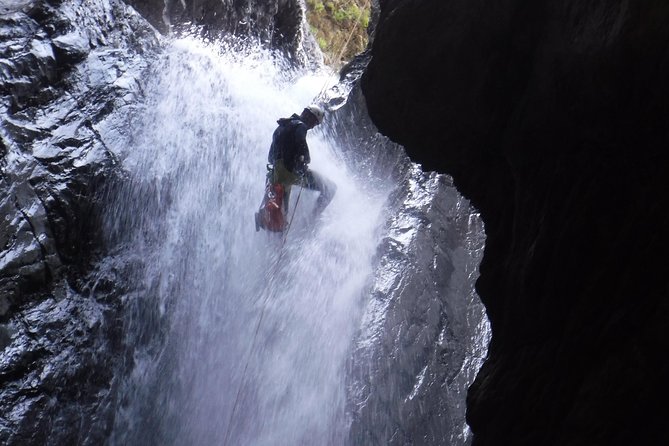
This is not a quick photo-stop “tour.” It’s a real canyon session built around moving through water, rock, and tight spaces with the kind of safety setup you want when you’re getting wet.
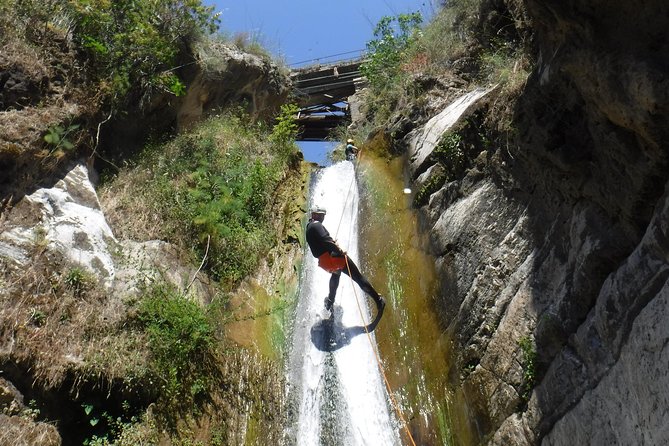
At the heart of it is that classic Etna-area canyon scenery: a gorge carved by nonstop erosion, where water has done the hard work for thousands of years. You’re guided the whole time using mountaineering equipment, so you’re not just winging it with a helmet and hope. The guides focus on controlled movement—where to step, how to hold, when to jump or climb—so the thrill comes from doing it well, not from guessing.
The “medium” difficulty label matters. You’ll need to be comfortable walking on uneven ground and moving your body through canyon obstacles. It’s not an extreme fitness test, but it is an active 4-hour block where you should expect to sweat and get chilled at least once (even in good weather).
You can also read our reviews of more tours and experiences in Sicily.
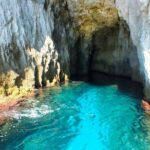
How Giardini Naxos and Isola Bella fit into your morning
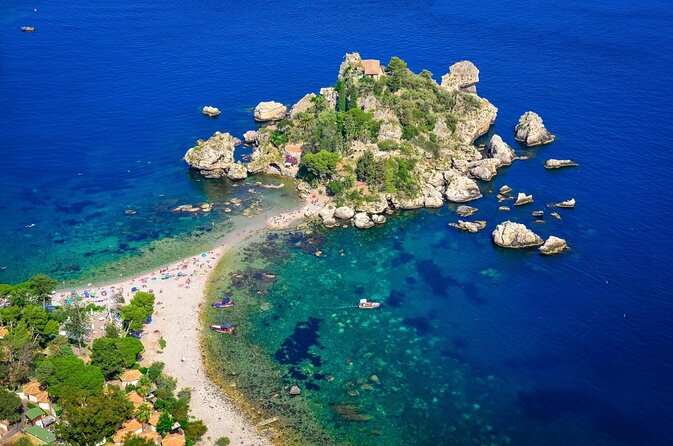
The schedule includes two stops: Giardini Naxos and Isola Bella. In practice, these are a nice way to balance the day: you’re not just stuck in gear until your shoulders are pruned.
Even if your time in each place is brief, this is a smart pairing. Giardini Naxos sits right by the sea, with the kind of coastal energy that makes you feel like you’re really in Sicily instead of only “passing through.” Isola Bella has a different feel—more scenic, more photogenic—and it breaks up the day so you’re not going straight from pickup to canyon.
One logistical note: the pickup and route to the activity area may change with water and weather conditions. That means you should treat the stops as part of a guided plan, not a guarantee of exact time at every viewpoint. It’s still a 4-hour outing overall, so expect a smooth, structured flow rather than long wandering.
Safety and equipment: what’s provided, what you bring
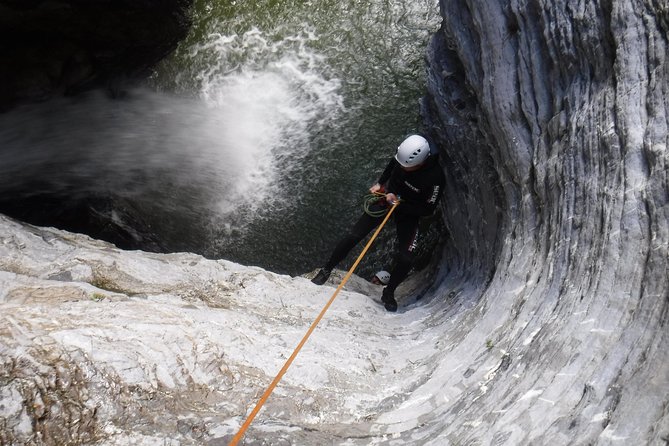
This trip is built around equipment you’ll actually use. You don’t just rent gear and hope it works—you’re outfitted for the canyon conditions.
What you bring
- Swimsuit
- Towel
That’s it. Pack those early so you don’t end up doing the classic vacation scramble at the car.
What you get from the operator
- Neoprene wetsuit (for warmth and protection)
- Trekking shoes
- Harness
- Helmet
The wetsuit is the key item for comfort. Neoprene helps you handle the canyon’s wet sections without feeling like you’re stepping into an ice bath every time you land. The harness and helmet are there for the safety side—especially for rappels, controlled descents, and jump coordination.
You’ll also notice that the guides keep emphasizing how to use the gear properly. The difference between a fun experience and a stressful one is often as simple as correct stance and hand placement, and that’s exactly what you’ll get time to learn.

Medium difficulty: the skills you’ll use, and the pace you’ll feel
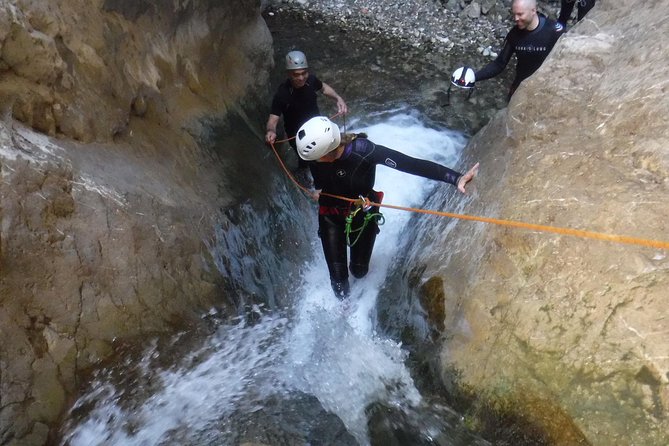
“Medium” can mean different things on different excursions, so here’s the practical version. You’ll likely do a mix of:
- walking and balancing on uneven rock
- moving through shallow and deeper water sections
- using climbing/descending techniques with safety systems
- following jump guidance when the route offers it
The best part is how the guides set the pace. The tone you’ll experience is calm and instructional, with plenty of patience for first-timers. If you’ve never done canyoning, that matters a lot. It’s not just about safety equipment; it’s about having someone explain what you’re about to do in a way that keeps you relaxed.
Also, medium difficulty usually means you’ll feel the effort by the end. You don’t need to be an athlete, but you do need to be willing to work your legs and stay focused for a few hours. Good footwear helps with traction, and you’ll feel why trekking shoes are part of the package rather than a nice-to-have.
Where the adventure hits: the canyon setting near Etna
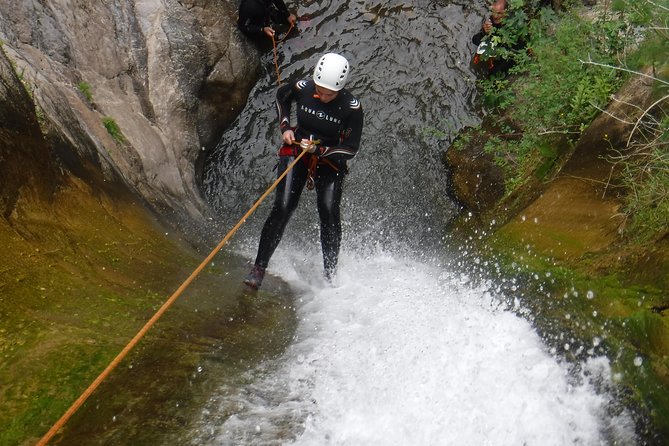
The canyoning takes place at the foot of Etna, in a gorge carved by water erosion. In this area, routes are often built around natural rock features—ledges, channels, and spots designed (by nature) for controlled movement.
In the field, the “wow” comes fast: rock walls that feel close, water that changes how the ground behaves, and the sense of being in a real canyon rather than a staged activity. It’s thrilling, but the safety gear and specialized personnel keep you from treating it like a stunt.
One detail that stands out from the way this experience is run: guides don’t just throw you into the hardest parts. They guide you through steps, then gradually build confidence. You’ll also get coaching on where to place your weight and how to approach transitions between water and rock.
Some routes may include jumps, but the point isn’t to force an adrenaline contest. The guidance is there so you can choose what’s offered at your comfort level and still feel like you accomplished something.
The guides make the difference: Mario, Michele, Tiziana, Angelo
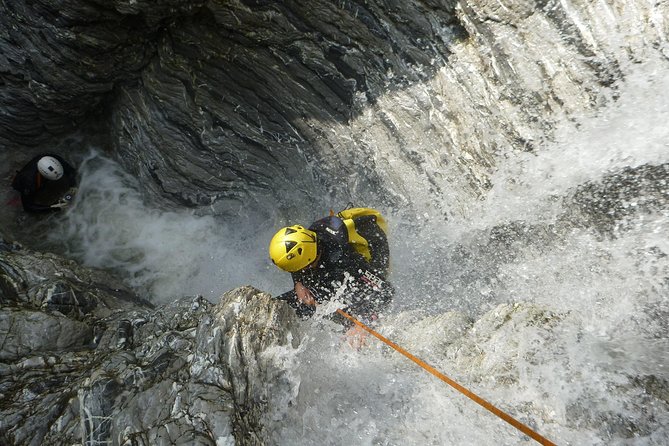
I’m a big believer that the guide quality is what turns an activity from okay into memorable. Here, the guides’ approach gets consistent praise for clear communication and safety-minded instruction.
You might meet guides such as Mario, Michele and Tiziana, or Angelo. Across the group, the style tends to be:
- patient teaching for new people
- calm, confidence-building instruction
- a friendly environment that helps you stop overthinking
- explanations that connect the rocks and surroundings to real context
That last part is underrated. When a guide talks about what you’re seeing—how the rock forms, what shaped the canyon, why certain spots matter—you pay more attention and you remember more. It also makes the experience feel less like a checklist and more like a story you’re moving through on foot and in water.
On some outings, guides also add thoughtful touches after the activity. One example from past groups: a shared meal set up for everyone to celebrate the day. That’s not something you should expect every time, but it hints at the team spirit behind the scenes.
Price and value: is $117.55 a good deal?
At $117.55 per person, you’re paying for more than “a guide.” You’re paying for a full safety setup and the equipment you need to actually do canyoning.
Here’s the value equation that makes sense for this kind of trip:
- You get gear included (wetsuit, harness, helmet, shoes), so you’re not hunting rentals.
- The experience is limited to a maximum of 10 people, which usually means more hands-on instruction.
- The guides are English-speaking, and you’ll be coached step-by-step with specialized safety methods.
- The activity is shaped by real conditions (water and weather), which is exactly why trained personnel matter.
Could it be cheaper? Sure, some casual outdoor tours can. But for canyoning, “cheap” often means fewer safety layers or less training time. With this format, your money goes toward the stuff that reduces risk and improves enjoyment.
If you can travel with a group, group discounts are mentioned, which can make the per-person cost even better. And since there’s a mobile ticket, there’s less friction the day of the outing.
Weather, water levels, and why your timing can shift
This is the part to respect. The experience requires good weather, and the activity area may be adjusted according to water and weather conditions.
That can sound annoying until you understand why it’s good practice. Water levels change quickly in canyon environments, and sometimes the safest and most fun route isn’t the one you imagined at booking time. A guide who adapts is usually the safer guide.
If the activity is canceled because of poor weather, you’ll be offered a different date or a full refund. That’s exactly what you want when the whole point is being out in wet terrain.
So the practical advice: plan this trip earlier rather than later in your Sicily stay. That gives you a better chance of landing a date that fits the weather window.
Best for: who should book canyoning at Etna
This tour is a strong fit if you:
- want a real canyon adventure near Mount Etna, not just a scenic drive
- like active days where you learn skills, not just watch
- prefer small groups and English guidance
- are comfortable in a medium effort outdoor setting
It’s also a good match for people who get nervous about doing something new. The instruction style you’ll experience tends to be patient and supportive, which matters a lot when you’re stepping into water-and-rock obstacles for the first time.
Should you book this Etna canyoning trip?
If you want a guided canyon day with gear included, a small group, and safety-focused instruction, I think this is a very solid choice. The price makes sense when you factor in wetsuit + harness + helmet, plus the specialist personnel running the show.
Skip it only if you’re likely to struggle with a medium physical effort or if you’re allergic to getting wet and chilled briefly. Also keep an eye on weather planning—because this outing depends on it.
If your timing lines up and you’re up for a structured, confidence-building canyon experience at the foot of Etna, you’ll probably come back with the kind of story you tell for years.
FAQ
How much does the canyoning at the foot of Etna cost?
The price is $117.55 per person.
How long is the tour?
It’s about 4 hours.
What difficulty level is it, and what fitness do I need?
The difficulty is listed as Medium, and you should have a moderate physical fitness level.
Is the tour offered in English, and what’s the group size?
Yes, it’s offered in English. The maximum group size is 10 travelers.
Where do I meet, and what time does it start?
You meet at Via Nazionale, 46, 98039 Villagonia ME, Italy, and the start time is 9:00 am. The activity ends back at the meeting point.
What equipment do I need to bring, and what’s provided?
Bring a swimsuit and a towel. The operator provides a neoprene wetsuit, trekking shoes, harness, and helmet.
What happens if the weather is poor, and can I cancel for a refund?
The experience requires good weather. If it’s canceled due to poor weather, you’ll be offered a different date or a full refund. You can also cancel for a full refund up to 24 hours before the experience start time.