REVIEW · SICILY
Excursion HALF DAY- Syracuse Greek Theatre and the island of Ortigia.
Book on Viator →Operated by Ncc transfer excursions nel Val di Noto · Bookable on Viator
Syracuse in half a day is a real trick. This excursion strings together Ortigia street life and the Teatro Greco big-set sights, with a guided walk that helps you spot what matters and skip the guesswork. I especially liked the Mercato di Ortigia stop—where you get the scents, the colors, and even sellers singing while they describe their products—and I also loved the Greek Theatre complex, including the Ara of Hieron and the Ear of Dionysus. One thing to plan for: the entrance to the archaeological area at the theatre is not included, so you’ll pay that on-site.
The ride helps too. You start at 8:00am from the Birrico Tour pick-up point in Avola, travel in an air-conditioned vehicle, and keep the group small (up to 15), which makes it easier to hear the guide and move at a human pace. The day runs about 6 hours in total, so it feels like a compact tour rather than a long, slow wander.
In This Review
- Key things I’d bet on before you go
- Morning pickup from Avola: how the logistics shape the day
- Mercato di Ortigia: smells, colors, and the singing sellers
- Ortigia on foot: Apollo, the Cathedral, and Fonte Aretusa
- Teatro Greco: Ara of Hieron to the Ear of Dionysus
- Tickets and money: what’s included vs. what you’ll pay for
- Timing: what a 6-hour half-day feels like in practice
- Guide and small-group feel: why the experience comes alive
- Who should book this Syracuse and Ortigia combo?
- Should you book this tour?
- FAQ
- What’s the duration of the tour?
- Where is the meeting point?
- What time does the tour start?
- Is the theatre entrance included in the price?
- What’s included in the tour price?
- Do I need a printed ticket?
- How many people are in the group?
- How soon do I get confirmation after booking?
- What’s the weather requirement?
- Where does the tour end?
Key things I’d bet on before you go

- Ortigia market atmosphere: scents, colors, and local sellers singing as they talk up their goods
- Top sights in one walk: Temple of Apollo area, the Cathedral, and Fonte Aretusa
- Greek + Roman layers: Greek Theatre features plus Roman Amphitheater elements
- Teatro Greco highlights: Ara of Hieron and the Ear of Dionysus get the focus
- Small group logistics: max 15 people usually means smoother pacing and fewer bottlenecks
- Mobile ticket: saves time at the start when you have your phone ready
Morning pickup from Avola: how the logistics shape the day
This is built around a morning start. You meet at Corso Vittorio Emanuele, 147, 96012 Avola, and the tour kicks off at 8:00am, then returns to the same meeting point at the end. That rhythm matters: arriving early makes Ortigia feel more relaxed and gives you a better shot at comfortable walking before the day warms up.
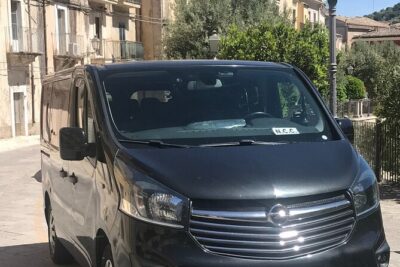
Transport is part of the value here. You’re in an air-conditioned vehicle, and the service is described as smooth and dependable, with guides who are ready to explain what you’re seeing. That matters because Syracuse can feel like a maze once you’re on your own—this tour helps you get your bearings fast, especially in the tight streets around the waterfront and old center.
Group size is capped at 15. With a smaller group, you’re less likely to get stuck behind slow-moving people at the key viewpoints, and you’ll usually get more personalized attention if you have questions.
You can also read our reviews of more tours and experiences in Sicily.

Mercato di Ortigia: smells, colors, and the singing sellers
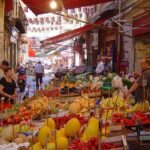
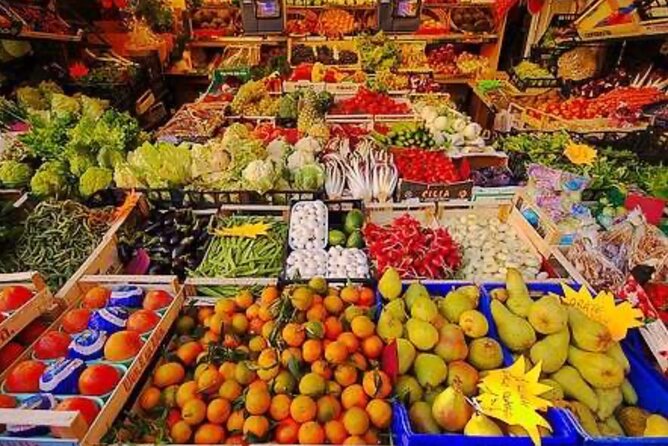
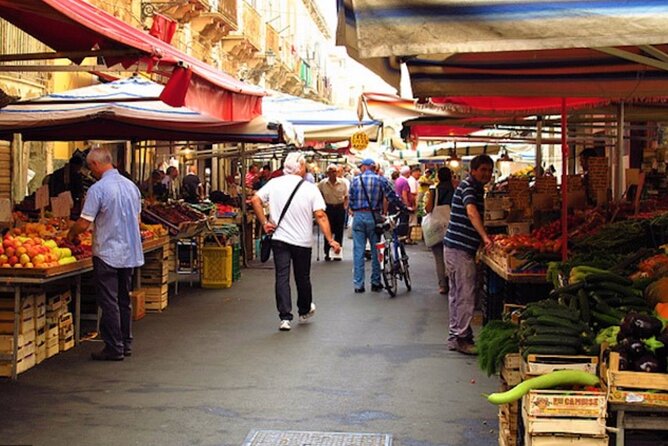
Your first stop is the Mercato di Ortigia, and it’s not just a quick photo stop. You’re guided through a typical market experience—full of local products, strong smells, and bright colors that make the whole place feel alive. The standout detail is that sellers describe their products in the local language while singing lullabies, which turns a market routine into something more like street theatre.
What I like about this segment is that it teaches you how to look. You’re not just passing by stalls; you’re learning what people buy and why certain items matter locally. Even if you don’t plan to shop much, you’ll still get a feel for Syracuse beyond the monuments.
One practical note: markets are active, and walking through them can be a bit tight. If you’re the kind of person who likes to stop for a long chat with every vendor, you might want to pace yourself and save deeper shopping for later, after the guided portion.
Ortigia on foot: Apollo, the Cathedral, and Fonte Aretusa
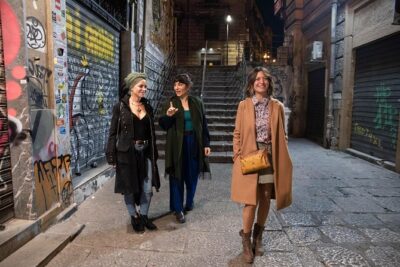
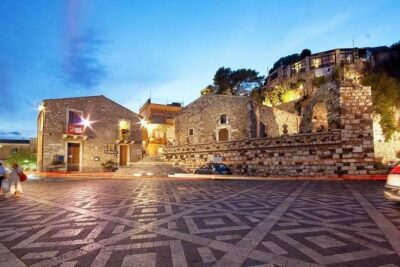
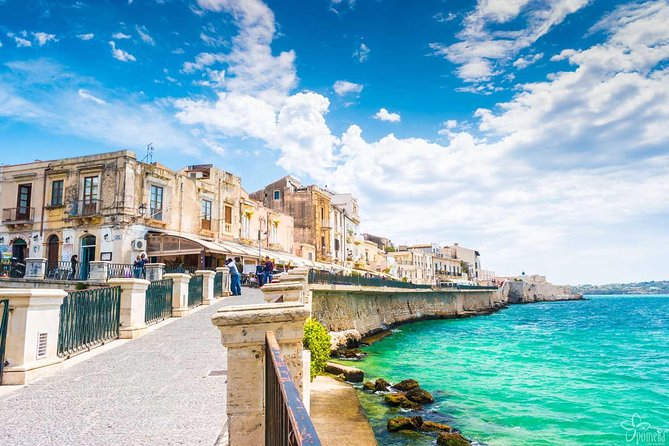
From the market, the tour moves into the heart of the old city on the Isola di Ortigia. This is where you get the classic “how did they build all this” feeling, because you’re walking among major sites without needing a map app for every turn.
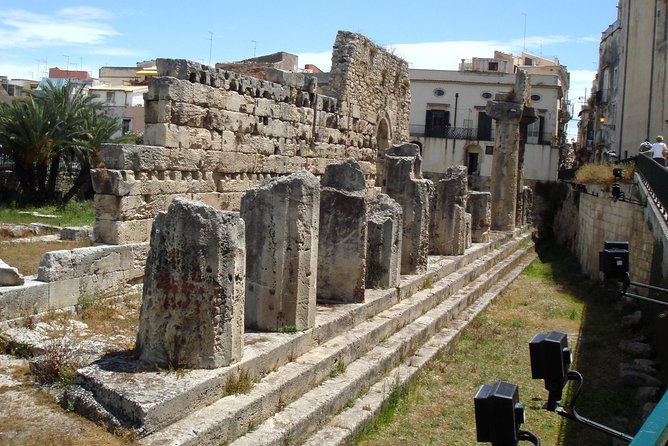
The key sights included here are the Temple of Apollo area, the Cathedral, and Fonte Aretusa. This combination works well because it balances different kinds of interest:
- Temple of Apollo: connects you to the ancient Greek footprint of the area
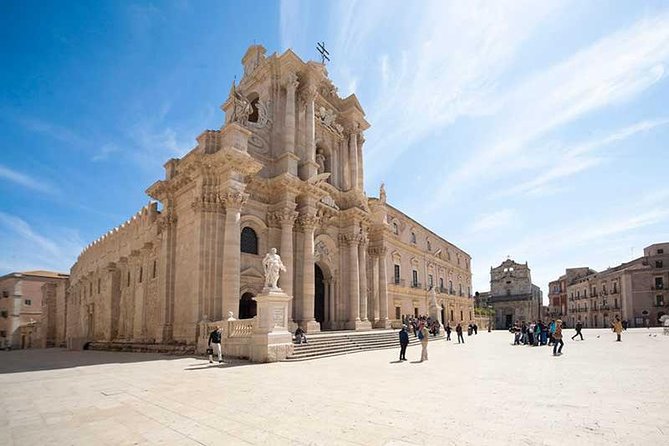
- Cathedral: gives you that later layered religious architecture people often remember best
- Fonte Aretusa: adds a human-scale, atmospheric stop that feels calmer than stone monuments
There’s also a strong practical value: you’re guided through the alleys and lanes so you understand how these places relate to the street layout. Without help, Ortigia’s charm can also become “Where am I again?” With a guide, the streets turn into a story.
Also, the Cathedral area is specifically praised by visitors as a must-visit, so if that’s your kind of travel moment—big landmark, photo-worthy, and easy to pair with a meal nearby—you’re in the right spot.
Teatro Greco: Ara of Hieron to the Ear of Dionysus
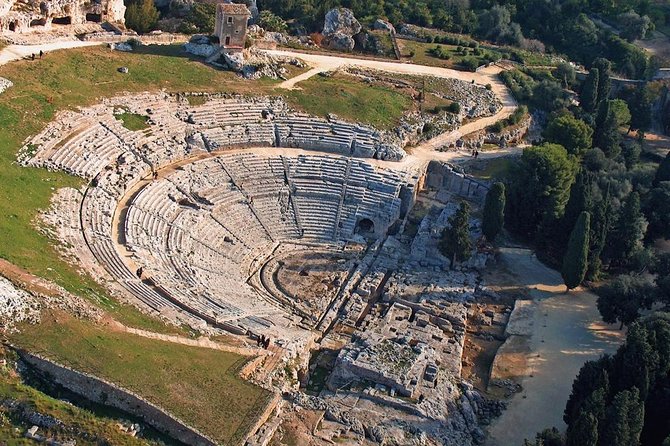
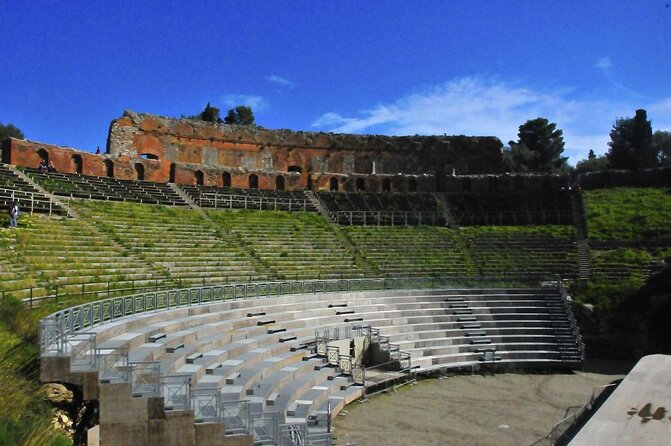
Then comes the big one: Teatro Greco. This archaeological complex is a strong reason to book the tour instead of trying to piece it together yourself. The guided focus is on the major parts—so you’re not just walking rows of seats and hoping you’re standing in the right place.
Included in the theatre segment are the Ara of Hieron, the Ear of Dionysus, the Roman Amphitheater, and the cave area of the Cordari. You also spend time with the Greek Theatre itself. That mix matters because it shows how the site evolved. It’s not only a Greek stop; it’s a place that later Romans adapted, and that makes the visit feel more layered and complete.
The Ear of Dionysus is the kind of feature that often draws people in because of how it works and what it represents. Even if you’re not a sound-effects person, the guide’s explanation turns it from a quirky landmark into something you understand.
What to consider: the theatre area is an archaeological site, and you’ll want to be ready for uneven ground and walking between sections. The tour keeps it organized, but it still isn’t a smooth, flat stroll like a museum hallway.
Tickets and money: what’s included vs. what you’ll pay for
This excursion is $77.44 per person, and it’s priced around the guided experience plus the air-conditioned vehicle. The market and Ortigia walking components don’t require paid admission during the guided stops, but the theatre experience does have a separate cost.
The important line is this: entrance to the archaeological area at Teatro Greco is not included, and you’ll need to pay that on-site. So when you compare prices, your real budget is closer to the tour fee plus the theatre admission.
From a value standpoint, I see the price working if you want two things:
1) guided context so you understand what you’re looking at
2) smooth logistics so you’re not spending half your day figuring out routes and timing
If you’re the type who loves DIY exploring and you already know exactly what you want to see at the theatre, you might question the extra cost. But for most people, the guide’s help makes the hour in the theatre much more useful than just wandering.


Timing: what a 6-hour half-day feels like in practice
Even though it’s called a half-day outing, plan on roughly 6 hours total. That’s actually a good sign. A tour that tries to squeeze everything into 3 hours often turns into rushed flag-chasing. Here, you get structured time at each stop—about an hour for the market and about an hour for the Ortigia sites, then your theatre block.
The practical benefit is pacing. You’re not jumping all over Sicily; you’re focusing tightly around Syracuse proper, with the main monument moment at Teatro Greco.
The start time (8:00am) helps you avoid some of the worst crowds and makes the walking feel more manageable. It also gives you time afterward to enjoy the rest of Syracuse on your own—whether that’s another church stop, a late lunch, or a slow stroll along the water.
Guide and small-group feel: why the experience comes alive
The guides here are described as prepared and genuinely invested in Syracuse. One name that comes up in the feedback is Mr. BIAGIO, noted for being punctual, well-prepared, and passionate about the city. That kind of guide energy matters because Syracuse isn’t only about seeing places—it’s about understanding why they’re arranged the way they are and what to notice once you’re in front of the site.
The same feedback also points to staff who handle logistics smoothly and respond to customer needs. If your schedule is tight or you’re worried about the flow of the day, that’s a comfort factor. You’re not just paying for transportation; you’re paying for someone to keep the day moving in a sensible order.
With a maximum of 15 travelers, the vibe tends to stay friendly and organized. Smaller groups don’t automatically mean better guides, but they do help the guide deliver the story without getting drowned out.
Who should book this Syracuse and Ortigia combo?
This tour fits best if you want a guided best-of mix without committing to a full day. It’s especially good for:
- First-time visitors to Syracuse who need help choosing what to see
- People who like walking tours but want structure and context
- Travelers who enjoy ancient sites and want the theatre details explained
- Anyone who likes food culture and wants to experience Ortigia through the market
If you’re the kind of traveler who dislikes walking or wants long free time at each stop, you may find the structure a bit tight. The stops are guided blocks, not open-ended exploration sessions.
Also, this experience depends on good weather. If conditions are poor, you’ll be offered another date or a refund, so keep an eye on the forecast before you lock your plans.
Should you book this tour?
I’d book it if you want a compact Syracuse day that covers the market, the main Ortigia landmarks, and the theatre complex with an expert guide running the show. The value comes from the combination of guided clarity (so you know what you’re looking at) and smooth logistics (A/C transport and a tight route), not from trying to do everything independently.
Skip it only if you already have a strong plan for Teatro Greco and prefer solo exploring with no guided explanation. Otherwise, this is a smart way to taste Ortigia culture in the morning and end with the kind of ancient spectacle that’s hard to appreciate fully without help.
If you’re trying to get your Syracuse priorities right, this one is a solid bet.
FAQ
What’s the duration of the tour?
The tour is listed at about 6 hours.
Where is the meeting point?
You meet at Birrico Tour Ag Viaggi – Ncc luxury Transfer – Escursioni – Msc Crociere, Corso Vittorio Emanuele, 147, 96012 Avola SR, Italy.
What time does the tour start?
The start time is 8:00am.
Is the theatre entrance included in the price?
No. Entrance to the archaeological area at Teatro Greco is not included, and you’ll need to pay it on-site.
What’s included in the tour price?
The tour includes an air-conditioned vehicle and the guided components during the listed stops.
Do I need a printed ticket?
No. You’ll use a mobile ticket.
How many people are in the group?
The group size is capped at a maximum of 15 travelers.
How soon do I get confirmation after booking?
You receive confirmation within 48 hours of booking, subject to availability.
What’s the weather requirement?
The experience requires good weather. If it’s canceled due to poor weather, you’ll be offered a different date or a full refund.
Where does the tour end?
It ends back at the meeting point.