REVIEW · CATANIA
Catania: Etna Morning or Sunset Trek with Lava Tunnel & Gear
Book on GetYourGuide →Operated by Etna periperi Excursion · Bookable on GetYourGuide
Etna hits fast, even on a short hike. You’ll walk lava deserts and reach the volcano’s craters, then step into a lava tube with a guide who explains what you’re seeing.
I love that the route mixes big views with hands-on geology—crater walking in open air, then the cool, dark inside of the lava caves. The other big win is the focus on Etna’s living world too: you’ll get pointers on the flora and fauna that call this volcano home.
One possible drawback: weather can change the feel of the trek, especially if you pick the sunset slot. Expect wind up high, and don’t count on a perfect sunset if clouds or rough conditions show up.
In This Review
- Quick hits before you go
- Mount Etna in 5.5 hours: why this trek feels like more than a hike
- Getting from Catania to Etna: meeting point and van time that actually matters
- Up to ~2,100 meters: cold wind, smart layers, and why your body feels it
- Walking lava deserts and secondary craters: what you’re really seeing
- The eruptive theater of 2001: photo views that make sense, not random stops
- Via Grotta Lunga: the quick walk that links the surface to the caves
- Entering the lava tube: helmet on, flashlight ready, and why it’s cool inside
- Morning Etna vs sunset Etna: how to choose based on light and comfort
- What you should wear and bring: the gear list that prevents misery
- Price and value at about $70: what you’re paying for
- Who should book this Etna trek (and who should skip it)
- Should you book this Mount Etna morning or sunset trek?
- FAQ
- How long is the Mount Etna trek with lava tunnel access?
- Where is the meeting point in Catania?
- Can I choose between a morning tour and a sunset tour?
- What’s included in the price?
- Do you enter a lava tube or lava cave?
- How high do you go during the hike?
- What should I bring for the trek?
- Is food and drinks included?
- Can I cancel for a full refund?
- Is this tour OK for young children?
Quick hits before you go
- Crater walking with real explanations: secondary craters and lava terrain, paced at a comfortable walking rhythm
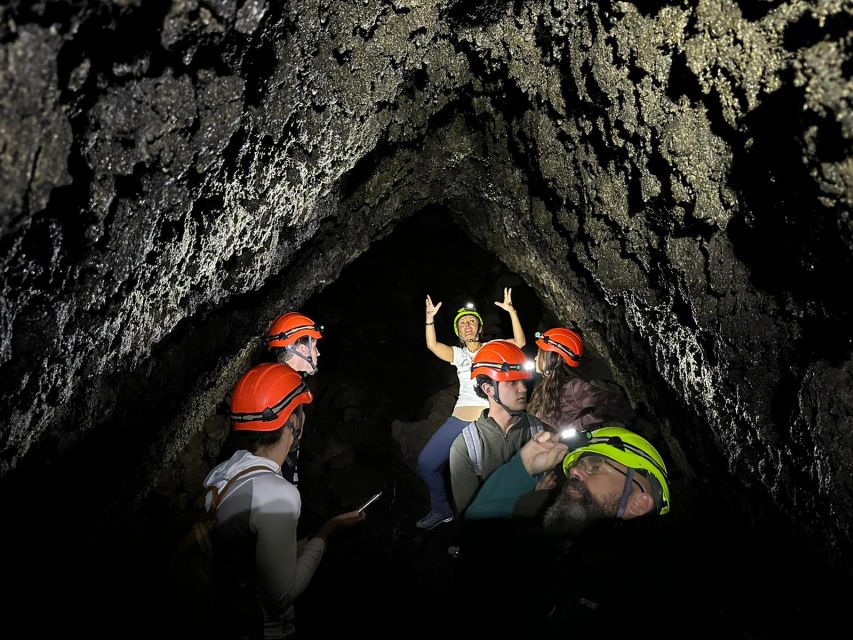
- Lava tube access: helmet and flashlight included so you can actually go inside
- Etna’s living layer gets attention: flora and fauna tied to volcanic ground and climate
- Two timing options: morning hike or sunset hike, both with a photo stop at the top area
- Real altitude: you reach about 2,100 meters, so plan for cooler temperatures and wind
- Smart included gear: walking sticks, plus helmet and flashlight for the cave part
Mount Etna in 5.5 hours: why this trek feels like more than a hike
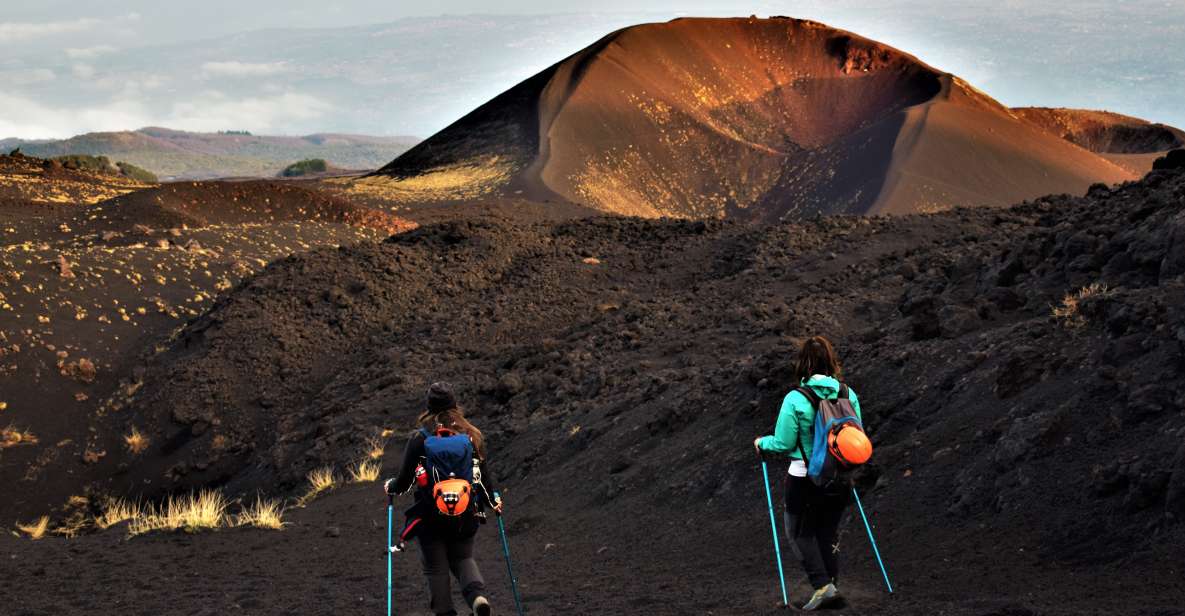
This tour is built for people who want the Etna experience without giving the whole day to logistics. You start in central Catania, ride out, walk several hours across volcanic terrain, and still get the signature moment—going into a lava tube—before heading back.
What makes it work is the balance. The walking portion is on the open Etna terrain: lava deserts, recent lava flow areas, and secondary craters. Then the tour pivots underground, where the temperature drops and the geology turns from scenery to something you can look at up close. Add a guide who talks through what you’re seeing (and why), and the whole thing stops being just a photo mission.
Also, the pacing matters. Even though you’re on rugged ground, the tour is designed for a comfortable pace rather than a race to the summit. That makes it a strong choice when you want awe without destroying your legs.
You can also read our reviews of more evening experiences in Catania
Getting from Catania to Etna: meeting point and van time that actually matters
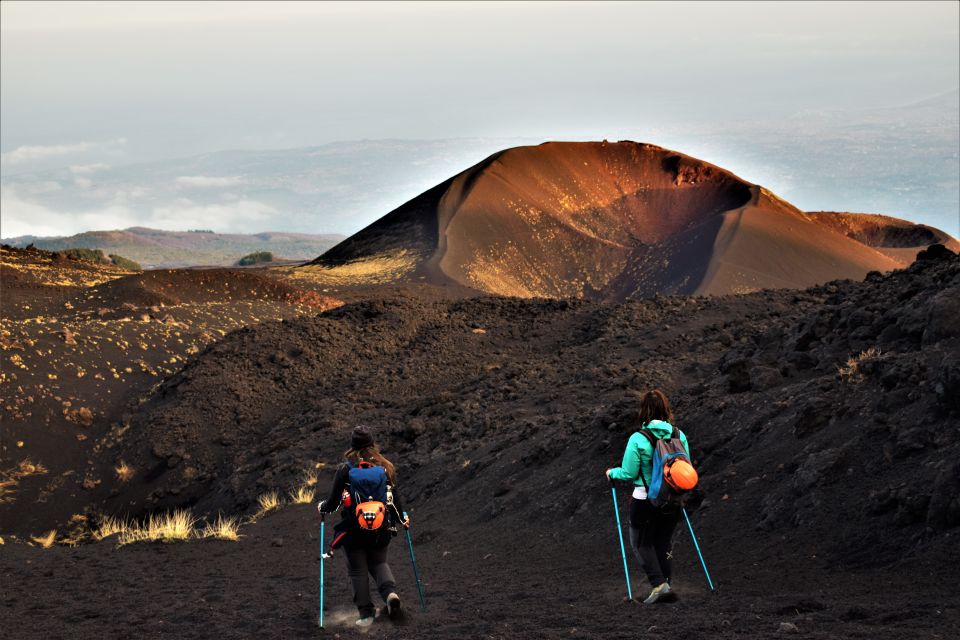
You meet your guide at Via Alcalà 13–15, in front of the McDonald’s in Piazza Borsellino. This is one of those details that can make or break your day—easy pickup beats complicated rendezvous plans, especially when you’re trying to stay relaxed on a half-day excursion.
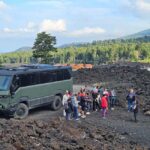
Then you head out by van. The ride is about 1 hour at the start, with additional shorter transfers along the way. Translation: you’re not spending the entire tour stuck on a bus, but you also aren’t immediately thrown onto steep volcanic paths from the parking lot.
This setup helps in two ways:
- You arrive at the walking zone with less hassle and more energy.
- The guide can start orienting you—what the terrain looks like at Etna, how the lava forms tubes, and what you’ll likely notice during the walk.
Practical tip: arrive a few minutes early. Central meet points are simple, but you’ll still want calm, not sprinting.
Up to ~2,100 meters: cold wind, smart layers, and why your body feels it
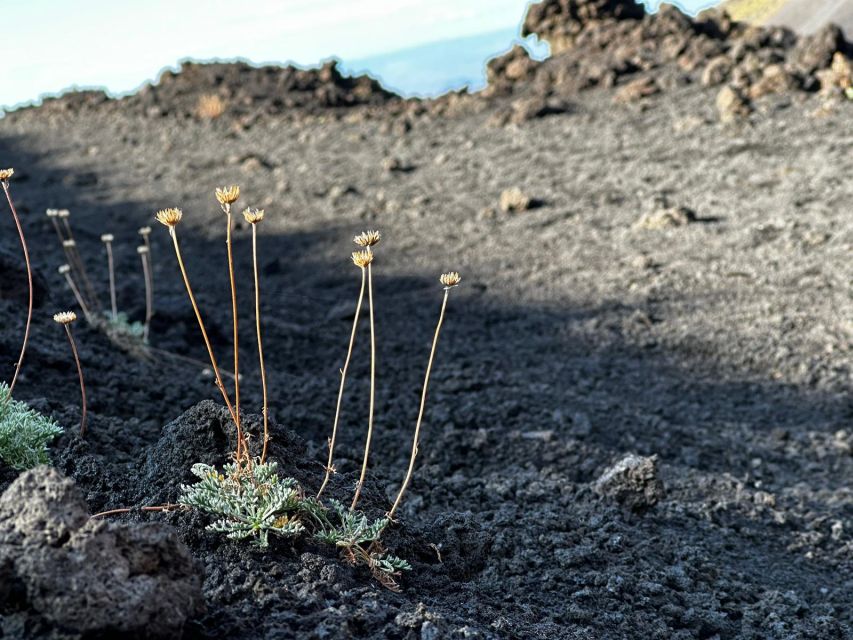
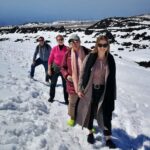
The trek reaches a maximum altitude of about 2,100 meters. That’s high enough to feel it, especially with wind. One of the most consistent takeaways from past outings is that Etna can run noticeably cooler than Catania, and the wind can get intense at the top.
So dress like you’re going somewhere brisk, not like you’re staying coastal. Comfortable clothes and weather-appropriate layers are key. If you only bring summer gear and hope for the best, you’ll likely regret it when you stop for photos or during the cave prep.
What you’ll probably notice first is the wind:
- It can make short breaks feel chilly.
- It changes how your body warms up while you’re walking.
- It can sting your ears and neck if you’re not layered.
Your best strategy is simple: wear hiking shoes you trust, bring sunscreen anyway (yes, even with clouds—UV doesn’t care), and carry water. If you’re someone who runs cold, add an extra layer.
Walking lava deserts and secondary craters: what you’re really seeing
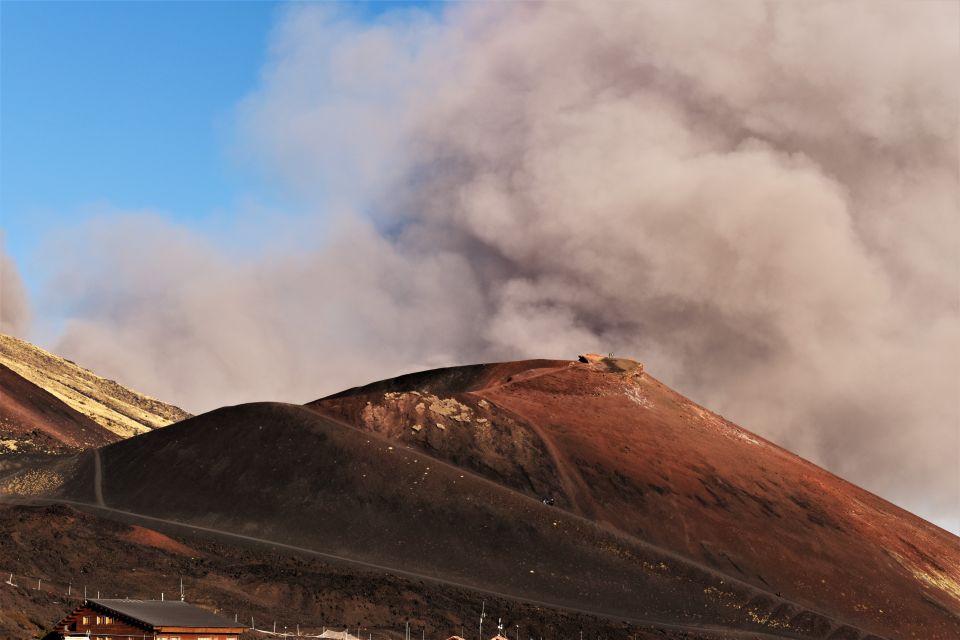
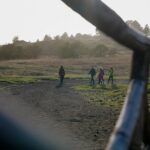
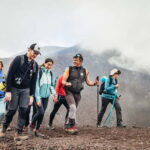
This is the heart of the experience: walking across Etna’s volcanic terrain with a guide reading the land like a map.
You’ll move through:
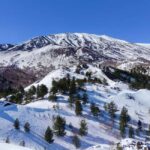
- Lava deserts where the ground looks stripped back and otherworldly
- Areas linked to recent lava flows
- Secondary craters—not the main cone you picture in postcards, but the smaller structures that show how eruptions spread and evolve
The guide’s job here is more than storytelling. They help you connect what you see—rock color, texture, and shape—to what it means in volcanic terms. You also get the human-scale science: how eruptions shape the terrain over time, and why certain volcanic areas support different types of plants and animals than others.
The Etna-specific payoff is that you’re not just walking through a barren void. The tour points out flora and fauna that can be found on Etna, which makes the terrain feel alive instead of empty.
Small but important: you’re walking on uneven volcanic ground and dark sand-like surfaces. It’s not technical climbing, but it’s still rough. Wear shoes with good grip, and expect your feet to sink slightly in looser volcanic material.
The eruptive theater of 2001: photo views that make sense, not random stops
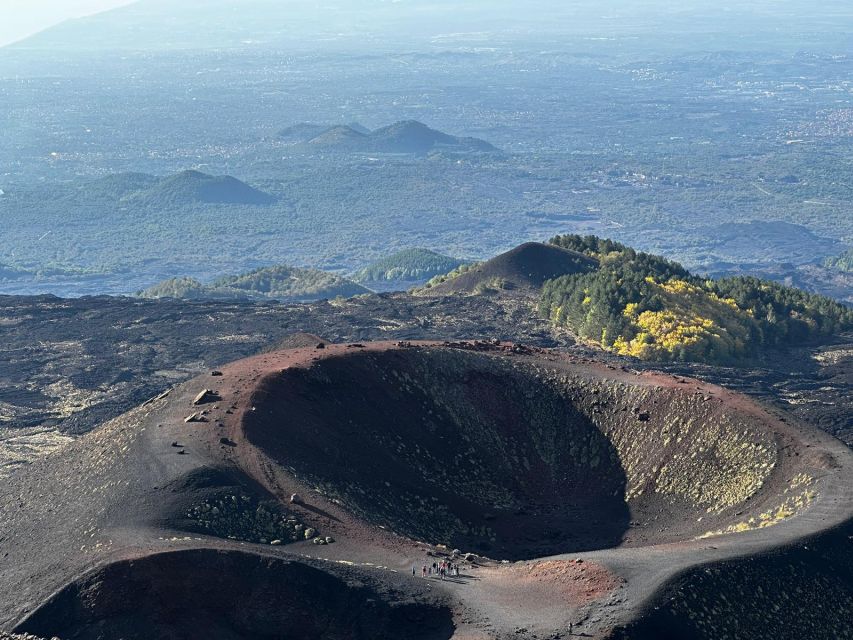
There’s a standout viewpoint tied to the 2001 eruptive activity, and you’ll stop to take in the scene. This is where the walking effort turns into that big “wow” moment—when you can actually see the system of craters and lava zones laid out against the sky.
This stop is valuable for two reasons:
- It gives context. After hours of walking, you finally get a broader perspective on how the eruption patterns connect.
- It’s built for photos. The tour includes time for pictures and for the guide to point out what you should be noticing.
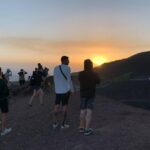
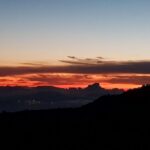
Timing matters here too. On the sunset version, you’re going for warmer light on volcanic rock. On the morning version, it’s often clearer visibility and crisp contrast. Either way, you’ll want to be ready to shoot quickly because conditions on Etna can shift fast—wind and changing cloud cover can steal your best light.
You can also read our reviews of more hiking tours in Catania

Via Grotta Lunga: the quick walk that links the surface to the caves
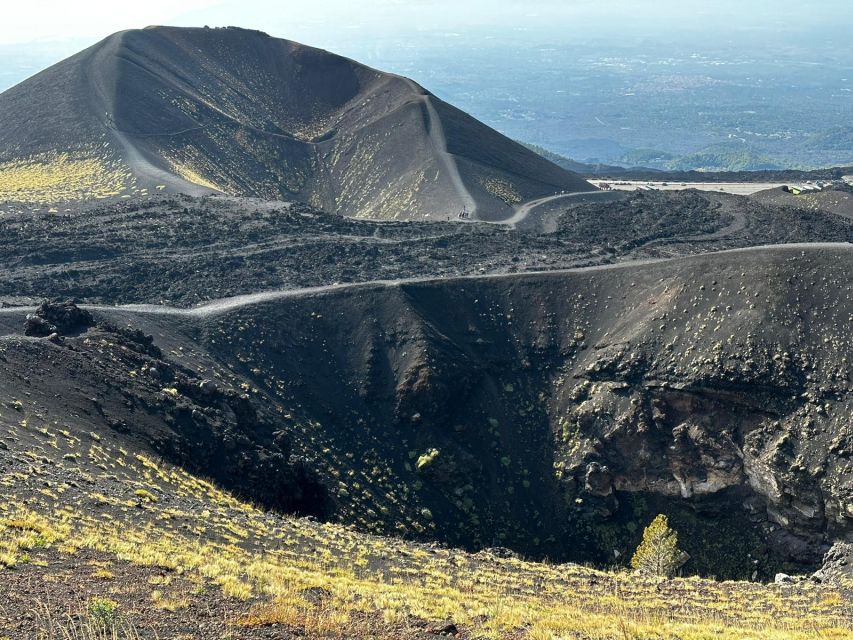
After the main hiking section, the tour includes a stop at Via Grotta Lunga with a short walk before the final transfer back. This part isn’t long, but it’s useful because it sets up the cave experience.
Think of it as the transition between two worlds:
- Above ground, you’re reading the volcano through shapes and rock.
- Near the caves, you’re preparing to understand the underground side of the eruption story.
Even if the time here is brief, the guide’s explanations help connect the surface evidence to what you’ll see inside the lava tube. Without that link, a cave can feel like a separate activity. With it, you’ll start seeing the terrain as one continuous volcanic process.
Entering the lava tube: helmet on, flashlight ready, and why it’s cool inside
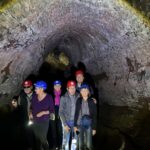
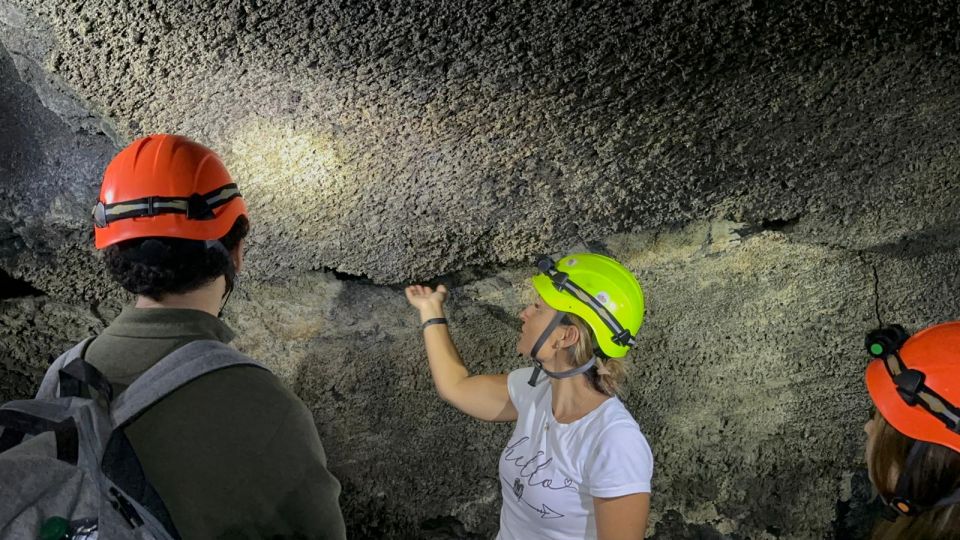
The signature moment is going into a lava tube (often called a lava tunnel or lava cave). Before you enter, you’ll put on a helmet and use a flashlight. That gear matters because it turns the space from scary-dark to “I can see enough to understand this.”
Inside, what you’re learning is how lava tubes are created during eruptions. You’re not just wandering. The guide walks you through what you’re seeing in terms of lava flow behavior and how the tube formed.
This part is special for a simple reason: it changes your scale. On the surface, you see volcanic leftovers. Underground, you see the structure that explains how those leftovers happened.
A few things to keep in mind:
- The cave feels cooler than outside, so expect temperature contrast after being out in wind.
- You’ll want secure footwear—there can be uneven footing inside.
- The flashlight helps you spot textures and shapes, but you’ll still be in low light. Move carefully and don’t rush.
This is also where a guide’s tone really helps. If they inject humor and keep explanations clear, the cave becomes a story you can follow, not a lecture you endure.
Morning Etna vs sunset Etna: how to choose based on light and comfort
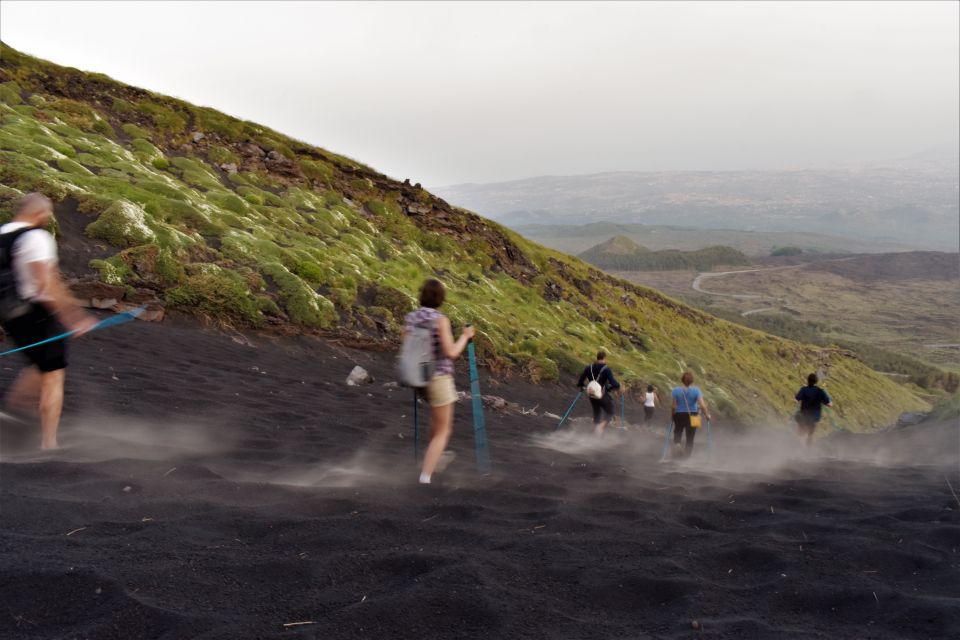
You can do this as an Etna morning trek or an Etna sunset trek, and the differences are real.
Morning tends to mean:
- More likely to start with calmer light and less dramatic wind-chasing
- Crisp visibility for crater and lava flow details
Sunset tends to mean:
- Warmer tones on dark volcanic rock
- A higher chance of chasing shifting weather, since clouds can ruin the effect
If your top goal is dramatic color, pick sunset. If you care more about comfort and consistent visibility, morning usually feels steadier.
Either way, treat the weather as part of the experience. One of the practical realities is that even when you schedule for sunset, the sky doesn’t always cooperate. That doesn’t make the trek less worthwhile—it just shifts the mood from golden glow to atmospheric gray.
What you should wear and bring: the gear list that prevents misery
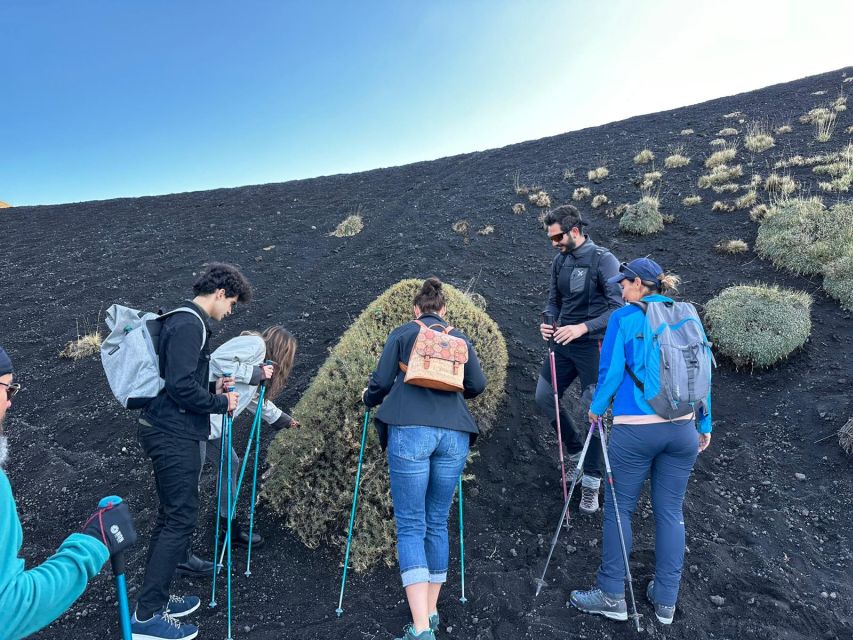
The tour provides walking sticks, helmet, and flashlight. You’re responsible for the rest.
Bring:
- Comfortable shoes (hiking shoes are strongly recommended)
- Water
- Sunscreen
- Comfortable clothes and weather-appropriate layers
- Something to protect against wind (a wind jacket helps a lot)
In some past outings, people reported being helped with extra footwear and wind layers. Don’t assume it’s guaranteed for every departure, but it’s a good sign that the operator understands how fast Etna turns from warm city air to cold volcanic wind.
What not to bring:
- High-heeled shoes
- Pets
- Alcohol and drugs (and intoxication)
- Insect repellent
- Baby carriages
- Feeding animals
- Explosive substances
Also note the general “don’t ignore conditions” advice. If you’re prone to feeling sick on motion or at altitude, this is not the time to gamble.
Price and value at about $70: what you’re paying for
At $70 per person, this trek is priced in a way that makes sense for what’s included: pickup and drop-off from central Catania, a guide, walking sticks, and the safety gear for the lava tube.
The biggest value pieces are:
- Guide-led interpretation: you’re not just walking in circles; you’re learning what the lava terrain means.
- Lava tube access with gear: helmet and flashlight inclusion is part of why this isn’t just a casual walk.
- Time efficiency: the total duration is about 5.5 hours, so you get a complete Etna highlight without taking the whole day.
What you should budget separately:
- Food and drinks aren’t included
- Cableway is not included (and since the tour is walking-based, you won’t need it for this specific experience)
- Hotel pickup is not included
My practical take: if you’re staying in Catania and want Etna in one shot—with a real cave moment—this hits good value. If you already have your own transport and gear and speak volcanic geology fluently, you could build a self-guided plan. But most people won’t, and that’s where the guide-led structure pays off.
Who should book this Etna trek (and who should skip it)
This is a strong fit for people who:
- Want an Etna half-day that still includes a cave/lava tube moment
- Like hiking on rugged ground with a comfortable pace
- Enjoy learning about how volcanoes form terrain and what grows there
It may not be suitable if you have:
- Children under 5 years
- Back problems
- Mobility impairments, wheelchair use
- Heart problems
- Epilepsy
- Visual impairment
- Altitude sickness
- High blood pressure
- Motion sickness
- People over 309 lbs (140 kg)
Also, your day can change slightly if conditions force adjustments. That’s not a reason to panic—it’s a normal mountain reality.
Should you book this Mount Etna morning or sunset trek?
If you want a focused, high-impact Etna experience from Catania, I’d book it. The combination of crater walking, a timed photo stop tied to the 2001 eruptive activity, and the chance to enter a lava tube makes this more complete than a basic surface hike. Plus, the gear support is real: sticks for the walk, and helmet/flashlight for the underground part.
Skip it if you’re sensitive to wind and altitude, or if you fall into any of the listed medical/suitability categories. And if sunset is the whole reason you’re going, bring backup expectations—Etna weather can be unpredictable.
FAQ
How long is the Mount Etna trek with lava tunnel access?
The total duration is about 5.5 hours, from pickup to drop-off.
Where is the meeting point in Catania?
Meet your guide in front of the McDonald’s in Piazza Borsellino, Via Alcalà 13–15, Catania.
Can I choose between a morning tour and a sunset tour?
Yes. You can select either an Etna morning trek or an Etna sunset trek.
What’s included in the price?
Included are pickup and drop-off from a central Catania meeting point, a guide, walking sticks, and helmet and flashlight for the lava tube.
Do you enter a lava tube or lava cave?
Yes. The experience includes a part where you equip a helmet and flashlight and enter a lava tube created during volcanic eruptions.
How high do you go during the hike?
The maximum altitude is approximately 2,100 meters.
What should I bring for the trek?
Bring comfortable shoes or hiking shoes, sunscreen, water, and comfortable clothing suitable for the weather.
Is food and drinks included?
No. Food and drinks are not included.
Can I cancel for a full refund?
Yes. You can cancel up to 24 hours in advance for a full refund.
Is this tour OK for young children?
No. It is not suitable for children under 5 years.