REVIEW · CATANIA
Catania: Etna Nature Tour with Hiking, Cave Visit, & Tasting
Book on GetYourGuide →Operated by Kemedia · Bookable on GetYourGuide
Etna feels otherworldly, even before you hike. I love how this trip turns big volcano views into clear, human explanations, especially with guides like Enzo who keep it fun. I also love the part that smells like home: a farm stop where you sample local products like olive oil and wine. The main drawback is simple—Etna can be cold and windy, so come dressed for it or plan to suffer a little.
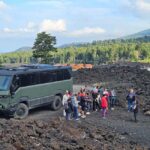
You’ll start from central Catania (or an optional hotel pickup), ride in a van toward the Etna Nature Park, and stop for welcome refreshments along the way. Then you’ll get views from the Sapienza Refuge area at 1,986 meters, see both newer eruption activity and older craters, and—if your option includes it—step into a lava cave with a helmet and headlamp. It’s a small group, and the guide speaks multiple languages (English, German, Italian, Spanish, French), which makes the whole day feel smoother.
One more thing to think about up front: you can hike or you can choose a higher-altitude option using a cable car and jeep bus (the added transport is not included). If you’re hoping for the very top no matter what, know that the cost and the conditions can affect how far you go.
In This Review
- Key things to know before you go
- Getting Up Etna: Van Time, Ragalna Refreshments, and Altitude Goals
- Sapienza Refuge at 1,986 m: New Eruptions, Silvestri Craters, and Big-Scale Thinking
- Hiking Up or Going Higher by Cable Car and Jeep Bus
- The Lava Cave Experience: Helmet, Headlamp, and Why Tunnels Matter
- Farm Tasting on the Slopes: Honey, Olive Oil, and Wine You Can Actually Take Home
- Duration, Group Size, and How to Plan Your Day in Catania
- Price and Value: What $45-ish Buys on Etna
- What to Pack for Etna: Windbreaker, Traction, and a Real Jacket
- Who This Etna Tour Is For (and Who Might Want a Different Plan)
- Should You Book This Catania: Etna Nature Tour?
- FAQ
- How long is the Etna nature tour?
- Is the lava cave visit included?
- Do I need to pay extra to go higher on Etna?
- What will I eat or drink during the tour?
- What should I bring for the day?
- Is the tour suitable for everyone?
Key things to know before you go
- Sapienza Refuge views at 1,986 m with crater and eruption context, not just sightseeing
- Silvestri craters reference from the 1892 eruption, explained in plain language
- Lava cave visit with helmet and headlamp (if you choose the transfer/cave option)
- Farm tasting that can include honey, olive products, and wine-style tastings
- Hike vs cable car and jeep bus: both are offered, but the higher-altitude transport costs extra
- Small group format with multilingual guiding, so questions don’t get lost
Getting Up Etna: Van Time, Ragalna Refreshments, and Altitude Goals
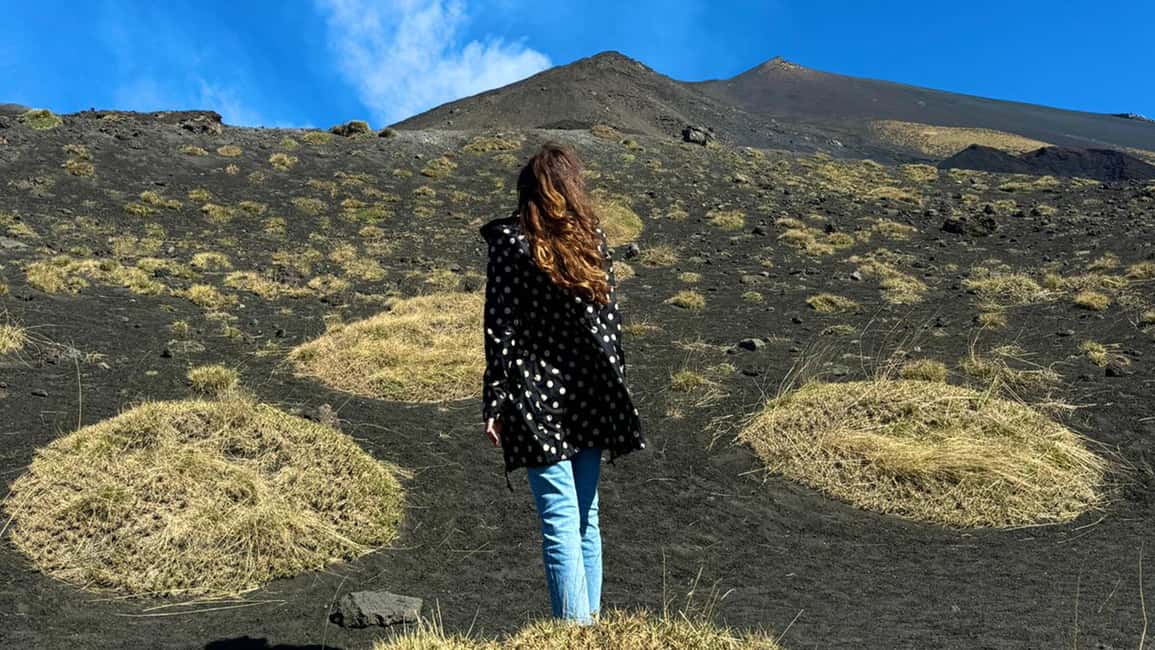
Most days begin in Catania, then you transfer up toward Etna in a shuttle-style ride. The exact pickup point depends on the option you choose, and there’s also an optional hotel pickup/drop-off for reachable hotels and B&Bs in Catania. Either way, you’re not driving yourself, which matters here because parking near volcanic areas is not the point of the day.
A neat touch is the stop in Ragalna, where you get welcome refreshments (the tour schedules this as about 45 minutes). It’s not just a break. It’s a buffer so you can warm up, hydrate, and mentally switch from city noise to mountain weather.
From there, your route climbs toward the Sapienza area. This is where planning matters: the tour includes walking time, but there’s also an option to go higher by cable car and jeep bus instead of trekking. That choice is a big deal if you’re traveling with mixed walking comfort.
You can also read our reviews of more food & drink experiences in Catania
Sapienza Refuge at 1,986 m: New Eruptions, Silvestri Craters, and Big-Scale Thinking
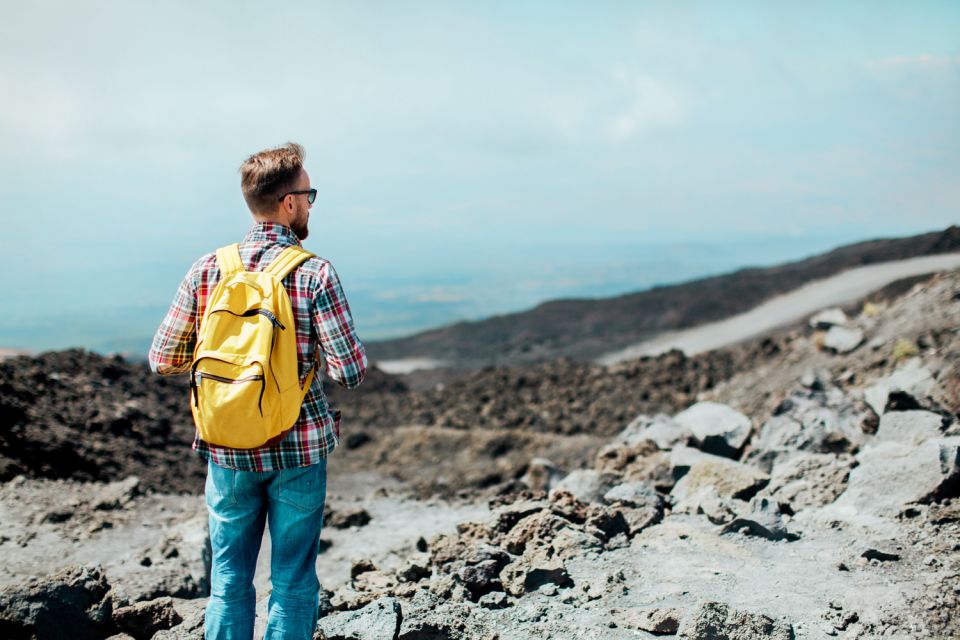
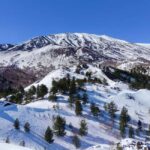
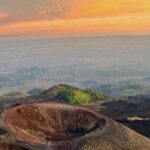
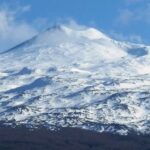
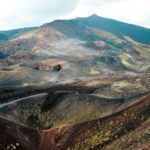
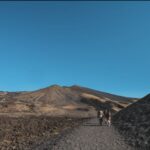
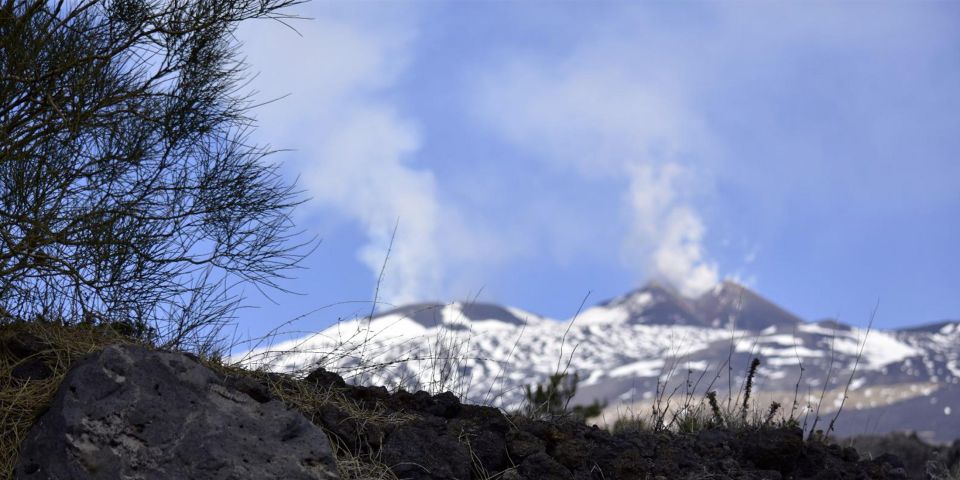
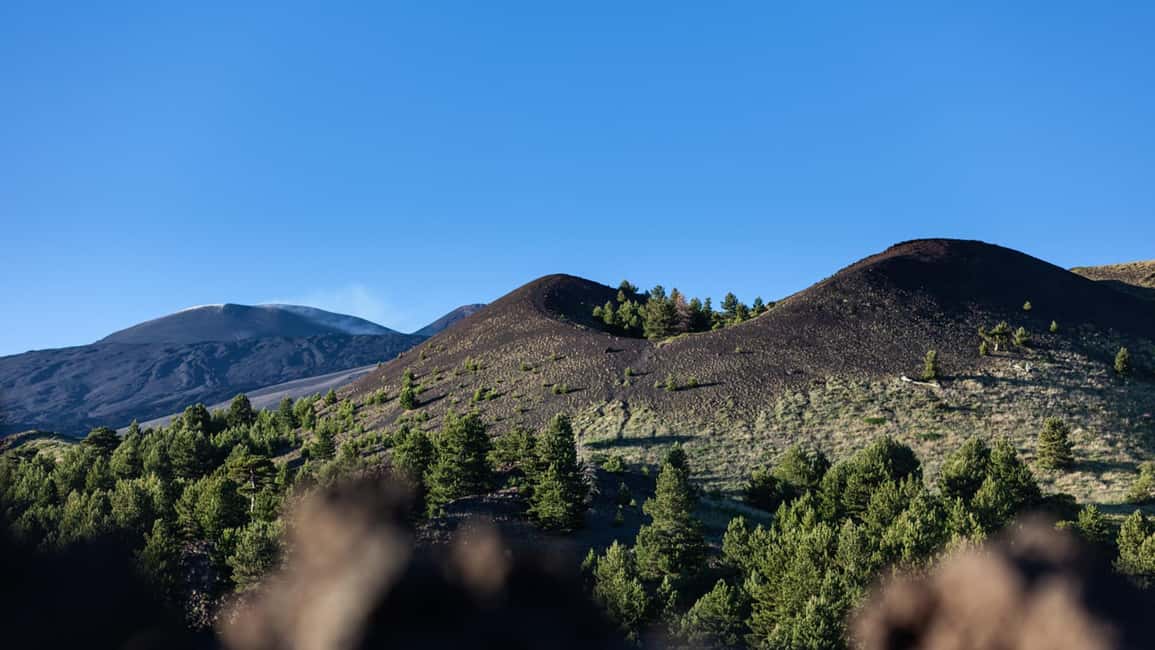
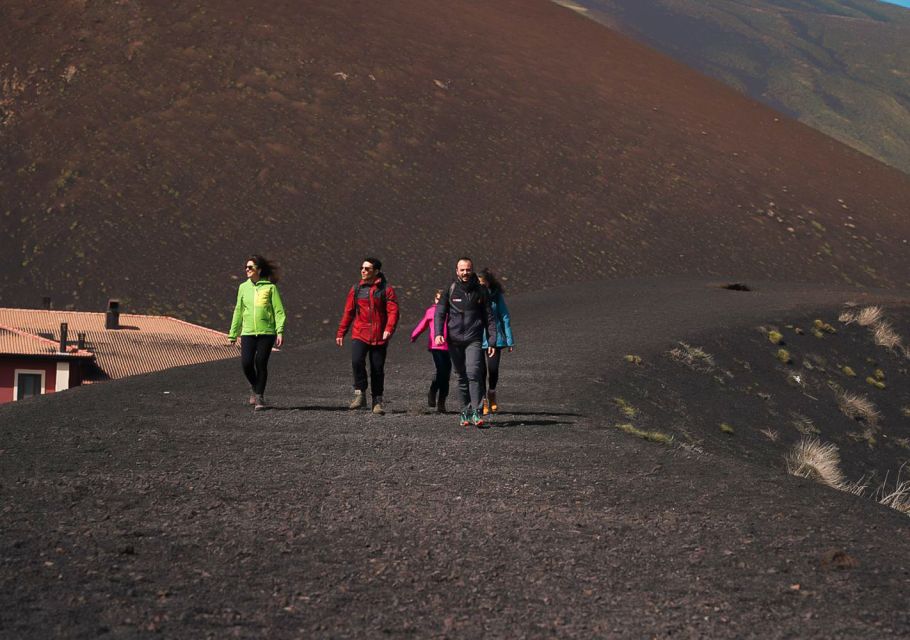
At the Sapienza Refuge area (listed at 1,986 meters), you’ll take in panoramic views and get the story behind what you’re seeing. The guide points out the most recent eruption-related scenes alongside older craters, including the Silvestri craters tied to the 1892 eruption.
What I like about this part is that it gives you a framework. Etna looks like one giant mountain until someone explains the difference between craters, eruption phases, and older volcanic features. Once you have that mental map, you stop staring and start understanding.
It also helps that you’re not just stuck with one viewpoint. You move around enough to see multiple angles, and the guide keeps the pace realistic so you’re not exhausted before the cave.
Hiking Up or Going Higher by Cable Car and Jeep Bus
This is the part where you should match the tour to your body, not your pride.
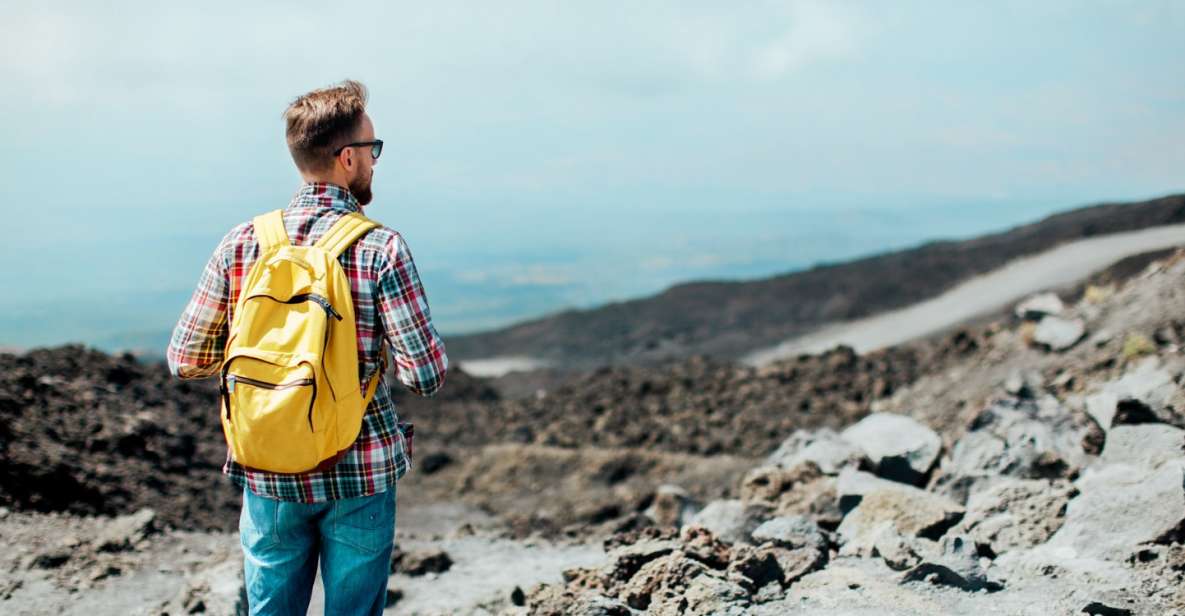
If you choose the trekking option, you’ll earn your altitude step by step, with the guide shaping stops as you go. Trekking shoes can be provided upon request for the option that includes transfer, which is useful if you’re in sneakers that are more fashion than traction.
If you prefer less walking (or you’re doing this in bad weather), the tour offers the option to go up by cable car and jeep bus to higher altitudes allowed. Here’s the catch: cable car and the 4×4 bus are not included in the base price. Several people have also noted that the extra fee can be significant if you go all the way up, so decide early whether your goal is altitude or the full Etna experience without extra spending.
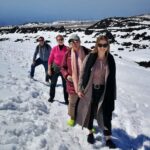
And yes, winter on Etna can surprise you. In cold, windy conditions, people have emphasized bringing a jacket because it can feel freezing up there. Even in shoulder seasons, layers are your best friend.
The Lava Cave Experience: Helmet, Headlamp, and Why Tunnels Matter
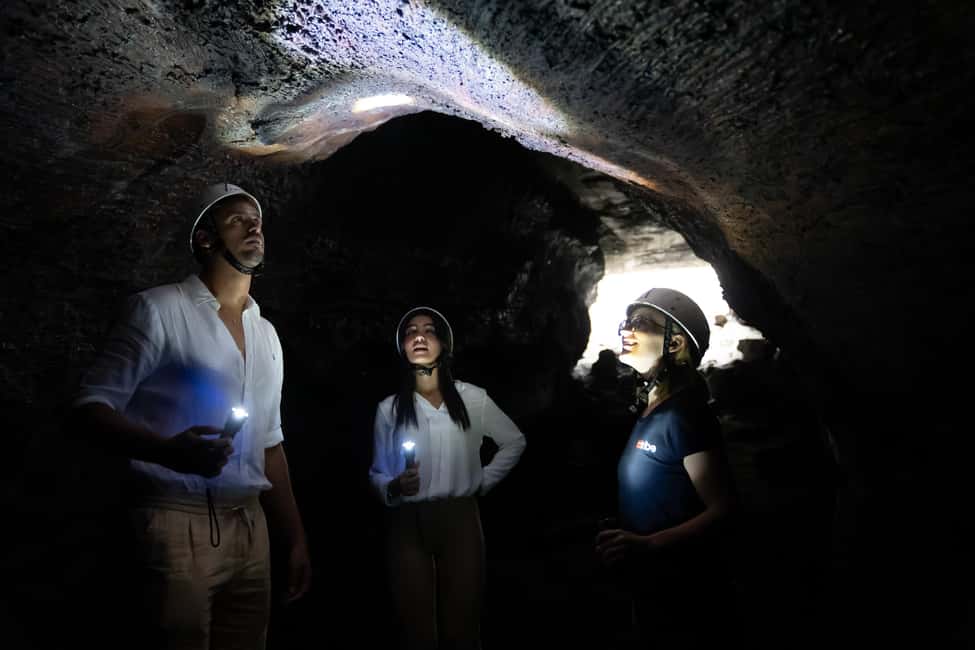
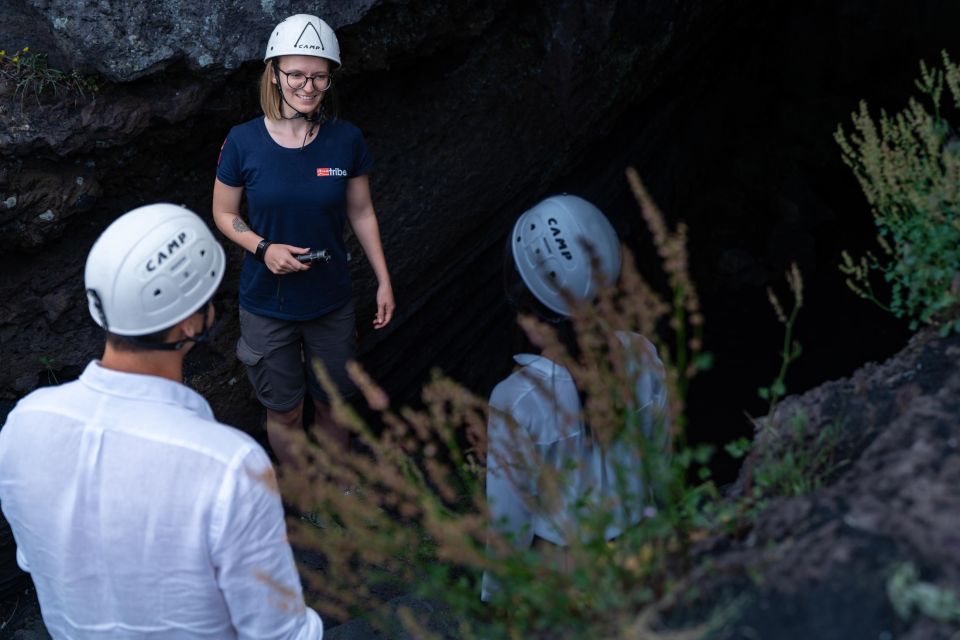
If your option includes the cave visit (often tied to the transfer choice), you’ll enter a lava cave with a helmet and headlamp. This is one of those moments where the volcano becomes physical, not just scenic.
The guide explains how lava flows form tunnels and why certain shapes show up. Without getting overly technical, it helps you connect what you saw at the craters and viewpoints to what’s happening underground. The cave also slows the day down in a good way—less wind, more close-up texture and real-world geology.
Practical note: cave time can feel a bit tight depending on the crowd and the day’s schedule. Plan to be okay with moving along rather than lingering. The upside is that you still get the full learning arc: quick science, then the sensory experience of walking through a cooled volcanic pathway.
Farm Tasting on the Slopes: Honey, Olive Oil, and Wine You Can Actually Take Home
After the volcano portion, you’ll head to a well-known farm for tastings of local products. This is the “Sicily in edible form” part of the day.
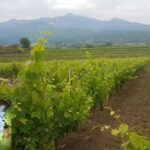
Expect samples that can include honey, olive-based products (often olive oil plus spreads or similar items), and a wine-focused tasting. People have described tastings that move through several items—olive oils and spreads first, then wines, followed by sweet treats like honey and even a few liqueur-style pours. If you like food tourism, this is one of the best value pieces of the whole itinerary.
I also like that the tasting feels grounded. It’s not fancy plating for the sake of photos. It’s a direct introduction to what the region makes and sells, and it gives you something tangible to remember Etna by besides photos of rocks.
Bring an empty stomach. Then pace yourself. It’s easy to get carried away tasting just one more oil or one more pour after you’ve hiked and climbed.
You can also read our reviews of more hiking tours in Catania

Duration, Group Size, and How to Plan Your Day in Catania
This tour runs 3 to 7 hours, depending on starting times and which transport option you choose (walking vs higher cable car/jeep bus paths). That range is normal for Etna because weather and altitude logistics can shift how long certain segments take.
You’re in a small group, which is the sweet spot for a day like this. Too large and the guide can’t keep everyone together on uneven terrain. Too small and you might lose that lively group energy people seem to enjoy on this tour.
Lunch is not included, so if you’re the type who hates making food decisions while standing in wind, plan ahead. Snacks are a smart idea, especially if your schedule has you traveling and hiking before the farm tasting. Once you’re up on Etna, the cold can also blunt hunger—then you realize you’ve skipped lunch and the first bite of tasting food is suddenly the best thing you’ve ever eaten.
Price and Value: What $45-ish Buys on Etna
At about $45.55 per person, the pricing feels intentionally fair for what you get: guide time, crater-and-eruption context, a lava cave kit (when your option includes it), and the local product sampling. For Etna days, the money goes into getting you up there with a guide and packaging multiple experiences in one slot.
Two value notes to keep you from getting surprised:
- The base price does not include cable car or 4×4 bus transport to higher altitudes.
- The cave visit and kit tie to the option you select (especially if you choose transfer-related options).
So the best way to think of the price is this: it’s a strong deal if you’re happy with the hiking portion and want the cave + tasting. If your plan is “go as high as possible,” budget for the added transport.
What to Pack for Etna: Windbreaker, Traction, and a Real Jacket
This is where you win or lose your comfort.
Bring:
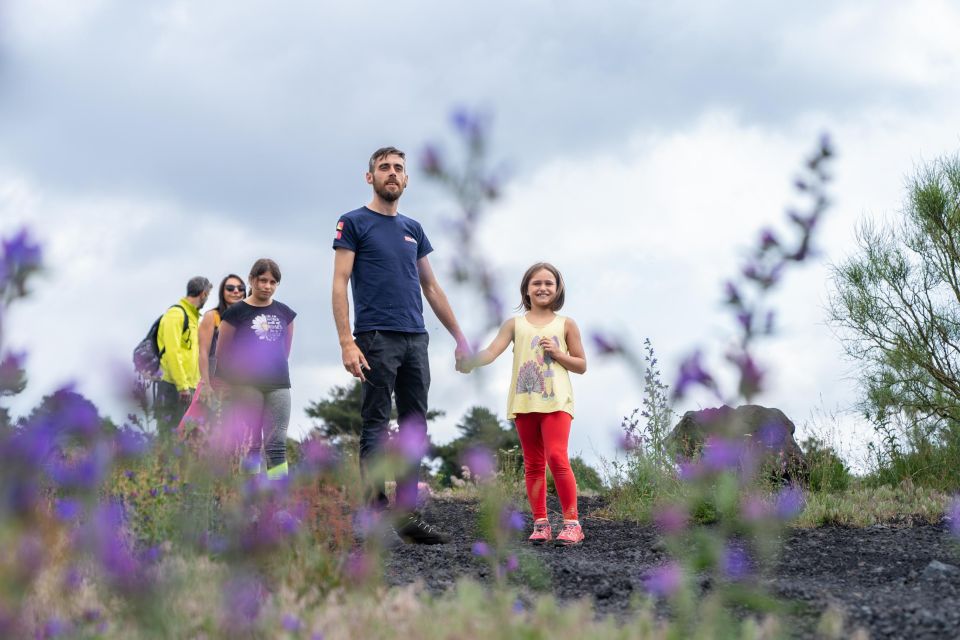
- Windbreaker (wind is not optional up there)
- Sports shoes (and if you can, choose something with solid traction)
- Weather-appropriate clothing, including layers
Also, if the day looks cold, treat that as a real warning, not a suggestion. People have highlighted that Etna can be freezing. Pack a jacket you’d actually wear, not the thin one you bring for photos.
One more thing: pets are not allowed, and the tour isn’t suitable for people with mobility impairments. If that’s you, you’ll likely have a frustrating day and not the fun kind.
Who This Etna Tour Is For (and Who Might Want a Different Plan)
This tour is ideal if you want:
- Clear explanations for what you’re seeing at 1,986 m
- A mix of viewpoints, crater areas, and a lava cave visit
- A guided day that ends with a practical reward: eating and tasting local products
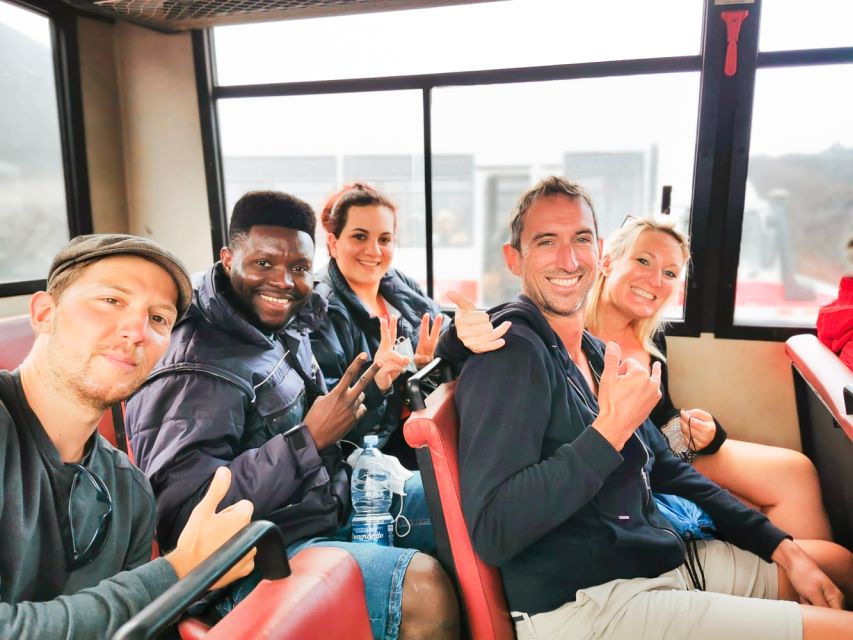
It’s also a good fit for mixed groups, since there’s an option to take cable car and jeep bus instead of purely hiking.
You might choose something else if:
- You need fully step-free or low-walking access (this tour isn’t suitable for mobility impairments)
- You want a long, slow cave visit (the cave portion can feel time-limited)
- You’re allergic to cold wind and you don’t plan to layer up
Should You Book This Catania: Etna Nature Tour?
Yes—if you want a well-paced Etna day where the science makes sense and the food part isn’t an afterthought. The combination of Sapienza Refuge viewpoints, the crater story (including the Silvestri craters tied to 1892), and a helmet-and-headlamp lava cave visit is exactly the kind of “one trip, many Etna moments” setup that makes the money feel worth it.
Book it especially if you like tours with a real guide personality—people have raved about guides like Carmelo and Valentine for making the day feel lively, and guides like Simone for keeping the explanations clear while still feeling welcoming.
One final smart move: decide now whether you’re going to hike or pay extra to go higher by cable car and jeep bus. That choice affects comfort, budget, and how you’ll experience the day. If you line that up with your energy level, you’ll have the kind of Etna outing you’ll talk about long after the taste of olive oil and wine fades.
FAQ
How long is the Etna nature tour?
The duration ranges from 3 to 7 hours, depending on the selected starting time and options.
Is the lava cave visit included?
A lava cave visit is included only if you select the option that includes transfer, and you’ll get a kit for the cave visit (helmet and headlamp are included for the cave visit).
Do I need to pay extra to go higher on Etna?
Yes. The cable car or the 4×4 bus to high altitudes is not included. The tour offers an option to take these instead of trekking, but you’ll pay the extra transport separately.
What will I eat or drink during the tour?
Lunch is not included, but you will sample typical local products at a farm, such as honey, olive oil, and wine.
What should I bring for the day?
Bring a windbreaker and sports shoes, plus weather-appropriate clothing. If conditions are cold, layers are especially important.
Is the tour suitable for everyone?
The tour is not suitable for people with mobility impairments, and pets are not allowed.