REVIEW · CATANIA
Etna Volcano: South Side Guided Summit Hike
Book on Viator →Operated by Ashàra Etna & Stromboli Guides · Bookable on Viator
If you want to see an active volcano up close, Etna delivers. This South Side summit hike is built around real-time safety and geology, not just scenic photos, with a volcanologist guide leading the way. You’ll walk on crater rims and learn what you’re standing on as the terrain shifts from lava flows to sharp, lunar-looking ground.
I also like that the tour takes you high enough to feel the scale of Mount Etna. Cable car and a 4×4 get you up to the walking zone, then you’re out there for hours with helmets, boots, poles, and cold-weather layers provided. The only real drawback is simple: it’s a medium-high, windy, uneven hike, and summit access can change if gas or weather makes it unsafe.
Key highlights at a glance
- Volcanologist guide who prioritizes safety while explaining what you see at the summit craters
- Gear included: helmet, trekking boots, trekking sticks, and protective cold/wind items (plus gloves and a windbreak layer in the provided features)
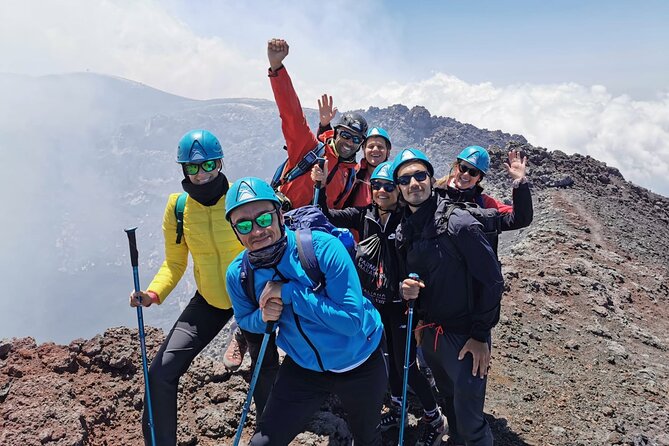
- A crater-rim walk with views toward the Central, Northeast, and Southeast craters
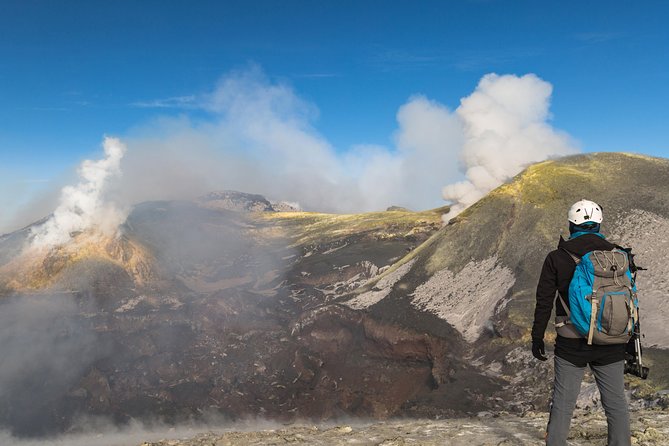
- Valle del Bove stop for that wide-open Etna “lunar” feeling
- Descent stops at Barbagallo craters and a lava-flow channel
- Small group size with a maximum of 20 people, so questions can actually land
In This Review
- Getting to Rifugio Sapienza and up to the walking altitude
- What a volcanologist guide really changes on Etna
- Stop-by-stop: how the day unfolds on Etna South
- 1) Itinerario Crateri Sommitali: rim walking and summit views
- 2) Valle del Bove: the “wide view” pause
- 3) Mount Etna and the crater sequence: staying safe while staying close
- 4) Barbagallo craters and the descent: lava flow texture underfoot
- The wind, the cold, and what to wear (this matters more than you think)
- Pace and fitness: what medium-high really feels like
- Price and value: what’s included vs. what you’ll pay locally
- Group size: listening to the guide without getting lost
- Who should book this Etna South summit hike
- Should you book this Etna South guided summit hike?
- FAQ
- FAQ
- How long is the Etna South guided summit hike?
- Where does the tour start?
- Is the tour offered in English?
- What fitness level do I need?
- What gear is included?
- Do I need to bring water and snacks?
- Are the cable car and 4×4 included in the price?
- Is pickup from Catania included?
- Can the route change during the hike?
- How big is the group?
Getting to Rifugio Sapienza and up to the walking altitude
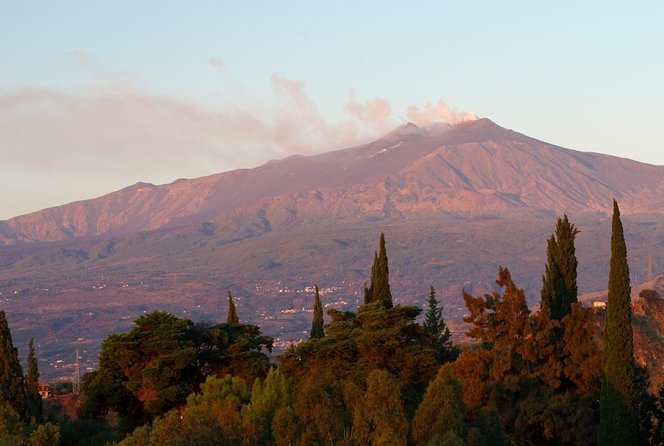
The day starts at Piazzale Rifugio Sapienza (Etna South), with the start time set for 8:00 am. You meet Ashàra Etna & Stromboli Guides right at the base where the mountain access begins. The big reason for this early start: on Etna, wind and visibility can shift fast, and mornings often give you better conditions for views and safety.
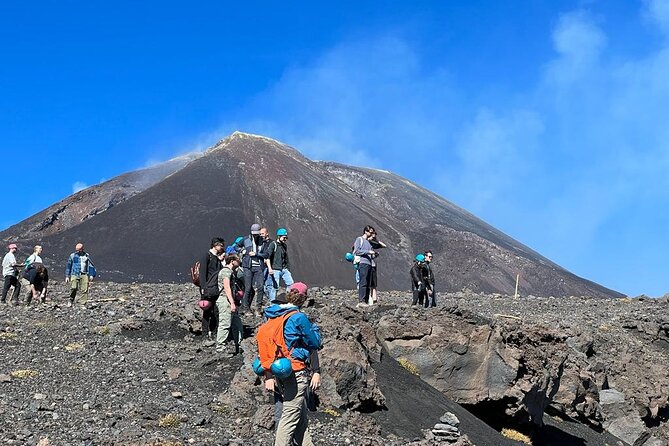
From there, you’ll get help getting higher using the cable car and/or a 4×4 jeep. The walking begins once you’re up around 2,800–2,900 meters (about 9,500 feet). One practical point for planning: the tour price you book doesn’t include the cable car and 4×4 tickets, which are listed as €65 per person paid locally.
This combination matters for value. You’re not just paying for a guide to talk at ground level—you’re paying for the time and effort to reach the volcanic features that most people only see from afar.
What a volcanologist guide really changes on Etna
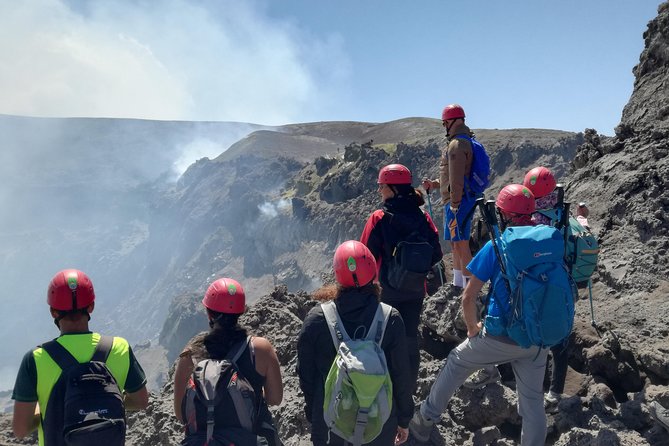
Etna is active, and that changes everything. This hike is led by certified volcanological mountain guides, and the instructions are clear: the itinerary can vary if conditions require it. In plain terms, if there’s too much gas, vapor, or other safety concerns, you may not be taken onto every crater route exactly as planned. Safety comes first, even if it’s disappointing for the moment.
The guide’s job isn’t just to point and describe. It’s to explain the logic of what’s happening around you: gas emissions, the reason certain areas look different, and why some sections can be risky. You’ll also get real guidance for how to move over loose, uneven ground at altitude.
In the group, you may travel with different volcanologist guides—names you might hear include António, Max, Antonio, Simon, Massimo, Philippo, Marco, and Angelo. What matters isn’t the name on a sign; it’s the way they connect geology to the route you’re walking. And you can tell when a guide has done this day in and day out, because the safety talk doesn’t feel like a lecture—it feels like setup for a trip you can actually handle.
You can also read our reviews of more guided tours in Catania
Stop-by-stop: how the day unfolds on Etna South
This is the kind of hike where the “stops” aren’t random. Each pause lines up with a different volcanic feature, so you don’t feel like you’re trekking across blank ground.
1) Itinerario Crateri Sommitali: rim walking and summit views
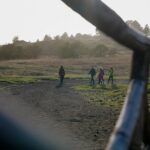
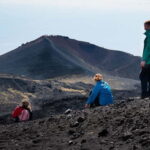
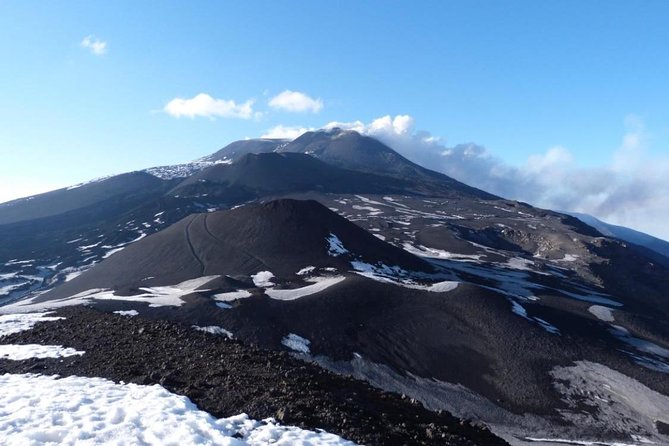
Once you’re at the walking altitude, you’ll spend roughly two hours moving through lava flows and lunar-looking ground toward the summit craters area. Then the highlight phase starts: walking along the rim of the Central Crater.
From that position, the craters become easier to understand. You face the Northeast Crater, and you can see the Southeast Crater off to the side—described as the source of the most recent and impressive eruptions. Expect the terrain to feel dramatic, because crater rims mean real drops and a lot of wind exposure.
This is also where the details get fascinating for people who like science without turning it into a textbook. You may notice:
- Gas emissions
- Volcanic bombs
- Sparkling colors in the ground from the sublimation of different elements, including sulfur
You’ll also have chances to stop for photos and for a breather, because rim sections can be slow going when the ground is uneven and the air is cold.
2) Valle del Bove: the “wide view” pause
On Etna, Valle del Bove is one of those places that gives you instant scale. Even when you’re surrounded by black volcanic material, your brain needs a bigger frame to understand what it’s seeing. This stop is built for that.
Expect a wider outlook and more time to take in how Etna’s volcanic structure opens out around you. You’ll also get a different kind of walking—still volcanic and uneven, but with a strong “outside your comfort zone” feeling that makes the views more rewarding.
If you’re the type who gets impatient on hikes, you’ll probably like this stop. It’s not just scenery; it’s a chance to reset your understanding of the mountain before the day shifts again.
3) Mount Etna and the crater sequence: staying safe while staying close
Along the way, the guide keeps the focus on the active volcano reality. That means you may see the summit area from safer positions depending on conditions. Even when you don’t get every last step right up to the most intense spots, you still get meaningful access to the crater environment.
If your dream is seeing craters at close range, this tour is built for that. You’re not only riding a lift and looking down from a viewpoint. The route includes walking on crater rims and moving through the volcanic material that makes Etna feel like it belongs on another planet.
You can also read our reviews of more hiking tours in Catania

4) Barbagallo craters and the descent: lava flow texture underfoot
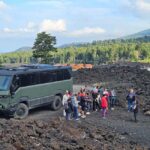
The descent phase includes a visit to the Barbagallo craters and a crossing of a lava flow channel. This is where the hike can feel physically different from the ascent.
Going down tends to be harder on your legs because footing can be slippery—especially over loose, dark volcanic sand/gravel. The surface can feel unpredictable even when it looks solid from above. Take it slow, keep your weight controlled, and use your poles if you’ve got them (and they’re provided).
Also, this is where you start to notice how Etna’s history leaves physical evidence. The ground isn’t just “rock”—it’s layers of movement, impact, and cooling, and the channel crossing gives you a sense of flow patterns rather than only crater shapes.
The wind, the cold, and what to wear (this matters more than you think)
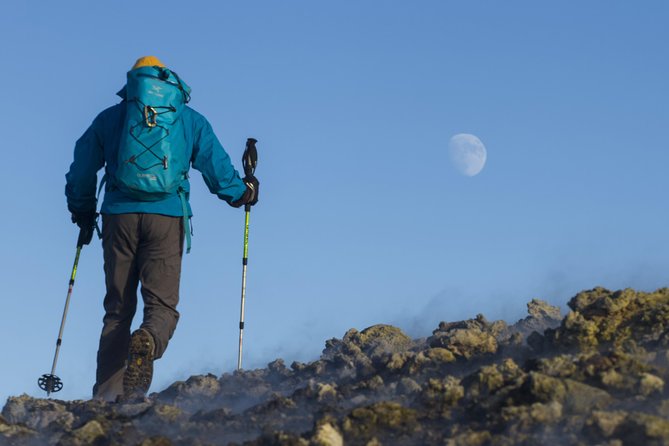
Etna can be brutally changeable. Even when you start in comfortable conditions, wind can cut hard once you’re at high altitude. Several guides stress the same reality: you’re exposed, and the mountain doesn’t care about your plans.
Here’s what you’ll want to plan around:
- Wind: expect it to be strong, especially near crater areas
- Cold snaps: you may need more warmth than you planned for
- Loose ground: deep sand/gravel and uneven slopes can be tiring
- Time at altitude: it’s not just the hike; it’s the waiting and photo breaks too
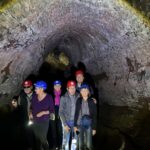
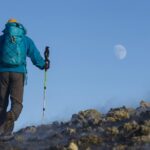
Good news: you’re not walking around unprepared. The tour setup includes helmets, trekking boots, trekking sticks, and the provided features mention windbreakers and gloves. That helps a lot.
Still, don’t ignore what can be missing. The non-included list calls out wind jacket. So if you tend to get cold easily, bring something that blocks wind. A hat, warm layer for your neck, and long pants can make the difference between “wow, cold” and “why did I wear this.”
And if you’re wondering about clothing color: one helpful tip you might hear is to wear dark-colored clothing. This is practical on active volcanic sites where visibility and dust can matter, and it tends to blend better with the conditions you’ll be moving through.
Pace and fitness: what medium-high really feels like
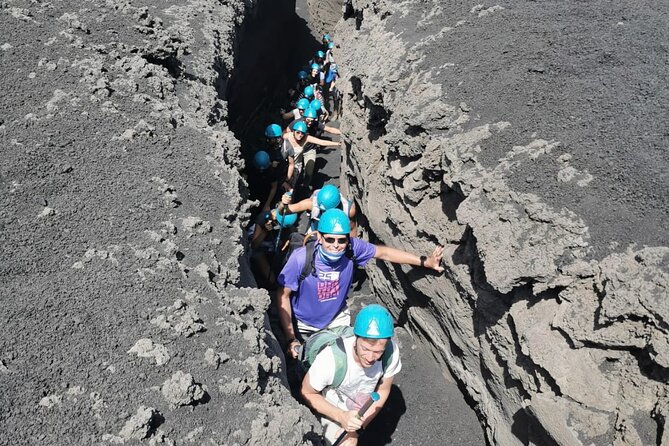
This is listed as medium-high fitness, and the walking is meaningful. You should plan for a total day that feels like a real hike, not a casual stroll. Expect uneven terrain and slopes, plus the mental challenge of crater rims and height exposure for those who are sensitive.
One review detail that lines up with the route: you’ll cover roughly 8–10 km in about 6 hours, with extra effort on uneven ground. The ascent is strenuous. The descent can be trickier because the surface can be slippery.
If you have good hiking shoes and you’re comfortable using poles, you’ll likely find it manageable. If you don’t hike often, consider training beforehand: uneven steps, hills, and controlled descent practice all pay off fast.
Price and value: what’s included vs. what you’ll pay locally
The published price is $78.64 per person, and that includes the essentials that cost money in a guided, professional setting:
- Insurance
- Volcanological guides
- Helmet
- Trekking boots
- Trekking sticks
Then there’s the key extra cost: cable car and 4×4 jeep tickets are €65 per person, paid locally. You’ll also need your own water and snacks, and wind jacket is listed as not included.
So what’s the real value? You’re paying for:
1) Access to altitude fast (via lifts/jeep to the walking zone)
2) A guide who understands active-volcano conditions and crater geology
3) The safety gear that lets you focus on the hike instead of spending on rentals
For many people, the local €65 is worth it because it changes the whole experience—you reach the crater zone without spending the entire morning climbing from sea-level. Just make sure you budget for that extra charge and bring enough water for a full morning and early afternoon.
Group size: listening to the guide without getting lost
The group max is 20 travelers. That’s a healthy size. It’s big enough to meet people, but small enough that a guide can keep eyes on the terrain.
Still, a crowded situation can happen if weather draws attention and everyone crowds the same photo spot. If you want to hear the guide clearly, position yourself where you can see them. A small change in where you stand can make explanations easier to follow—especially when the wind is roaring.
The best part of a small group on Etna is that your guide can adjust pace and help slower hikers without turning the day into chaos. That’s exactly the kind of day where patience and good leadership matter.
Who should book this Etna South summit hike
This tour is a strong fit if you:
- Want a guided crater experience with a volcanologist focus
- Are comfortable with a strenuous hike on loose, uneven ground
- Don’t mind wind and cold at altitude
- Prefer action and learning over just riding to a viewpoint
It may not be your best match if you:
- Have mobility limitations that make uneven descent hard
- Have a strong fear of heights without the ability to take it slow
- Expect a relaxed walk with minimal physical effort
Also, remember that the volcano is active. Even on a great day, conditions can shift what you’re allowed to access. If you’re only happy with one specific outcome—like reaching every possible summit point—then you’ll want to mentally prepare for safe “plan B” routes that still keep you in the crater environment.
Should you book this Etna South guided summit hike?
Yes—if you want the real Etna, not the postcard version. The combination of crater-rim walking, a volcanologist guide, and practical included gear makes this a good value for people who are ready to hike and ready for wind.
Book it if you can handle uneven terrain, cold layers, and a day that runs about six hours. Also budget for the local €65 cable car + 4×4 and bring water and snacks (and consider packing a wind jacket since it isn’t included). If you’re flexible about which crater access is possible due to safety conditions, you’ll still get a memorable, science-led look at an active volcano.
FAQ
FAQ
How long is the Etna South guided summit hike?
It’s approximately 6 hours.
Where does the tour start?
The meeting point is Piazzale Rifugio Sapienza (Etna South), at the Ashàra Etna & Stromboli Guides location in Nicolosi (CT), Italy.
Is the tour offered in English?
Yes, the tour is offered in English.
What fitness level do I need?
You should have moderate physical fitness level, and the hike is described as medium-high difficulty with uneven ground and demanding sections.
What gear is included?
You’ll be provided a helmet, trekking boots, and trekking sticks. The tour’s description also mentions protective items like windbreakers and gloves.
Do I need to bring water and snacks?
Water and snacks are not included, so you should plan to bring them.
Are the cable car and 4×4 included in the price?
No. The cable car and 4×4 jeep tickets are paid locally (listed as €65 per person).
Is pickup from Catania included?
No. Pickup transfer service from Catania (or nearby areas) is not included.
Can the route change during the hike?
Yes. Because it’s an active volcano, the itinerary can vary if safety conditions require it.
How big is the group?
The tour has a maximum of 20 travelers.